

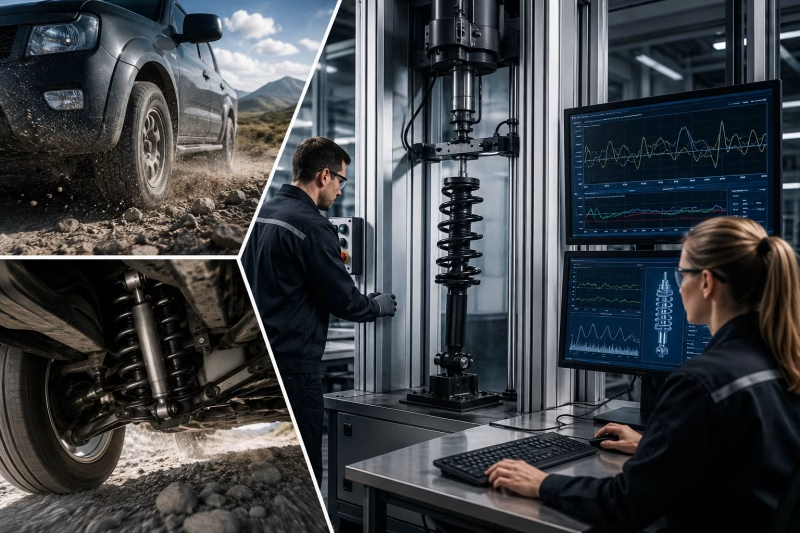
Many motorists do not realize that genuine suspension components undergo extensive endurance testing long before they reach vehicle assembly lines or the aftermarket. These rigorous tests help ensure that suspension components can withstand years of demanding driving conditions while maintaining consistent performance and safety.
Why Endurance Testing Matters
Suspension components such as shock absorbers, struts, springs, bushings, and control arms experience constant stress throughout their service life. Every pothole, speed bump, rough road, and sharp corner places additional strain on these parts. Therefore, without proper testing, suspension components could fail prematurely, leading to poor handling, uneven tyre wear, reduced braking performance, and increased repair costs. This is why leading manufacturers invest heavily in endurance testing. The goal is to verify that suspension parts can withstand years of real-world driving while maintaining consistent performance, durability, and safety.
Simulating Years of Driving in the Laboratory
Modern testing facilities use advanced equipment to replicate years of road use within a controlled environment. Engineers subject suspension components to repeated compression, vibration cycles, impact loads, and temperature fluctuations to assess their durability, reliability, and overall performance.
These tests often simulate extreme conditions, including rough roads, heavy vehicle loads, and sudden steering maneuvers. By exposing components to stresses beyond normal driving conditions, manufacturers can identify potential weaknesses before products enter the market. The process also helps ensure that genuine suspension parts meet strict quality and safety standards while delivering consistent performance throughout their lifespan.
The Difference Between Genuine and Counterfeit Parts
The growing availability of counterfeit automotive components remains a concern across global markets. While fake suspension parts may look similar to genuine products, they rarely undergo the same level of testing and validation. As a result, counterfeit components often wear out prematurely, compromise vehicle stability, and increase safety risks for drivers and passengers.
Leading manufacturers invest heavily in research, development, testing, and validation programs to ensure their suspension components perform as intended under real-world conditions. Organizations such as the Automotive Aftermarket Suppliers Association (AASA) continue to promote quality standards and awareness across the automotive aftermarket industry.
Benefits for Drivers and Fleets
Choosing genuine suspension components offers benefits that extend beyond ride comfort. Properly tested parts help maintain vehicle control, improve braking performance, reduce wear on related components, and support overall vehicle longevity. For fleet operators, reliable suspension systems can also contribute to lower maintenance costs, reduced downtime, and improved operational efficiency.
Investing in Confidence
Suspension systems play a vital role in how vehicles handle, respond, and protect occupants on the road. Endurance testing helps ensure that genuine components can meet these demands day after day, year after year. The next time your vehicle delivers a smooth ride over rough roads or maintains stability during an emergency maneuver, remember that countless hours of testing helped make that performance possible. In today’s automotive industry, endurance testing is more than a quality-control exercise—it represents a commitment to safety, reliability, and long-term value. For vehicle owners and fleet operators alike, it provides confidence that the suspension components beneath their vehicles have been engineered, validated, and tested to deliver dependable performance when safety, durability, and reliability matter most.
More Insights:
Automotive Suspensions – Understanding the basics of Automotive Suspension
Automotive suspension market: Accelerated shift from passive to active suspension systems
Fake Parts, Real Accidents: How Counterfeit Auto Parts Are Endangering Lives in Africa
Counterfeit Parts in Fleets: A Profit-Killing Problem
Why African Consumers Still Distrust Locally Assembled Vehicles

