

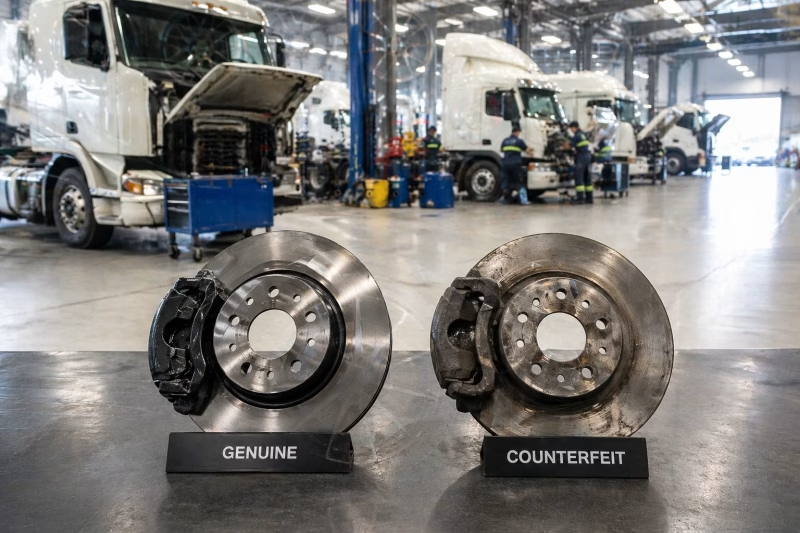
The global transport and logistics industry depends on precision, reliability, and trust. However, beneath the efficiency of many fleet operations lies a growing and costly threat; counterfeit automotive parts infiltrate supply chains and silently undermine performance. Additionally, they inflate operational costs and put lives at risk.
For fleet managers focused on uptime, efficiency, and cost control, this issue extends far beyond routine maintenance. Counterfeit parts represent a critical business risk. In fact, they compromise safety, weaken operational integrity, and can severely damage brand reputation in an already competitive industry.
The Growing Threat of Counterfeit Auto Parts
Across Africa and globally, counterfeit automotive parts have become widespread. In fact, recent data shows that over 80% of automotive spare parts in some markets are affected by counterfeiting. This makes it one of the most heavily targeted sectors.
The reason is demand. As fleets age and operating costs rise, many operators seek cheaper alternatives to keep vehicles running. Counterfeiters exploit this demand by producing low-cost imitations that closely resemble genuine components. However, these parts lack the quality, testing, and certification required for safe operation. Today’s counterfeit parts are increasingly sophisticated. From packaging to branding, they often look nearly identical to original equipment manufacturer (OEM) products. This similarity makes them difficult to detect even for experienced technicians.
Why Counterfeit Parts Are a Profit Killer
At first glance, counterfeit parts may seem like a cost-saving solution. However, the reality is the opposite. These components often trigger a chain reaction of hidden costs that can cripple fleet profitability.
-
Increased Downtime
Fake parts fail faster. Unlike genuine components designed to meet strict durability standards, counterfeit parts are made with inferior materials. This leads to frequent breakdowns, unplanned maintenance, and longer vehicle downtime, directly affecting fleet productivity.
-
Higher Maintenance Costs
While counterfeit parts are cheaper upfront, they rarely last. Fleets end up replacing them more often, increasing total cost of ownership. In some cases, a single failed part can damage surrounding systems, multiplying repair expenses.
-
Safety Risks and Liability
Counterfeit parts can fail terribly. Faulty brake systems, defective airbags, or weak suspension components can cause serious accidents. According to industry experts, the danger lies in their potential for sudden failure, putting drivers and other road users at risk.
For fleet operators, this translates into legal exposure, insurance claims, and reputational damage. These costs far outweigh any initial savings.
-
Fuel Inefficiency and Performance Loss
Substandard parts, such as filters or engine components, reduce vehicle efficiency. Engines work harder, consume more fuel, and deliver lower performance—silently draining operational margins over time.
The Impact on Fleet Operations and the Economy
Counterfeit parts don’t just affect individual fleets; they disrupt the entire transport system. Industry stakeholders, including manufacturers, distributors, workshops, and regulators, all feel the impact. Experts warn that counterfeit components undermine operational reliability and create widespread economic losses across the value chain. Moreover, counterfeit parts damage trust. When a fleet experiences repeated failures, customers lose confidence. Deliveries get delayed, service quality drops, and long-term contracts are put at risk.
How Counterfeit Parts Enter Fleet Supply Chains
Understanding how counterfeit parts infiltrate fleets is essential to effectively preventing their spread. These components typically enter supply chains through several weak control points, including:
- Unverified suppliers offering suspiciously low prices that undercut legitimate market rates.
- Online marketplaces with limited or inconsistent quality assurance mechanisms.
- Informal distribution channels that operate outside regulated supply systems.
- Cost-driven workshops sourcing cheaper alternatives in an effort to reduce operational expenses.
The rapid expansion of e-commerce has further intensified the challenge. Counterfeiters now exploit digital platforms to distribute fake components on a global scale. Often, they mask these parts behind attractive pricing and convincing listings. These offers are frequently designed to appear legitimate. As a result, it is difficult for unsuspecting buyers to distinguish between genuine and substandard parts until failures occur.
Red Flags Fleet Managers Should Never Ignore
Counterfeit parts are often difficult to identify at first glance, but they typically reveal subtle warning signs:
- Prices that are significantly below standard market rates
- Low-quality, inconsistent, or poorly printed packaging
- Absence of certification marks, traceability codes, or serial numbers
- Suppliers with no verifiable history, credentials, or industry recognition
- Components that feel unusually light, rough, or poorly finished in hand
As a rule of thumb, an offer that appears “too good to be true” usually carries hidden compromises in quality, safety, and reliability.
Solutions: How Fleets Can Protect Themselves
To address this escalating challenge, fleet operators must adopt a proactive, disciplined, and system-driven approach. This approach should strengthen every layer of the supply chain.
- Source Exclusively from Trusted and Authorized Suppliers
Engage only certified dealers and verified distributors. Building long-term partnerships with reputable suppliers significantly minimizes the risk of counterfeit infiltration into your fleet operations. - Enforce Robust Procurement Governance
Establish and standardize clear procurement policies across the organization. Eliminate informal or ad-hoc purchasing practices, particularly those involving unfamiliar or unverified vendors. - Strengthen Capacity Through Targeted Training
Equip procurement teams and technicians with the skills to detect counterfeit components. Continuous awareness and technical training serve as a critical frontline defense against substandard parts. - Leverage Digital Authentication Technologies
Adopt manufacturer-provided verification tools such as QR codes, holographic labels, and serial number authentication systems. These technologies offer instant validation of part authenticity and traceability. - Institutionalize Routine Audits and Inspections
Conduct regular and systematic audits of inventory and installed components. In addition, early detection through scheduled inspections helps prevent counterfeit parts from compromising performance, safety, and operational efficiency.
Industry Response and the Need for Collaboration
Governments and industry bodies are intensifying efforts to curb the proliferation of counterfeit automotive parts. Enforcement agencies are ramping up inspections and compliance checks. Meanwhile, manufacturers are investing in advanced anti-counterfeiting technologies to safeguard product authenticity.
Industry organizations, including the Automotive Aftermarket Suppliers Association, are playing a proactive role in raising awareness and driving the adoption of best practices across the value chain.
However, enforcement on its own is not sufficient. Meaningful and lasting progress depends on strong collaboration between fleet operators, suppliers, regulators, and technology providers. They must work in unison to secure the supply chain and protect end users from risk.
Guarding Fleet Integrity
Counterfeit parts are more than a technical inconvenience. They represent a serious strategic threat to fleet safety, efficiency, and long-term profitability. What may initially look like a cost-saving decision at procurement can quickly spiral into unexpected breakdowns, higher maintenance costs, operational delays, and increased safety risks on the road.
Fleet operator’s priority on quality, should never be treated as an expense to minimize, but as an investment that protects assets and ensures continuity of operations.
Furthermore, strengthening procurement systems, verifying supplier authenticity, and maintaining strict quality controls are essential steps in safeguarding performance and reliability.
Consequently, in today’s highly competitive transport landscape, eliminating counterfeit components is not optional. Instead, it has become a critical requirement for sustaining operational excellence, protecting drivers, passengers, and goods, as well as securing long-term business success.
Read More:
How to Identify Counterfeit Auto Parts
Fake Parts, Real Accidents: How Counterfeit Auto Parts Are Endangering Lives in Africa
Counterfeit Auto Parts: A Silent Threat Growing Across Africa
TotalEnergies Lubrifiants and SCRIBOS partner against counterfeiting
Counterfeit Automotive Lubricants: How Innovative Solutions are Crushing Counterfeits and Defend Quality

