
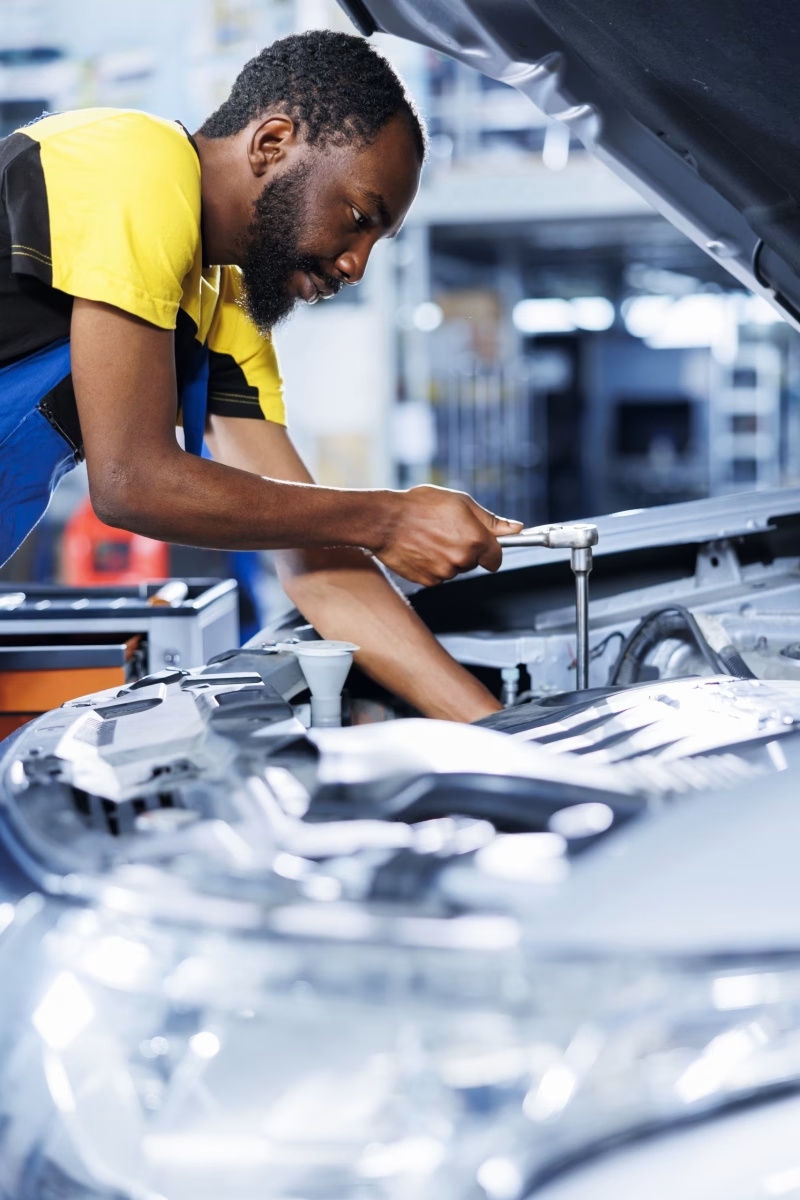
Walk into a modern workshop today and the biggest difference may not be the vehicle on the lift. It may be the technology surrounding it. A diagnostic tablet can help technicians identify electronic faults more quickly and accurately. Connected systems can provide vehicle-health information remotely. Digital service records can give technicians access to maintenance history, while workshop management platforms can help businesses schedule jobs, manage inventory and communicate with customers.
This transformation is increasingly relevant across Africa. The continent has a large and ageing vehicle population, while newer imported and locally assembled vehicles are becoming increasingly electronic and software-driven. Africa’s automotive aftermarket is therefore moving from a purely mechanical repair model towards a more technology-driven service ecosystem.
For workshop owners, however, digitalisation is not simply about buying expensive equipment. The real question is: Which technologies are becoming essential for workshops to remain competitive in modern vehicle servicing?
Diagnostics Are Becoming the Workshop’s First Line of Defence
Modern vehicles generate enormous amounts of diagnostic information. Electronic control units, sensors and onboard systems continuously monitor everything from engine performance to braking and emissions. As a result, technicians increasingly need more than mechanical experience. They need reliable diagnostic scanners, software and the skills to interpret electronic data correctly.
Kenya’s automotive diagnostics market is already being shaped by technologies including OBD-II, cloud-based diagnostics, AI-driven systems and wireless diagnostics. Market research also identifies a shortage of skilled technicians and the cost of advanced diagnostic equipment as important barriers to adoption.
This highlights a critical reality for African workshops: technology delivers value only when technicians have the skills to use and interpret it correctly. Workshop owners should therefore treat technician training as an investment that complements diagnostic equipment.
Connected Vehicles Will Change How Workshops Diagnose Problems
The growth of connected vehicles is creating another opportunity. Instead of waiting for a customer to arrive with a warning light, connected systems can increasingly provide information about vehicle condition, usage and emerging faults.
Remote diagnostics, telematics and vehicle-health alerts are already appearing in automotive service and fleet-management applications. Kenya’s vehicle diagnostics market, for example, includes real-time monitoring, vehicle-health alerts, tracking and roadside assistance applications.
For fleet operators, this capability can be particularly valuable. A workshop that receives vehicle information before a vehicle arrives can prepare the required parts, tools and technicians in advance. That can reduce diagnostic time and minimise vehicle downtime.
AI Could Make Maintenance More Predictive
Artificial intelligence is another technology that will increasingly influence workshop operations. AI can analyse large amounts of vehicle data and identify patterns that technicians might not easily recognise manually. When combined with telematics, diagnostic information and service histories, AI can help identify potential maintenance requirements before they become serious failures.
This does not mean AI will replace technicians. Instead, it can give technicians better information with which to make decisions. African workshops should therefore view AI as a decision-support tool rather than a replacement for human expertise.
The opportunity is particularly relevant to commercial fleets, where an unexpected breakdown can disrupt deliveries, passenger services, construction projects, mining operations or agricultural activities.
Workshop Management Software Can Improve Profitability
Technology is not only changing how technicians repair vehicles. It is also changing how workshops run their businesses. For African workshops, digital management systems can bring appointments, job cards, customer records, parts inventory, preventive maintenance and service reminders into one platform.
This matters because many workshops lose money through inefficient processes rather than poor technical work. A missing spare part can delay a repair. Poor record keeping can make it difficult to identify repeat problems. Manual invoicing can create administrative delays. Weak customer communication can damage trust.
Digital systems can bring these processes together. The opportunity is significant. One recent industry estimate values Africa’s automotive garage-equipment market at approximately US$1.8–2.1 billion in 2026, with diagnostic and testing equipment among the fastest-growing segments.
ADAS and EVs Are Raising the Technical Bar
The technology challenge becomes even greater as African markets receive more advanced vehicles. Advanced Driver Assistance Systems can include cameras, radar and sensors that support functions such as lane assistance, adaptive cruise control and collision warning. Depending on the vehicle and repair, windscreen replacement, collision damage, suspension work or changes to vehicle geometry may require ADAS inspection or recalibration.
Electric and hybrid vehicles create another layer of complexity. Technicians must understand high-voltage systems, battery management, electric motors, thermal management and specialised diagnostic procedures.
This means the workshop of the future needs a broader skills base. Traditional mechanical expertise remains essential, but it must increasingly sit alongside electronic diagnostics, software knowledge and vehicle-specific technical information.
Digital Customer Experience Is Becoming a Competitive Advantage
Customers also expect workshops to become more transparent. They want to know what is wrong with their vehicle, which parts require replacement, how much the repair will cost and when the vehicle will be ready. Digital inspection reports, photographs, videos, electronic estimates and service reminders can make this process easier.
For independent workshops, this creates an important opportunity. Technology can help smaller businesses compete with larger dealerships by delivering a more professional and transparent customer experience. Trust can become a powerful differentiator in markets where consumers remain concerned about unnecessary repairs, counterfeit parts and inconsistent service quality.
The Skills Gap Cannot Be Ignored
The biggest obstacle may not be technology itself. It may be people. Advanced equipment requires trained technicians who understand how to use it and interpret its results. Kenya’s diagnostics market research specifically identifies limited skilled labour and high equipment costs as adoption challenges.
Workshops should therefore adopt a phased approach. Rather than trying to purchase every new technology at once, owners can identify their most common vehicle types and service problems, invest in appropriate diagnostic equipment, train technicians and gradually add connected and digital systems. Training should also continue as vehicle technology evolves.
Cybersecurity Will Become Part of Workshop Responsibility
Connected vehicles and digital workshop systems also create new risks. Customer information, vehicle data, diagnostic accounts and connected devices must be protected. Workshops increasingly need basic cybersecurity measures covering strong passwords, software updates, access permissions, data storage and connected diagnostic equipment. The more digitally connected a workshop becomes, the more seriously it must treat data security.
What Should African Workshops Do Now?
The smart garage does not have to be the most expensive garage. It needs to be the garage that invests strategically.
Workshop owners should prioritise five areas:
- Modern diagnostic equipment
- Continuous technician training
- Digital workshop management
- Connected and predictive maintenance tools
- Transparent digital customer service
They should also build relationships with reliable parts suppliers and ensure technicians have access to accurate technical information.
The Future Belongs to Smarter Workshops
Africa’s automotive service industry is not abandoning the traditional workshop. It is upgrading it. The mechanic remains central, but the modern technician increasingly works with diagnostic software, connected vehicles, digital records, sensors and data. That shift is increasingly relevant in markets such as Kenya, where workshops are adopting more advanced diagnostic technologies.
For workshop owners, the message is straightforward: digital transformation is becoming less of a competitive advantage and more of a requirement for long-term relevance. The winners will not necessarily be the businesses that spend the most on technology, but those that combine skilled technicians, reliable diagnostics, digital systems, quality parts and better customer service. As Africa’s vehicle fleet becomes more connected, electronic and technologically sophisticated, the workshop of the future will need to be equally intelligent.
More Insights:
Where Investors Are Looking in Africa’s Automotive Aftermarket
Counterfeit vs Genuine: Can Workshops Really Tell the Difference?
Why Vehicle Cybersecurity Is Becoming a New Safety Priority
Biometric Vehicle Security: The Future Beyond Car Keys

