Sunday, May 31, 2026
Home Blog Page 82

The Role of Additives in Motor Oil Performance


Oil additives are chemical compounds that improve the lubricant performance of base oil. Manufacturer of many different oils can utilize the same base oil for each formulation and can choose different additives for each specific application. Nearly all commercial motor oils contain additives, whether the oils are synthetic or petroleum based, additives comprise up to 5% by weight of some oils.

Oil additives are vital for the proper lubrication and prolonged use of motor oil in modern internal combustion engines. Without many of these, the oil would become contaminated, break down, leak out, or not properly protect engine parts at all operating temperatures. Some of the most important additives include those used for viscosity and lubricity, contaminant control, for the control of chemical breakdown, and for seal conditioning. Some additives permit lubricants to perform better under severe conditions, such as extreme pressures and temperatures and high levels of contamination.

Also Read: Improve fuel economy with the right engine oil additives

Role of additives in motor oil

Andrew Dziuba of UAB SCT LUBRICANTS says that, “The main role of additives is to reduce engine wear and increase fuel efficiency.”
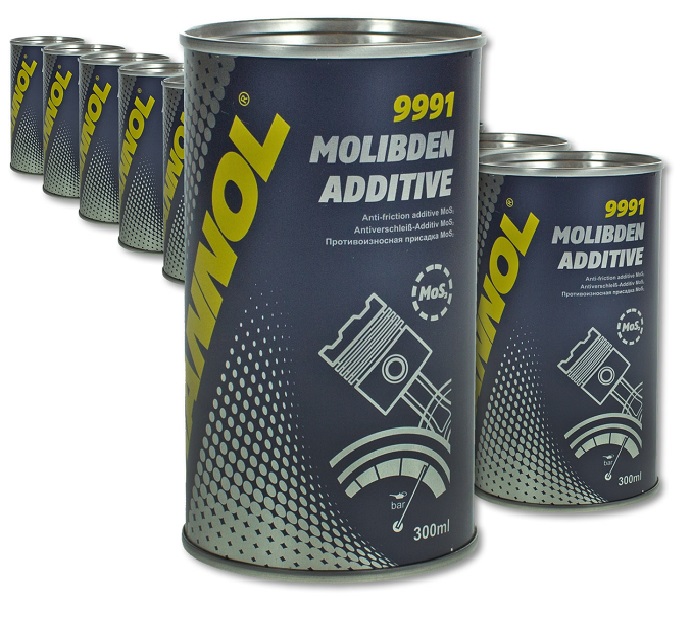
UAB SCT LUBRICANTS (Mannol Brand)

UAB SCT Lubricants is a leading manufacturer of high-quality engine oils and automotive fluids located in Klaipeda, Lithuania.

What Are Additives and Why They Matter

“An additive is a chemical added in small quantities to a product to improve certain properties. Motor oil typically contains a Performance Additive Package that can make up 5% to 15% of its composition. The remaining percentage is base oil. The additives help to enhance the performance and viscosity of the motor oil,” says Erik Vermeer, Commercial Director at RYMAX LUBRICATS.
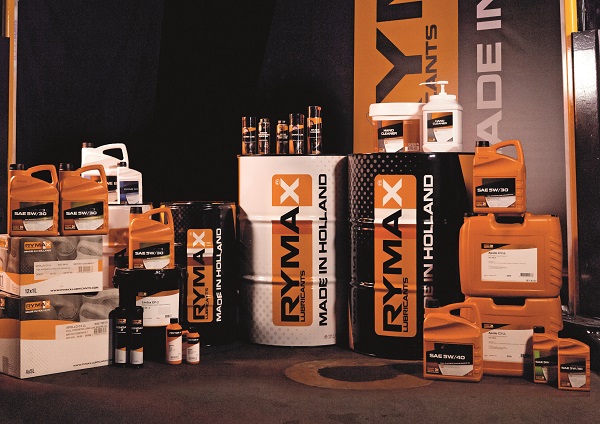
Rymax Products

Rymax is an international lubricants brand from the Netherlands. The company specialize in automotive and industrial lubricants.

Enhancing Performance Under Extreme Conditions

According to DANA LUBRICANTS FACTORY LLC, one of the leading manufacturers of lubricants in UAE, additives help lubricants withstand extreme operating environments. Even the best base oil cannot protect as well against the effects of heat, shearing forces, chemical and water dilution, corrosion and wear particles. In short, additives make good base oils better. They give good base oils the performance benefits consumers expect, such as multi intervals and extreme-pressure performance.
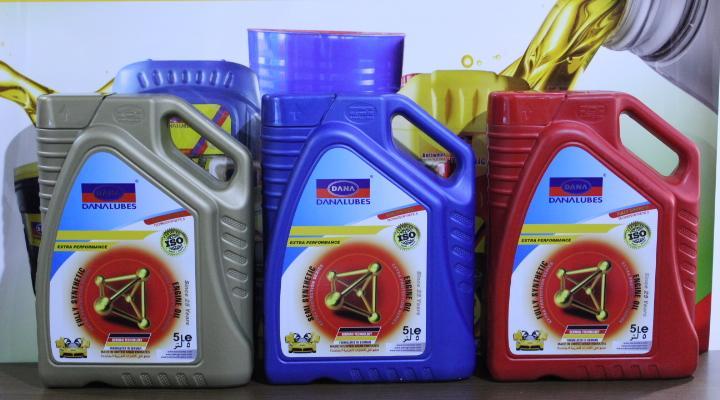
DANA Lubes

“Additives help lubricants withstand extreme operating environments. Even the best base
oil cannot protect as well against the effects of heat, shearing forces, chemical and water dilution, corrosion and wear particles. In short, additives make good base oils better. They give good base oils the performance benefits consumers expect, such as multi-grade performance, extended drain intervals and extreme-pressure performance,” says DANA Lubricants.

Additives as the Heart of Oil Performance

Oliver Kuhn, Deputy Head of the Oil Laboratory at LIQUI MOLY GmbH, says, “Additives deliver the performance of the motor oil. Motor oil consists of two main components: base oil (the actual oil) and the additive composition. In the latest motor oils, the role of the base oil is more or less reduced to a carrier fluid for the additives. Even lubrication is provided rather by the additives than by the base oil.” Liqui Moly GmbH is a German company specializing in oils, lubricants and additives.
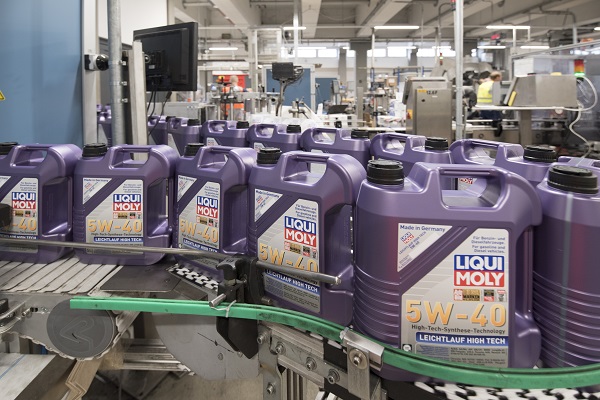
Liqui Moly oil production

“In former times, lubrication has been the main job of an engine oil. Today, there are lot of additional tasks an engine oil is required to do: it needs to keep the oil system clean by removing contaminants and transporting them to the oil filter. It needs to protect the oil system from corrosion by neutralizing acids which may form in the oil. It needs to keep the viscosity stable over a wide temperature range. It needs to suppress foaming. It needs to remain liquid enough at low temperatures to quickly reach and lubricate moving parts after the engine is started. And it needs to be capable of overcoming even very high engine temperatures.

It is the additive packages which take care of all these tasks. If you use motor oil without additives, i.e. just base oil, in a modern car, the engine would survive this only for a few kilometers,” adds Kuhn.

Innovative Additive Technologies

Dmitry Tsyplyaev, Executive Director – Suprotec EU s.r.o. (ATOMIUM Brand) says, automotive additives and lubricants aim to protect  car motor, to restore friction knots, to prolong the lifecycle of internal combustion engines, mechanisms, gear boxes.

Atomium tribo-technology is unique, because the base of our Atomium products – is mineral (natural product) with neutral pH level and doesn’t affects on the oil and sealings, our products works only on the metal (friction pairs) and provides conditions to building up new surface on the friction pairs. By our products we are restoring the friction pairs of the cars units (engine, gearbox, hydraulic power steering unit, high pressure fuel pump).

Proven Performance Benefits for Engines

So, everywhere we have friction pairs and restore them to the new condition. And at the end – this provides all effects of application for Engine like increasing compression up to the nominal, reducing fuel consumption by 6-10%, reducing oil burning by 80%, decreases vibration and noise level, decrease CO/CH emission, protect during active driving, protect in extreme working conditions, restores and functionality of hydro-compensators, and what is more important – prolong life-time of the engine.

Enhanced Gearbox and System Protection

For gearbox – gearshift facilitation, reduces noise and vibration, gearbox wear protection. Same effects for the other car units – for Reducer, HPS (hydraulic power steering), HPFP (high pressure fuel pump). So, everywhere we have friction pairs – our products works and prolong the life time of the cars units.
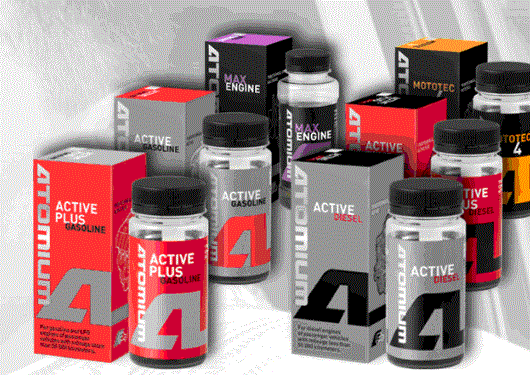
oil additives and their vital role in maintaining engine health and prolonging motor oil effectiveness
Atomium product

Atomium provide lubricants and motor oil additives, fuel additives, transmission oil additives, hydraulic liquid additives for cars and industrial equipment, designed for diesel, petrol and LPG engines, passenger cars, trucks and buses, motorbikes, and small technics.

Also Read: The Crucial Role of Aftermarket Additives in Enhancing Bus Engine Oil Performance for the African Climate

The specific role of additives in motor oil are:
  • Oxidation inhibitors. (antioxidants)

Oxidation is the general attack of the weakest components of the base oil by oxygen in the air. It occurs at all temperatures all time but accelerates at higher temperatures due to presence of water, wear metals and other contaminants. under conditions of high temperatures in the engine, the motor oil can oxidize when reacting with oxygen. If that happens, the motor oil ages quickly, thickens and forms sludge. Antioxidants work to slow down this oxidation and the forming of deposits. They also help to keep the engine clean and prolong the life of the motor oil.

  • Rust and corrosion inhibitors

These additives reduce or eliminate internal rust and corrosion by neutralizing acids and forming a chemical protective barrier to repel moisture from metal surfaces to protect lubricated surfaces against rusting and corrosion. The internal parts of the engine can rust and corrode because of exposure to moisture and acids. These additives create a film over the parts and protect them against damage from these hazards.

  • Anti-wear agents and/ or extreme pressure (EP) agents 

These additives are typically used to protect machine parts from wear and loss of metal during boundary lubrication conditions. They are polar additives that attach to frictional metal surfaces. They react chemically with the metal surfaces when metal conditions of mixed and boundary lubrication to protect parts of the engine that are susceptible to high temperatures such as cylinder walls, piston rings, lifters and cams. These additives form a protective layer on these components and prevent the friction that can occur because of metal-to-metal contact. They also act as antioxidants and are used up over time. They also help protect the base oil from oxidation and the metal from damage by corrosive acids

  • Demulsifiers

    They promote oil-water separation.

  • Viscosity Index (VI) Improvers

These are very large polymer additives that partially prevent the oil from thinning out (losing viscosity) as the temperature increases. The long-chain polymers help control the viscosity of multi-grade motor oils. They expand and contract as temperatures vary. High temperatures cause VI improvers to expand and reduce oil thinning; low temperatures cause VI improvers to contract and have little impact on oil viscosity. They are also responsible for better oil flow at low temperatures, resulting in reduction in wear and improved fuel economy.

  • Pour-point depressants

They lower the cold temperature fluidity of petroleum products. These additives work to prevent the hardening of wax particles in the motor oil under cold conditions. As a result, the motor oil flows freely even at low temperatures and does not need the engine to work harder to pump it. In this way, the engine continues to function effectively despite fluctuations in the outside temperature.

  • Detergents and dispersants

Detergents perform two functions: they help clean and neutralize acids that form in the oil. In addition, detergents are primarily used in engine oils and are alkaline or basic in nature to keep hot metal components free of deposits and to maintain the cleanliness of lubricated parts by removing soot present in the lubricant. Typically, they consist of calcium and magnesium compounds.

Furthermore, a detergent additive is normally used in conjunction with a dispersant additive. Dispersants, meanwhile, are mainly found in engine oils alongside detergents to help keep engines clean and free of deposits. Together, the combination of detergent and dispersant additives allows more acid compounds to be neutralized and more contaminant particles to remain suspended.

  • Anti-foam agents

The chemicals in this additive group possess low interfacial tension, which weakens the oil bubble wall and allows the foam bubbles to burst more readily. Moreover, they have an indirect effect on oxidation by reducing the amount of oil–air contact to limit foaming tendencies. If the motor oil foams and forms bubbles, it is unable to coat all the important parts of the engine and keep it cool.

  • Tackiness agents

These additives increase the adhesive properties of a lubricant, improve retention, and prevent dripping or spattering.

  • Friction modifier

These additives alter the coefficient of friction and give oil more ‘slippery’ characteristics. In motor oils, formulators use friction modifiers to increase lubricity, reduce friction, and improve fuel economy.
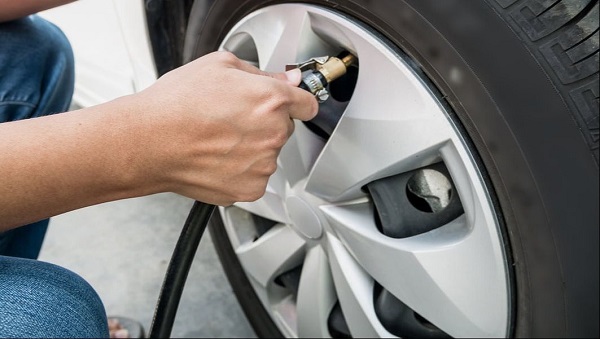
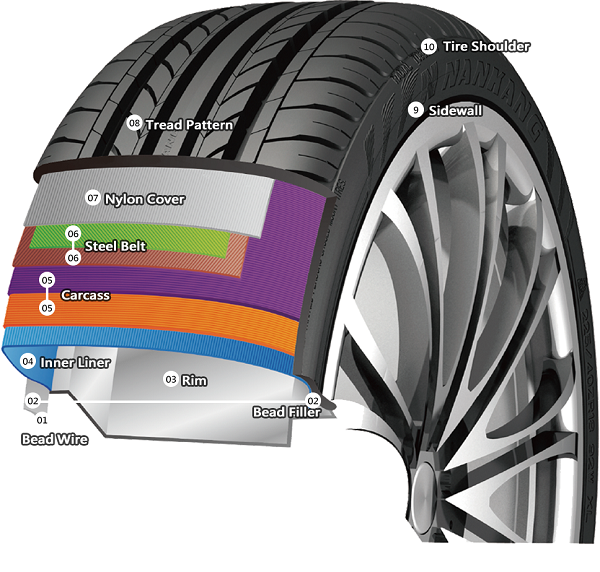
Check Your Tyre Inflation Pressures, Before Going on a Long Trip


The recommended inflation pressures for tyres are specified in pounds per square inch (psi) or kilopascals (kPa). These values are indicated on the vehicle tyre placard, certification label or in the owner’s manual.

Never set tyre inflation pressures below the recommended inflation pressure found on the vehicle tyre placard, certification label or owner’s manual. Underinflation causes excessive heat build-up and internal structural damage that may lead to a tyre failure, including tread/belt separation, even at a later date. Moreover, do not exceed the maximum inflation pressure shown on the tyre sidewall. Over inflated tyres (over the maximum molded on the tyre sidewall) are more likely to be cut, punctured or damaged. This often results from sudden impact with an obstacle, such as a pothole.

Proper Inflation is Critical

Inflation pressure enables a tyre to support the load and to control the vehicle. Therefore, proper inflation is critical. With the right amount of inflation pressure, the vehicle and the tyres will achieve their optimum performance. Besides tyre safety, this means your tyres will wear longer and improve vehicle fuel consumption. Note that some vehicles may have different cold inflation pressures for tyres on the front and rear axles.

Operating a vehicle with just one tyre under inflated by 8 psi (56 kPa) can reduce the life of the tyre by 9,000 miles and can increase the vehicle’s fuel consumption by 4%.

Driving even a short distance on underinflated tyres can cause irreversible damage. Running a tyre underinflated is like running an engine without enough oil or coolant. The vehicle may seem to operate normally for a while, but serious, permanent damage occurs. Adding oil or coolant does not repair engine damage, and inflating a tyre after underinflation does not undo the harm. The tyre remains weakened and can still fail, even after you correct the pressure.

You cannot determine proper inflation in radial tyres by sight alone. Always use a tyre gauge to check the pressure accurately. Motorists should keep a personal tyre gauge in their vehicle. Furthermore, they should check tyre pressure regularly to ensure safety and prevent premature tyre failure.

Checking Tyre Pressure

Check your tyre inflation pressures, including the spare, at least once a month and before going on a long trip. Tyre pressure should be measured when tires are cold – that is, they have not been driven on. Otherwise, your tyres may have heated up. This increases the inflation pressure inside them by several pounds. This is normal. Never “bleed” or reduce the inflation pressure in a hot tyre.

Remember that tyres lose pressure when the air temperature gets colder (about 1 psi or 7kPa for every 10°F drop in temperature). Furthermore, tyres may also lose a certain amount of pressure due to their permeability (about 2 psi or 14 kPa per month).

Failure to maintain correct inflation pressure may result in rapid wear and uneven tread wear, improper vehicle handling and excessive heat buildup, which may result in tyre failure. (Evidence of a continuous leak or repeated underinflation requires tyre removal and expert inspection.)

Tyre Pressure Monitoring Systems (TPMS)

Check tyre inflation pressure at least once a month, even on vehicles equipped with a TPMS. Tyre pressure monitoring systems provide accurate and useful readings. However, do not rely solely on a TPMS for maintaining proper inflation. This is because some systems have limitations, such as:

  • Lack of warning of low inflation pressure until one or more tyres are as much as 25% below the vehicle manufacturer recommendations.
  • May only detect inflation pressure differences between tyres (in other words, if all tyres are losing inflation pressure at the same rate, it is possible that the TPMS will not adequately warn of inflation pressure loss).
  • May not warn of rapid inflation pressure loss in a single tyre.

Underinflation (prior to a TPMS warning) is increasingly dangerous at high speeds, heavy vehicle loads, extended distances and at high ambient temperatures.

Tyre Inflation with Nitrogen

One of the most important factors in tyre care is maintaining proper inflation pressure, regardless of the inflation gas. Nitrogen is an inert (non-flammable) gas. Basically, it is nothing more than dry air with the oxygen removed (air contains about 78% nitrogen). Nitrogen inflation does not harm tyres nor does it affect the warranty.

Proper tyre inflation, whether nitrogen or normal air, helps tyres wear longer, saves fuel, and helps prevent accidents. Under inflation, regardless of the inflation gas, can make it harder to steer and stop your vehicle. It can also result in loss of vehicle control, cause sudden tyre destruction, and lead to serious injury or death. Nitrogen and air can be mixed in any and all proportions. Nitrogen filled tyres can and should have air added whenever nitrogen is not readily available. This helps maintain proper inflation as specified by the vehicle manufacturer.

Read More:

Regularly Check Your Tyre Pressure and Inspect Your Tyre Tread and Sidewalls


In addition to maintaining proper inflation pressure, regularly inspect the tyre tread and sidewalls for irregular tread wear, cracking, scrapes, bulges, cuts, snags, foreign objects or other damage resulting from use. Also, remove any stones, glass, foreign objects, etc. embedded in the tread to prevent further damage. Even minor damage can lead to further injury and eventual tyre failure. Therefore, remove tyres from service if excessive cracking appears on the tread or sidewalls. Under-inflation, overloading, improper storage, and prolonged improper parking typically cause this damage.

Consumers should check their tyre tread and sidewall areas during monthly inflation pressure checks. Look for uneven or irregular tread wear or other conditions as noted above. In addition, ensure a tyre service professional periodically inspects all tyres, including the spare. Do this during routine maintenance intervals such as oil changes and tyre rotations.

Also Read: How to Choose the Right Tyres for the Africa’s Driving Conditions

WHEN INSPECTING YOUR TYRES, LOOK FOR:

Uneven tread wear

This can include more wear on one tread edge than the other, a rippled pattern of high and low wear, or exposed steel wire. Uneven wear can be caused by problems such as under inflation, vehicle misalignment and improper balancing.

Shallow tread

Well worn or bald tyres can result in hydroplaning and loss of traction. Additionally, they also are more likely to be damaged by potholes and other road hazards. Replace tyres when worn to 2/32 inch (1.6 mm) tread depth anywhere on the tread face. Tyres include built-in tread wear indicators to help you see when the tread has worn out. These indicators are narrow bars of smooth rubber that run across the tread. When the tread becomes level with these bars, the tyre has worn down to 2/32 inch. At this point, you must replace the tyre immediately.

You can also perform the penny test. Insert a penny into the tyre’s most worn groove with the coin’s head facing down. If you can see the top of the coin’s head, replace the tyre.

Troublemakers

Inspect the tread for small stones, pieces of glass, bits of metal, and other foreign objects, and remove them carefully. These objects can cause serious damage if you allow them to push deeper into your tyre while you drive.

Damaged areas

Cracks, cuts, splits, punctures, holes, and bulges in the tread or sidewalls of a tyre indicate serious problems and require immediate inspection or replacement.

Slow leaks

Remember that tyres lose inflation pressure when the air temperature gets colder (about 1 psi or 7 kPa for every 10°F drop in temperature). Tyres may also lose a certain amount of inflation pressure due to their permeability (about 2 psi or 14 kPa per month). However, if you find that you have to add inflation pressure every few days, have the tyre, wheel and valve checked by a tyre service professional. In that case, if necessary, repair or replace the tyre.

Also Read: Check your tyre inflation pressures, before going on a long trip

Valve caps

Those little caps on your tyre’s valve stem keep moisture and dirt out, so make sure they are on all your tyres. Also, when you have a tyre replaced, have a new valve stem assembly installed at the same time.

Driving on a damaged tyre can be dangerous. If you see something you’re not sure about during your inspection, have it examined by your tyre service professional. Any time you see damage to a tyre, don’t drive on it – use a spare if you need to go somewhere. And finally, pay attention to the “feel” of your tyres as you drive. In addition, a rough ride may indicate tyre damage or excessive wear.

Also Read: African Tyre Market: 5 Trends Driving Growth

If you notice vibrations or other disturbances while driving, and/or you suspect possible damage to your tyre or vehicle, immediately reduce speed. Then drive with caution until you can safely pull off the road and stop, and inspect our tyres. If a tyre is damaged, deflate it and replace it with your spare. However, if you do not see any tyre damage and cannot identify the source of the vibration, have the vehicle towed to a mechanic or tyre dealer for a thorough inspection.

Read More: 

Repsol Lubricants and their strategy for India


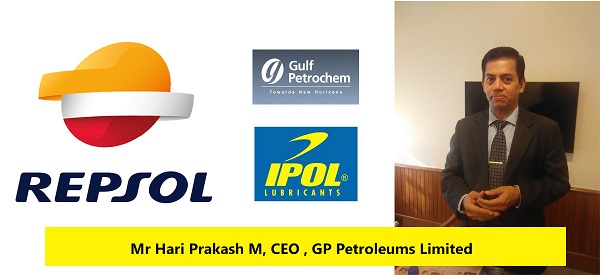
GP Petroleum Ltd. (GPPL) is a listed company in India and is part of the Gulf Petrochem Group, based in UAE. GPPL specialises in formulating, manufacturing and marketing of Industrial and Automotive lubricants, process oils, greases and other specialities under their flagship IPOL brand name.

IPOL has established itself as one of the most widely recognised brands in the Industrial and Automotive Lubricants. The brand boasts of a wide network of distributors and dealerships across the country. Repsol Lubricants is a leading Spanish oil company, present in over 60 countries worldwide. The company has over six decades of experience and offers a comprehensive range of products for the Automotive and Industrial segment. GP Petroleum recently introduced Repsol in the Indian market.

The company has an exclusive partnership with Repsol in India, allowing them to manufacture, market and sell the premium lubricant in the country. Over the past two years, Repsol India has introduced a wide range of premium automobile lubricants for two-wheelers, passenger cars and diesel engine oils. We recently got an opportunity to speak to Mr Hariprakash M, CEO, GP Petroleums, who explained to us about the company, its strategies for the Indian market, Repsol’s role in the company going forward, as well as the future of IPOL in India.

Here are excerpts from our interview with the CEO of GP Petroleum, Mr Hariprakash M.

How has Repsol’s performance been in India since its launch in 2016?

GP Petroleum will have to work hard over the next decade to compete with some of the other brands in the Indian market. Repsol’s competitors have been in India for a long time and to achieve a decent market share in the segment, the brand has to grow exponentially over the next few years. To do this, Repsol will have to learn from some of the lessons of other companies, which will help the brand cut down their own learning period and reach a significant potential volume sales. To help the brand grow in India, Repsol first introduced motorcycle oils and lubricants, as this is the most recognised part of the business. The company then brought in other products for passenger vehicles and other diesel products to India.

Do you see Repsol In India being expanded into other segments, apart from Passenger and commercial vehicles?

GP Petroleum does have an intention to expand Repsol in the Indian market. Internationally Repsol already offers a range of products in other fields such as industrial, aviation, agricultural and a few other non-automotive fields. However, the company is yet to document or express their interests in such directions. If the brand feels that it has an edge over the competition in other segments, it could possibly explore such opportunities. Although currently, Repsol is focussing primarily on supplying premium automotive lubricants only.

Indian Motorsports is growing and Repsol already dominates in this field. Can we expect a Repsol-sponsored motoring event in India?

Motorsport in India growing, however, there are no plans of India hosting any championships at a scale similar to MotoGP. Therefore, Repsol has not showcased any interest in any such sponsorships with any brand. Also, the partnership between Honda MotoGP and Repsol is on a global level. The sponsorships guidelines which Repsol has with each country is different and they will be exercising it only at that level. However, Repsol India is exploring the opportunities of being a part of multiple automotive road shows. These road shows and other such events provide the company achieve visibility and recognition in the country.

How is the current distribution network of Repsol in India? And How do you plan to expand it in the future?

GP Petroleum initially offered a separate contract for sales and distribution of Repsol to their top IPOL distributors. This was also agreed to by Repsol, as they recognised the managerial talent of the Indian team. Also, the separate contract was to ensure a clear white space between the two brands; both in terms of market and technology. However, the IPOL distributors found it difficult as the terms of the contract was completely different than that of IPOL. Therefore, GPPL opened up the distribution network to outsiders; one and a half years after its introduction in the Indian market. Currently, GP Petroleum has 80 active distributors, combining both individual and multi-brand distributors in the Indian market. Over the next two years, the company plans aims to double this number up to 150 or 180 dealership networks across the country. Once this is done, it will give the brand a critical volume as a base to expand further.

Yes, there are multiple competitors for the brand in the Indian market already, with space for even more. GP Petroleum inclusive of IPOL and Repsol is well recognised in India; selling 65,000 kilo-litres, which is a significant volume. However, with a potential of over 2 million metric tonnes, Repsol’s volume is too small, to begin with. To grow further among 25 or more competitor brands in the country, Repsol will have to make use of its global recognition. Although, it is a long game and to make a significant impact it will take another decade. We are happy to state that Repsol is growing in India year-on-year, in terms of both product and brand visibility. The company is already to introduce lubricants which are BS-VI compliant. Although to grow further, we will make use of all the latest technologies, along with our partnerships with OEMs. The brand will also capitalise on the visibility and recognition of the 24-year old Repsol-Honda MotoGP collaboration.

Any plans to introduce IPOL in India’s mass-market passenger vehicle segment?

IPOL is mainly recognised in the two-wheeler and commercial diesel engine segments. The brand is also known in the rubber process oil sector. IPOL does have plans to grow to a decent market share, probably grow slightly higher than the market rate. This would be done by introducing new products in the automotive segment. However, the company will not bump up the brand as they already have Repsol in the premium market space. Mr Hariprakash stated, “We have a segment where we operate and we will play in the segment.”

Any partnerships with OEMs in the future?

We already have various partnerships with multiple OEMs globally and we will leverage that in the Indian market. However, a partnership with an OEM doesn’t always necessarily lead to growth in the market.

Researchers Uncover why Cathodes Degrade in Lithium-ion Batteries


A team of scientists staffed with researchers from Brookhaven National Laboratory and SLAC National Accelerator Laboratory have discovered why cathodes in lithium-ion batteries degrade, as well as possible remedies. This could lead to more affordable and better-performing batteries for electric vehicles.

For electric vehicles to deliver the same reliability as gas vehicles, they need lightweight-yet-powerful batteries. Lithium-ion batteries are the most common type of battery used in electric vehicles, but their high cost and limited lifetimes limit widespread deployment of electric vehicles. To overcome these challenges, scientists at many of DOE’s national labs are researching ways to improve traditional lithium-ion batteries.

“Layered materials are relatively easy to synthesize and have high-capacities and energy densities,” says Brookhaven chemist Enyuan Hu.

Lithium cobalt oxide, for example, is a layered material that has been used as the cathode for lithium-ion batteries for many years. Despite its successful application in small energy storage devices such as portable electronics, cobalt’s cost and toxicity limit its use in larger devices. So researchers are investigating how to replace cobalt with safer and more affordable elements without compromising the material’s performance.

“We chose a nickel-rich layered material because nickel is less expensive and toxic than cobalt,” Hu says. “However, the nickel-rich layered materials start to degrade after several charge-discharge cycles in a battery. We want to pinpoint the cause of this degradation and provide possible solutions.”

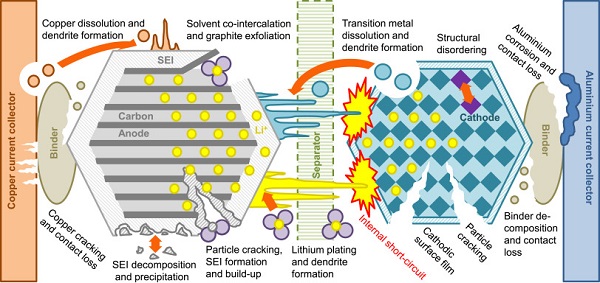
Cathode materials degrade in several ways. For nickel-rich materials, the problem is mainly capacity fading—a reduction in the battery’s charge-discharge capacity after use. To fully understand this process in their nickel-rich layered materials, the teams needed to use several research techniques to assess the material from different angles.

“This is a complex material. Its properties can change at different rates during cycling,” Hu says. “We needed to understand how the material’s structure changed during the charge-discharge process both physically on the atomic scale and chemically, which involves several elements including nickel, cobalt, manganese, oxygen, and lithium.”

To do so, Hu and his colleagues characterized the material using resources from a handful of research facilities, including the two synchrotron light sources at the National Synchrotron Light Source II at Brookhaven and the Stanford Synchrotron Radiation Lightsource at SLAC.

Results from the x-ray absorption spectroscopy experiments at Brookhaven led researchers to conclude the material had a strong structure that did not release oxygen from the bulk, challenging previous beliefs. Instead, the researchers identified that the strain and local disorder in the cathode material was mostly associated with nickel.

To investigate further, the team conducted transmission x-ray microscopy experiments at SLAC, mapping out the chemical distributions in the material. This created a large set of data, so the scientists applied machine learning to sort through the data.

“The major conclusion we drew from this experiment was that there were considerable inhomogeneities in the oxidation states of the nickel atoms throughout the particle,” says Hu. “Some nickel within the particle maintained an oxidized state, and likely deactivated, while the nickel on the surface was irreversibly reduced, decreasing its efficiency.”

Additional experiments revealed small cracks formed within the material’s structure.

“During a battery’s charge-discharge process, the cathode material expands and shrinks, creating stress,” Hu explains. “If that stress can be released quickly then it does not cause a problem but, if it cannot be efficiently released, cracks can form.”

The scientists theorize that they could possibly mitigate this problem by synthesizing a new material with a hollow structure. They tested and confirmed that theory experimentally, as well as through calculations. Moving forward, the team plans to continue developing and characterizing new materials to enhance efficiency.

“We work in a development cycle,” Stavitski says. “You develop the material, then you characterize it to gain insight on its performance. Then you go back to a synthetic chemist to develop an advanced material structure, and then you characterize that again. It’s a pathway to continuous improvement.”

Additionally, as the DoE labs continues to build up capabilities, scientists plan to complete more advanced experiments on these materials.

SK Innovation to build Li-ion battery separator plant in Poland

0

SK Innovation plans to build a new production plant for Lithium-ion Battery Separators (LiBS) and Ceramic Coated Separators (CCS) in Województwo Śląskie, Poland.

SK Innovation, a leading energy and chemical company in Korea, is engaged in various fields from oil refining, chemicals, lubricants, petroleum development to EV batteries and battery separators. SK Innovation became the world’s third company to succeed in developing Wet-Type LiBS in 2004.

SK Innovation plans to invest €335 million (US$376 million) to build four LiBS production units and three CCS production units in the 270,000 sqm site located in Województwo Śląskie. The plant will break ground in the third quarter of this year and begin mass production in the third quarter of 2021. The annual capacity of the plant is estimated to be 340 million square meters of LiBS and 130 million square meters of CCS.

SK Innovation recently announced a series of plans to build plants in other countries including China and Poland. Currently it produces 360 million square meters of LiBS per year in Jeungpyeong, Chungcheongbuk-do, Korea, and the completion of overseas plants in China and Poland will increase SK Innovations’ production capacity to 1.2 billion square meters per year.

Castrol announces discovery of new Fluid TITANIUM Technology

0

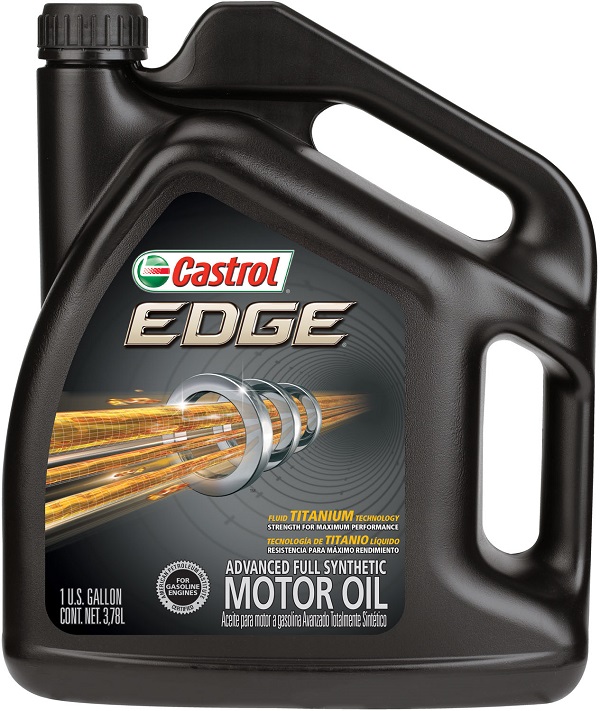
Castrol, one of the world’s leading lubricant companies, has today revealed new performance benefits of using Fluid TITANIUM Technology after years of research, development and groundbreaking testing. Castrol EDGE can unlock more engine performance by reducing performance robbing friction by up to 20%.

Castrol EDGE, which has been under constant research and development for more than a decade, is specifically designed to address the issue of performance robbing friction in engines a problem that is on the rise as engine sizes shrink and the acceleration of vehicle technology increases performance demands.

As pressure within the engine intensifies, so does friction, wasting up to 10 per cent of engine performance. With 32,000 contacts per minute within an engine*, every day there are millions of opportunities for friction to impact the performance, and lifespan, of an engine. Castrol EDGE with its innovative Fluid TITANIUM Technology physically transforms under pressure; its molecular structure changes to temporarily create a solid cushion between engine surfaces. In doing so, the lubricant reduces performance robbing friction by up to 20 per cent, unlocking true engine performance.

Dr Rebecca Yates, Product Development Director at Castrol explains: “Put simply, friction is the enemy of engine performance. As innovators, we set out to find a formulation that would begin to tackle the ever-growing problem of engine friction – and with this Castrol EDGE formulation, we believe we have made more progress towards that than any other lubricant on the market. Our Castrol EDGE range with Fluid TITANIUM Technology goes above and beyond what previous lubricants have achieved to deliver a notable improvement for drivers.”

Castrol has pushed the boundaries of testing methods to explore how additives react within lubricants under the highest pressures. It has worked with the University of Edinburgh to create a completely new and unique testing process, using a high-tech Diamond Anvil and synchrotron – the first and only test of its kind in the lubricants industry. Exerting extreme pressures using diamonds has shown scientific evidence of the changing molecular structure of Castrol’s Fluid TITANIUM Technology.

The lubricant undergoes the same physical transformation in the face of engine pressures. Its molecular structure changes from a fluid into a temporary physical structure to resist pressure on parts of the engine, most notably the cam shaft. When the pressure is released, Castrol EDGE reverts to be a fluid again.

Dr Rebecca Yates continues: “This formulation is rooted in tribology. From the additives that we have selected, to the creation of Fluid TITANIUM Technology and the robust testing process that this product has been through, high-pressure chemistry is at its core. Castrol EDGE with Fluid TITANIUM Technology can confidently say that it reduces performance robbing friction by up to 20 per cent, the greatest advancement of anti-friction lubricant currently in the market.”

Castrol is committed to continually innovating its lubricants, and the benefits offered by its premium, fully synthetic Castrol EDGE range with Fluid TITANIUM Technology proves the value of the company’s multi-million-pound investment in R&D.

Lubrizol Engineered Polymers unveil polymer solutions for Automotive Interior Applications

0

The Lubrizol Corporation will be exhibiting at Plastics in Automotive Engineering (PIAE) International Conference April 3-4 in Manheim, Germany. Offering a one-stop solution for the transportation industry, Lubrizol offers a wide range of high-performing automotive solutions for equipment manufacturers and suppliers, from the powertrain to the interior cabin and exterior.

As part of the exhibit, the Lubrizol Engineered Polymers business will unveil its specialty technologies for automotive interiors at PIAE where plastics experts have been looking into plastic applications and their uses in vehicles for four decades. Lubrizol Engineered Polymers have lightweight and durable solutions that can help make car interiors safer, more comfortable and more attractive by applying color-stable polymers in light-colored designs. Lubrizol Engineered Polymers also helps make car interiors more environmentally-friendly by offering low VOC/FOG materials, and a bio-based thermoplastic polyurethane (TPU) portfolio for molded parts.

“PIAE is a great opportunity for Lubrizol to showcase its latest developments to meet the demands of the dynamic automotive industry,” states Santosh Mishra, global marketing segment manager – transportation for Engineered Polymers. “Lubrizol drives every phase of performance using a full portfolio of valuable polymers for automotive interior solutions that are applied from molded or thermoformed parts to seats, instruments and door panels.”.

About Lubrizol Engineered Polymers

With more than 60 years of experience and a worldwide network that includes formulation design, manufacturing, R&D and cutting-edge technologies, Lubrizol Engineered Polymers offers one of the broadest portfolios of engineered polymers available today including resins that are bio-based**, recyclable*, light stable, flame retardant, adhesive, chemically resistant, optically clear and fast cycling. Our technology crosses many industries and applications, including surface protection, power and fluid systems, sports and recreation, wearable devices, electronics and automotive. For more information, visit www.lubrizol.com/engineered-polymers or contact engineeredpolymers@lubrizol.com

About The Lubrizol Corporation

The Lubrizol Corporation, a Berkshire Hathaway company, is a market-driven global company that combines complex, specialty chemicals to optimize the quality, performance and value of customers’ products while reducing their environmental impact. It is a leader at combining market insights with chemistry and application capabilities to deliver valuable solutions to customers in the global transportation, industrial and consumer markets. Lubrizol improves lives by acting as an essential partner in our customers’ success, delivering efficiency, reliability or wellness to their end users. Technologies include lubricant additives for engine oils, driveline and other transportation-related fluids, industrial lubricants, as well as additives for gasoline and diesel fuel. In addition, Lubrizol makes ingredients and additives for home care, personal care and skin care products and specialty materials encompassing polymer and coatings technologies, along with polymer-based pharmaceutical and medical device solutions.

With headquarters in Wickliffe, Ohio, Lubrizol owns and operates manufacturing facilities in 17 countries, as well as sales and technical offices around the world. Founded in 1928, Lubrizol has approximately 8,700 employees worldwide. Revenues for 2018 were $6.8 billion. For more information, visit Lubrizol.com.

Vivo Energy takes over Engen’s continental operations

0

Vivo Energy finally announced the completion of the takeover of the operations of Engen Holdings Ltd across the continent. The transaction comprises Vivo Energy’s issuance of 63.2 million new shares and US$ 62.1 million in cash to Engen. This means that Engen is poised to gain a 5% shareholding in Vivo Energy.

The new development means that the London Stock Exchange-listed Vivo which holds the Shell brand in Africa is now the second largest independent fuels and lubricants retailer on the continent.

Vivo Energy operates and markets its products in countries across North, West, East and Southern Africa providing fuels, lubricants and liquefied petroleum gas (LPG) to business customers across a range of sectors including marine, mining, construction, power, transport and manufacturing. Vivo also provides jet fuel to customers under the Vitol Aviation brand.

The group’s joint venture, Shell and Vivo Lubricants B.V., sources, blends, packages and supplies Shell-branded lubricants and has blending capacity per annum of around 158,000 metric tonnes at plants in six countries including; Ghana, Guinea, Ivory Coast, Kenya, Morocco and Tunisia.

The company has now increased its presence on the continent and now operates in 24 African countries including; Gabon, Malawi, Mozambique, Reunion, Rwanda, Tanzania, Zambia and Zimbabwe with over 2000 service stations. However, it is still behind its rival Total that has 4,200 service stations in 44 countries on the African continent.

Prior to the takeover of Engen’s assets in the eight countries, Vivo Energy has over the last 60 years been providing fuels, lubricants, card services, shops, and other non-fuel services (oil change and car wash) for motorists and business in Uganda, Botswana, Burkina Faso, Cape Verde, Ghana, Guinea, Ivory Coast, Kenya, Mali, Mauritius, Madagascar, Morocco, Mozambique, Namibia, Senegal and Tunisia.

However, although Engen’s operations in the Democratic Republic of Congo were originally part of the deal, it has emerged Engen’s Congolese business portfolio remains under evaluation by Vivo Energy, pending an agreement between Engen and the government regarding the transfer.

Christian Chammas, the Vivo Energy CEO said the takeover opens an important new chapter for Vivo Energy. He said he will be welcoming hundreds of more employees from the eight new countries to the company’s network and a target market of almost 160 million.

Chammas noted that in Vivo Energy’s first seven years, the company had invested to grow its business, increasing its service station network and adding new and refurbished convenience retail and quick service restaurants.

“We have an opportunity to replicate this successful business model to drive growth and profitability in our new markets,” he said in a statement.

“We must seize this in order to benefit all our customers, deliver value for our shareholders, and move closer to achieving our goal of becoming Africa’s most respected energy business.”

Vivo Energy’s deal comes at a time when ExxonMobil 2018 Outlook for Energy shows that global fuel demand is expected to grow by about 20% over the next two-and-a-half decades, driven by the transportation and chemicals sectors. In Africa, the report notes that the demand is expected to grow by 30% as emerging economies advance.

Yusa’ Hassan, the managing director and CEO of Engen said “Engen is excited to embark on this growth journey with Vivo Energy, and add another strong and well respected brand to the Vivo Energy Group.”

Engen which mainly focuses on the downstream refined petroleum products market and related businesses with a presence across sub Saharan Africa and the Indian Ocean Islands will retain its interest in Engen Petroleum Limited (its South Africa business and refinery) as well as other businesses in Mauritius, Botswana, Ghana, Namibia, Swaziland and Lesotho, which are not part of the transaction.

Thinner catalysts lower costs of automotive fuel cells


Researchers at Johns Hopkins University have developed a new method of increasing the reactivity of ultrathin nanosheets, just a few atoms thick, that could make fuel cells for hydrogen cars less expensive. The same technology could also lower the price of of bulk chemicals and materials.

“Every material experiences surface strain due to the breakdown of the material’s crystal symmetry at the atomic level,” says Chao Wang, an assistant professor of chemical and biomolecular engineering at Johns Hopkins University. “We discovered a way to make these crystals ultrathin, thereby decreasing the distance between atoms and increasing the material’s reactivity.”

In this project, researchers manipulated the strain effect, or distance between atoms, making the material change dramatically. By getting those lattices thin—roughly one-millionth the thickness of a human hair—the material becomes easier to manipulate, just as a single sheet of paper is easier to bend than a thicker stack of paper.

“We’re essentially using force to tune the properties of thin metal sheets that make up electrocatalysts, which are part of fuel-cell electrodes,” says Jeffrey Greeley, professor of chemical engineering at Purdue. “The ultimate goal is to test this method on a variety of metals.”

“Tuning the materials’ thinness lets us create more strain, which changes the material’s properties, including how molecules are held together,” adds Wang. “This means we have more freedom to accelerate reactions we want on the material’s surface.”

- Advertisement -