Monday, May 11, 2026
Home Blog

Water-Based Paint Systems vs Solvent-Based in Automotive


Across the global automotive industry, a major transformation is taking place inside paint booths, refinishing workshops, and vehicle assembly plants. For decades, solvent-based paint systems dominated automotive manufacturing and collision repair because of their durability, fast drying times, and familiar application processes. However, today, the industry is steadily shifting toward water-based paint systems as environmental regulations tighten. In addition, sustainability expectations are rising, and technology continues to improve.

The transition is already well advanced in Europe, North America, and parts of Asia. Increasingly, the same conversation is now gaining momentum across African automotive markets. Body shops, paint suppliers, vehicle assemblers, and regulators are beginning to reassess the future of automotive coatings.

Understand the Difference

The difference between water-based and solvent-based paint systems lies primarily in the liquid used to carry pigments and resins.

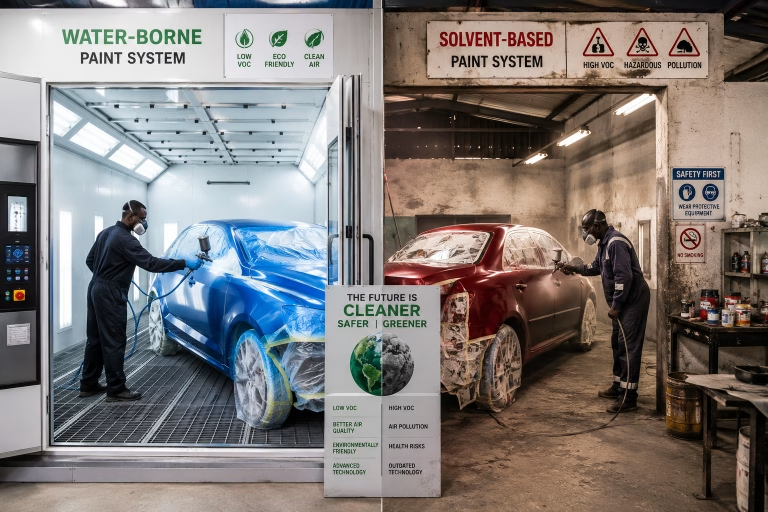
Solvent-based paints rely heavily on chemical solvents known as volatile organic compounds (VOCs). These solvents evaporate into the air during the drying process, releasing emissions that contribute to air pollution and health risks. Solvent paints have been popular because they dry quickly, perform well in different climates, and require less specialized environmental control.

Water-based paints, by contrast, use water as the primary carrier instead of high solvent concentrations. As a result, they release significantly fewer VOC emissions and create a safer working environment for painters and technicians. Over the past decade, improvements in paint chemistry and application technology have dramatically improved the durability, finish quality, and efficiency of waterborne coatings.

Consequently, many global vehicle manufacturers and refinishing companies now view water-based systems as the future of automotive coatings. At the center of this shift lies one important question: can Africa modernize its automotive refinishing sector while balancing cost, performance, environmental responsibility, and operational realities?

Why the Global Industry Is Moving Away from Solvents

Environmental regulation remains the biggest force driving the global transition toward water-based automotive paints.

Governments across Europe, North America, and Asia have introduced stricter VOC emission laws aimed at reducing air pollution and improving workplace safety. These regulations are forcing automotive manufacturers and refinishing workshops to adopt cleaner technologies. In Europe, for example, strict VOC directives have accelerated the widespread adoption of water-based systems across OEM production lines and collision repair centers.

At the same time, consumer expectations are changing. Sustainability is no longer limited to electric vehicles or fuel efficiency. Automakers are now under pressure to reduce environmental impact throughout the entire manufacturing process, including paint operations.

This matters because paint shops are among the largest sources of VOC emissions inside vehicle manufacturing plants. According to industry research, automotive paint operations contribute a significant share of industrial emissions generated during vehicle production. As a result, major automotive brands such as Toyota, BMW, and Tesla continue investing heavily in water-based coating systems to align with sustainability goals. They also want to meet future regulations.

Africa’s Automotive Refinish Industry Faces a Turning Point

Although Africa still relies heavily on solvent-based coatings, signs of transition are beginning to emerge. Across countries such as South Africa, Kenya, Nigeria, and Egypt, demand for modern automotive refinishing solutions is growing steadily. This is due to increasing vehicle ownership, expanding collision repair markets, and rising customer expectations for higher-quality finishes.

At the same time, global paint manufacturers operating in Africa are introducing newer low-VOC coating technologies into local markets. Industry analysts also note growing demand for water-based coatings in African automotive refinishing because of their lower toxicity and environmental advantages.

However, Africa’s transition is unfolding more slowly compared to developed markets. One major reason is infrastructure. Water-based paint systems often require controlled spray booth temperatures, humidity management, improved airflow systems, and specialized spray equipment to achieve optimal performance. Many African body shops still operate with limited infrastructure and older technologies. This is particularly true for small and medium-sized workshops.

In addition, solvent-based paints remain cheaper upfront and easier to apply in challenging workshop conditions where electricity supply, ventilation, and climate control may be unreliable.

Cost vs Sustainability: The Industry Debate

The debate between water-based and solvent-based systems is not just technical. It has become an economic and strategic discussion for African workshops and fleet operators.

Supporters of solvent-based systems argue that they remain practical for many African operating environments. Solvent paints generally dry faster in humid conditions, require less investment in equipment upgrades, and remain widely available across the continent. On the other hand, advocates for water-based systems point to long-term benefits that extend beyond emissions reduction.

Water-based paints improve workplace safety by reducing exposure to harmful chemicals. They also help businesses align with evolving international environmental standards, which is becoming increasingly important for globally connected automotive industries.

Furthermore, advances in waterborne technology have significantly improved color accuracy, finish quality, and durability. Modern water-based coatings now deliver performance levels that closely match solvent-based alternatives in many applications.

For African workshops seeking to attract insurance partnerships, dealership contracts, and premium customers, adopting modern refinishing technologies may increasingly become a competitive advantage.

Skills and Training Will Define the Transition

Technology alone will not determine the future of automotive paints in Africa. Skills development will play an equally critical role. Water-based systems require different application techniques, drying processes, and environmental controls compared to solvent paints. Technicians often need retraining to avoid common problems such as uneven drying, moisture trapping, or inconsistent finishes.

Unfortunately, many African collision repair centers still face skills shortages and limited access to modern refinishing training programs. Industry experts warn that without investment in technical education and equipment modernization, many workshops could struggle to compete as global coating technologies continue evolving. This creates a major opportunity for vocational institutions, paint manufacturers, automotive training centers, and industry associations to strengthen technical capacity across the continent.

What the Future Could Look Like

Africa’s automotive coatings market is unlikely to abandon solvent-based systems overnight. Realistically, both technologies will coexist for years as markets transition gradually based on infrastructure, regulations, and economic conditions.

However, the long-term direction is becoming increasingly clear. Global environmental regulations, vehicle manufacturer standards, and sustainability targets are steadily pushing the industry toward lower-emission coating technologies.

As African automotive markets modernize, pressure for cleaner, safer, and more efficient refinishing systems will continue to grow. Governments may eventually introduce stricter environmental standards for automotive paint emissions. This is especially likely in rapidly urbanizing cities facing worsening air quality challenges.

Meanwhile, international automakers and refinishing brands operating in Africa are expected to accelerate the introduction of water-based technologies. They aim to align regional operations with global standards.

According to SEMA Garage Industry Insights, advancements in waterborne coating technology continue making the transition easier and more practical for automotive repair businesses worldwide.

A Defining Moment for Africa’s Refinish Industry

The shift from solvent-based to water-based paint systems represents more than an environmental trend. It reflects the broader transformation taking place across the global automotive industry. In this new era, sustainability, efficiency, worker safety, and technological innovation are becoming central to competitiveness.

For Africa, the challenge lies in balancing modernization with operational realities. Many workshops still require affordable and practical solutions that fit local economic conditions. Yet at the same time, the continent cannot ignore the direction the global industry is heading.

Ultimately, the future of Africa’s automotive refinishing sector will depend on how quickly businesses, regulators, and training institutions adapt to changing technologies and environmental expectations. The transition may be gradual, but the momentum behind water-based paint systems is becoming impossible to ignore.

More Insights:

Battery Care in Extreme African Heat, How to Avoid Failure


Extreme heat remains one of the most overlooked threats to vehicle performance, particularly battery reliability. Battery care in extreme heat is essential for drivers across African cities such as Nairobi, Lagos, and Khartoum, who increasingly face unexpected battery failures triggered by prolonged exposure to high temperatures and inadequate maintenance practices. Proper battery care in extreme heat can make the difference between a dependable car and costly road trouble.

Unlike cold weather, which weakens battery output temporarily, excessive heat quietly causes long-term internal damage. Elevated temperatures accelerate chemical activity inside the battery, leading to rapid fluid evaporation, internal corrosion, and faster deterioration of critical components. Consequently, many motorists begin experiencing slow engine starts, dim headlights, electrical inconsistencies, and, ultimately, sudden breakdowns often without any clear warning signs. As a result, understanding battery care in extreme heat is crucial for all drivers.

Why African Heat Damages Batteries Faster

Vehicle batteries work through chemical reactions that generate and store electrical energy. However, when temperatures rise above normal operating conditions, those reactions speed up aggressively. Although this may temporarily improve electrical output, it significantly reduces long-term battery durability, especially when battery care in extreme heat is neglected.

In many African regions, under-bonnet temperatures can exceed 50°C during peak daytime operations. This intense heat causes battery fluid to evaporate faster, weakens internal components, and increases the risk of plate corrosion. Furthermore, constant exposure to heat places additional strain on charging systems, alternators, and electrical circuits.

Ironically, many drivers assume a dead battery results from old age alone. In reality, heat is often the silent cause behind repeated battery failures. Therefore, battery care in extreme heat should be a top priority for African motorists.

Warning Signs Drivers Should Never Ignore

Fortunately, batteries usually show warning signs before complete failure occurs. Recognizing these symptoms early can save drivers from expensive roadside emergencies.

Some of the most common signs include:
  • Slow engine cranking during ignition
  • Dim headlights or weak dashboard lights
  • Swollen battery casing caused by overheating
  • Corrosion around battery terminals
  • Frequent jump-start requirements
  • Electrical malfunctions in modern vehicle systems

Moreover, commercial fleet operators should pay close attention to vehicles operating in high-temperature environments or heavy stop-and-go traffic, where batteries experience constant stress.

How to Test a Vehicle Battery Properly

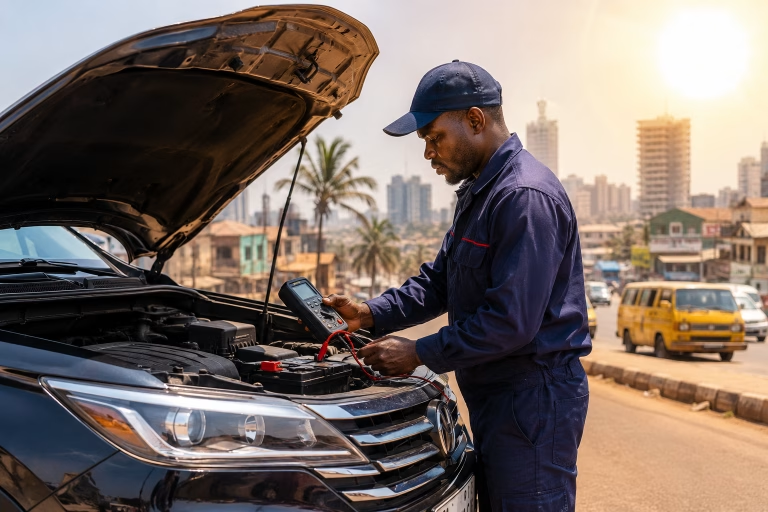
Routine battery testing remains one of the most effective ways to prevent breakdowns. Today, many workshops across Africa use digital battery analyzers to measure voltage, charging performance, and battery health within minutes.

A healthy fully charged battery normally reads around 12.6 volts when the engine is off. Anything significantly lower may indicate weak charging capacity or internal damage.

In addition, technicians often perform load testing to determine whether the battery can maintain voltage under operating pressure. This process is especially important for trucks, buses, construction equipment, and modern vehicles with advanced electronics.

For vehicle owners handling basic inspections themselves, visual checks also matter. Drivers should inspect battery terminals regularly for corrosion, loose connections, or fluid leakage.

According to Bosch Automotive Aftermarket, regular battery inspections and charging-system checks can significantly improve battery lifespan and reduce unexpected failures in hot operating environments.

Practical Ways to Extend Battery Life

Fortunately, several simple maintenance habits can dramatically improve battery performance in extreme African climates.

  1. Keep the Battery Clean

Dust, grease, and corrosion reduce conductivity and strain electrical flow. Cleaning battery terminals regularly helps maintain efficient power transfer and prevents voltage loss.

  1. Secure the Battery Properly

African roads can be rough, especially in off-road, mining, and rural transport environments. Excessive vibration damages internal battery plates over time. Ensuring the battery is firmly mounted reduces vibration-related failure.

  1. Avoid Short Trips

Frequent short-distance driving prevents the alternator from fully recharging the battery. Over time, this weakens battery capacity. Longer drives allow the charging system to restore proper voltage levels.

  1. Reduce Unnecessary Electrical Load

Air conditioning, infotainment systems, extra lighting, and charging devices place additional strain on batteries. Drivers should avoid leaving electronics running when the engine is off.

  1. Test Before Extreme Weather Seasons

Preventive testing before long-distance travel, hot seasons, or heavy commercial operations helps identify weak batteries early before failure disrupts operations.

The Importance of Battery Maintenance in African Mobility

As Africa’s transport sector modernizes, vehicles are becoming more electronically advanced. Today’s trucks, buses, and passenger vehicles rely heavily on sensors, onboard computers, GPS systems, refrigeration units, and digital safety technologies. Consequently, battery performance is also becoming more important than ever.

At the same time, rising fuel costs, logistics demands, and fleet efficiency targets are pushing operators to prioritize preventive maintenance instead of reactive repairs.

Ultimately, battery care is not a minor maintenance routine. It is a critical investment in reliability, operational uptime, and cost control. Additionally, battery water levels in serviceable batteries should be checked regularly, especially during peak heat seasons. Using distilled water helps maintain proper chemical balance. Professional servicing every few months can also significantly improve reliability in extreme environments. In Africa’s extreme heat, smart battery management can mean the difference between uninterrupted mobility and costly downtime.

Also Read:

A Critical Look at Automotive Policy Inconsistency and Import Loopholes in Africa


Across Africa, governments have unveiled bold visions to establish local manufacturing hubs, generate employment, and reduce reliance on imported vehicles. The intent is clear and commendable. However, beneath these ambitions lies a persistent structural weakness that continues to erode progress: policy inconsistency compounded by import loopholes.

The reality is stark. While policy frameworks often promise protection and growth for local industries, inconsistent implementation and regulatory fragmentation dilute their impact. At the same time, porous import controls allow an influx of used and underpriced vehicles, undermining domestic production and distorting market dynamics. The result is a disconnect between policy intent and real economic outcomes.

In my opinion, if Africa is truly committed to building a resilient and competitive automotive industry, it must confront this challenge with urgency and resolve. Without harmonized regulations, firm enforcement, and a unified strategic direction, even the most ambitious plans risk falling short. Sustainable growth will not be driven by policy declarations alone, but by the discipline to implement, enforce, and protect the frameworks designed to nurture the industry.

The Policy Promise vs. Operational Reality

Why ambition alone is not enough to build Africa’s automotive future

Across Africa, governments have rolled out automotive policies aimed at catalyzing local assembly and, ultimately, full-scale manufacturing. These frameworks typically offer tax incentives for locally assembled vehicles, impose restrictions on used imports, and provide investment support to attract global and regional manufacturers.

In principle, the strategy is sound. It reflects a clear ambition; to replicate the success of established automotive hubs by building domestic industrial capacity, creating jobs, and reducing import dependency. But the reality on the ground tells a more complicated story.

Execution has been uneven. Frequent policy reversals, ambiguous regulatory frameworks, and inconsistent enforcement have introduced a level of uncertainty that undermines confidence. Investors, who depend on stability and predictability, remain cautious. Manufacturers face difficulty committing to long-term capital investments without clear, sustained policy direction. Meanwhile, consumers are left navigating a difficult trade-off between affordability and quality, often with limited viable options.

The result? A growing disconnect between policy intent and real-world outcomes. What is designed as a pathway to industrial transformation risks becoming a cycle of stalled progress, where ambition is high, but impact remains constrained. Bridging this gap requires more than well-crafted policy documents. It demands consistency, transparency, and a long-term commitment to execution that builds trust across the entire automotive value chain.

Import Loopholes: The Silent Disruptor

Weak enforcement and policy gaps continue to erode the competitiveness of local vehicle assembly.

Even as governments champion local manufacturing, persistent import loopholes are quietly diluting these efforts. These loopholes manifest in several critical ways. Vehicles are often misclassified to attract lower duty rates, while under-declaration of value reduces the tax burden significantly. Transit and re-export arrangements originally designed to facilitate regional trade, are frequently exploited, allowing vehicles to leak into domestic markets. At the same time, exemptions and special permits, intended for specific use cases, are too often weakly monitored and easily abused.

The cumulative impact is profound. Markets become saturated with low-cost imports, many of them used and falling short of established safety and environmental standards. Price distortions emerge, creating a structural imbalance across the industry.

Meanwhile, for local assemblers, the consequences are severe. These firms operate within formal regulatory frameworks, investing heavily in infrastructure, compliance systems, workforce development, and quality assurance. However, they are forced to compete against cheaper imports entering through informal or semi-regulated channels, where the true cost of compliance is largely bypassed. In effect, this creates an uneven competitive landscape that weakens the growth and sustainability of local manufacturing.

If left unaddressed, these loopholes risk undermining not only industrial policy objectives but also long-term economic resilience. Closing them is not simply a matter of regulation, it is a strategic imperative for building a fair, competitive, and sustainable automotive sector.

The Used Car Dilemma: Balancing Access with Industrial Ambition

Affordable mobility must coexist with policies that stimulate local manufacturing and long-term economic resilience.

The debate over used car imports lies at the heart of Africa’s mobility and industrialization challenge. On one side, pre-owned vehicles remain a critical lifeline, delivering affordable transport solutions to millions of households and small enterprises that would otherwise be locked out of vehicle ownership. They enable commerce, support livelihoods, and sustain everyday mobility across both urban and rural economies.

However, this accessibility comes with a structural trade-off. Heavy dependence on used imports suppresses demand for new vehicles, weakening the business case for local assembly and manufacturing. This has consistently, discouraged investment, stifles job creation, and slows the development of a competitive automotive industry on the continent.

The real challenge is not choosing one over the other, it is designing a system where both can coexist strategically. Without coherent, forward-looking policies, the market naturally gravitates toward cheaper imports, often undermining long-term industrial growth. A balanced approach, one that preserves affordability while gradually strengthening local production capacity. This is essential for building a sustainable and self-reliant automotive market.

The Price of Policy Inconsistency

Unpredictable regulatory environments erode investor confidence, weaken industrial growth, and compromise sustainability outcomes.

Policy inconsistency does far more than create confusion, it imposes tangible economic, industrial, and social costs that ripple across the entire automotive sector.

  1. Investor Uncertainty

Automotive manufacturing is inherently long-term, capital-intensive, and highly sensitive to regulatory stability. Investors require clear, predictable policy frameworks to justify commitments such as establishing assembly plants, localizing production, and building integrated supply chains. When policies shift abruptly or enforcement remains uneven, confidence erodes, and investors default to a cautious, wait-and-see stance, delaying or redirecting critical capital flows.

  1. Fragile Local Value Chains

Inconsistent policy signals undermine the development of robust local supply ecosystems. Component manufacturers depend on stable demand and policy continuity to scale operations and invest in capacity. Without this foundation, supplier networks remain fragmented, limiting industrial depth and preventing the emergence of a competitive, self-sustaining automotive value chain.

  1. Erosion of Public Revenue

Regulatory gaps and import loopholes create opportunities for tax avoidance and revenue leakage. This not only distorts market competition but also deprives governments of vital resources needed to fund infrastructure, workforce development, and sectoral growth initiatives, further constraining long-term economic progress.

  1. Environmental and Safety Setbacks

Weak enforcement frameworks often allow the influx of older, less efficient vehicles into the market. The result is a higher environmental burden through increased emissions and fuel consumption, alongside elevated road safety risks. With time, this undermines national sustainability goals and places additional strain on public health systems.

In Perspective

Policy consistency is not merely a regulatory ideal, it is a strategic imperative. Stable, transparent, and enforceable frameworks create the conditions for investment, industrialization, fiscal strength, and environmental responsibility. Without it, the true cost is measured not only in lost opportunities, but in, stalled progress.

Lessons from Emerging Markets

Experiences from countries that have successfully built competitive automotive industries point to one defining factor: policy consistency.

Sustained progress has come where governments established clear industrial frameworks, enforced regulations consistently, and aligned incentives with long-term development priorities. This stability gives investors the confidence to commit capital, strengthen supply chains, and localize production for long-term growth.

Africa’s challenge is not a deficit of vision. The continent is rich in strategies, roadmaps, and industrial ambitions. The real gap lies in sustained execution, where policies shift too frequently, enforcement remains uneven, and long-term commitments are often disrupted by short-term priorities.

Industry stakeholders, including the African Association of Automotive Manufacturers, continue to emphasize the importance of harmonized continental standards. Their argument is straightforward but critical; without policy alignment and consistent enforcement, Africa risks entrenching itself as a consumption hub for imported vehicles rather than an active player in global automotive production.

A coordinated approach would not only strengthen local manufacturing capacity but also unlock regional value chains, skills development, and technology transfer at scale.

The Case for Policy Harmonization

Africa’s automotive future cannot be built on fragmented policies and disconnected markets. When neighboring countries apply different import rules, tax structures, standards, and enforcement measures, the result is a system full of loopholes that traders exploit by shifting vehicles across borders. This weakens regulation, distorts competition, and undermines long-term industrial growth.

The cost of this fragmentation is significant. Investors face uncertainty, manufacturers struggle to scale operations across multiple markets, and local industries remain vulnerable to inconsistent enforcement. Instead of creating a unified automotive ecosystem, Africa risks operating as a collection of isolated markets with conflicting priorities.

A harmonized regional approach offers a far stronger path forward. Regional economic blocs such as Economic Community of West African States (ECOWAS), East African Community (EAC), and Southern African Development Community (SADC) have a critical opportunity to align automotive policies, standardize regulations, and close cross-border loopholes that continue to undermine the sector.

A coordinated framework would deliver multiple benefits:</h6>
  • Stronger and more consistent enforcement across borders
  • Greater market predictability for manufacturers and investors
  • Expansion of regional automotive value chains
  • Increased investor confidence in long-term industrial projects
  • Improved competitiveness for locally assembled vehicles

Most importantly, harmonization would help transform Africa from a fragmented consumer market into an integrated automotive production hub capable of competing globally. Furthermore, as the continent advances under the African Continental Free Trade Area (AfCFTA), policy alignment is no longer merely a diplomatic ambition; rather, it has become an economic necessity. In the absence of harmonized regulations, the vision of a competitive continental automotive industry will remain difficult to achieve. Conversely, with coordinated and consistent frameworks in place, Africa has the opportunity to unlock scale, accelerate industrialization, and build a more sustainable automotive future.

What Governments Must Do Next

Africa’s next phase requires more than promises. It demands decisive, coordinated action, that can transform the automotive sector into engines of industrial growth, employment, and innovation. Policy ambition alone is not enough. Execution, consistency, and long-term vision will determine whether Africa builds globally competitive automotive industries or remains dependent on imports.

  1. Enforce Existing Policies with Discipline

Africa does not suffer from a shortage of policy frameworks; rather, the real challenge lies in implementation. In many cases, weak enforcement creates loopholes that undermine legitimate investors, distort markets, and weaken public trust. Therefore, governments must strengthen customs oversight, eliminate illegal import practices, and ensure regulations are applied consistently across all players. Ultimately, without credible enforcement, even the most well-designed policies lose their value.

  1. Commit to Long-Term Policy Stability

Automotive manufacturing is inherently a long-term investment business. As such, investors commit billions to assembly plants, supplier development, logistics, and workforce training based on predictable policy environments. However, frequent regulatory reversals, abrupt tax changes, and inconsistent incentives create uncertainty that discourages industrial investment. Consequently, manufacturers become hesitant to expand operations or localize production. To address this challenge, governments must provide clear, stable, and long-term frameworks that allow manufacturers and suppliers to plan, invest, and grow with confidence.

  1. Accelerate Customs and Import Digitization

Modern customs and import management systems can significantly reduce fraud, improve transparency, enhance revenue collection, and strengthen compliance. By digitizing vehicle tracking, valuation, and clearance processes, governments can curb under-declaration, limit corruption, and create a more efficient automotive trade system. Technology-driven systems also provide policymakers with accurate data for smarter planning and regulation.

  1. Strike a Practical Balance Between Affordability and Industrial Growth

The reality is that millions of Africans still rely on affordable used vehicles for mobility and business. However, unchecked dependence on second-hand imports can suppress local manufacturing growth and delay industrial development. Governments must adopt balanced transition strategies, gradually managing used vehicle imports while simultaneously expanding financing options, tax incentives, and credit access for new locally assembled vehicles. Sustainable growth depends on balancing consumer affordability with industrial expansion.

  1. Invest Aggressively in Local Automotive Ecosystems

A successful automotive industry cannot thrive in isolation. It depends on strong supplier networks, skilled labor, reliable infrastructure, and competitive manufacturing capacity. Governments must invest in technical education, industrial parks, logistics systems, energy reliability, and SME supplier development. Building a resilient local value chain will not only reduce import dependence but also create jobs, stimulate innovation, and strengthen regional industrial competitiveness.

Changing the Narrative

Africa’s automotive future will not be secured by restricting imports alone. Real progress depends on building a fair, stable, and competitive ecosystem that inspires investment, supports local industry, and earns consumer confidence. Consumers will always prioritize affordability and value, while businesses will naturally pursue efficiency and profitability. The role of policy, therefore, is not to fight these realities, but to align them with long-term industrial transformation.

Investors need certainty. Manufacturers need clear direction. Supply chains need predictable regulations to grow sustainably. Without coherent and reliable policies, even the most ambitious automotive strategies risk collapsing under uncertainty. But with consistency, Africa can move beyond short-term protectionism and build a resilient automotive industry capable of competing on a global stage.

Africa Must Choose a Clear Direction

Opportunities in Africa are immense. Rising urbanization, growing consumer markets, and regional trade integration position Africa to become a major automotive hub. However, this potential will remain unrealized if import loopholes continue to flood markets with cheap used vehicles, weaken local assembly, and discourage long-term investment.

Africa must choose a clear industrial direction, and commit to it with consistency and enforcement. Africa’s automotive opportunity is immense, yet weak policy coordination and import loopholes continue to undermine local manufacturing and slow industrial growth. In this sector, consistency is not just a policy principle, it is the foundation of investor confidence and long-term competitiveness. Africa must now decide whether to remain a consumer market for imports or emerge as a true automotive manufacturing powerhouse.

More Insights:

Counterfeit Parts in Fleets: A Profit-Killing Problem


The global transport and logistics industry depends on precision, reliability, and trust. However, beneath the efficiency of many fleet operations lies a growing and costly threat; counterfeit automotive parts infiltrate supply chains and silently undermine performance. Additionally, they inflate operational costs and put lives at risk.

For fleet managers focused on uptime, efficiency, and cost control, this issue extends far beyond routine maintenance. Counterfeit parts represent a critical business risk. In fact, they compromise safety, weaken operational integrity, and can severely damage brand reputation in an already competitive industry.

The Growing Threat of Counterfeit Auto Parts

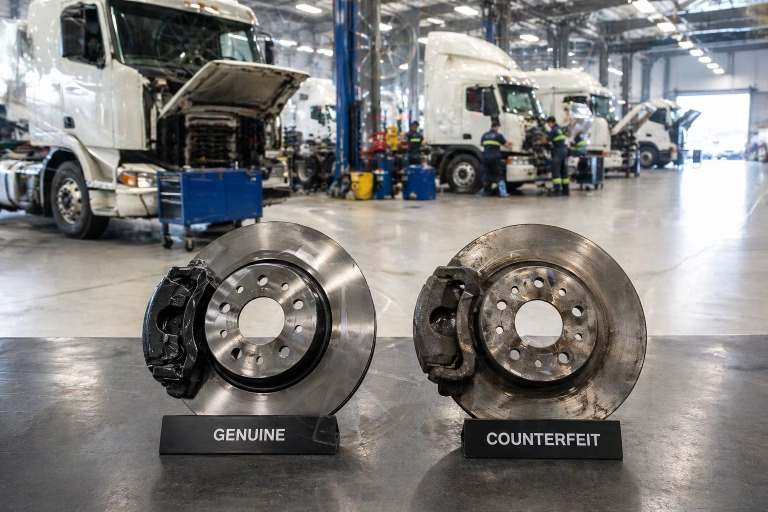
Across Africa and globally, counterfeit automotive parts have become widespread. In fact, recent data shows that over 80% of automotive spare parts in some markets are affected by counterfeiting. This makes it one of the most heavily targeted sectors.

The reason is demand. As fleets age and operating costs rise, many operators seek cheaper alternatives to keep vehicles running. Counterfeiters exploit this demand by producing low-cost imitations that closely resemble genuine components. However, these parts lack the quality, testing, and certification required for safe operation. Today’s counterfeit parts are increasingly sophisticated. From packaging to branding, they often look nearly identical to original equipment manufacturer (OEM) products. This similarity makes them difficult to detect even for experienced technicians.

Why Counterfeit Parts Are a Profit Killer

At first glance, counterfeit parts may seem like a cost-saving solution. However, the reality is the opposite. These components often trigger a chain reaction of hidden costs that can cripple fleet profitability.

  1. Increased Downtime

Fake parts fail faster. Unlike genuine components designed to meet strict durability standards, counterfeit parts are made with inferior materials. This leads to frequent breakdowns, unplanned maintenance, and longer vehicle downtime, directly affecting fleet productivity.

  1. Higher Maintenance Costs

While counterfeit parts are cheaper upfront, they rarely last. Fleets end up replacing them more often, increasing total cost of ownership. In some cases, a single failed part can damage surrounding systems, multiplying repair expenses.

  1. Safety Risks and Liability

Counterfeit parts can fail terribly. Faulty brake systems, defective airbags, or weak suspension components can cause serious accidents. According to industry experts, the danger lies in their potential for sudden failure, putting drivers and other road users at risk.

For fleet operators, this translates into legal exposure, insurance claims, and reputational damage. These costs far outweigh any initial savings.

  1. Fuel Inefficiency and Performance Loss

Substandard parts, such as filters or engine components, reduce vehicle efficiency. Engines work harder, consume more fuel, and deliver lower performance—silently draining operational margins over time.

The Impact on Fleet Operations and the Economy

Counterfeit parts don’t just affect individual fleets; they disrupt the entire transport system. Industry stakeholders, including manufacturers, distributors, workshops, and regulators, all feel the impact. Experts warn that counterfeit components undermine operational reliability and create widespread economic losses across the value chain. Moreover, counterfeit parts damage trust. When a fleet experiences repeated failures, customers lose confidence. Deliveries get delayed, service quality drops, and long-term contracts are put at risk.

How Counterfeit Parts Enter Fleet Supply Chains

Understanding how counterfeit parts infiltrate fleets is essential to effectively preventing their spread. These components typically enter supply chains through several weak control points, including:

  • Unverified suppliers offering suspiciously low prices that undercut legitimate market rates.
  • Online marketplaces with limited or inconsistent quality assurance mechanisms.
  • Informal distribution channels that operate outside regulated supply systems.
  • Cost-driven workshops sourcing cheaper alternatives in an effort to reduce operational expenses.

The rapid expansion of e-commerce has further intensified the challenge. Counterfeiters now exploit digital platforms to distribute fake components on a global scale. Often, they mask these parts behind attractive pricing and convincing listings. These offers are frequently designed to appear legitimate. As a result, it is difficult for unsuspecting buyers to distinguish between genuine and substandard parts until failures occur.

Red Flags Fleet Managers Should Never Ignore

Counterfeit parts are often difficult to identify at first glance, but they typically reveal subtle warning signs:

  • Prices that are significantly below standard market rates
  • Low-quality, inconsistent, or poorly printed packaging
  • Absence of certification marks, traceability codes, or serial numbers
  • Suppliers with no verifiable history, credentials, or industry recognition
  • Components that feel unusually light, rough, or poorly finished in hand

As a rule of thumb, an offer that appears “too good to be true” usually carries hidden compromises in quality, safety, and reliability.

Solutions: How Fleets Can Protect Themselves

To address this escalating challenge, fleet operators must adopt a proactive, disciplined, and system-driven approach. This approach should strengthen every layer of the supply chain.

  1. Source Exclusively from Trusted and Authorized Suppliers
    Engage only certified dealers and verified distributors. Building long-term partnerships with reputable suppliers significantly minimizes the risk of counterfeit infiltration into your fleet operations.
  2. Enforce Robust Procurement Governance
    Establish and standardize clear procurement policies across the organization. Eliminate informal or ad-hoc purchasing practices, particularly those involving unfamiliar or unverified vendors.
  3. Strengthen Capacity Through Targeted Training
    Equip procurement teams and technicians with the skills to detect counterfeit components. Continuous awareness and technical training serve as a critical frontline defense against substandard parts.
  4. Leverage Digital Authentication Technologies
    Adopt manufacturer-provided verification tools such as QR codes, holographic labels, and serial number authentication systems. These technologies offer instant validation of part authenticity and traceability.
  5. Institutionalize Routine Audits and Inspections
    Conduct regular and systematic audits of inventory and installed components. In addition, early detection through scheduled inspections helps prevent counterfeit parts from compromising performance, safety, and operational efficiency.

Industry Response and the Need for Collaboration

Governments and industry bodies are intensifying efforts to curb the proliferation of counterfeit automotive parts. Enforcement agencies are ramping up inspections and compliance checks. Meanwhile, manufacturers are investing in advanced anti-counterfeiting technologies to safeguard product authenticity.

Industry organizations, including the Automotive Aftermarket Suppliers Association, are playing a proactive role in raising awareness and driving the adoption of best practices across the value chain.

However, enforcement on its own is not sufficient. Meaningful and lasting progress depends on strong collaboration between fleet operators, suppliers, regulators, and technology providers. They must work in unison to secure the supply chain and protect end users from risk.

Guarding Fleet Integrity

Counterfeit parts are more than a technical inconvenience. They represent a serious strategic threat to fleet safety, efficiency, and long-term profitability. What may initially look like a cost-saving decision at procurement can quickly spiral into unexpected breakdowns, higher maintenance costs, operational delays, and increased safety risks on the road.

Fleet operator’s priority on quality, should never be treated as an expense to minimize, but as an investment that protects assets and ensures continuity of operations.

Furthermore, strengthening procurement systems, verifying supplier authenticity, and maintaining strict quality controls are essential steps in safeguarding performance and reliability.

Consequently, in today’s highly competitive transport landscape, eliminating counterfeit components is not optional. Instead, it has become a critical requirement for sustaining operational excellence, protecting drivers, passengers, and goods, as well as securing long-term business success.

Read More:

Did You Know Body Roll Is a Suspension Control Issue, Not Just Speed?


Many drivers blame speed when their vehicle leans heavily into corners. It feels logical, that when you drive fast, the car tilts more. However, this assumption misses a critical truth; body roll is primarily a suspension control issue, not just a speed problem. Understanding this distinction can transform how fleet operators, drivers, and vehicle owners approach safety, performance, and maintenance.

What Really Causes Body Roll?

Body roll happens when a vehicle’s weight shifts during cornering. As you turn, centrifugal force pushes the vehicle outward, causing the body to lean away from the direction of the turn. While speed increases that force, the suspension system controls how much the vehicle actually rolls.

Key components like shock absorbers, springs, and anti-roll bars (also known as sway bars) work together to stabilize the vehicle. When these components function properly, they keep the tyres firmly planted on the road and limit excessive leaning. However, when suspension components wear out or fail, body roll becomes more pronounced, even at moderate speeds.

Why This Matters More Than You Think

Ignoring body roll as “just a speed issue” can lead to serious consequences.

  1. Reduced Vehicle Control
    Excessive body roll affects steering precision. The more a vehicle leans, the harder it becomes to maintain control, especially in emergency maneuvers.
  2. Increased Tyre Wear
    Uneven weight distribution places extra stress on tyres, causing premature and uneven wear. This drives up maintenance costs and reduces safety.
  3. Higher Risk of Rollovers
    For high-center-of-gravity vehicles like SUVs, vans, and trucks, uncontrolled body roll increases the risk of rollovers, particularly during sudden turns.
  4. Driver Fatigue
    Constant vehicle instability forces drivers to make continuous corrections, leading to fatigue over long distances, a major concern for fleet operations.

The Suspension System: Your First Line of Defense

If body roll is excessive, the suspension system is usually the culprit. Worn-out shocks, weak springs, or damaged sway bars reduce the vehicle’s ability to resist roll forces.

Modern suspension systems are designed to balance comfort and stability. But over time, components degrade. Fleet vehicles, in particular, face harsher conditions such as, heavy loads, long distances, and rough roads, which accelerate wear. Therefore, maintaining suspension integrity is critical for both safety and performance.

Common Signs Your Suspension Needs Attention

Drivers and fleet managers should watch for these warning signs:

  • Excessive leaning during turns
  • Nose-diving when braking
  • Uneven tyre wear
  • Poor handling or “floating” sensation
  • Knocking or clunking noises

If you notice any of these, it’s time for an inspection.

Shifting the Mindset: It’s Not Just About Slowing Down

Yes, speed matters, but slowing down alone won’t fix poor suspension control. A vehicle with a compromised suspension can still experience dangerous body roll even at relatively low speeds.

Instead, the focus should shift to proactive maintenance and component quality. Investing in high-quality suspension parts and regular inspections delivers better control, improved safety, and lower long-term costs. Body roll is not just a driving habit issue; it is a mechanical reality. Treating it as a suspension problem rather than simply a speed issue empowers better decisions. For fleet operators and everyday drivers alike, control begins beneath the vehicle, not just behind the wheel.

More insights:

Why Automotive Production Must Anchor Africa’s Economy


Africa’s surging demand for mobility are converging to reshape the continent’s economic trajectory. In this moment of possibility, one sector stands out as a decisive catalyst for transformation: automotive production. For decades, Africa has anchored its industrial narrative in raw materials, agriculture, and extractive industries. These sectors matter, however, they seldom generate the sustained, high-value growth needed to power modern economies. Automotive manufacturing offers a different path. It anchors complex value chains, accelerates skills development, fuels innovation, and builds the kind of industrial depth that drives resilience over time.

If Africa intends to move beyond incremental progress and into true industrial strength, automotive production cannot remain a peripheral ambition. It must become a central pillar, that is deliberately developed, strategically supported, and fully integrated into the continent’s long-term economic vision.

Automotive Production: More Than Just Cars

Automotive manufacturing is far more than the assembly of vehicles. It is a powerful engine of industrial transformation. Importantly, behind every car or truck lies an intricate network of industries, including steel, plastics, electronics, logistics, and energy. In addition, each unit produced triggers a ripple effect across this ecosystem, generating demand, driving innovation, and unlocking economic activity that extends well beyond the factory floor.

This multiplier effect explains why countries such as Germany, Japan, and South Korea prioritized automotive manufacturing early in their development journeys. Likewise, the sector does not operate in isolation; instead, it pulls entire value chains forward, fosters technological advancement, and creates jobs at every level, from high-skilled engineering to assembly lines and aftersales services.

For Africa, this interconnected value chain represents more than an opportunity. It is a strategic gateway to industrialization. By developing a competitive automotive sector, Africa can shift from exporting raw materials to producing high-value goods, strengthening local industries and integrating into global manufacturing networks.

A Job Creation Engine at Scale

Employment generation remains one of the strongest arguments for prioritizing automotive production within Africa’s industrial agenda. Indeed, with millions of young people entering the labor market each year, the continent faces an urgent need for scalable, high-impact job creation that extends beyond the limits of traditional sectors. In this context, the automotive industry presents a strategic and timely pathway.

A single vehicle assembly plant can generate thousands of direct jobs, while catalyzing tens of thousands more across a complex and interlinked supply chain. From engineering and design to technical trades and vocational roles, the sector creates diverse employment opportunities that cut across skill levels and regions.

Beyond job creation, automotive manufacturing serves as a cornerstone for industrial capability. It drives skills development in robotics, advanced manufacturing systems, quality control, and logistics, building a workforce equipped for long-term economic transformation and global competitiveness.

Reducing Import Dependency and Strengthening Economies

Africa continues to import a substantial share of its vehicles, with annual expenditures running into billions of dollars. This dependence places sustained pressure on foreign exchange reserves and leaves economies vulnerable to global supply chain shocks.

Expanding local automotive production offers a strategic way to reverse current trends. Domestic manufacturing reduces import bills and strengthens currency stability. It also helps retain more economic value within national borders. Over time, it can shift African countries from net importers to competitive exporters in regional and global markets.

The African Continental Free Trade Area (AfCFTA) provides a strong foundation for this shift. It creates a single integrated market that supports economies of scale. This enables manufacturers to streamline operations and optimize supply chains. It also allows easier cross-border expansion.

Policy advocacy and industry coordination remain essential. The African Association of Automotive Manufacturers plays a key role in this process. It helps shape sustainable automotive ecosystems and attract investment. It also supports policies that accelerate Africa’s growth into a competitive global automotive industry.

Driving Industrial Diversification

Overreliance on a narrow export base has left many African economies exposed to volatile global price cycles. Developing a competitive automotive manufacturing sector presents a credible and strategic route to diversification.

Investment in automotive production does more than create assembly capacity, it catalyzes the growth of entire industrial ecosystems. From component manufacturing and precision tooling to chemicals, electronics, and software engineering, the sector drives broad-based capability development across multiple value chains.

The result is a more resilient economic structure, less susceptible to external shocks and better positioned for long-term stability. In essence, automotive manufacturing is not merely a buffer against vulnerability, it is a powerful engine for sustainable, inclusive growth.

Technology Transfer and Innovation

Modern vehicles are no longer purely mechanical, they are sophisticated systems powered by advanced electronics, sensors, and software. By building a robust automotive sector, African countries unlock direct access to these technologies while cultivating the technical expertise needed to deploy and innovate around them.

The impact extends far beyond the factory floor. Skills developed in automotive engineering and production naturally spill into adjacent high-tech industries, strengthening capabilities in renewable energy, intelligent transport systems, and smart infrastructure. In effect, the automotive sector becomes a catalyst for broader industrial and technological advancement.

At the same time, the global transition toward electric vehicles (EVs) presents a rare strategic opening. Africa does not need to follow the traditional path of internal combustion dominance. It can leapfrog into next-generation mobility. The continent is well positioned to play a key role in the growing EV market. Search interest in “electric vehicles in Africa,” “local car manufacturing,” and “EV supply chain Africa” is rising. This reflects strong and growing momentum. This is more than a trend. It signals a continent ready to redefine its role in the future of mobility.

The Infrastructure and Policy Challenge

Africa’s automotive production holds immense promise, yet its momentum is constrained by persistent structural challenges. Infrastructure deficits, policy inconsistency, and limited access to financing continue to hinder large-scale industrial growth and competitiveness.

These barriers, however, are far from insurmountable. What is required is a deliberate, coordinated response anchored in strong political will and strategic alignment. Governments must prioritize:

  • The development of clear, predictable, and investor-friendly automotive policies
  • Sustained investment in transport and energy infrastructure
  • Targeted support for local suppliers and small and medium-sized enterprises (SMEs)
  • The promotion of effective public–private partnerships

Above all, policy consistency is paramount. Automotive manufacturing demands long-term capital commitments, and investors require a stable, transparent regulatory environment to justify such investments. Without this certainty, progress risks remaining fragmented, undermining the continent’s ability to build a resilient and globally competitive automotive industry.

Building Regional Value Chains

No African country can build a globally competitive automotive industry in isolation. True competitiveness will be forged through deliberate regional collaboration. By aligning strengths across borders, countries can specialize along the automotive value chain, some concentrating on vehicle assembly, others on component manufacturing, and others on raw material processing. This coordinated approach not only drives efficiency and scale, but also unlocks shared industrial growth across the continent.

The African Continental Free Trade Area is central to this vision. In particular, it eases cross-border trade and dismantles longstanding barriers. As a result, it lays the foundation for deeper industrial integration, enabling Africa to shift from fragmented markets toward a unified and competitive automotive market.

Changing the Narrative: From Consumers to Producers

For decades, Africa has been viewed primarily as a consumer of vehicles—a perception that is no longer sustainable. The continent possesses abundant raw materials, a rapidly growing skilled workforce, and expanding market demand, positioning it strongly to emerge as a competitive automotive manufacturing hub. Achieving this potential now requires deliberate strategy, sustained investment, and unwavering commitment.

Automotive manufacturing presents a compelling and pragmatic entry point. It aligns with Africa’s inherent strengths while directly addressing key economic challenges. Beyond assembling vehicles, it catalyzes job creation, accelerates skills development, and stimulates the growth of interconnected industries, delivering broad-based industrial transformation in a single, strategic move.

Driving the Decade

Africa’s industrial transformation will not happen overnight, but the decisions made now will define its economic trajectory for generations. Automotive production is not a cure-all, but it remains a powerful lever for accelerating growth. At the core of industrial policy, it can drive job creation, strengthen value chains, and build economic resilience, unlike continued reliance on imports and low-value exports, which limits progress.

Realizing this potential requires bold policies, strong public–private partnerships, and long-term vision. Done right, automotive manufacturing can power Africa’s next wave of industrialization and sustained economic growth.

More Insights:

The Importance of Aftermarket Services in Africa’s Auto Industry


Buying a car is just the beginning of your enjoyable and comfortable journeys. However, to keep that vehicle running smoothly, safely, and efficiently for years, you need reliable maintenance, repairs and access to quality parts. This is where aftermarket services come in, forming the backbone of a sustainable and thriving automotive ecosystem.

What Exactly Are Aftermarket Services?

Aftermarket services encompasses all the services and products necessary to maintain, repair and enhance a vehicle after its initial sale. This includes:

  • Maintenance and Repair: Routine servicing, diagnostics, and repairs to address mechanical or electrical issues.
  • Spare Parts: Supply of replacement parts, from essential components like brakes and filters to more specialized items.
  • Accessories and Upgrades: Providing accessories to personalize and enhance the vehicle’s functionality or aesthetics.
  • Tyres and Batteries: Supplying and fitting tyres and batteries, crucial for safety and performance.
  • Body Work and Paint: Repairing accident damage and providing cosmetic enhancements.
  • Training and Technical Support: Providing training to technicians and offering technical support for complex repairs.

Also Read: Navigating Africa’s Evolving Aftermarket Needs

The Enduring Need for Aftermarket Services

Africa has a significantly older vehicle fleet compared to developed markets. This reality underscores the critical importance of regular maintenance and timely repairs provided by aftermarket services. Without access to quality parts and skilled technicians, vehicles are more likely to fall into disrepair, leading to increased breakdowns, higher accident rates, and ultimately, a shorter lifespan for vehicles.

Using genuine or high-quality aftermarket parts, and ensuring competent repairs are essential for extending the operational life of vehicles. This not only saves you money, but also contributes significantly to road safety, a paramount concern in many African countries. Well-maintained vehicles are inherently safer, reducing the risk of accidents caused by mechanical failures.

Fueling Economic Growth and Job Creation

The aftermarket services sector is a significant contributor to economic growth in Africa. It encompasses a diverse range of businesses, from small, independent garages to large, franchised dealerships. These businesses generate revenue, pay taxes, and create employment opportunities for skilled and unskilled workers.

Additionally, as the vehicle ownership increases, so does the need for mechanics, technicians, parts suppliers and other related professionals. This creates a ripple effect throughout the economy, stimulating growth in related industries such as logistics, training, and technology.

Moreover, the aftermarket sector provides opportunities for entrepreneurship. Such that, many small businesses in Africa are centered around vehicle repair and maintenance, offering vital services to local communities and contributing to local economies.

Supporting Affordability and Accessibility of Mobility

Owning a vehicle for many Africans, is a significant investment. The high cost of new vehicles often necessitates the purchase of used cars, making the availability of affordable and reliable aftermarket services even more critical.

A robust aftermarket sector ensures that used vehicles can be maintained and repaired at a reasonable cost, extending their lifespan and making them a viable transportation option for a larger segment of the population. Without accessible and affordable aftermarket services, many individuals and businesses would be unable to afford the mobility necessary for economic participation and social inclusion.

Embracing Technology and Innovation

Technology is playing an increasingly important role in the automotive aftermarket. Diagnostic tools, repair software, and online parts catalogs are becoming essential for efficient and effective vehicle maintenance.

Technology investments and promoting innovation in the aftermarket is helping improve the quality of services, reduce costs, and enhance customer satisfaction. Encouraging the development of mobile apps and online platforms that connect vehicle owners with mechanics and parts suppliers is also helping to improve accessibility and transparency in the market.

Also Read: Africa’s Future is on the Move and the Aftermarket is Leading the Way

The Path Forward: A Collaborative Approach

A thriving automotive aftermarket in Africa needs a collaborative effort between governments, manufacturers, industry associations, and other stakeholders. Governments are also playing a crucial role through creating a supportive regulatory environment, investing in skills development, and combating counterfeit parts. Manufacturers likewise contribute by providing training and technical support to the aftermarket businesses. Industry associations are fulfilling a vital role in promoting best practices and representing the interests of the aftermarket sector.

Read More:

KYB Commercial Vehicle Solutions: The Hidden Costs of Poor Suspension Maintenance for Fleets and Commercial Transport


Fleet operators prioritize fuel efficiency, route optimization, and driver performance to maximize returns. However, one critical system often operates out of sight while directly influencing safety, efficiency, and operating costs: the suspension system.

When operators overlook suspension maintenance, the consequences extend far beyond ride comfort. Poor suspension performance increases fuel consumption, accelerates wear across key components, and raises the risk of unplanned downtime. These hidden costs quickly compound, undermining profitability, reducing reliability, and placing unnecessary strain on fleet operations.

The Role of Suspension in Fleet Performance

The suspension system, comprising shock absorbers, springs, and tyres, keeps wheels in constant contact with the road, ensuring stability, precise braking, and responsive handling. It plays a central role in vehicle performance and safety.

As suspension components wear, vehicle control deteriorates. Even a single worn shock absorber can significantly increase stopping distances, directly compromising safety and efficiency. For commercial fleets operating under heavy loads and over long distances, the impact becomes even more severe. Every kilometer driven with a compromised suspension system increases mechanical strain, accelerates wear, and drives up long-term costs.

Hidden Cost #1: Increased Fuel Consumption

Poor suspension reduces fuel efficiency, often without operators noticing. When shocks and struts fail, tyres lose consistent road contact, increasing rolling resistance. Engines then work harder and consume more fuel.

Across a fleet, even small inefficiencies lead to significant financial losses over time. When multiplied across multiple vehicles, the cost becomes substantial. In contrast, well-maintained suspension systems improve alignment, reduce drag, and support smoother, more efficient vehicle movement.

Hidden Cost #2: Accelerated Tyre and Component Wear

Tyres represent a major expense in fleet operations, and poor suspension significantly shortens their lifespan. Worn shock absorbers cause uneven tyre wear, known as cupping, which reduces traction and braking performance.

The impact extends beyond tyres. Ineffective suspension systems place additional strain on steering components, bushings, joints, axles, and braking systems. As these parts compensate for instability, they wear out faster, increasing repair frequency and costs. By maintaining a healthy suspension system, operators protect critical components, reduce maintenance expenses, and sustain consistent performance.

Hidden Cost #3: Increased Downtime and Maintenance

Downtime remains one of the most expensive challenges in fleet management. Every hour a vehicle remains off the road reduces revenue and disrupts operations. Poor suspension maintenance contributes significantly to this problem by causing unplanned repairs and breakdowns.

Components such as shock absorbers and bushings deteriorate over time, leading to oil leaks, reduced damping performance, and structural fatigue. These issues rarely remain isolated. Instead, they trigger a ripple effect across tyres, steering, braking, and chassis systems, increasing repair complexity and costs.

A proactive maintenance approach helps operators reduce breakdown risks, extend component lifespan, and maintain consistent vehicle performance. Most importantly, it keeps vehicles operational and revenue-generating.

Hidden Cost #4: Reduced Driver Safety and Comfort

Vehicle condition directly affects driver performance. Poor suspension creates a rough, unstable ride that increases driver fatigue and reduces control.

Drivers operating vehicles with worn suspension experience poor handling and delayed steering response, making maneuvering more difficult. Increased braking distances further limit their ability to react in critical situations, raising the likelihood of accidents.

At highway speeds, even minor suspension wear can compromise stability, especially under heavy loads. What may seem like small inefficiencies can quickly escalate into serious safety risks. Proper suspension maintenance therefore serves as a proactive safety measure that protects drivers, cargo, and overall operations.

Hidden Cost #5: Cargo Damage and Customer Loss

Transport operators must protect cargo integrity at all times. Poor suspension increases vibration and transfers excessive shock to goods in transit, putting them at risk.

This leads to damaged products, increased insurance claims, dissatisfied customers, and potential loss of repeat business. In contrast, a well-maintained suspension system absorbs road impact effectively, protects cargo, and ensures consistent service quality. By prioritizing suspension health, operators safeguard both their goods and their reputation.

Why KYB Commercial Vehicle Solutions Make the Difference

KYB leads the global suspension market by supplying original equipment to major vehicle manufacturers and setting high standards for performance and reliability. The company designs its suspension systems to deliver stability under heavy loads, improve handling, extend component life, and reduce total cost of ownership.

KYB integrates advanced shock absorber technology that minimizes vibration and maintains consistent tyre contact with the road. This improves safety, enhances efficiency, and ensures reliable performance in demanding fleet environments.

Unlike low-cost alternatives, KYB components deliver long-term value. They last longer, require fewer replacements, and help fleets reduce maintenance costs while maximizing uptime.

A Smarter Approach to Fleet Efficiency

Fleet operators gain a competitive advantage when they treat suspension as a strategic investment rather than a routine maintenance item. A proactive approach reduces costs, improves performance, and enhances reliability.

Operators should implement disciplined maintenance practices, including regular suspension inspections, timely replacement of worn shock absorbers (approximately around 80,000 km), use of high-quality OEM-grade components, and proper training for maintenance teams to detect early warning signs.

This approach shifts maintenance from reactive to preventive, minimizes risks, reduces unexpected breakdowns, and maximizes uptime and profitability.

Small Component, Big Impact

Suspension systems may not always receive attention, but their impact on fleet performance is significant. From fuel efficiency and tyre wear to safety and downtime, poor maintenance introduces hidden costs that quickly add up.

By investing in KYB’s high-quality solutions and prioritizing proactive maintenance, fleet operators can reduce operating costs, improve vehicle performance, and enhance overall reliability. In a competitive transport environment, small details make a big difference and suspension is one detail no operator can afford to ignore.

Also Read:

Are Electric Vehicles in Africa Opportunity or Overreach?


Electric vehicles are rapidly gaining global momentum. From bustling cities in Europe to tech hubs in Asia, EV adoption is reshaping the automotive landscape. The debate around whether electric vehicles in Africa are opportunity or an overreach, is becoming increasingly relevant. In Africa, the question is more complex. On one hand, EVs promise cleaner air, lower operating costs, and new industrial opportunities. On the other hand, infrastructure constraints, high upfront costs, and energy reliability challenges raise doubts.

So, are electric vehicles in Africa an opportunity worth pursuing or simply an overreach? The answer is intricate. It depends on geography, policy, investment, and long‑term strategy.

EVs Are More Than a Trend

Electric vehicles are more than a trend; they mark a fundamental shift in how we power mobility. Global adoption is accelerating, driven by environmental targets and rapid technological improvements. According to the International Energy Agency (IEA), the world’s EV stock surpassed 16 million in 2023. Africa cannot afford to stand on the sidelines. The continent must carefully evaluate how EVs fit into its mobility ecosystem and consider the role they could play over the next decade.

The Case for EV Adoption in Africa

1. Lower Operating Costs

Electric vehicles (EVs) provide lower running costs compared to internal combustion engine (ICE) vehicles. Additionally, electricity is often less expensive than petrol or diesel, particularly when sourced from solar or hydro power. For fleets and public transport operators, fuel savings can be substantial, particularly in African markets where fuel prices remain high. This economic advantage makes EV adoption increasingly attractive.

2. Urban Air Quality Improvements

Cities like Lagos, Nairobi, and Accra frequently face challenges with vehicle emissions and air pollution. Electric vehicles, producing zero tailpipe emissions, offer a practical solution to improve urban air quality and safeguard public health.

3. Integration with Renewable Energy

Africa boasts abundant renewable energy potential, from solar across the Sahel to hydro in East and Central Africa. Integrating EV charging with these clean energy sources could establish sustainable mobility corridors. Countries like Morocco are already leading the way, with major investments in solar infrastructure such as the Noor Ouarzazate Solar Complex. By connecting EV charging to renewable generation, nations can cut reliance on fossil fuels while stabilizing long-term energy costs.

4. Industrial Development Potential

EV adoption can drive growth in local industry. Battery assembly, charging equipment manufacturing, and automotive software development are just a few areas with strong potential. With the right support and investment, Africa could emerge as a hub for producing key EV components.

The Practical Hurdles

1. Charging Infrastructure

One of the most significant challenges facing electric vehicles in Africa is the limited charging infrastructure. In most countries, reliable charging stations remain concentrated in major cities, making long-distance travel difficult without a dependable network of high-speed chargers. Building this network will require close alignment between private investment and public policy, with strategic placement along major highways and within key urban centers.

2. Grid Reliability

Many power grids across Africa continue to face reliability challenges. In parts of Nigeria, Kenya, and South Africa, frequent outages remain a reality. For electric vehicles to scale sustainably, electricity must be consistently available, not intermittent.

This is where off-grid and renewable solutions become essential. Solar carports, battery energy storage systems, and localized micro grids can provide reliable charging infrastructure in areas where grid supply is unstable, helping bridge the gap between EV adoption and power availability.

3. High Upfront Costs

Electric vehicles typically carry higher upfront costs than comparable internal combustion engine vehicles. Although they offer lower operating and maintenance costs over time, the initial purchase price remains a significant hurdle for many African consumers and businesses. Expanding access to tailored financing options, government incentives, and flexible leasing programs will be essential to making EVs attainable for middle-income buyers and commercial operators.

4. Skilled Workforce and Maintenance

Electric vehicles require a new set of servicing and maintenance skills. Technicians must understand high-voltage systems, battery technology, and advanced diagnostics, which calls for targeted investment in training and technical education. Countries that build this expertise today will be better positioned to compete and lead in the evolving mobility landscape tomorrow.

A Gradual, Strategic Approach

Africa does not need to replicate the paths taken by Europe or North America. Instead, it can pursue a phased, strategic approach tailored to its own market realities and development priorities. By starting with targeted assembly, gradually deepening localization, and building strong supplier ecosystems over time, countries can reduce risk while strengthening competitiveness. This measured progression allows policymakers, manufacturers, and investors to learn, adapt, and scale sustainably, ensuring that growth in vehicle production delivers long-term economic value rather than short-term industrial ambition.

Pilot Projects for Public Transport

Electric buses are well suited for urban routes, particularly in cities with high public transport usage and predictable daily operating patterns. Established metropolitan areas such as Cairo and Johannesburg, which already operate structured public transport networks, are well positioned to lead pilot programs and demonstrate scalable adoption. Successful pilot programs can set a practical roadmap for other African cities considering electric public transport solutions.

EV Integration in Logistics

Last-mile delivery services operating in dense urban areas are well positioned to adopt electric vehicles successfully. These operations typically cover short, predictable routes with frequent stops, which aligns perfectly with current EV range capabilities. Lower tailpipe emissions help logistics companies comply with tightening urban environmental regulations, while reduced fuel and maintenance costs improve operating margins. In addition, quieter operation makes EVs ideal for residential deliveries, reducing noise pollution and improving community acceptance. For fleet operators, these advantages make electric vehicles a practical and economically attractive solution for urban last-mile logistics.

Targeted Charging Networks

Rather than attempting to build nationwide charging networks all at once, stakeholders should adopt a phased and strategic approach. Initial investments should focus on high-usage corridors where demand is already concentrated. Urban centers, major ports, logistics hubs, and industrial zones offer the strongest early use cases for electric vehicles and should therefore receive priority charger deployment. Concentrating infrastructure in these areas maximizes utilization, improves reliability, builds user confidence, and creates a solid foundation for gradual expansion into secondary cities and long-distance routes as adoption grows.

Leverage Renewable Energy

In many African regions, grid electricity remains expensive, unstable, or unavailable altogether. Off-grid and hybrid renewable energy systems offer a practical alternative. Solar-powered charging stations, supported by battery storage and, where viable, wind generation, can deliver consistent power without overloading national grids. This approach reduces operating costs, lowers carbon emissions, and improves energy security. By integrating renewables into EV charging networks, Africa can support electric mobility while building resilient, future-ready energy infrastructure suited to local conditions.

Policy and Incentives: The Game Changers

Government policy will play a decisive role in how quickly electric vehicles scale across Africa. Well-designed tax incentives for EV imports, reduced duties on charging equipment, and targeted subsidies can significantly accelerate adoption. Public procurement programs, such as the introduction of electric buses or electrified government fleets—also send a strong signal of market confidence and long-term commitment.

Global precedents already exist. Many countries have successfully used policy incentives to jump-start their EV markets. Africa can adopt and tailor similar frameworks, aligning them with local priorities such as affordability, energy security, and sustainable urban mobility.

Consumer Perception Matters

In many markets, awareness of electric vehicles remains limited. Consumers often have concerns about driving range, reliability, and overall ownership costs. Targeted education campaigns and hands-on test programs can play a vital role in clarifying these issues and making EV ownership more understandable. As adoption grows, everyday visibility matters. Seeing neighbours use EVs reliably, along with fleet uptake by respected companies, helps build confidence and signals that the technology is viable in real-world conditions.

The Role of Private Investment

The private sector must take a leading role in driving EV growth. Charging network operators, energy companies, automakers, and innovative startups all have a direct stake in building a viable electric mobility ecosystem. Strategic joint ventures between international automakers and African firms can combine global technology with local market insight, while partnerships with energy providers can accelerate the rollout of reliable charging infrastructure across key corridors and urban centers.

The Bigger Picture: Mobility and Sustainability

EV adoption aligns closely with broader sustainability goals. By reducing dependence on fossil fuels, electric mobility helps improve urban air quality and lowers greenhouse gas emissions, delivering tangible health and environmental benefits. Cities also gain from quieter, cleaner streets that enhance overall quality of life. As emphasized by the United Nations Environment Programme, transitioning to cleaner transport is a critical pillar of sustainable development, particularly for rapidly urbanizing regions where mobility demand is rising faster than infrastructure capacity.

Opportunity, Not Overreach

Electric vehicles in Africa present both a significant opportunity and a complex challenge. They are not an overreach when deployment is strategic, phased, and backed by strong policy frameworks, reliable infrastructure, and targeted education initiatives. EVs can coexist with internal combustion engine (ICE) vehicles, each serving distinct market segments, from urban commuters to long-haul transport.

The promise of EVs is tangible: lower operating costs for drivers, reduced urban air pollution, and the potential to catalyze new industrial and manufacturing opportunities. Yet the challenges are equally real. Charging infrastructure remains limited, initial vehicle costs are high, and electricity grids in many regions face reliability issues. Africa’s automotive stakeholders must navigate these challenges with careful planning, clear strategies, and close collaboration.

Africa may not electrify overnight, but it can lead in ways that align with its unique realities. The question is no longer whether EVs belong on the continent, it is how Africa will integrate them effectively and how quickly it can scale adoption to benefit both its economy and its people.

Read More: 

Rymax Lubricants Enhances Oil Advisor Tool Update

With a strong and growing presence across Africa, Rymax Lubricants continues to support workshops, distributors, and end users with reliable, high-performance lubrication solutions. As part of this commitment, Rymax has launched an updated version of its popular Oil Advisor tool, making it even easier to select the right lubricant for any application.

Choosing the correct lubricant can often be complex, especially with the wide variety of vehicles and machinery in use today. The Rymax Oil Advisor simplifies this process by providing clear, OEM-based recommendations tailored to specific vehicles, equipment, and operating conditions.

The latest update introduces a cleaner, more intuitive design that helps users find the right product faster. Key improvements include:

  • A clearer visual experience, where users see an image of the selected vehicle, adding confidence when working with different models and specifications
  • Improved navigation, making it quicker and easier to find the right information
  • A structured overview of recommendations by application, allowing users to easily identify the correct products for:
    • Engine oil
    • Coolant
    • Gear oil
    • Transmission fluid
    • Brake fluid

Each recommended product includes direct access to its Technical Data Sheet (TDS), available in both English and French. The tool itself is also accessible in French and linked to dedicated French-language product pages for a seamless experience.

Another valuable feature is the ability to generate customised, professional reports based on specific recommendation categories, such as engine or transmission applications. This makes it easier for workshops and distributors to share clear, structured information with their customers.

Behind the updated design remains the same trusted foundation. The Rymax Oil Advisor continues to deliver accurate, OEM-based recommendations that help protect performance, extend service life, and ensure reliability.

Fully optimised for both desktop and mobile, the tool is designed to support users wherever they are, whether in the workshop or on the move.

With this update, Rymax combines technical expertise with ease of use, reinforcing its commitment to delivering practical, high-quality solutions for the automotive industry worldwide.

Discover the updated Rymax Oil Advisor and experience a smarter, clearer way to choose the right lubricant!

Also Read:

- Advertisement -