
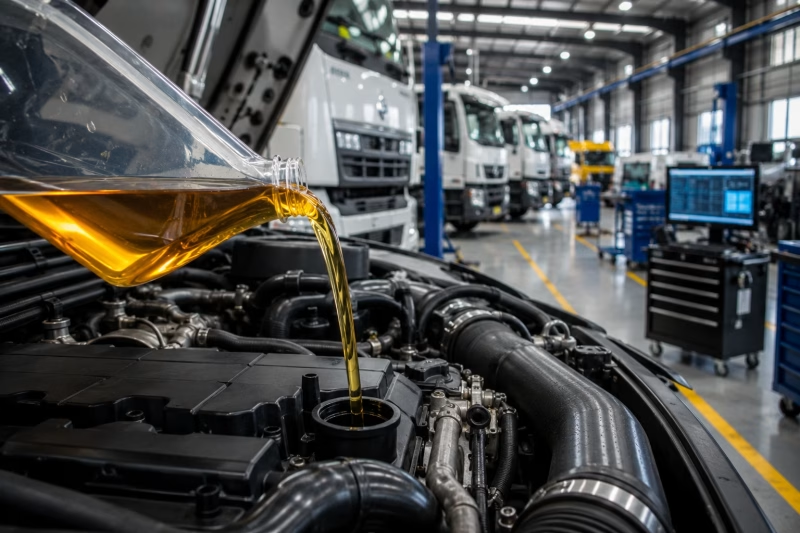
For years, engine oil has been treated as a routine expense. Something to buy, use, and replace as cheaply as possible. However, this days, engine oil is not just a consumable; it is a strategic asset that directly influences fleet performance, operational efficiency, and long-term profitability. As transport demands rise and margins tighten, forward-thinking fleet managers should re-evaluate their approach. Such that, lubrication is not seen as a cost center, but as a powerful lever for competitive advantage.
The Shift from Price to Performance
Back in the days, fleet procurement decisions focused heavily on upfront cost. Cheaper oil often appeared attractive, especially in price-sensitive markets. However, this approach ignored the broader impact of lubrication on engine health and lifecycle costs.
High-quality engine oils reduce wear, improve fuel efficiency, and extend service intervals. This means fewer breakdowns, less downtime, and lower maintenance costs. In a business where every hour off the road translates to lost revenue, these benefits matter. The shift toward performance-driven decision-making reflects a deeper understanding of total cost of ownership (TCO), a concept gaining traction across Africa’s fleet sector.
Engine Oil as a Driver of Fuel Efficiency
Fuel accounts for one of the largest expenses in fleet operations. Even a small improvement in fuel economy can deliver significant savings over time. Advanced engine oils, particularly synthetic and semi-synthetic variants, reduce internal engine friction. This allows engines to run more smoothly and efficiently, consuming less fuel under the same operating conditions.
For long-haul trucks and commercial fleets, the impact is substantial. Studies show that improved lubrication can reduce fuel consumption by up to 2–3%. While this may seem modest, it translates into thousands of cash saved annually per vehicle in high-mileage operations. In an environment where fuel prices remain volatile, optimizing lubrication becomes a smart financial strategy.
Extending Engine Life and Reducing Downtime
African fleet often operates under challenging conditions, like, long distances, heavy loads, variable road quality, and extreme temperatures. These factors place immense stress on engines. However, high-performance engine oils are designed to withstand these conditions. They maintain viscosity under heat, resist oxidation, and protect critical engine components from wear and deposits. The result is longer engine life and fewer unexpected failures. Additionally, reduced downtime is one of the most immediate benefits. When vehicles spend more time on the road and less time in the workshop, fleets improve reliability, meet delivery schedules, and strengthen customer trust.
The Role of Oil Analysis and Predictive Maintenance
The evolution of engine oil strategy goes beyond the product itself. It now includes data-driven maintenance practices. Oil analysis is an essential tool for modern fleet management. By regularly testing oil samples, operators can detect early signs of engine wear, contamination, or inefficiencies. This allows maintenance teams to address issues before they escalate into costly repairs. Predictive maintenance, powered by oil data, helps fleets optimize service intervals. Instead of relying on fixed schedules, operators can make informed decisions based on actual engine condition. The shift towards proactive maintenance reduces waste, improves asset utilization, and enhances overall operational control.
Combating Counterfeit and Low-Quality Oils
While the benefits of high-quality engine oils are clear, the African market faces a persistent challenge, counterfeit and substandard lubricants. Fake oils always fail to meet required specifications. They degrade quickly, provide inadequate protection, and causes severe engine damage. For fleets, the consequences include higher maintenance costs, reduced efficiency, and increased risk of breakdowns.
Addressing this issue requires vigilance. Fleet operators must source lubricants from trusted suppliers, verify product authenticity, and educate their teams on the risks of counterfeit products. Quality assurance is not optional, it is essential for protecting both assets and profitability.
Sustainability and Environmental Impact
Sustainability is a key consideration in fleet operations. Governments, regulators, and customers are increasingly demanding environmentally responsible practices. High-performance lubricants reduce emissions by improving combustion efficiency. Such that, extended drain intervals mean less waste oil, reducing environmental impact. In fact, some advanced formulations also support cleaner engines, which contribute to lower carbon output. For fleets looking to align with sustainability goals, choosing the right engine oil is a practical and impactful step.
Digitalization and Smart Fleet Management
The integration of digital technologies is further transforming how fleets approach lubrication. Telematics systems now monitor engine performance in real time. Combined with oil data, these systems provide actionable insights that help optimize maintenance schedules and improve efficiency.
Fleet managers can track trends, identify anomalies, and make data-driven decisions that enhance performance across the entire operation. This convergence of lubrication and technology is redefining fleet management in Africa, creating smarter, more resilient operations.
Changing Mindsets: From Expense to Investment
The biggest transformation is not technological, it is cultural. Fleet operators are beginning to understand that cutting corners on engine oil often leads to higher costs in the long run. Investing in quality lubrication delivers measurable returns through improved efficiency, reduced maintenance, and extended asset life. This shift approach is critical for building sustainable and profitable fleet operations. Those who embrace this shift will gain a clear advantage. They will run more efficient operations, reduce costs, and deliver better service in an increasingly demanding market. In the end, smart lubrication is smart business.
Read More:
Data-Driven Lubrication: Innovations in Oil Analysis
Oil Maintenance and Monitoring of Commercial Bus Fleet
How Data and Telematics Are Powering Smarter Fleet Management Across Africa
The Crucial Role of Aftermarket Additives in Enhancing Bus Engine Oil Performance for the African Climate
Tyre Safety Is the Big Test for Africa’s Fleet Industry

