Sunday, May 31, 2026
Home Blog Page 9

African Tyre Market: 5 Trends Driving Growth


The global automotive industry, heavily depends on the tyre market, for the production and distribution of various types of vehicles. According to a recent market report by Grand View Research, “The global tyres market size was estimated at USD 143.06 billion in 2024, and is projected to grow at a CAGR of 3.4% from 2025 to 2030. The global tyres industry is driven by the rapid expansion of the automotive industry, particularly in emerging economies where rising disposable income and increasing vehicle ownership fuel tyre demand. The African Tyre Market is poised for significant growth as well, making the African Tyre Market an essential focus for stakeholders in the automotive supply chain.

In Africa, the continent is known as a potential emerging market place, for dynamic growth and diverse landscapes, presenting a compelling future for the tyre market and the automotive industry as a whole. Although still developing, the automotive industry in Africa is gaining steady momentum. For instance, assembly plants are being established in countries like South Africa, Nigeria, and Kenya, boosting local production, and stimulating demand for original equipment tyres (OEM). The growth of ride-hailing services and logistics companies further contributes to this expansion.

The African Tyre Market is becoming increasingly relevant as manufacturers adapt to the unique demands of this region.

The Market Potential

The potential of the African Tyre Market cannot be overstated, as it represents a diverse and expanding opportunity for manufacturers and suppliers.

Zooming further in to the Africa market, Grand View Research report states that, “The tyres market in Middle East & Africa is anticipated to grow at a significant CAGR during the forecast period. The expansion of the industrial and agricultural sectors is a critical driving factor. With African nations relying heavily on agriculture and mining, the demand for specialized tyres designed for tractors, harvesters, and heavy-duty machinery has surged.”

Additionally, with reference to the Kenyan market, MarkNtel Advisors’ market report indicates that, “The Kenya Tyre Market size is valued at around USD 376 million in 2024 and is estimated to grow at a CAGR of around 5.7% during the forecast period, i.e., 2025-30. Due to a lack of domestic tyre production, Kenya imports tyres from several nations to fulfill their demand.”

Also Read: How Automatic Tyre Pressure Systems Support Sustainability in Fleet Management

Tyre Market Demand

The report continues, “The market has a growing demand for both OEMs and replacement tyres which is highly influenced by urbanization in various parts of the country and high infrastructure improvements involving economic growth making them some of the most crucial market drivers. Rising income and urbanization are leading to higher vehicle ownership ultimately creating the demand for tyres. Infrastructure projects are being developed requiring heavy modes of transport boosting the demand for off-road and commercial tyres.”

MarkNtel Advisors’ report highlights current opportunities in Kenya, stating that technological advancements are driving the need for innovations, such as eco-friendly, high-performance, and durable all-terrain tyres, which create significant growth opportunities.

“For instance, South Africa’s automotive industry saw a strong performance in March 2025, with domestic new vehicle sales reaching 49,493 units, a 12.5% increase from 43,989 units in March 2024. The new passenger car market surged by 25.3%, totaling 33,447 units, driven by robust consumer demand and favorable lending conditions,” this is according to TechSci Research recent market report.

Consumer Decision Influence

TechSci Research report further highlights that, “Affordability plays a major role in consumer decision-making in the Africa tyre market, pushing budget tyre brands into the spotlight. Low- to mid-income consumers prioritize cost-effective tyre options that offer basic performance, safe drivability, and sufficient durability for daily use.”

Looking on to the Nigerian market, TechSci Research reports, “The Nigeria Tyre Market has experienced notable growth as a result of expanding vehicle populations, supportive government infrastructure initiatives, and the emergence of a robust aftermarket segment. TechSci Research valued the Nigeria Tyre Market at USD 610 million in 2024 and project it to reach approximately USD 1,060 million by 2030, expanding at a CAGR of 9.8% during the 2025–2030 forecast period.”

Also Read: Is Your Trucking Business Rolling on Risks?

Key Trends Shaping the African Tyre Market
The African tyre market is not static; it is evolving in response to global trends and local realities, such as:
  1. Rising Popularity of TBR Tyres

Truck and Bus Radial (TBR) tyres are gaining traction due to their superior durability, fuel efficiency, and load-carrying capacity compared to traditional bias-ply tyres. The growing logistics and transportation sectors are also driving this demand, particularly for long-haul applications.

2. Growing Demand for Fuel-Efficient Tyres

As fuel prices in Africa rise and fluctuate unpredictably, consumers and businesses are increasingly prioritizing fuel efficiency. This is driving demand for low rolling resistance tyres, which can significantly reduce fuel consumption and operating costs.

3. Import Dominance and Counterfeit Tyres

The African tyre market is heavily reliant on imports, primarily from major manufacturers across other continents worldwide. This reliance exposes the market to the risk of counterfeit and substandard tyres, which are compromising safety and performance. However, African governments and the relevant authorities are actively working to address this issue through implementation of stricter regulations and enforcement measures to combat the proliferation of counterfeit tyres and promote the quality of imported tyres.

4. Increasing Online Sales

E-commerce is gradually gaining ground in Africa, including the sale of tyres. Online platforms offer consumers convenience, competitive pricing, and a wider selection of brands. However, challenges such as limited internet access, counterfeit and logistical complexities still remain.

5. Focus on Sustainability

While still in its early stages, there is growing awareness of sustainability in the African tyre market. This includes the promotion of retreading, recycling, and responsible disposal of used tyres.

Challenges and Opportunities in the African Tyre Market

The African tyre market presents several unique challenges despite its growth potential, including but not limited to:

Infrastructure Deficiencies

Poor road infrastructure in many regions leads to accelerated tyre wear and tear, increasing the demand for durable and robust tyres but also impacting transportation costs and logistics.

Competition from Low-Cost Imports

While offering affordability, the influx of low-cost tyres, often compromises quality and safety standards. This creates a challenge for established brands seeking to maintain their market share.

Limited Access to Finance

Small and medium-sized enterprises (SMEs) operating in the tyre market often face difficulties accessing finance for expansion and modernization.

Economic and Political Instability

More often, economic fluctuations and political instability in some African countries create uncertainty and disrupt business operations.
However, these challenges also present opportunities for businesses that are willing to adapt and innovate to fulfil the African tyre demand, in ways like:

Investing in Local Manufacturing

Establishing local tyre manufacturing facilities can reduce reliance on imports, create jobs, and contribute to economic development.

Developing Tyres Specifically for the African Conditions

Designing tyres specifically for Africa’s harsh road conditions and diverse terrains gives a competitive advantage.

Strengthening Distribution Networks

Building robust and efficient distribution networks is crucial for reaching customers in both urban and rural areas.

Promoting Tyre Safety and Awareness

Educating consumers about the importance of tyre maintenance and safety can help reduce accidents and improve road safety.

Adopting Sustainable Practices

Implementing sustainable practices such as retreading and recycling can enhance brand image and contribute to environmental protection. This way companies can attract environmentally conscious consumers, build trust, and positively impact the environment.

Also Read: Bus tyre inflation

A Continent of Diverse Markets

Different regions and countries in Africa, exhibit unique characteristics and demand patterns. For instance, let’s talk about 4 countries across the African region:

South Africa

This is the most developed tyre market in Africa, with a strong automotive industry and a relatively high rate of vehicle ownership. The country is also a major producer of tyres, both for domestic consumption and export.

Nigeria

As the most populous country in Africa, Nigeria represents a significant growth opportunity for the tyre market. The increasing number of vehicles on the road and the growing demand for transportation services are driving demand for tyres in this country.

Kenya

As a regional hub for trade and transportation, Kenya is a key market for TBR tyres. The country’s expanding economy, infrastructure, and growing vehicle ownership contributes to a thriving tyre market. Additionally, all-season tyres are gaining popularity for their year-round performance, according to TechSci Research. Other tyre types relevant to Kenyan roads include those for urban commuting, sport touring, high performance, ultra-high performance, and different terrains for SUVs.

North Africa

North Africa’s proximity to Europe and the Middle East influences its tyre market. Demand for high-performance tyres is relatively strong in this region. Each North African nation exhibits unique characteristics within the broader tyre market.

For example, Morocco has a relatively well-developed automotive industry and a growing demand for high-performance tyres. Egypt, with its large population and expanding economy, represents a significant market for both PCR and CVR. Algeria, despite its resource wealth, faces challenges related to import regulations and infrastructure bottlenecks impacting tyre distribution.

Also Read: JK Tyres Launches SMART TYRE Range

A Market Ripe with Potential: The Future of the African Tyre Market

The African tyre market, represents a significant opportunity for tyre manufacturers, and distributors looking to expand their global footprint.

In the coming years, the market will continue to grow strongly, driven by economic development, urbanization, infrastructure investment, and the expansion of the automotive industry.

Companies that adapt to the unique needs of African tyre consumers and invest in local manufacturing and distribution will position themselves to thrive in this dynamic and promising market.

The key to success lies in recognizing the diversity of the continent tyre needs, and tailoring strategies accordingly.

Nonetheless, embracing innovation, prioritizing safety, and committing to sustainable practices, tyre manufacturers can significantly contribute to the continued growth and development of the African tyre market while achieving their commercial objectives.
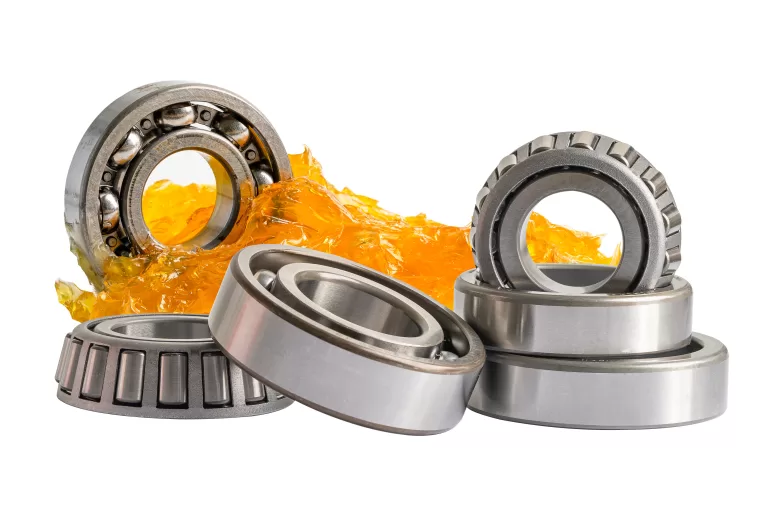

Lubricating Grease Selection: Avoid These 6 Pitfalls


When running a heavy truck fleet, you are juggling schedules, routes, maintenance and a whole lot of moving parts, and keeping those parts moving smoothly. Heavy trucks operate in demanding conditions; extreme temperatures, heavy loads, high speeds, and varied terrains particularly in Africa, all contribute to significant stress on their numerous moving parts.

Pieter Kruijff – 77 Lubricants Commercial Director

“Choosing the right lubricating grease for heavy-duty truck applications is critical for long-term performance and reliability,” says 77 Lubricants Commercial Director, Pieter Kruijff. According to Kruijff, “One of the most common mistakes is assuming that a single “universal” grease fits all components. In reality, different parts—such as wheel bearings, chassis points, and U-joints—have unique load, temperature, and environmental requirements that specifically affect the choice of lubricating grease.”

Lubricating grease may seem like a simple commodity, however, the wrong grease can lead to premature component failure, increased downtime, and ultimately significant financial losses. Making informed decisions about your lubricating grease is crucial for maximizing uptime, minimizing maintenance costs, and ensuring the longevity of your valuable assets. Let’s look at the possible pitfalls to avoid when selecting grease for your fleet.

Pitfall #1: Ignoring Operating Conditions

This is the biggest mistake you can make as a fleet manager. Think about where your trucks operate. Are they consistently hauling heavy loads on rough terrain? Do they frequently face extreme temperatures, whether scorching heat in the summer or freezing cold in the winter? Do they operate in dusty environments or near water?

The grease you choose needs to withstand these conditions. A grease designed for high temperatures might fail spectacularly in freezing conditions, resulting in stiff components and potential damage. Conversely, a grease formulated for low temperatures might be too soft and quickly wash away under high-pressure situations. Consider extreme pressures, high speeds, and the presence of contaminants like water or dust when selecting your grease.

Pitfall #2: Sticking to “What We’ve Always Used”

Tradition isn’t always your best friend when it comes to lubrication. The trucking industry is constantly evolving, with new grease formulations offering improved performance and extended service life. Blindly sticking to a grease your fleet has always used, without considering advancements in technology and the specifics of your current operation, could be costing you money and efficiency.

Don’t be afraid to explore new options and consult with lubricant experts. They can help analyze your fleet’s operating conditions and recommend the best grease for optimal performance.

Pitfall #3: Neglecting the Importance of Proper Application

Choosing the right grease is only half the battle. Improper application can contravene the benefits of even the highest-quality lubricant. “Incorrect application either under- or over-greasing is another major pitfall,” asserts Kruijff. He continues, “Too little grease leads to friction and wear, while over-greasing can damage seals and attract contaminants. Also, grease compatibility is often overlooked. Mixing different thickener types can cause grease separation and performance failure.”

It is recommended to ensure your mechanics are properly trained in the correct greasing techniques and understand the recommended intervals for each application point. Investing in automated lubrication systems can significantly improve consistency and accuracy, reducing the risk of human error.

Pitfall #4: Focusing Solely on Price

While cost is a factor, choosing the cheapest grease is not always the most economical solution in the long run. A lower-priced grease might require more frequent applications, leading to increased labor costs and potentially more downtime for maintenance. A higher-quality grease, even if more expensive upfront, can offer extended service life, reducing the overall cost of ownership through fewer replacements and minimized downtime. Evaluate the total cost of ownership, considering factors like application frequency, downtime, and potential repairs, before making a decision.

Pitfall #5: Disregarding Manufacturer Recommendations

Always prioritize the manufacturer’s specifications when choosing grease for your fleet. Every piece of heavy-duty equipment – from axles to wheel bearings, comes with manufacturer recommendations for the type of lubricating grease to use. These recommendations are based on rigorous testing and reflect the specific design and operating parameters of the component. Ignoring these recommendations can void warranties and significantly increase the risk of premature failure.

As Kruijff recommends, “We emphasize the importance of selecting high-quality, application-specific greases formulated to meet OEM and extreme operating conditions. Our heavy-duty greases are developed for superior water resistance, high load-carrying capacity, and extended lubrication intervals—critical for modern fleet efficiency.”

Pitfall #6: Failing to Regularly Monitor Grease Performance

Once you’ve chosen and implemented a lubricating grease, don’t just set it and forget it. Regularly monitor the condition of the grease in your fleet’s components. Check for signs of contamination, such as water or debris, or changes in consistency.

Regular inspections can help identify potential problems early, preventing catastrophic failures and costly repairs. Implementing a proactive maintenance schedule that includes grease analysis can provide valuable insights into the performance of your chosen lubricant and help you optimize your lubrication strategy.

Navigating Your Way to Success

The seemingly small choice of grease can have a significant impact on the bottom line. As a fleet manager, it is possible to optimize your lubrication strategy, minimizing maintenance expenses and maximizing the operational efficiency of your heavy-duty trucks, by carefully considering the outlined pitfalls to avoid and ensure your fleet receives the optimal lubrication necessary for peak performance and extended lifespan.

Investing in a high-quality grease and adhering to best practices in lubrication is an investment in the long-term health and productivity of your fleet. Consulting with lubrication specialists can provide invaluable assistance in navigating the complications of grease selection and ensuring optimal performance for your fleet.

Why You Should Invest in Underbody Protection Coatings


Your vehicle can endure a relentless assault from the road harsh elements. Beyond the gleaming paintwork and meticulously maintained interior, lies a crucial area; the underbody. Africa’s diverse landscape boasts breathtaking beauty, but its road conditions present unique challenges for vehicle owners. Underbody protection coatings can provide essential defense for your vehicle against these tough environments.

Marc Drews, 4CR Key Account – Marketing Manager

“Underbody protection coatings are essential for preserving a vehicle’s structural integrity, especially in demanding environments like those found in many African regions,” says 4CR Key Account – Marketing Manager, Marc Drews. “The underside of a car is constantly exposed to rough road conditions, high temperatures, dust, mud, and heavy rainfall. Without proper protection, these factors can lead to rust, corrosion, and premature wear, compromising both safety and durability,” he adds.

Clearly, applying a high-quality underbody coating is a proactive measure that significantly enhances your vehicle’s lifespan and protects your investment, offering a crucial layer of defense against the harsh realities of African roads.

The Challenges of African Roads

The underbody of your vehicle is a complex network of components, including the chassis, suspension, fuel lines, exhaust system and various electrical components. These parts are constantly exposed to harsh conditions, leading to several significant problems. Unlike the meticulously maintained roads in many developed countries, African roads frequently present a multitude of hazards. As a result, they can significantly damage a vehicle’s undercarriage.

The Protective Power of Underbody Coatings

African roads present a multifaceted challenge to vehicle integrity. The issues extend beyond simple potholes and uneven surfaces. Underbody protection coatings act as a protective barrier, shielding the vulnerable components of your vehicle’s undercarriage from these threats. These coatings are typically applied as a thick, durable layer, forming a shield that repels water, salt and other corrosive elements.

They also provide a degree of impact resistance, reducing the severity of damage from gravel and stone chips. “At 4CR, we believe that high-quality underbody coatings are a crucial investment for any vehicle. They create a durable, protective barrier that prevents water, dirt, and contaminants from reaching the metal surfaces. This significantly reduces the risk of corrosion. Additionally, these coatings help minimize damage from stones and rough terrain. As a result, they ensure long-term protection,” remarks Drews.

Investing in underbody protection coatings is a smart and proactive decision for any vehicle owner. The cost of applying a protective coating is significantly less than the cost of repairing rust damage or replacing corroded components. By protecting your vehicle’s undercarriage, you are safeguarding a substantial investment. You are also extending its lifespan and enhancing its resale value. It’s a small investment that delivers significant long-term benefits, ensuring your vehicle remains in optimal condition for years to come.

Types of Underbody Protection Coatings

Several types of underbody protection coatings are available, each with its own set of properties and benefits, which are:
Rubberized Coatings: These offer excellent protection against corrosion, abrasion and impact damage. They are applied by spraying and provide a thick, durable layer.

Wax-Based Coatings: Wax-based coatings offer good corrosion protection and are relatively easy to apply. However, they may not offer the same level of abrasion resistance as rubberized coatings.

Paint-On Coatings: These are available in various formulations, offering varying degrees of protection. They are generally less durable than rubberized coatings but easier to apply in smaller areas or for touch-ups.

Epoxy Coatings: Known for their exceptional hardness and chemical resistance, epoxy coatings provide protection against abrasion and harsh chemicals. However, they are more expensive and require a more meticulous application process.

Spray-on Bed Liners: Originally designed for truck beds, these tough, textured coatings offer excellent protection against impacts and abrasion. They can be applied to the undercarriage, providing a durable, long-lasting barrier.

Choosing the Right Coating and Application

When choosing an underbody protection coating, consider factors such as your budget, the climate in your region, and your driving habits. It’s essential to choose a high-quality coating from a reputable manufacturer. While you may attempt DIY application, professional application is often recommended to ensure complete and even coverage. This maximizes the effectiveness of the coating. Professional applicators also have the expertise to prepare the undercarriage properly. They remove existing rust and debris before applying the coating.

The Market-Driven Solutions

The automotive repair and refinishing industry is a dynamic landscape, constantly evolving to meet the demands of a discerning clientele and increasingly stringent regulatory requirements. As a professional in this field, you understand the importance of delivering top-quality workmanship that not only enhances the aesthetic appeal of a vehicle but also protects its structural integrity and longevity. In this context, underbody protection emerges not as a mere add-on. Instead, it is a crucial component of comprehensive vehicle care, directly impacting customer satisfaction and your business’s reputation.

As Drews recommends, “For professionals in the automotive repair and refinishing industry, using a reliable underbody protection product ensures durability and customer satisfaction. That’s why we focus on developing easy-to-apply, high-performance coatings designed to withstand the toughest conditions.” Drews further emphasizes, “Our products combine German engineering with market-driven solutions, making them a valuable addition to any distributor’s portfolio. With 4CR, importers can offer their customers premium quality, reliability, and a competitive edge in the growing automotive market.”

A Strategic Advantage

The automotive market offers a wide array of underbody protection products, making the selection process crucial for your business’s success. You need a product that balances ease of application with superior performance, offering both efficiency and long-term protection.

Differentiate yourself from your competitors and provide your customers with a comprehensive solution for maintaining their vehicles undercarriage. This added service not only increases revenue but also enhances customer loyalty and positive word-of-mouth referrals. Make underbody protection a worthwhile addition to your service portfolio.

More Insights:

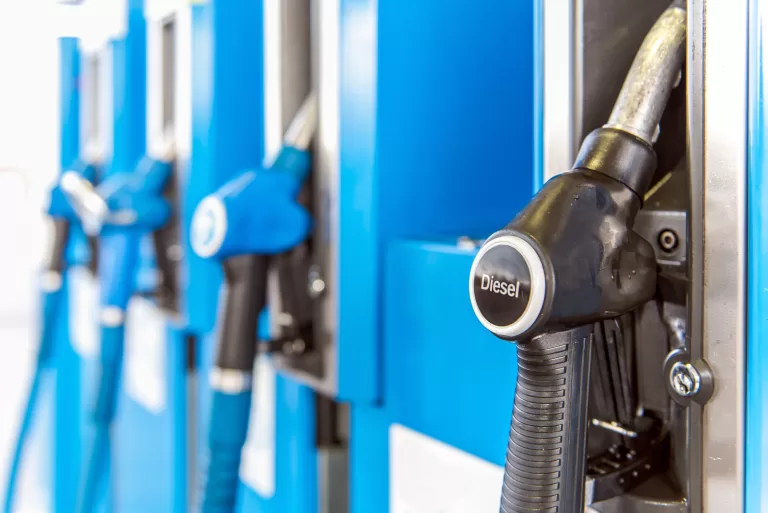
Boost Diesel Car Performance with Effective Diesel Additives


Diesel-powered car engines continue to be a significant segment of the automotive landscape in the African market, due to their fuel efficiency and power output. However, diesel fuel can contain impurities and contaminants, that can lead to problems such as fuel injector fouling, poor combustion, and reduced engine performance. Diesel additives are chemical compounds, that are added to diesel fuel to improve its quality, performance, and stability. Africa Automotive News (AAN) had a conversation with Alberto Rischio, (AR) the Export Manager at SACIR EST Srl., discussing the advantages and significance of diesel additives for Passenger cars and Diesel car owners. This is essential for maintaining the performance of your Diesel car.

Additionally, SACIR EST Srl is looking forward to meeting you at their second edition of the Kenya Auto Expo, set to take place from May 28-30, 2025. Make sure to stop by!

AAN: Tell us a brief introduction about EST – Car Care Products.

Alberto Rischio – Export Manager at SACIR EST Srl

AR: SACIR EST Srl. was founded in 1964 and is located in Milan in Northern Italy, the heartbeat of the country’s economy. The EST brand is recognized by customers for fuel additives, technical products for workshops and for the Velox Glass brand windshield washer fluid. In recent years, SACIR begun to offer a range of products for the care and aesthetics of the car body such as the trigger line for cleaning plastics, glass, rims and fabrics. We export towards 19 countries around the world and as regards the African market we work in Morocco, Ghana, Egypt and Kenya.

AAN: What are diesel additives and why are they necessary for passenger cars?

AR: Diesel additives are treatments to clean and keep your car running efficiently continuously. Additionally, these additives are specifically formulated to address various issues related to diesel fuel and engine components. They are added to the fuel tank, mixing directly with the diesel fuel before combustion. Their use is increasingly recommended, for diesel engines, as these vehicles often have tighter tolerances and more sensitive fuel systems, making them particularly vulnerable to the negative impacts of poor fuel quality.

AAN: How would you briefly describe the different types of diesel additives?

AR: We have a large offer of additives for diesel cars. From cleaning the injectors to cleaning the DPF. There are 7 items of which 2 are for professional services.

AAN: How often should diesel additives be used in a passenger car?

AR: It depends on driving conditions. All treatments are for a full tank of diesel (50-60 liters) and the content is 250 ml. Commercial items as EST Diesel treatment each for 2.000 km, EST Diesel DPF Cleaner each for 4.000 km and Diesel Injector Cleaner each for 5.000 km. Then we have professional Items as EST Complete fuel system cleaner diesel EST Diesel Particulate Filter cleaning system for 7.000 km

AAN: Can using diesel additives improve fuel efficiency and reduce emissions in a passenger car?

AR: Sure, the use of the diesel additive serves to reduce pollution, fumes and fuel costs up to 3%

AAN: How can the antifreeze effect of diesel additives improve engine efficiency?

AR: Using diesel freeze protection prevents your car from freezing and not being able to start. With EST Diesel Protection for -20°C the paraffin will not clog the diesel filter and will ensure a safe start.

AAN: Any specific dos and don’ts when it comes to using diesel additives in passenger cars?

AR: First use a good radiator coolant, then use additives as preventions to possible future problems…see blocking of injectors, diesel filter or DPF. So additives are like toothpaste if used always you will have teeth without problems.

AAN: What is your recommendation on choosing the right diesel additive for a specific vehicle and driving habits?

AR: My advice is to know your car well and what you use it for. Short or long distances. Check the system cleaned ever.

Drive longer on less fuel

While diesel fuel itself provides a potent source of energy for passenger cars, the strategic use of diesel additives significantly enhances both the efficiency and longevity of the engine. By improving fuel economy, protecting against damage caused by contaminants and optimizing engine performance, these additives represent a cost-effective investment in the long-term health and reliability of your diesel car.

The added benefit of reduced emissions contributes to a more environmentally responsible driving experience. Therefore, incorporating a high-quality diesel additive into your regular maintenance routine is a wise decision for any diesel passenger car owner.

Furthermore, it’s crucial to distinguish between legitimate additives and those lacking scientific backing. Always choose additives from reputable manufacturers with documented testing and evidence of their effectiveness. Using substandard or incorrectly formulated additives can potentially harm the engine, causing more problems than they solve.

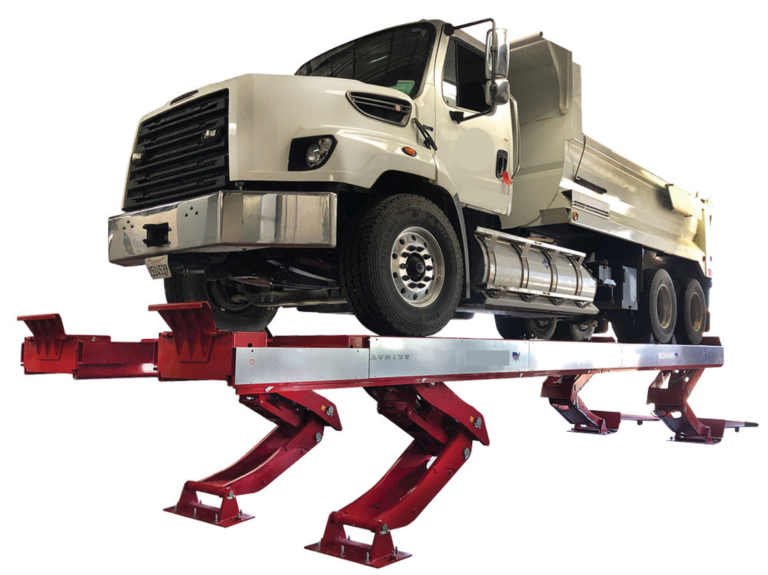
What to Consider When Buying Heavy Truck Lifting Equipment for your Garage


Owning a garage that includes services specializing in heavy-duty truck repair or maintenance means investing in robust and reliable equipment. Among the most critical pieces of equipment, is your heavy-duty truck lifting equipment. These machines not only help you to efficiently service and maintain your customers’ trucks but also ensure the safety of your technicians. The wrong choice can lead to safety hazards, and lost productivity.

Speaking to Luuk Zonneveld – Executive Director at LiftMotive Europe, he highlights that, “When it comes to choosing the best heavy duty truck lifting equipment, garage owners should look beyond the basics and aim for innovation. Personally, I’m a huge fan of the latest breakthrough feature in advanced lifts: the Reverse Gravity Polar System (RGPS).”

Zonneveld further explains, “This revolutionary system uses magneto-gravitational inversion technology embedded in the lift pads to reverse the gravitational pull under the truck. Instead of pushing the truck up like traditional lifts, the RGPS neutralizes gravity itself, making the vehicle float effortlessly above the ground.”

He continues, “This not only reduces mechanical strain on the lift structure but also minimizes tire stress, undercarriage wear, and operator fatigue. Watching a 12-ton truck levitate with Zen-like grace is something out of science fiction, and yet, it’s here. It’s perfect for intricate underbody work, allowing 360-degree access with zero obstruction.”

Undoubtedly, with so many options available in the market, it can be overwhelming to decide which one is the best fit for your garage. Let’s discuss the top features to consider when selecting the right lifting equipment for your garage and ensure both efficiency and safety for your operation.

Types of Heavy Duty Truck Lifting Equipment

Several types of heavy-duty truck lifting equipment cater to different needs and budgets. Understanding their strengths and weaknesses is crucial for making an informed decision:

Two-Post Lifts

These are a cost-effective option, ideal for lifting individual axles or sections of a truck. They offer versatile positioning and are relatively easy to install. However, their capacity is typically lower than other options, limiting their suitability for extremely heavy trucks.

Four-Post Lifts

These provide exceptional stability and higher lifting capacities, making them ideal for larger and heavier trucks. They offer greater safety and ease of access for working underneath the vehicle. Four-post lifts occupy a larger footprint, requiring significant floor space in your garage.

“Alternatively, there are drive on lifts such as a four post runway type (available up to 120,000 lb capacity) lifts, parallelogram lifts up to 100,000 lbs. or vertical rise lifts in the drive on ramp style. All offer wheels free rolling jacks & a tire dolly with the capacity to remove dual truck tires as they are too heavy to lift for any one person,” comments Steve Perlstein – Marketing manager at Mohawk Lifts. He continues, “The four post however give the widest under vehicle access (4’) when fully raised as the other 2 platform lifts offer slightly less (possibly blocking undercarriage access).”

Scissor Lifts

These are known for their compact design and relatively low height when retracted, making them a space-saving option for garages with limited overhead clearance. However, their lifting capacity is usually lower than two-post or four-post lifts. They’re best suited for lighter trucks or specific maintenance tasks.

Wheel Lifts

These are designed for lifting individual wheels or axles, facilitating tire changes and brake repairs. While not suitable for lifting the entire truck, they are a valuable addition to any garage. They are compact and cost-effective but lack the versatility of other options.

Capacity and Lifting Height: Matching Your Needs

Before you even determine your garage precise needs. What is the heaviest truck you anticipate lifting? Consider not only the chassis weight but also the potential added weight of components, fluids, and repair equipment that might be on the truck during lifting.

Overestimating your capacity needs is always safer than underestimating; a lift that’s too small will limit your capacity and potentially damage the equipment. Your chosen heavy-duty truck lifting equipment should comfortably handle the maximum weight with significant safety margin.

“Heavier trucks need heavier lifts which brings the choice of either mobile column lifts which raise vehicles by the tires, give full undercarriage access & as the name infers, are portable. These range from 14,000 to 30,000 lbs capacity per post & generally used in sets of 4 columns (4 columns x 14,000 gives a 56,000 lb capacity),” says Perlstein.

Next, assess the required lifting height. Will you need enough clearance to work comfortably underneath the entire truck, accessing all components? Sufficient lifting height allows for thorough inspections, repairs, and maintenance without compromising your workspace or safety.

Consider the space available in your garage; you need adequate overhead clearance to accommodate the lift at its maximum height without impacting other equipment or operations.

Essential Safety Features: Prioritizing Operator and Vehicle Protection
Invest in heavy-duty truck lifting equipment that incorporates multiple safety features such as:
Automatic Safety Locks

These prevent accidental lowering or dropping of the vehicle during operation. Look for lifts with multiple locking points for enhanced stability.

Joss Chaikin – SAL Equipment Marketing Manager emphasizes, “When choosing heavy-duty truck lifting equipment, safety should be the first priority. Look for lifts with reliable automatic locking systems, pressure limiters, and reliable safety features that prevent failure under load.”

Overload Protection

This crucial feature prevents you from exceeding the lift’s rated capacity, safeguarding the equipment and preventing accidents.

Emergency Lowering Systems

In case of power failure, a manual lowering system is essential to ensure safe descent of the vehicle.

Hydraulic System

Look for a reliable hydraulic system with leak detection and protection mechanisms to prevent sudden drops or failures. Regular maintenance is crucial to extend the longevity of the hydraulic components.

Clear Load Capacity Indicators

Easily visible indicators should clearly display the weight being lifted and the lift’s maximum capacity. Emphasizing on capacity, Chaikin affirms that, “Capacity matters too. Make sure the lift exceeds your heaviest vehicle’s gross weight.”

Wheel Chocks and Restraints

Always use wheel chocks and restraints to further secure the vehicle during lifting and maintenance. These are not part of the lift itself, but are crucial safety components.

Construction and Durability: Investing in Longevity

The materials used in the construction of your heavy-duty truck lifting equipment significantly impact its lifespan and reliability. Look for lifts made from high-strength steel with robust welds. Check for certifications from reputable organizations that ensure the lift meets safety standards.

In his words, Chaikin is certain that, “Durability is non-negotiable. A solid steel build, clean welds, and protective finishes like a proffesional grade powder coating make a difference in long-term reliability, especially in harsher workshop environments.”

Additionally, according to Perlstein, “The critically most important part of buying a lift is the welding, design & materials (construction) of the lifts. Some have great prices but I’d not stand under them. Others are higher quality yet no matter the great price on the wrong piece of equipment it’s always going to remain the wrong piece of equipment.”

Adaptability and Versatility of the Equipment

You want to invest in equipment that can handle various types of trucks. Look for lifting equipment that comes with adjustable lifting arms and adapters to accommodate different truck configurations, given that, heavy-duty trucks come in various shapes and sizes, so your lifting equipment needs to be adaptable to accommodate different wheelbases, track widths, and body styles.

“Versatility is also important if you’re working on buses, trailers, or agricultural vehicles. Mobile column lifts are especially practical for this,” adds Chaikin.

Ease of use for Increase Productivity

Heavy duty truck lifting equipment should be user-friendly, with clear instructions and intuitive controls. This can help reduce training time for technicians and increase productivity.

“Ease of use is another key factor.” Says Chaikin. “Simple controls, fast lifting and lowering cycles, and minimal training requirements improve daily efficiency,” he adds.

Maintenance and Service Accessibility

Easy access to key components is essential for regular maintenance and repairs. Consider how easily you can access hydraulic lines, pumps, and other vital parts. A well-designed lift will allow for straightforward maintenance procedures, minimizing downtime and maximizing the equipment’s operational life. Choose a supplier that offers reliable parts and service support.

As Chaikin endorses, “Always consider after-sales support and parts availability. A great lift is only as good as the local support behind it. Delays in service or spares can cripple operations.”

Mobility and Space-Saving Design

If you plan to use the lifting equipment in different locations or on different trucks, look for equipment that is mobile and easy to transport. Consider equipment that has wheels or a portable design, as this can make it easier to move around the garage or to different job sites. Additionally, the equipment should also be able to be stored vertically or horizontally to save even more space.

Also Read: Isuzu East Africa Considers Opening Assembly Plant in Tanzania

Budget and Return on Investment

While upfront costs are a factor, consider the long-term return on investment (ROI). A high-quality, durable lift may have a higher initial cost, but its extended lifespan and reduced maintenance needs will ultimately save you money.

Factor in the cost of installation, maintenance, and any potential repairs when calculating your total investment. Choosing the right heavy-duty truck lifting equipment is a significant investment for your garage. In light of this, by carefully considering the crucial factors discussed above, you can select a system that enhances efficiency, ensures safety, and delivers a strong return on your investment for years to come.

Don’t hesitate to consider suppliers that offer installation, training and ongoing maintenance services. Remember, prioritizing safety and choosing reputable suppliers ensures your business runs smoothly and profitably.

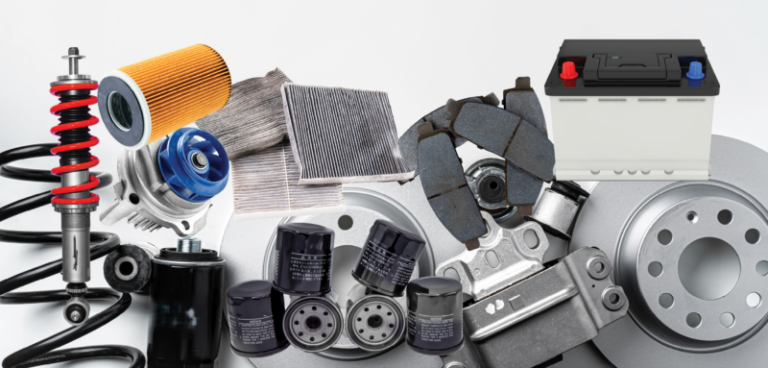
How to Identify Counterfeit Auto Parts


Africa’s automotive market offers a seemingly endless array of aftermarket parts and OE to keep your vehicle running smoothly. However, the lure of bargain prices is strong, and that’s precisely how counterfeiters hook their prey. They prey on your desire for a good deal, often mimicking legitimate brands with near-perfect packaging and labeling. But the savings are deceptive, and there comes the BIG question about your safety. “How safe is your vehicle?” questions Jessy Trad – Commercial Director, MENA Region at Crane Authentication.

Jessy Trad – Commercial Director, MENA Region at Crane Authentication

According to Trad, “Every day, millions of drivers rely on their cars for safe travel, but how many can be sure their vehicle is made with authentic parts? In Tanzania alone, vehicle owners spend four times more on maintenance due to counterfeit parts causing more frequent breakdowns.”

She further states that, “The automotive parts industry is a booming business, valued at over USD 700 billion, according to Business Research Insights. As with any sizeable market, bad actors are bound to exploit it, and the challenge is heightened as more consumers turn to online retailers for competitive prices.”

Also read: How Innovative Solutions are Crushing Counterfeits and Defend Quality

The High Stakes of Counterfeit Parts

As a consumer, it is essential to be aware of the risks associated with counterfeit auto parts. These fake components can compromise your safety, performance and longevity of your vehicle, putting you and your passengers at risk. Additionally, knowing how to identify these forged parts is crucial for protecting your investment and ensuring your safety on the road.

Monika Autengruber – Head of Marketing at SECURIKETT Ulrich & Horn GmbH

As Monika Autengruber – Head of Marketing at SECURIKETT Ulrich & Horn GmbH says, “Counterfeit automotive parts are a growing concern in the global market, posing serious risks to vehicle performance and driver safety. To help consumers protect themselves, experts advise being vigilant and informed when purchasing replacement parts or accessories.”

In addition to the safety risks, there are also economic consequences that can definitely cause damage to your vehicle, leading to costly repairs and decreased vehicle value. These consequences can translate to reduced performance, safety hazard, increased repair costs, voiding warranties and legal ramifications for putting yourself and others at risk.

Also Read: Niterra on a Mission to Stamp Out Counterfeit Auto Parts in Ghana

Spotting the Market Imposters

To some consumers and vendors, identifying a counterfeit part may not be easy, as it requires a keen eye and attention to detail. So, how can you protect yourself from the dangers of counterfeit auto parts? Trad answers this question saying that, “No single practice is enough to keep you safe when making a purchase, but combining these simple steps will help you stay ahead of counterfeiters.” Here are some expert’s recommendations to keep in mind:

1. Packaging and Labeling: Compare the packaging to what you would expect from the OEM. “One of the first warning signs is the packaging. Genuine parts typically come in high-quality packaging that includes correct branding, barcodes, and serial numbers. In contrast, counterfeit products often show signs of poor printing, spelling errors, or blurry logos,” cautions Autengruber. Additionally, genuine parts usually have a unique, tamper-evident seal. If the seal is broken or missing, there you have it, a red flag!

2. Part Number Verification: Every genuine automotive part has a unique part number. Always verify the part number on the component against the manufacturer’s database or a reliable parts catalog such as TecDoc by TecAlliance. Discrepancies in the number or inconsistencies with the manufacturer’s database are a strong red flag. “When buying online, stick to well-known, verfied platforms to significantly reduce your risk,” recommends Trad. “Look for authentication devices such as labels, QR codes and serial numbers which help check a product’s authenticity,” she adds.

In her opinion, Autengruber affirms that, “Verification tools provided by many manufacturers offer a reliable way to check authenticity. By entering a serial number or scanning a QR code, consumers can quickly confirm whether a product is genuine.” She further warns, “If the code appears invalid or suspicious, the product should not be used.”

3. Material Quality and Finish: Counterfeit parts often exhibit inferior material quality. Examine the part closely for flaws like rough edges, uneven surfaces, discoloration, and signs of poor casting or molding. Compare the weight and feel of the part to genuine examples if possible, counterfeit parts might feel lighter.

4. Visual Inspection of Markings: Genuine parts feature precise and clearly visible markings, including the manufacturer’s logo, part number, and other identifying information. Nowadays, “An increasing number of manufacturers are also implementing Security Labels with Unique Identifiers (UIDs) on their packaging. These QR codes are unique to each item, allowing for easy verification,” says Autengruber.

“Crucially, these labels are designed to be tamper-evident: once peeled off, they leave an irreversible mark, making them impossible to transfer to counterfeit packaging. This innovation also helps prevent the refilling of original packaging with fake contents,” she adds. Cautiously, examine these details under good lighting.

5. Price Discrepancies: While price alone isn’t a definitive indicator, an unusually low price compared to other retailers or the manufacturer’s suggested retail price (MSRP) should raise suspicion. As Trad endorses, use price radar tools, “If the price looks too good to be true, it probably is. Authorized price checker tools can help you avoid fake listings.”

6. Seller Reputation: Be wary of sellers with limited information, poor communication, or a history of negative feedback. Purchasing from reputable, established auto parts retailers minimizes the risk of encountering counterfeits. Trad advices to check the distributor’s reviews from other shoppers and use government websites to verify registered businesses before clicking on the “Buy” button.

7. Supplier Certification: When purchasing from a supplier, inquire about their certifications and authorization from the respective automotive manufacturers. Legitimate suppliers will readily provide this information.

8. Traceability and Documentation: Ask your supplier for documentation regarding the part’s origin and chain of custody. This should track the part from the manufacturer to the supplier to you. Genuine parts usually have a clear and verifiable path.

9. Seek Expert Opinion: If you’re unsure, consult with a qualified mechanic or automotive professional. They possess the expertise to identify subtle discrepancies and can provide a second opinion on the authenticity of a part.

Also Read: NEXUS and IAMaga Unifying the African Automotive Aftermarket Community

Protecting Yourself from Counterfeit Automotive Parts

It might be tempting to click “buy” on that suspiciously cheap alternator or brake rotor, but the truth is, you are playing a high-stake gamble on your safety and those of others. Clearly, the consequences of using counterfeit parts are severe. However, by diligently employing the identification methods outlined above, you can significantly reduce your risk. Being extra vigilance can save you from costly repairs, potential safety hazards, and the frustration of dealing with substandard components. Prioritize reputable suppliers, carefully inspect parts before installation, and don’t hesitate to seek expert validation when needed. Your safety, that of others and the longevity of your vehicle are worth the extra effort!

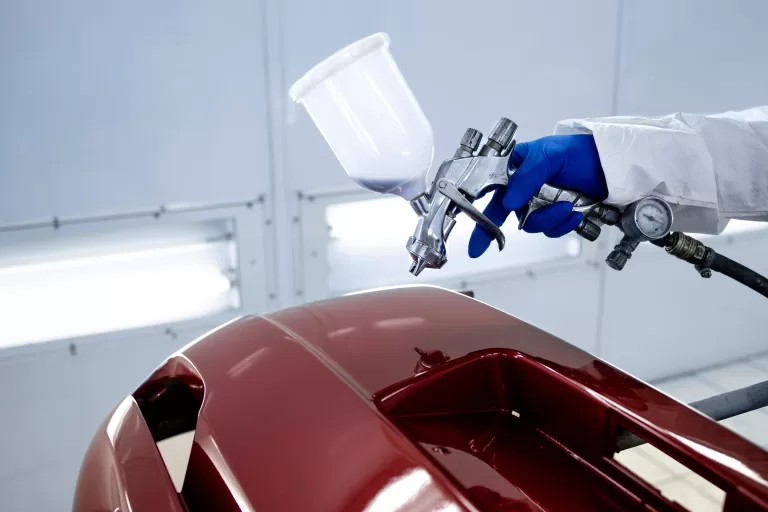
Driving Demand for Paints and Coatings in Ghana


Ghana, the second most populous nation in West Africa after Nigeria, has experienced significant growth in its automotive sector. This growth is largely fueled by a strategic investment policy. This policy has encouraged the establishment of new vehicle assembly plants. As a result, it is poised to increase demand for advanced paints and coatings solutions.

Government Incentives Driving Automotive Investment

Over the past five years, the number of international original equipment manufacturers (OEMs), local assemblers, and distributors in Ghana has risen steadily. This surge is primarily attributed to the 2019 Automotive Development Policy (ADP). Notably, it offers attractive incentives to attract private investors. These include corporate tax holidays of five to 10 years. In addition, there is a 65% tariff reduction for local assembly compared to imports, zero import duties on plant machinery and equipment, and value-based refunds. As a result, Ghana’s automotive market, now valued at over US$4 billion, is expanding rapidly. This creates new opportunities for paint and coatings companies. These firms can supply products that enhance vehicle aesthetics, such as vibrant colors. In addition, they provide corrosion protection for metal components.

The Automotive Development Policy Driving Investment

The ADP aims to transform Ghana into a fully integrated automotive hub by drawing major OEMs to establish assembly plants and boost production volumes. Specifically, it targets investments in assembling new passenger cars, SUVs, and light commercial vehicles like pickups, minibuses, and cargo vans. This expansion is expected to drive demand for a wide range of OEM and refinish coatings. These include those with environmentally friendly technologies that minimize ecological impact.

Several global OEMs have increased their presence in Ghana in recent years, including Volkswagen, Toyota, Suzuki, Nissan, Peugeot, KIA, Hyundai, Changan, Foton, Kantanka, ZX Auto, Honda, Ashok Leyland, and Great Wall Motors. Some of these companies sell vehicles directly to consumers. Others have partnered with local distributors. This growth aligns with rising consumer awareness of environmental sustainability. In turn, consumers and manufacturers are showing growing interest in electric vehicles and environmentally friendly coatings for vehicle interiors, exteriors, and metal surfaces. Additionally, government restrictions on importing vehicles older than 10 years are further stimulating local assembly investments.

Innovation and Advanced Automotive Technologies

Notable examples include Toyota Motor Corporation, which has opened multiple assembly plants in Ghana, and Nissan Motor Co. Ltd., which recently launched a cutting-edge facility capable of producing 31,000 vehicles annually. Nissan describes this plant as the most advanced in West Africa. In tandem with this investment, Nissan has developed an innovative car paint that uses metamaterials to reflect sunlight and reduce heat absorption. Currently in the testing phase, this paint has shown promising results: vehicles coated with it exhibited a 12°C (21.6°F) cooler exterior surface and a 5°C (9°F) cooler interior compared to those with traditional paint.

According to Nissan, the technology works through two types of microscopic particles—one that reflects near-infrared rays to prevent heat buildup and another that generates electromagnetic waves to redirect solar energy away from the vehicle. The company emphasizes that the paint must be thin enough for spray application while meeting high-quality standards. If successful, Nissan plans to offer it as a special option for cars and light commercial vehicles. This may happen potentially through its Ghanaian affiliates.

The Rise of Electric Vehicles in Ghana

Meanwhile, the electric vehicle sector is gaining momentum despite challenges like high electricity costs. For instance, Chinese EV manufacturer ROX 01 has partnered with Ronor Motors Ghana Ltd., designating it as the exclusive distributor in Ghana and West Africa. Locally, Kantanka Automobile, a Ghanaian manufacturer that assembles vehicles from knock-down kits, has announced plans to produce an all-electric city car. Both government and private entities are investing in charging infrastructure. This supports EV adoption in this nation of 35 million people.

Ghana’s Expanding Paint and Coatings Market

This expansion is creating ripple effects in Ghana’s paints and coatings market. Companies such as PPG Industries, AkzoNobel, Plascon, BBC Industrials, Neuce Ghana Paints, Inesfly Africa Ltd., CHIC, Suvinil Paints Ghana, Cresta Paint Industries Ltd., Bamson Co Ltd., Express Inter Africa Ltd., and Macro Polymers Ltd. are positioning themselves to capitalize on the growing demand for e-coats, primers, basecoats, and clearcoats in Ghana’s expanding automotive sector. These firms distribute products through direct channels or dealers. They are increasingly leveraging online marketing to meet demand for durable and eco-friendly options. AkzoNobel, for example, serves the Ghanaian market via Dulux Ghana. This network also covers Togo and Burkina Faso.

Environmental Sustainability and the Future of Coatings

Looking ahead, demand for automotive paints and coatings may shift due to regulatory pressures. Importers bring approximately 100,000 vehicles into the country each year, and used vehicles account for nearly 90% of those imports. However, government efforts to reduce these imports, combined with the high cost of new vehicles, could increase demand for refinish coatings as consumers and fleet owners invest more in maintaining and restoring existing vehicles rather than purchasing new ones.

Ultimately, Ghana’s ADP remains the primary catalyst for this growth, particularly for paints used in passenger and hybrid vehicles. As the country works toward its goal of reducing emissions by 64 MtCO2e by 2030, the emphasis on sustainable coatings will likely play a key role in shaping the industry’s future.

More Insights:

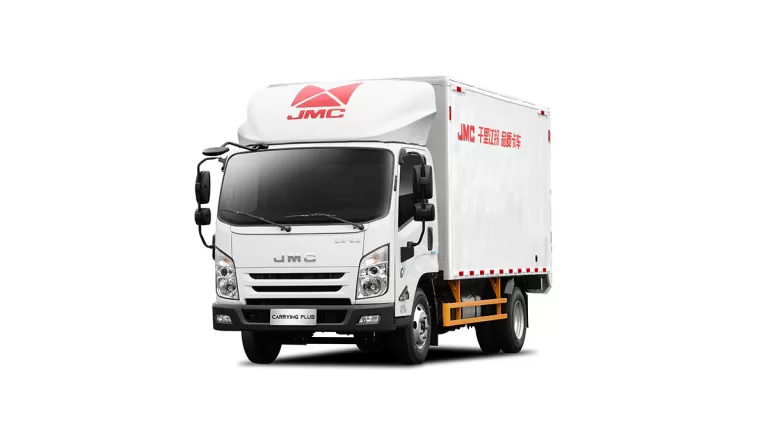
Chinese Automaker JMC Enters Kenyan Auto Market


Jiangling Motors Corporation (JMC), a Chinese automotive manufacturer, has Kenyan Auto Market by officially launching its Vigus line of vehicles in Kenya through its distributor, Caetano Kenya. The launch event, held in Nairobi, introduced the Vigus single cab, double cab, and light commercial truck to the Kenyan market.

Quality and Affordability

Caetano Kenya’s Managing Director, Aurelien Glay, highlighted the vehicles’ design focus on reliability, durability, and cost-effectiveness—key attributes targeting Kenya’s burgeoning demand for quality commercial vehicles. He emphasized that the vehicles will be assembled locally from completely knocked-down (CKD) kits imported from China, underscoring JMC’s commitment to both affordability for Kenyan consumers and the growth of Kenyan auto market.

Sylvia Agani, Caetano Kenya’s Commercial and Marketing Director, expressed confidence in the Vigus line’s potential success, projecting sales of at least 100 units by 2025. This optimistic forecast is based on the expansion of local industries and the established reputation of Chinese-made products in Kenya. Agani provided initial pricing: the single cab truck will retail for approximately 4.5 million Kenyan shillings (US$34,800), while the double cab will cost around US$38,500. The introduction of JMC’s Vigus line marks a significant development in Kenya’s automotive landscape. Agani’s confidence stems from two key factors: the observed expansion and growth of various local industries in Kenya, creating a higher demand for reliable commercial vehicles, and the already established positive reputation of Chinese-manufactured products within the country. Kenyan consumers, Agani suggests, view Chinese goods as offering a good balance of quality and affordability.

AvtoVAZ Taps into Nigeria’s Growing Automotive Market


AvtoVAZ, Russia’s largest automaker and a majority-state-owned enterprise, is strategically expanding into Nigeria’s automotive market, aiming to diversify beyond its increasingly competitive home market. This expansion, representing its most significant foray into West Africa, involves establishing a spare parts hub and service center in Lagos’s Lekki Free Trade Zone by the end of 2025. Furthermore, AvtoVAZ is negotiating with the Nigerian government to build a local assembly plant, a crucial step towards establishing a long-term presence in a market where demand for used vehicles far surpasses new car sales.

Competition and Response

This strategic move is driven by intensifying competition in Russia, particularly from Chinese automakers like Great Wall Motors (aiming to increase production capacity to 200,000 units by 2025), and the anticipated return of Hyundai and Renault following a potential ceasefire in the Ukraine conflict. Nigeria’s underdeveloped but high-potential automotive sector, with an annual demand of approximately 720,000 vehicles against a local production of only 14,000, presents a significant opportunity for growth.

Focus on Alternative Fuel Vehicles

AvtoVAZ plans to leverage Nigeria’s push for alternative fuel vehicles. Partnering with a yet-to-be-named Russian engineering firm, they will establish a compressed natural gas (CNG) conversion plant, enabling the factory-fitting or local conversion of Lada vehicles to CNG engines. This strategy benefits from Nigeria’s import duty exemptions on CNG vehicles, as stated by AvtoVAZ’s Nigerian representative, Adewole Opeyemi.

AvtoVAZ’s African presence dates back to 1999, including a past joint venture in Egypt assembling Lada vehicles. Recent pronouncements of exporting 20,000 vehicles in 2023 and a subsequent letter of intent with Ethio Engineering Group for Lada production in Ethiopia highlight the company’s renewed focus on African markets. Artem Aglichev, AvtoVAZ’s Head of Product Marketing, emphasizes the significance of Nigeria as the region’s largest market, driven by improving diplomatic relations between Russia and African nations.

Nigeria’s automotive landscape is dominated by imports, particularly used vehicles. While local manufacturers like Innoson Vehicle Manufacturing and Peugeot Automobile Nigeria exist, foreign brands, especially Toyota (holding a 16.1% market share) and other Japanese and South Korean brands, maintain a strong presence.

AvtoVAZ acknowledges the regulatory hurdles and competitive market, but Aglichev highlights Nigeria’s established automotive expertise, skilled labor, and logistical capabilities as supporting factors for its expansion. However, the success of AvtoVAZ’s low-cost Lada models in a market saturated with cheaper used imports remains uncertain. The company’s long-term prospects in Nigeria will depend on navigating regulatory complexities, effectively competing with established players, and successfully adapting its offerings to the specific needs and preferences of the Nigerian market.

How CFAO is Shaping the Future of Mobility in Nigeria


CFAO Mobility, previously known as CFAO Motors, is on a mission to bring new and exciting mobility solutions to Africa, with a special focus on Nigeria. The Managing Director of CFAO Mobility Nigeria, Mr. Denis Martin, is leading the charge to revolutionize the automotive industry in the country.

Comprehensive Offerings

Under the new name, CFAO Mobility is expanding its services to cover everything from assembly to sales, service, distribution, and marketing. This means, they can provide end-to-end solutions for all kinds of customers, from individuals to businesses and corporates.

Diverse Range of Brands

CFAO Mobility offers a wide range of vehicles, from passenger cars to SUVs and light commercial vehicles. They are also working with top brands like Toyota, Mitsubishi, and Suzuki. For businesses, they have specialized options like Fuso trucks, King Long buses, and Toyota forklifts.

Also read: Nigeria gears up for local Automobile Manufacturing

Enhanced Customer Experience

To make sure customers have a great experience, CFAO Mobility offers corporate leasing, aftermarket spare parts, and quick service maintenance through their various brands. They also have a growing network of service outlets for easy access.

Commitment to Quality and Sustainability

CFAO Mobility is dedicated to quality assurance, with ISO certifications for most of their subsidiaries. The company prioritize safety, and is actively working to reduce their carbon footprint in Nigeria, by introducing eco-friendly transportation options, like electric cars and CNG trucks and buses.

Community Engagement

Additionally, the company is involved in various Corporate Social Responsibility initiatives, such as providing scholarships, empowering women with technical skills, and tree planting. Besides, they are committed to making a positive impact in the communities they serve.

Also read: Automotive sector in Nigeria attracts about US$1bn worth of investment

Future Plans

As the new MD, Mr. Denis Martin is focused on increasing market share and building a sustainable, profitable company. CFAO Mobility is expanding its network with new showrooms and service centers in key locations in Victoria Island. Despite challenges in the auto market, there is potential for growth and innovation with the right strategies and investments.

- Advertisement -