Africa’s automotive aftermarket sector is experiencing a period of unprecedented growth. This surge in demand is driven by several factors. These include increasing vehicle ownership rates across the continent and a growing middle class with purchasing power. As a result, the aftermarket provides a wide range of merchandise, from aftermarket parts to repair and maintenance services. The majority of vehicles are used imports. This creates a significant demand for spare parts, tools, and skilled mechanics. This forms the bedrock of the aftermarket. You’ll find that this reliance on used vehicles is a key driver of the aftermarket’s expansion.
This thriving marketplace is attracting significant investment from both national and global players. Moreover, the increase of e-commerce platforms is transforming the way consumers purchase the aftermarket products. This trend is creating new opportunities for entrepreneurs. Businesses across Africa benefit as well.
Additionally, the transportation industry plays a significant role in Africa’s economic development, and the growth of its aftermarket sector is critical to sustaining this advancement.
Unlocking Potential: The Future of African Auto Repair and Parts
It is widely recognized that; Africa’s automotive industry is on the cusp of a transformation. With the increasing vehicle utilization, the demand for skilled mechanics and quality parts is skyrocketing. This presents a unique opportunity to leverage Africa’s potential in the auto repair and parts sector. This drives economic growth and creates jobs.
The adoption of advanced technologies plays a crucial role in this progression. Innovation is transforming the landscape, from digital diagnostic tools to cutting-edge manufacturing techniques. Furthermore, the growth of local suppliers plays a vital role in maintaining a sustainable and dependable supply chain.
Investing in training programs and fostering
Partnerships among industry stakeholders are essential for nurturing a skilled workforce that can adapt to the changing demands of the aftermarket. With the ongoing growth of Africa’s auto repair and parts industry, it holds significant potential to emerge as a key driver of the continent’s economic progress.
African Roads, Global Standards: Elevating the Aftermarket Experience
African roads pose distinct challenges and demand specific requirements for vehicle performance and maintenance. Tackling these challenges demands a dedication to adhering to global standards within the aftermarket industry. Adopting global best practices allows market players to enhance the aftermarket experience for drivers throughout the continent. This entails obtaining top-quality components and services assured by trustworthy manufacturers.
Furthermore, allocating resources to skilled technicians and properly equipped workshops is essential to guarantee the safe and efficient operation of vehicles on African roads. A strong aftermarket infrastructure will drive economic growth, boost road safety, and significantly enhance the quality of life for millions across Africa.
Investing in Mobility: Opportunities in Africa’s Automotive Ecosystem
Africa’s rapidly-growing automotive ecosystem presents tremendous opportunities for investors seeking to capitalize on the continent’s expanding mobility needs. With the increasing population and the growing urbanization rates, demand for accessible and reliable transportation solutions is soaring.
This presents a unique opportunity to invest in advanced technologies and models. These can disrupt the automotive landscape in Africa.
Challenges and Innovations: Shaping Africa’s Automotive Aftermarket Landscape
Africa’s vibrant automotive aftermarket landscape is a fascinating blend of traditional practices and cutting-edge innovations. Although the sector is confronted with major challenges like limited access to supplies, rising labor costs, logistical constraints and counterfeit aftermarket merchandize, it is also experiencing remarkable progress. Businesses are leveraging technology to improve operations, while regulatory frameworks aim to encourage growth and development.
The vibrant and fast-expanding industry is offering abundant opportunities for businesses of all scales. In a nutshell, the continent’s future is on the move, and the automotive aftermarket is leading the way.
Brake testing devices holds a crucial role in ensuring passenger car safety and performance. These devices are instrumental in measuring the effectiveness of braking systems under various conditions. They measure factors like stopping distance, brake response time and the overall braking efficiency.
The evolution of brake testing has significantly improved the precision, efficiency and safety of testing processes, which has led to more precise measurements and greater safety standards, ultimately enhancing the reliability of braking systems in modern vehicles.
“Advancements in technology have significantly improved modern brake testing devices, enhancing their precision and efficiency,” states Jonathan Renou – International Sales Manager at Sherpa Autodiagnostik GmbH. “We are at the forefront of these innovations, developing state-of-the-art brake testers for passenger cars,” he adds.
Carlos Gallardo – R&D engineers at Ryme Worldwide
“From our experience, we believe that brake testers have evolved in all areas. From mechanical improvements, with better metal alloys, new chemical blends to creating innovative and less aggressive gripping surfaces to apply to the brake tester rollers,” says Carlos Gallardo – R&D engineers at Ryme Worldwide.
Properly functioning brakes are vital for preventing accidents and ensuring the safety of all road users. With the rise of modern technology, these testing have become more efficient and reliable in predicting braking performance.
Bernardo Fogu Plant Manager-Business Development at Romess-Rogg Apparate + Electronic GmbH + Co. KG.
“We focus on bridging modern vehicle technology with reliable workshop solutions, ensuring precise, efficient, and safe brake maintenance,” highlights Bernardo Fogu, Plant Manager – Business Development at Romess-Rogg Apparate + Electronic GmbH + Co. KG.
Key Features of Brake Testing Devices
A good brake testing device should be capable of testing various types of vehicles, from compact cars to SUVs. This flexibility allows technicians to cater to a broader clientele. It ensures that they are prepared for any situation that may arise in their workshop. Modern brake testing devices come equipped with numerous features that enhance testing capabilities:
• User-Friendly Interfaces: An effectively designed user interface improves the overall experience of operating brake testing devices. Seek devices featuring user-friendly controls, straightforward displays and easily navigable menus. An intuitive interface aids technicians, regardless of their experience level, to use the device effectively. This minimizes the likelihood of errors during testing.
Recent developments have improved the accuracy, reliability and overall performance of brake testing devices. Here are some notable advancements:
1. Integration of Sensor Technologies
Advanced sensors are revolutionizing brake testing by measuring various performance parameters. These sensors collect data on brake temperature, pressure and wear, providing valuable insights into brake efficiency and potential failures.
In his observation, Fogu notes the impressive strides made in sensor technology, affirming that, “In recent years, advancements in the automotive sector, particularly in electronics and sensors, have been remarkable.”
Furthermore, integrating these advancements, testing devices can deliver more accurate results, helping technicians identify maintenance needs before they become critical. This enables faster adjustments and repairs when needed, significantly improving road safety.
2. Data Acquisition and Analysis
Data acquisition systems are now integral to brake testing devices. They automatically gather data from multiple sensors during testing. High-speed data acquisition enables accurate analysis of braking performance across the entire stopping process. It uncovers subtle details that might go unnoticed with traditional methods.
This enhances testing accuracy, helping technicians to analyze performance metrics more comprehensively. Automated data analysis minimizes human errors, empowering more accurate decisions on vehicle maintenance and safety standards.
3. Automated Testing Procedures
Many modern brake testing devices incorporate automated testing procedures, significantly reducing the time and effort required for testing. This automation leads to increased efficiency in workshops, enabling technicians to test more vehicles in a given timeframe.
Additionally, Renou goes on to say, “Testing devices play a key role in innovation. They hold patents for automated all-wheel-drive recognition and drive-off assistance (EDOS). These features enhance the accuracy of brake test results and offer simplicity of use without wasting time, thereby increasing productivity.”
The automated systems often include features like automatic wheel clamping, automated data logging and pre-programmed test procedures, minimizing human error and ensuring consistency in the testing process. This not only increases efficiency but also ensures that all critical aspects of the braking system are thoroughly evaluated.
“From our side, we complement these advancements with cutting-edge maintenance tools. These are designed to address challenges during brake servicing. Our devices utilize dual pumps operating asymmetrically to maintain a constant flow and generate higher flow pressure, even with pressure shifts caused by control valves. This ensures efficient flushing of air, gas, and suspended particles, preventing soft brakes after a fluid change,” explains Fogu.
4. Electrification of Brake Systems
Early brake testing devices relied heavily on manual measurements and interpretations, prone to human error and subjective assessments. Today, the automotive industry is shifting toward electro-mechanical brake systems. These systems rely on electronic signals rather than standard hydraulic components, improving responsiveness and efficiency.
Modern brake testing devices must adapt to these changes to offer new testing protocols. These are capable of evaluating electro-mechanical systems, ensuring that accurate performance data is collected.
As Gallardo expounds, “Improvements in the electrical and efficiency of the machine, from more efficient motors to more progressive and efficient starting methods. Even with brakes on the motors themselves to help the vehicles exit the rollers. Today’s revolutionary increase in computing power and connectivity in electronics and software plays a fundamental role. It allows real-time analysis of the values collected by the brake tester, allowing greater automation of operations. Thus enabling us to perform new types of tests on the brake testers, depending on the type of brake and vehicle.”
Moreover, beyond basic brake performance, modern brake testing devices now encompass a wider range of functionalities. Many systems include features designed to evaluate ABS (Anti-lock Braking System) and ESC (Electronic Stability Control) performance.
According to Fogu, “Self-diagnosing systems integrated into vehicles have become standard. These systems are part of the broader diagnostics framework. They monitor and manage performance through ABS, ESC, and other safety features. They offer real-time alerts for wear, uneven pressure, or fluid issues.”
5. Regulatory Compliance
Additionally, brake testing devices are essential for manufacturers and professional service providers striving to meet safety regulations. Compliance with established testing protocols and standards helps ensure that vehicles are safe for consumers.
“Our solutions support compliance with safety regulations while ensuring that brake testing remains highly accurate, efficient, and essential for vehicle safety and performance,” adds Renou.
“If we look back from those purely analogue brake testers to today’s advanced technological systems and a future centered on cutting-edge software for data analysis, we foresee an exciting and challenging journey ahead,” asserts Gallardo.
However, the advancements in brake testing devices have significantly enhanced automotive safety and performance. Automotive professionals can precisely evaluate braking systems, enhancing reliability and reducing the risk of accidents. As a result, dealerships and service centers can significantly improve their reputation. This leads to increased customer satisfaction and loyalty.
Concluding his remarks, Fogu highlights a strong commitment to technology, stating, “We focus on bridging modern vehicle technology with reliable workshop solutions, ensuring precise, efficient, and safe brake maintenance.”
In his statement, Gallardo emphasizes that, “All of these advances make the inspector’s job easier and better, but above all, and this is what we should all be most aware of, they make our roads safer.”
Consequently, investing in reliable brake testing equipment is not merely a cost; it is a strategic investment for garages and inspection centers, for safety and operational efficiency, protecting both drivers and your business reputation.
Counterfeit automotive lubricants is a global issue, impacting both consumers and manufacturers. High profit margins associated with selling imitation products at significantly lower prices fuel the spread. These fakes often use substandard base oils. Insufficient additives or even recycled waste products, resulting in lubricants that offer drastically reduced protection and performance compared to the genuine products. This not only damages a vehicle’s engine but also undermines consumer trust and brand reputation.
The Market
In Africa, the automotive market is a critical sector that contributes significantly to the region’s economy. However, the industry is heavily shadowed by the proliferation of counterfeit lubricants in the market. Industry stakeholders, manufacturers and vehicle owners are facing a substantial economic losses associated with this issue. These counterfeit products often flood the market, infiltrating legitimate supply chains and deceive unsuspecting consumers.
“Counterfeiting is a major concern in the automotive industry, especially for spare parts and lubricants, where safety and brand reputation are critical. ValiGate®, developed by SCRIBOS, combines advanced security features with a digital platform that provides real-time insights into product authentication and counterfeit hotspots”, explains Ninon Mathe, International Key Account Manager at SCRIBOS.
As a consumer, you should actively recognize the risks associated with counterfeit lubricants in the market. These illicit products not only pose a threat to your vehicle’s performance but also endanger your safety on the road.
“Counterfeit automotive lubricants pose significant challenges to the automotive sector, causing loss of revenues, damages and accidents,” asserts Guankai (GK) NG – Business Development Director at Nabcore.
Knowing how to identify these counterfeits is key for protecting your investment and ensuring your safety.
Innovations and Solutions in Combating Counterfeit Automotive Lubricants
Years back, the primary method of identifying counterfeit lubricants relied on visual inspection – checking labels for inconsistencies, examining packaging for imperfections and noting discrepancies in the product’s viscosity or color. However, sophisticated counterfeiters became adept at mimicking even the most minute details, rendering visual inspection largely ineffective.
This demanded a multi-faceted approach incorporating advanced technologies and collaborative efforts across the industry. In response to this persistent problem, various innovators and organizations have developed solutions to combat this persistent problem.
According to Guankai, “To combat this growing issue, there are 2 types of new solutions that can be adopted across the supply chain: Smart Packaging and Product Markers.”
Additionally, from advancements in authentication technology. Collaborative industry efforts and consumer awareness campaigns, stakeholders are actively working towards safeguarding the market and protecting consumers from the risks associated with counterfeit lubricants. These include:
Advanced Packaging Technology
Manufacturers are employing sophisticated packaging techniques to make counterfeiting more and more difficult. This includes unique labeling with tamper-evident features, serialized packaging, holographic security seals that exhibit 2D/3D effects and color shifts, along with specialized security inks (like UV inks only visible under UV light or temperature-sensitive inks that change color with temperature), makes replication significantly harder. Distributors are increasingly use RFID tags and QR codes to verify product authenticity in real-time. This allows instant checks against genuine product databases and flags duplicates or unknown codes.
“At the heart of ValiGate® is a serialized, copy-proof QR code containing an encrypted, patented pattern that cannot be replicated. Any attempt to copy the code results in degradation of the embedded security pattern, making counterfeiting immediately detectable,” Mathe highlights. “Its key advantage is that it can be printed directly onto products or packaging using standard Flexo, Offset, or HP printing technologies, eliminating the need for separate security labels and ensuring a smooth transition into manufacturing,” she adds.
In his opinion, Guankai adds that, “Unique security codes such as Anti-copy codes or Encrypted QR codes can be printed directly onto lubricant bottles to become smart packaging. These security codes can also be printed onto tamper-evident labels and applied as product seal.”
Moving beyond simple caps, manufacturers are using more sophisticated seals and closures that are extremely difficult to replicate without specialized equipment. These can include heat-shrink sleeves with unique patterns and complex cap designs that show visible signs of tampering.
Unique Container Designs
Custom-designed bottles with intricate molds are harder to copy than generic containers. These may include enclosed logos, textures and unique shapes. Some brands are even exploring materials beyond standard plastic, which are more difficult or costly for counterfeiters to source and process.
Blockchain Technology
Blockchain’s distributed and unchangeable nature offers a powerful tool to track lubricants throughout their supply chain. A blockchain can record each stage of production, distribution, and sale, making it impossible to introduce counterfeit products undetected. This enhances transparency and accountability within the supply chain.
Real-Time Anti-Counterfeit Management
Modern anti-counterfeiting management platforms offer a multi-layered approach to tackling this prevalent problem. These platforms use various technologies to provide comprehensive protection.
“For brands, the SCRIBOS 360 platform provides real-time insights, live scan data, alerts, and detailed reports, enabling effective anti-fraud management,” says Mathe. “A strong example is TotalEnergies, which has adopted ValiGate® in combination with SCRIBOS 360, to protect its global lubricant product range. This integration has streamlined operations and allows consumers worldwide to authenticate products with ease, setting a new standard for anti-counterfeiting in the automotive industry.”
Chemical Fingerprinting and Spectroscopy
Analysts use sophisticated analytical techniques like spectroscopy (FTIR, Raman) and chemical fingerprinting to verify the lubricant’s chemical composition and compare it to the manufacturer’s specifications. They may also add trace elements or complex chemical markers that advanced laboratory analysis can detect. These methods can quickly and accurately identify counterfeit products based on variations in their chemical makeup.
In his words, Guankai adds that, “Product Markers such as Nano-taggants are further advancements that can be added directly and mixed into the lubricants or plastic bottles during production. Product markers provide legal security through identification of unique material characteristic, enabling quick detection of counterfeit lubricants with portable scanners.”
Smartphone Authentication Apps
Many manufacturers are developing mobile apps that allow consumers to scan QR codes or unique markings on lubricant containers to verify authenticity. These apps connect to databases containing information about legitimate products and can alert users to potential counterfeits. Mathe further explains, “ValiGate® empowers consumers through a simple smartphone authentication process. Without needing an app, users can scan the QR code to instantly verify product authenticity, enhancing trust and confidence.”
“The combination of physical and digital technologies empowers consumers to authenticate their product purchases via smartphones,” affirms Guankai. He went on to add that, “Verification of security codes allow consumer engagement and tracking of the lubricants from production to distribution. This ensures traceability and builds trust with customers.”
Consumer Education
Raising consumer awareness about the dangers of counterfeit lubricants is equally important. This can involve easily accessible information on company websites, media campaigns and partnerships with consumer advocacy groups. Educating drivers on how to identify suspicious products and where to purchase genuine lubricants can significantly reduce the demand for fake products.
Enhanced Collaboration and Law Enforcement
Industry collaboration is crucial in combating counterfeiting. Manufacturers are working together to share information, develop best practices and support law enforcement efforts to identify and prosecute counterfeiters. International cooperation is also vital to address the transnational nature of this criminal activity. Moreover, working closely with customs and border control agencies to identify and stop counterfeit lubricants entering the country is crucial. This involves sharing information, training officers in identifying counterfeits and participating in joint operations.
“Technology alone can assist brand owners to prevent loss of revenue due to counterfeiting. However, collaboration among manufacturers, retailers, and technology providers is still essential to safeguard consumers and ensure that only high-quality lubricants reach the market,” concludes Guankai.
The challenge of counterfeit Automotive lubricants poses a significant threat to vehicle performance, consumer safety and brand integrity. As technology advances, so do anti-counterfeiting solutions offering promising ways to authenticate products and track their origins. The fight against this issue has spurred considerable innovation, leading to advancements in several key areas to detect and deter the increase of counterfeit lubricants safeguard both drivers and manufacturers.
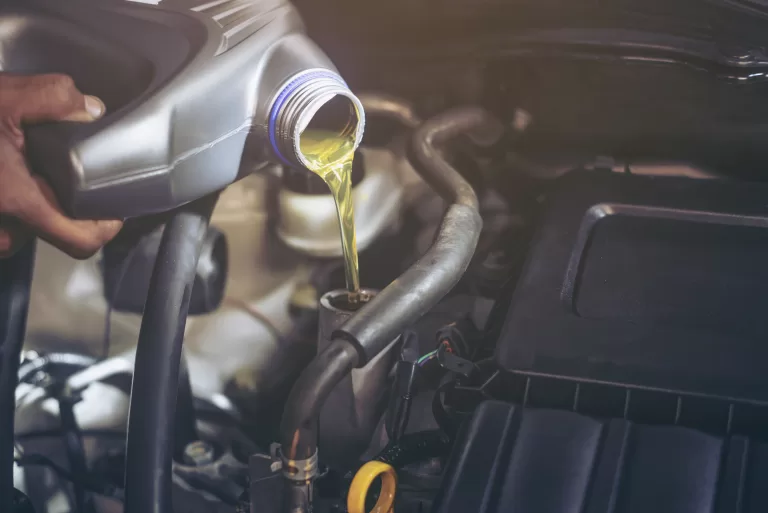
Full synthetic motor oils are engineered from carefully selected base oils and enhanced with precisely formulated additive packages. These oils are created through a chemical process, resulting in a more consistent and stable molecular structure, that translates to exceptional performance across a wider range of operating temperatures and conditions. “Full synthetic motor oils offer several advantages over conventional and synthetic blend oils in passenger cars,” comments Ali Korri – General Manager at A&K Autoteile GmbH.
Oliver Kuhn, Deputy Head of the Oil Laboratory at LIQUI MOLY
“The requirements for motor oils in passenger cars have increased significantly over the last twenty years. Synthetic-based motor oils were only produced for passenger cars with very high requirements,” highlights Oliver Kuhn, Deputy Head of the Oil Laboratory at LIQUI MOLY.
Ali Korri – General Manager at A&K Autoteile GmbH.
In hot climates, full synthetics maintain their viscosity and lubricating properties much better than conventional oils, preventing excessive engine wear and maintaining optimal fuel efficiency. In cold weather, they flow more readily, ensuring quicker lubrication at start-up, crucial for reducing wear during the engine’s most vulnerable moments. “Unlike conventional oils, synthetic oils resist thickening in cold weather, enabling easier starts and faster lubrication,” adds Korri.
This reduced friction contributes to easier starting, particularly beneficial in sub-zero temperatures. Full synthetics also excel under high-stress conditions like heavy towing, aggressive driving or prolonged idling. Commenting on this advantage, Korri adds, “They also withstand high temperatures better, reducing the risk of oil breakdown and sludge formation.”
This high temperature handling property ensures consistent lubrication, minimizing the risk of engine damage. This is particularly crucial for modern, high-performance engines that generate significant heat. “Traditional motor oils based on mineral oils are no longer able to cope with this increase in performance, resulting in premature ageing and sludge formation,” emphasized Kuhn.
Clearly, choosing full synthetic motor oils for your passenger car is a decision that offers numerous benefits, which includes:
Extended Drain Intervals
One of the most significant advantages of full synthetic motor oils is their extended drain interval. The superior stability and resistance to degradation allow the oil to maintain its protective properties for a longer period, significantly reducing the frequency of oil changes, translating to both convenience and cost savings. “In the past, motor oils were relatively similar in structure, mostly with simple mineral base oils and classic additives, which were designed for normal requirements and moderate oil change intervals,” comments Kuhn.
Additionally, according to Korri, “Full synthetic oils last longer than conventional oils, often allowing for extended oil change intervals. For instance, 10,000–15,000 km for full synthetic oils vs. 3,000–5,000 km for conventional oils.”
However, extended drain intervals should never exceed manufacturer recommendations for your car model and oil type.
Enhanced Engine Protection
Engine protection is of supreme importance and full synthetic motor oils deliver superior protection against wear and tear. Their consistent viscosity and robust film strength minimize friction between moving parts, reducing wear and extending engine life. This is particularly crucial for modern engines with tighter tolerances and more complex components.
“Full synthetic oils provide better lubrication, reducing wear and tear on engine components. They maintain a stable viscosity across a wide temperature range, ensuring optimal protection in extreme conditions,” asserts Korri.
Improved Fuel Economy
The reduced friction offered by full synthetic motor oils directly contributes to improved fuel economy. Your engine can operate more efficiently by minimizing energy loss due to friction, consuming less fuel to achieve the same power output.
Enhancing on the fuel economy advantage, Korri affirms that, “Their lower friction properties reduce engine drag, which can enhance fuel economy.”
This advantage translates to tangible savings at the pump, especially over the long term, making the slightly higher initial cost of full synthetic oil a worthwhile investment.
Cleaner Engine
Regular use of full synthetic motor oil keeps your engine remarkably clean. As Korri says, “Synthetic oils contain fewer impurities and better detergents, helping prevent deposits from forming in the engine.” These superior detergent properties effectively remove and suspend contaminants buildup. A clean engine is a healthy engine. This contributes to a smoother, more responsive engine and a reduction in potential maintenance issues.
Protection Against Oxidation and Degradation
Oxidation is a significant factor in the degradation of motor oil. Full synthetics exhibit superior resistance to oxidation, meaning they maintain their lubricating properties for longer periods even under high-temperature and high-stress conditions. This extended lifespan reduces the likelihood of oil breakdown and the formation of harmful deposits, contributing to better engine protection and a longer engine lifespan.
“Many new vehicles, especially turbocharged and high-performance engines, require synthetic oils to handle higher operating pressures and temperatures,” said Korri.
Reduced Oil Consumption
Full synthetics resist evaporation more effectively, minimizing the loss of oil through the engine’s crankcase ventilation system. As Korri says, “Synthetic oils have lower volatility, which means they evaporate less and require fewer oil top-ups over time.” This also translates to a more stable oil level.
Enhanced Seal Protection
Over time, engine seals can dry out and crack, leading to leaks and potential engine damage. Full synthetic oils often contain additives specifically designed to help maintain the elasticity and integrity of engine seals, reducing the likelihood of leaks and extending the life of these crucial components.
Enhanced Engine Power and Responsiveness
Full synthetic oils allow your engine to operate more freely, improving engine power, acceleration and overall responsiveness. You might experience a smoother and more powerful driving experience, particularly under demanding driving conditions.
“In particular, the downsizing of engines and the simultaneous increase in power posed completely new challenges,” says Kuhn. “Temperatures and pressures in the engine became significantly higher, oil change intervals much longer and at the same time the oil volume decreased due to the smaller engines,” he adds.
Make the right choice for your vehicle
Full synthetic motor oil is an investment in the health and longevity of your engine, ensuring optimal performance and reliability for years. “By switching to synthetic base oils in combination with modern additive packages, the highest requirements of current vehicles can now be optimally met,” recommends Kuhn. “Today, the synthetic base oils only act as a lubricant to a limited extent but are primarily the carrier medium for the additives. These protect the engine from wear and contamination over the entire interval and at the same time guarantee a long service life,” Concludes Kuhn.
Additionally, following your vehicle’s recommendations for oil type and change intervals is always recommended to keep your car in optimal condition. However, if your vehicle is compatible with full synthetic motor oils, utilizing them can certainly help provide the best protection and performance you can get in an engine lubricant.
Investing in automatic brushless car washing systems is crucial for modern car wash businesses. As more consumers are looking for quick, effective and convenient services, these systems offer significant benefits that can enhance both operational efficiency and customer satisfaction.
Andrew Gathuku – Senior Account Manager at Kärcher
“Investing in an automatic brushless car washing system is a transformative step for car wash business owners aiming to enhance efficiency, customer satisfaction, and profitability. These systems represent the cutting edge of the industry, evolving beyond traditional manual methods to meet the demands of high-volume, modern operations,” says Andrew Gathuku – Senior Account Manager at Kärcher.
Additionally, these systems treat all surfaces delicately and work ideally for a range of vehicle types, from compact cars to larger SUVs.
The advantages of automatic brushless systems are numerous, particularly when it comes to operational efficiency and customer experience. According to Gathuku, “Brushless systems, deliver unmatched efficiency by cleaning vehicles in as little as four minutes. This speed allows businesses to handle more cars during peak times, reducing customer wait times and increasing daily revenue. Equipped with touchless detergents and intelligent sensors, these systems provide a thorough clean without physical contact, eliminating the risk of scratches or surface damage—a major concern for vehicle owners.”
Additionally, brushless technology often translates into less maintenance for your equipment. Without brushes needing regular replacement or cleaning, you can save on parts and labor, keeping your business running smoothly.
Cost Efficiency and Maintenance
One of the most compelling reasons to consider these systems is their potential for cost savings. For instance, with fewer moving parts involved in cleaning, overall wear and tear on your machinery is minimized. This translates into lower repair costs and less downtime, enabling your business to maintain a regular flow of customers and revenue.
Moreover, many brushless systems use less water and eco-friendly cleaning fluids, which significantly lowers your utility bills. As Gathuku remarks, “These machines are designed with sustainability in mind, optimizing water and detergent use to reduce operational costs and support eco-conscious practices.”
Flexible Service Options
Automatic Brushless Systems can be configured to offer a variety of wash packages tailored to different customer needs. This flexibility allows you to cater to a broader range of clients, from those looking for a basic wash to those seeking comprehensive detailing services. Offering multiple service tiers not only makes your business more appealing to wider customers but also allows you to increase average transaction values through upselling.
“Beyond basic cleaning, automatic systems also offer multi-functional capabilities, including underbody washing, tyre and rim care, waxing, and drying. This comprehensive service in a single automated cycle ensures a high-quality finish that keeps customers returning,” affirms Gathuku.
Consistent Cleaning Quality
Consistency is key in the car wash industry. Automatic brushless systems deliver a uniform cleaning standard every time, regardless of the number of vehicles washed per day. This reliability stems from the precision of the technology, which ensures that all vehicles undergo a similar cleaning process, leading to a consistent finish. Customers can expect the same level of quality every visit, promoting confidence in your services and encouraging repeat business.
In his opinion, Gathuku adds that, “Durable and easy to maintain, brushless car washing systems ensure consistent performance and long-term profitability. In a fast-evolving market, offering automated, high-quality services helps businesses stay competitive and attract a broader customer base.”
Reduced Labor Costs
Labor costs can significantly impact the profitability of your car wash business. With automatic brushless systems, the need for labor-intensive methods is minimized. Employees can focus on monitoring the wash process and ensuring safety and quality. This reduction in hands-on labor allows you as a business owner to optimize staff allocation, leading to lower operational costs.
Additionally, the system requires fewer personnel to operate effectively, which reduces training costs.
Improved Safety for Employees and Customers
Employees often encounter hazardous situations, such as slipping on wet floors or getting into accidents with moving vehicles.
Automatic brushless systems reduce manual intervention, therefore, minimizing risks associated with physical handling, as vehicle mishaps are less likely to occur.
Make the Shift
As you navigate the car wash industry, transitioning to an automatic brushless system can significantly enhance your car wash business. In today’s fast-paced world, there is no better time to make the shift – the future of car wash excellence is automatic and brushless.
In a closing remarks, Gathuku emphasize that, “By investing in these systems, car wash owners position themselves for growth, efficiency, and customer loyalty in an increasingly tech-driven industry.” Embrace these systems and drive your business forward!
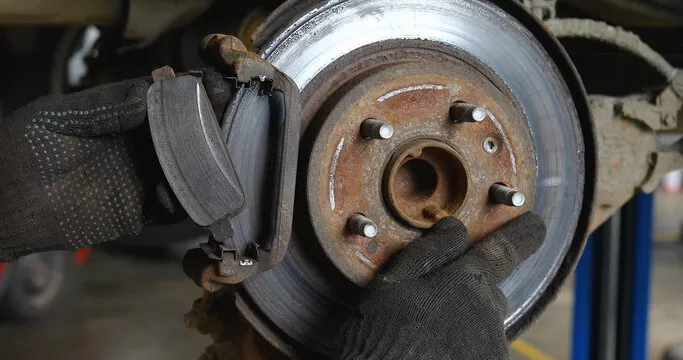
Your Car’s brake system is one of the most critical components you should prioritize. Neglecting regular maintenance or unknowingly subjecting your brakes to harsh conditions can lead to premature wear of passenger car brake components, significantly reducing their lifespan and potentially compromising your safety.
Bernardo Fogu Plant Manager-Business Development at Romess-Rogg Apparate + Electronic GmbH + Co. KG.
Brake components are designed to endure considerable stress and wear, however, various factors can accelerate this deterioration, leading to unsafe driving conditions and expensive repairs. “Premature wear of brake components in passenger vehicles arises from several factors, including driving behavior, vehicle use and load, and the quality and installation of parts,” highlights Bernardo Fogu Plant Manager-Business Development at Romess-Rogg Apparate + Electronic GmbH + Co. KG.
Factors that can lead to premature wear of your car brake components
Here are some of the key factors that can lead to premature wear of passenger car brake components and provide valuable insights on how to prevent them:
Routine Maintenance
The most significant factor contributing to premature brake wear is neglecting routine maintenance. Regular inspections, including visual checks of brake pads and rotors, are crucial. A qualified mechanic can assess the condition of your brakes, identifying potential problems before they become major issues. As Fogu states, “Neglected maintenance compounds these issues, allowing minor problems to escalate.” Besides, this preventative maintenance approach can significantly extend the lifespan of your car brakes component and prevent costly repairs. Following the manufacturer’s recommended maintenance schedule is vital.
Driving Habits
Your driving habits significantly influence the wear and tear on your brake components. According to Fogu, “Aggressive driving, such as frequent hard braking or prolonged downhill braking, generates excessive heat, leading to accelerated wear on brake pads and discs.”
To prevent premature brake component wear, adopt smooth and consistent driving habits, and avoid rapid acceleration and deceleration whenever possible.
Not all brake components are created equal. Using low-quality parts can lead to quicker wear and tear. “Poor-quality brake parts or improper installation further exacerbate uneven wear patterns and reduce performance,” asserts Fogu.
While it might be tempting to save money by opting for cheaper alternatives, investing in high-quality passenger brake components can save you money in the long run. Quality parts are typically made from better materials that can withstand the high temperatures and friction generated during braking. To handle brake quality and installation, regularly inspect your car’s brake system for signs of wear, damage, or misalignment and replace or realign components as necessary.
Lack of Maintenance
Regular maintenance is crucial to keeping your brake system in optimal condition. Neglecting routine checks can lead to issues that accelerate wear. For instance, if your brake fluid is not changed regularly, moisture can build up, reducing its effectiveness and potentially damaging other components. As Fogu emphasizes, “The condition of brake fluid plays a crucial role; contaminated or moisture-laden fluid reduces its effectiveness, causing uneven pressure distribution and faster degradation.”
Additionally, ignoring squeaks or grinding noises can signal underlying issues that, if not addressed, could lead to significant wear. What you need to do is, regularly inspect and clean your brake system to remove any contaminants and prevent premature wear.
Environmental Conditions
The environment in which you drive can also have a significant impact on the lifespan of your brake components. For instance, driving in wet, muddy or icy conditions can introduce additional grit and grime into the brake system. Fogu shares his perspective, stating, “Environmental conditions also contribute, as exposure to debris, road salt, and extreme temperatures can corrode calipers and discs or stress components made from subpar materials.” These contaminants can cause premature wear on car brake pads and rotors.
Vehicle Load and Weight
Heavier vehicles or vehicles carrying excessive weight place a greater strain on the braking system. The increased force required to decelerate a heavier load generates more heat and friction, accelerating wear on brake pads and rotors. As Fogu affirms, “Heavier vehicle loads and stop-and-go traffic add strain to the braking system, increasing wear rates.” Overloading your vehicle consistently can significantly shorten the lifespan of your brakes component. Sticking to recommended weight limits and avoiding overloading are essential considerations.
Heat Dissipation
Braking generates a significant amount of heat, which can adversely affect your brake components. Inadequate heat dissipation can lead to car brakes fade, a condition where the braking power diminishes due to overheating. This can further increase wear on the pads and rotors, leading to a vicious cycle of deterioration.
As a car owner, you rely on your brakes to ensure your safety and the safety of others on the road. Experiencing premature brake wear on your car is not only inconvenient but also potentially dangerous, demanding immediate attention. Regular professional inspections and prompt attention to any warning signs are crucial for ensuring optimal braking performance and maximizing the lifespan of your passenger car brake components.
As Fogu concludes he emphasizes that, “We highlight the importance of regular maintenance and using high-quality tools to optimize brake system performance.” He continues, “Ensuring proper brake bleeding and maintaining brake fluid condition are equally critical, as these factors directly impact the longevity and safety of the braking system. This approach helps mitigate wear and ensures consistent performance over time.”
Africa faces a significant challenge in road safety. High fatality rates, often exceeding global averages. According to the World Health Organization (WHO), Africa has the highest road fatality rate globally, with an estimated 19.4 deaths per 100,000 people, significantly higher than other regions like Europe and Southeast Asia; this means that Africa experiences the most road traffic deaths per capita compared to other continents. However, technological advancements are increasingly playing a crucial role in mitigating these fatalities and improving road safety across the continent.
Smart Infrastructure and Data-Driven Solutions
One of the most impactful ways technology improves road safety is through the development of smart infrastructure. This involves leveraging data analytics and connected devices to monitor traffic patterns, identify hazardous areas, and optimize traffic flow. Consider the implementation of intelligent traffic management systems. These systems utilize sensors embedded within roads and strategically placed cameras to collect real-time data on traffic volume, speed, and density.
This information is then processed to dynamically adjust traffic signals, optimizing traffic flow and reducing congestion – a common cause of accidents. Furthermore, the data gathered can pinpoint accident hotspots, enabling targeted interventions such as improved lighting, signage, or road redesign.
Beyond traffic management, smart infrastructure projects are incorporating advanced warning systems. These systems use sensors to detect potential hazards like potholes, fallen debris, or adverse weather conditions and alert drivers in real-time through variable message signs or mobile applications. Early warning systems can significantly reduce the likelihood of accidents caused by unexpected obstacles or challenging weather.
Vehicle Technology and Driver Assistance Systems
Technological advancements within vehicles themselves are also contributing to improved road safety. The increasing availability of vehicles equipped with advanced driver-assistance systems (ADAS) represent a significant step forward. Features like anti-lock braking systems (ABS), electronic stability control (ESC), and lane departure warnings are becoming more common and in budget-friendly vehicles. These systems can help drivers maintain control in challenging situations, reducing the severity of accidents or preventing them altogether.
Furthermore, the integration of GPS and telematics technology provides opportunities for improved fleet management and driver behavior monitoring. Companies can track vehicle location, speed and driving habits, allowing them to identify risky behaviors and provide targeted training to improve driver skills and awareness. This data-driven approach to driver management can significantly reduce accident rates within commercial fleets, a major contributor to road fatalities in many African countries.
Mobile Applications and Public Awareness Campaigns
Technology transcends hardware; sophisticated mobile applications are playing a vital role in improving road safety. Applications offering real-time traffic updates, navigation assistance, and accident reporting capabilities empower drivers with critical information, enabling them to make informed decisions and avoid hazardous situations. The ability to report accidents and road hazards directly to relevant authorities through such apps accelerates response times and facilitates quicker remediation of dangerous conditions.
Moreover, mobile technology facilitates targeted public awareness campaigns. Using social media, engaging videos, and interactive infographics, authorities and NGOs can disseminate crucial road safety messages to a wider audience, particularly reaching younger drivers. These campaigns can highlight the importance of seatbelt usage, responsible alcohol consumption, and the dangers of distracted driving, promoting safer driving habits across the population.
Challenges and Opportunities
Despite the technological advancements, several challenges remain in implementing and scaling up road safety initiatives across Africa. These include: Infrastructure limitations: The lack of reliable internet connectivity and electricity supply in certain regions hinders the deployment of smart infrastructure and related technologies.
Lack of skilled workforce: The effective operation and maintenance of advanced technologies require a skilled workforce, which may be lacking in some areas.
Investing in education and training programs can develop the skilled workforce necessary to implement and maintain advanced technologies. Moreover, focused efforts on addressing digital infrastructure gaps can expand the reach of technological solutions to even the most remote areas.
Data Privacy and Security: Collecting and managing vast amounts of data raises concerns about data privacy and security. Robust data protection measures and transparent data governance frameworks are essential.
A safer Future for all Road Users
The advancement of technology offers a powerful resource of tools to combat the devastating impact of road accidents in Africa. Technology is not simply a tool to improve road safety in Africa; it is a fundamental enabler of a safer and more efficient transportation system. African countries can leverage these technological advancements to intensely reduce the devastating impact of road accidents, creating a safer future for all road users.
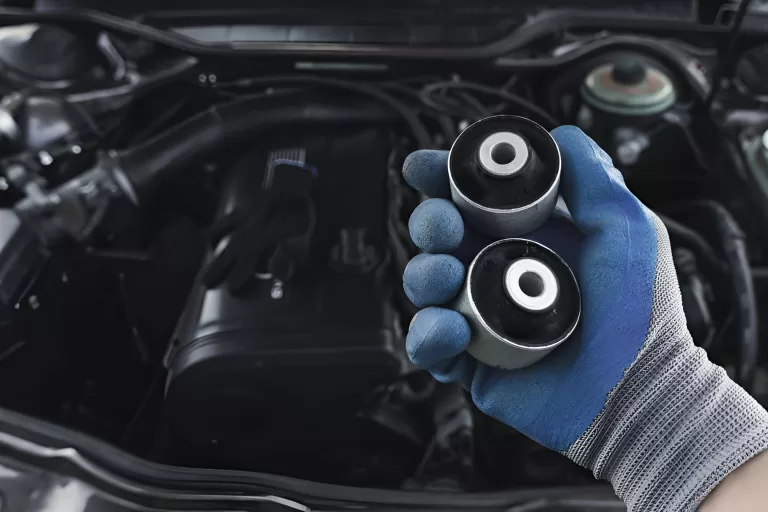
When it comes to enhancing your passenger car’s performance and comfort, the choice of bushings plays a crucial role in the advanced damping system. These small components absorb shocks, reduce noise, and improve handling, ultimately providing a smoother driving experience. “Modern passenger cars increasingly feature advanced dampening systems designed to deliver a smooth, controlled ride. To maximise these systems’ performance, selecting the right suspension bushings is critical,” Says Ellis Blackman – Marketing Coordinator at Polybush.
Ellis Blackman – Marketing Coordinator at Polybush.
Types of Bushings to Consider
Choosing the right type of bushing can make all the difference in your vehicle’s performance. Explore the different varieties available to find the best fit for your needs.
i) Rubber Bushings
Rubber bushings are often the default choice in many passenger cars due to their excellent noise-dampening properties. They offer a soft touch that absorbs impacts from road irregularities, providing a comfortable ride. However, while they excel in comfort, they may wear out faster compared to other materials.
ii) Polyurethane Bushings
If you’re looking for durability and performance, polyurethane bushings might be your best choice. They are firmer than rubber and offer improved performance in handling, making them ideal for spirited driving.
iii) Ball Bushings
Ball bushings are often found in advanced damping systems. They provide additional pivoting capabilities, allowing for better movement and flexibility. Their design helps in applications where a higher degree of articulation is essential, contributing to effective shock absorption and stability.
What you Should Consider When Selecting Bushings
Selecting the right bush goes beyond just picking a material. Various factors should be taken into account to ensure optimal performance. This should be:
Compatibility with Suspension Systems
Before you choose, consider how they will fit into your vehicle’s existing suspension system. Using bushings that are incompatible with your setup can lead to poor performance and even premature wear. Always check the specifications of your vehicle to ensure they align with the needs of the suspension. “Equally important is choosing bushes tailored to the specific vehicle model to ensure a perfect fit and maintain the intended dynamics of the dampening system,” emphasized Blackman.
Performance Requirements
Your driving conditions matter when selecting bushings. If you frequently navigate challenging terrains, such as potholes or rough roads, you may want bushes that provide higher durability and noise reduction. Conversely, for a smooth highway commute, comfort might be your priority.
In his opinion, Blackman asserts that, “For cars prioritising ride quality, softer-grade polyurethane bushings are recommended. These minimise noise, vibration, and harshness (NVH) while still offering better longevity than rubber.” He continues, “On the other hand, stiffer polyurethane grades suit performance-oriented vehicles, providing sharper steering response and reduced body roll without compromising the effectiveness of advanced dampers.”
Cost vs. Quality
Balancing cost and quality is essential. Quality bushings last longer and perform better, ensuring your vehicle remains responsive on the road. Make sure to weigh your options, looking for bushings that provide both value and performance. As Blackman recommends, “Polyurethane bushings are often the ideal choice for complementing such systems, offering superior durability and precise handling compared to traditional rubber.”
Load Capacity
Bushings must withstand significant forces, particularly during cornering and braking. The load capacity must be sufficient to handle these forces without deformation or failure. This is particularly crucial with advanced dampening systems, which can exert higher and more dynamic loads than conventional setups. “Unlike rubber, polyurethane resists deformation under load, ensuring consistent suspension geometry and a more predictable driving experience. However, it’s essential to select the appropriate grade of polyurethane to balance performance and comfort,” says Blackman.
Vehicle Application
Your choice should align with your vehicle’s intended use and driving characteristics. For a performance-oriented vehicle you might prioritize stiffness and responsiveness, while for a luxury vehicle, you might prioritize comfort and noise reduction. Emphasizing on vehicle application, Blackman recommends to, “Consider the vehicle’s usage when selecting bushings. A family saloon requires comfort-oriented bushes, while a high-performance hatchback benefits from firmer grades.”
OEM Specifications
Whenever possible, start by referring to the OEM specifications for your vehicle’s bushings. This provides a baseline for material, durometer and geometry.
Beyond OEM: Upgrading Your Bushings
While OEM bushings provide a solid starting point, aftermarket manufacturers offer a wide range of options to refine your vehicle’s handling and ride quality. These options may include:
Polyurethane Bushings: These generally offer increased durability and stiffness compared to rubber, ideal for performance applications.
Performance-Oriented Rubber Bushings: Some manufacturers specialize in high-quality rubber compounds designed for enhanced performance characteristics.
Adjustable Bushings: These allow for fine-tuning of bushing stiffness, enabling customization to individual preferences and driving styles.
Reap the Rewards
Selecting the right bush for your passenger car’s advanced damping system isn’t just a matter of preference; it’s about enhancing the overall performance and comfort of your vehicle. Whether you opt for rubber, polyurethane or ball bushings, make sure they align with your car’s requirements.
“By selecting the right polyurethane bushes, you can unlock the full potential of advanced dampening systems, ensuring optimal performance and longevity in Africa’s demanding driving conditions,” remarks Blackman.
With the right bush in place, passengers can enjoy a smoother ride, improved handling, and enhanced stability. Invest wisely, and reap the rewards of a refined and controlled ride.
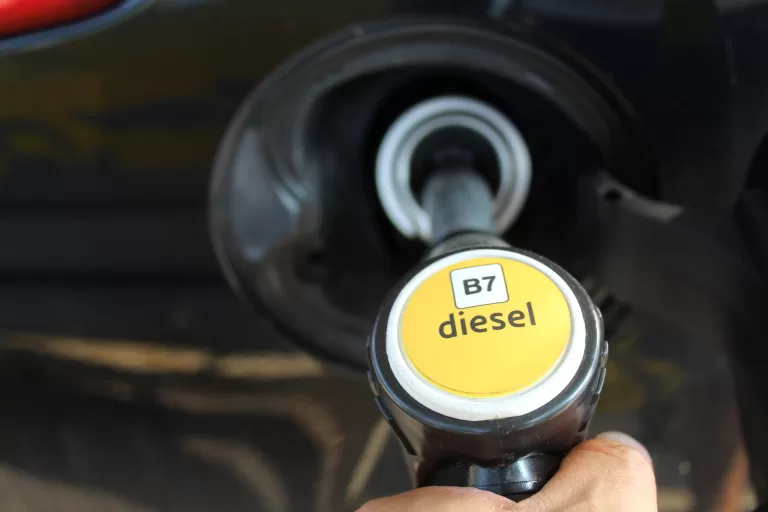
Used diesel engine vehicles form a significant part of the African automotive market. An increasing number of people in Africa are considering purchasing a used diesel engine vehicle. Diesel engines are renowned for their durability, fuel efficiency, and impressive torque compared to their gasoline counterparts.
Davide Orlandi – Sales and Marketing Director at International Automotive Parts Srl
“Despite the growing push towards electrification and increasingly stringent emissions regulations, diesel cars still hold a significant position in the used car market,” says Davide Orlandi – Sales and Marketing Director at International Automotive Parts Srl. He further highlighted, “While uncertainties about the future of this technology may raise doubts, purchasing a used diesel car can still be a beneficial choice for various reasons.”
Their fuel efficiency and perceived durability make them attractive, particularly in regions with unreliable electricity grids. “Although electric and hybrid vehicles are gaining popularity, diesel engines remain competitive. They offer a long range and quick refueling times, crucial factors for many drivers,” asserts Orlandi.
Additionally, purchasing a used vehicle, especially one powered by a diesel engine, requires careful consideration of several key factors to ensure a reliable and cost-effective investment. These factors include:
1. Engine Condition and Longevity
The engine is the heart of any vehicle, and it’s crucial to ensure that the engine of the used diesel vehicle you’re considering is in good condition. You should check for any visible signs of wear and tear, such as leaks, cracks or corrosion. It’s also essential to check the engine’s vital components, such as the turbocharger, fuel injectors and cylinder walls. “Another important factor to consider is the longevity of modern Euro 6 diesel engines, which have an average lifespan of around 10 years,” Says Orlandi.
Besides, a professional mechanic can help you determine the engine’s condition and identify any potential issues as well as advice you on longevity. A lower mileage vehicle is generally preferable, but a well-maintained higher mileage vehicle can still be a good investment.
2. Emission System
Diesel engines emit nitrogen oxides and particulate matter, which can be harmful to the environment and human health. Therefore, diesel vehicles are subject to strict emission standards. Before purchasing a used diesel engine vehicle, you should check its emission system to ensure that it complies with the relevant regulations. You should also consider the vehicle’s emission history, which can indicate potential issues with the emission system.
3. Fuel Efficiency and Cost of Ownership
One of the primary benefits of diesel engines is their better fuel efficiency compared to gasoline engines. However, the fuel efficiency can vary between different diesel engine vehicles. You should consider the vehicle’s fuel efficiency ratings and compare them to other similar models. Additionally, you should consider your driving habits and needs to determine the most fuel-efficient option for you.
“Diesel cars are particularly suitable for those who drive at least 20,000-25,000 kilometers per year, especially on highways. Their superior thermodynamic efficiency ensures optimal performance, smooth driving, and significantly lower fuel consumption compared to other engine types. This translates into substantial fuel savings over the long term,” elaborates Orlandi.
“Additionally, the widespread availability of diesel fuel stations provides a further advantage over the still-under-development electric charging infrastructure,” he adds.
Besides, fuel prices fluctuate, and knowing the potential impact on your running costs is vital. Beyond fuel, factor in the cost of regular maintenance, including oil changes, filter replacements and potential repairs. Diesel engines often require specialized lubricants and filters, which can be slightly expensive than those for petrol engines.
4. Maintenance History
Regular maintenance is crucial for the longevity and performance of diesel engines. Therefore, it’s essential to check the vehicle’s maintenance history before making a purchase. A well-maintained diesel engine vehicle can last for hundreds of thousands of kilometers, while a poorly maintained one can have significant issues. You should also look for evidence of regular oil changes, filter replacements and other routine maintenance tasks.
5. Noise and Vibration
Diesel engines are known for their distinctive noise and vibration, which can be more pronounced than in gasoline engines. However, excessive noise and vibration can indicate potential issues with the engine or other components. You should test drive the vehicle and pay attention to any unusual noises or vibrations, which could indicate worn-out components or other problems.
6. Price and Value
Diesel engine vehicles can be more expensive than their gasoline counterparts, but they also offer better fuel efficiency and longer engine life. Therefore, it’s essential to consider the vehicle’s price and value before making a purchase. You should compare the price to similar models and consider the vehicle’s long-term costs, such as fuel and maintenance expenses.
7. Availability of Parts and Mechanics
Before committing to a purchase, research the availability of spare parts and qualified mechanics in your area. Some diesel engines are more common and easier to service than others. Ensure that you can readily source replacement parts and find a competent mechanic who is familiar with the specific engine model. This is particularly important if you plan to use the vehicle in remote areas.
8. Warranty and Insurance
Warranty and insurance are essential considerations when purchasing a used diesel engine vehicle. You should check whether the vehicle is still under warranty and what it covers. Additionally, you should consider the cost and availability of insurance for diesel engines, which can be more expensive than for gasoline engines.
9. Legal and Regulatory Considerations
Diesel engines are subject to strict regulations, and it’s essential to ensure that the vehicle complies with the relevant laws and regulations. You should check whether the vehicle has any outstanding recalls or safety issues and whether it meets the relevant emission standards. Additionally, you should consider the vehicle’s registration and insurance requirements in your state or province.
Carefully Evaluate
Purchasing a used diesel engine vehicle can be an excellent investment, given the numerous benefits of diesel engines as discussed above. As he concludes, Orlandi remarks, “Choosing a used diesel car can be a strategic and advantageous decision, provided that certain essential factors are carefully evaluated: the vehicle’s age, the condition of the diesel particulate filter, and compliance with local emissions regulations.”
Nevertheless, to ensure a reliable and cost-effective choice, consider consulting a trusted mechanic for expert advice and a professional inspection to make an informed decision.
As a fleet manager, ensuring the smooth and efficient operation of your heavy-duty trucks is of the utmost importance. One crucial aspect of maintaining your vehicles is regularly monitoring their oil. But how do you know when it’s time to pull that sample and send it to the lab?
Key Indicators It’s Time for an Oil Analysis
Identifying the right time for oil analysis in your heavy duty trucks should not be a guessing work. It should be about understanding the key indicators that signal potential problems brewing within your fleet. You should watch out for these key monitoring indicators to determine when it’s time to perform oil analysis on your heavy-duty trucks:
1. Changes in Oil Consumption
A sudden or gradual increase in oil consumption is a red flag. This can indicate worn piston rings, valve stem seals, or other internal engine issues that are allowing oil to escape into the combustion chamber. Conversely, a substantial decline in oil consumption may indicate an issue, such as fuel dilution or coolant leaks, which can contaminate the oil and change its characteristics.
2. Abnormal Engine Sounds
Knocking or pinging noises may signify pre-ignition or detonation, often resulting from excessive carbon buildup, improper fuel injection, or similar underlying problems. Likewise, ticking or clicking noises may signal issues with the valve train or other moving components. Unusual vibrations may also indicate bearing wear, imbalances, or other mechanical issues. Oil analysis can identify the cause of the noise.
3. Decreased Engine Performance
A noticeable decrease in engine power can indicate a variety of issues, including clogged fuel filters, worn injectors, or compression problems. Oil analysis can help determine if worn components or oil contamination are contributing to the problem.
4. Visual Inspection of the Oil
Engine oil in good condition is usually amber to dark brown in color. A milky or grayish appearance in the oil may suggest contamination from coolant. A thick, black, and sludgy appearance may suggest an excessive accumulation of soot or signs of oxidation. Furthermore, a metallic shimmer in the oil is a definite indication of excessive wear.
This means that metal particles are suspended in the oil, leading to additional damage. A strong smell of fuel in the oil suggests fuel dilution, which can lower the oil’s viscosity and weaken its lubricating abilities. A burning or pungent smell may signal overheating or oil breakdown.
5. Exceeding Recommended Service Intervals
Extending oil drain intervals is feasible with oil analysis, but exceeding the manufacturer’s recommended service schedule without appropriate monitoring is risky. Send in a sample before extending your oil changes past the recommended interval. Likewise, surpassing mileage-based service intervals without checking the condition of the oil can result in increased wear and tear.
6. Changes in Operating Conditions
When your trucks frequently carry heavier loads, the engine oil will be subjected to higher stress and temperatures. Higher loads might justify conducting oil analysis more often. Extreme heat or cold can impact the viscosity and lubrication performance of the oil. Environments that are dusty or dirty can cause higher contaminant levels in the oil, necessitating more frequent oil analysis.
7. Introduction of New Equipment or Procedures
Conducting baseline oil analysis on new engines establishes a reference point for future comparisons and helps in detecting any initial break-in problems. Moreover, conducting an oil analysis when transitioning to a new oil brand is advisable to confirm its compatibility with the engine and assess its performance. Significant alterations in operating procedures, like extended idling periods or modifications to driving routes, can influence engine oil performance and should be assessed through oil analysis.
8. Prior to and After Major Repairs
Performing an oil analysis both before and after a major engine repair provides valuable baseline data and verification.
Pre-Repair Analysis: This analysis helps identify the root cause of the engine problem and provides a benchmark for comparison after the repair.
Post-Repair Analysis: This analysis ensures that the repair was successful and that the engine is operating within normal parameters. It also establishes a new baseline for future monitoring.
Integrating Oil Analysis into Your Fleet Management Program
Once you recognize these key indicators, implementing a successful oil analysis program is the next step. Here are some best practices:
Establish a Regular Sampling Schedule: Work with your oil analysis lab to establish a sampling schedule based on your specific operating conditions and vehicle types.
Track and Analyze Data: Regularly review the oil analysis reports and track trends over time. This will help you identify potential problems early and make informed maintenance decisions.
Communicate with Your Lab: Don’t hesitate to contact your oil analysis lab with any questions or concerns. They can provide valuable insights and recommendations based on the data.
Operate a Healthy Fleet
As a fleet manager, you are constantly juggling maintenance priorities. As mentioned, conducting an oil analysis offers valuable information about the oil’s condition and the engine’s overall health, enabling you to address potential issues before they escalate into major problems. It is advisable to collaborate closely with a reputable oil analysis laboratory to ensure accurate result interpretation and the development of effective maintenance strategies. Oil analysis is a strategic investment in ensuring the longevity and profitability of your fleet.