
Sunday, May 31, 2026
Home Blog Page 11

Why Power Grids are Important in Supporting the Transition to Electric Cars


Electric cars (EVs) are rapidly gaining popularity, driven by environmental concerns, technological advancements, and government incentives. However, the widespread adoption of EVs is not simply a matter of plugging in and driving; it hinges critically on the capacity and resilience of our power grids. As more people are gradually switching to EVs, the demand for electricity will surge significantly.

Failing to adequately address the infrastructure needs will create significant bottlenecks, hindering the transition and potentially undermining the environmental benefits of EVs. While a single EV draws relatively little power compared to a household, the cumulative effect of millions of EVs charging simultaneously, particularly during peak hours, presents a substantial challenge to existing power grids.

Imagine a scenario where thousands of commuters return home at the same time, simultaneously plugging in their EVs. This sudden spike in electricity demand could overload the grid, and potentially lead to widespread power failures.

In Africa, the region faces the urgent need for sustainable transportation solutions while simultaneously striving for economic growth and improving quality of life. Electric cars (EVs) present a compelling pathway towards achieving these goals, offering reduced emissions and potential for localized manufacturing and job creation.

However, the success of this transition hinges critically on the robustness and reliability of Africa’s power grids. Without significant investment and modernization, the widespread adoption of EVs could be severely hampered, creating restricted access that negate many of the environmental and economic benefits.

You might be thinking, “Electric cars are about batteries, not power grids.” While battery technology is undeniably crucial, it’s only one piece of the puzzle. The reality is that charging millions of EVs will place an unprecedented strain on existing power infrastructure, particularly in regions where electricity access is already limited.

Currently, many African nations face significant challenges in their power infrastructure. These include:
Limited Generation Capacity: Many countries struggle to generate sufficient electricity to meet existing demand, let alone accommodate the added strain of widespread EV adoption. This shortfall often leads to frequent power outages and load shedding, severely impacting daily life and hindering economic productivity.
Uneven Distribution of Electricity: Access to electricity remains uneven across the continent. Rural areas often lack access altogether, creating a significant barrier to EV adoption beyond urban centers. Even in urban areas, unreliable supply can render EVs impractical for many.
Aging and Inadequate Infrastructure: Many existing power grids are aging and require significant upgrades to handle the increased demand that would accompany a large-scale shift to electric vehicles. Transmission and distribution networks are often outdated and inefficient, leading to significant energy losses.
Intermittency of Renewable Sources: While Africa boasts immense potential for renewable energy sources like solar and wind power, their intermittent nature presents challenges for grid stability. Integrating these sources effectively requires sophisticated grid management systems and energy storage solutions.

These infrastructural weaknesses pose significant hurdles to EV adoption. Imagine relying on an electric car when power cuts are frequent and unpredictable. This undermines consumer confidence and discourages investment in the necessary charging infrastructure.

However, addressing these challenges also presents opportunities for transformative change. The transition to electric vehicles can act as a powerful catalyst for upgrading and modernizing Africa’s power grids. This presents a dual benefit; improving the reliability and accessibility of electricity for all while enabling widespread EV adoption. To achieve this requires a strategic approach:

i.) Investing in Renewable Energy Generation
Harnessing Africa’s abundant solar and wind resources is crucial. Large-scale renewable energy projects, coupled with smart grid technologies, can significantly boost generation capacity while reducing reliance on fossil fuels. Decentralized energy generation, particularly in rural areas, can improve access and resilience.

ii.) Upgrading Transmission and Distribution Networks
Significant investment is needed in modernizing existing power grids and expanding their reach. This involves upgrading transmission lines, improving grid stability, and reducing energy losses through technological advancements. Smart grid technologies can enhance efficiency and optimize electricity distribution.

iii.) Developing Smart Charging Infrastructure
The widespread adoption of EVs requires a robust network of charging stations, strategically located to cater to different needs. Smart charging technologies can help manage peak demand and optimize energy consumption, minimizing strain on the grid. Incentivizing the private sector to develop and operate charging infrastructure is crucial.

iv.) Promoting Energy Storage Solutions
Integrating energy storage systems, such as batteries, is crucial for managing the intermittency of renewable energy sources and ensuring grid stability. This will enable a smoother transition to a cleaner and more reliable electricity supply.

v.) Strengthening Regional Cooperation
Collaborations between African nations can facilitate the sharing of best practices, resources and expertise in developing sustainable power systems. Regional electricity markets can improve grid resilience and efficiency.

vi.) Investing in Education and Skill Development
A skilled workforce is essential for the successful implementation and maintenance of upgraded power grids and EV charging infrastructure. Investing in education and training programs will equip the next generation with the necessary skills.

Transforming Africa’s energy landscape, driving sustainable development

The successful integration of electric cars into our transportation system is inextricably linked to the health and capacity of our power grids. The transition to electric cars is not simply about replacing one form of transportation with another; it’s about transforming Africa’s energy landscape and driving sustainable development. While the challenges are significant, the potential rewards are immense.

By prioritizing investments in reliable and modern power grids, Africa can unlock the full potential of electric vehicles, fostering economic growth, improving public health, and creating a more sustainable future for its citizens. The transition demands a comprehensive and coordinated effort, involving governments, the private sector and international partners, to ensure that the power grid becomes a facilitator, not a barrier, to a cleaner, electrified future.

How ABS Sensors Prevents Skidding and Loss of Control


Modern passenger vehicles are equipped with a sophisticated array of safety features designed to mitigate the risk of accidents. Among these, is the Anti-Lock Braking System (ABS) that significantly reduces the likelihood of skidding and loss of control, particularly during emergency braking situations. At the heart of this system lies a network of strategically placed ABS sensors, which play a critical role in maintaining vehicle stability and driver control.

ABS sensors are electromechanical devices that constantly monitor the rotational speed of each wheel. They achieve this by employing various technologies, most commonly a magnetic reluctor ring and a sensor that detects changes in the magnetic field. The reluctor ring, a toothed metal ring attached to the wheel hub, rotates with the wheel. As the teeth pass the sensor, they create a fluctuating magnetic field, which the sensor translates into electrical pulses. The frequency of these pulses directly corresponds to the wheel’s rotational speed. This data is then transmitted to the ABS control unit (ECU).

How ABS Sensors Prevent Skidding and Loss of Control

During hard braking, especially on surfaces with low traction like ice, snow, gravel or wet road, the wheels can lock up. A locked wheel loses its ability to steer, dramatically increasing the risk of skidding and loss of control. This loss of steering control is particularly dangerous as it can lead to unpredictable vehicle behavior and potentially terrible accidents.

Contrariwise, the ABS ECU continuously compares the rotational speeds reported by each of the four ABS sensors. If it detects a significant difference between the speeds of any two wheels, indicating that one or more wheels are locking up, it immediately intervenes. Upon detecting this discrepancy, the ECU, immediately reduces the hydraulic pressure to the affected wheel’s brake caliper. This allows the wheel to regain rotational speed and maintain contact with the road surface, preventing a skid.

This intervention takes the form of precisely controlled modulation of braking pressure. The ECU rapidly and repeatedly cycles the braking pressure at each affected wheel, preventing the wheel from fully locking while still maintaining significant braking force. This pulsing effect is what drivers often feel as a pulsating brake pedal during an ABS activation.

This rapid modulation of braking pressure is far more effective than a driver attempting to manually pump the brakes. A driver attempting this action would likely not be able to achieve the speed and precision required by the ABS system. The ABS ECU’s processing power and rapid response time are crucial for maintaining control in unpredictable situations.

The reliability and accuracy of the ABS sensors are vital to the effective functioning of these safety systems. Regular maintenance and inspection are therefore essential. While relatively robust, ABS sensors can be susceptible to damage from impacts, corrosion, and wear and tear. A faulty sensor can lead to inaccurate wheel speed readings, potentially compromising the performance of the ABS, ESC, and TCS systems.

A malfunctioning sensor might trigger false warnings, or, more critically, fail to activate when needed, leaving the driver without the crucial aid of these safety systems. Regular vehicle inspections, including diagnostic checks of the ABS system, are crucial to ensure the continued reliability of this vital safety technology.

More than Simple Speed Detectors

ABS sensors are far more than simple speed detectors; they are essential components of a suite of safety systems designed to prevent accidents. By continuously monitoring wheel speed and providing precise data to the vehicle’s control units, they play a critical role in preventing skidding, loss of control, and ultimately, serious injuries or fatalities.

Their contribution to road safety is significant, underscoring the importance of maintaining their functionality through regular vehicle servicing and inspections. The seemingly simple act of monitoring wheel speed underpins a complex network of safety features that contribute significantly to the safety of millions of drivers every day.

How to Protect Your Steel Rims from Corrosion with Rust-Inhibiting Treatment


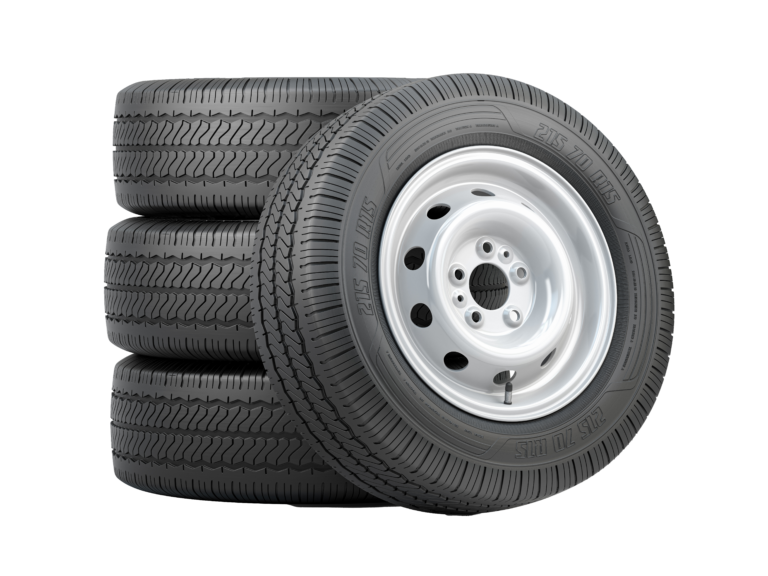
Steel rims are a popular choice for vehicles in Africa due to their durability, strength, and affordability. However, there are several factors that contribute to the corrosion of steel rims, including moisture, salt, and oxygen. In Africa, the high humidity levels and salt content in the air, especially in coastal regions, can accelerate the corrosion process. Therefore, it is crucial to take preventive measures to protect your vehicle steel rims from corrosion. Effective rust-inhibiting treatments are crucial for extending the lifespan and maintaining the performance of your steel rims.

Cleaning and Surface Treatment
Protecting your steel rims from corrosion begins with proper preparation. A clean, well-prepared surface ensures optimal adhesion of any rust-inhibiting treatment. The process involves the following steps:

Thorough Cleaning: Remove all loose dirt, grime and debris using a strong pressure washer or a stiff brush with soapy water. Pay close attention to crevices and areas where dirt tends to accumulate. For stubborn grime, a dedicated wheel cleaner may be necessary. Remember to wear appropriate safety gear, including eye protection and gloves.

Rust Removal: Any existing rust must be removed thoroughly before applying any protective treatment. For light surface rust, a wire brush (manual or powered) can be effective. For more significant rust, consider using a chemical rust remover, following the manufacturer’s instructions carefully. After rust removal, thoroughly clean the surface again to remove any rust residue.

Surface Preparation: After cleaning and rust removal, consider using a metal conditioner or etching primer. These products help to create a smoother, more receptive surface for the rust-inhibiting treatment to adhere to, improving its effectiveness and longevity.

Rust-Inhibiting Treatment for Steel Rims
Once the rims are properly cleaned and prepared, you can apply various rust-inhibiting treatments. The best choice will depend on your budget, the level of protection needed, and your application skills.

Paint-Based Coatings: These are readily available and relatively inexpensive. They offer a good barrier against moisture and oxygen, preventing further rust formation. Specialty wheel paints formulated for high-temperature resistance and durability are ideal for steel rims. Apply multiple thin coats for optimal coverage and durability. Ensure proper surface preparation for best adhesion and long-term protection.

Powder Coating: Powder coating offers exceptional durability and corrosion resistance. It’s a more professional application process that requires specialized equipment. The powder is electrostatically charged and then baked at high temperatures, resulting in a thick, hard coat that’s highly resistant to chipping and fading. This is a longer-lasting solution compared to paint.

Rust Converter: A rust converter chemically converts rust into a stable, paintable surface. Apply it directly to the rusted area, allow it to react and then rinse and clean the surface before applying a topcoat for added protection. This is a good option for tackling existing rust before applying a more permanent solution like paint or powder coating.

Zinc-Rich Primers: These primers contain a high percentage of zinc, which acts as a sacrificial anode. This means that the zinc will corrode before the steel, protecting the rim from rust. Zinc-rich primers provide an excellent base for a topcoat, significantly increasing the longevity of the protection.

Wax-Based Coatings: Wax-based coatings offer a temporary layer of protection, ideal for short-term storage or as a supplementary layer of protection. While not as durable as paint or powder coating, they are easy to apply and can help repel moisture.

Maintain the Protection
Even with the best rust-inhibiting treatment, regular maintenance is important to prolong its effectiveness. Regularly inspect your steel rims for any signs of corrosion or damage. Clean them regularly, especially after driving in harsh conditions. Consider applying a fresh coat of wax or sealant periodically to enhance the protection. Promptly address any minor rust spots before they become larger problems.

When to Replace Your Spark Plugs and How to Do It Yourself


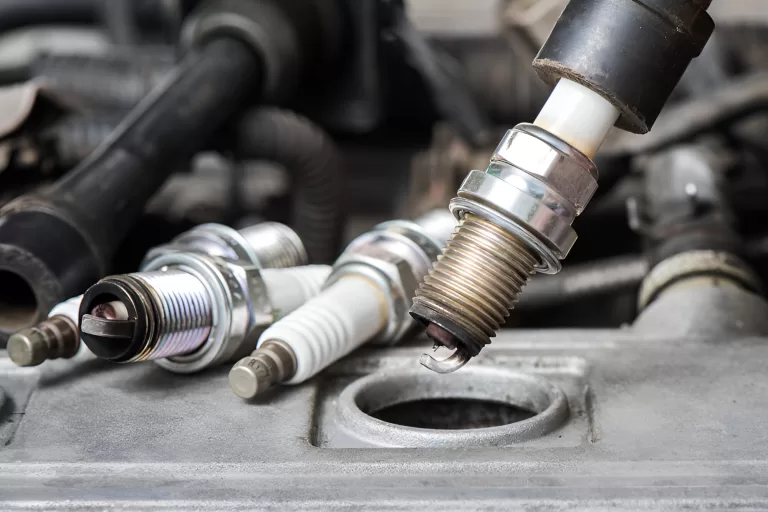
Spark plugs deliver the electrical jolt needed to ignite the air-fuel mixture, to keep your vehicle’s engine operation smooth. However, the lifespan of plugs varies depending on the type of plug, your vehicle’s make and model and your driving habits. Generally, manufacturers recommend replacing spark plugs every aproximateley 50,000 to 160,000 km. Besides, severe driving conditions, such as towing heavy loads, can shorten their lifespan considerably. Contrarywise, consistent highway driving might extend it. Knowing how to perform the replacement yourself can save you money and empower you with a valuable DIY skill.

Additionally, before reaching the recommended mileage, keep an eye out for these warning signs that indicate your plugs might need replacing:

Rough idling: A rough, hesitant idle is a common symptom of failing plugs. The engine struggles to maintain a consistent speed, sometimes even stalling.

Poor acceleration: Sluggish acceleration and a lack of power, especially when climbing hills or accelerating from a standstill, are telltale signs. The engine is not getting the consistent ignition it needs.

Reduced fuel economy: Inefficient combustion due to worn-out plugs can significantly impact your fuel mileage. If you notice a sudden drop in your vehicle’s fuel efficiency, inspect your plugs.

Misfires: A misfire occurs when one or more cylinders fail to ignite properly. This can manifest as a sputtering sound from the engine, a check engine light illuminating, or a noticeable loss of power. Misfires are a serious issue and should be addressed promptly.

Hard starting: If your engine struggles to start, especially in cold weather, worn-out plugs could be the culprit. They might not be delivering a strong enough spark to ignite the fuel-air mixture reliably.

Black or excessively sooty spark plugs: If you inspect your plugs and find them covered in black soot, it usually indicates a rich air-fuel mixture (too much fuel). This could be due to a faulty fuel injector or other issues, but worn plugs can exacerbate the problem. Conversely, very white or grayish plugs can indicate a lean mixture (too little fuel).

Auto parts stores can help you identify the correct plugs based on your vehicle’s year, make, and model. Consider factors like the material (copper, platinum, iridium), which affect lifespan and performance. Iridium plugs, for example, generally last longer but are more expensive.

Also Read: DENSO celebrates 10 years of TT Spark Plug technology

Tools and Materials You’ll Need

Before you begin the replacement process, it is important to source the correct spark plugs for your vehicle. Consult your owner’s manual for the manufacturer’s recommended type, heat range, and gap. Auto parts stores can help you identify the correct plug based on your vehicle’s year, make and model.

Consider material like copper, platinum or iridium, which affect lifespan and performance. Iridium plugs, for example, are more expensive but generally last longer. Let’s get started, gather the necessary tools and materials:

New spark plugs: Ensure these match your vehicle’s specifications.
Spark plug socket: This specialized socket fits snugly onto the spark plug. It usually has a rubber insert to prevent the plug from being damaged.
Wrench or ratchet: To tighten and loosen the plug socket.
Extension bar: Provides extra reach for difficult-to-access spark plugs.
• Gloves: To protect your hands from grease and dirt.
Safety glasses: To protect your eyes from debris.
Penetrating oil (optional): To help loosen stubborn spark plugs.
Shop rags or paper towels: For cleaning.
Torque wrench (recommended): To ensure the spark plugs are tightened to the correct specification, preventing damage. Over-tightening is a common mistake.

Step-by-Step Guide to Replacing Spark Plugs

Caution: Always disconnect the negative terminal of your car battery before starting any work on the ignition system. This prevents accidental shocks and shorts.

Locate the spark plugs: Consult your owner’s manual for the location of the spark plugs. They are usually located on the engine’s cylinder head, under a plastic cover or a metal valve cover.

Remove the spark plug wires: Carefully disconnect the plug wires from the spark plugs. Note their position to ensure correct reinstallation. It’s helpful to take a picture.

Remove the spark plugs: Use the plug socket and wrench to carefully remove the old spark plugs. If a plug is difficult to remove, apply penetrating oil and allow it to soak for a few minutes. Avoid dropping the plugs or damaging their threads.

Inspect the old spark plugs: Examine the old plugs for signs of wear, such as excessive wear on the electrodes, fouling or cracks. This can help diagnose underlying engine problems.

Clean the spark plug wells: Use compressed air or a shop rag to clean any debris or oil from the spark plug wells.

Install the new spark plugs: Carefully screw the new spark plugs into the wells by hand until they are snug. Do not over-tighten them by hand.

Tighten the spark plugs with a torque wrench: This is crucial to avoid damaging the threads. Consult your owner’s manual or a repair manual for the correct tightening torque specification.

Reconnect the spark plug wires: Make sure each wire is connected to the correct plug.

Reconnect the battery: Reconnect the negative terminal to the battery.

Start the engine: Start the engine and listen for any unusual noises or rough running. If there are any problems, re-check your work.

Replacing your spark plugs is a relatively straightforward DIY task. However, some situations may require professional help. For instance, if you encounter significant difficulties removing the spark plugs, if you are unsure about any step, or if the problem persists after replacement, it’s best to consult a qualified mechanic. if you’re uncomfortable working on your engine or lack the necessary tools, it’s always best to consult a professional. Regular maintenance, including timely replacement, is key to keeping your vehicle running smoothly and efficiently for years.

How Volvos First Electric Vehicle Set the Stage for EV Innovation


Volvo Car South Africa’s recent success with its electric vehicle (EV) lineup, particularly the popular EX30 crossover, highlights a legacy of electrification stretching back decades. While the XC40 Recharge marked Volvo’s first electric EV, the company’s commitment to sustainable mobility began much earlier, in 1976, with the Elbil prototype.

Volvo Electric Car
The Volvo EX30 Electric Car

This innovative two-seater, developed in collaboration with Swedish telecommunications company Televerket, represented a bold vision for the future. Measuring under 2.3 meters in length – less than half the size of the modern EX30 – the Elbil possessed a simple design focused on functionality. Powered by two electric motors and a 300kg lead-acid battery pack comprising twelve 6-volt batteries, it boasted a range of approximately 50 km and a top speed of 69 km/h. Despite its modest performance by today’s standards, the Elbil effectively served its purpose for Televerket employees, providing emission-free transportation for short-distance deliveries.

The Elbil’s launch, however, coincided with a period of low public interest in EVs, even amidst the 1970s oil crisis. Combustion engine technology continued to dominate, overshadowing the Elbil’s groundbreaking zero-emission capabilities. Nevertheless, this early prototype played a crucial role in shaping Volvo’s enduring commitment to electric vehicles.

Felipe Yagi, Head of Marketing & Communications at Volvo Car South Africa, emphasizes the Elbil’s significance: “Even in the 1970s, Volvo understood the importance of innovation in creating a sustainable tomorrow.” He further highlights the Elbil remarkable evolution ” Volvo’s journey is a remarkable evolution from a prototype that could travel 50 km to electric cars offering ten times that range. The Elbil’s legacy isn’t just technical—it’s a vision of how innovation can drive meaningful change,” Yagi concludes.

This legacy continues with the upcoming launch of the flagship EX90 in South Africa, further solidifying Volvo’s position in the burgeoning EV market. The EX30’s success, therefore, is not only a testament to its own merits but also a reflection of Volvo’s long-standing dedication to sustainable transportation, a journey that began with the pioneering Elbil.

Daimler Truck Southern Africa achieves a hat trick of success


On the 16th of January 2025, the Top Employers Institute announced the certification of companies in South Africa, their respective rankings as well as leading companies per industry. DTSA is ecstatic to claim victory for remaining the automotive industry for the third consecutive year in a row and improving to the third place in the Top 20 ranking of companies in South Africa.

Nathier Jappie, Head of Africa, Top Employer Institute had the following to say: We are delighted to once again welcome Daimler Truck Southern Africa as the Automotive Industry leader for 2025. Having not only achieved certification, but a ranking in the Top Employers elite suite of “Top 20 Employers of choice”, is an accolade worth bold recognition and celebration. At Top Employers Institute we are delighted to see employers certify, but even more proud to see them thrive – DTSA has achieved this esteemed accolade once again! Congratulation to DTSA and their phenomenal team!

“It is such an honour to add another feather to our cap. The Top Employers certification is really important to DTSA for numerous reasons: it offers global recognition, builds credibility and trust to enhance employee experience, attraction of top talent in the industry and serves as the global people practices benchmark for continuous improvement. We are incredibly proud to receive our 2025 certification, as well as to advance our position on Top 20 companies in South Africa from fifth to third place, and to put the cherry on top, being recognised as the automotive industry leader. This achievement is a true reflection of the DTSA HR team’s passion as well as unflagging devotedness and serves as a powerful motivation to continuously improve our people practices in order to offer an exceptional, sustainable work environment for our employees because our employees make us” Tebogo Shumba, Group Chief Human Resources at DTSA.

TotalEnergies Lubrifiants and SCRIBOS partner against counterfeiting


SCRIBOS, a leading provider of innovative brand protection solutions, is partnering up with TotalEnergies Lubrifiants, a division of TotalEnergies. Together, they are launching a ground-breaking security feature that prints directly on the product label to combat counterfeiting in the lubricant industry.

TotalEnergies Lubrifiants, a division of TotalEnergies – a multinational energy company that ranks among the top players in the global energy market. The company develops, produces, and markets a diverse range of lubricants for the automotive, industrial and marine sectors. As a market leader, TotalEnergies faces significant risks from counterfeiters who aim to exploit the brand’s extensive portfolio by producing fake products.

The security feature

To address this challenge, SCRIBOS has introduced the innovative ValiGate® Direct Print solution for TotalEnergies’ lubricant products. This cutting-edge technology not only serves as a strong warning to counterfeiters but also meets the unique demands of the lubricant division, with its wide range of sub-brands and a global network of print shops. ValiGate® Direct Print enhances and streamlines TotalEnergies’ existing brand protection measures, enabling a more unified and efficient anti-counterfeiting strategy across its international operations.

ValiGate® Direct Print provides robust protection by allowing security features to be directly printed onto lubricant bottle labels at print shops worldwide. These labels, embedded with advanced security elements, are then distributed to various TotalEnergies sub-brands for application on their products. This process eliminates the need for a separate security label, thereby simplifying operations and improving production processes.

Authentication Process

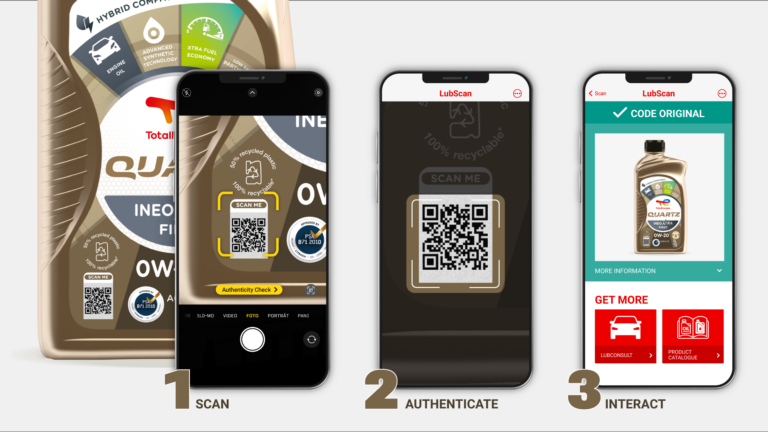
Beyond production efficiencies, ValiGate® Direct Print also offers significant customer-facing advantages. It includes an easy-to-use authentication process that does not require a dedicated app. Consumers can instantly verify the authenticity of products by scanning a QR code embedded within the security pattern using their smartphones, providing secure and simple product authentication.

Also Rea: How Innovative Solutions are Crushing Counterfeits and Defend Quality

The digital platform

This enhanced consumer experience is further amplified by the digital module “SCRIBOS 360 interaction,” which is part of SCRIBOS’s digital platform, SCRIBOS 360 (rebranded as Lub360 for this initiative), linked to the security feature. This digital module fosters customer engagement and brand loyalty by adding promotional buttons that appear to the end customer after scanning the QR code. Brands can strategically integrate links to their websites, social media platforms, competitions, or bonus programs, thereby boosting scan rates and deepening customer interaction. These buttons offer diverse design options, ranging from standard to highly personalized solutions.

For instance, TotalEnergies Lubrifiants will utilize this feature by embedding a promotional button that links directly to its popular service, Lubconsult. Lubconsult is an advanced tool that helps users select the right lubricant for their specific applications. Whether the customer owns a car, SUV, pickup, light truck, motorcycle, commercial vehicle, agricultural machinery, or industrial equipment, they can input relevant details to receive a tailored lubricant recommendation. Different links offer this service for various countries, ensuring localized support.

Additionally, TotalEnergies plans to include another promotional button that directs users to their full product catalogue, which also varies by country. These options offer customers easy access to crucial product information and recommendations, improving their overall experience with the brand.

Additionally, SCRIBOS’s digital platform, rebranded as Lub360 for this initiative, offers TotalEnergies a comprehensive tool to manage and monitor brand protection activities effectively. This integrated dashboard provides real-time insights into all activities, including detailed analyses of counterfeiting hotspots.

Precise Solution Delivery

The data analytics capabilities of Lub360 deliver precise, actionable insights, enabling TotalEnergies to identify counterfeit activity patterns, optimize defense strategies, and evaluate the effectiveness of their anti-counterfeiting measures. This transparency and measurable success are crucial in safeguarding and growing TotalEnergies’ business in the long term.

The launch of this advanced solution marks a significant achievement in the fight against counterfeiting, reinforcing TotalEnergies Lubrifiants’ commitment to providing safe and authentic products to customers worldwide.

Also Read: How to Identify Counterfeit Auto Parts

About SCRIBOS

SCRIBOS is a market-leading provider of anti-counterfeiting solutions. We design and produce innovative security markings that integrate with state-of-the-art digital tools. These effective brand protection solutions enable brand owners around the world to combat counterfeiting, grey market trading, and unauthorised production. They also open up avenues for customer interaction, track & trace, and market analysis. Based on comprehensive consulting, we develop and implement customised solutions from a single source. With our international team, we serve brand owners from the automotive, chemical, spirits, food, cosmetics, and luxury goods industries, among others.

As a wholly owned subsidiary of the KURZ Group, we benefit from the extensive experience and global presence of our parent company in the international market for security applications, including the protection of banknotes and ID cards. KURZ is one of the leading providers of product and brand protection. With TRUSTCONCEPT®, the group has developed an intelligent anti-counterfeiting package including personalized solutions for the identification of original products, tamper protection to combat counterfeit products, and greater transparency within distribution channels – all from a single source and combined with a highly specialized consulting service.

Furthermore, KURZ as the global leader in thin film technology offers a comprehensive portfolio of products for surface finishing and decoration, rounded off by an extensive range of stamping machines and stamping tools. The KURZ Group has more than 5,500 employees at over 30 sites worldwide and produces under standardized quality and environmental standards in Europe, Asia, and the USA.

Is Your Trucking Business Rolling on Risks?


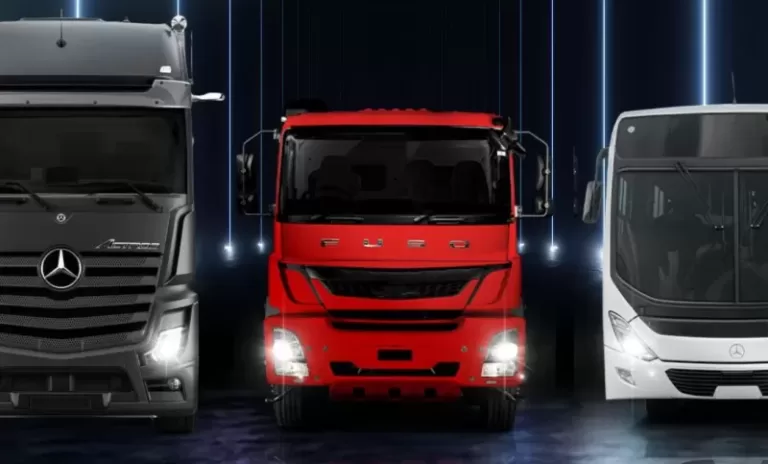
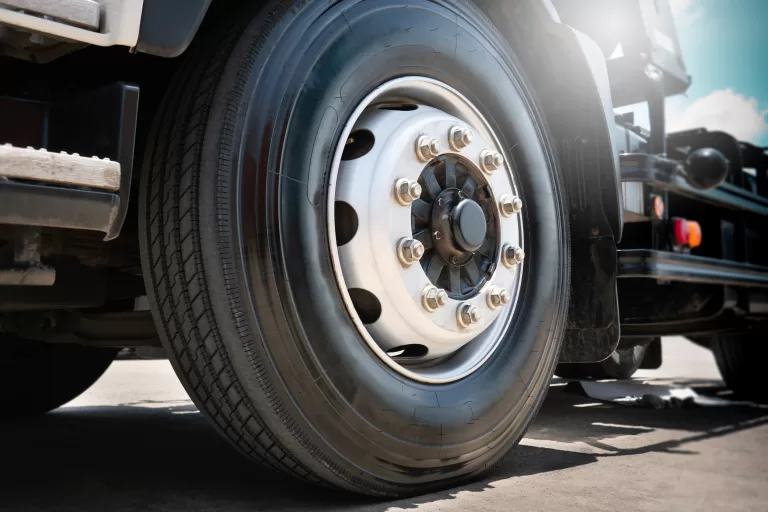
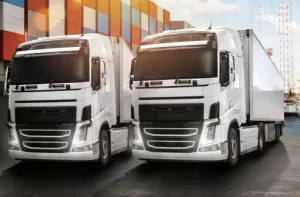
Running a trucking business can be both rewarding and challenging. Every decision you make, from the quality of your commercial trucks to the types of truck tyres you choose, can significantly impact your bottom line. Many business owners may underestimate the long-term benefits of investing in quality trucks and tyres, often opting for cheaper alternatives in an effort to reduce costs. However, this approach can lead to increased maintenance expenses, higher fuel consumption and potential risks to goods and driver safety.

“Investing in quality commercial trucks and equipment is crucial for a successful and sustainable trucking business,” says Gideon Hugo, Commercial Sales and Technical Manager – Thomas Tyres Group of Companies South Africa.

So, is your trucking business rolling on risks that you may not even be aware of? With increasing demands for timely deliveries and the necessity of maintaining quality standards, you might be focusing on contracts, logistics and customer satisfaction, but have you considered the hidden risks that can derail your operations? it is necessary to examine the potential pitfalls that could hinder your success:

Safety on the Road
One of the most significant risks to consider is the condition of your fleet. Quality commercial trucks and tyres is a combination of a powerful lever for enhancing both profitability and safety on the road.

Sharing his opinion on road safety, Hugo comments that, “Modern trucks typically have advanced safety features, like tyre pressure maintenance and monitoring systems which will protect your drivers and cargo from roadside breakdown and result in downtime.” Additionally, premium tyres provide superior grip and traction, especially in adverse weather conditions.

Fuel Efficiency
Fuel efficiency is more important especially where fuel prices can fluctuate unpredictably. Quality commercial trucks are designed to be more aerodynamically efficient and have better engine performance, which can lead to significant savings on fuel costs. Additionally, as Hugo notes, “Better tyre pressure maintenance will result in better fuel efficiency, reducing rolling resistance and saving you money on fuel costs.”

Maintenance Costs
Another significant advantage of opting for quality commercial trucks and tyres is the reduction in maintenance costs. “Quality trucks and tyres require less maintenance, reducing repair costs and extending the vehicle and tyre’s lifespan,” remarks Hugo. Regular maintenance will still be necessary, however, quality parts are less likely to wear out quickly or require extensive repairs, giving you peace of mind and allowing you to focus on other vital aspects of your business.

commercial trucks

Reliability and Performance
The reliability of your trucks plays a key role in timely deliveries. Quality commercial trucks are engineered for performance and built to withstand the strictness of daily use. They offer better acceleration, handling and overall driving experience, allowing your drivers to perform their jobs more efficiently. Equally, quality tyres enhance performance, ensuring that your trucks can navigate various terrains and road conditions with ease. According to Hugo, high-quality trucks are less likely to break down, reducing downtime and increasing productivity. “The same applies to premium tyres with the correct load carrying capacity,” he adds.

Driver Comfort
Quality commercial trucks are designed with the driver in mind. Features such as ergonomic seating, advanced climate control and intuitive controls make a significant difference in the comfort of your drivers. When drivers are comfortable, they are more likely to be productive and focused, which translates to better performance overall. Investing in quality trucks means investing in the well-being of your workforce, leading to higher morale and job satisfaction.

Compliance with Regulations
Are you compliant with the latest regulations regarding safety, emissions and hours of service? As a trucking business owner or manager, you are obligated to comply with various safety regulations. Non-compliance poses legal risks and can also lead to costly fines and damage to your business’s credibility.

Quality commercial trucks often come equipped with advanced technology that helps you meet these regulatory standards more easily. This can save you from costly fines and ensure that your business operates smoothly. Staying compliant is essential. High-quality trucks can provide the reliability you need to navigate this essential.

Resale Value
The resale value of your commercial trucks can have a significant impact on your finances. Trucks and tyres of higher quality typically retain their value better than their lower-quality counterparts. Investing in quality, you can expect a better return on your investment when it’s time to sell or trade in your vehicles. This financial benefit can help fund new purchases or improve your business bottom line.

Shedding more light on protecting your investment, Hugo highlights key considerations on navigate the risks and keep your business rolling smoothly:

Assess Your routes and underfoot conditions: Determine the type of cargo you’ll be hauling, the frequency of trips, and the terrain you’ll be driving on. That will determine the tread pattern for the tyres required

Set a Budget: Establish a budget for your truck investment, considering not only the purchase price but also ongoing maintenance and operating costs. Monitor your tyre performance to reduce your tyre costs and to select the correct tyre for your application.

Research and Compare: Investigate different truck models, manufacturers, and dealerships to find the best fit for your business. Source a reputable tyre dealership who can assist you with a preventative tyre maintenance plan as well as a tyre monitoring system to find the correct tyre for your specific application.

Consider Financing Options: Explore financing options, such as maintenance leasing, to help manage the upfront cost of purchasing a quality commercial truck. Insist on your choice of tyre brand for OE fitment. The correct tyre and tread design for the correct application is crucial.

Plan for Maintenance and Upkeep: Regular maintenance is crucial to extending the life of your truck and your tyres. Plan for routine maintenance, repairs, and upgrades.

The Long-Term View
The quality of your commercial trucks and the condition of your truck tyres are significant elements that can influence your bottom line. When you choose quality commercial trucks and tyres, you’re making a long-term investment in your business. While the upfront costs may be higher, the long-term benefits far outweigh these initial expenses. Quality is an investment that pays dividends over time.

LUBETRACK by Champion Lubricants – Best Performance Starts Here


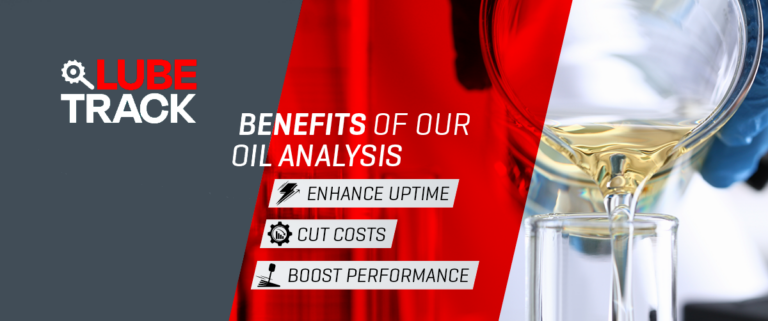
LUBETRACK is an innovative oil analysis service from Champion Lubricants, developed in collaboration with POLARIS Laboratories®. It provides machinery operators with rapid, in-depth oil analysis to enhance equipment performance, reduce downtime, and extend machinery lifespan.

Designed primarily for heavy-duty sectors like transportation, construction and mining, LUBETRACK offers various analysis levels to match machinery complexity and operational demands. Through advanced testing and 48-hour turnaround times, it delivers actionable insights that help operators maximize their machinery’s efficiency and longevity.

Julien Fakhreddine, Regional Sales Manager of Middle East and Africa – Wolf Oil Corporation

As part of the Wolf Oil Corporation, Champion Lubricants, leverages over 65 years of expertise in lubricant innovation. Africa Automotive (AA) had an enlightening conversation with the Regional Sales Manager of Middle East and Africa, Julien Fakhreddine (JF), into the revolutionary potential of LUBTRACK, a cutting-edge solution that promises fast and precise oil analyses. He highlights vital solutions across the automotive landscape particularly the heavy-duty sector. This innovative tool boosts operational efficiency, opens new avenues for maintenance strategies and ensures your vehicle runs at its peak.

This conversation not only sheds light on the technological advancements in the automotive businesses but also raises intriguing questions about how such innovation can elevate your fleet’s efficiency and longevity. Read though as we uncover the transformative impact of advanced lubricants and oil monitoring technology on automotive performance.

AA: How does LUBETRACK work?

JF: LUBETRACK operates through a streamlined process that begins with customers obtaining sample bottles from a Champion distributor. Once oil samples are collected and sent to POLARIS Laboratories®, they undergo analysis with a rapid 48-hour turnaround. Results are then emailed directly to customers, with additional insights from technical engineers available as needed. This efficient process allows customers to quickly assess oil quality and make informed maintenance decisions, optimizing machinery uptime and performance.

AA: What businesses can benefit most from using LUBETRACK?

JF: LUBETRACK is especially valuable for businesses operating in heavy-duty industries, such as transportation, construction, mining, and power generation. These sectors often rely on high-performing, well-maintained machinery to minimize downtime and improve efficiency. By offering rapid, customized oil analysis, LUBETRACK helps these businesses monitor lubricant health and machine wear, allowing them to reduce operating costs, enhance equipment longevity, and improve productivity.

AA: How does LUBETRACK help in reducing costs, downtime and improving vehicle performance?

JF: LUBETRACK reduces costs by enabling proactive maintenance based on precise oil analysis, which minimizes unplanned equipment shutdowns. By identifying optimal oil change intervals and detecting early signs of wear or contamination, it prevents excessive machinery downtime and extends equipment lifespan. This results in lower total cost of ownership (TCO) and allows vehicles to operate at peak performance, supporting greater efficiency and productivity for heavy-duty businesses.

AA: What types of lubricants can be analyzed by LUBETRACK?

JF: LUBETRACK can analyze a broad range of lubricants used in heavy-duty machinery across various sectors. This includes engine oils, hydraulic fluids, gear oils, and other specialized lubricants tailored for high-stress applications. The service’s adaptability ensures it can provide valuable insights on lubricant performance under diverse operational conditions, helping businesses maintain effective and reliable equipment.

AA: What kind of analysis does LUBETRACK provide?

JF: LUBETRACK offers multiple analysis levels, including advanced testing such as Total Base Number (TBN) analysis, which assesses oil’s acidity and timing for optimal changes. This is critical for regions with acidic fuels, like the Middle East. By tailoring analysis to specific needs, LUBETRACK provides actionable insights into lubricant health, contaminant levels, and wear, empowering businesses to maintain equipment more effectively and efficiently.

AA: Are there any training resources available for users transitioning to LUBETRACK?

JF: While specific training details aren’t highlighted in the available information, LUBETRACK’s straightforward process minimizes complexity for new users. Champion Lubricants and POLARIS Laboratories® provide accessible customer support and technical expertise, ensuring users understand how to collect and submit samples, interpret results, and incorporate findings into maintenance strategies.

AA: What support is available for LUBETRACK users and where?

JF: LUBETRACK users benefit from comprehensive support from Champion Lubricants and POLARIS Laboratories®. Technical engineers are available to interpret analysis results and offer maintenance recommendations. Support is accessible worldwide through Champion’s distributor network and can be further requested via email, providing users with personalized guidance to optimize equipment maintenance.

An Integration that Fuels Growth and Durability

LUBETRACK empowers you to make informed decisions about your equipment’s health. As you seek to elevate your business operations, the value of proactive oil management through LUBETRACK becomes essential for sustaining productivity and ensuring longevity of your assets lubricating needs.

In closing remarks to heavy-duty stake holders, Fakhreddine emphasizes on integrating LUBETRACK’s innovative solutions for it is not just advantageous but a necessary tool for sustaining operational excellence, “With a focus on performance and reliability in extreme conditions, Champion’s collaboration with POLARIS Laboratories® through LUBETRACK demonstrates its commitment to supporting heavy-duty industries with high-performance solutions. This service is an essential tool for operators aiming to boost efficiency, reduce operational costs, and maximize machinery longevity.”

Rymax Lubricants-Growing Together: A Partnership with Endless Possibilities


In an industry where success hinges on both the quality of products and the strength of relationships, the story of Rymax Lubricants’ growth across Africa is one worth telling. With a presence in 17 countries and factories in Rwanda, Dubai and the Netherlands, the company exemplifies how mutual trust and collaboration can lead to enduring success. This journey highlights the value of strong partnerships, community-building, and shared growth.

A Marriage, Not Just a Transaction

For Rymax, business isn’t merely transactional; it’s relational. Their partnerships reflect a philosophy of long-term collaboration a marriage of mutual respect and shared goals. Frequent visits to distributors, participation in industry fairs, and events like the “Rymax Experience” show their dedication to fostering personal connections. These initiatives help build trust and ensure that partners feel valued beyond the balance sheet.

The “Rymax Experience” brings distributors together from all over the world to share knowledge and celebrate success. It’s a unique event that underscores the importance of collaboration and creates a platform for exchanging ideas within a global network.

Also Read: Rymax Lubricants: Empowering Africa’s Automotive Sector Through Shared Success

Real-World Success Stories
Group picture after free mechanic training in Kigali, Rwanda |Image: Rymax Lubricants

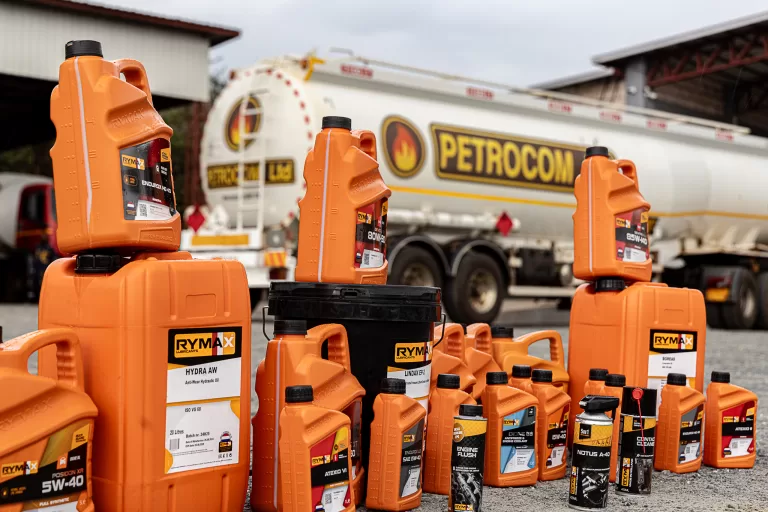
The benefits of Rymax’s quality and collaborative approach are evident in the stories from different levels from end users to distributors. Some of whom have been partners of Rymax for more than 10 years. Petrocom Ltd, one of Rwandas biggest petrol companies, reported significant operational improvements after switching to Rymax products. “Our trucks and factory machines are better maintained compared to when we were using different products,” shares Jotham Majyalibu, Managing Director. The switch led to reduced downtime, lower maintenance costs, and greater efficiency.

Also Read: Rymax Lubricants: A Trusted Brand in the Lubricants Industry

In South Africa, Roelof Geldenhuys from the Le Roux Group highlights similar gains: “Since switching to Rymax Lubricants, we have reduced machinery downtime and extended our equipment life, thus reducing the overall cost of ownership.” Through a constant push for growth, the distributor in Iraq has significantly increased his lubricant orders, now purchasing 10 times more than his initial volume, clear proof of the shared growth mindset. This highlights how prioritizing quality and fostering strong partnerships can deliver measurable results.

Support That Goes Beyond Products

Rymax’s commitment to its partners extends far beyond supplying high-quality lubricants. Each partner is supported by a dedicated account manager who ensures tailored assistance for unique challenges. Comprehensive training programs provide tools and insights through technical workshops, product knowledge sessions, and tailored marketing strategies. Distributors can also schedule private sessions with product and marketing managers to address specific needs.

Also Read: Rymax Lubricants realizes remarkable growth despite difficult market circumstances in 2022

The exclusive Rymax distributors portal offers a range of promotional materials, including videos, photos, templates, merchandise and pricing blueprints, making it easy for distributors to create impactful local campaigns. Tools like the Oil Advisor and Specification Finder enhance customer satisfaction by simplifying product selection. Distributors also benefit from a custom website in their local language, ensuring easy communication with consumers.

Additionally, training sessions for mechanics help partners strengthen their market presence by educating on the importance of correct lubricant usage. These efforts build trust in the Rymax brand and loyalty among end users.

Also Read: Rymax Lubricants – Extreme Conditions

This comprehensive support ensures that distributors are equipped not just with products but also with resources to build sustainable and successful businesses. Rymax’s unwavering commitment to its partners underscores the company’s dedication to shared growth.

Building a Community

More than a business network, Rymax fosters a genuine community among its partners. Events like the “Rymax Experience” and regular face-to-face interactions deepen relationships and create opportunities for shared learning. The company’s initiatives, such as training sessions for mechanics, reflect a broader commitment to education and industry advancement.

This sense of community is a cornerstone of Rymax’s success. By emphasizing collaboration and mutual support, the company ensures that its partners feel like an integral part of a larger mission, one that prioritizes shared growth over isolated gains.

Also Read: New 2022 partnership Rymax Lubricants & Simen Olsen

A Shared Vision for Growth

Rymax’s approach to partnership is a testament to the power of shared vision and effort. It’s not about selling a product; it’s about building a future together. Partners are invited to step into a relationship that values collaboration, innovation, and mutual success.

The journey begins with an invitation to explore opportunities with Rymax. This isn’t just an expansion of business, it’s an expansion of possibilities, anchored in trust, respect, and shared ambition.

Together, we can build a future filled with growth, reliability, and success, one partnership at a time.

For more information check out the Rymax website https://rymax-lubricants.com/

- Advertisement -