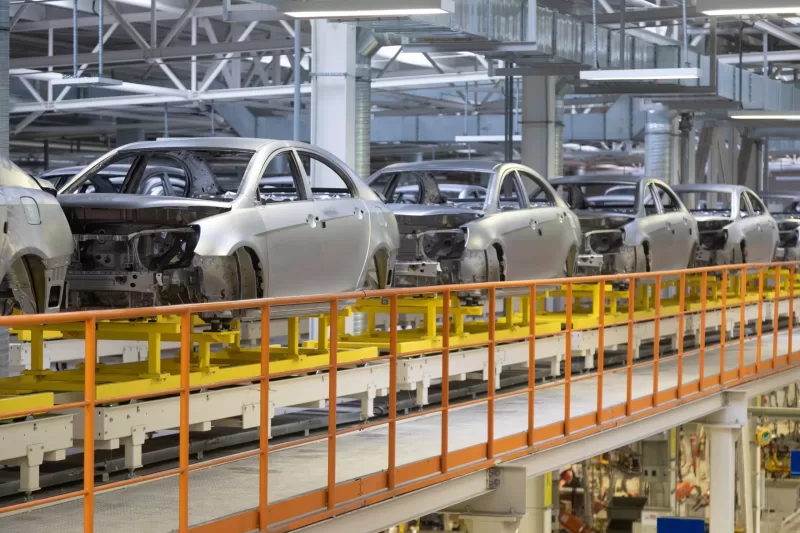
AvtoVAZ, Russia’s largest automaker and a majority-state-owned enterprise, is strategically expanding into Nigeria’s automotive market. The company aims to diversify beyond its increasingly competitive home market. This expansion represents its most significant foray into West Africa. It involves establishing a spare parts hub and service center in Lagos’s Lekki Free Trade Zone by the end of 2025. Furthermore, AvtoVAZ is negotiating with the Nigerian government to build a local assembly plant. This is a crucial step towards establishing a long-term presence in a market where demand for used vehicles far surpasses new car sales.
Competition and Response
This strategic move is driven by intensifying competition in Russia, particularly from Chinese automakers like Great Wall Motors (aiming to increase production capacity to 200,000 units by 2025). The anticipated return of Hyundai and Renault is also a factor, following a potential ceasefire in the Ukraine conflict. Nigeria’s underdeveloped but high-potential automotive sector has an annual demand of approximately 720,000 vehicles. However, local production is only 14,000 units, presenting a significant opportunity for growth.
Focus on Alternative Fuel Vehicles
AvtoVAZ plans to leverage Nigeria’s push for alternative fuel vehicles. The company plans to partner with a Russian engineering firm, which it will announce at a later date, to establish a compressed natural gas (CNG) conversion plant. Through this initiative, the company aims to expand alternative fuel solutions, accelerate the adoption of cleaner energy technologies, and support the transition toward more sustainable transportation. This will enable the factory-fitting or local conversion of Lada vehicles to CNG engines. This strategy benefits from Nigeria’s import duty exemptions on CNG vehicles, as stated by AvtoVAZ’s Nigerian representative, Adewole Opeyemi.
AvtoVAZ’s African presence dates back to 1999, including a past joint venture in Egypt assembling Lada vehicles. Recent pronouncements of exporting 20,000 vehicles in 2023 and a subsequent letter of intent with Ethio Engineering Group for Lada production in Ethiopia highlight the company’s renewed focus on African markets. Artem Aglichev, AvtoVAZ’s Head of Product Marketing, emphasizes the significance of Nigeria as the region’s largest market. Improving diplomatic relations between Russia and African nations is driving this trend.
Nigeria’s automotive landscape is dominated by imports, particularly used vehicles. While local manufacturers like Innoson Vehicle Manufacturing and Peugeot Automobile Nigeria exist, foreign brands, especially Toyota (holding a 16.1% market share) and other Japanese and South Korean brands, maintain a strong presence.
AvtoVAZ acknowledges the regulatory hurdles and competitive market, but Aglichev highlights Nigeria’s established automotive expertise, skilled labor, and logistical capabilities as supporting factors for its expansion. However, the success of AvtoVAZ’s low-cost Lada models in a market saturated with cheaper used imports remains uncertain. The company’s long-term prospects in Nigeria will depend on navigating regulatory complexities, effectively competing with established players, and successfully adapting its offerings to the specific needs and preferences of the Nigerian market.
Also Read:
Africa: The New Hub for Automotive Manufacturing
Russia Looks to Increase Car Imports from BRICS Countries
Hyundai Motor to exit Russia, selling its plants – media report
Russian auto manufacturers look to East African Assembly Plants

