Sunday, May 31, 2026
Home Blog Page 89

How Often Should I Change Engine Coolant


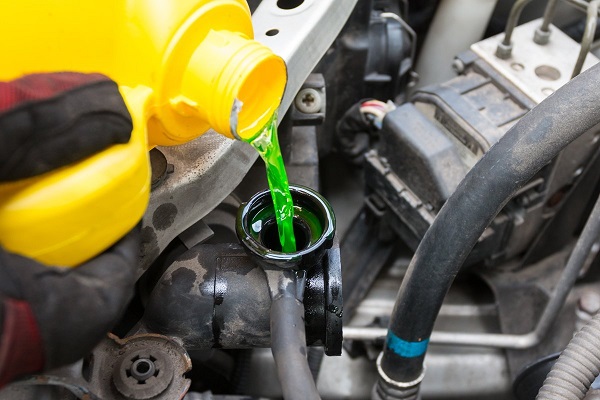
When is the right time to change your engine coolant? Manufacturers advise drivers to change the coolant every 30,000 miles for some vehicles. For others, changing it isn’t even on the maintenance schedule.

Different Brands, Different Recommendations

For example, Hyundai says the coolant in the engine (what many refer to as “antifreeze”) in most of its models should be replaced after the first 60,000 miles. Then every 30,000 miles after that. The interval is every 30,000 miles on some Mercedes-Benz models with some engines. However, on others it’s 120,000 miles or 12 years. On still other Mercedes, it’s 150,000 miles or 15 years.

Also Read: How Often Should You Service Your Heavy Trucks Transmission Fluid?

The Role of Driving Conditions

Some manufacturers recommend you drain and flush the engine’s cooling system. Also, change the coolant more often on vehicles subjected to “severe service,” such as frequent towing. This can generate more heat. The schedule for many Chevrolets, though, is a change at 150,000 miles regardless of how the vehicle is driven.

Many service shops, though including some at dealerships that sell cars with “lifetime” coolant, say you should do a coolant change more often than the maintenance schedule recommends. For instance, every 30,000 or 50,000 miles.

Also Read: What Affects Your Engine Temperature While You Drive

Why Coolant Maintenance Matters

Here’s why: Most vehicles use long-life engine coolant (usually a 50/50 mixture of antifreeze and water) in the radiator. This provides protection against boiling in hot weather and freezing in cold temperatures for several years. This is with little or no maintenance. Modern vehicles also have longer intervals between fluid changes of all types. This is partly because environmental regulators have pressured automakers to reduce the amount of old coolant. Additionally, other waste fluids that must be disposed of or recycled have been reduced.

Also Read: How Can I Tell My Radiator is Leaking

Coolant deteriorates over time, so test it regularly to confirm it’s still effective. You can’t always tell its condition by appearance alone. Even if the reservoir shows a proper level and tests indicate sufficient cooling and antifreeze protection, you may still need to drain the coolant and flush the system.

The coolant can become more acidic over time and lose its rust-inhibiting properties, causing corrosion. Corrosion can damage the radiator, water pump, thermostat, radiator cap, hoses and other parts of the cooling system. This extends to the vehicle heater system. Consequently, it can cause a car engine to overheat.

Also Read: Why You Should Change Your Oil

When to Flush or Replace

Test the coolant in any vehicle with more than 50,000 miles regularly. Check for signs of rust and leaks, and ensure it provides adequate cooling and overheating protection. Perform these checks even if the cooling system appears to work properly and the reservoir is full. Use test strips to measure acidity, and use a hydrometer to measure freezing and boiling protection.

If the corrosion inhibitors have deteriorated, change the antifreeze coolant. Flush the cooling system to remove contaminants, regardless of what the maintenance schedule recommends. It applies regardless of how many miles are on the odometer. On the other hand, if testing shows the coolant is still doing its job protecting from overheating and not allowing corrosion, changing it more often than what the manufacturer recommends could be a waste of money.
Read More:

How Can I Tell My Radiator is Leaking

0

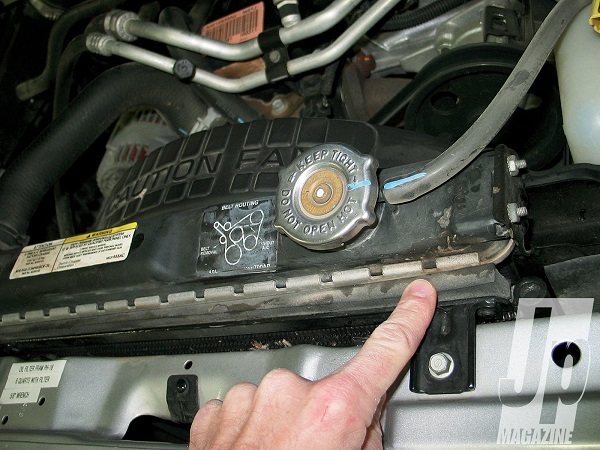
How can you tell when your car’s radiator is leaking? When your dashboard temperature gauge rises or the warning light comes on, it signals a cooling system problem. This is likely caused by a leak in the radiator or another component.

1. Identify the Type of Fluid Leaking

First, make sure it’s coolant that’s leaking, not another fluid. (Coolant is often referred to as antifreeze, but technically coolant is a 50/50 mix of antifreeze and water.) You can easily check the coolant level in your see-through overflow tank. If it’s empty or low, the next step should be to check the coolant level in the radiator. That should be done only when the engine is cool. Having too little coolant in the car’s cooling system can cause engine overheating. It may also make your cabin heater blow cold air.

Also Read: The Role of Thermostat in Regulating Engine Temperature and Radiator Function

2. Check the Radiator for Visible Leaks

Once you know you’re losing coolant, the radiator is a good place to start. Some radiator leaks will be easy to spot, such as a puddle underneath the radiator, but others not so much. It’s best to check the radiator from every angle, not just from above, and pay particular attention to seams and the bottom. Rust inside the radiator or holes from road debris also can cause coolant leaks. Your vehicle may have an aluminum radiator that technically can’t rust, but aluminum can corrode or develop pinhole leaks too.

Also Read: What to Do If You Suspect a Leak in Your Vehicle’s Fluid System

3. Look for Signs of Coolant Residue

Antifreeze comes in different colors — green, yellow and pinkish-red, for example. It feels like slimy water and usually has a sweet smell. If you can’t see coolant dripping or seeping, look for rust, tracks or discoloration on the radiator. Those are telltale signs of where it has leaked.

4. Inspect Other Parts of the Cooling System

If the radiator appears to be OK, the cooling system offers several possibilities for leaks. These include the hoses from the radiator to the engine, the radiator cap, water pump, engine block, thermostat, reservoir tank, and heater core. A heater core is a small radiator that circulates hot coolant into the dashboard for passenger-compartment heating. Other areas include a blown gasket between the cylinder head and engine block. This can allow coolant inside the combustion chambers, a problem that must be addressed immediately by a mechanic. (Thick white smoke coming from the tailpipe is actually steam, a telltale symptom.)

Also Read: How often should I change engine coolant

5. When in Doubt, Let a Mechanic Inspect It

If you can’t find a leak, have it checked by a mechanic. Coolant has a way of escaping only under pressure when the car is running — possibly in the form of steam, which may not leave a trace. If the culprit continues to evade detection, you might consider a radiator stop-leak additive, available at auto parts stores, which seals small leaks — but it’s always better to find and repair the problem’s source, especially in the case of faulty head gaskets, which can lead your power supply to overheat and cause catastrophic engine damage.

Read More:

How Often Should I Replace My Brake Pads and Rotors

0

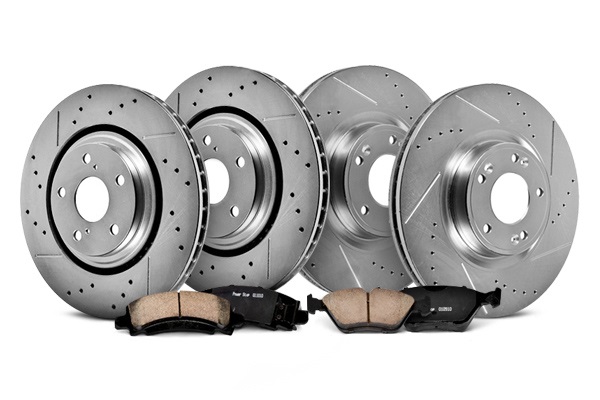
Brake life depends mainly on the amount and kind of driving you do, such as city versus highway, and your driving style. Some drivers just use the brakes more than others.

For that reason, it’s hard to recommend time or mileage guidelines for replacing a vehicle’s brake pads. On any car more than two years old, it’s a good idea to have a mechanic inspect the brakes at every oil change, or twice a year. Let them know if you are hearing any grinding or other noise, or if you’ve noticed a change in the feel of the brake pedal.

Repair shops can measure pad thickness, check the condition of the rotors, calipers and other hardware, and estimate how much brake life remains based on the amount of wear. Different materials on the brake pads can wear at different rates when coming into contact with the brake rotor, so a regular visual inspection by a qualified mechanic is a good way to gauge when it is time for the brake pads to be replaced.

If you are buying a used car and aren’t sure about the brakes, it may be a good idea to have a trusted mechanic check the entire braking system.

How Often Do I Need to Change My Brake Fluid


As a car owner you have probably asked yourself one of the maintenance questions, “How often do I need to change my brake fluid?” It’s a great question and one that deserves more attention than it usually gets. Especially when compared to other maintenance routine tasks like oil changes, tyres, or filters. The condition of your brake fluid is paramount to your safety on the road.

Let me explain why.

The Role of Brake Fluid and Why It Degrades

Your car’s braking system relies on hydraulic pressure. When you press the brake pedal, that force is transferred through the brake fluid to the calipers or wheel cylinders. These then engage the brake pads or shoes to slow your vehicle. It’s a simple, yet incredibly effective system.

The tricky part about brake fluid is its nature; it’s hygroscopic, meaning it readily absorbs moisture from the air. Even in a sealed system, tiny amounts of moisture can seep in over time through hoses, seals, and the reservoir cap. This absorbed water is the primary reason why brake fluid needs regular replacement.

Why is water a problem?

Reduced Boiling Point: Water boils at 100°C (212°F). High-quality brake fluid, like DOT 3 or DOT 4, has a much higher boiling point, often exceeding 200°C (392°F). When water mixes with the fluid, it drastically lowers the overall boiling point. Under heavy braking, the heat generated can cause the fluid to boil, turning the water into vapor. Vapor is compressible, unlike fluid. This leads to a soft, spongy brake pedal – a phenomenon known as “brake fade” or “vapor lock.” Consequently, there’s a significant reduction in your braking power. Imagine hitting your brakes and nothing happens; it’s a terrifying thought.

Corrosion: Water in the braking system also leads to corrosion of internal components, such as the brake lines, master cylinder and calipers. This corrosion can damage seals, create leaks and ultimately lead to expensive repairs and a compromised braking system.

Also Read: Why Moisture Presence in Brake Fluid is a Concern

So, How Often Should You Change Your Brake Fluid?

Generally, most vehicle manufacturers recommend changing your car brake fluid every two years or 50,000 km, whichever comes first. However, this is a guideline, the best advice is always check your specific vehicle’s owner’s manual for the precise recommendation. Some performance vehicles or those driven under severe conditions might require more frequent changes.

Factors Influencing the Change Interval

Vehicle Manufacturer’s Recommendations: As I mentioned, this is your primary source of truth.

Driving Conditions: If you live in a humid climate, or if you regularly drive in stop-and-go traffic, tow heavy loads, or engage in spirited driving, your brake fluid might degrade faster. This is due to increased heat and moisture exposure.

Type of Brake Fluid: Different DOT classifications (DOT 3, DOT 4, DOT 5.1) have different dry and wet boiling points. Using the correct type specified for your vehicle is important. It doesn’t change the hygroscopic nature of DOT 3, 4, and 5.1 fluids. (DOT 5 is silicone-based and not hygroscopic, but it’s rarely used in standard passenger vehicles. Moreover, it should never be mixed with other DOT fluids).

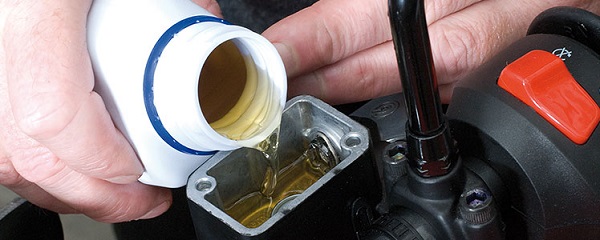
Visual Inspection: While not a definitive test for moisture content, brake fluid that looks dark, murky or has visible particles typically indicates it’s past its prime and needs to be changed. New brake fluid should be clear and have a yellowish tint.

Also Read: What to Do If You Suspect a Leak in Your Vehicle’s Fluid System

Signs Your Brake Fluid Might Need Attention

Beyond the recommended service interval, there are a few signs that might suggest your brake fluid is compromised:

  • Spongy or Soft Brake Pedal: If your brake pedal feels less firm than usual or sinks to the floor, it could be a sign of air or boiled fluid (vapor lock) in the system.
  • Reduced Braking Performance: If you notice your car isn’t stopping as effectively as it used to, or if you need to press the pedal harder, contaminated fluid could be a contributing factor.
  • Brake Warning Light: While this light usually indicates low fluid levels or an issue with the brake system, it’s always a prompt to get things checked.

Also Read: Key Factors that can Cause your Car Brakes to Wear Prematurely

The Benefits of Regular Brake Fluid Changes

Refreshing your brake fluid on schedule does more than just preserve stopping power, it extends the life of your brake components. Old, moisture-laden fluid can cause corrosion within the master cylinder, calipers and ABS components. Replacing it reduces wear and helps your braking system perform consistently.

Professional Recommendation

Ultimately, changing your stopping fluid isn’t just a maintenance task; it’s a vital safety measure. I strongly recommend adhering to your manufacturer’s recommended service intervals. If you’re unsure, or if it’s been longer than two years since your last change, it’s always best to have a qualified mechanic inspect your braking system. They can test the fluid’s moisture content or boiling point to give you an accurate assessment.

With regular attention, you’ll ensure your brakes work exactly when you need them most, and that’s worth every drop. Don’t wait until you experience a problem. Proactive maintenance of your brake fluid ensures reliable stopping power. It protects your braking components from premature wear and corrosion. Most importantly, it keeps you and your passengers safe on every journey.

Also Read: How Often Should You Service Your Heavy Trucks Transmission Fluid?

By Dorcas Kang'ereha

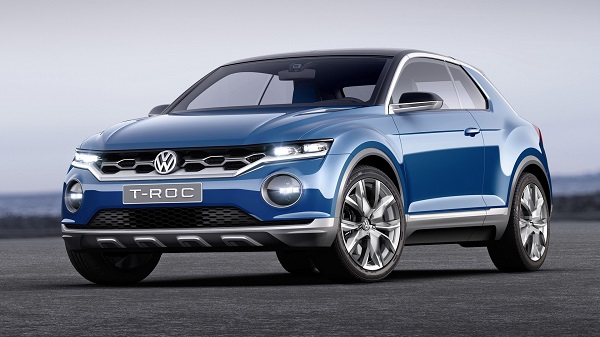
2019 Volkswagen T-Roc first drive review

0

Is this Volkswagen’s most important new model?

Forget the excitement around the potential revival of the iconic Kombi and Beach Buggy as electric cars. Or even the eighth-generation Golf set to emerge later in 2019.

No, this all-new T-Roc is arguably the most critical new model for the German brand to get right in Australia, to give its short- and long-term future a boost.

That’s because it fills a gaping hole in the brand’s current line-up, and a crucial one at that – the compact SUV. The T-Roc will slot underneath the Tiguan and above the equally new, even smaller Polo-based T-Cross, to give the People’s Car maker an offering for the vast number of buyers looking for something high-riding but still modest in size.

Which is remarkable because Volkswagen Australia actually gave up on the car a little more than a year ago. Speaking at the launch of the Arteon in November 2017, VW Australia CEO Michael Bartsch admitted it was too hard to get the T-Roc to Australia in the right specification at the right price so it had been put on the back-burner.

After what the company called a “hard fight”, the local operation changed the minds of the product planners in Germany and a better deal was able to be worked out, putting the T-Roc back on the Australian agenda.

Unfortunately this isn’t a comprehensive review, because our test drive was limited to cutting laps of Luddenham Raceway on the outskirts of Sydney. That’s because this particular T-Roc you see here is actually from the United Kingdom, via New Zealand. Volkswagen Australia simply borrowed it to give us a chance to sample the compact SUV before the definitive Australian-specification cars arrive in March 2020.

But we will tell you everything we know about it right now.

Is the Volkswagen T-Roc right for me?

The T-Roc should be right for a lot of people, at least judging by the sales rate of its rivals, the likes of the Nissan Qashqai, Subaru XV and Mitsubishi ASX. This kind of small car-based crossover has plenty of appeal to both young professionals, families and even empty-nesters. They offer small car liveability with SUV practicality and style, elements that are in demand from a wide range of people.

Can I afford the Volkswagen T-Roc ?

Pricing hasn’t been announced yet because the final specification of the T-Roc line-up is still being worked out by Volkswagen Australia. What the company has confirmed is it’s aiming for a starting price “below $40,000”, which would put the T-Roc at the upper end of the current compact SUV market.

However, it’s likely Volkswagen will offer an entry-level model in the low $30,000 range and then stretch well above $40K with the higher-grade T-Roc R-Line. That would position it close to the wagon-shaped Tiguan range, which is set to re-expand later this year to include the 110TSI models again, which were previously priced in the mid to high-$30K range, however Volkswagen is confident the two models are different enough to coexist.

There’s also hope that the high-performance T-Roc R will make it down under (if some technical hurdles can be cleared) and that would likely command a high-$50K or even a $60K asking price – at least based on the Golf R, which is currently $57,190 plus on-road costs.

What do you get for your money?

That’s an impossible question to answer at this stage without knowing the price.

It’s hard to know exactly what to expect, but if we were to speculate it seems likely that VW Australia would offer an entry-grade front-wheel drive model and then step up to all-wheel drive mid and high trim T-Rocs.

What’s the interior and space of the T-Roc like?

Golf-like. There’s a deep sense of familiarity with the T-Roc because it’s based on the same ‘MQB’ underpinnings as the current Golf Mk7.5 and shares the same powertrain options and even electrical systems. That means the design of the cabin has a very familiar feel, right down to the infotainment system.

However, one major difference between the NZ-sourced T-Roc we drove and the eventual Australian-grade models will be the quality of the materials used. The NZ car featured hard, cheap-looking plastics throughout the cabin, something VW Australia said it will replace with better-quality materials next year.

Unsurprisingly, the T-Roc offers up similar cabin space to the Golf, which is to say a generous amount for both front and rear occupants.

Those in the back do get slightly compromised headroom, though, courtesy of the stylish sloping roofline that gives the coupe-like T-Roc its dynamic and muscular stance.

Sharing key components with the Golf means the T-Roc’s infotainment system is the same as what’s in the current Golf. The T-Roc R-Line we drove was equipped with the higher-grade infotainment system and 12.3-inch digital dashboard (or Active Info Display in Volkswagen speak).

What’s under the bonnet of the T-Roc ?

The T-Roc R-Line we drove was fitted with the same 2.0-litre four-cylinder turbocharged petrol engine you’ll find in a Golf or Tiguan. It’s paired to a seven-speed dual-clutch transmission and VW’s 4Motion all-wheel-drive system.

Making 140kW of power and 320Nm of torque in the T-Roc, the drivetrain isn’t a match for a Golf GTI’s in terms of outright performance but it still feels punchy for a small SUV.

While our test drive was limited, it showed up largely what we anticipated – a Golf-like driving experience. The engine feels strong and willing, though the transmission is susceptible to the odd clunky shift when rolling along at low speeds.

With Volkswagen Australia yet to lock in engines – and the possibility of updated powertrains by the time the T-Roc arrives in 2020 – we can’t make a clear assessment of fuel economy.

What’s the Volkswagen T-Roc like to drive?

The billiard-table-smooth surface of Luddenham Raceway means our assessment of the T-Roc’s chassis is somewhat limited. It’s impossible to make a call on ride comfort, even on the R-Line 19-inch alloy wheels, as there are no significant bumps to hit.

What we can say is the steering is direct and nicely weighted, and the chassis feels taut and responsive. At the same time though, it doesn’t feel quite as sharp as a Golf, with more body roll when cornering and a lower threshold for its dynamic limits. In other words, you can’t quite hustle a T-Roc as quickly as you can an equivalent Golf.

What’s the verdict?

Until we know pricing and specifications, it’s impossible to compare it to its rivals. But there’s no doubt Volkswagen faces a significant challenge taking on more well-established names in the compact SUV market. That said, the T-Roc’s chunky, coupe-like style, vibrant colour palette and classy interior should give it a leg-up over its ageing Japanese competitors.

If it’s priced right, the sales potential of the T-Roc in Australia is huge. As more and more buyers shift away from traditional passenger cars, brands need to have an SUV alternative waiting for both loyal customers and potential new ones.

The “hard fight” between Volkswagen Australia and Germany has the potential to make both parties winners if SUV sales continue to climb, and the T-Roc is there to cash in.

NIC Bank and Toyota Kenya enter into a financing deal for HINO trucks

0

Toyota Kenya, the sole distributor of the HINO trucks, and NIC Bank, have signed a partnership agreement that will see Toyota HINO truck customers receive up to 80% financing on the total cost of the truck, payable within 60 months, in an effort to grow the uptake of commercial motor vehicles in the country.

Speaking at the signing ceremony of the financing deal, Toyota Kenya Managing Director, Arvinder Reel said the company is well cognisant of the big role financing plays in the total cost of ownership of a motor vehicle.

“This partnership between Toyota HINO and NIC Bank will therefore go a long way in easing the financial load on the customer. By offering small medium enterprises and corporate organisations the opportunity to acquire a commercial vehicle through asset financing, you free up cash that is directed into other lines of the business.”

On his part, NIC Bank Executive Director Alan Dodd, said that he was excited to be partnering with Toyota Kenya, one of the foremost automobile brands in the country and that the partnership demonstrates their shared goal of empowering small businesses to grow and expand. He further noted that the deal will reinforce NIC position as the leading bank in asset finance in the country

“By virtue of our strengths in our product offering, this strategic partnership for Hino Trucks presents a strong value proposition to SMEs and individual customers who are keen on expanding their businesses and buying new assets but face strained cash flows due to ever fluctuating economic situations in the business environment”.

Toyota Kenya has been selling the HINO trucks, the best-selling Japanese truck in the world, since 2013. The trucks which are assembled locally have been built to handle the harsh terrains, and provide superior comfort for both the driver and the passengers. “Most notably, the HINO quality chassis, power train and suspension system is optimised for the Kenyan terrain,” said Mr. Reel.

Gerald Muli, the HINO Division General Manager added that two of the models, the HINO 300 and HINO 500 FC trucks have particularly done well in the market. “Our customers have identified a few things that give them the peace of mind with a HINO truck. Key among these is the engine. It has been designed with the aim of delivering low emission as well as good fuel efficiency. In essence, this is money back to the pockets of the business owner since HINO has contributed to a reduction of the businesses operation costs.”

Customers taking up this offer will be required to first visit the HINO showroom to choose the truck they wish to purchase, before receiving an invoice from Toyota Kenya that they will present to NIC Bank for processing.

Toyota Kenya Partners with Suzuki Motors to distribute Suzuki models

0

Toyota Kenya on Thursday announced a business partnership with Suzuki Motor Corporation to distribute Suzuki models in the country. The partnership will see Toyota partner with its fellow Japanese automaker to become the second Suzuki distributor in the country after CMC Holdings which has been the exclusive distributor of the Japanese vehicles.

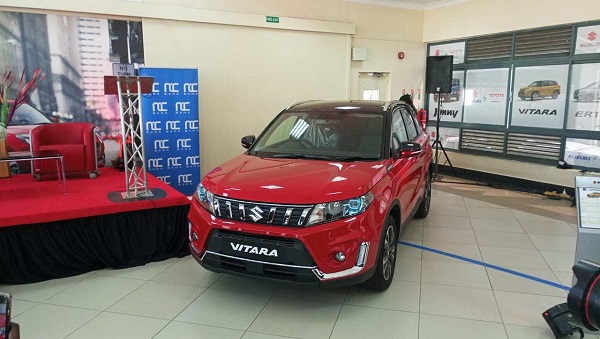
Seven Suzuki models will be on offer under the partnership dubbed Suzuki by Toyota Kenya. At between $8,000 and $38,000 Suzuki models on offer are the Alto 800CC, Swift 1200CC, Ciaz 1500CC, Jimny 1500CC and the Vitara 1600CC.

During the unveiling of the partnership, Toyota Kenya Managing Director Arvinder Reel said the partnership which goes by the tagline ‘Compact Confidence’, will revolutionise the Suzuki brand in the market.

“We have continually developed a large network across the country by increasing the number of our showrooms and getting new partners as well. This will ensure that Kenyans from every corner of the country will get an opportunity to own a brand new Suzuki model,” he said.

Toyota Kenya has also entered into a partnership with NIC bank to assist consumers in acquiring the vehicles and financing of up to 90% of the cost of the vehicle.

Speaking at the same event, NIC bank’s Executive Director Mr Alan Dodd guaranteed the bank’s supporting saying the lender will provide quick processing of financing requests.

The introduction of these models comes as the government has proposed a reduction on the age limit of imported second hand vehicles of over 1500CC from eight years to five years.

Initially, the Suzuki models will be available in the Nairobi showroom, as roll out to the other branches happens after the launch.

Suzuki by Toyota also plans to introduce an additional model, the Ertiga 1500CC, mid this year.

Diesel Generating Set Manufacturer Launches App for iOS


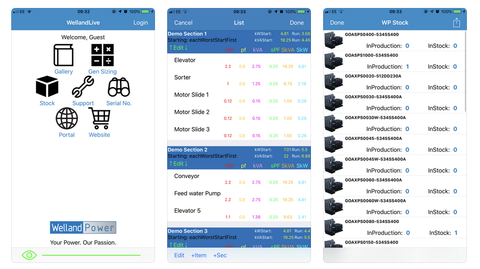
Welland Power, the UK diesel generator manufacturer has today launched there app for iOS – Welland Power Live. This app which has been developed in house by the design team at Welland Power offers a range of features for customers and end users to use, promote and receive support on Welland Power products. The iOS App which has a range of features including stock listings, support access, a generator sizing tool, a gallery of images and a company video as well as the important access to confirm that the product is a genuine Welland Power product by the serial number.

welland live app

Made in the UK Welland Power generators are a reliable source of power and are used extensively across Africa, the Middle East and Asia, as well as in Europe for either Prime Power (PRP) Diesel Generators or Standby Power (ESP) Diesel Generators . For any application the tools available in the Welland Power iOS app can help you to size generators correctly – regardless of if you choose to buy a Welland power product!


Welland power introduces New Range


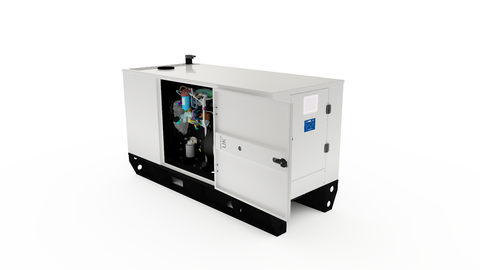
An exciting new product has been launched by Welland Power Diesel Generators. The new 1900 canopy is a step change in design on the 30kVA-60kVA range of Perkins powered generators. These generators using a high quality Perkins 1103 series engine are coupled to a Stamford S0 or S1 series alternator, bringing the three iconic brands of Welland Power, Perkins Engines and Stamford Alternators together in a single package.

Promising to maintain a reliable standby power supply is critical. Welland power delivers on this using the highest quality components. Manufactured in our UK factory and shipped worldwide they form a high volume component of any dealers trading due to the unique features.

Welland Power Diesel Generators

Additional features of this new design include forklift pockets, galvanized steel canopy, Deep Sea Control module and a steel welded Fuel tank. In addition these units can be double stacked in a container to provide exceptionally low landed costs to many markets around the world. In Kenya, the new 1900 series canopy will be available from Rift valley Machinery Diesel Generators in Q3 2019.

Managing Director of Welland Power, Charlie Farrow said: “This great new design has come from several months of dedicated work, testing and development. Our teams across the business functions in design, CNC operators and assembly have all contributed hugely to make this the best Welland Power product at this size to date. High quality, high availability standby power in a compact attractive and functional package. Well done everyone.”

Foton Motor to Assemble Trucks in Tanzania

0

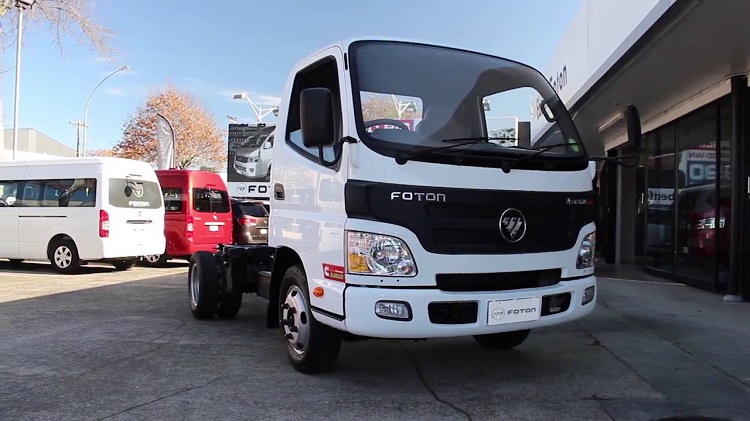
Chinese automaker Foton Motor Company is set to establish a truck assembling plant in Tanzania as it gears towards extending its foray in the East Africa region. The automobile maker strategy to set up the facility is in line with the country’s fifth phase government target’s on industrialization. President John Magufuli has pushed the dream in the country as he looks to make a significant impact before his time come to an end.

Manufacturing is a prioritized sector that has high potential to catapult the country’s dream of becoming a middle-income economy by 2025. The goal has spurred the interest of many foreign investors to seek business opportunities. The Head of State has worked to establish a conducive environment for foreign businesses and support the local sector.

Foton Company launched its assembling facility in Kenya early this year to cater for the market demand in the country. The company envisages offering solutions in the transport sector to facilitate trade. The automaker plans to eradicate the prevalent challenge of unemployment by creating job opportunities for the citizens.

The expansion plan will ensure car dealers acquire the trucks at an affordable price as compared to importing. Spare parts will be as well available at competitive prices.

Car automakers continue to venture in the African market as they look to have a share of the pie. Toyota is a major investor in the manufacturing industry and a potential competitor as well. German machine Volkswagen which recently entered the Rwandan market is extending its reach in Ethiopia.

Last year, Tanzania cut its taxes as a business incentive measure to attract more investments in the automotive industry. The Finance Bill of 2017 stated that “A corporation with a newly-established plant for assembling motor vehicles or tractors will receive a corporate tax rate of 10%” which will be a 20% reduction of the 30% corporate tax rate.

The government is adamant to produce brand new locally made vehicles as well as export to the neighboring countries. A similar strategy is undertaken by Uganda that seeks to phase out old cars and discourage car imports and support the local manufacturing sector.

- Advertisement -