

As a car owner you have probably asked yourself one of the maintenance questions, “How often do I need to change my brake fluid?” It’s a great question and one that deserves more attention than it usually gets. Especially when compared to other maintenance routine tasks like oil changes, tyres, or filters. The condition of your brake fluid is paramount to your safety on the road.
Let me explain why.
The Role of Brake Fluid and Why It Degrades
Your car’s braking system relies on hydraulic pressure. When you press the brake pedal, that force is transferred through the brake fluid to the calipers or wheel cylinders. These then engage the brake pads or shoes to slow your vehicle. It’s a simple, yet incredibly effective system.
The tricky part about brake fluid is its nature; it’s hygroscopic, meaning it readily absorbs moisture from the air. Even in a sealed system, tiny amounts of moisture can seep in over time through hoses, seals, and the reservoir cap. This absorbed water is the primary reason why brake fluid needs regular replacement.
Why is water a problem?
Reduced Boiling Point: Water boils at 100°C (212°F). High-quality brake fluid, like DOT 3 or DOT 4, has a much higher boiling point, often exceeding 200°C (392°F). When water mixes with the fluid, it drastically lowers the overall boiling point. Under heavy braking, the heat generated can cause the fluid to boil, turning the water into vapor. Vapor is compressible, unlike fluid. This leads to a soft, spongy brake pedal – a phenomenon known as “brake fade” or “vapor lock.” Consequently, there’s a significant reduction in your braking power. Imagine hitting your brakes and nothing happens; it’s a terrifying thought.
Corrosion: Water in the braking system also leads to corrosion of internal components, such as the brake lines, master cylinder and calipers. This corrosion can damage seals, create leaks and ultimately lead to expensive repairs and a compromised braking system.
Also Read: Why Moisture Presence in Brake Fluid is a Concern
So, How Often Should You Change Your Brake Fluid?
Generally, most vehicle manufacturers recommend changing your car brake fluid every two years or 50,000 km, whichever comes first. However, this is a guideline, the best advice is always check your specific vehicle’s owner’s manual for the precise recommendation. Some performance vehicles or those driven under severe conditions might require more frequent changes.
Factors Influencing the Change Interval
Vehicle Manufacturer’s Recommendations: As I mentioned, this is your primary source of truth.
Driving Conditions: If you live in a humid climate, or if you regularly drive in stop-and-go traffic, tow heavy loads, or engage in spirited driving, your brake fluid might degrade faster. This is due to increased heat and moisture exposure.
Type of Brake Fluid: Different DOT classifications (DOT 3, DOT 4, DOT 5.1) have different dry and wet boiling points. Using the correct type specified for your vehicle is important. It doesn’t change the hygroscopic nature of DOT 3, 4, and 5.1 fluids. (DOT 5 is silicone-based and not hygroscopic, but it’s rarely used in standard passenger vehicles. Moreover, it should never be mixed with other DOT fluids).
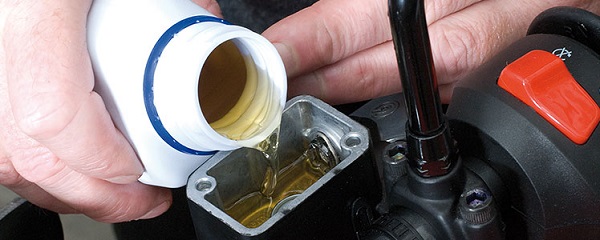
Visual Inspection: While not a definitive test for moisture content, brake fluid that looks dark, murky or has visible particles typically indicates it’s past its prime and needs to be changed. New brake fluid should be clear and have a yellowish tint.
Also Read: What to Do If You Suspect a Leak in Your Vehicle’s Fluid System
Signs Your Brake Fluid Might Need Attention
Beyond the recommended service interval, there are a few signs that might suggest your brake fluid is compromised:
- Spongy or Soft Brake Pedal: If your brake pedal feels less firm than usual or sinks to the floor, it could be a sign of air or boiled fluid (vapor lock) in the system.
- Reduced Braking Performance: If you notice your car isn’t stopping as effectively as it used to, or if you need to press the pedal harder, contaminated fluid could be a contributing factor.
- Brake Warning Light: While this light usually indicates low fluid levels or an issue with the brake system, it’s always a prompt to get things checked.
Also Read: Key Factors that can Cause your Car Brakes to Wear Prematurely
The Benefits of Regular Brake Fluid Changes
Refreshing your brake fluid on schedule does more than just preserve stopping power, it extends the life of your brake components. Old, moisture-laden fluid can cause corrosion within the master cylinder, calipers and ABS components. Replacing it reduces wear and helps your braking system perform consistently.
Professional Recommendation
Ultimately, changing your stopping fluid isn’t just a maintenance task; it’s a vital safety measure. I strongly recommend adhering to your manufacturer’s recommended service intervals. If you’re unsure, or if it’s been longer than two years since your last change, it’s always best to have a qualified mechanic inspect your braking system. They can test the fluid’s moisture content or boiling point to give you an accurate assessment.
With regular attention, you’ll ensure your brakes work exactly when you need them most, and that’s worth every drop. Don’t wait until you experience a problem. Proactive maintenance of your brake fluid ensures reliable stopping power. It protects your braking components from premature wear and corrosion. Most importantly, it keeps you and your passengers safe on every journey.
Also Read: How Often Should You Service Your Heavy Trucks Transmission Fluid?
By Dorcas Kang'ereha

