Tuesday, June 2, 2026
Home Blog Page 23

Raya Auto brings the latest XPENG EVs with European specifications to Egypt


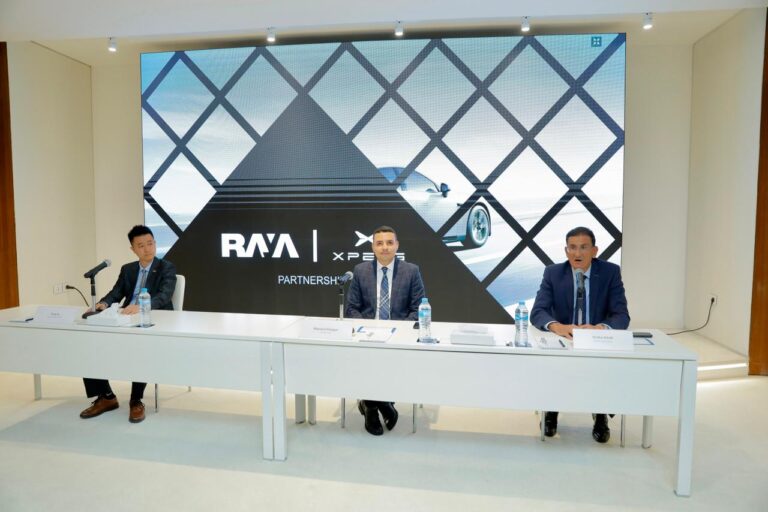
A major strategic partnership between Raya Auto, a subsidiary of Raya Holding for Financial Investments, and XPENG, a leading manufacturer and developer of advanced electric vehicles, has been announce. Raya Auto shall serve as the exclusive agent for XPENG cars in Egypt. This collaboration marks a milestone for XPENG, as it is their first venture of this nature in Africa. The partnership aims to introduce a range of advanced EVs to the Egyptian market, meeting European specifications, during the H1 of 2024, exclusively through Raya Auto.

The announcement was made at a press conference on Sunday, January 21, at the EDGE Innovation Center. The event was attended by key leaders of Raya Holding Group, its subsidiary Raya Auto, and strategic partner XPENG, including Mr. Wang Ke, regional manager.

As part of the collaboration, Raya Auto is set to invest a significant investment to introduce the cutting-edge EVs to the Egyptian market in 2024–2025. This collaboration supports the Egyptian government’s efforts to promote the electric car industry and encourage widespread adoption. It is also in line with Egypt’s 2030 vision and its dedication to achieving sustainability targets and fulfilling international commitments made during COP27, held in Sharm El-Sheikh.

The collaboration will introduce the G9, G6, and P7i advanced XPENG cars. These cars have top-notch safety and luxurious features. These models can travel 500–700 km per single charge. After-sales services will be provided through 3 service center across Cairo.The introduction of Chinese electric cars with European specifications in Egypt is an unprecedented development in the Egyptian automotive market, offering a remarkable user experience. With the charging stations in Egypt designed following the European protocol, users can now enjoy fast charging services that can quickly charge their batteries up to 80% capacity in just 25 minutes. This means more convenience and efficiency for users.

Medhat Khalil, Founder and Chairman of Raya Holding for Financial Investments, highlighted the significance of expanding investments in advanced EV through their subsidiary, Raya Auto. “This strategic move showcases the group’s commitment to providing top-notch products and services that adhere to global standards across our various lines of business and investment areas. We are extremely excited about our partnership with XPENG, which enables us to bring their state-of-the-art products to Egypt, marking their inaugural expansion into Africa. Through this partnership, we are reinforcing our dedication to encouraging the use of electric vehicles and reducing dependence on fossil fuels, in line with Egypt’s 2023 strategy,” he stated.

Mohamed El-Naggar, CEO of Raya Auto, expressed his satisfaction with signing the partnership after two years of coordination efforts. “We are pleased to have been chosen as XPENG’s exclusive partner. This achievement solidifies our position as a leader in the Egyptian market for EVs. At Raya Auto, we are committed to providing state-of-the-art EV solutions that prioritize the environment, deliver an exceptional experience, high efficiency, and impressive capabilities. These efforts demonstrate our dedication to promoting environmental sustainability and minimizing carbon emissions.”

XPENG is a NYSE-listed, globally renowned company in the future automotive tech sector. It has gained recognition on a global scale for its expertise in EV production and is widely regarded as one of Tesla’s top rivals for its innovative self-driving and driver assistance technologies. In addition, Volkswagen acquired 5% of its total shares by the end of 2023.

“Raya and XPENG will coordinate to offer maintenance services and an approved warranty for eight years, or 160,000 kilometers. In its first year, the company plans to open three top-tier accredited show rooms and service centers in the Fifth Settlement and Sheikh Zayed City, along with the main headquarters in Katameya, Cairo. We will also offer home charger installation services in partnership with XPENG, ensuring the best possible user experience for our customers,” El-Naggar added.

This strategic move entails the importation of fully assembled cars (CBU), taking advantage of the support provided by the Egyptian government to encourage electric vehicles. Based on the government regulations that electric vehicles are not subject to customs duties. Additionally, they have taken steps to promote local manufacturing through various measures. The CEO mentioned that Raya Auto and XPENG have been considering the possibility of investing in local car assembly, pending any changes in government regulations.

Using 5G to optimise vehicle manufacturing


Electric and hybrid vehicle manufacturing has been growing at an even higher pace in recent months (by 74% in July). With overall annual production numbers looking to hit the million mark by the end of 2028, the sector is back in full throttle, and automotive companies need their manufacturing plants to be in top gear to thrive in this incredibly competitive environment.

Getting into pole position

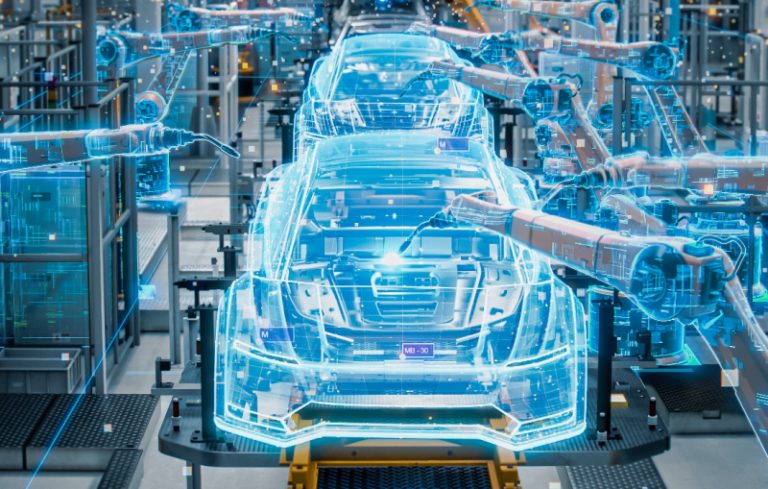
In fact, manufacturing excellence has never been more paramount. Car manufacturers need their factories to be operating at peak performance. Ultra-reliable systems are a must, with all machines fully optimised. There’s no room for downtime in the production line, nor the delays or defects in manufacturing that can result from problems in the repetitive process of assembling parts.

Today, car manufacturers need fully-functioning factories supported with IT infrastructures, systems and solutions that not only run seamlessly, but can autonomously identify potential faults – and repair and replace parts before they are given a chance to fail.

And that’s where a private 5G network solution comes in.

5G for a smooth ride

A 5G private network can create the stable, reliable network with wireless flexibility that manufacturers – automotive or otherwise – need in their factories. 5G private networks offer completely tailorable, secure, low-latency and time-sensitive abilities for devices and services or applications within them.

When paired with artificial intelligence (AI) and automation, a private network can transform manufacturing processes and improve productivity, efficiency, environmental impact and safety, while reducing costs.

A 5G private network is a game-changer when it comes to running data analytics securely. The process for analytics used to be as such: information was fed back from end devices to one central environment within the business, or the organisation’s cloud. From there, it would be processed, and then insights and actions would be sent back to the same devices.

Today, a 5G-powered private network means data analytics can happen right at the edge of the estate, for optimal, predictive machine maintenance. Devices in dispersed locations across the infrastructure can process information on the spot and understand if they need to be operating differently, or if there are any defects. They can either then act on that information autonomously and make the changes needed to operate more efficiently or send a signal to the maintenance team to remotely repair any defects before they cause any downtime.

Accelerating with 5G: Ford Motor Company

Ford Motor Company is a great example of a car manufacturer that has used a 5G private network to great effect. Ford needed to create a reliable network to support all of its critical production and maintenance processes at its manufacturing plant in Dunton, Essex.

It created a 5G private network in collaboration with Vodafone, using mid-range 1GHz – 6GHz spectrum. With a Mobile Private Network (MPN), Ford got the best of both worlds; the reliability and responsiveness of a wired connection, but with the cable-less flexibility and cost-effectiveness of wireless connections.

Furthermore, the wireless solution means the company were able to bring new facilities online faster, while manufacturers of production line machines were able to configure them remotely, so they could get up and running in Ford’s facilities as soon as they arrive at the factory.

The private network used 5G connectivity for multiple reasons, including real-time analysis of machine performance, defect spotting and the management of responses to any changing conditions during the production process. Artificial intelligence (AI)-based predictive maintenance was deployed to spot defects and reduce downtime, while augmented reality (AR) and mixed reality (MR) techniques were used to support the remote maintenance of factory equipment.

An example of how Ford’s network has been crucial in avoiding downtime can be seen with the process it deployed for the maintenance of the lasers it uses in its electric vehicle manufacturing.

Quality checking of its laser equipment was expensive, tedious and repetitive for the employees in the Ford factory. The firm therefore wanted to move to an automated process which used data to continuously monitor and, where applicable, carry out maintenance of its laser machines.

With a 5G private network as the basis, Ford created a mixed reality solution for maintenance, based on PTC’s Vuforia platform. Typically, heat build-up in the laser system is a signal that laser lenses need either cleaning or replacing. By collecting data from the laser welding process, the solution identifies any build-up of heat and works out if the lasers either needed maintenance or repair.

From there, it worked autonomously to take care of the problem. If the lenses are at the end of their life and physical replacement is needed, then a technician was alerted, and remotely guided through the laser lens replacement process while wearing a HoloLens.

While the trial has now ended, the 5G private network proved invaluable in eliminating unnecessary downtime in the production line and, of course, the consequent delays in manufacturing that would have occurred.

5G private networks helping car manufacturers produce at the speed they need

We’re at an exciting time in the world of car production. Manufacturing numbers are growing to pre-pandemic levels, and they’re showing no signs of slowing down before the end of the decade. However, to continue to compete, and to meet these impressive numbers, car manufacturers need to make sure that their factories are helping them produce at the quickest possible speed.

And that means optimised production lines, running with as little downtime as possible. 5G private networks are already proving to be the solution that’s needed for leading car manufacturers to conduct the monitoring and maintenance required for the very best manufacturing processes, and we’d urge more companies to follow suit.

Setting up a 5G private networks might seem like an overwhelming task, but there are many experts who can give advice and guide manufacturers through a deployment; ensuring they find the perfect solution for their organisation.

Source: The Manufacturer

Volvo Buses secures first order for Volvo 7900 Electric buses with bodies built by MCV


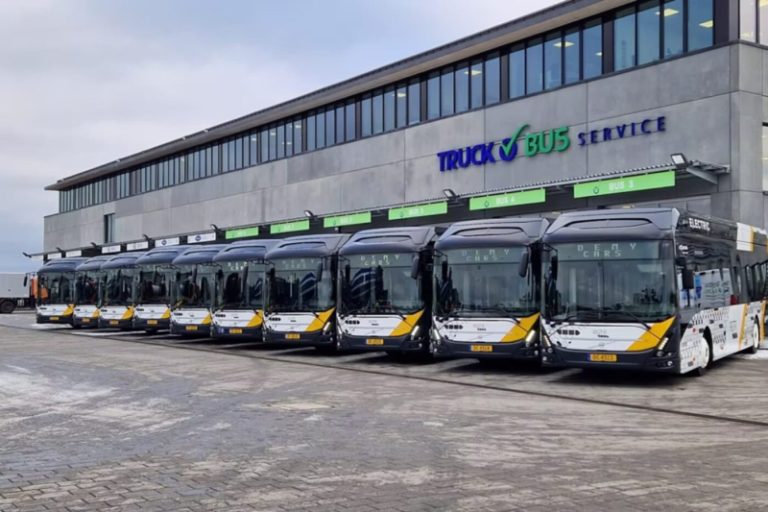
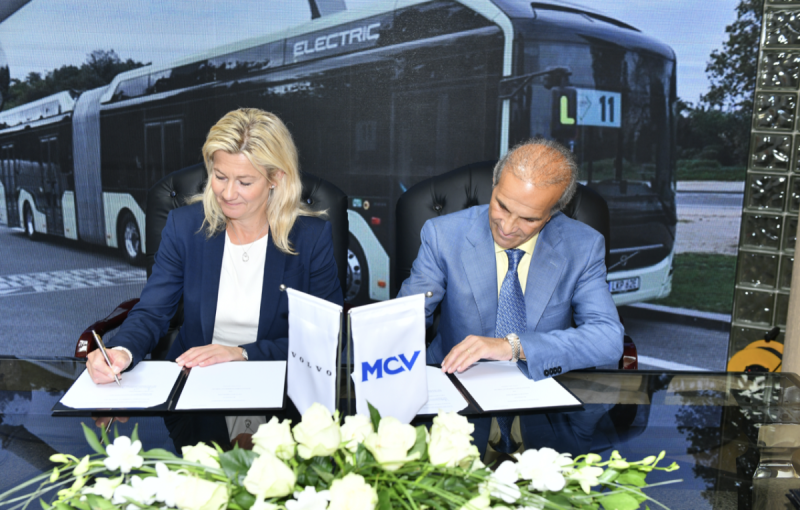
Luxembourg operator DEMY SCHANDELER S.àr.l. (Demy Cars) has ordered 15 Volvo 7900 Electric buses to operate in intercity traffic. It is the first order for Volvo electric buses with Volvo 7900 Electric bodies built by MCV. The order shows confidence in Volvo Buses’ new partnership with bodybuilder MCV, with the buses set to be delivered in spring 2025.

The new order closely follows the announcement in September of Volvo Buses’ agreement with MCV to body the Volvo 7900 Electric and Volvo 7900 Electric Articulated buses under license. The agreement marked an important step forward in Volvo Buses’ new business model in Europe.

“We are of course very pleased that we can already take the first order of our Volvo 7900 Electric, built in partnership with MCV. It shows the confidence that our customer has in our brand and organization and that we will continue to be a strong player in the European market, offering a wide range of buses in the premium segment for public transport,” says Dan Pettersson, Senior Vice President, Volvo Buses.

Contracted by RGTR, bus operator DEMY SCHANDELER S.àr.l. is Volvo Buses’ most recent partner in Luxembourg and has been operating 10 Volvo 7900 Electric buses since the beginning of 2023. This successful collaboration has helped to secure the latest order for 15 Volvo 7900 Electric.

“This order is a great achievement! The trust in our partnership with DEMY SCHANDELER S.àr.l. has been built over the year, based on excellent uptime and the reactivity of the aftermarket organization, with the strong support of our local dealer,” says Laurent Bravetti, Director Volvo Bus Luxembourg, Benelux.

“Included in our total fleet of around 400 urban buses, coaches and electric buses as well as 160 mini-buses, Volvo has become one of our pillars in the transition to electromobility. Having successfully driven 800,000 kilometers in eleven months with the 10 Volvo 7900 Electric buses has strengthened confidence in the product,” says Laurent Schandeler, CEO of DEMY SCHANDELER S.àr.l.

The 15 buses set to be delivered in spring 2025 will be an updated version of the current Volvo 7900 Electric. The buses are 12 meters long and they will feature a 470kWh battery configuration, providing a flexible and efficient operation.

“With our strong partnership with MCV in full swing and our first order already underway, everything is now in place to fulfill the high demands of our European customers. What’s more, we can now drive our premium electric solutions forward, with new possibilities in the near future,” says Dan Pettersson.

Volvo Buses will continue to be the point of contact for customers regarding spare parts and services for buses built in partnership with MCV.

Eicher unveils the Skyline Pro 3009 bus range in South Africa


In partnership with the Volvo Group’s advanced technology, Eicher, renowned manufacturer of Trucks and Buses has unveiled the Skyline Pro 3009 bus range in South Africa.

Engineered for “superior performance with unmatched comfort”, the SABS-compliant Euro 3 emission standards bus promises a redefined commuting experience. The Bus features spacious interiors, comfortable HHR seats, a longer wheelbase and advanced safety features, the Eicher Skyline Pro 3009 focuses on reliability and passenger well-being.

The bus is also equipped with the latest E494 engine, Volvo Group’s engine management system, an APDA (air brake), a clutch booster and an intelligent driver information system. This expansion aligns with Eicher’s commitment to innovation. This bus joins the existing range of Eicher trucks in South Africa.

With comprehensive service network, consisting of 27 touchpoints in Southern Africa, reflects Eicher’s dedication to providing excellent support to customers.

The Volvo Group and Eicher Motors came together with one common vision to form the VE Commercial Vehicles in 2008. Eicher Trucks and Buses, the leading brand of this joint-venture, is driving the Future of Indian Trucking with the next-gen vehicles and innovative support solutions.

Eicher offers, a wide range of 12-62 seater buses on Skyline Pro, Skyline and Starline platforms, which specifically cater to the school, staff, tourist & Route Permit segments. Built with futuristic engine technology and contemporary design, these buses are manufactured in a state-of-the-art bus building plant at Baggad to deliver a safe ride and best-in-class performance.

The Future of EVs


The year 2023 has proven another momentous year for the electric vehicle (EV) market. 2022 saw electric car sales rise by 62% compared with 2021, and IDTechEx estimates that 2023 will see global sales rise by another 16%. Growth in 2023 was somewhat hampered by the poor performance of plug-in hybrids (PHEVs) in Europe in the first half of 2023, with subsidy phase-outs in Germany. However, even with less aggressive growth than previous years, many will agree that EVs are the future, especially for the passenger car market. So what else can be learned about the future of electrification?

Whilst the electric car has become an everyday term that the general public is now aware of, there are still certainly large technological and market trends occurring in the automotive market. Beyond this, many other vehicle segments are seeing electrification take off; these include various vehicles on the road (vans, trucks, buses, 2-wheelers, 3-wheelers, microcars…), but also off-road segments like construction vehicles and trains.

It isn’t just vehicles on land either, with marine sectors (boats & ships, etc.) and aerial vehicles like air taxis (eVTOL) gaining increased interest and market traction. Each vehicle category is at a different stage of electrification and has its own technology and market demands depending on technical feasibility, consumer acceptance, government policy, and several other factors. This article aims to give an update on electrification in several vehicle sectors and what can be expected for the next ten years. IDTechEx is predicting a fairly moderate 2-fold increase in the yearly sales of EVs across all the segments mentioned above by 2034; this is partly due to the sales of electric two- and three-wheelers already stagnating in some major markets. However, the battery demand increases by over 7.7 times in the same period, largely driven by the car market, but with the other segments making a significant contribution.

Technology companies becoming automotive suppliers

Tesla are undoubtedly leaders in the EV space, and it has changed the way that many think about the car as a product. The sales process is more akin to purchasing any other consumer electronics product than what is typically thought of when buying a car. In addition to this, the ownership is taking that form too; many EVs now offer over-the-air updates to keep a car’s systems up to date, whereas, for example, many traditional automakers would have had to do this during a service and have been known to require hefty fees to update satellite navigation maps, something that is becoming standard to update for free remotely. Several vehicles now come with features that can be purchased or subscribed to at a later date.

With this transition to cars looking more like a mobile phone than a traditional car, major technology companies have taken an interest in the car market and, rather than supplying small components, are looking at providing the whole car.

Huawei was an early example of this approach and started selling its SERES SF5 in China in 2021. After many years of exhibiting automotive-related technology, Sony has entered a joint partnership with Honda to provide vehicles with production scheduled for 2026. Other examples that have announced projects include Xiaomi, Baidu (a joint venture with Geely), Foxconn, and others. Apple scaled back a fully autonomous car project, but rumors continue on an electric car project.

One of the key issues Tesla had initially was not with the core vehicle technology but the scaling up and quality control of manufacturing cars in large numbers, something that traditional automakers tend to do very well. This will be a big part of why these tech companies have often partnered with traditional automakers or other large manufacturers with experience. This sort of approach could see another key shift in how the automotive market is structured, with traditional OEMs manufacturing the vehicle and tech companies providing the software and integration. The benefit for the end user would be a well-built vehicle that integrates seamlessly with all of their other electronic devices.

Charging infrastructure growth required to meet EV demand

The global EV charging infrastructure market is growing steadily. According to IDTechEx, there were nearly 2.7 million public charging points worldwide in 2022. Nearly 960k chargers were installed globally just in that same year. IDTechEx estimates that 222 million chargers will be needed by 2034 to support the growing global EV fleet. IDTechEx also predicts that the cumulative global investment in global charging infrastructure will exceed US$123 billion by 2034 (hardware cost alone).

There is undoubtedly a huge push to build global public DC fast charging networks. China is leading the race with 1.797 million total public chargers deployed, taking 70% of the global market share. The US government is providing more than $5 billion in funding and incentives to build a coast-to-coast fast charging network under The National Electric Vehicle Infrastructure (NEVI) Formula Program. The Alternative Fuels Infrastructure Regulation (AFIR) in the EU is similarly driving the growth of public charger installations by mandating a station every 60km along highways. IDTechEx forecasts DC fast chargers to exhibit a higher growth rate in the coming decade, although AC chargers will dominate by unit volume in terms of deployment.

The Global EV charging network remains fragmented, with many charge point operators battling for market share across regions. Leading automakers recently adopted Tesla’s North American Charging Standard (NACS) charging connector for their US models. Tesla operates the largest global public DC charging network, and in North America NACS outnumbers CCS (combined charging standard) two to one, which explains the switch to Tesla’s standard. Furthermore, the network is more reliable and has 20-70% lower deployment costs than their competitors due to in-house design and manufacturing of components. From a technical standpoint, Tesla’s connector is lightweight, supports both AC and DC through shared pins, and can support higher amperage due to immersion-cooled cables. IDTechEx’s outlook is that cars and EV supply equipment supporting CCS in the US will make up less than 50% market share by the end of the decade, although it will remain the dominant standard across EU+UK regions.

Electric trucks to become a standard goods transport method

The electric truck market in Europe and the US is very much still in its infancy; data from the European Alternative Fuels Observatory (EAFO) suggests there were only 1,607 electric truck registrations in the EU27 countries in 2022, while estimates for the total number of electric medium and heavy-duty trucks on the road in the US is under 3,000 vehicles. However, all of the major OEMs have ongoing electric truck projects, and this work is intensifying, with all manufacturers recognizing the transition to zero-emission powertrains has begun. In 2022 sales of electric heavy trucks in China reached an all-time high, totaling 25,072 units, an increase of 140% on 2021.

Model availability has grown nearly 65% from 2021 until the end of 2022 (from 182 models to 299). Globally, the most robust model-availability growth comes from heavy-duty truck (HDT) models, which reflect 95% growth from 2021 to 2022 (57 models to 111 models) as the technology advances. Medium-duty truck (MDT) models grew 50% year-on-year between 2021 and 2022. Zero-emission heavy-duty trucks have shown preliminary promise in urban freight and short hauling operations under 150 miles per day.

Tesla, Daimler, VW, and Volvo are investing heavily in battery-electric trucks and appear to be winning the total cost of ownership (TCO) battle. Others, such as Toyota, Hyundai, and Nikola, have chosen to focus their efforts on fuel cells (FC). Despite issues with the efficiency of hydrogen as a fuel, FCEVs remain in the conversation as a technology for long-haul trucking applications, where a large range is required. However, current barriers include high upfront vehicle price, high price of hydrogen, and an insufficient hydrogen refueling network.

At least 12 projects targeting commercial EV megawatt (MW) power level charging are now underway or set to begin construction by 2023. These projects were announced in 2021/22, and disclosed investments exceed US$1.2 billion. For many projects, the goal is to operate MW-scale chargers to support battery electric truck adoption once the relevant MCS standard is finalized. IDTechEx predicts that MW charging will see quick growth for commercial vehicles but remain a very small part of the overall charging infrastructure market.

eVTOL’s to enable air taxi services

A growing number of companies are building full-scale, flying, eVTOL (electric vertical take-off and landing) aircraft. Many eVTOL prototypes have had successful test flights and trials. Still, significant work is necessary, especially on the battery performance, to enhance the practical capabilities of eVTOL aircraft for use in society. A number of eVTOL OEMs have begun work with civil aviation authorities to pursue certification of their commercial eVTOL passenger-grade aircraft. The majority of manufacturers are now testing prototypes and aim to launch commercial services (following successful flight certification) in the 2024-2026 window. Over the years, IDTechEx tracking of eVTOL commercial launch dates shows that they are being pushed back incrementally due to regulatory and not technological hurdles.

IDTechEx research concludes that intracity is not the environment to begin eVTOL air taxi operations as short flights are expensive; there is limited or no time advantage to eVTOL trips less than 40km; a lack of available space for, and price of land for vertiport construction; and the hazard of operating in and above populated cities posing as major barriers. Autonomous flights over longer distances (>50km) will be vital in making air taxi services cost-competitive, and almost all eVTOL OEMs are looking to add this functionality. Not only would eVTOL taxi services be quicker over this range, but they also have the potential to be cheaper than other modes. Yet the journey to build, certify and fly such an aircraft remains expensive, uncertain, and competitive. Industry estimates peg the cost of developing one through to certification at roughly US$1bn.

IDTechEx does not expect the eVTOL air taxi market to start making huge progress within the next ten years but forecasts strong growth later into the following decade as some players complete their certification process.

Many vehicle segments electrifying

IDTechEx’s report “Electric Vehicles: Land, Sea & Air 2024-2044” is a comprehensive EV master report covering nine EV markets broken down with over 126 forecast lines. The scope covers all vehicle volume and drivetrain breakdowns, including battery-electric, fuel cell, and hybrid vehicle unit sales, battery demand (GWh), and market revenue generation ($ billion).

MOMENTUM: The Leader in Financing Motor Vehicle-Related Transactions Across Africa

Expanding Your Possibilities


Founded in March 2017 with the purposeful intent to meet an overwhelming market need of providing working capital solutions to Individuals and SMEs, MOMENTUM‘s mission has since evolved to become the leader in financing motor vehicle-related transactions across Africa. They deliver against this mission by unlocking collateral held in their client’s motor vehicles – without needing to liquidate their asset.

MOMENTUM Staff. Image: MOMENTUM

In an exclusive interview with Africa Automotive magazine, Kawira Irambu – Brand and Strategy Manager at MOMENTUM tells us more on how you can unlock your financial potential, keep the momentum and expand your possibilities!

AA: What are your major product solutions?

KI: Our solutions include; Motor import financing, a revolving credit facility secured by the motor vehicle asset, affordable insurance premium payment, key-to-key motor vehicle trade-in & automotive repairs financing.

AA: What industry do you serve and how long have you been serving?

KI: We are in the structured non-bank lending space – with a key focus on Motor Vehicle related financing at the moment.

AA: What is the inspiration behind the formation of Momentum?

KI: To meet an overwhelming market need for structured working capital solutions to individuals and Small Medium Enterprises (SMES).

AA: What do you believe to have been your biggest business success over the years?

KI: Our ability to respond to our clients’ evolving needs has resulted in informed product innovation supporting our business growth over the years. This client-centric approach implies we consistently make further improvements to our processes and people – in effect improving our client’s experiences.

AA: What makes you the best auto solutions provider in the market?

KI: Focus – we understand the automotive industry end-to-end. Owning a motor vehicle comes with increased financial & expertise demands – we work really hard to ensure we deliver against these two key expectations from our clients.

AA: How would you create a broader awareness about the benefits of using your products solution?

KI: It starts with having a compelling value proposition that addresses client pain points (existing and evolving). Beyond this, we ensure we deliver against promises made to our existing client base to support loyalty and word of mouth referrals.

AA: What values do you uphold in the delivery of your solution?

KI: Upfront: We ensure the information we share with our clients is timely, conclusive & accurate.

AA: How would you describe Kenya’s auto credit and financing market?

KI: Exceptionally fragmented; we have over 30 microfinance institutions in this space in Kenya.

AA: What direction do you see the company taking in the next ten years, if you had to guess?

KI: Our actions are largely informed by our client’s cues. We’ll continue to base our solutions on our client paint points(current and evolving) as well as leverage on emerging market trends such as AI.

Mobility-as-a-Service – Convenient, Affordable, & Sustainable Commuting


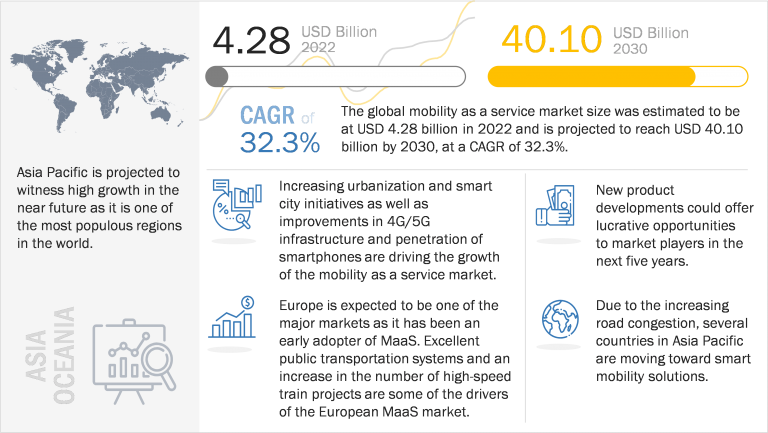
Mobility on-demand (MOD) services have already revolutionized the transport industry with their various offerings such as e-hailing, car sharing, and car rental services. However, the ride-sharing industry has seen its own set of challenges like profitability & sustainability of transport network companies, resistance from traditional transport services, local strikes of drivers, and lastly, the Covid-19 pandemic.

How Mobility-as-a-Service is different than Ride Sharing?

According to the MaaS Alliance, “Mobility-as-a-Service is an integration of various forms of transport and transport-related services into a single, comprehensive, and on-demand mobility service. MaaS offers end-users the added value of accessing mobility through a single application and a single payment channel (instead of multiple ticketing and payment operations). To meet a customer’s request, a MaaS operator hosts a diverse menu of transport options, including (but not limited to) public transport, active modes such as walking and cycling, ride/ car/bike-sharing, taxi, and car rental or lease, or a combination thereof.”

MaaS has all the transport options – from public transport to car rental to bike/car sharing, making it a suitable, affordable, and convenient way of transport. With factors such as growing smart cities worldwide, improvements in 4G/5G infrastructure, and stringent targets to reduce CO2 emissions, the Mobility-as-a-Service would see further growth in coming years.

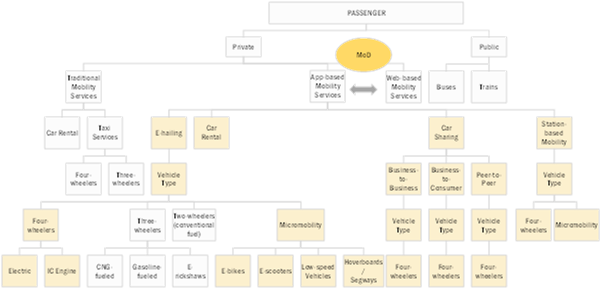
FIGURE 1 Mobility-as-a-Service Ecosystem

Source: Secondary Research, Interviews with Experts, and MarketsandMarkets Analysis

Increase in Smart City Initiatives, and investments in the road & rail infrastructure!

With the increase in the urban population and traffic congestion, investments in rail and road infrastructures are on the rise. Countries are now focusing on inter-city public transport systems such as intra-city buses, metros, light rail, and high-speed rail.

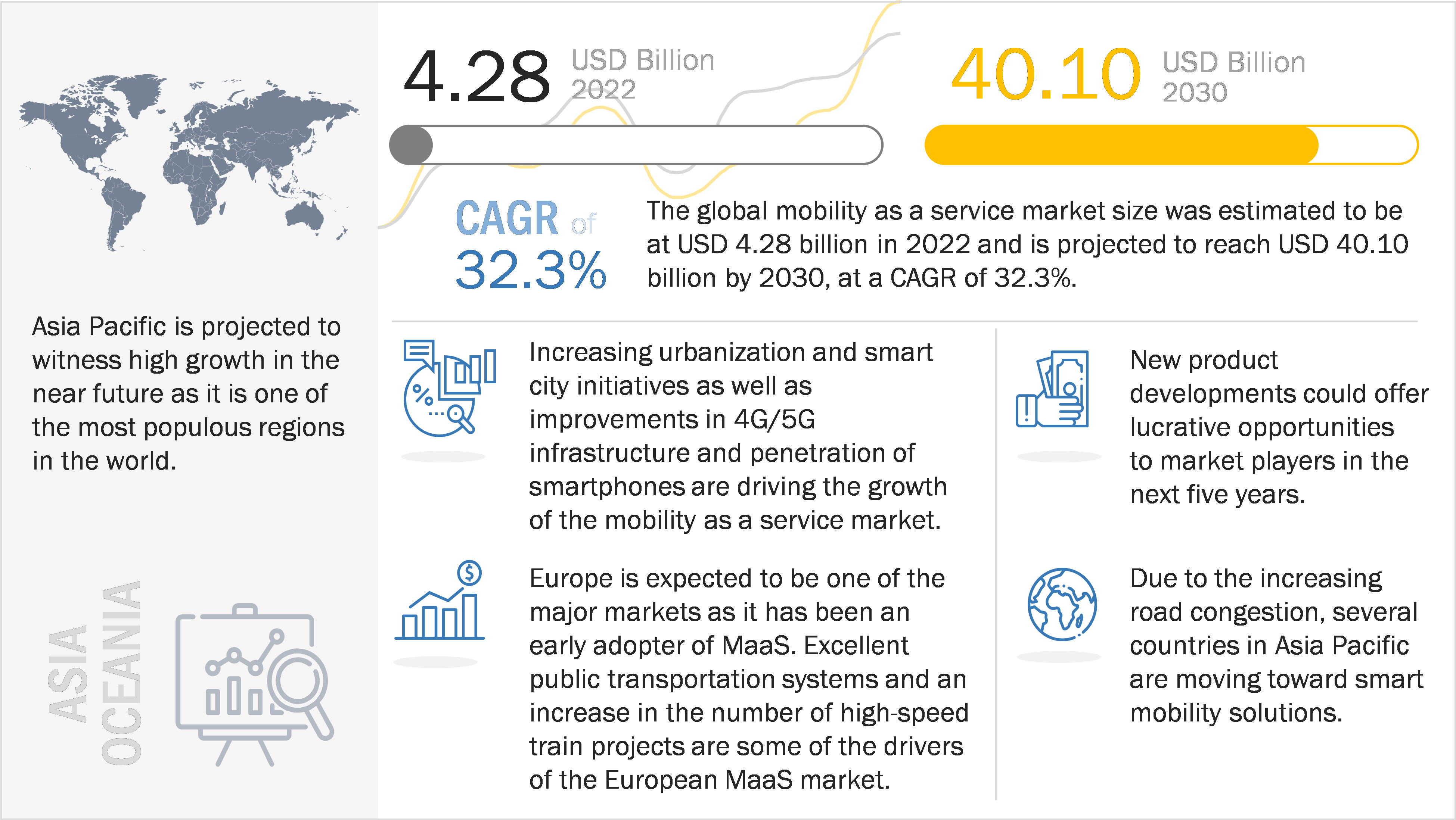
MaaS implementation is further driven by the emerging focus on smart city initiatives. According to the European Commission, the smart cities project market is expected to exceed USD 2 trillion by 2025, with Europe speculated to have the highest investment globally. Countries are formulating new regulations to encourage the use of MaaS in transportation. For instance, the Finnish Act on Transport Services that came into force in 2018 aims to promote the implementation of MaaS, among other things. France is also at the forefront of the development of new mobility schemes and MaaS models. On 19th November 2019, the French Parliament adopted the Mobility Orientation Act, covering all aspects of terrestrial transportation: individual and shared cars, carpooling, buses, railways, and chauffeur-driven vehicles, along with micro-mobility such as rental bikes or electric scooters.

FIGURE 2 increasing smart city initiatives WORLDWIDE to drive market

Opportunities in the Mobility-as-a-Service ecosystem

MaaS can promote eco-friendly transportation options like electric vehicles, reducing emissions and congestion in urban areas. Electric mobility as a service (eMaaS) is gaining traction within the MaaS ecosystem. It combines highly innovative technologies and new business models to create conditions for the large-scale adoption of electric vehicles. Offering consumers attractive subscriptions for multimodal transportation can create new opportunities in the market. For instance, in 2020, Tesla presented the concept of a robo-taxi as part of a broader vision for an autonomous ride-sharing network. It estimates that running a robo-taxi will cost around USD 0.18 or less per mile; this challenges the USD 2–3 cost per mile of gasoline-powered ridesharing vehicles.

The use of big data services could also generate new opportunities for adjacent players like analytics companies. MaaS offerings can be lucrative for companies and transport authorities to invest in these new technology platforms to help manage these trends. This will help deliver information in real-time to help avoid congestion and delays and enable customers to choose travel options according to specific travel needs. For instance, Moovit Inc. owns and manages the world’s largest repository of transit data, generating hundreds of millions of data points a day. The Moovit analytics tool combines multiple data sources, including anonymized aggregated data from Moovit users, to provide detailed insights into the way people move around cities. Moovit amasses up to 6 billion anonymous data points a day to add to the world’s largest repository of transit data.

MaaS applications can also include Freight Brokering, which enables shippers and carriers to connect on-demand to ship-specific loads. Freight brokers add value by acting as a demand/ supply aggregator, creating transparency in load management, and reducing friction for shippers and carriers. Existing players in this area include Transfix, Convoy, and Uber Freight, which provide apps that serve as an aggregated marketplace. Thus, there is a huge opportunity for MaaS application providers to integrate on-demand ferry and freight services into their service offering to open up new revenue streams

Conclusion:

The increasing need to reduce carbon emissions and awareness of environmental issues have driven a growing interest in sustainable transportation options. MaaS promotes the use of shared mobility services, electric vehicles, and public transit, which are generally more eco-friendly than private car ownership. Integrating public transport and various on-demand transport services, such as ride-sharing, bike sharing, and car-pooling etc. allow passengers to complete their entire commute without using their vehicles, and this is an important aspect of the mobility mix. Ride-hailing services are likely to witness the growth of rates upward of 30% annualized. Several established OEMs are getting involved in car-sharing initiatives. Incorporating both car-sharing and car rental services within the MaaS framework enhances the diversity of transportation options available to users, catering to a wide range of travel needs and preferences.

Further, micro-mobility services such as bicycles (regular and electric), scooters, and small electric cars are gaining popularity as these are efficient and effective solutions for first-mile and last-mile commutes. The increasing population and traffic in cities will drive commuters to use more metros and high-speed trains, resulting in significant opportunities for MaaS service providers to integrate trains into their service platforms

5G network and better telecom infrastructure are expected to pave the way for a revolution in cities and inter-city mobility. Wireless communication technologies (such as DSRC) can help improve traffic safety and increase traffic flow throughput. With onboard units (OBU), connected and automated vehicles (CAVs) can reduce the driver’s perception-reaction time and improve safety. The increasing penetration of smartphones with efficient telecom infrastructure will not only assist vehicle platooning for MaaS but also assist in seamless navigation and payment services through MaaS mobile applications.

Author:

Amey Amanaji

Associate Director, MarketsandMarkets Research Pvt Ltd.

Egypt eyes cooperation with Belarus on electric bus production


Egypt Minister of Transport held talks with the Belarusian ambassador to Cairo to discuss establishing an electric bus factory in Alexandria’s Borg Al Arab as well as modernizing state-owned workshops that carry out maintenance for trucks.

Alarabia for Trading, Manufacturing, and Transportation Services (ATM Misr) and China’s King Long launched in February a factory for the production of buses and other types of vehicles with investments worth LE1 billion.

The factory spans over 164,000 feddans, its production capacity in the first year is 500, and provides employment for 12,000. The local component is 60%, and the production will be targeted at GCC countries and North Africa.

In a similar context, the Ministry of State for Military Production announced in June 2021 finishing the production of the first locally made electric bus in collaboration with Manufacturing Commercial Vehicles Co. (MCV), a private firm that has been producing buses for 25 years.

The minister clarified that the local component in that bus was 60%. He elaborated that the design was made by Egyptian engineers, and that the exterior and interior of the skeleton were manufactured in Egyptian factories. Those include windows, tires, chairs, fibers, and the metal body.

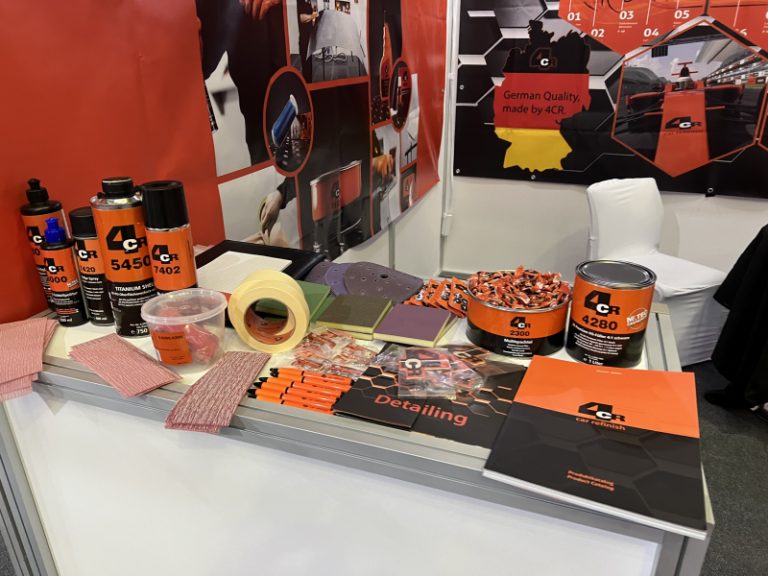
4CR: A premier brand in the refinishing market


4CR is a distinguished name in the automotive industry, serving as a strong system supplier for car refinish products. With a deep commitment to innovation, quality, and customer satisfaction, 4CR has established itself as a reliable partner for businesses involved in vehicle refinishing. Their comprehensive product range and unwavering dedication to excellence have positioned them as a preferred choice in the market.

Africa Automotive News conducted an exclusive interview with Marc Drews, Key Account – Marketing Manager at 4CR and he reveals their unwavering commitment to manufacturing quality product solutions and their dedication to continuous improvement.

[YUMPU epaper_id=”68440189″ width=”512″ height=”384″]

AA: What are your major product solutions?

MD: At 4CR, we offer a complete suite of product solutions tailored to every step of the car refinish process. Our portfolio includes advanced sanding solutions, specialized putties, fillers and clearcoats, efficient application tools, and comprehensive support materials. From abrasives to polishing products and everything in between, we provide the tools necessary to achieve exceptional finishes while maximizing efficiency.

AA: Recently, you participated in an auto exhibition in Kenya, was it your first exhibition in Africa? How was your experience in the Kenyan market?

MD: Yes, our recent participation at the AutoExpo in Kenya marked our entry into the African market. The experience was incredibly positive, allowing us to engage with industry professionals, understand market dynamics, and showcase our product excellence. The response from the Kenyan market was enthusiastic, which reaffirmed our belief in the potential of the African automotive refinish market.

AA: How would you describe Africa’s refinishing market potential?

MD: Africa’s refinishing market holds immense potential. The continent’s growing automotive industry, coupled with an increasing demand for high-quality vehicle finishes, presents numerous opportunities. As economic and infrastructural developments continue, the need for efficient, cost-effective, and durable refinishing solutions becomes more pronounced.

AA: When working on a vehicle refinishing task, what is the most important thing to remember?

MD: In vehicle refinishing, attention to detail is paramount. Each step, from surface preparation to the final clearcoat, must be executed meticulously. A thorough understanding of the specific requirements of each vehicle and the environment in which the refinishing is taking place is essential to achieve a flawless, long-lasting finish.

AA: How do you ensure that you maintain a high quality refinishing products for your customers?

MD: Maintaining high-quality refinishing products is central to our mission. We achieve this through rigorous quality control processes at every stage of production. Our research and development team continuously explores new materials and technologies, ensuring that our products remain at the forefront of innovation and performance.

AA: How do you stay up-to-date with the latest advancements in auto refinishing technology?

MD: We stay up-to-date with the latest advancements in auto refinishing technology through active engagement with industry research, attending global automotive expos, collaborating with research institutions, and maintaining a robust network of partnerships with other leaders in the field.

AA: Are there market challenges that you face? If yes, what is your approach?

MD: Market challenges are opportunities for growth. We approach challenges as chances to innovate and better serve our customers. By actively seeking feedback, adapting to changing market needs, and investing in research and development, we turn challenges into catalysts for progress.

AA: What makes you the best manufacturer in the refinishing market?

MD: What distinguishes 4CR as a premier brand in the refinishing market is our unwavering commitment to quality, our comprehensive range of products, our dedication to continuous improvement, and our personalized customer support. We offer not just products, but holistic solutions that empower our customers to achieve exceptional results.

AA: What training programs do you have in place?

MD: 4CR takes pride in supporting our partners beyond just product supply. We offer comprehensive training programs that cover the correct usage of our products, application techniques, safety protocols, and emerging trends in the automotive refinishing industry. These programs are designed to enhance the skills and knowledge of technicians and contribute to the overall success of our clients.

Bus Tyre Inflation


Following manufacturer’s indication on tyre pressure levels is a very critical and vital task to keep up with. The air pressure in tyres supports the entire weight of the bus, and this calls for a regular monitoring of the vehicle’s tyre pressure levels. This will help in maintaining the correct tyre pressure that will help in keeping you, persons on board and other road users safe. Correct tyre inflation improves the vehicle performance; cuts fuel costs and ensures that you are receiving the most lifespan out of your bus tyres. When considering tyre maintenance, the type of bus tyre used cannot be overlooked.

“The air inside a tyre carries the load of the vehicle. Underinflation causes damage to the side-wall of the tyre, increases heat build-up, and eventually a tyre failure,” says Lee Demis, Vice President of Business Development at Doran Manufacturing.

How Bus Tyre Pressure Affects Handling, Safety, and Fuel Consumption

Proper bus tyre pressure significantly improves vehicle handling, enhances passenger comfort and safety, strengthens braking performance, and greatly reduces fuel consumption. An incorrect inflation pressure level intensifies the fuel consumption, escalates the rolling resistance of tyres that could lead to an unfortunate incident. Furthermore, the quality and condition of the bus tyre directly influence overall operational efficiency.

“Proper tyre inflation pressure is critically important for safe operation of buses. Just recently, a bus crash in the United States injured 12 people when a tire blew out. The driver lost control of the vehicle, and the bus landed on its side,” says Demis. “Thankfully, everyone survived this incident,” he clarifies.

Additionally, according to Andre Gerken, General Manager at Celerity DRS GmbH, the correct tyre inflation has a huge impact on the road safety and operating costs of a vehicle. “Consider that the tyres are the only connection between the vehicle and the road. Therefore, a wrong tyre pressure can directly influence the handling and the brake performance of the vehicle. With a low tyre pressure more of the tyre surface contacts the road, which increase the drag and the result is a higher tyre wear and fuel consumption,” articulates Gerken. Notably, consistent care of each bus tyre is essential for optimum safety and cost control.

Also Read: How Automatic Tyre Pressure Systems Support Sustainability in Fleet Management

The Tyre Pressure Monitoring Systems (TPMS)

Drivers often overlook tyres, and this neglect can lead to fatal road accidents, property damage, and loss of life. However, tyre pressure monitoring systems (TPMS) significantly reduce these risks by detecting pressure and temperature issues early, helping prevent vehicle damage, accidents, and loss of life. Incorporating TPMS systems for every bus tyre can provide enhanced detection capability for safety.

“Tyre pressure monitoring systems can monitor both pressure and temperature, and alert drivers to underinflation and critical high temperatures before catastrophic tyre failures occur. Bus operators can improve the safety of their vehicles and improve the efficiency of their fleet by properly utilizing TPMS,” counsels Demis.

“With the help of a tyre inflation system, the correct pressure can be always ensured, while stationary or in transit,” adds Gerken.

Also Read: Regularly Check Your Tyre Pressure and Inspect Your Tyre Tread and Sidewalls

Dual Tyres and the Hidden Risk of Underinflation

Conferring to Paul Webber, the General Manager of Mavtech, under inflation becomes an especially serious problem when the inside tyre of a set of duals begins losing pressure. In some cases, both tyres fail with very dangerous consequences. Webber further elaborates on the importance of proper bus tyre inflation and its impact on the vehicle safety and handling performance. Dual bus tyre sets can carry hidden risks when underinflated.

i. Better tyre mileage

Improper inflation accounts for 80% of re-tread separations, cuts, bruises, flats and blowouts. Under inflation of only 5 PSI reduces tyre life by a shocking 25%. To maximize longevity, each bus tyre must be properly inflated.

ii. Less down time

Tyre Pressure System virtually eliminates the need for costly road service calls and expensive down time. If a tyre is punctured, the tyre pressure system continues to inflate it while simultaneously alerting the driver to the issue. He’s then aware of the situation and can continue on to his destination or plan to stop for service. In particular, for bus tyre maintenance, this reduces downtime effectively.

iii. Better fuel economy

For every PSI of under inflation, your vehicle consumes 0.8% more fuel. Talk about giving your budget a boost! Having properly inflated bus tyre sets helps save on fuel expenses.

iv. Increased safety

Under inflated tyres is a major cause of truck and bus accidents on highways. Proper inflation is the most important requirement for maximum tyre safety. Correct tyre pressure provides proper sidewall flexing and safe operating temperature of the tyres. Keeping every bus tyre at the right pressure level increases highway safety.

Commercial vehicles, such as trailers, trucks, buses and coaches face constant operational challenges due to varying duties and frequent load changes throughout a typical day. Tyres play a critical role in ensuring smooth and reliable bus operation, and they cannot perform as designed when operators use incorrect air pressure. Both underinflated and overinflated bus tyres compromise safety and significantly increase operating costs. To avoid these risks, it’s important to routinely check every bus tyre for pressure accuracy.

As a core safety and performance component, operators must maintain correct tyre pressure at all times, whether the vehicle is parked or in motion. Proper inflation supports consistent performance regardless of load, speed, or road conditions. Most importantly, correct bus tyre pressure protects passengers, pedestrians, and other road users. Maintain the right tyre pressure at all times to ensure safety, efficiency, and reliability. In summary, focusing on bus tyre care is essential for performance and safety on the road.

Read More: 
- Advertisement -