Tuesday, June 2, 2026
Home Blog Page 17

Rymax Lubricants: A Trusted Brand in the Lubricants Industry


Rymax Lubricants is a well-established lubricants brand from The Netherlands that has built a strong reputation based on 37 years of delivering high-quality lubricants. The company offers an extensive portfolio of products that covers various ranges and segments. The African market has been a major source of success for Rymax Lubricants since the early years of the company, being able to establish a strong presence and building a loyal customer base in the African market.

Over the last decades there has been a clear increase in global demand for high quality engine lubrication for several reasons. Durability might be the most important of these reasons: being able to trust on your vehicle, for your day to day operations and movement and thereby increasing efficiency and effectivity is considered to be a leading reason to invest in quality. As vehicle ownership increases in Africa, the demand for high quality lubricating products is also increasing. Rymax Lubricants is set to continue being a leader in the lubricants industry, delivering top-quality products to its customers.

Rymax Lubricants is committed to ensure the best quality lubricants that extend vehicles lifetime and reduce breakdowns for passenger, light commercials and heavy commercial vehicles. The product assortment of mineral, semi synthetic and full synthetic lubrication products is developed with a clear focus: supplying approved formulations from reputable Original Equipment Manufacturers (OEM’s) like Mercedes-Benz, BMW and Volkswagen to name a few. These approvals indicate that the materials used in the products come from reliable suppliers, and they have been through extensive engine testing to ensure high quality.

Managed from the headquarters in the Netherlands, the Product department works closely with research and development teams to continuously improve existing products and develop new ones that addresses the emerging lubricating needs in the market. This requires a deep understanding of customer requirements, as well as collaboration with OEMs to ensure that Rymax Lubricants products are compatible with the latest vehicle technologies.

“We must constantly stay ahead of industry trends and technological advancements to ensure that our products meet the highest standards and exceed customer expectations” emphasized Mr. Krishna Kumar Orakkan, Head of Product Management at Rymax Lubricants.

“Based on our customers’ feedback, we develop and offer the most suitable lubrication solution which will either be sourced from our existing assortment, or developed specifically for the customers’ request at hand, taking OEM recommendations, local driving conditions and price into account whilst remaining as flexible as possible. Analysing customer and country specific needs is always our starting point. By challenging ourselves, we improve every day,” adds Orakkan.

For Rymax it is not only about continued optimization and development of quality products, providing extensive service, education, support and warranty is equally important.

“We go the extra mile in offering the most suitable and qualitative engine lubricating products, and when a customer uses our products, our expertise and support really becomes of added value” continues Orakkan. “Based on the feedback we receive from our local distributors who are in constant contact with the customers driving and operating on the African roads, we optimize our offering and gratefully accept the challenge to improve our products and services, to suite our customers’ performance needs.

At Rymax Lubricants, having satisfied customers and end-users in the passenger, commercial and heavy duty segment, is a major motivator to consistently provide high-quality lubricants that meet and exceed the expectations of our valued customers and at the same time retain high customer satisfaction.

Commercial Director Mr. Erik Vermeer adds: “We understand that choosing the right lubricant for your specific vehicle model can be a challenging task, which is why we have developed a powerful tool called the Oil Advisor that can be found on www.rymax-lubricants.com. The Oil Advisor is an innovative tool that links the Rymax product assortment to the global OEM’s. With just a few clicks, customers can obtain a professional report that recommends the lubrication points and products for the specific vehicle or car model within all common segments.”

The Oil Advisor tool uses OEM data directly from the manufacturers, ensuring that the lubrication recommendations that are provided are guaranteed to be accurate and reliable.

As Rymax Lubricants expands into new markets, segments and niches, the company remains committed to providing its customers with the highest quality lubricating products and services. With focus on innovation and data management, the company is well-positioned to meet the evolving needs of its customers and maintain leadership in the automotive lubricants industry.

Rymax Lubricants’ commitment to quality, innovation, and customer satisfaction is what sets it apart from its competitors, and it is this commitment that will continue to drive success in the future.

Cybersecurity Risks on Vehicle Tracking Systems


Vehicle tracking systems use a combination of technologies like GPS, cellular communication, and sensors to keep tabs on your wheels. They can be used for vehicle management and even recovery in case of theft. However, the convenience and efficiency of these systems also come with the potential for cybersecurity threats, where malicious actors can infiltrate and manipulate sensitive data.

As technology continues to advance, so do the capabilities of hackers. They look to exploit vulnerabilities in vehicle tracking systems. With the increasing interconnection of vehicles and the internet, the need for robust cybersecurity measures is more important than ever. Vehicle tracking systems are becoming more sophisticated. Therefore, the risk of cyber attacks targeting them is on the rise.

Types of Vehicle Tracking Technologies

Various types of vehicle tracking technologies are available in the market today, including GPS tracking, cellular tracking, RFID tracking (Radio Frequency Identification) and satellite tracking. These technologies utilize different methods to track vehicles and provide valuable data to individuals or fleet managers.

Types of Hacking Attacks

Moreover, car owners and businesses need to be aware of the various types of hacking attacks that can target their vehicle tracking systems. This awareness helps them implement robust cybersecurity measures to protect their assets and data.

For instance, hacking attacks on vehicle tracking systems can range from GPS spoofing to malware injections. These enable hackers to manipulate data or even take control of vehicles remotely, turning your assets into a puppet on their malicious strings. In addition, hackers can launch denial-of-service attacks to jam the system. Alternatively, they might go for a more personal touch with identity theft.

Methods Used by Hackers

Ever wondered how hackers wriggle their way into places they shouldn’t be? Well, it is because hackers can exploit software vulnerabilities, intercept communication channels, or deploy social engineering tactics to gain unauthorized access. They compromise vehicle tracking systems’ security by tricking users into giving up sensitive information. Moreover, they can eavesdrop on the communication between the system and the cloud.

Common Vulnerabilities in Vehicle Tracking Systems

Common vulnerabilities in vehicle tracking systems includes weak authentication mechanisms, lack of encryption, insecure network connections, and outdated software that are susceptible to cyber attacks.

Vulnerabilities in Legacy Systems

One of the major challenges in securing vehicle tracking systems is addressing vulnerabilities in legacy systems. These systems may not have robust cybersecurity measures in place. Outdated software, lack of encryption, and insecure communication protocols can make these systems susceptible to attacks. If hackers can easily bypass these security measures, they could stroll right into the system and wreak havoc without breaking a sweat.

Integration with Third-Party Applications

Another challenge is the integration of vehicle tracking systems with third-party applications and services. This integration can introduce additional security risks. Ensuring secure data exchange, implementing access controls, and conducting regular security audits are essential. These measures safeguard the integrity of these integrations.

Communication between different parts of a vehicle tracking system needs to be secure. If hackers intercept or manipulate these communications due to insecure protocols, things can get messy fast. Not only can insecure communication protocols lead to potential breaches, but they can also open the door for hackers to manipulate data and cause chaos. The messages being sent between different components of the system can be distorted. As a result, it leads to confusion and potential security vulnerabilities. This lack of secure communication can ultimately result in a breakdown of trust between the system users and the company providing the service.

Also Read: Vehicle Tracking Devices Market in Africa

Impact of Cybersecurity Breaches on Vehicle Tracking Systems

Cybersecurity breaches in vehicle tracking systems can include ransomware attacks, data breaches, GPS spoofing, and unauthorized access to sensitive information. These breaches can compromise the integrity and security of the systems, putting both data and vehicle operations at risk.

Safety Risks Posed by Hacking Attacks

Hacking attacks on vehicle tracking systems can compromise driver safety. This is due to causing vehicle malfunctions, putting lives at risk on the road. Cybersecurity breaches can disrupt vehicle tracking functions, leading to inaccurate location data and communication breakdowns. These breaches between vehicles and control centers can cause delays in response to emergencies. This disruption can hinder movement and compromise safety.

Financial Losses and Legal Ramifications

Security breaches in vehicle tracking systems can result in financial losses due to theft, vehicle downtime, or damage. Operational disruptions and reputational damage can impact businesses and erode customer trust. From unauthorized access leading to theft or sabotage to legal fines for not protecting user data, the financial consequences can be harsh.

Also Read: Driving Safety Tips Every Driver Should Know

Best Practices for Securing Vehicle Tracking Systems

Vehicle tracking systems have become indispensable tools for businesses and individuals. They seek to enhance fleet management, improve operational efficiency, and ensure the security of their valuable assets. With a proactive approach to security, businesses and individuals can enjoy the benefits of vehicle tracking technology while minimizing cybersecurity incidents.

Implementing Strong Access Controls

When securing your vehicle tracking systems, you want to keep out unwanted guests. Implement strong authentication methods and limit access to only essential personnel. Regularly review and update user permissions to prevent unauthorized entry into your tracking system.

Regular Security Audits and Updates

Just like you wouldn’t drive your car without regular maintenance, you shouldn’t leave your vehicle tracking system vulnerable to cyber threats. Regular security audits and updates are key to staying one step ahead of hackers.

Developing an Incident Response Plan

Having an incident response plan is like having a fire escape route in your home. Be prepared for the worst-case scenario by outlining steps to take in case of a security breach or system failure. Test your response procedures, learn from any hiccups, and continuously improve to ensure your system stays secure. Develop a detailed plan outlining roles, responsibilities, and steps to take in case of a hacking attack on your vehicle tracking system.

Effective Recovery Measures

When recovering from a hacking attack, you need to act swiftly and efficiently. Therefore, implement backup and recovery mechanisms to restore your tracking system’s functionality quickly after a security breach. Finally, learn from each incident to improve your recovery strategies and strengthen your system’s resilience against future attacks.

Securing Tracking Devices in Vehicles

To begin with, secure your tracking devices in vehicles out of sight from prying eyes. Additionally, make sure the devices are securely installed and not easily accessible to prevent tampering or theft. Furthermore, protect the devices with physical barriers, alarms, or GPS signal jammers to deter any troublemakers.

Regulatory Framework and Compliance for Vehicle Tracking Cybersecurity

It is important to understand and comply with regulations governing vehicle tracking cybersecurity. Stay informed about industry-specific standards and regulations to ensure your tracking system meets the necessary security requirements. Protecting your vehicle tracking system from cyber threats is essential.

Also Read: Importance of GPS Vehicle Tracking in Fleet Management

Future Trends in Cybersecurity for Vehicle Tracking Systems

Advancements in intrusion detection systems help keep cyber threats at bay before they can cause any mischief. These technologies can analyze tons of data faster. This helps to detect and neutralize threats before they even realize they’ve been caught. Safeguarding vehicle tracking systems from cybersecurity breaches is paramount in ensuring the smooth and secure operation of vehicles. Implementing robust security measures, staying compliant with regulations, and staying ahead of emerging threats are crucial steps. Individuals and organizations can mitigate risks and protect their assets effectively. While the technology continues to progress, vigilance and a proactive approach to cybersecurity will be key. This approach safeguards the integrity and reliability of vehicle tracking systems in the ever-changing landscape of digital threats.

By Dorcas Kang'ereha

The impact of technology on modern automotive design


From the early days of manual drafting to today’s sophisticated digital design tools, the evolution of automotive design has undergone a monumental transformation in recent years.

Driven by the relentless of technological advancements, that are reshaping the way vehicles are designed, manufactured, and operated, designers can work on Computer-Aided Design (CAD) software and 3D modeling tools to bring their creations to life.

The precision and flexibility offered by CAD and 3D modeling software allow for quicker iterations and more creative exploration. With the ability to create detailed digital models, designers can easily test different variations and configurations before committing to physical production.

Accuracy and Efficiency

CAD and 3D modeling have revolutionized the automotive design process. Designers can now visualize concepts in a virtual space, making adjustments with a few clicks. Unlike the traditional sketches and clay models, design process has significantly reduced in terms of time and associated costs. This level of accuracy and efficiency has opened the door for more innovative and cutting-edge designs in the automotive industry.

Enhance Safety and Convenience

As technology continues to advance, the integration of ADAS (Advanced Driver Assistance Systems) in vehicle development has revolutionized the way we drive.

With features that enhance safety and convenience, drivers can now rely on these systems to assist them on the road. However, apart from improved driving experience, ADAS has set a stage for further advancements in automotive technology.

Virtual Test Drives

With the Virtual Reality (VR) possibilities, automotive designers have a chance to immerse themselves in virtual environments, for them to test drive designs before they even hit the road. Creating virtual prototypes and simulations, identifying potential flaws and make necessary adjustments before physical production begins, VR has revolutionized designing approach that was previously unimaginable.

Collaboration and Communication in Global Design Teams

Thanks to technology, designers can easily connect with team members across different time zones and work together seamlessly in real-time, making the design process more efficient and effective. Virtual meetings, shared design tools, and real-time communication have turned global collaboration into a diverse pool of talent and creativity, resulting in innovative and trailblazing designs.

Data-driven insights

Having the power to analyze data and predict trends, automotive industry is embracing artificial intelligence to revolutionize the design process. Designers are able to streamline their workflow and make more informed decisions based on data-driven insights, for a more innovative and efficient design implementation. AI helps designers create personalized vehicles that cater to individual preferences.

Enhanced Safety and Performance

Integration of sensor technologies in cars can detect obstacles, and enhance safety features like automatic emergency braking.

Fuel Efficiency

Lightweight materials improve fuel-efficiency in cars. For instance, materials like carbon fiber and aluminum, improve performance without weighing the vehicle down.

Crashworthiness

Designers use innovative approaches like crumple zones and advanced materials to ensure vehicles protect occupants during accidents.

Greener Future

From utilizing recycled materials to implementing eco-friendly manufacturing processes, technology has revolutionized how automotive designers approach sustainability. The digital era has paved the way for a greener future in automotive design.

Reduction in Carbon Footprint

Technology advancement allows automotive designers to optimize vehicle structures and components to reduce carbon emissions. Every design element is carefully crafted to minimize environmental impact.

Challenges and Opportunities in Green Automotive Design

While the shift towards eco-friendly automotive design is promising, designers face challenges such as balancing sustainability with safety and performance standards. However, these challenges have also opened up opportunities for innovation and creativity in creating greener vehicles for the future.

Emerging Technologies Shaping the Future of Automotive Design

As automotive technology advances at high speed, the influence on modern automotive design is expected to further revolutionize the way vehicles are conceptualized and developed.

With a focus on innovation, safety, sustainability, and efficiency, designers are constantly exploring new ways to integrate these technologies seamlessly into vehicle designs, setting the stage for a futuristic and connected driving experience.

The journey towards smarter, greener, and safer vehicles powered by cutting-edge technologies is a testament to the transformative impact of technology on the automotive industry.

Nonetheless, looking towards the horizon of automotive design, one thing is certain – technology will continue to be a driving force in shaping the vehicles of tomorrow. The fusion of innovation, sustainability, and user-centric design will yield a new era of automotive excellence.

The future holds endless possibilities, and embracing these advancements, the automotive industry stands poised to revolutionize the way we move and interact with our vehicles. Exciting times lies ahead as we all witness the ongoing impact of technology on modern automotive design.

How vehicle modification may affect your private auto cover


Vehicle modification and upgrades have become increasingly popular among automobile enthusiasts, allowing individuals to personalize and enhance the performance of their vehicles. From sleek spoilers to roaring exhaust systems, the modification trends are constantly evolving. However, what many owners may not realize is how these modifications can impact their insurance cover under a private policy.

Upgrades such as engine enhancements or body modifications can affect the value of your vehicle and potentially increase the cost of your insurance premium. It’s important to inform your insurance provider of any modifications made to your vehicle to ensure you have the proper coverage in case of an accident or any unforeseen circumstance.

Reasons for Modifying Vehicles

People modify their vehicles for a variety of reasons. What was once considered a cutting-edge can quickly become outdated as new styles and technologies emerge. Some want to boost performance and speed, while others prefer a more personalized look. Whether it’s for practicality or aesthetics, vehicle modifications allow owners to customize their cars to suit their unique tastes and needs.

Common Types of Vehicle Upgrades

Whether you’re looking to improve your car’s performance on the road or simply want to turn heads with a sleek new look, there are plenty of options to choose from and the possibilities are endless. From engine upgrades to custom paint jobs, modifications are vast and exciting in making your car truly one-of-a-kind.

Performance Enhancements

From turbocharged engines to upgraded suspension systems, performance enhancements can turn your sedan into a speed ace. Just remember, with great power comes higher insurance premiums. However, make sure that your vehicle is capable to handle the increased power and speed. Upgrading your brakes, tires, and other essential components is just as important as adding performance enhancements to prevent any potential safety hazards on the road. Remember, it’s not just about looking cool – it’s about driving smart and staying safe.

Visual Modifications

Visual modifications like custom paint jobs, body kits, and aftermarket wheels allow owners to express their liking, however, these modifications can increase your insurance premium. Insurers often view modifications as an increased risk factor, as they can potentially affect the performance and safety of your vehicle. So, before you go all out with customizations, make sure to check with your insurance provider to understand how these changes may impact your coverage and rates.

Interior Upgrades

Interior upgrades such as premium sound systems, customized upholstery, and high-tech gadgets can transform your car’s cabin into a luxurious oasis on wheels. Nevertheless, certain high-tech gadgets may be considered distractions and could affect your coverage in the event of an unfortunate incident.

Impact of Modifications on Auto Insurance Coverage

It’s not all fun and games when it comes to insuring a modified car. Insurers may view certain modifications as increasing the risk of accidents or theft, leading to higher premiums or even coverage denials.

Factors Influencing Coverage Changes

Factors such as the type and extent of modifications, the value of the vehicle, and the driver’s history can all influence how modifications affect auto insurance cover. It is important to understand these factors before making any changes to your car, as well as weigh the potential benefits against the potential drawbacks and make informed decisions that align with your needs and budget.

Understanding Coverage Limitations and Exclusions

It’s important to know what may not be covered when it comes to your tricked-out ride. Before you decide to add that turbocharger or lift kit to your car, take the time to review your insurance policy and understand how these modifications could impact your coverage in case of an accident. Being proactive and informed, you can avoid any potential headaches down the road.

Typical Exclusions for Modified Vehicles

Insurance policies may have exclusions for certain modifications, such as engine swaps or extensive performance upgrades. Make sure you’re aware of these exclusions to avoid any surprises in the event of a claim. Before you hit the road with your newly modified vehicle, it’s important to inform your insurance provider of any changes you’ve made. Failure to disclose modifications could result in your policy being voided or claims denied. When you are transparent about the upgrades you’ve made, you can ensure that you have the proper coverage in place for your modified vehicle. Surprises are best left to birthday parties, not when filing a claim.

Process for Updating Insurance Information

Just give your provider a call, send them an email, or use their online portal to detail the changes. Procrastination won’t make your coverage magically adjust itself, so you better get on it! Review your policy to ensure it adequately protects your upgraded preference. Also consider a comprehensive cover to your policy. This will protect your cover from non-collision mishaps like theft, terror attack or vandalism.

Legal Implications of Unreported Modifications

Honesty is the best policy – especially when it comes to insurance. Failing to report modifications could lead to denied claims or even accusations of insurance fraud.
It is essential for every car owner to know how vehicle modifications and upgrades can influence your auto insurance cover. Understanding the potential implications and taking the necessary steps to communicate changes to your insurance provider, you can be sure that you have the right level of coverage to safeguard your investment. Remember to review your policy regularly and make adjustments as needed to adequately protect your modified vehicle and enjoy peace of mind on the road.

By Claudia Mangi

FUTURE OF BATTERIES MARKET


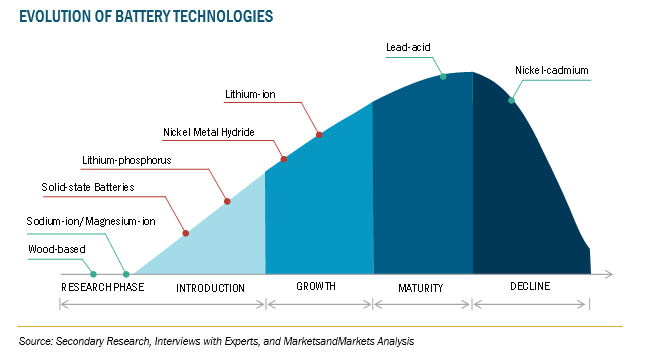
The future of battery technology is set to revolutionize the EV industry, heralding an era of unprecedented efficiency, sustainability, and performance. Electric vehicles predominantly use lithium-ion batteries, with chemistries like NMC, and LFP offering different trade-offs in energy density, cost, and safety. Battery technology is continuously evolving, with high-nickel NMC, cobalt-free, and LFP batteries addressing the demand for better performance and sustainability. Manufacturers supply battery cells, modules, or complete packs to OEMs, who integrate them into vehicles. When batteries can no longer hold sufficient charge, recycling becomes crucial. Recycling processes aim to recover valuable materials like lithium, cobalt, nickel, and manganese to reduce the environmental impact and lower the cost of new batteries. Advancements in recycling technologies are essential to ensure the sustainability of the growing EV market. Emerging battery chemistries such as sodium-ion and solid-state batteries promise faster charging, higher energy densities, and improved safety, representing the future of EV energy storage solutions.

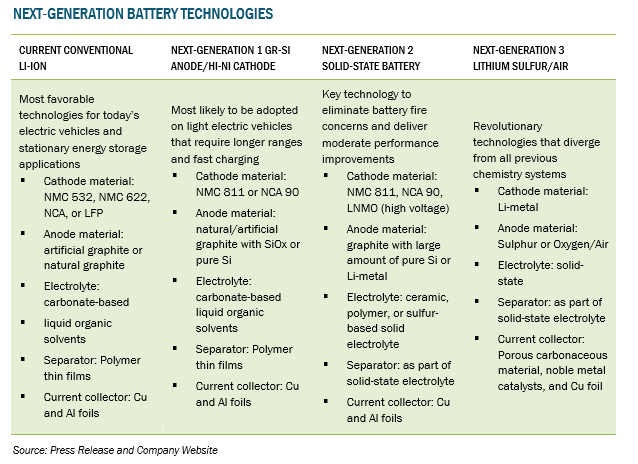
The table below covers some of the new upcoming technologies in the EV battery Ecosystem. BATTERIES MARKETThe EV industry has rapidly evolved with ongoing developments in design, features, engineering, and battery technology. Recent advancements in the EV market have resulted in the introduction of batteries with higher standards. While these batteries are expected to improve EV performance and range, factors such as the limited range of EVs, the significant charging time required, the high price of EV batteries, and the limited availability of charging stations make users hesitant to choose EVs over ICE vehicles. As a result, EV battery makers are concentrating on overcoming these challenges by developing new batteries with creative, fast, and rapid charging technologies.

The future of batteries market is dominated by established players such as CATL (China), LG Energy Solution Ltd. (South Korea), BYD Company Ltd. (China), Panasonic Holdings Corporation (Japan), and SK Innovation Co., Ltd. (South Korea) and others. These companies manufacture batteries and develop new technologies. For instance, In July 2023, China’s BYD Company Ltd. (China) proposed a USD 1 billion investment in India to establish manufacturing facilities for electric vehicles and batteries.

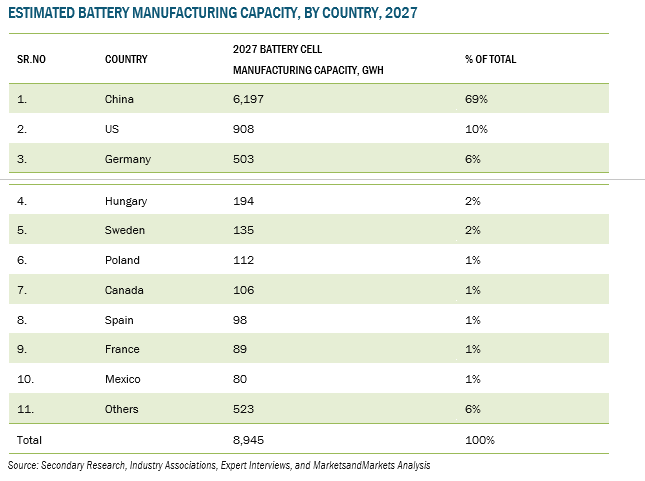
According to MarketsandMarkets, the Future of Batteries market is projected to reach USD 741.17 billion by 2035 starting from USD 179.54 billion in 2024, growing at a CAGR of 13.8%. The market growth is governed by improvements in battery technology and supporting government policies and regulations for electric vehicles.FUTURE OF BATTERIES MARKETAs per Atin Jain, Assistant Manager (Automotive and Transportation domain) at MarketsandMarkets Research, “The EV battery supply chain is to witness disruption with R&D investment for new battery chemistries. China remains dominant in battery production, particularly for LFP and nickel-based chemistries. The limits of the existing lithium-ion battery technology are being addressed by the development of new battery technologies. Sodium-ion batteries are becoming more and more of a viable substitute because of their lower cost and less dependency on vital minerals like cobalt and lithium.KEY DRIVING FACTOR FOR FUTURE OF BATTRIES MARKET

Advancements in battery technology

Advancements in EV battery technology have spurred significant competition in the automotive industry, enhancing the viability of electric vehicles as mainstream alternatives to traditional cars. Key innovations focus on improving battery chemistry and design to extend vehicle range and reduce charging frequency. Cathode chemistries like NMC and NCA, known for their high energy density due to increased nickel content, dominate the market, while the resurgence of LFP, prized for its cost efficiency and nickel-free composition, reflects shifting market dynamics amidst rising commodity prices. Emerging technologies such as cell-to-pack (CTP) integration and solid-state batteries promise further gains in efficiency, safety, and energy density, driving continued innovation and adoption across the industry.CURRENT STATE AND FUTURE OF BATTERY TECHNOLOGY

The market for lithium-ion batteries will see a significant rise due to the growing popularity of electric vehicles in both the passenger cars and commercial vehicle segments. Due to their energy density and potential applications, lithium-ion batteries are currently among the most sought-after technologies. More advancements in the energy density, charging speed, and general safety characteristics of this battery type that support enhanced performance can be anticipated in the next years.Manufacturers are looking at less hazardous lithium-ion battery substitutes with more readily available metals. Among them are solid-state/sodium-ion batteries. Compared to a Li-ion battery that uses a liquid electrolyte solution, a solid-state battery has a higher energy density. It reduces the possibility of an explosion or fire, negating the requirement for safety components and freeing up additional space. It will likely offer space to include more active materials that increase battery capacity.

KEY STRATEGIES BY MARKET PLAYERS

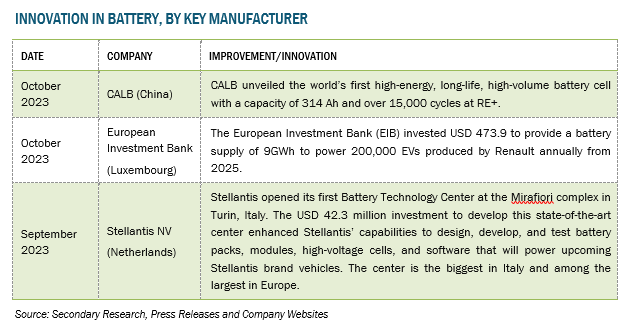
CALB unveiled the world’s first high-energy, long-life, high-volume battery cell

Presenting its most recent energy storage systems and products, CALB showcased the world’s first 314Ah high-energy, long-lasting energy storage core together with corresponding solutions that can be produced and delivered in large quantities. The improved battery cell has a longer cycle life of 15,000 cycles since it uses the most recent lithium replenishment technology. This offers consumers a cost-effective energy storage choice. Following a rigorous optimization process, the most recent 314Ah battery cell offers a significant 12% increase in useful capacity over its predecessor, the 280Ah model. Moreover, it attains a 96% energy conversion efficiency.  The battery’s cutting-edge material system significantly reduces the amount of active lithium lost during charging and discharging, thereby increasing output efficiency. As a consequence, the battery cell’s capacity does not decrease over the first 1,000 cycles. The batteries exhibit exceptional expandability and provide a versatile customization option at the system level to accommodate the varied energy requirements of different commercial applications.

Subaru and Panasonic Energy agree to cooperate in supply of cylindrical automotive lithium-ion batteries

A basic cooperative agreement pertaining to the supply of cylindrical vehicle lithium-ion batteries has been signed by Subaru Corporation and Panasonic Energy Co., Ltd., a Panasonic Group company. The two companies signed this basic agreement after beginning talks in July 2023 to develop a medium- to long-term collaboration to service the expanding market for automotive batteries and battery electric vehicles (BEVs). By signing this agreement, the two businesses reaffirm their shared commitment to working together to address a range of societal issues, including creating a society that is carbon neutral, encouraging sustainable growth in the automotive and battery industries, assisting in the creation of local jobs, and investing in human resources.

KEY TECHNOLOGY DEVELOPMENT

Lithium-Air

Lithium-air batteries have been proposed as a potential next-generation technology for electric vehicles due to their high energy density. These batteries offer much higher energy densities than traditional lithium-ion batteries, providing longer driving ranges for electric vehicles. The principle behind lithium-air batteries involves the reaction of lithium ions with oxygen from the air, which generates electricity.

Lithium-air batteries have the potential to store more energy than lithium-ion batteries. This could translate to a driving range of several hundred miles for electric vehicles. In February 2023, many electric car owners wished for a battery pack that could power their vehicle for more than a thousand miles on a single charge. Researchers at the Illinois Institute of Technology (IIT) and the US Department of Energy’s (DOE) Argonne National Laboratory have developed a lithium-air battery that could make that dream a reality. The team’s new battery design could also power domestic airplanes and long-haul trucks.

CELL-TO-CHASSIS

The third generation of EV battery packs is a development of the CTP design, called cell-to-chassis (CTC). It is also referred to as cell-to-body and cell-to-vehicle. The primary difference between CTP and CTC is that in CTC, the cells are part of the supporting vehicle structure; they are integrated directly into the vehicle body with other necessary components. Implementing the cells directly into the frame prevents bulky pack-housing, and a large amount of dead weight can be removed. Instead of pack-housing, some filler or adhesive is often used to fix the cells. The CTC trend can be seen as a part of a significant EV design transition where the vehicle frame and cell design are developed together for improved performance at a lower cost. CTC also allows decreased components, high energy density, and reduced cost per kWh from parts and manufacturing.

In December 2023, CATL (China) Integrated Intelligent Chassis fit well with the company’s CTC technology, which integrates main battery components into the vehicle floor, eliminating the need for separate battery packs. This will reduce the initial cost to users and energy consumption, increase the range per charge, and expand passenger space. As CTC technology matures, it has the potential to become the standard for electric vehicles, leading to a new generation of vehicles with excellent range, improved safety, and potentially lower costs.

BY MARKETSANDMARKETS

Why You Should Upgrade to a Performance Car Cabin Air Filter


Your car’s performance relies on many factors, including the cabin air filter. This small but very important component performs a significant task of maintaining your vehicle’s efficiency and health.

A cabin air filter ensures that only clean, fresh air enters your car’s interior, protecting you from harmful pollutants and allergens. Upgrading to a performance car cabin air filter not only enhances the air quality but also contributes to the overall functionality of the HVAC (heating, ventilation, and air conditioning) system, ensuring that airflow remains optimal and consistent.

Benefits of Performance Cabin Air Filters
Improved Air Quality and Health Benefits

Upgrading to a performance cabin air filter means reducing the amount of sneeze-inducing allergens and lung-clogging pollutants that can hitch a ride into your car. Breathe easier knowing that your filter is working rigidly to keep those irritating particles at bay.

Cleaner air means healthier lungs for you and your passengers. With a performance cabin air filter on duty, you can enjoy reduced exposure to harmful contaminants, leading to significantly reduced respiratory issues and a more pleasant driving experience.

“An ideal atmosphere, without exhaust gases, bacteria, dust, pollen and other contaminants, cabin filters ensure a healthy and hygienic atmosphere in the vehicle and thus enhance drivers’ ability to concentrate,” affirms Anna Hülsmann, Marketing Consultant at Hengst SE.

Another notable advantage of a high performance car cabin air filter is its ability to act as a barrier against odors. Effective filters can trap and neutralize odors including traffic pollution, exhaust fumes, and even smoke smells. Activated charcoal or carbon cabin air filters are specifically designed to target and reduce various odors, ensuring that the air inside the vehicle remains fresh.

“The level of exposure to the vehicle’s occupants can be up to five times higher than that of passersby on the roadside. In one hour, the ventilation system in a car draws 300,000 liters of air into the interior of the vehicle – together with pollutants, allergens and odors from the immediate environment. Fortunately, cabin air filters substantially reduce the pollution level even in the case of very fine particles (PM1 and smaller), therefore contributing to a healthy and hygienic climate in the vehicle,” says Hülsmann.

Regular replacement of these filters is essential not only to prevent the infiltration of unpleasant odors but also to avoid the growth of mold, which can cause musty smells and contribute to health issues if inhaled. Maintaining clean air helps to keep the driver stay alert and focused during long drives, enabling quicker and more effective responses to potential hazards on the road.

Enhanced HVAC System Efficiency

Performance cabin air filter helps keeping dust and debris out of your HVAC system making sure that the air flows freely and your cooling system works efficiently. Over time, a clogged filter can lead to reduced airflow, forcing the HVAC system to work harder, which can shorten the life of its components. With a performance filter in place, your HVAC system doesn’t have to work as hard to push air through all that gunk. This reduced strain can lead to improved longevity for your system, fewer breakdowns, and potentially lower repair costs down the road.

Cost Savings and Environmental Impact

While the initial cost may be slightly higher than standard filters, the improved durability and efficiency of performance filters can save money over time by lasting longer and requiring less frequent replacements. This reduces the number of filter replacements; thus less waste is generated. Innovative filtration technologies, can effectively remove up to 98% of nitrogen dioxide (NO2) from polluted air flows. This reduction is crucial, as NO2, along with particulate matter, contributes significantly to environmental pollution, which can lead to severe health issues.

“Cabin filters filter approximately 100 percent of pollen, dust, bacteria, viruses, other allergens, and odors such as exhaust gases out of the air. This ensures a hygienic atmosphere in the vehicle and helps the driver remain alert and with full concentration,” asserts Hülsmann.

Maintaining and Prolonging the Lifespan of a Performance Air Filter

To ensure your performance air filter keeps doing its job effectively, regular maintenance is key. One simple tip is to check and replace the air filter according to the manufacturer’s recommendations. Dusty roads or heavy traffic can clog up the filter faster than usual, so keeping an eye on it is important.

“Regularly changing the cabin filter is necessary to ensure permanent functionality of the air conditioning system. The rule of thumb is at least once a year, and many drivers change them twice a year. This not only protects the air quality in the vehicle, but also reduces flow resistance and thus the load on the fan motor,” recommends Hülsmann.

Another way to extend your filter’s lifespan is to inspect for any tears or damage in the filter material. A damaged filter won’t be as efficient in trapping harmful contaminants, impacting both your car’s performance and your health. Regular filter changes also ensure compliance with HVAC equipment warranties, which may require specific maintenance routines to remain valid.

Take charge of the air you breathe while driving and elevate your driving experience with a performance car cabin air filter. Choose excellence for both yourself and your vehicle by upgrading to a performance cabin air filter today!

How Sustainability is Shaping the Tire Industry


Sustainable practices are increasingly becoming a focal point in the tire manufacturing industry as companies are striving to reduce their environmental impact and embrace eco-friendly initiatives. Historically known for its resource-intensive processes and high waste generation, the tire industry now leads with innovative solutions that promote sustainability.

With the current environmental challenges facing our world today, sustainability has become a necessity to help reduce greenhouse gas emissions, conserve our resources, protect our ecosystems, and create a more resilient and responsible industry for the future.

“The tire manufacturing industry is increasingly adopting sustainable practices to reduce environmental impact. These practices focus on improving factory operations and designing eco-friendly tires to boost energy efficiency, better manage waste, and use more sustainable raw materials,” says Martti Päivinen – Head of Quality and Risk Management at Black Donuts Engineering Inc. (BDE).

Sustainable Materials and Sourcing Strategies

In a bid to reduce harmful environmental impact, tire manufacturers are turning to sustainable materials and responsible sourcing strategies. Incorporating renewable materials, like natural rubber and recycled materials such as steel and synthetic rubber into tire products, manufacturers are able to reduce their reliance on finite resources and in due course decrease the overall environmental footprint of tire production.

“The tire manufacturing industry has substantial growth opportunities to use secondary raw materials and reduce tires’ environmental impact, not only during their lifecycle in cars but also once they reach the end of their lives,” says Krzysztof Wróblewski, CEO Contec S.A.

“In 2000, the EU introduced a series of directives to reduce the automotive sector’s negative environmental impact. Some of its stipulations were adopting a circular economy, recycling/reusing materials at a minimum of 85 percent by weight per vehicle, and recovering at least 95 percent by weight per vehicle,” recounts Wróblewski.

Tire manufacturers are also leaning towards a responsible rubber sourcing and other components for a more ethical and environmentally friendly industry, that ensures their supply chains are free from unethical practices like deforestation and exploitation.

“Roughly 60% of tire materials are fossil-based, says Päivinen. BDE is already working on these innovations, aiming to decrease the environmental impact throughout the tire’s lifecycle.”

Energy Efficient Manufacturing Processes

Energy efficiency plays a vibrant role in reducing the environmental impact of tire production. As tire companies are striving to reduce this concern, they are also focusing on improving the durability and longevity of their products. Investing in research and development to create longer-lasting tires, manufacturers are not only reducing waste but also providing consumers with more sustainable tires. This shift towards durability and sustainability aligns with the industry’s goal of promoting a circular economy and minimizing the overall environmental footprint of tire production.

Clean Energy Sources

Tire manufacturers use solar and wind power as clean energy sources to reduce carbon emissions and lessen their reliance on fossil fuels. This way, tire manufacturers are not only cutting down on the environmental footprint, but also contributing to a more sustainable energy future.

As Päivinen notes, tire factories use a lot of electricity and steam. “Switching to renewable energy sources and using high-capacity machinery can help. High-capacity machines mean fewer machines are needed, resulting in a smaller factory footprint.”

Energy Conservation Measures in Production

Implementing energy conservation measures, such as optimizing production processes, upgrading equipment for greater efficiency, and improving insulation in facilities, helps tire manufacturers reduce their energy consumption and significantly lower the operating costs. These measures are essential for promoting sustainability in the tire manufacturing sector.

Waste Reduction and Recycling Initiatives

Tire manufacturers are actively working towards reducing waste and promoting recycling throughout their production cycles, prioritizing innovative recycling technologies and processes. These technology advancements are empowering manufacturers to turn waste tires into valuable resources, such as rubber crumb for asphalt or playground surfaces, diverting waste from landfills to creating a more circular and sustainable industry.

“Effective waste management is another crucial aspect of sustainable tire factories. The industry is actively adopting innovative solutions to address this challenge. For instance, enhanced quality control is a practice that reduces rubber waste and maximizes recycling. Also, studies on integrated pyrolysis solutions for rubber waste utilization are ongoing, and the potential of recovered carbon black is being explored. The ultimate goal is to achieve zero waste, ensuring that no material, be it rubber or otherwise, ends up in landfills,” Observe Päivinen.

“Saving the resources from tires disposed of in landfills is an excellent opportunity for manufacturers to start implementing sustainable practices in their business, applauds Wróblewski. It’s also an opportunity to get a slice of the emerging circular economy market, globally worth USD 553 billion in 2023 and expected to see a compound annual growth rate (CAGR) of 13.19% by 2030,” he adds.

Development of Eco-Friendly Tire Designs

The development of eco-friendly tire designs is gaining momentum, playing a major role such that manufacturers are making significant strides towards a greener future. “Several strategies exist to reduce the tire industry’s environmental impact when designing tires. The most significant action is designing lighter tires,” says Päivinen. “Lighter tires use less material, leading to less transportation of raw materials, a smaller warehouse, less compound mixing, shorter curing time, and less weight to transport new tires. However, this approach must balance weight reduction with maintaining durability and lifespan,” he elaborates.

From incorporating natural rubber sourced sustainably to exploring innovative materials like soybean oil and orange peel extract, the industry is embracing new possibilities to reduce its carbon footprint, using materials that are renewable, recyclable, and non-toxic. These eco-friendly designs not only benefit the environment but also offer consumers a more sustainable choice when it comes to their vehicle’s tires.

“Tire design aims for safety and low rolling resistance. This can reduce fuel consumption, increase tire lifespan, and minimize harmful particle emissions from tire wear. The industry is also now focusing on designing high-performance and quality tires specifically for the Electric Vehicle (EV) market, which demands longer-lasting and low rolling resistance tires,” advocates Päivinen.

Also Read: Modern Tire Technology

Enhancing Performance While Minimizing Environmental Impact

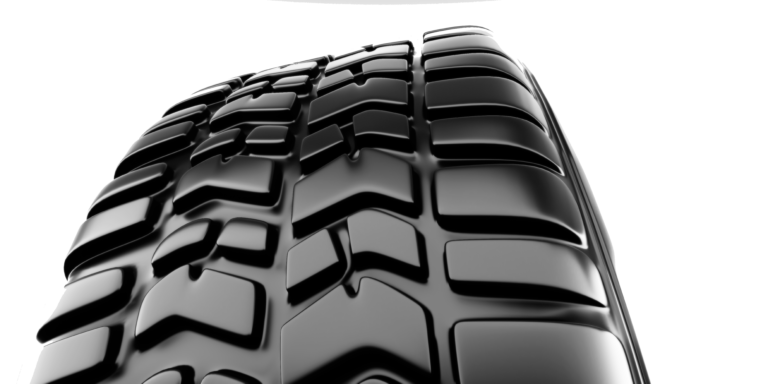
One of the key challenges in sustainable tire manufacturing is balancing performance with environmental impact. Manufacturers are utilizing advanced technologies and engineering techniques to improve tire durability, fuel efficiency, and safety while simultaneously reducing resource consumption and emissions. Optimizing tread patterns, sidewall designs and tire constructions, manufacturers are pushing boundaries to create tires that deliver top-notch performance without compromising on sustainability.

Carbon Footprint Reduction Measures

Reducing the carbon footprint of tire manufacturing remains a critical focus area for the industry. Investing in renewable energy sources and cleaner technologies is helping to lower carbon emissions associated with tire manufacturing operations. “Other emissions from tire factories also need to be controlled to reduce the environmental impact,” comments Päivinen. VOC (Volatile organic compounds) emissions from tyre manufacturing are collected and treated, and dust and odours are filtered. Water is circulated as much as possible (cooling water) to reduce the need for water cleaning,” he enlightens. Offsetting practices are also neutralizing carbon footprint through initiatives such as tree planting programs.

Several leading tire manufacturers have responded by setting up individual initiatives to increase sustainable practices in the tire manufacturing industry, says Wróblewski. Many focus on replacing fossil-fuel-based virgin Carbon Black (vCB), which constitutes about 21-22 percent of tires. Tire manufacturers can replace up to 20 percent of vCB in tires with recovered Carbon Black (rCB) without any detrimental effect, limiting carbon emissions and ensuring less use of fossil fuels,” he clarifies.

Spring Vent Mold Technology

The adoption of spring vent mold technology also contributes to material waste reduction. This technology reduces material waste during the tire curing process. During the curing process, an un-vulcanized tire, the ‘green’ tire, is placed into a curing press. As the mold closes, the air gets trapped between the mold and the tire. This is according to Päivinen.

“Without an escape route, trapped air would distort the tire and cause an undesirable appearance on the tire surface. Vents allow the air to escape. Spring vent mold technology is better because it closes automatically as the rubber fills the mold, reducing material waste. In contrast, a regular vent would leave excess rubber that needs to be trimmed away,” asserts Päivinen.

Collaboration and Industry Partnerships for Sustainability

Collaboration and partnerships within the tire manufacturing industry are essential for driving sustainability initiatives forward. Involving stakeholders such as suppliers, customers, government organizations, and environmental groups towards the sustainability efforts can amplify the impact on environmental conservation.

Seeking input, feedback, and support from diverse stakeholders, companies can develop comprehensive sustainability strategies that address a wide range of environmental issues. This collaborative approach makes sustainability initiatives well-rounded, impactful, and aligned with the needs and expectations of all stakeholders.

Driving Industry-wide Change

Driving industry-wide change requires collaborative efforts and partnerships among tire manufacturers, industry associations, and regulatory bodies. Sharing best practices, resources, and knowledge, tire manufacturers can collectively work towards common sustainability goals. Collaborative initiatives such as industry-wide sustainability programs, joint research projects, and knowledge-sharing platforms play a vital role in accelerating the adoption of sustainable practices across the entire tire manufacturing sector.

Future Trends and Outlook in Sustainable Tire Manufacturing

As the tire industry continues to evolve, future trends indicate a strong focus on technological advancements that will shape the future of sustainable tire manufacturing. Anticipated developments and challenges in the industry has paved the way for exciting innovations and opportunities to further reduce the environmental impact of tire production. From the use of artificial intelligence and big data analytics to optimize production processes to the development of innovative materials and manufacturing techniques, technology is driving sustainable innovation in the industry. Manufacturers are investing in research and development to create smarter, greener, and more efficient tire solutions that meet the demands of both consumers and the environment.

“The tire manufacturing industry is making significant improvements in sustainability by focusing on energy efficiency, waste management, innovative technologies, and sustainable tire designs. These efforts reduce the environmental impact and align with the growing demand for eco-friendly products,” comments Päivinen.

With no doubt, the tire industry is making significant strides in adopting sustainable practices to minimize its environmental footprint and contribute to a greener future. Through their collective efforts and commitment to sustainability, tire manufacturers are making a positive environmental impact while meeting the demands of a changing world.

Challenges such as regulatory complexities, market competition, and consumer awareness remain hurdles that the industry must navigate to achieve long-term sustainability goals. Staying agile, innovative and collaborative, tire industry can overcome these challenges and drive positive change in sustainable tire manufacturing.

The benefits of ceramic brake pads for passenger cars


The journey of ceramic brake pads dates back to the racing world, where exceptional braking performance and durability are non-negotiable. Over time, the technology has transitioned to the everyday vehicles usage, providing drivers with the benefits of reduced noise, dust, and improved braking efficiency. Today, ceramic brake pads have become a popular choice for many car owners who are seeking superior braking performance.

Made from a blend of ceramic fibers, non-ferrous filler materials, and bonding agents, they have gained significant traction in the automotive industry for their exceptional performance and durability. They have subsequently emerged as a top choice for passenger cars seeking superior braking efficiency and longevity.

Benefits of ceramic brake pads
Enhanced Performance and Durability

When stopping your car, brake pads create friction against the rotors to slow down and halt your vehicle. Ceramic brake pads excel in managing heat buildup during braking, which enhances their fade resistance. This means you can count on consistent brake performance even during intense braking situations or in challenging conditions, providing you with peace of mind and safer travels.

Noise Reduction and Smooth Braking

The frictional properties of ceramic brake pads contribute to smoother and more controlled braking. Their consistent performance minimizes vibrations and noise. Their quieter operation not only enhances your driving comfort but also reduces wear on other brake components, leading to a quieter and more enjoyable ride.

Cost-effectiveness and Long-term Savings

While they may come with a slightly higher initial price tag compared to other types of brake pads, the long-term benefits they offer can lead to cost savings in the future. Their durability and performance mean that they last longer and require less frequent replacements, ultimately saving you money in the long run.

Environmental Benefits 

Ceramic brake pads produce less dust and fewer particles compared to traditional brake pads, contributing to cleaner air and a healthier environment. The reduced dust and particles also mean less wear and tear on the braking system, leading to longer-lasting components and potentially saving money on maintenance and replacements making them a cost-effective and sustainable choice for drivers looking to prioritize both performance and eco-friendliness.

Recyclability and Eco-Friendly Aspects

Ceramic brake pads are often made from sustainable materials and can be recycled, reducing waste and promoting eco-friendly practices in the automotive industry. Instead of ending up in landfills, they can be repurposed and reused reducing the environmental impact and simultaneously contributing to a more sustainable future for generations to come.

Before choosing ceramic brake pads, ensure they are compatible with your specific vehicle make and model to optimize performance and safety on the road. The benefits can extend beyond just braking performance, these components offer a holistic solution for drivers seeking enhanced safety, durability and cost-effectiveness. Upgrade your vehicle’s braking system with confidence and ultimately experience a smoother and more reliable driving.

Why Your Business Needs a Vehicle Asset Financing


Kenya is a vibrant and dynamic hub for entrepreneurship, with a rapidly growing number of small and medium size business owners. These individuals contribute to the country’s economy, creating jobs, and fostering innovation. However, one major challenge faced by Kenyan business owners is access to vital resources such as vehicle asset financing. This type of financing makes a big difference for business owners, providing them with the means to purchase vehicles that are crucial for their operations. Whether you need a vehicle for deliveries, client meetings, or transporting goods, having the right vehicle can make a significant difference in the success of your business.

Overcoming The Barrier

As a developing country, access to capital can be limited for small and medium-sized enterprises. However, with the help of vehicle asset financing, business owners can overcome this barrier and acquire the vehicles they need for their operations without having to pay large sums of money upfront. This form of financing not only helps you as a business owner to obtain essential assets such as trucks, vans or cars but also allows you to conserve your capital and use it towards other business investments such as marketing, hiring, or expanding operations.

Businesses, such as local delivery services or agricultural ventures, often rely on vehicles to transport goods, reach customers, or expand their market presence. Through vehicle asset financing, these businesses can acquire the necessary assets without depleting their working capital. This accessibility not only fuels growth but also fosters sustainability by ensuring the smooth functioning of day-to-day operations.

Also Read: Motor Vehicle Financing – How to Choose a Budget Friendly Financing

The Role of Asset Finance in Empowering Business Owners in Kenya

For many aspiring business owners, the lack of capital is a major barrier to starting or growing their businesses. Traditional bank loans often have strict eligibility requirements and high-interest rates, making it difficult for them to access funds. However, asset finance offers a more viable option for these individuals. Providing financing for essential assets such as vehicles, business owners can acquire the tools they need to run their businesses effectively. This helps business owners expand their ventures as well as increase their competitiveness in the market. Additionally, asset financing provides flexible repayment options that suit the cash flow of enterprises, allowing them to manage their finances efficiently.

How Vehicle Asset Financing Can Enable Business Growth and Achieve Financial Independence

Vehicle asset financing is a financial tool that can greatly benefit you as a business owner in Kenya looking to expand your business and achieve financial independence, increase your mobility and reach new markets. This not only allows you to grow your customer base but also enables you to offer more efficient and timely services, also helping you transport goods, deliver services, or even act as advertising tools for your business. Additionally, owning these assets, you have a tangible form of collateral which you can use for future funding needs. This type of financing gives you the means to grow your business and ultimately achieve financial independence.

Also Read: Conquering Financial Barriers: Achieving Affordable Car Ownership in Kenya

The Transformative Impact of Vehicle Asset Finance On the Entrepreneurial Ecosystem of Kenya

Vehicle asset finance has had a transformative impact on the entrepreneurial ecosystem of Kenya, providing a much-needed solution for aspiring business owners looking to grow their enterprises. With vehicle asset financing, they are able to secure loans using their vehicles as collateral, opening up new opportunities for growth and revenue generation.

Symptoms of a Clogged or Faulty Engine Oil Filter in a Passenger Car


Imagine your engine’s worst nightmare; a faulty oil filter. Without engine oil filter, your engine would be a hot mess! Problems like a Clogged or Faulty Engine Oil Filter can quickly lead to trouble under the hood. Engine oil filters ensure only the cleanest oil flows through your car’s veins – the engine. Additionally, by trapping particles as small as 25 microns, oil filters prevent sludge buildup, contaminants and debris that can cause damage over time. This maintains an optimal oil flow throughout your engine.

Significance of Maintaining a Healthy Oil Filter

Regularly changing your oil filter is essential for maintaining the health and longevity of your engine. A clogged or dirty oil filter can restrict oil flow. This leads to increased wear and tear on engine components. If you ensure your oil filter is clean and functioning properly, you can prevent costly repairs and keep your car running smoothly.

Role of Engine Oil Filters in Vehicle Performance

Oil filters aren’t just about keeping the oil clean; they also maintain optimal engine performance. As a result, a clean filter means your engine can breathe easy and perform at its best. When your engine oil filter becomes clogged, it can lead to a variety of issues that can impact your vehicle’s performance. For instance, reduced fuel efficiency, engine misfires, and even engine stalling are all common symptoms of a clogged oil filter. Ignoring these signs can lead to costly repairs and potential engine damage.

Impact of Clean Oil Filters on Engine Longevity

Regularly changing your oil filter might seem like a chore, but it’s worth it. In fact, a clean filter can help extend the lifespan of your engine. This can save you from premature breakdowns and wallet-induced heartaches.

Symptoms of a Clogged Engine Oil Filter

Decrease in fuel efficiency
One of the most common symptoms of a clogged engine oil filter is a decrease in fuel efficiency. If you notice that you’re filling up your gas tank more frequently than usual, it could be a sign that your filter is not allowing oil to flow smoothly through the engine. You may also experience difficulty starting your engine. This is because a clogged filter can prevent proper lubrication. It can also cause strain on the engine components.

Reduced Oil Pressure and Engine Noise
When your oil filter is clogged, your engine might start throwing a tantrum in the form of low oil pressure warnings. In addition, not receiving proper lubrication due to a clogged filter, can lead to increased friction and heat within the engine components.

From unsettling rattles to sluggish acceleration, a clogged oil filter can wreak havoc on your engine’s performance. That’s why it’s important to address this issues promptly. This ensures the longevity and health of your vehicle.

Reduced Vehicle Performance
A contaminated oil filter can turn your engine’s oil supply into a toxic brew, leading to increased wear and tear on vital components. In severe cases, from damaged pistons to a worn-out engine, a faulty oil filter can be the culprit behind a myriad of engine nightmares.

Diagnosis and Inspection of Engine Oil Filter Issues

Identifying Filter Blockages

When your car’s engine oil filter is clogged or faulty, you may notice symptoms like reduced engine performance, increased engine noise, or even warning lights on your dashboard. To identify potential blockages, pay attention to these signs. Then, consider performing a quick inspection.

Visual Inspection for Oil Filter Health

Performing regular visual checks on your engine oil filter can help you catch potential issues early. Look for visible signs of damage, such as leaks, dents, or excessive dirt buildup. Inspect the filter during oil changes to ensure it is in good condition.

Engine Oil Filter Maintenance and Replacement

Make it a habit to check your engine oil filter during routine maintenance checks or oil changes. Follow the manufacturer’s recommendations for filter replacement intervals based on your driving habits and conditions.

Regular maintenance can help prevent costly repairs down the line.
When it’s time to replace your engine oil filter, make sure to use a high-quality, compatible filter. Also, follow the manufacturer’s instructions for installation and replacement to ensure proper fit and function. Be sure to dispose of the old filter responsibly according to local regulations.

Neglecting engine oil filter maintenance can lead to serious consequences of clogs and restrict oil flow. This can result in decreased engine performance and potential overheating issues. Eventually, these problems can potentially cause safety hazards on the road. Therefore, take the time to regularly check and replace your oil filter. This will prevent these issues and keep your engine running smoothly for years to come.

Maintaining a clean and functioning engine oil filter is a fundamental aspect of preserving the health and performance of your car’s engine. However, by recognizing the signs of a clogged or faulty oil filter and addressing them promptly through regular maintenance and filter replacements, you can prevent major engine damage. You can also avoid costly repairs.

The engine oil filter may be small in size, but its impact on engine longevity is significant. Prioritizing the health of your engine oil filter will ultimately lead to a smoother and more efficient driving experience for years to come.

Also Read:

- Advertisement -