
Sunday, May 31, 2026
Home Blog Page 14

Oil Maintenance and Monitoring of Commercial Bus Fleet


The transportation industry relies heavily on the efficiency and safety of commercial bus fleets ferrying thousands of passengers daily. However, among the most important aspects of fleet maintenance is proper oil management. Oil fulfils an important task of lubricating, reducing friction between moving parts, cleaning and cooling the engine components. Neglecting oil maintenance can result in severe consequences, including engine damage, reduced performance, increased fuel consumption and higher repair costs.

Conferring to Mrs. Ilona WILMS, the Managing Director and Founder of Duran Lubricants & Chemicals GmbH – producer of the brand FOSSER Motor Oil from Germany, “For a fleet company, proper maintenance and monitoring of oil levels in commercial buses is essential to ensure vehicle longevity and avoid costly breakdowns.“

These repercussions can lead to unscheduled downtime, negatively impacting service delivery and customer satisfaction.

Also Read: Automotive Engine Oil

Steps for Monitoring Oil Levels

A well maintained commercial bus fleet ensures safety and efficiency thus enriching profitability. Technicians monitor oil levels in commercial buses through an organized approach that ensures the right amount of oil is maintained for optimal engine performance.

“Effective fleet management begins with diligent oil level monitoring and maintenance. First, it’s crucial to establish a systematic schedule for oil checks, adhering strictly to the manufacturer’s guidelines for the type of oil and recommended change intervals,” asserts Julien FAKHREDDINE, Regional Sales Manager of Middle East and Africa at Wolfoil Corporation.

As a bussiness to help your fleet maintain and monitor oil levels effectively, here are some key reasons why proper oil maintenance and monitoring is essential:

  • Regular Inspections:

Establish a routine for checking oil levels in your commercial fleet. This should include looking for leaks and assessing oil condition, which can indicate the need for a change. “Carry out a visual check of the oil level at least once a week. This can be done by using the dipstick. For vehicles that are frequently used or driven in difficult conditions, the checks should be carried out even more frequently,” comments Mrs. Wilms.

  • Check Oil Quality:

Not only should oil levels be monitored, but the quality of the oil is equally vital. Use oil analysis kits to examine viscosity, acidity and the presence of contaminants. “Check the oil quality regularly,” says Mrs. Wilms.

“In addition to visual inspections, it is important to carry out a comprehensive analysis of the oil. This analysis makes it possible to detect possible contaminants or degradation products that could indicate damage to the engine or the need for an oil change,” she adds.

Mrs. Wilms further elaborated on using engine oils that utilize a specially developed additive system to ensure excellent oxidation and high temperature stability. “These properties not only contribute to the longevity of the engine oil, but also ensure excellent dispersing properties. This optimizes piston cleanliness, which has a positive effect on engine performance and efficiency. By regularly checking the oil quality and using FOSSER engine oils, you can ensure that your engine is optimally protected and works reliably in the long term,” She emphasized.

Additionally, Fakhreddine highlights that, “Oil analysis plays a pivotal role in proactive maintenance. By analyzing used oil, fleet managers can identify potential issues like contamination, engine wear, or excessive oil consumption, which may signal mechanical problems. This data allows for optimized maintenance schedules, based on the actual condition of the engine, minimizing unnecessary downtime and costs.”

  • Schedule maintenance protocols:

“Create a detailed maintenance schedule that specifies regular oil changes and checks. A recommended interval for oil changes should be adhered to, based on manufacturer specifications and specific operating conditions,“ upholds Mrs. Wilms. “By using these advanced FOSSER products, you can not only increase the efficiency and longevity of your vehicles, but also significantly reduce the total cost of ownership. Be sure to consider the specific requirements of your vehicles and adjust the maintenance schedule accordingly to maximise the benefits,“ she enhances.

You can as well implement fleet management software to automate scheduling and send reminders to staff. This will ensure that no maintenance task is overlooked. Always adhere to the manufacturer’s recommendations regarding oil type and change intervals.

  • Use Quality Oil:

Always choose high-quality oil that meets or exceeds the manufacturer’s specifications. Synthetic oils may provide better protection and longer intervals between changes compared to conventional oils. Fakhreddine amplifies on the use of quality oil stating that, “Utilizing high-quality oils that meet OEM standards is vital for ensuring engine durability and performance.”

  • High-Quality Filters:

In addition to oil quality, use high-quality filters and replace them during oil changes to ensure optimal performance. Oil filter are important in maintaining engine health.

  • Check for Leaks:

Regularly inspect the engine and oil reservoir for leaks. Addressing leaks promptly can prevent oil loss and ensure that the engine remains adequately lubricated.

  • Organize Employee Workshops:

Host periodic workshops for drivers and maintenance staff about the importance of oil levels and overall vehicle care. Drivers are often the first line of defense when it comes to noticing changes in engine performance or oil levels. Sensitizing on staff training, Fakhreddine affirms that, “Drivers should be well-versed in performing basic oil checks, and maintenance teams should be trained to interpret oil analysis reports.”

“Train your drivers in handling the vehicles and the importance of correct oil levels. They should be able to recognize deviations at an early stage and report them to the fleet management,” heightens Mrs. Wilms.

  • Keep Detailed Records:

Preserve comprehensive records of oil changes, inspections and any issues that arise. Stressing on the importance of record keeping Mrs. Wilms urges, “Carefully document all maintenance and inspection work. These logs are important for tracking vehicle history and can also be useful for warranty claims.” These records will also assist in identifying patterns that may require further investigation.

  • Compliance with Regulations:

Commercial bus operators must adhere to various local and national regulations regarding vehicle safety and emissions. A thorough maintenance plan ensures compliance, helping with unnecessary fines and enhancing reputation.

Innovative Monitoring Technologies

Consider utilizing fleet management software or telemetry systems that provide synchronic data on vehicle performance. These technologies can alert you to mechanical issues or even predict failures before they occur, helping you stay ahead of maintenance needs. As Mrs. Wilms endorses, “Use modern technology and sensors to monitor oil levels and oil temperature. These can provide you with real-time data and help to identify problems at an early stage before they lead to major damage.”

Below are the several innovative solutions that can help fleet operators maintain optimal oil levels and performance.

Smart Sensors:

Engineers can install advanced sensors in the engine to continuously monitor oil levels, temperature, and quality. These sensors can send concurrent alerts to fleet managers or drivers when oil levels drop below safe thresholds.

Telematics Systems:

Many commercial buses now use telematics systems that deliver comprehensive data on vehicle health, including oil status. These systems offer remote monitoring and can help identify potential issues before they escalate.

  • Predictive Maintenance Tools:

Predictive maintenance tools apply data analytics and machine learning to forecast when vehicles will need oil changes or additional maintenance. This proactive approach can reduce the risk of sudden breakdowns.

  • Mobile Applications:

Some fleet management platforms offer mobile applications that allow drivers and managers to check oil levels, schedule maintenance, and access performance reports from their smartphones or tablets.

Also Read: Oil Analysis: How can it benefit your Bus fleet operations?

The Key to Operational Excellence

Proper maintenance and monitoring of oil levels in commercial buses are non-negotiable for ensuring efficient, safe and reliable operations. “By adopting these practices, fleet operators can ensure more efficient operations and significantly reduce the risk of unexpected breakdowns,” acclaims Fakhreddine. Make sure to prioritize this crucial aspect of bus maintenance for operational excellence. “By implementing these measures, fleet companies can extend the life of their commercial buses and significantly reduce operating costs,” Clinches Mrs. Wilms. Preventive care is always more cost-effective than reactive repairs. Stay on top of your oil management today for a smooth business operation!


Rymax Lubricants: Empowering Africa’s Automotive Sector Through Shared Success


In the heart of Africa, from the streets of Kigali to the mining fields of South Africa, Rymax Lubricants is more than just an oil provider; it is a company committed to nurturing relationships and fostering mutual growth. Rymax delivers reliable lubrication solutions, becoming a trusted partner across various industries such as agriculture, construction, public transportation, and heavy machinery. This overview highlights how Rymax’s customer-focused approach empowers clients through quality products and strong partnerships.

Building Trust Through Proven Results

The success of Rymax is evident in the experiences of companies like Petrocom Ltd in Rwanda. After incorporating Rymax products, Petrocom saw significant improvements. Jotham Majyalibu, Managing Director, noted that Rymax lubricants reduced equipment downtime and maintenance costs, while Endurox LD 15W-40 enhanced truck reliability and efficiency. This led to fewer breakdowns and smoother operations, resulting in substantial cost savings and improved productivity, keeping vehicles on the road longer.

Similarly, in South Africa, the Le Roux Group experienced noticeable benefits after switching to Rymax Lubricants. Roelof Geldenhuys, Workshop Manager at Broodkraal Landgoed, reported that using Styx UTTO 80W extended vehicle life and reduced machinery downtime. With Rymax, reliability became the new standard, helping the Le Roux Group consistently meet market demands and ensuring agricultural operations ran smoothly.

Going the Extra Mile for Customers

Rymax’s dedication to customer success extends across many industries, and each client benefits uniquely. For instance, RITCO Ltd, a public transport company in Rwanda, noted significant improvements in their bus fleet’s performance thanks to Rymax products. The extended drain intervals helped reduce maintenance needs and improve fuel efficiency. As Ide Rutayisire of RITCO says, “Driving more kilometers per liter with Rymax reduces servicing costs.” This improvement directly translated to more reliable public transportation, serving communities throughout Rwanda effectively.

Meanwhile, in Liberia, G5 Plus Breweries Inc. relies heavily on power generators due to the country’s inconsistent power infrastructure. Here, Rymax Endurox LD lubricants have proven to be essential for maintaining generator performance, reducing the frequency of maintenance, and ensuring reliable output during peak production periods. This level of reliability is crucial for uninterrupted operations and preventing costly disruptions.

A Global Network of Success: Feedback from Around the World

The impact of Rymax Lubricants is not confined to Africa—it spans the globe. In Norway, Mats Kristensen from Sorkjosen Heavy Duty Truck and Tractor Repairs experienced an immediate improvement in tractor performance after switching to Rymax Styx UTTO. Even without additional gearbox recalibration, the increased performance was notable, demonstrating the effectiveness and quality of Rymax’s solutions.

In Jamaica, the Tank-Weld Group was impressed with Rymax’s extensive support, training, and promotional materials, which played a key role in enhancing product knowledge and visibility. In Haiti, Harrilex Jean-Noel, Plant Manager at Sadema Water Treatment Plant, found that switching to Rymax lubricants improved the reliability of their generators, ultimately leading to better performance during critical peak seasons.

Growing Together with Rymax: A Commitment to Excellence

A common theme across all these testimonials is Rymax’s deep investment in customer success. Rymax is more than a company that sells oil; it is about building a community of satisfied clients who feel supported and empowered. This commitment is reflected in their customer support, technical assistance, and the quality of their products. Whether providing on-site training, offering tailored solutions, or ensuring timely deliveries, Rymax consistently goes above and beyond for its customers.

The Rymax Oil Advisor Tool further exemplifies this commitment. By helping customers select the best lubricant for their specific needs, Rymax empowers clients with the knowledge required to make informed decisions. In addition, Rymax offers tailored training programs for their clients’ technical teams, addressing unique industry needs to ensure customers fully maximize the benefits of Rymax products. Check out the tool through this link: https://rymax-lubricants.lubricantadvisor.com/en

Beyond direct customer support, Rymax also invests in local communities. By working with organizations to provide technical education and resources for aspiring mechanics and engineers, Rymax helps cultivate local talent. This investment not only supports the current workforce but also contributes to building a stronger future workforce that is better equipped to meet automotive needs across the region.

Conclusion: A Testament to Quality and Partnership

For companies seeking more than just a product, Rymax stands ready as a true partner in their journey to success. Whether it’s maintaining tractors in Norway, trucks in Rwanda, or generators in Liberia, Rymax has consistently helped businesses stay operational and thrive. This commitment to partnership and growth makes Rymax much more than a lubricant provider, it is a genuine partner invested in the success of its customers, building lasting relationships and driving progress, one drop at a time.

Visit the Rymax website for more information: https://rymax-lubricants.com/

Prevent Cracking and Fading of Your Car Leather Seats


Investing in car leather seats is a journey toward achieving luxury and comfort. Leather offers an elegant, high-end look that can transform the interior of any vehicle. However, it requires consistent care to maintain its luster and avoid deterioration.

One of the most common issues faced by car owners with leather seats is cracking and fading, which can diminish the aesthetic appeal of the interior as well as affect the vehicle’s resale value. According to Christian FOSTER – Turtle Wax Brand Manager EMEA, IDA-CD-SV, “Leather seats are a luxury that adds a great deal of value to your car. That said, they still need routine care and a car leather cleaner to keep the material soft and supple.”

Leather is a natural product, derived from animal hides, which makes it susceptible to environmental factors such as sunlight, temperature fluctuations and humidity. Exposure to these elements can lead to cracking and fading, compromising both the aesthetics and functionality of the seats.

“The good news is,” says Foster, “taking care of your leather interior is simple with all-in-one dedicated leather products.”

Causes of Cracking and Fading

Let’s discuss some of the most common culprits that can cause cracking and fading of your car leather seats.

UV Radiation: Sunlight is harmful to leather. Too much Ultra-Violet (UV) rays damages the surface of leather, leading to discoloration and cracking.

Dry Air: In low humidity environments, leather can lose moisture, become dehydrated and brittle. The loss of moisture is often a precursor to cracking.

Neglect and Improper Maintenance: A lack of proper care, that includes cleaning and conditioning, can speed up the aging process of leather, making it more prone to wear and tear.

Dyes and Chemicals: Certain dyes and chemicals, such as those found in some clothing materials and hair products, can inadvertently transfer to leather seats, which can later cause discoloration.

Food and Beverages: Spills from beverages or food chunks can stain leather if not cleaned promptly, leading to both fading and aesthetic damage.

Effective Routines for Preventing Cracking and Fading

Caring for your car’s leather seats requires a bit of commitment, to keep them vibrant for years. With the right caring practices and products, you can keep your car’s leather interior looking fresh and lively. Here’s how:

1. Regular Cleaning
Keeping leather seats clean is necessary in preventing the buildup of dirt and grime, which can contribute to fading and cracking. As Foster advices, “First and foremost, the best way to prevent aging to your leather car seats is to keep them clean from the onset. Crumbs, spills and dirt can all react with the leather of your car interior, especially with exposure to UV rays. This can cause accelerated aging, which results in dry, dull or discoloured leather. We recommend that you clean your leather seats at least once a month.”

Emphasizing on regular cleaning, Damien BONVARLET – President of SOFOLK states that, “To maintain the appearance and durability of leather seats, it is essential to follow a few practical tips to prevent cracking and fading. Firstly, regular cleaning is crucial. Use a specific leather cleaner at least once a month. Avoid products containing alcohol or solvents, as they can dry out and damage the leather. Gentle cleaning with a soft cloth or microfibre will remove dirt without damaging the surface.”

2. Use a Quality Leather Conditioner
Leather conditioners are a must. Regularly applying a high-quality leather conditioner is one of the best methods to keep your car leather seats hydrated and flexible. Conditioner acts as a barrier, protecting the leather from moisture loss and UV exposure.

In his words, Foster asserts that, “While conditioning your leather car seats may sound like an optional step, it’s actually a necessity. During the day, your car interior is constantly exposed to UV rays — even when it’s cloudy. Over time, this prolonged exposure can cause your leather upholstery to crack and fade in the sun.”

Sharing his opinion, Bonvarlet ratifies that, “Moisturising the leather is essential. Apply a nourishing oil, such as beef foot oil, every three months. This will help to keep the leather supple and prevent cracking. Make sure the product is thoroughly absorbed for optimum effectiveness.”

“What’s more, every time you get in your car and take a seat, you strip away some of its natural oils, further dehydrating the material. Conditioning your leather seats is the only way to counteract this aging process, by replenishing the moisture that keeps this material from becoming dry and brittle,” adds Foster.

He further insists, “A good leather cleaner and conditioner will explicitly state that it’s safe to use on your automotive leather interior. Leather surfaces are very sensitive, so a lot of harsher ingredients that work well on plastic or rubber can cause damage to your leather seat covers. You should also look for products formulated with natural conditioning agents like aloe vera. These hydrating ingredients work to soften and moisturize dry leather surfaces to restore them to a like-new condition.”

3. Use Dedicated Car Leather Products
To properly care for your leather seats, always opt for products specifically designed for automotive leather. These products are formulated to clean, nourish, and protect leather without causing damage. As Bonvarlet points out, “Avoid using inappropriate products, such as body creams or nourishing milk, which can clog and saturate the leather fibres.”

Shading more light on this, the chemical composition of body creams and nourishing products may react with the dyes and finishes used on your car’s leather upholstery. This can break down protective coatings and diminish the leather’s inherent durability, leading to staining and discoloration of your leather seats.

4. Protect Against UV Damage
Using sunshades for your windshield and side windows can significantly reduce UV exposure to your leather seats. As Bonvarlet counsels, “To minimise exposure to the sun, park your car in the shade whenever possible or use a sun visor. UV rays can not only discolour leather, but also dry it out, increasing the risk of cracking.”

Additionally, consider investing in seat covers made from UV-resistant materials. These can offer an additional layer of protection, keeping the leather underneath safe from harmful rays. Ensure the covers are breathable and of high-quality materials that won’t compromise your comfort.

5. Maintain Proper Humidity Levels
The condition of your leather can dramatically change depending on the humidity levels inside your car. In extremely dry climates, consider using a humidifier to maintain a comfortable moisture level in your vehicle. While in a humid environment, ensure that any moisture is quickly dried to prevent mold and mildew, which can damage the leather.

6. Address Spills Immediately
Spills can hastily damage leather if not addressed promptly. Whether it’s coffee, soda, juice or any liquid, absorb it by patting the spill with a clean cloth immediately, then follow up with proper cleaning and conditioning procedures. Avoid rubbing the spill, as this can force the spilled liquid deeper into the pores of the leather.

7. Avoid Harsh Chemicals
Be cautious about the products you use in and around your car. Some chemicals in cleaning products or other automotive care accessories can cause leather to fade or crack. Always read labels and choose products that are safe for use on leather surfaces.

Moreover, investing in protective coatings such as leather protectants, is an effective way to shield your leather seats from external damage. From his point of view, Bonvarlet remarks that, “Protection against external aggression is essential. Apply a special colourless protective varnish twice a year. This product protects the leather and the colouring from rubbing and daily wear and tear.”

Leather protectants form an invisible barrier on the surface, dissipating water and preventing stains. It is advisable to apply a protectant after cleaning and conditioning to ensure optimal protection.

8. Regular Inspections
Conduct regular inspections of your leather seats for any signs of wear and tear early. Look for scratches, cracks or areas where the leather may be thinning and take action accordingly. “Pay particular attention to the areas that are subject to the most wear and tear, such as the driver’s seat, the steering wheel and the armrests. These areas are more subject to wear and tear and require regular maintenance,” recommends Bonvarlet.

Treat Your Leather Seats Right

As a premium and sensitive material, neglected leather can quickly fall victim to cracking and fading, leaving your car interior looking worn out. Constant use without proper care can leave you facing costly repairs or replacements sooner than you would like. However, with a bit of time and effort regularly, you can restore and maintain their beauty and functionality. “By following these tips, you’ll prolong the life of your leather seats and maintain their original appearance,” perceives Bonvarlet. So, treat your leather seats with the care they deserve and enjoy the luxury and comfort they bring to your driving experience!

Oil Analysis: How can it benefit your Bus fleet operations?


Buses are the backbone of public transport systems, school trips and long-distance travel, making their upkeep critical to service consistency and passenger safety. Oil analysis, can make all the difference between a smoothly running fleet and one plagued by costly breakdowns and repairs. Responding to this concern, Roland NTABANOU FONJIE, MLA III – Africa Business Development Lead at Bureau Veritas Fuels Division, states that, “To ensure that freshly manufactured lubricants meet their intended level of performance, samples from the manufacturing process in lubricant blending plants or from the distribution chains and consumer points are analyzed in the laboratory. Laboratory analyses of oil samples would characterize the physical and chemical properties of the lubricant oil against OEM, oil formulator and/or industry specifications.”

Oil Analysis Demand

With the increasing demands for reliability and the need for safety, fleet managers are continually seeking solutions to enhance operational efficiency. One critical tool in achieving these objectives is oil analysis.

Oil analysis is a diagnostic tool that evaluates the condition and performance of the lubricants within your vehicles. It involves taking samples of engine oil, transmission fluid or hydraulic fluid and subjecting them to various tests in a laboratory setting. The results provide valuable insights into the wear rate of components, the presence of contaminants and the overall health of the lubricant.

Speaking with Julien Fakhreddine, Regional Sales Manager of Middle East and Africa at Wolfoil Corporation, he advocates that, “Oil analysis is an essential component of modern fleet maintenance strategies, offering a window into the engine’s health. By routinely testing used oil, fleet operators can detect issues such as the presence of contaminants, wear particles, and oil degradation long before they escalate into major problems.”

Considering the evolving fleet management landscape, selecting the right sampling points is key to ensure accurate results and effectively monitor the health of the vehicle. But what exactly is analyzed during oil analysis for commercial bus fleets and how can it benefit your operation?

Key Parameters Analyzed in Oil Analysis

When conducting an oil analysis for commercial bus fleets, several key parameters are evaluated. Here’s a closer look at the most significant ones:

1. Viscosity

Viscosity is a measure of how easily the oil flows. It’s like measuring the thickness of the oil. Monitoring viscosity helps to ensure that the oil can properly lubricate the engine. If the viscosity is too high, the oil might not flow properly, leading to inadequate lubrication. Equally, low viscosity might suggest that the oil is breaking down or being contaminated. For commercial bus fleets, monitoring viscosity helps determine when to change the oil, ensuring that engines run smoothly and efficiently during operations.

2. Contaminants

The presence of contaminants such as dirt, soot, water, and fuel dilution can severely affect oil performance. Analyzing these contaminants helps to identify potential issues within the engine. For instance, excessive soot may suggest incomplete combustion, while high water content can indicate coolant leaks and fuel dilution may suggest combustion inefficiencies or injector issues. “Quantitative and qualitative identification of wear elements within the oil system as well as contaminants like dust, coolants, moisture, or fuel would also be detected,” says NTABANOU FONJIE. Identifying and addressing these contaminants promptly can help avert engine damage and optimize maintenance schedules.

3. Wear Metals

Wear metal analysis might sound like a heavy metal band, but it’s actually about checking for tiny metal particles like iron, copper, lead, and aluminum that can originate from the engine wear. Commenting on this issue, NTABANOU FONJIE affirms that, “Analyses of oils in service (used oils) that are sampled at regular intervals from the engine can provide information on the condition of the lubricant oil (fit for purpose), and information regarding the state of wear of the engine parts.”

Therefore, regular monitoring of these metals, can help fleet managers determine when a component may need replacement or repair before it leads to more significant issues or failures.

4. Additive Levels

Some lubricating oils contain additives designed to enhance performance, such as detergents, anti-wear agents, dispersants and antioxidants. Analyzing the levels of these additives helps to assess the oil’s effectiveness and determine whether it remains suitable for continued use.

It is important for commercial bus fleets to maintain the required additive levels which ensures that the oil can effectively neutralize harmful acids, control deposit formation, and protect engine components from wear.

5. Oxidation and Nitration

Oxidation and nitration levels measure oil degradation. Given that, oxidation can lead to the formation of sludge and varnish, while nitration is often associated with combustion byproducts that might interfere with oil properties.

Emphasizing on this parameter, NTABANOU FONJIE edifies that, “Regular oil condition monitoring through used engine oil analyses programs would normally test for oil degradation properties such as thermal oxidation and additive depletion.

Monitoring these parameter allows fleet managers to anticipate oil change intervals more accurately and prevent engine issues related to degraded oil.

6. TBN (Total Base Number) and TAN (Total Acid Number)

TBN and TAN are measures of the oil’s alkalinity and acidity, respectively. They indicate the oil’s ability to neutralize acids formed during combustion, while TAN measures acid build-up that can lead to corrosion within the engine. A declining TBN can signal the need for oil replacement, while an increasing TAN can indicate that the oil has become contaminated and corrosive.

7. Flash Point

The flash point of oil is an important safety parameter. It indicates the temperature at which oil vapors can ignite. A declining flash point may suggest oil contamination, particularly with fuel or solvents, which can pose safety risks and affect engine performance.

8. Foam and Air Release Properties

Foaming can rob lubricants of their effectiveness by reducing the oil’s ability to form a protective film between moving parts. Analyzing foam levels helps determine if there are issues within the oil or the engine. Additionally, examining air release properties can indicate the oil’s ability to release trapped air, which vital for maintaining consistent lubrication.

Also Read: Key Indicators It’s Time for an Oil Analysis for your Heavy Trucks

Benefits of Oil Analysis for Commercial Bus Fleets

Conducting regular oil analyses offers numerous benefits, including:

Identifying Underperforming, Harmful and Counterfeit Products:

One of the most alarming trends in the lubricant industry is the presence of underperforming or counterfeit products. As NTABANOU FONJIE discloses, “Periodic laboratory analyses would also give an indication to the adequacy of the storage facilities of unused lubricant stocks or can be used to identify underperforming, harmful, and counterfeited products in the marketplace.”

In light of this, regular laboratory analyses help manufacturers and consumers identify low-quality products early on, enabling them to make informed decisions about lubricant selection. Verifying the authenticity and quality of lubricant oils through analytical methods, fleet companies can protect their investments and reputation.

Early Detection of Issues:

Among the primary benefits of oil analysis is that it can detect potential engine problems before they escalate.

According to Fakhreddine, “This early detection allows for a predictive maintenance approach. Problems like coolant leaks or soot buildup can be identified early, enabling operators to adjust maintenance schedules accordingly. This not only ensures oil is replaced at the optimal time but also enhances engine performance, extends the lifespan of the vehicle, and reduces long-term maintenance costs.”

Early detection means that minor repairs can be made before they turn into costly failures. “The results of the analysis can provide early warnings about upcoming problems within the engine hence maintenance and reliability professionals can integrate oil analyses as one of the diagnostic tools to avoid catastrophic engine failures and unplanned downtime thus prolonging the life of the assets,” remarks NTABANOU FONJIE.

Enhancing Engine Performance:

The engine is the heart of any bus and proper lubrication is vital for its health. Clean and effective oil minimizes friction and wear, which in turn prolongs engine life and enhances performance. Oil analysis helps identify potential problems before they escalate. For example, an increase in metallic wear particles can indicate that engine components are starting to wear down.

As NTABANOU FONJIE elaborates, “The Internal combustion engine is made up of hundreds of moving parts that frequently come in contact while the engine is in operation. The engine also experiences extreme conditions such as excessive heat, ingress of contaminants, build-up of acids, gases, moisture, and other biproducts from combustion process, as well as the accumulation of wear particles, debris and emulsions.”

Identifying such wear early allows for timely intervention, potentially saving thousands of cash in damage and downtime.

Reducing Downtime:

Downtime can be costly for any commercial bus fleet. When a bus is out of service, it not only impacts revenue but also customer satisfaction relying on timely arrivals. With regular oil analysis, you can identify maintenance needs proactively. Addressing issues before they lead to breakdowns, keeping your fleet operational and your schedules on track, thereby maximizing productivity.

Extended Oil Life:

Oil analysis helps determine the optimal oil change intervals. Not all operating conditions are the same, and certain buses may require a longer or shorter oil change schedule. Regular testing allows for adjustments based on actual oil condition rather than relying solely on mileage or time. This can lead to substantial savings in oil costs and reduce waste, aligning with sustainability goals.

Improved Reliability and Uptime:

When bus engines are in peak condition, they are less likely to experience unexpected breakdowns. Reliable performance is essential for keeping schedules and maintaining passenger satisfaction. Oil analysis contributes to preventive maintenance strategies that enhance fleet reliability and operational uptime.

Streamlining Maintenance Costs:

Pinpointing the exact state of engine components through oil analysis, fleet operators can implement more cost-effective maintenance strategies. Conferring to NTABANOU FONJIE, “Analyses programs could also provide information that would help optimize oil drain intervals and the replacement of filters could lead to important cost savings for the asset owners.”

Instead of following a one-size-fits-all maintenance schedule, informed decisions based on data can extend the life of assets, reduce downtime and minimize labor costs.

Sharing his opinion, Fakhreddine highlights that, “Oil analysis shifts maintenance from reactive to predictive, keeping buses on the road for longer periods and ensuring their efficiency.”

Data-Driven Decision Making:

The insights provided by oil analysis can empower fleet managers with data that drives smart decision-making. Trends and patterns identified through regular testing can inform purchasing decisions, maintenance planning, and operational strategies. Whether determining which buses require replacement or identifying the most effective oil types for specific conditions, data from oil analysis fosters a more strategic approach to fleet management.

Safety and Reliability:

The safety of passengers and drivers is a top priority for any commercial bus fleet business. Regular oil analysis helps to ensure that engines are operating safely and reliably while identifying any potential risks associated with lubricants or engine wear. Mitigating downtime and maintaining a consistent fleet performance, operators can significantly enhance the safety profile of their buses.

Environmental Benefits:

Sustainability is a pressing concern for transport businesses today. Keeping a bus fleet in optimal working condition not only reduces emissions but also promotes sustainability initiatives. Oil analysis can contribute a role in reducing your fleet’s environmental footprint. When ensuring that your buses are running smoothly and efficiently, you lower the chances of leaks and emissions that can harm the environment.

As NTABANOU FONJIE describes, “Lubricant Oil is the lifeblood of engines, with the role of protecting the engine parts by reducing friction and wear, dissipating heat and debris, and in some cases enhancing sealing, improving energy efficiency, and environmental protection.”

Additionally, utilizing oil analysis, fleet operators can extend oil life and reduce waste. This aligns with the increasing focus on environmental responsible practices within the transportation sector.

Optimizing Maintenance Schedules:

Another significant challenge in fleet management is establishing a maintenance schedule that minimizes costs while ensuring optimal performance. Oil analysis provides data-driven insights that allow you to tailor maintenance schedules based on the actual condition of the oil and engine components. Instead of relying solely on mileage or time-based intervals, you can perform maintenance when necessary.

Enhancing Fleet Performance Insights:

Oil analysis doesn’t just provide information about individual bus engines; it can also offer insights across the entire fleet. Trends can be identified, such as which vehicles might be underperforming or which routes seem to put more strain on engines. This data allows fleet managers to make better decisions about routing, replacement schedules and new vehicle purchases, creating a more efficient and effective operation overall.

Decreasing Fuel Consumption:

Fuel prices can fluctuate dramatically. Managing fuel consumption is vital for profitability. Clean oil reduces friction, allowing for smoother engine operation. Oil analysis can help you ensure that the oil remains effective, thus enhancing engine performance and optimizing fuel efficiency. Maintaining ideal combustion directly relates to driving costs down while enhancing the performance of your buses.

Compliance and Accountability:

In an industry where safety and regulatory compliance are paramount, having a rigorous oil analysis program can assist fleets in meeting industry regulations. Detailed reports from oil analysis can serve as documentation proving that preventive maintenance measures are being taken seriously. This is particularly important in cases where compliance audits or safety inspections occur, as it showcases a fleet’s commitment to maintaining high operational standards.

Also Read: Automotive Engine Oil

Implementing Oil Analysis Program

To reap the full benefits of oil analysis, consider integrating it into your fleet maintenance program. Here’s how to get started:

Choose a Reliable Laboratory:

Collaborate with labs that specialize in oil analysis and have a solid reputation. Look for capabilities that suit your specific needs and discuss which tests will provide the most relevant insights into your fleet’s performance.

Regular Sampling:

Establish a regular oil sampling schedule that fits your fleet’s operational needs. Common intervals for sampling include every 5,000 to 10,000 km. This frequency may vary based on bus usage, engine types, operating conditions, and manufacturer recommendations.

Analyze Results:

Review the results carefully with your maintenance team. Understand the implications of the data and create actionable plans for maintenance, based on the findings to make informed decisions about repairs or replacements.

Educate Your Team:

Train your fleet maintenance personnel on the importance of oil analysis and how to interpret the results. Encourage them to report unusual engine performance or symptoms immediately, as these could show a need for oil analysis. Knowledgeable staff can enact timely and effective maintenance strategies based on data insights.

Continuous Improvement:

Use the insights gained from oil analysis to continuously improve your maintenance program. Adapt your practices to the results and you can achieve optimal performance consistently.

Monitor Costs and Performance Metrics:

Track the correlation between oil analysis implementation and improved performance metrics to evaluate return on investment.

Also Read: Oil Maintenance and Monitoring of Commercial Bus Fleet

Laying the foundation for future growth and sustainability

Operational cost of commercial fleets is always a key concern to fleet owners. Maintenance of these vehicles represents a significant portion of the business operating budget.

However, technology and data analytics such as oil analysis is becoming essential for effective fleet management. Laboratory analyses of lubricant oil are not just a prerequisite for compliance; they also represent a critical investment in the operational efficiency of fleets and overall business health.

Through a comprehensive oil analysis strategy, as a fleet manager, you can develop proactive maintenance schedules, avoid costly breakdowns, and extend the life of your fleet as well as reduce the overall operating costs and keep communities connected.

Read More:

Why Moisture Presence in Brake Fluid is a Concern


As a driver, you know that your vehicle’s braking system is one of the most critical components for your safety on the road. With time and use, various elements in the braking system can degrade and in this case, it is the issue of moisture presence in the braking fluid. Moisture in brake fluid is a serious concern that can jeopardize your vehicle’s safety and performance.

Given that, most brake fluids are hygroscopic, meaning they naturally absorbs moisture from the atmosphere over time. Therefore, it is important for every vehicle owner to periodically check their brake fluid for moisture content because, even a small percentage of water in brake fluid can lead to several issues such as:

Reduced Boiling Point:

Brake fluid’s boiling point decreases with increased moisture content, which can cause the brakes fade during heavy braking.

Corrosion:

Water in the braking system can lead to corrosion of metal components, such as calipers, master cylinder and brake lines.

Brake Failure:

In severe cases, moisture can cause total brake failure, putting both the driver and passengers at risk.

Signs of Moisture Presence in Brake Fluid

“Moisture in the brake fluid is a serious problem as it can significantly affect the performance of the braking system,” recalls the Managing Director and Founder of Duran Lubricants & Chemicals GmbH – producer of the brand FOSSER Motor Oil from Germany, Mrs. Ilona WILMS. However, you may be wondering how to identify moisture presence in brake fluid. Here are a few key signs to look for:

Discoloration:

If you notice that your brake fluid has turned dark or cloudy, this signals moisture contamination. “Fresh brake fluid usually has a clear or slightly golden colour. If it becomes cloudy or dark in colour, this may indicate contamination or high water absorption,” notes Mrs. Wilms. The presence of moisture often looks like small particles or a milky appearance in the fluid.

Brake Performance Issues:

If you feel that your brake pedal is spongy or requires more pressure to engage, it may signal that moisture is present in the brake fluid. When moisture compromises the brakes, they fail to respond effectively and can create dangerous situations.

Boiling point test:

Mrs. Wilms affirms that the most accurate way to check brake fluid quality is through a boiling point test, which measures the fluid’s boiling temperature. She explains, “Moisture lowers the boiling point, and once it falls below the recommended level, around 230 °C for DOT 4, it’s time to replace the fluid to keep your brakes performing safely.”

“Moisture in brake fluid is a critical safety issue that can compromise braking performance. To detect moisture, regular brake fluid testing is essential,” says Julien FAKHREDDINE, Regional Sales Manager of Middle East and Africa at Wolfoil Corporation. “Moisture tends to lower the boiling point of brake fluid, which can result in brake fade or failure under high-stress conditions. Brake fluid testers, which measure the fluid’s boiling point, can easily determine if water contamination is present,” he adds.

Unusual Odors:

Any burnt or acrid smell emitting from the brake fluid reservoir can indicate overheating caused by excessive moisture contaminant. This requires immediate investigation.

Bubble formation:

“If bubbles or foam are visible on the surface of the brake fluid, this indicates a reduction in boiling point properties, which may be caused by water absorption,” Interprets Mrs. Wilms.

Also Read: How Often Do I Need to Change My Brake Fluid

Steps to Detect Moisture Presence in Brake Fluid

To confirm whether moisture is present in your brake fluid, follow these steps:

Step 1: Gather Necessary Tools

You will need the brake fluid tester, safety glasses, gloves and a clean rag or paper towels to test your brake fluid for moisture.

Step 2: Locate the Brake Fluid Reservoir

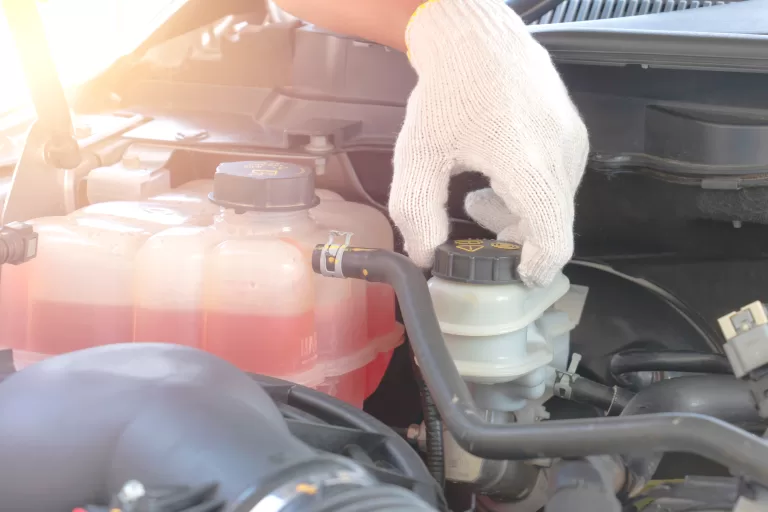
Begin by locating your vehicle’s brake fluid reservoir situated near the back of the engine bay, close to the driver’s side. Make sure to consult your owner’s manual for specific details about your vehicle’s brake system.

Step 3: Inspect the Brake Fluid

Wipe away any dust or debris from around the reservoir cap before opening it. Carefully open the brake fluid reservoir. Using your eyes first, check the color and clarity of the brake fluid. Look for any discoloration, cloudiness or foreign particles. If the fluid appears clear and yellow, the fluid is likely in good shape. However, if it exhibits signs of contamination, proceed to the next step.

Step 4: Use a Brake Fluid Tester

As Mrs. Wilms warns, “If high water absorption or significant colour changes are suspected, it is advisable to consult a specialist who can test the brake fluid and replace it completely if necessary.”

Even so, to accurately measure the moisture level in your brake fluid, utilize a brake fluid tester:

Insert the probe of the hygrometer into the brake fluid.
Wait for a few seconds for the tester to provide a reading.
Most testers will indicate the moisture content as a percentage. Aim for a moisture level below 2%. Levels above this indicate excessive moisture presence and warrant replacement of the brake fluid.

Step 5: Take Action if Moisture Is Detected

If you detect moisture levels above the recommended threshold:
Replace the Brake Fluid: It is advisable to replace the brake fluid entirely. You can do this yourself or seek professional assistance if you are not comfortable doing it. As Fakhreddine recommends, “When moisture is detected, the appropriate action is to flush and replace the brake fluid. It’s advisable to follow the manufacturer’s recommended intervals for brake fluid replacement to prevent moisture buildup. Regular checks and timely fluid replacement are key to maintaining optimal braking performance and vehicle safety.”

Correspondingly, Mrs. Wilms complements that, “The brake fluid should be changed regularly in accordance with the manufacturer’s instructions, usually every 1-2 years. This reduces the risk of moisture and ensures optimum braking performance.”

Inspect the Brake System:

Pay attention to the entire braking system for any signs of leaks or corrosion. If you suspect any part of your braking system is compromised, have it inspected by a qualified mechanic without delay. Underscoring the importance of proactive maintenance, Mrs. Wilms notes, “When signs of moisture appear, it’s crucial to check the entire brake system for leaks, even small ones can invite more moisture and compromise performance.”

Also Read: What to Do If You Suspect a Leak in Your Vehicle’s Fluid System

Regular Maintenance and Monitoring

To prevent moisture from becoming a problem in the first place, regularly checking your brake fluid for moisture content is a straightforward way to maintain your vehicle’s safety. As she summarizes on the importance of regular inspection, Mrs. Wilms settles that, “it is important to regularly check the condition of the brake fluid to avoid dangerous situations on the road and to ensure safety.”

That said, always check your brake fluid regularly — its condition directly affects how safely you can stop. Never risk your safety or your vehicle’s performance by neglecting this vital maintenance step. Your safety on the road depends on it.

Read More: 

Russia Looks to Increase Car Imports from BRICS Countries


Russia is planning to boost its car imports from other countries in the BRICS coalition, which includes Brazil, India, China, and South Africa. This move is expected to give consumers more choices and potentially lower prices.

Chinese automakers have dominated the Russian auto market since the start of 2023, leading to a rise in car prices. The average price of a car in Russia is now over $31,000, which is a lot for most people. But things might change soon.

New Players

At a recent BRICS summit in Kazan, no official agreements were made, but automakers from India, Iran, and other countries have announced plans to export cars to Russia. Indian automakers like Tata Motors could offer more affordable options for Russian consumers.

Iranian Influence

Iranian car brands like Khodro and Saipa are already selling cars in Russia, with plans for more models to come. These cars are seen as more budget-friendly compared to the local Lada brand, which has seen price hikes in recent years.

African Innovation

African countries, like Uganda, are also looking to enter the Russian market. Uganda is known for producing electric vehicles, and there are talks of supplying these to Russia. Other African nations are interested in partnering with Russian automakers for joint car assembly projects.

Competition and Challenges

While Indian and Iranian automakers may face tough competition from Chinese brands and local favorites like Lada, they are expected to bring diversity to the market. Russian consumers still have a strong interest in well-known foreign brands like Kia, Hyundai, Renault, and Volkswagen, even if they come with higher price tags.

Nissan Opens SA Corporate Head Office to Get Closer to Dealers and Customers


Nissan South Africa today officially opened its new South African operational headquarters in Irene. The new head office will serve as the hub for the company’s administrative and strategic functions in South Africa and its Independent Markets Africa division.

The building will enhance collaboration, streamline processes, and better serve its customers, explained Nissan South Africa and Independent Markets Africa Managing Director Maciej Klenkiewicz. It also reinforces Nissan’s commitment to providing a productive and progressive work environment for the team.

In terms of the move the management, sales, marketing, corporate finance and communications departments will be based at Irene, with the manufacturing operation continuing unchanged at Rosslyn as it has for the last six decades.

“It’s a decision that makes sense in terms of our strategy to build the business here and across Africa,” said Klenkiewicz as he symbolically cut the ribbon to welcome the corporate staff to their new offices this morning.

“In almost every other country, the corporate headquarters of any automotive OEM are physically disassociated from the manufacturing section, to allow company executives, the finance team, sales staff, and dealer network liaisons to become more accessible and develop closer contact with the end user, whether retail, fleet, or government,” he said.

“This new head office allows us exactly that, as well as providing the opportunity to ensure that we reflect the technological innovation and all-round efficiency that our vehicles are globally renowned for in our day-to-day engagement with the market and with our customers.”

Creating a corporate presence in a city’s financial centre as opposed to locating it out at the factory is not just in keeping with modern practice, it also harks back to Nissan’s own history in South Africa. Today, most of South Africa’s OEMs have corporate offices situated in or more of the country’s main cities, which Nissan itself had done so until comparatively recently.

“For years, our head office and marketing functions were housed in Alice Lane in Sandton, Johannesburg, opposite Sandton City, before we moved to Midrand in 2004 and then in 2007 to our current premises at Bill Wilson on the Rosslyn site, where we built the first Nissan vehicle in Africa almost 60 years ago. In many ways, we are returning our South African roots with this geographical split once again between manufacturing and corporate.”

Nissan’s new corporate offices are located at the brand-new Irene Link office park in Doringkloof, south of Pretoria.

November, Klenkiewicz said, was proving to be an auspicious month for Nissan South Africa, with the launch of the new Magnite scheduled for Cape Town on November 12 following its acclaimed global launch in India last month.

Morocco becomes EUs Second Largest Car Exporter


In 2023, Morocco saw a huge increase in car exports to the European Union, reaching over MAD 60 billion. This is a big jump of almost 30% from the year before. In total, Morocco sent out 536,000 vehicles in 2023.

Morocco is now the top exporter of cars to the European Union, beating out big countries like China and Japan. This growth is expected to keep going, making Morocco a key player in the global car market.

Top Destinations

Spain is the top spot for Moroccan car exports, followed by France, Turkey, Germany and Italy. Morocco is on track to become the biggest producer of finished vehicles in Africa, passing South Africa.

Reasons for Success

Morocco’s success in the car industry is thanks to its great location near Spain, making it easy to get cars to Europe. The country’s modern ports and better infrastructure help get cars to European markets quickly.

Foreign Investment

Morocco’s business-friendly environment and low labor costs have attracted big car companies like Renault and Stellantis. About 80% of the 700,000 cars made in Morocco each year are sent to the EU.

Future Goals

While local sales are steady, Morocco wants to make one million cars a year by 2025. The Tangier Med port is a key player in getting cars to Europe, with a capacity for one million new cars each year.

The port has two sections for cars: one for Renault and one for other brands. In 2023, these terminals handled around 600,000 cars, up 21% from the year before. Andrea Maria Serbu from the European Car Logistics Association says Morocco has been sending cars to Europe for years, with Stellantis and Renault making a lot for the European market.

Revolutionizing the Taxi Market in Kenya


MojaEV recently introduced 100 NETA V electric cars to the Nairobi taxi market. The first batch of 20 cars has already been given to taxi drivers, with the rest to follow by the end of the year. The company plans to deliver a total of 500 vehicles by the middle of next year. This move is a big step towards changing how transportation works in Nairobi.

Economic Benefits of Electric Cars

MojaEV believes that electric cars like the NETA V offer many advantages over traditional cars. They are cheaper to fuel and maintain, which means taxi drivers can make more money and be more financially stable.

Supporting Taxi Drivers

This initiative not only helps individual drivers but also creates a better economic system for the taxi industry in Nairobi. Many drivers struggle to get loans to buy vehicles because they can’t access banking services. MojaEV has partnered with banks to make it easier for clients to pay for rides directly to drivers’ bank accounts. This will help drivers build a financial history and improve their economic situation over time.

Meeting Demand for Sustainable Transportation

With 4.5 million people in Nairobi relying on public transport, there is a big need for efficient and eco-friendly taxi services. Currently, only 11% of the population uses digital-hailing taxis, so there is a lot of room for growth in this area. Adding 500 electric taxis to the city will make a big impact.

Growth of Electric Cars in Kenya

From 2018 to 2023, only 201 electric cars were registered in Kenya. Now, MojaEV will add 500 NETA V’s in just 8 months! This will help the electric car industry in Kenya grow. MojaEV is also selling Skyworth SUVs to fleet operators and consumers.

Luxury and Sustainability

MojaEV recently gave three luxury Skyworth SUVs to clients in Nairobi. The CEO, Mr. Wang, said that these vehicles represent a new era of sustainable transportation in Kenya. The Skyworth SUV is known for its great performance, spacious interior, and eco-friendly features. It’s a good choice for people who want to reduce their carbon footprint without giving up comfort or style. The all-electric powertrain means zero emissions, which helps Kenya reduce its overall carbon footprint.

Investment Opportunities in the Nigerian Automotive Industry


The Director General of the National Automotive Design and Development Council (NADDC), Oluwemimo Joseph Osanipin, recently talked about all the cool ways people can invest in the Nigerian automotive industry.

Investment Areas

He mentioned that investors could look into making local car parts, electric vehicles (EVs), EV charging stations, and gas-powered vehicles. These are the main areas where people can put their money.

Why Nigeria is a Great Place to Invest

Nigeria has a lot of natural gas and a big population, which makes it a really good place for automotive investments. Osanipin shared this information during the Nigeria-Morocco Business Week.

Strengthening Economic Ties

This event was a big deal because it helped make the economic relationship between Nigeria and Morocco stronger. People got to meet each other, share ideas, and talk about working together.

Keynote Speeches

Important people from both countries gave speeches that showed how important it is for Nigeria and Morocco to work together on economic stuff.

Visiting the NADDC Pavilion

The important people and other guests also got to check out the NADDC pavilion. They were given a document called the Nigeria Auto Policy, which gave them more details about investing in Nigeria’s automotive industry.

- Advertisement -