Sunday, May 31, 2026
Home Blog Page 13

NEXUS and IAMaga unifying the African Automotive Aftermarket Community


The NEXUS Africa Connecting Day and the One Africa Business Summit by IAMaga 2024 took place on November 18-19 in Johannesburg, South Africa, bringing together over 70 delegates, including NEXUS/IAMaga suppliers and members from across the continent. The strong representation from South and East Africa showcased the growing regional engagement.

A 2-hour conference set the tone with insights into Africa’s economy, automotive aftermarket challenges, and opportunities with two new suppliers joining IAMaga: Spanjaard (Pty) LTD and SKF. Spanjaard’s inclusion is particularly noteworthy as it marks the first local African supplier to join the IAMaga community. IAMaga is actively expanding its supplier portfolio, with approximately seven new suppliers expected to join soon.

Delegates engaged in a full schedule of 1-on-1 meetings, split across two days for efficient speed meetings and business discussions.

Also Read: IAMaga – The Nexus gateway to Africa

Launch of the Africa Feeder Project

The event announced the launch of the transformative Africa feeder project, and a highly interactive workshop focused on key initiatives:

  • Combatting counterfeit goods with advanced labeling solutions,
  • Simplifying supply chains and reducing trade barriers,
  • Exploring mutualisation of freight rates and certifications,
  • Leveraging data for market growth.
Anti-Counterfeit Workshop: Concrete Actions Ahead

A compelling anti-counterfeit workshop, in collaboration with Cypheme – The Leading AI Anti-counterfeit Service Provider – outlined a pilot project for Algeria and Morocco including key agreements:

  • Suppliers will adapt locally required labels for Morocco and Algeria to include anti-counterfeit fingerprint technology,
  • Cypheme will produce enhanced multi-functional labels,
  • Scanning benefits will be launched locally, within a Proof of Concept (POC) to demonstrate efficacy in support of broader rollouts.
IAMaga
On the right, IAMaga CEO Martin Hendriksen speaking at the One Africa Business Summit by IAMaga 2024|Image: IAMaga

Also Read: NEXUS Automotive International Accelerates Growth in Africa

Martin Hendriksen, CEO of IAMaga said: “This summit reinforced the NEXUS and IAMaga commitments to lead the African market transformation in order to offer extensive business opportunities to members and suppliers through innovative solutions, strategic initiatives, and fostering a connected community for sustainable growth. It also highlights their prospective vision to provide the African automotive landscape a clear roadmap to address the continental challenges”.

Also Read: Extremely Constructive Outcomes Following the First ‘The One Africa Business Summit’ organized by NEXUS in Cairo, Egypt

About IAMaga

IAMaga is a group representing African members of NEXUS Automotive International. NEXUS has more than 100 member companies in Africa and aims to leverage this leadership position to realise opportunities on the continent. IAMaga’s mission is to deliver aftermarket support services to take N! Members to the next level. The core expertise lies in building unique activities that develop business between members and supplier communities.

About NEXUS Automotive International

Established in 2014 by CEO Gaël Escribe, NEXUS Automotive International, the automotive aftermarket (AA) company, is shaping the future of the AA.

Thanks to an entrepreneurial, innovative and agile mindset, N! disrupts the industry bringing innovative solutions for a more sustainable, digital and connected mobility. At the same time, it supports its community of more than 498 members in 138 countries, allied with 76 global suppliers, by providing services to accelerate their growth.

N! is offering new approaches and new ideas for a connected, global and consolidated world of tomorrow to accelerate the success of car and heavy-duty spare parts and services distributors and manufacturers, through 16 regional structures that connect them.

NEXUS’ consolidated turnover is expected to reach more than 46 billion euros in 2024.

Japan Motors has launched three Geely vehicle models in Ghana


Japan Motors Trading Co. Ltd. (JMTC) has celebrated a historic milestone with the official launch of three Geely vehicle models in Ghana. The grand unveiling event marked a significant expansion of Japan Motors’ automotive portfolio, bringing the innovative Geely brand to Ghanaian consumers.

The newly launched Geely lineup includes three dynamic models:

The Coolray: A high-performance SUV designed with global modular architecture (BMA) and featuring Geely’s next-generation 1.5TD NordThor powertrain. With advanced engineering, the Coolray promises a powerful and smooth driving experience for modern drivers.

The Starray: An ultra-modern SUV inspired by Geely’s visionary “Vision Starburst” concept model. The Starray’s bold, futuristic design and advanced features set it apart as a standout choice in the SUV category.

The GX3 Pro: A stylish and cost-effective city SUV, offering practicality and economy without compromising on quality. Ideal for urban commutes, the GX3 Pro makes the dream of affordable, efficient mobility a reality.

In an exciting development, Japan Motors also announced that the Coolray SUV will be assembled locally at its state-of-the-art Japan Motors Vehicle Assembly Plant in Tema. This local production further underscores JMTC’s dedication to advancing Ghana’s automotive industry. Alongside its assembly of other brands like Nissan, Peugeot, and Foton, Japan Motors has produced over 1,000 vehicles with a record of zero defects, contributing to job creation and skill development in Ghana.

Speaking at the event, Mr. Amine Kabbara, General Manager of Sales and Marketing at JMTC, highlighted the importance of this milestone. “The launch of Geely marks a new chapter in Ghana’s automotive landscape. We are excited to offer Ghanaian drivers an unmatched driving experience defined by innovation and advanced technology,” he said.

Mr. Nouhad Kalmoni, Executive Director of JMTC, expressed enthusiasm for the three new models, saying, “Geely’s diverse product lineup offers something for everyone, whether it’s a compact car for city commuting, a versatile SUV for family adventures, or reliable options for company fleets.

“The locally assembled Coolray symbolizes our commitment to local manufacturing and the future potential of Ghana’s automobile industry. The Coolray stands as a symbol of what Ghana’s automobile industry can achieve and a potential for growth and innovation in the years to come”.

Mr. Kalmoni also assured customers of comprehensive after-sales support, with an industry-leading 6-year or 200,000 km warranty (whichever comes first) for Geely vehicles, setting a new standard for customer service in Ghana.

Geely’s General Manager for West Africa, Mr. Scofield Wu, added, “Geely has a strong global presence in over 70 countries, and we are excited to introduce our exceptional products to the Ghanaian market.” “Japan motors is one of the biggest auto groups in Ghana with a long history and good reputation, as such Geely will work together with the company to focus on users, continuously improve product and service capabilities, and we believe this will bring a more excellent car experience to every consumer in Ghana.

With this successful launch, Japan Motors and Geely are poised to become key players in Ghana’s automotive sector, meeting the growing demand for quality, technology, and affordable mobility solutions.

EV Connector Market


The EV connector market is experiencing growth, driven in part by the increasing demand for high-end applications across various vehicle systems such as infotainment, body control and interior, passenger safety, and vehicle lighting, among others. The adoption of EVs all around the globe is increasing the requirement of connectors for battery management systems, engine management, and powertrain systems in EVs for monitors and managing the battery pack, ensuring data transfer and optimal performance, safety, and longevity.

The growing popularity of advanced audio systems, touchscreens, and connected car technologies necessitates reliable and high-bandwidth connectors to ensure seamless data transmission and system performance. This demand Favors high-density, miniature connectors and fiber optic cables. Automatic climate control, power windows, and advanced driver-assistance systems (ADAS) rely heavily on sensors and actuators connected through connectors. The market has seen increasing adoption of lightweight, low-profile connectors that facilitate space optimization and weight reduction. Airbags, seatbelt pre-tensioners, and other safety-critical systems require connectors with higher reliability and durability.

Flame-retardant materials and anti-vibration designs drive growth in this segment. LED headlights, taillights, and interior lighting systems demand connectors that can handle fluctuating currents and temperatures while ensuring minimal signal interference. Innovations in material science and design led to compact, heat-resistant connectors for this application. Increased emphasis on premium interiors with heated seats, ambient lighting, and other amenities fuels the demand for aesthetically pleasing and functional connectors. Various technologies have been developed in driver assistance systems over the last few years. New technologies, such as autonomous vehicle technology, are in the development phase. These technologies, including adaptive cruise control (ACC), lane departure warning system (LDWS), blind spot detection (BSD), and park assist, among others, have helped the automobile industry advance and promote passenger cars across the globe.

Several countries in Europe and North America have introduced regulations to make installing specific driver assistance systems in passenger cars and commercial vehicles mandatory. China, South Korea, Japan, and Russia are likely to follow the same trend. All these ADAS features heavily rely on connectors for data transfer. The functionality of lane keeping assistance, adaptive cruise control, automated emergency braking, and parking assist systems is dependent on connectors. As automotive OEMs continue to develop and deploy more advanced ADAS features, the demand for EV connectors is likely to increase. Thus, increasing focus on advanced technologies in vehicle and passenger safety would drive the EV connector market during the forecast period.

EV CONNECTOR MARKET, BY REGION, 2023–2030

The EV connector market is projected to grow at a CAGR of 27.1 % from 2023 to 2030 and reach USD 10.92 billion by 2030. The increasing number of ECLIs/domain controllers in vehicles, in conjunction with the rising penetration of ADAS technology and advanced infotainment systems in vehicles, is expected to bolster the growth of the global EV connector market during the forecast period. In addition, the advent of electrification of vehicles, paired with the increasing focus on body control and increasing customer experience, is anticipated to create lucrative opportunities in the EV connector market in the foreseeable future.


The major players in the EV connector market are TE Connectivity Ltd. (Switzerland), Aptiv PLC (Ireland), Yazaki Corporation (Japan), Molex LLC (US), and Sumitomo Electric Industry Ltd. (Japan), among others. These companies have established their presence across all major markets. The key strategies adopted by these companies to sustain their market position are deals, product launches, expansions, mergers & acquisitions, and joint ventures, among others. Asia Pacific is estimated to account for the largest market share in 2023, followed by Europe and North America.

In recent years, the Asia Pacific region has emerged as a hub for automobile production. China, India, Japan, and South Korea are driving the automobile market with the largest share in production and sales globally. In addition, the increasing purchasing power of the population and rising concerns over vehicle pollution have triggered the demand for electric and semi-autonomous vehicles in Asia Pacific. One of the key drivers for the Asia Pacific market is the increased demand for connected services and ADAS features, among others, particularly in China, Japan, and South Korea.

Key automotive manufacturers in this region, connector providers, and system integrators focus on developing and innovating advanced connectors to support reliable, safe, and performance-oriented connectors. Japan boasts a strong and established automotive industry, with leading manufacturers, such as Toyota, Honda, and Nissan, driving significant production volume. This translates to a steady demand for high-quality, reliable EV connectors for various vehicle components. Chinese OEMs are making developing advanced powertrain engines. For instance, in July 2023, Geely (China) and Renault (France) entered into an agreement to establish a company dedicated to the manufacturing and supply of hybrid powertrain engines. This was one of the major drivers of EV connectors for hybrid vehicles, as connectors help in the complex architecture of a hybrid powertrain, ensuring seamless communication and power transfer between its electric and gasoline engine components. Thus, rising production/sales of EV cars, rising focus toward ADAS and safety features by OEMs, and inclination towards high-end applications vehicles are expected to support market growth for EV connectors in Asia Pacific.

EV CONNECTOR MARKET, BY APPLICATION, 2023 VS. 2030 (USD MILLION)

Europe is expected to be a promising market for EV connectors. This region is home to some of the top Tier I suppliers in the connector sector, such as TE Connectivity Ltd., Rosenberger Group, Leoni, and Lumberg Holding. The presence of these companies would contribute to the growth of the European EV connector market during the forecast period. Additionally, the presence of automotive OEMs such as Volkswagen (Germany), Mercedes-Benz Group AG (Germany), Renault (France), Stellantis NV (Netherlands), and AB Volvo (Sweden) offers growth opportunities for the EV connector market in the region, as these automotive OEMs provide EV with advanced ADAS and various infotainment features in their vehicle models.

And they heavily rely on connectors. Thus, advancements in electric vehicle models with ADAS and safety features, along with infotainment, will support the market growth of EV connectors in Europe soon. The North American region is estimated to account for a considerable share of the EV connector market in 2023 in terms of value. This is attributed to the fact that North America is a regional hub for many renowned OEMs known for delivering quality and high-performance vehicles. OEMs in North America, such as Tesla, Inc. and GM, focus on developing faster, cleaner, and high-performance electric vehicles. BMW AG, Nissan Motor Co., Ltd., Volkswagen, and Mercedes-Benz Group AG are the leading OEMs in US that have launched electric vehicles in the region. All these OEMs offer advanced autonomous technology, ADAS and safety, infotainment, and BMS, among others, in their electric vehicle models. The presence of key EV connector providers such as Molex LLC (US), Amphenol Corporation (US), Kyocera Corporation (US), and Samtec (LIS), among others, will help drive the North.

Source: MarketsandMarkets

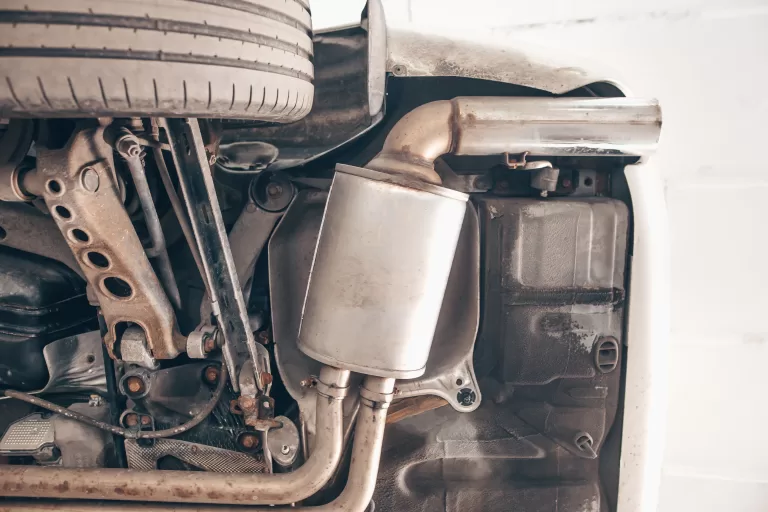
How to Prevent Rust and Corrosion in Your Exhaust System


Exhaust systems are highly susceptible to rust and corrosion, which can lead to expensive repairs and decreased effectiveness. So, how can you keep your exhaust system safe from rust and corrosion? Here are some effective strategies to protect your exhaust system from the damaging effects of rust and corrosion.

Choose the Right Material
When purchasing a vehicle or replacing components, opt for exhaust systems made from stainless steel or aluminized steel. Stainless steel is particularly effective, as it is resistant to rust and corrosion, this gives room for longer-lasting performance. Aluminized steel, while less robust than stainless steel, still offers better durability than traditional mild steel.

Regular Inspections
Regularly inspect your exhaust system for any signs of rust, cracks or holes. Early detection of these issues can help prevent more extensive damage. Look for discoloration, especially around weld joints and seams, which can indicate rust formation. Early detection allows for simpler repairs or replacements. If you’re not confident in your ability to inspect or maintain your exhaust system, it’s always best to consult with a professional mechanic. They can provide thorough inspections and recommend any necessary maintenance or repairs. Regular professional check-ups can help you curb potential issues before they escalate into bigger problems.

Keep It Clean
Keeping your exhaust system clean is vital in preventing rust. Regularly wash your vehicle, particularly after exposure to salt or corrosive materials. A thorough wash removes accumulated grime, dirt and salt that can trap moisture against the exhaust. Additionally, consider using a specialized rust-inhibiting spray on exposed areas to add an extra layer of protection.

Drive Your Vehicle Regularly
If your vehicle is rarely driven, moisture can accumulate in the exhaust system. Short drives may not allow the exhaust to reach the necessary temperature to evaporate water effectively. Try to drive your vehicle regularly and take longer trips to ensure moisture is expelled from the exhaust.

Use a High-Performance Exhaust System
Investing in a high-quality, performance-based exhaust system can aid in reducing rust-related issues. These systems often have better drainage designs and materials that resist corrosion. Research brands that prioritize durability and longevity when upgrading or replacing your exhaust system.

Apply Protective Coatings
Consider applying a high-temperature paint or sealant on the exterior of the exhaust pipes. These coatings can create a barrier against moisture and road debris, helping to prevent rust. Ensure that the product you choose is specifically formulated for high-temperature applications to maintain effectiveness without degrading.

Inspect Gaskets and Seals
Regularly check the gaskets and seals in your exhaust system. Damaged gaskets can lead to exhaust leaks, which may introduce more moisture and contaminants into the system. Replacing worn or damaged gaskets promptly can reduce the risk of corrosion.

Store your Vehicle Properly
If you have a classic car or a vehicle that you don’t drive regularly, store it in a dry, well-ventilated area. If possible, use a dehumidifier in the storage space to minimize moisture and humidity levels, which can help reduce the risk of rust developing over time.

How to Respond in Case of a Tyre Blowout


Experiencing a tyre blowout while driving can be a terrifying event. In the blink of an eye, what was once a smooth journey can turn into a crisis that puts your safety at risk. That sudden, jarring sensation coupled with the discord of rubber tearing can send anyone’s heart racing. Blowouts can create severe hazards, leading to loss of control, swerving and potential accidents.

Here are the essential steps to take if you find yourself facing a tyre blowout.

Steps to Take During a Tyre Blowout

1. Remain Calm
The first step is to stay calm. It is essential to maintain your composure. Panic can cause you to make hasty decisions that might worsen the situation. Take a deep breath and focus on regaining control over the vehicle. Keeping a steady hand on the wheel can help you maintain control of the vehicle. Your training and instinct will help guide you safely through this moment.

2. Avoid Sudden Braking
Resist the temptation to hit the brakes hard to come to a stop. Instead, gently take your foot off the accelerator to reduce your speed gradually. Abrupt braking can lead to skidding, especially if you’re driving on a wet surface. If you have the space, let the car lose speed naturally and steer straight ahead to maintain stability. If you need to turn slightly to avoid an obstacle do so gradually as you signal oncoming and surrounding drivers. Once you have decreased your speed, gently apply the brakes to come to a stop.

3. Grip the Steering Wheel Firmly
When a tyre blows, you may feel your vehicle pulling sharply to one side or hear a loud noise, followed by a loss of speed. As soon as you realize you’ve had a blowout, grip the steering wheel firmly with both hands to maintain control. Avoid jerky movements, as sudden corrections can lead to loss of control.

4. Signal and Move to a Safe Location
When your speed has decreased enough and you feel more in control, signal to other drivers that you are pulling over and steer toward the shoulder of the road or an appropriate area away from traffic, such as a parking lot. Ensure you choose a flat and stable surface to stop.

5. Turn on Hazard Lights
As soon as you begin to pull over, turn on your hazard lights. This alerts other drivers that something is wrong and lets them know to give you space. Check your mirrors and use your turn signal to indicate your lane change. This precaution can help prevent accidents while you address the situation. Once you’ve safely pulled over, Put the vehicle in park and engage the parking brake, especially if you’re on an incline.

What to Do After Stopping

1. Ensure Your Safety
Check for oncoming traffic and ensure it’s safe to get out. Exit the vehicle carefully and if you have reflective triangles or flares, set them up to further alert other drivers of your presence.

2. Assess the Situation
Assess the condition of your tyre(s) and determine whether you can replace it yourself or if you need professional assistance. If it’s a complete blowout and the tyre is damaged beyond repair, you may need to call a roadside service or tow truck. Never attempt to change a tyre in a dangerous area, especially on a busy road or in inclement weather.

3. Change the Tyre (if comfortable)
If you have the technical know-how and the right equipment, such as a spare tyre, jack and tyre wrench, you can attempt to change the tyre yourself.

4. Call for Help
If you’re uncomfortable changing the tyre or if the blowout has caused other issues, don’t hesitate to call for professional help.

5. Get a Professional Inspection
Once you’ve dealt with the immediate situation, take your vehicle to a professional mechanic to inspect the other tyres and any potential damage caused by the blowout. The blowout may indicate an underlying issue, such as improper tyre pressure or alignment problems, which should be addressed to prevent future incidents.

Preventing Blowouts

While blowouts can occur unexpectedly, there are preventative measures you can take to minimize risk:
Check Tyre Pressure Regularly: Maintain the appropriate tyre pressure, as underinflated tyres are more susceptible to blowouts.
Inspect Tread Wear: Ensure that your tyres have adequate tread depth. Rotate your tyres regularly to promote even wear.
Avoid Overloading: Don’t exceed your vehicle’s weight capacity, as this can strain tyres and lead to blowouts.
Be Wary of Road Hazards: Drive cautiously on poorly-maintained roads and be mindful of potholes, debris and excessive speed.
Always prioritize your well-being and that of others while on the road.

2024 Defender Rally Series: Final round of UK Championship at the Scottish Borders Hill Rally


The seventh and final round of the Defender Rally Series 2024 UK Championship, in partnership with Tata Elxsi, gets underway from Friday 15-17 November with the Scottish Borders Hill Rally. The rally will unite drivers and co-drivers across three days of intense off-road competition, defining the overall championships standings, with only 54 points currently separating the top three crews.

Seven Defender 90s, including current Championship leader Mark Thomas and co-driver Phil Mackay, will compete at the three-day event. The first day will allow drivers and co-drivers to adjust to their surroundings, with five miles of prologue racing. It provides teams with two opportunities to get the best seeding, before the main event gets underway.

A total of 161km will be covered across both day and night, with the inclusion of the night driving testing drivers’ skills to the maximum, as they race with diminished visibility across new stages and link roads, keeping even experienced crews on their toes.

The event takes place at the Forest Estate, near Castle Douglas, where smooth, fast forest roads and technical quarry sections will draw on driver’s skills across all terrains. The event is also the only self-contained UK hill rally, allowing non-road taxed vehicles to compete against road-registered vehicles like the Defender 90 across the same terrain.

Going into round seven, Thomas and Mackay sit 50 points ahead of Richard Kingsley-Smith and Adel Tyson in the UK Championship standings, with Dennis Ferry and Richard Mills just four points further behind, in third place. A total of 61 points are available for a combined event start and win.

Calum McKechnie, General Manager, Bowler Motors, said: “The Scottish Borders will be the culmination of everything our drivers have learned, including the addition of a thrilling night stage, and we’re looking forward to seeing how well they perform. The mixed terrain lends itself well to the Defender and we’re confident of witnessing another successful rally. With this being the final event of an incredible season, we’re proud of the dedication and friendly, competitive spirit our drivers and teams have shown throughout the year.”

Defender Rally Series – Provisional** UK Championship Standings 

Position  Driver/Co-driver  Points 
1 Thomas/Mackay 309
2 Kingsley-Smith/Tyson 259
3 Ferry/Mills/Gillespie 255
4 Dooling/Dooling 221
5 Burrell/Kirby/Morris 199
6 Lynch/Nicoll 184
7 Fairhead/Chambers 164
8 Bell/Tomley/ Mills 139
9 McCallum/King 133
10 Burgess/Hutchings (a.k.a. ‘Bowler Boys’) 43
11 White/Gillespie 39
12 Williams/Hammond 31
13 Williams/Lowe 29
14 Cannon/Cannon 0

**Championship standings are provisional. One point is awarded for event entry, plus 60 points for 1st, 54 points for 2nd, 48 points for 3rd, 46 points for 4th, minus two points per position thereafter.

Proton opens New CKD Plant in Egypt


Proton has opened its third CKD plant in Egypt, following the ones in Kenya and Pakistan. The plant, located in Al Oula Industrial Park, Giza, was inaugurated by Malaysian prime minister Anwar Ibrahim, along with other important officials.

Plant Details

The facility is owned by Ezz Elarab Elsewedy Automotive Factories (ESAF) and is valued at US$35 million. It has a production capacity of 20,000 units per shift and is expected to create jobs for up to 400 people.

Production and Export Plans

The first CKD Saga packs have already been shipped to Egypt, with the first completed units expected to be ready by December. Proton plans to produce 1,400 units by 2024, increasing to 5,000 units next year. By the end of 2026, the company aims to ship a total of 16,000 CKD packs to Egypt.

Export Markets

Apart from local consumption, the CKD Sagas will also be exported to countries in North and Sub-Saharan Africa. Proton hopes to generate RM570 million through these exports, along with an additional RM20 million from parts exports.

Malaysian prime minister Anwar Ibrahim emphasized the importance of joint ventures like this for advancing local industries. Proton’s chairman, Syed Faisal Albar, highlighted the company’s potential in international markets and expressed interest in further collaborations.

Proton’s new CKD plant in Egypt marks a significant step for the company’s expansion into African markets and showcases Malaysia’s automotive industry on a global scale.

General Motors Egypt Celebrated Production of One-Millionth Vehicle


General Motors Egypt recently hit a huge milestone by producing its one-millionth vehicle at its local factory. The event was a big deal, with Deputy Prime Minister for Industrial Development and Minister of Industry and Transport, Kamel Al-Wazir, in attendance. This achievement shows how committed General Motors is to making cars in Egypt and helping the country grow its industry.

First Private Car Manufacturer to Reach One Million

General Motors is the first private car maker in Egypt to hit the one-million mark for locally made vehicles, in partnership with General Motors Global. The company established its first regional manufacturing facility in Alexandria nearly 90 years ago and have been exporting to countries in the Europe, the Middle East and Africa.

Local Manufacturing and Partnerships

Al-Wazir mentioned that General Motors Egypt works with lots of local, regional and global partners. They make over 90% of their sales right here in Egypt. The company is also focused on using more local parts in their cars.

National Program for Developing the Automotive Industry

General Motors Egypt is part of a program that helps car makers by rewarding them for using local parts, investing in the country, making lots of cars, reducing emissions and following global environmental rules.

National Industry Strategy (2024–2030)

The Ministry of Industry has a plan to help Egypt’s industry grow over the next few years. They want to build new factories, increase exports, help struggling factories, improve product quality, create more jobs, train workers and embrace new technology.

Boosting Egyptian Industry

The plan includes making more factories to reduce the need for imported parts and attract investors with good products at good prices. They also want to increase exports, especially for eco-friendly industries that use local materials like iron and aluminum.

The plan involves helping closed or slow factories get back on track and supporting new projects to boost production. The Ministry of Industry is working to make sure Egyptian products can compete in local and global markets.

Increasing Employment

The goal is to double the number of people working in the industry by 2030, with General Motors Egypt playing a big role in creating jobs. Partnerships with schools and companies aim to train workers with the skills needed for the industry, with General Motors possibly helping out. The plan includes going digital, supporting green industries and making it easier for investors to start businesses in Egypt.

How Ultra High Performance Tyres Improve Handling and Grip


As an everyday driver seeking to optimize your vehicle’s capabilities, Ultra High Performance (UHP) tyres are a must have. Made from a softer rubber compound that enhances traction, UHP passenger tyres represent a significant leap forward in driving technology that enhances the overall vehicle performance.

“Driving performance is at the heart of what we do,” says the Bridgestone SA Sales Director, Thandeka Ngoma. “Our tyres are engineered to respond to the demands of today’s drivers. We’ve incorporated cutting-edge technologies that enhance both handling and grip, ensuring that our customers can enjoy a safe and exhilarating driving experience, no matter the weather.”

“We understand that high performance tyres play a pivotal role in enhancing vehicle handling and grip, significantly impacting the driving experience. Our tyre line up is a prime example of our commitment to delivering advanced technology that meets the needs of modern drivers,” emphasized Ms. Ngoma.

How UHP Tyres Improve Handling and Grip

Designed for sports cars, performance sedans and some luxury vehicles, UHP tyres are instrumental in determining how your car behaves under various conditions. But what exactly sets UHP tyres apart from their standard counterparts?

1. Precise Steering Response

UHP tyres keep you truly connected to your vehicle. They deliver strong grip and sharpen steering feedback, giving you precise control even through sharp turns or sudden manoeuvres.

2. Enhanced Stability

At high speeds, stability becomes vital. “These tyres are designed with features that enhance stability at high speeds and during dynamic maneuvers. For instance, a sporty carcass design found in our Potenza Sport tyre improves cornering stability and steering response, allowing for precise handling,” highlights Ms. Ngoma.

UHP tyres are capable of maintaining their shape under extreme radial forces, providing a stable platform for the vehicle. This stability also provides smoother transitions through corners and reduced tyre squirm when making quick directional changes.

“Ultra-high-performance (UHP) passenger tyres significantly enhance handling, grip, and overall driving dynamics, especially during high-speed and precision driving,” says Sammy Mwenda, Business Operations Lead at Atlas Auto Service Centre. “Engineers design these tyres to deliver superior performance across varying conditions, giving drivers greater control, stability, and confidence behind the wheel.”

3. Rubber Compounds

Ultra High-Performance tyres rely directly on advanced and innovative rubber compounds to deliver their performance.

“Performance tyres are engineered to provide exceptional stability and control across various weather conditions,” observes Ms. Ngoma. “We employ innovative rubber compounds that provides excellent traction in both dry and wet conditions. This ensures that drivers can rely on their tyres to perform well regardless of weather changes,” She adds.

According to Mwenda, UHP tyres use special rubber compounds that enhance grip by maintaining flexibility at a range of temperatures. Softer, sticky compounds in the tread allow the tyres to bite into the road surface, delivering superior dry grip. “These high-tech compounds also offer greater resistance to heat build-up, which is critical during high-speed driving. This ensures the tyre remains pliable and doesn’t lose traction as it heats up, further improving handling,” he adds.

4. Tyre Tread Design

The tread design of UHP tyres is a composite of engineering finesse and thoughtfulness of driving dynamics particularly in challenging conditions. According to Mwenda, “UHP tyres feature advanced tread patterns that are optimized for maximum contact with the road. These patterns are often asymmetric or directional, allowing the tyre to channel water more effectively, improving wet grip and reducing hydroplaning risk. Additionally, the large, continuous ribs along the edges of UHP tyres increase surface contact during cornering, leading to better traction and stability when making sharp turns.”

5. Quicker Braking Distances

UHP tyres have the ability to reduce braking distances significantly. The specialized rubber compounds and advanced tread designs work together to provide maximal grip during braking, giving room for responsive and efficient stopping power. “An example of this technology is found in our Turanza tyre range which is designed with a sophisticated tread pattern that optimizes road contact, allowing for superior grip during acceleration, braking and cornering. Extensive testing has demonstrated its best-in-class wet braking performance, giving drivers the confidence they need when navigating challenging conditions,” notes Ms. Ngoma.

6. Sidewall Stiffness

Sidewall stiffness plays a critical role when a tyre must deliver acceleration, braking, and cornering performance. “One of the most important aspects of UHP tyres is their reinforced sidewalls, which are stiffer than those of regular passenger tyres,” interprets Mwenda. “This increased stiffness enhances cornering stability by reducing the amount of flex in the tyre during turns. The reduced sidewall flex helps the tyre maintain better contact with the road, improving both steering response and overall handling precision,” he adds.

7. Wide Contact Patch

The contact patch is the area of a tyre that makes direct contact with the road surface. The shape, size and distribution of the contact patch can impact everything from grip and steering response to fuel efficiency and tyre wear. As he notes, Mwenda affirms that, “UHP tyres are designed with a wider contact patch, that is the area of the tyre that touches the road. A larger contact patch distributes the vehicle’s weight more evenly, leading to improved grip, especially during aggressive acceleration or braking. This results in better control at higher speeds, as the tyre can better respond to changes in driving dynamics.”

8. Increased Confidence

Driving with UHP tyres instills a sense of confidence. Knowing your tyres deliver optimal performance gives you the confidence to push boundaries, explore your vehicle’s limits, and enjoy a more exhilarating driving experience. This added confidence can lead to more thrilling rides, be it a scenic highway or a twisty mountain road.

9. Heat Management

Heat management is essential in high-performance driving, as excessive heat can lead to tyre degradation and loss of grip. UHP tyres use advanced cooling technologies to dissipate heat more efficiently than standard tyres. This capability ensures that the tire remains stable and performs optimally during extended periods of high-speed driving or rigorous cornering.

Various UHP tyres feature temperature indicators that help drivers monitor the tyre’s heat levels. Knowing when a tyre is approaching its optimal temperature helps the driver to adjust their driving style accordingly to prevent overheating and maintain consistent performance.

Choosing the Right UHP Tyres for Your Vehicle

Selecting the right UHP tyres is a crucial step in optimizing your vehicle’s performance and safety. “Our ultra-high-performance tyres, exemplified by our vast product range are designed to significantly improve handling and grip, allowing drivers to enjoy a safer and more dynamic driving experience,” endorses Ms. Ngoma. “We believe that tyres are vital for achieving optimal handling and grip, enhancing safety and driving enjoyment for all motorists because that’s what really matters,” she concludes.

Key Factors to Consider When Choosing UHP Tyres

Investing in Ultra High-Performance tyres is an empowering choice that can elevate your driving experience to new heights. However, as you consider upgrading to Ultra High-Performance tyres, keep a few essential factors in mind. First, always select tyres that match your vehicle’s specifications. Not every UHP tyre suits every vehicle, so always check the manufacturer’s recommendations first.

Also consider how you drive and the weather conditions in your area. Some UHP tyres perform best in dry conditions, while others deliver stronger grip in the rain or light snow. Consult a tyre professional to select options that match your driving style and local climate. “UHP passenger tyres are improving handling and grip by incorporating advanced tread designs, high-performance rubber compounds, reinforced sidewalls and larger contact patches. These features work together to provide superior traction, precision and control, making them ideal for drivers who prioritize performance and safety, particularly in high-speed and dynamic driving conditions,” indicates Mwenda.

Finally, proper alignment and air pressure are vital to ensure that your UHP tyres perform optimally and that you experience all the advantages they offer. Your vehicle deserves tyres that reflect performance and longevity.

Read More: 

The Role of Thermostat in Regulating Engine Temperature and Radiator Function


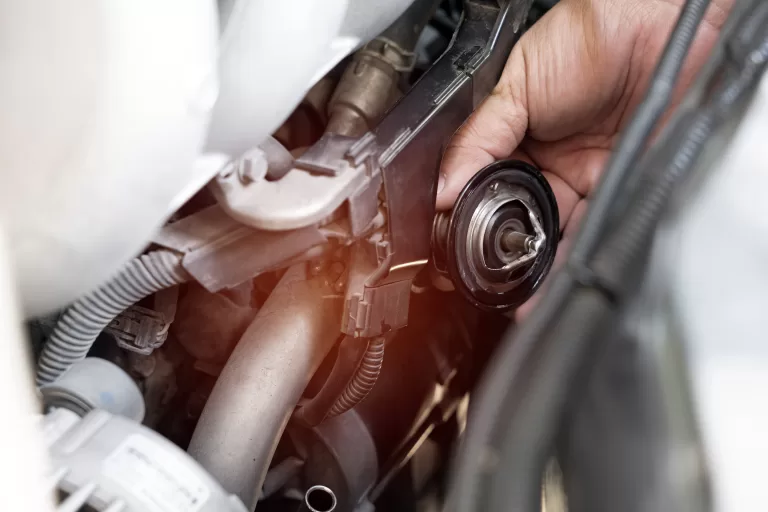
Radiator harmony begins with a thermostat’s touch, a temperature-sensitive valve that acts as a control mechanism within your vehicle’s engine cooling system. I could refer to it as a “small but mighty” component situated between a vehicle’s engine and the radiator.

“The thermostat is an essential component in the cooling system of internal combustion engines. Its primary function is to regulate the flow of coolant, allowing the engine to reach and maintain its optimal operating temperature, generally between 85°C and 105°C. This ensures efficient and safe operation, preventing issues such as overheating or excessive cooling,” says Jurgen Sergooris – CSO – Sales and Marketing Director at FAE – Francisco Albero S.A.U.

Sergooris adds, “In an internal combustion engine, the system converts less than 25% of the generated energy into useful work and dissipates the rest as heat. The thermostat plays a crucial role in managing that heat.”

Similarly, as described by Davide Orlandi – Sales and Marketing Director at I.A.P International Automotive Parts s.r.l, “The thermostat is a device that regulates and controls the temperature and flow of coolant between the engine and the radiator. This specific component opens to allow coolant to circulate inside the engine, enabling the engine to cool down. This is why the thermostat acts as a “guardian” that controls the engine’s temperature by regulating the flow of coolant between the engine and the radiator.”

Types of Thermostats

There are several types of thermostats, each serving a different purpose. Let’s look at the mostly used types of thermostats:

• Mechanical Thermostat:

“This basic design uses a wax element that expands when heated, opening the valve to regulate coolant flow. As the coolant cools, the wax contracts and the spring closes the valve, controlling the flow to the radiator,” highlights Willem van Ham – Marketing Manager AVA.

Sharing his opinion on mechanical thermostats, Orlandi explains, “A wax element controls the thermostat’s operation. When heat causes the wax to expand, it opens a valve that allows coolant to flow back to the radiator for cooling. Manufacturers adjust the thermostat’s opening temperature within specific limits, depending on the vehicle type and engine specifications.”

Additionally, speaking with Stevan Manzan – Mechanic Engineer at MTE-THOMSON, “When the temperature of the liquid rises and reaches the temperature, at which the valve opens (it depends on the vehicle’s design, but is around 90°C), the wax inside the thermo-element begins to expand, presses the spring and the valve begins to release the liquid into the radiator. This way, all the liquid is cooled down on the radiator and goes back to the engine, stabilizing its ideal operating temperature. Depending on the variation in external temperature, altitude conditions, demands in heavy traffic and load, the valve continues working to maintain the correct temperature.”

• Electrically Assisted Thermostat:

The electrically assisted thermostat enhances the mechanical thermostat’s functionality by utilizing an electric actuator, making precise adjustments in real time. As van Ham notes, “This newer version adds electrical assistance, allowing the thermostat to open at more precise temperatures. This results in better fuel efficiency and reduced emissions.”

Emphasizing on this type of thermostat, Orlandi states that, “Modern thermostats function through the use of a sensor that measures the coolant temperature, a control module that receives the signal from the sensor and compares the current temperature to the setpoint and an actuator that opens or closes the thermostat valve based on the instructions from the control module. The opening temperature can be adjusted within certain limits to optimize engine performance”

• Fully Electric Thermostat:

Electric thermostats utilize electronic signals to operate. This shift brings several advantages that can greatly improve your driving experience. “The newest option, this thermostat is controlled by the vehicle’s ECU and operates independently of the coolant temperature. It uses sensors to provide precise control, enhancing performance and fuel economy,” says van Ham.

• Fail-Safe Thermostats:

It’s essential to note that thermostats can fail. Fail-safe thermostats are designed with a built-in safety mechanism such that it defaults to a safe position in the event of a malfunction. In the event of a failure, such as a broken spring, the thermostat will remain open, preventing the engine from overheating. This feature provides an added layer of security, especially for drivers who prioritize engine safety.

• Dual-Stage Thermostat:

Some vehicles utilize a dual-stage thermostat, which has two separate temperature settings. The two stages involve a lower threshold temperature for initial operation and a higher threshold for peak performance. For example, during light driving conditions, the thermostat might open sooner to help reach operating temperature more quickly, which can enhance fuel efficiency. Under heavier loads, the second stage opens for increased coolant flow to absorb excess heat generated by the engine. It can maintain a higher temperature for optimal performance. This flexibility is particularly beneficial for high-performance vehicles.

• Remote Thermostats:

Commonly used in performance vehicles, remote thermostats are designed to be installed away from the engine. This configuration allows for different temperature settings based on specific driving needs. They can be adjusted more easily and provide a level of customization that isn’t possible with standard thermostats.

Also Read: How Often Should I Change Engine Coolant

Thermostat Cover and Housing

The thermostat cover and housing are protective components that encase the thermostat and provide attachment points for associated hoses and connections within the cooling system.

Thermostat Cover:

The cover serves as a protective cap over the thermostat. It is typically made of durable materials, designed to withstand high temperatures and pressures.

“The thermostat cover not only holds the thermostat in place but also facilitates the transfer of coolant between the engine and the radiator,” remarks Albert Fernàndez Mateu – Marketing and SEO manager at FARE Automotive. “Additionally, some thermostat housing are equipped with a pressure release valve,” continues Mateu. “This feature helps prevent excess pressure from building up in the cooling system, which can protect the engine from damage. In summary, the thermostat cover is a key component in regulating engine temperature and ensuring proper coolant circulation between the engine and the radiator,” he emphasized.

Thermostat Housing:

The housing is the larger component that supports the thermostat, seals it in place and integrates with the engine’s cooling system. It allows for the connection of coolant lines that carry coolant to and from the engine and radiator.

“The thermostat housing is located between the engine and the radiator,” says Mateu. “Thermostat housing plays a critical role in the cooling system of internal combustion engines. Their primary function is to regulate the engine’s temperature, ensuring it operates within the optimal range to prevent overheating or excessive cooling,” he adds.

The Role of the Radiator

The radiator functions as a heat exchanger. Its job is to dissipate the heat absorbed by the coolant as it circulates through the engine. When the coolant exits the engine, it carries heat away and the radiator disperses that heat into the air. The efficiency of radiator function is crucial for maintaining an appropriate engine temperature.

Also Read: What Affects Your Engine Temperature While You Drive

The Relationship Between Thermostat and Radiator Function

The relationship between a vehicle’s thermostat and radiator is a cornerstone of effective engine temperature management. While the thermostat controls the flow of coolant, the radiator serves as the cooling agent for that coolant. But how exactly does this process work?

Cooling Cycle:

When you first start your vehicle, the engine is cold and the thermostat remains closed. This closure prevents coolant from flowing to the radiator and allows the engine to reach its optimal operating temperature quickly. “The thermostat is essential for maintaining your engine’s optimal temperature, ensuring top performance and efficiency. When the engine is cold, the thermostat stays closed, allowing coolant to heat up quickly. Once it reaches the optimal temperature, the thermostat opens, letting coolant flow through the radiator to keep the engine running smoothly,” asserts Willem van Ham – Marketing Manager AVA.

“A temperature sensor monitors the coolant and signals the fan when it gets too hot,” continues van Ham. “If the temperature drops, the thermostat begins to close again, reducing flow and keeping the system as close to the ideal temperature as possible – typically between 85°C and 95°C, depending on the type. Modern vehicles often have higher operating temperatures than older models.”

Flow Control:

Apart from opening to allow coolant flow to the radiator, thermostat also regulates how much coolant is circulated. For instance, if the engine temperature rises too high, thermostat opens further to allow more coolant flow and if the engine cools down, thermostat restricts flow to allow the engine to reach its optimal temperature again.
As Manzan cautions, “Never remove or allow the thermostat to be removed from the vehicle!”

System Efficiency:

If the thermostat sticks closed, it causes the engine to overheat and can lead to significant engine damage. If it sticks open, the engine takes too long to reach its optimal operating temperature, which reduces performance and fuel efficiency. Regular maintenance, including checking on the thermostat, can help you avoid these issues.

Also Read: How Can I Tell My Radiator is Leaking

Importance of Choosing the Right Thermostat

Selecting the right thermostat for your vehicle is essential for maintaining proper engine temperature and radiator function. An incorrect thermostat can lead to poor engine performance, increased fuel consumption, and even significant engine damage due to overheating.

“The thermostat, in its perfect functioning, helps to make better use of power and increase the engine’s lifetime, reducing wear on other components, ensuring safe performance of your vehicle,” says Manzan. “Its function is to allow the engine to heat up as quickly as possible and then maintain the ideal working temperature,” he adds.

“A quality thermostat contributes to the durability of the engine by preventing damage that can arise from overheating, such as the premature wear of critical components,” notes Sergooris.

“However, it is important to note that other factors, such as dirty radiators or water pump failures, can also affect the performance of the cooling system,” he enlightens.

What Vehicle Owners Should Watch For

As a vehicle owner, it’s vital to keep an eye on your engine temperature gauge. Knowing how your thermostat is functioning can save you from costly repairs. If you notice fluctuations in temperature or indications of overheating, inspect your thermostat’s condition, along with your radiator’s efficiency. However, before making any changes, it’s advisable to consult a professional mechanic who can assess your current thermostat condition, aid in selecting the right upgrade or replacement and ensure proper installation. Even so, if your vehicle’s thermostat is faulty or you may want an upgrade, to take advantage of the automotive technology advancements, it is worth considering this evolution in automotive design.

- Advertisement -