
Fleet operators prioritize fuel efficiency, route optimization, and driver performance to maximize returns. However, one critical system often operates out of sight while directly influencing safety, efficiency, and operating costs: the suspension system.
When operators overlook suspension maintenance, the consequences extend far beyond ride comfort. Poor suspension performance increases fuel consumption, accelerates wear across key components, and raises the risk of unplanned downtime. These hidden costs quickly compound, undermining profitability, reducing reliability, and placing unnecessary strain on fleet operations.
The Role of Suspension in Fleet Performance
The suspension system, comprising shock absorbers, springs, and tyres, keeps wheels in constant contact with the road, ensuring stability, precise braking, and responsive handling. It plays a central role in vehicle performance and safety.
As suspension components wear, vehicle control deteriorates. Even a single worn shock absorber can significantly increase stopping distances, directly compromising safety and efficiency. For commercial fleets operating under heavy loads and over long distances, the impact becomes even more severe. Every kilometer driven with a compromised suspension system increases mechanical strain, accelerates wear, and drives up long-term costs.
Hidden Cost #1: Increased Fuel Consumption
Poor suspension reduces fuel efficiency, often without operators noticing. When shocks and struts fail, tyres lose consistent road contact, increasing rolling resistance. Engines then work harder and consume more fuel.
Across a fleet, even small inefficiencies lead to significant financial losses over time. When multiplied across multiple vehicles, the cost becomes substantial. In contrast, well-maintained suspension systems improve alignment, reduce drag, and support smoother, more efficient vehicle movement.
Hidden Cost #2: Accelerated Tyre and Component Wear
Tyres represent a major expense in fleet operations, and poor suspension significantly shortens their lifespan. Worn shock absorbers cause uneven tyre wear, known as cupping, which reduces traction and braking performance.
The impact extends beyond tyres. Ineffective suspension systems place additional strain on steering components, bushings, joints, axles, and braking systems. As these parts compensate for instability, they wear out faster, increasing repair frequency and costs. By maintaining a healthy suspension system, operators protect critical components, reduce maintenance expenses, and sustain consistent performance.
Hidden Cost #3: Increased Downtime and Maintenance
Downtime remains one of the most expensive challenges in fleet management. Every hour a vehicle remains off the road reduces revenue and disrupts operations. Poor suspension maintenance contributes significantly to this problem by causing unplanned repairs and breakdowns.
Components such as shock absorbers and bushings deteriorate over time, leading to oil leaks, reduced damping performance, and structural fatigue. These issues rarely remain isolated. Instead, they trigger a ripple effect across tyres, steering, braking, and chassis systems, increasing repair complexity and costs.
A proactive maintenance approach helps operators reduce breakdown risks, extend component lifespan, and maintain consistent vehicle performance. Most importantly, it keeps vehicles operational and revenue-generating.
Hidden Cost #4: Reduced Driver Safety and Comfort
Vehicle condition directly affects driver performance. Poor suspension creates a rough, unstable ride that increases driver fatigue and reduces control.
Drivers operating vehicles with worn suspension experience poor handling and delayed steering response, making maneuvering more difficult. Increased braking distances further limit their ability to react in critical situations, raising the likelihood of accidents.
At highway speeds, even minor suspension wear can compromise stability, especially under heavy loads. What may seem like small inefficiencies can quickly escalate into serious safety risks. Proper suspension maintenance therefore serves as a proactive safety measure that protects drivers, cargo, and overall operations.
Hidden Cost #5: Cargo Damage and Customer Loss
Transport operators must protect cargo integrity at all times. Poor suspension increases vibration and transfers excessive shock to goods in transit, putting them at risk.
This leads to damaged products, increased insurance claims, dissatisfied customers, and potential loss of repeat business. In contrast, a well-maintained suspension system absorbs road impact effectively, protects cargo, and ensures consistent service quality. By prioritizing suspension health, operators safeguard both their goods and their reputation.
Why KYB Commercial Vehicle Solutions Make the Difference
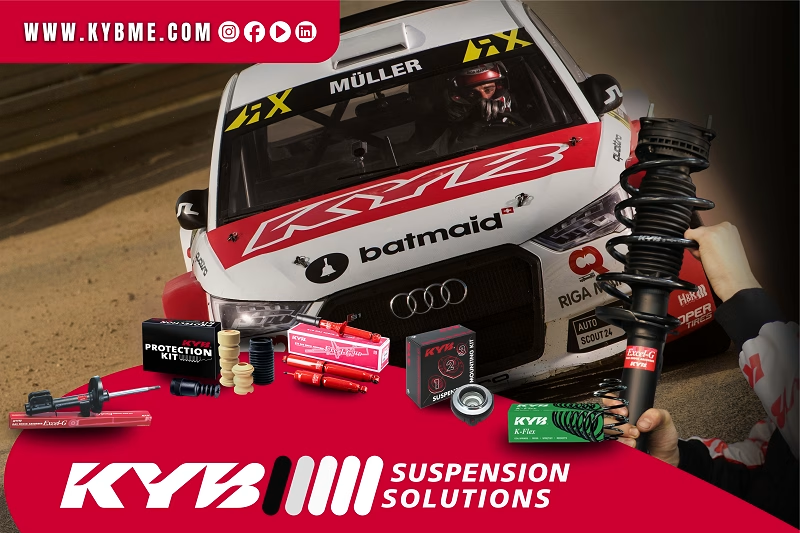
KYB leads the global suspension market by supplying original equipment to major vehicle manufacturers and setting high standards for performance and reliability. The company designs its suspension systems to deliver stability under heavy loads, improve handling, extend component life, and reduce total cost of ownership.
KYB integrates advanced shock absorber technology that minimizes vibration and maintains consistent tyre contact with the road. This improves safety, enhances efficiency, and ensures reliable performance in demanding fleet environments.
Unlike low-cost alternatives, KYB components deliver long-term value. They last longer, require fewer replacements, and help fleets reduce maintenance costs while maximizing uptime.
A Smarter Approach to Fleet Efficiency
Fleet operators gain a competitive advantage when they treat suspension as a strategic investment rather than a routine maintenance item. A proactive approach reduces costs, improves performance, and enhances reliability.
Operators should implement disciplined maintenance practices, including regular suspension inspections, timely replacement of worn shock absorbers (approximately around 80,000 km), use of high-quality OEM-grade components, and proper training for maintenance teams to detect early warning signs.
This approach shifts maintenance from reactive to preventive, minimizes risks, reduces unexpected breakdowns, and maximizes uptime and profitability.
Small Component, Big Impact
Suspension systems may not always receive attention, but their impact on fleet performance is significant. From fuel efficiency and tyre wear to safety and downtime, poor maintenance introduces hidden costs that quickly add up.
By investing in KYB’s high-quality solutions and prioritizing proactive maintenance, fleet operators can reduce operating costs, improve vehicle performance, and enhance overall reliability. In a competitive transport environment, small details make a big difference and suspension is one detail no operator can afford to ignore.
Also Read:
Backed by KYB Engineering: Why Suspension Quality Determines Vehicle Safety on Africa’s Tough Roads
Automotive Suspensions – Understanding the basics of Automotive Suspension
Automotive suspension market: Accelerated shift from passive to active suspension systems

