
Pioneer Corporation (“Pioneer”, hereafter) has been providing information sharing services utilizing in-car cameras, telematics insurance solutions using drive recorders equipped with communications functionality, and fleet management services for many years. Pioneer also develops solutions for issues in various industries utilizing massive amounts of data collected by these services and solutions, together with data analysis techniques.
On this occasion, Pioneer’s “PoC * of telematics service for high efficient global logistics in ASEAN” has been selected under “The Program for Strengthening Overseas Supply Chains(Type 2: Development for Product/Service Value Chain)” publicly solicited by the Japan External Trade Organization (“JETRO”, hereafter). The Support Project aims to create more resilient supply chains, especially in the Asian region, and to strengthen economic and industrial cooperation between Japan and ASEAN countries, in light of the vulnerabilities in Japanese supply chains made apparent by the spread of the COVID-19 pandemic.
Pioneer will demonstrate its telematics services in Thailand and the Mekong region, with a view to introducing “logistics planning optimization solutions” that will improve the efficiency of land transportation in the region.
- *PoC : Proof of Concept
Outline and purpose of demonstration project
| Project name | PoC of telematics service for high efficient global logistics in ASEAN |
|---|---|
| Project start period | December 2020 (planned) |
| Areas where demonstration will be conducted | Thailand and the Mekong region |
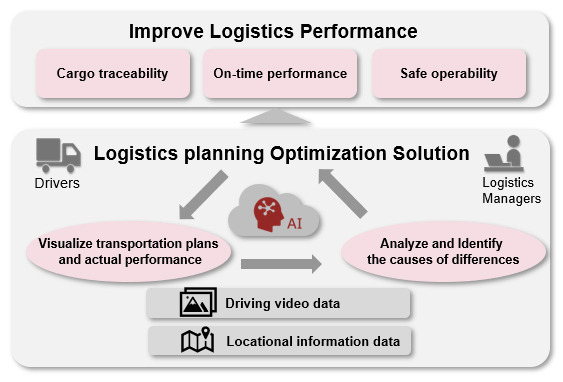
| Purpose | Currently, logistics in the ASEAN region is facing issues in terms of the shortage of data for quantitatively evaluating business conditions and efficiency. In addition to visualizing the state of transportation operations, the “logistics plan optimization solution” developed by Pioneer identifies the causes of differences between delivery plans and actual performance by performing multifaceted data analyses centered around driving video data. Plans are also reviewed automatically according to the state and scale of the identified causes of differences, enabling improvements in the work efficiency of logistics managers and drivers. Through this demonstration project, Pioneer will quantitatively measure and evaluate land transportation in Thailand and the Mekong region, validate the effectiveness of its solutions in improving logistics performance attributes (such as cargo traceability, on-time performance, and safe operability), and aim to introduce solutions which contribute to increasing the resilience of supply chains in the region. |
Looking ahead, Pioneer will continue in its aim to resolve social issues on a global scale by co-creating new solutions produced using driving video data, in collaboration with professionals in various industries, and providing them in their optimal form.
Source: Pioneer
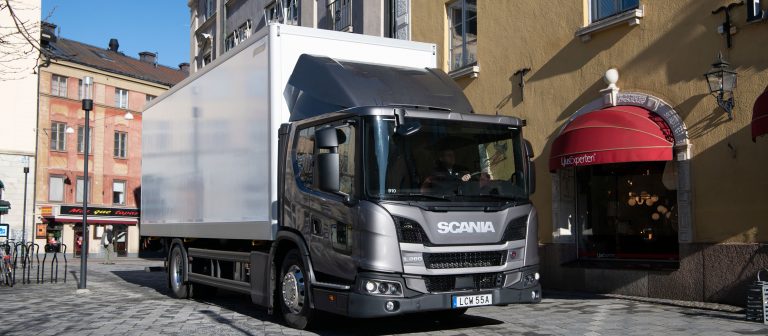
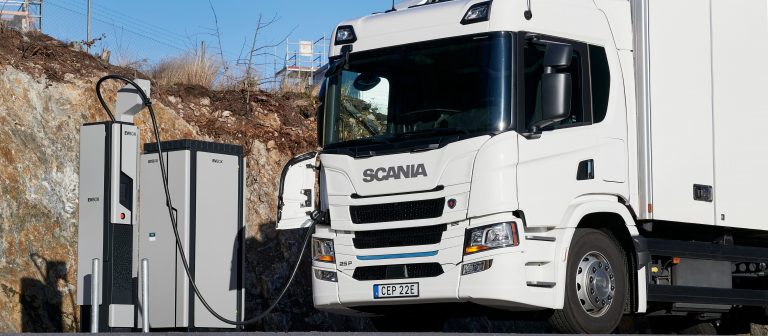
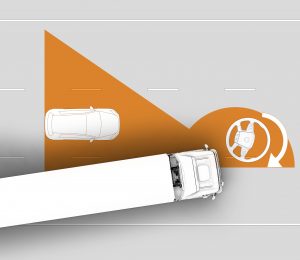 Scania trucks with EAS can be ordered with several smart support systems that , based on a de-facto standard in the automotive industry, all are identified using confusing acronyms. Scania’s answer is to bundle these support systems into three packages – named Detection, Prevention, and Comfort – that will guide potential customers by through a simple and logical structure.
 The first model to be assembled at the new facility will be the all-new Nissan Navara pickup, unveiled by Nissan earlier this month. Nissan has a long heritage within the pickup segment and the new model will be produced to specifications created for the African market.
 Construction of the new facility is already underway, as are the recruitment and appointment of new employees, skills development and technical training to share and apply Nissan’s global quality production standards.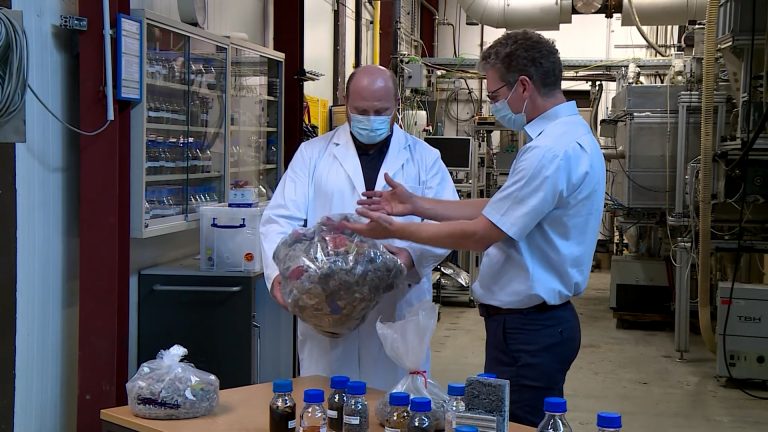
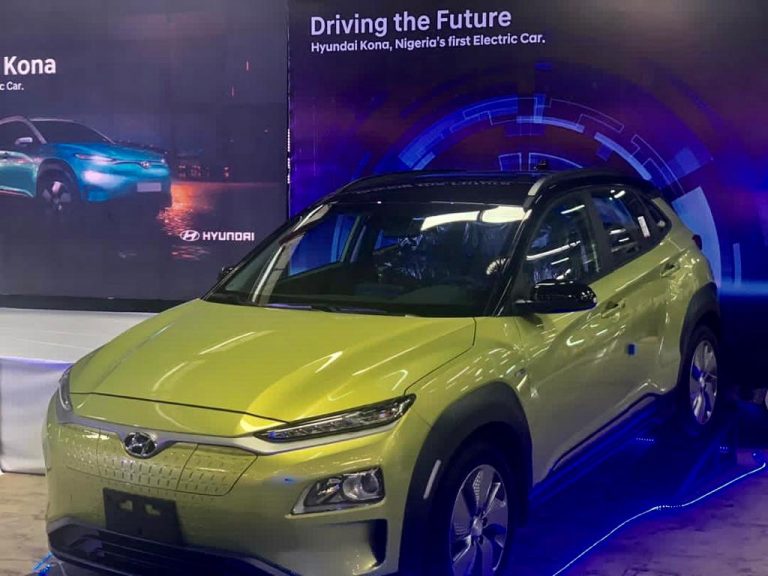

 The presentation of the “Hyundia-Kona” comes in a particular context in Nigeria. This West African country wants to reduce its carbon emissions by 179 million tonnes per year by 2030 through the adoption of renewable energy and decarbonised mobility. At the end of 2018, the Nigerian government signed a memorandum of understanding with Volkswagen for the construction of a car assembly plant in the country. The partnership also concerns the creation of a training academy in collaboration with the German government and the “broader” technical training of the community in the field of automotive skills.
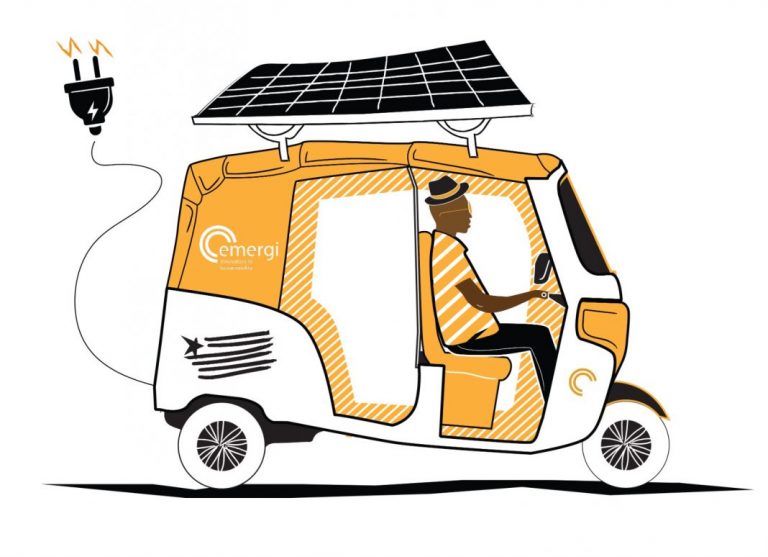
 Currently, the start-up operating in West Africa is facing a problem: the unavailability of funds to move from the prototype stage to the production phase of the electric Kekeh’s. So Emergi recently launched a fundraising campaign for Liberians. The campaign, which ends on December 4, 2020, could help mobilize funds to launch the large-scale production of electric vehicles for urban transport, in a context where galloping fuel shortages are putting a strain on drivers in the capital, Monrovia, and beyond. “With 3,500 euros (just over 746,000 Liberian dollars), we can put an additional electric Kekeh on the market, as well as a solar-powered recharging station,” says Emergi. Initially, the young company hopes to raise 10,000 euros.