Monday, June 1, 2026
Home Blog Page 41

China Looks to Africa in Race for Lithium


It is the new gold rush, and China is leading the hunt as prices surge. Only it’s not gold everyone’s looking for, it’s lithium. Many say the future of electric vehicle production and, more broadly, combatting climate change, depend on the rare metal.

Prices for the “green metal” have seen an almost 500% increase in the past year, according to Bloomberg.

Sung Choi, a metals analyst at BloombergNEF, told VOA, “The cost of lithium has risen because virtually all automakers have jumped onto producing electric vehicles.”

Electric car tsar and Tesla CEO Elon Musk tweeted that the “insane” costs meant “Tesla might actually have to get into the mining & refining directly at scale.”

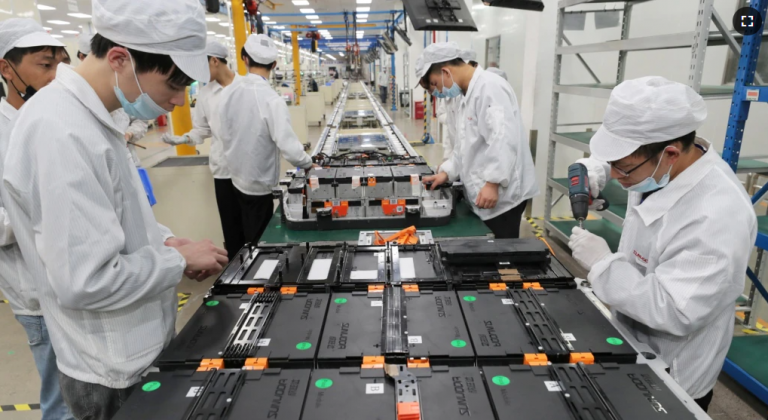
That is exactly what China has been doing, and its companies are looking to make sure they don’t run out of the metal needed to make lithium-ion batteries – which China, which has the largest EV market in the world, produces 80% of globally.

While more than half of global lithium resources are in South America and Australia, China is scouring the world for new sources of the metal, including in the Qinghai-Tibetan plateau and elsewhere, but increasingly in Africa.

“Africa has recently been in the spotlight with its ample resources in metals,” Choi said.

Shenzen-headquartered Chinese conglomerate BYD is in talks to buy six new lithium mines in unspecified African countries, Reuters reported, citing Shanghai government supported publication The Paper. Repeated emails to the company from VOA requesting details of the deals went unanswered.

In the Democratic Republic of Congo, Chinese mining giant Zijin is in a legal battle with Australia’s AVZ minerals over control of the Manono mine – possibly the world’s biggest lithium deposit — in the resource-rich country’s east.

In Zimbabwe, too, home to large untapped deposits of the resource, China is buying up mines. In a major deal, Zhejiang Huayou Cobalt is investing $300 million in its recently purchased Arcadia Lithium mine outside Harare, according to Reuters. The money will be used to construct a plant with a processing capacity of 400,000 metric tons of lithium concentrate a year.

Shenzhen Chengxin Lithium Group and Sinomine Resource Group are just two of the other companies that have invested in lithium in Zimbabwe in the past year.

The Zimbabwean government has welcomed the investment. Spokeswoman Monica Mutsvangwa told VOA via WhatsApp that the economically unstable country, which is under Western sanctions, plans to rebrand itself as a major player in “the blooming lithium sector.”

“We aim to fill the vacuum being created by the displacement of fossil fuel engines by electric batteries,” she said.

In an apparent reference to the West, she added in an email to VOA, “The battery storage industry of the ushering New Electric Vehicle Era has shunted you by the wayside … Triple digit figures in the mergers and acquisition of Arcadia Lithium, Buhera Lithium deposits and Bikita Minerals have shunted you aside.”

Joe Lowry, founder of advisory firm Global Lithium, told VOA that Western lithium producers had been taken by surprise regarding the growth of the EV industry and therefore the rush for lithium.

“Lithium has been a tiny niche market for 7 decades. The global market for lithium chemicals didn’t reach a billion dollars until 2015. The industry was not prepared for electrification of transportation,” he said by email.

“You can build a huge battery factory like Tesla does in a couple years. It takes up to ten years to bring a fully integrated lithium chemicals project online,” he said.

Meanwhile, “Chinese producers invested ahead of the curve in resources outside China … (and) are looking at Africa,” Lowry said.

The U.S., too, knows the importance of Africa. General Stephen Townsend, AFRICOM commander, told the House Appropriations Committee in April, “Africa possesses vast untapped energy deposits …(needed to) transition to clean energy, including mobile phones, jet engines, electric hybrid vehicles and missile guidance systems.”

“The winners and losers of the 21st century global economy may be determined by whether these resources are available in an open and transparent marketplace or are inaccessible due to predatory practices of competitors,” he added.

And while some of the key components for EVs come from Africa, the market for the finished product – made overseas – is still minuscule on the continent. The mines provide jobs, but critics say locals don’t see enough trickle-down from the multimillion-dollar projects.

Last year, Congolese President Félix Tshisekedi said that people living in areas with mines were “still languishing in misery,” while foreign multinationals prospered. He has launched a review of his predecessor’s “minerals-for-infrastructure” contracts with Chinese mining companies.

Source: VOA
Stellantis to establish an electric vehicle manufacturing plant in 2025


The multinational automotive group Stellantis will build a plant for the local manufacture and export of electric vehicles. The project, which will be implemented by 2025, will develop the green mobility sector in the country of the pharaohs.

After testing an electric car model produced by the American manufacturer General Motors in December 2021, the Egyptian Prime Minister Moustafa Madbouli has just approved the project to build an electric car factory led by Stellantis, a multinational automotive group founded in January 2021, resulting from the merger of the PSA Peugeot-Citroën group and Fiat Chrysler Automobiles.

The $35 million (approximately 651 million Egyptian pounds) facility will be built by 2025 and will be used for local manufacturing of electric vehicles. Stellantis is represented on Egyptian soil by its agent Mansour Group, which will ensure the promotion of the new ranges of vehicles that the future factory will develop as well as their export to several African countries in addition to Morocco, Algeria and South Africa where the group’s subsidiaries are already present.

In Egypt, the government no longer hides its determination to support the green mobility sector and this is reflected in the incentives, notably the exemptions granted to electric vehicle drivers. In this context, the Egyptian Ministry of Electricity has also announced that it will build 1,000 fast-charging stations per year over three years, with a unit capacity of 50 kW.

While the global green mobility market recorded a fleet of 2.65 million electric vehicles on offer in 2021, supply is expected to reach 145 million units by 2030 according to the International Energy Agency (IEA). This is why the multinational group Stellantis has also signed a partnership with the Moroccan authorities in 2021 for the production of the new Opel Rocks-e (of the German brand Opel, editor’s note) in its factory based in Kenitra, north of Rabat. The electric car, which has a range of 75 kilometres and a top speed of up to 45 km/h, will be marketed internationally

Ashok Leyland expands and strengthens its presence in Southern Africa


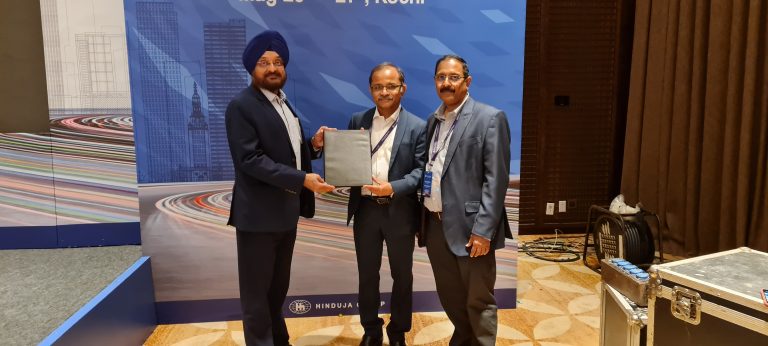
Ashok Leyland, the flagship Company of the Hinduja Group and India’s leading commercial vehicle manufacturer, has announced their new distribution partnership with ETG group’s logistics, warehousing and distribution vertical, ETG Logistics (ETGL).  ETG is a global conglomerate operating across various segments, with a deep focus on uplifting Sub-Saharan Africa. An agreement was signed between the two companies for cooperation of Distribution of products in the Southern African region. ETGL will operate dealerships for Ashok Leyland in 6 key Southern African countries as part of this strategic cooperation.

Speaking on the occasion, Mr. Amandeep Singh, Head International Operations, Ashok Leyland said, “We have ambitious growth plans for the African Market. Our time tested products are well suited for the African terrain and offers superior value proposition to customers. ETG group’s extensive connect in these markets will complement our growth plans. We are already present in most of the East and West African countries. We now have the right product portfolio with Best in Class TCO to cater to requirements of this market and provide excellent value proposition for customers.”

Mr. Rajeev Saxena, CEO of ETGL, said,“We are excited to announce our partnership with Ashok Leyland Ltd. This partnership will be instrumental in bringing a range of Commercial Vehicles solutions to address specific requirements of different customer groups in the territory.”


Autochek adds KIFAL Auto to expand into North Africa


Nigeria-based auto loan services platform Autochek Africa acquired Moroccan automotive technology startup KIFAL Auto as part of a plan to expand into North Africa.

KIFAL Auto offers what it calls a seamless process for buying and selling used cars and improves access to financing, warranties, insurance and other services, the report said. Morocco is home to more than 180,000 new cars and about 560,000 used cars sold annually and the sector is poised to grow another $14 billion in the next five years.

Autochek uses data analytics to help financial institutions offer credit to consumers, the report said. The KIFAL Auto team will join Autochek as part of the acquisition.

“I have long been an admirer of the work Autochek has done to enable improved experiences across Africa’s automotive value chain,” said Nizar Abdallaoui Maane, CEO and founder of KIFAL Auto, in the report.

“In our industry and especially in an African context, it makes a lot of sense to continue growing with a large player. Morocco is a gateway into North Africa and I am confident that we can unlock new value and drive further transformation across the board,” he said.

“From my first interaction with Nizar and his team at KIFAL Auto, I was so impressed by their passion for delivering effective solutions and their commitment to innovation,” said Etop Ikpe, CEO and co-founder of Autochek, in the report.

In December, Autochek Africa announced the launch of a new cars section on its website and mobile app, allowing customers in East and West Africa to access digital financing options to buy new cars and trucks from reputable manufacturers.

The offering offers repayment terms of up to 60 months and attractive interest rates from regional players including Ecobank and Kenya’s NCBA Bank, with up to 90% financing.

New 2022 partnership Rymax Lubricants & Simen Olsen


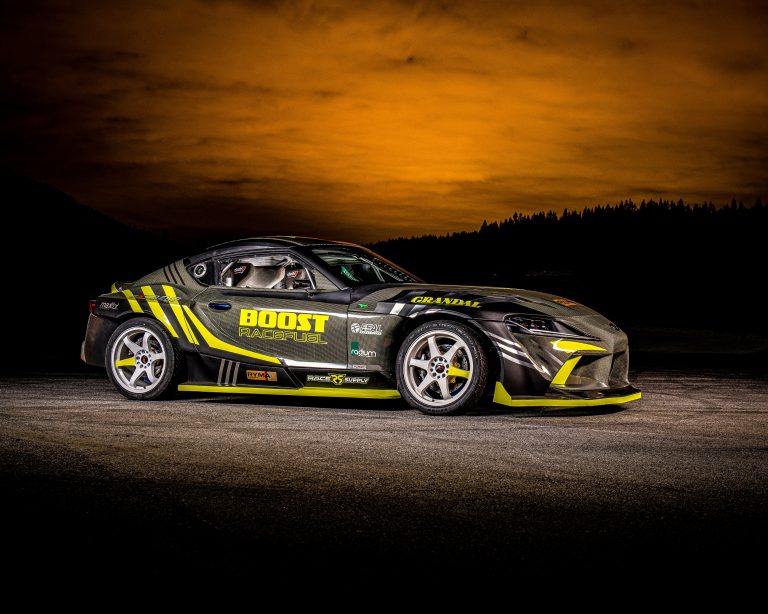
Rymax Lubricants and Norwegian drift driver Simen Olsen have agreed on a sponsorship for the 2022 season. The 2021 Formula Drift ‘Rookie of the Year’ has a clear ambition: become the number 1 drifter in the world. Rymax Lubricants is proud to be part of this journey and strongly identifies with the big challenge Simen and his team commit themselves to.

Rymax Lubricants has a strong connection with the drift sport. Not only is the Dutch lubricants brand one of the main partners of Europe’s biggest drift event: Gatebil.no, but several other remarkable drifters are found in the Rymax Racing Team, like Hunter Taylor who is undoubtably one of the most ambitious females in the sport.

The 25-year-old Norwegian drift talent Simen Olsen has rocketed himself into the established driftscene. With a noteworthy youth career in motorsports, his focus has shifted to drifting about 5 years ago when he set a goal for himself: become the number 1 ranked drift driver in the world. This resulted already in an overall win in the Norwegian Driftcup Pro in 2021 and the impressive ‘Rookie of the Year 2021’ title in the world’s highest class: Formula Drift, with a record-high in points.

For Simen’s ambition, his team is just as important as his own performance. His crew chief, coach, spotter and mechanics form a strong, loyal and essential part of the family. Olsen: “Without team improvement, there can’t be personal success. We see the same philosophy over at the guys at Rymax.” Rymax Marketing Manager Jan-Pieter Doove confirms: “We approach this sponsorship as partners. We want to grow together to realize Simen’s ambition and we will do whatever we can to get him there.”

The challenging drift sport puts high demands on the lubricants. With engines tuned well over 1.000 bhp, even the experienced spectator sometimes wonders how these machines don’t break down. Using high-quality products is of essential importance, that is why Simen Olsen and his team have chosen to corporate with Rymax Lubricants to lubricate their two Toyota GR Supra’s. Olsen: “I already have very good experience with Rymax in my private- and racecars. I know I can rely on the quality which is important for me and the team.” In return, Rymax uses the experiences from the team to further improve the products. “Developments that eventually will find their way to consumers all over the world” says Doove.

For 2022, Simen Olsen and his team have already kicked-off the Formula Drift season with appearances in Long Beach and Atlanta. Next to the US program, Simen will also compete in Europe in the Norwegian Drift Championship, at two Gatebil events and at the famous German Iron Drift King event.

Bridgestone EMEA puts spotlight on sustainable investing


Bridgestone EMEA has highlighted the rising need for the development of quality sustainable tyres in light of the increasing rollout of electric vehicles (EVs) and mounting calls for green mobility in the region.

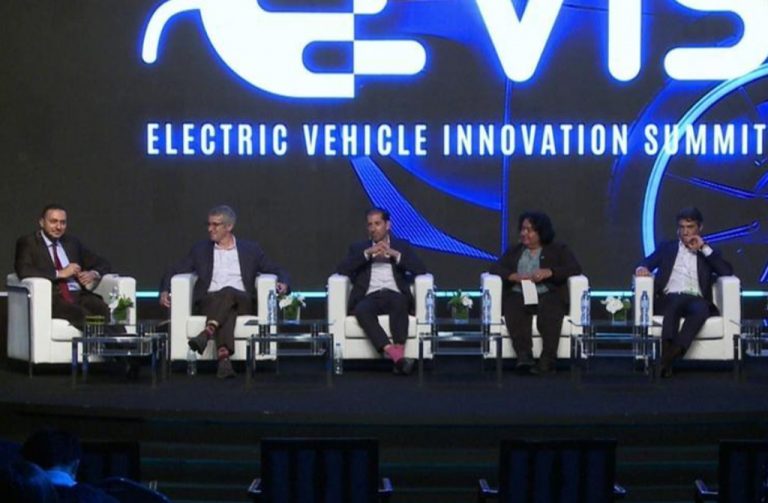
Bridgestone made the statement during its participation at the Electric Vehicle Innovation Summit (EVIS), which is being held from May 23 to 25, 2022 in Abu Dhabi. During the summit, the company noted the growing demand for premium tyres and tyre technologies specific to EV requirements.
Stefano Sanchini, Regional Managing Director at Bridgestone Middle East, and Africa said: “Bridgestone is fully committed to aligning its business model with circular economy and carbon neutrality across the value chain. Knowing that EVs are vital innovations to reduce the transport sector’s carbon emissions, we are moving towards developing tyres that can answer all relevant needs concerning this special type of vehicle.”
Future of mobility
Sanchini shared his insights on the sustainable mobility revolution at EVIS as one of the panelists of this year’s gathering. The Bridgestone executive was part of the panel discussion titled ‘Investing in the Future of Mobility.’
He was joined by Mike Granoff, Managing Partner at Maniv Mobility (Israel); Alex Gilbert, Head of Energy & Electrification‐ Commercial Development at Transport for London (UK); Sophia Nadur, Managing Partner at bp Ventures (UK); and Karine Singh, Managing Director at Total Energies (UAE). Ahmed Samir Elbermbali, Managing Director at Clean Energy Business Council (UAE), moderated the panel discussion.
“Investing in technologies able to support the future of transport is crucial. To be a part of the global sustainable mobility ecosystem, we have to be more proactive in achieving our long-term environmental targets and goals. For Bridgestone, it has been engaged in pioneering superior products for accelerated EV development and adoption,” Sanchini added.
Superior EV tyres
Bridgestone offers a portfolio of superior EV tyres and tyre technologies that are engineered to provide excellent handling and control, short braking distances and exceptional grip in all weather conditions.
Capitalising on huge opportunities in the EV market, the leading tyre brand formed a partnership with electric car startup Fisker to launch an all-electric SUV in several European markets.
It also acquired the Arvento Mobile Systems, a digital fleet solutions provider that offers fleet management services to customers in Turkey and the Middle East. In addition, it teamed up with Webfleet Solutions to help boost the efficiency of the automotive market

Automotive Lubricants – How to make your car more viable


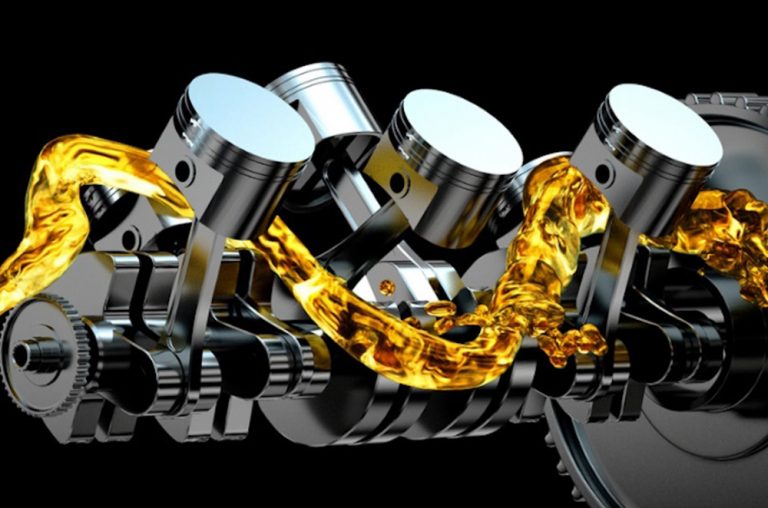
Automotive Lubricants is made up of a blend of lubricating oils with characteristics for use in different types of vehicles. Most modern vehicles, aside from gasoline, utilize some type of lubricant, most commonly an oil-based product. There are basically four types of lubricants: Synthetic Lubricants, Organic Lubricants, EPDM, and Spubricants containing petroleum-based additives.

Synthetic Lubricants have numerous applications. It contains no moisture, thus eliminating dirt and grease build-up that causes friction. All these lubricants improve the performance and efficiency of moving parts such as the gears in your car or truck.

The organic lubricants on the other hand are usually made from recycled petroleum. They can withstand high temperatures and are highly wear-resistant. Their ingredients are usually derived from crude oil, such as crude oil, natural gas, crude coal, and diesel. These lubricants have higher heat tolerance than their synthetic counterparts. They also resist wear and tear, and there is a considerable delay before any changes in friction appear, which makes them good choices for high-performance applications.

Another category of Automotive Lubricants is the tribology compound. This lubricant uses silicone to improve oil film wear and improve lubrication properties. Its ingredients are derived from a variety of sources including seaweed, talc, and chalk. Tribology lubricants are used in high-performance engines because of their additive properties, which reduce friction. Lubricants with silicone remain slippery when cold and can be drawn into the mating surfaces for added lubrication.

This type of lubricant has a lower melting point, and therefore it is commonly used in engines and other cooling components without any additional protection. Some examples include conventional oil and transmission fluid. Some additives are added to these fluids for the purpose of lubricity and/or to prevent metal depletion.

These additives include polymeric blocks, metal bridges, and greases. However, the main article type contains lubricants with low melting points and adequate viscosity for normal engine operation.

Automotive Lubricants provides several benefits. They improve the functioning of moving parts, thus increasing the durability of your engine. They also improve the life of your engine, thus decreasing your maintenance costs. They prevent metal fatigue, decrease oil consumption and increase gas mileage, among other things.

Automotive Glass Installation


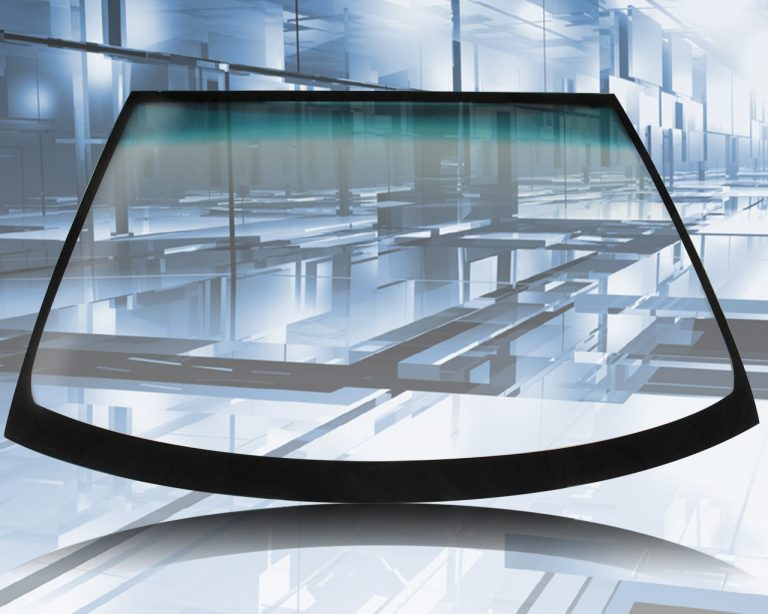
Automotive glass is made up of layers, each one with a specific function. As a vehicle is being driven, it undergoes compression and expansion, which take the shape of microscopic bubbles known as stress cracks. These stress cracks expand into micro cracks in the next layer of automotive glass. These are known as flake breakage and pose a threat to the integrity of the vehicle. In addition, these small cracks spread quickly and may cause the window to shatter.

There are three types of automotive glass. The windshield is the thin transparent cover that protects you from the elements and protects your vision. Windshields can be made from a variety of materials including composites, plastics, and glass. Windshields that are made from a composite material experience the least amount of compression and expansion during driving, thus minimizing the chance of breakage. Plastic windshields experience greater wear and tear due to driving and the constant heating and cooling that occur in a vehicle.

Automotive glass is also used to protect you from dust and to enhance the overall look of your car. It is important for the glass to be designed properly to properly fit your window. You need to ensure that the measurements are correct and that the glass is thick enough to effectively block wind and noise. Your window should also fit well and securely on your car. If you are buying a new windshield, it will come with instructions to fit it correctly and retain its integrity over time. However, if you have an older windshield, it is recommended that you replace it with a new piece.

The structural laminate or window glass comes in two types: the split or cleated and solid. The split glass is placed between two sheets of glass using an adhesive. The cleated glass is placed between the other two sheets. This allows for air flow to stay in the car and prevents heat buildup.

In addition, toughened safety glass is becoming more popular as it offers better visibility when driving at higher speeds and by workers in the car. It is also important for windshields to have clear windows, minimal distortion, and high strength. In addition, it is imperative that the glass should not be fade resistant and break resistant. All of these standards should ensure that you get the best glass for your specific situation.

When looking for automotive glass, you should look for a company that sells everything from automotive glass to windows. Glass installation is usually done at the dealership or directly by a dealer.

However, if you are not interested in paying that much, you can install the automotive glass yourself. You do not have to be a master carpenter in order to do this, and there are many guides available to help you through the process. The key is to make sure that you get a good guide and follow all of the step-by-step instructions. There is no need to worry if you find you cannot install your own windshield; many companies will ship the broken pieces to you so you can get it fixed and back on the road.

Automotive Softwares – Full Control For Your Car


Automotive software has improved dramatically over the past decade. Anyone involved in vehicle development understands why. Software developers have invested significant time and expertise to ensure features are practical, intuitive, and user-friendly. As a result, the market now offers a wide range of solutions that enhance vehicle functionality, particularly how drivers communicate with and manage their cars. Across Africa, innovation hubs such as Liquid Intelligent Technologies and research institutions like CSIR continue to support digital mobility ecosystems.

Enhancing Communication and Connectivity

Communication has become a defining feature of modern vehicles. Technologies such as text messaging integration, MMS, and Bluetooth connectivity are now standard in many models. Automotive manufacturers use these systems to provide real-time information about vehicle performance and condition.

Most automotive software operates on embedded systems, enabling seamless communication between networked computers that control various vehicle functions. This integration enhances reliability, responsiveness, and overall driving experience.

Installation and System Integration

Automotive software is widely accessible. Many programs can be installed directly onto a computer, and some are available as free downloads online. However, installation can occasionally present challenges. In certain cases, users may need to adjust system drivers to ensure compatibility.

For individuals accustomed to traditional, proprietary car computer systems, this process may seem complex. Historically, vehicle computers relied heavily on manufacturer-specific software, limiting flexibility. Today’s systems, however, are increasingly adaptable and compatible with a broader range of applications.

Customization and Flexibility

Automotive software comes in multiple formats. Some packages provide comprehensive solutions, offering all the tools necessary to manage and optimize vehicle systems. Others offer modular add-ons, allowing users to customize specific functions such as key systems or performance controls.

These solutions support a wide range of hardware configurations, including many of the most popular vehicle brands and models. This flexibility allows users to tailor their systems to meet individual preferences and operational needs.

Accessibility Beyond Professionals

Automotive software is not limited to professional technicians or engineers. Enthusiasts restoring vehicles to showroom condition can also benefit. Much of the necessary data is preloaded into the system, making installation and use straightforward.

To maximize effectiveness, users should allow automotive software to operate alongside existing vehicle functions. Running systems in parallel ensures seamless integration and optimal performance, including accurate visual displays on onboard monitors.

Also Read: The Role of Automotive Software in Enhancing Vehicle Safety

Choosing the Right Software Package

For those considering investment, selecting a software package compatible with a specific automaker is advisable. High-quality packages can reduce hardware costs and streamline installation. They often include integrated tools that eliminate the need for multiple standalone applications.

With hundreds of manufacturers offering solutions, consumers can find packages tailored to their technical requirements and budget.

The Value of Automotive Software

Automotive software empowers users with greater control over their vehicles. It enhances communication, improves reliability, supports customization, and increases operational efficiency. Whether for professional application or personal interest, modern automotive software represents a powerful tool in today’s connected mobility environment.

India mulls extending anti-dumping duties on Chinese tires


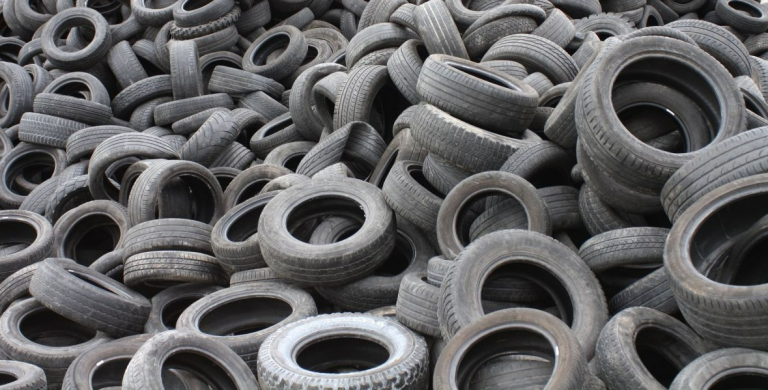
The Indian government has launched a sunset review of anti-dumping duties on new tires from China. The duties, initially imposed in 2017, cover imports of new or unused pneumatic radial tires with or without tubes and/or flap of rubber (including tubeless tires) having nominal rim diameter code above 16 inches used for trucks and buses.

In an announcement 20 May, India’s Directorate General of Trade Remedies (DGTR) said the review was being carried out upon a petition by the local Automotive Tyre Manufacturer’s Association (ATMA).

In its statement DGTR said there continued to be “significant” dumping margin for the Chinese products despite the anti-dumping duty in force.

“Moreover, there is prima facie evidence of the excess capacities in the subject country, the potential trade diversion and the price attractiveness of the Indian market.

“It is noted that there is prima facie likelihood of continuation/recurrence of the dumping and the injury to the domestic injury,” it said.

Companies named as interested parties included: Qingdao Doublestar Tire Industrial, Doublestar International Trading, Shandong Youngfeng Tyres and Pioneer Trading Corp.

Imposed in August 2017, the anti-dumping measures included duties ranging from $277/tonne – $452/tonne.

Among other manufacturers, Shandong Yinbao Tyre Group Co., Ltd; Shandong Yinbao Tyre Group Co., Ltd; Aeolus Tyre Co., Ltd; Qingdao Yellow Sea Rubber Co., Ltd; and Shandong Hengfeng Rubber & Plastic Co., Ltd, were subject to tariffs.

- Advertisement -