Tuesday, June 2, 2026
Home Blog Page 25

BasiGo partners with AC Mobility to bring Electric Buses to Rwanda!


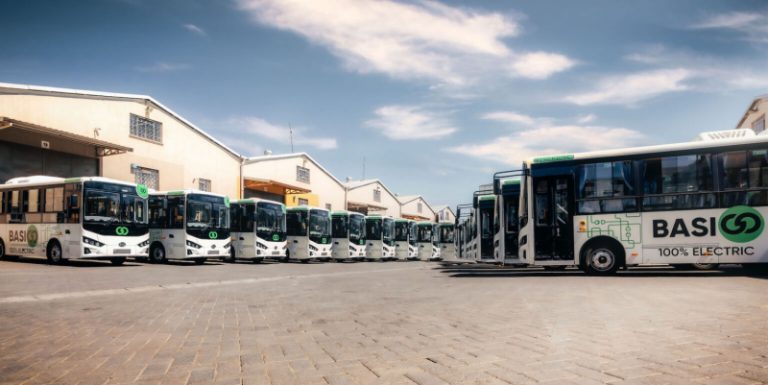
Nairobi-based electric bus pioneer BasiGo has made a second entry into the African market with the launch of BasiGo Rwanda Ltd., a new entity focused on electrifying the public transport system in Rwanda. BasiGo has partnered with AC Mobility, Rwanda’s provider of automated fare collection systems for public transport.

It’s really great to see that the fleet of electric buses in Kenya is growing and now expanding to Rwanda thanks to BasiGo’s innovative “Pay-As-You-Drive” model that lowers the barriers to entry for operators to get brand new electric buses. Here is a summary of BasiGo’s Pay-As-You-Drive system:

  • A single daily subscription fee charged per km driven.
  • Billed and paid directly between the operator and BasiGo.
  • Includes nightly charging of the battery.
  • Includes all standard service and maintenance for the bus.
  • Free battery replacement in the event of any battery issue.
  • Includes dedicated customer care, roadside assistance, free software upgrades, and more.

Through this financing model, BasiGo and AC Mobility aim to deliver 200 electric buses to bus operators in Rwanda by the end of 2024. The first electric buses are expected to arrive in Rwanda in October 2023 for pilot testing with Kigali transport operators.

BasiGo and AC Mobility have signed letters of intent for the pilot with Kigali Bus Service, Royal Express, and Volcano Express, three of Kigali’s leading bus operators.

Commenting on the partnership, BasiGo CEO and co-founder Jit Bhattacharya said: “Rwanda has led the way in creating an enabling ecosystem for E-mobility. BasiGo is proud to be partnering with AC Mobility, a technology leader in Rwanda’s transport sector, to help accelerate the transition to electrified public transport. Electric buses will be more cost-effective for operators while also dramatically reducing air pollution and CO2 emissions. Through our Pay-As-You-Drive model, we are excited to bring a complete E-Bus solution to make electric buses accessible and convenient for all bus operators in Rwanda.”

For her part, Clare Akamanzi, CEO of the Rwanda Development Board (RDB), said: “In line with RDB’s mandate to fast-track private-sector economic development in Rwanda, we welcome the BasiGo–AC Mobility partnership to bring electric bus technology to Kigali bus operators as a cost-effective and sustainable alternative to diesel buses. This partnership of public transport technology providers in the region will accelerate decarbonization of the sector in Rwanda while also alleviating the current public transport shortage. RDB is intentional in its support towards this investment and growing a thriving market for electric mobility solutions in Rwanda.”

Jones Kizihira, CEO of AC Mobility Rwanda, said: “We are excited to partner with BasiGo to drive Rwanda’s public bus electrification. The country has recorded rapid transformation, creating a need for a more robust and cost effective public transport system. The electric buses will help ease the cost burden of public bus transporters and advance Rwanda’s transition to clean mobility. We look forward to leveraging BasiGo’s experience and network to build a strong electric bus business in Rwanda.”

The Government of Rwanda recently announced an initiative to rapidly scale the size of Kigali’s public transport fleet while also aiming to convert 20% of the public bus fleet to electric by 2030.

Founded in 2021, BasiGo has led the introduction of electric buses in Nairobi’s public transport fleet. BasiGo has sold 19 electric buses to public transport operators in Nairobi and has secured reservations for over 100 additional buses. BasiGo electric buses have driven over 460,000 kilometers and carried over 580,000 passengers. BasiGo has also deployed Kenya’s first DC fast charging stations for electric buses.

BasiGo’s progress is a perfect example of what can be done fairly quickly with the right models and commitment. Established in May 2021, BasiGo has moved quickly from concepts to pilots, to sealing major partnerships with several banks in Kenya, to a new partnership with the Associated Vehicle Assemblers (AVA) in Mombasa to assemble the first 1,000 electric buses in Mombasa (Kenya) over the next 3 years. This partnership will build on the initial agreement where in January 2023 AVA successfully completed the final assembly of fifteen 25-seat electric buses, shipped in partially assembled by BasiGo. These electric buses set to start operations with Nairobi Matatu operators in the coming months.

BasiGo and AVA aim to manufacture over 1,000 electric buses in the next 3 years, creating over 300 new manufacturing jobs and an additional 300 jobs in the ecosystem of charging, maintenance, and financing required to support electric buses in operation.

By Remeredzai Joseph Kuhudzai Images courtesy of BasiGo

Self-Driving Car Crash: Who Is Liable?


Self-driving cars may not have hit the roads for everyday use yet, but they’re no longer the stuff of science fiction stories. Vehicles in Google’s Waymo project have racked up more than 4 million miles on actual roads, while many other companies (including Audi, GM, Mercedes, Uber, and even Apple) have some kind of autonomous vehicle research initiative underway.

Car manufacturers continue to slip new technology that comes out of these programs. Such as autonomous emergency braking, into their latest models. While others continue to work toward the release of a fully autonomous vehicle.

Also Read: Despite technology advancements, where do we stand with car safety?

Every safety improvement and advance is welcome. But every once in a while something happens that should make us all stop and ask what’s going to happen. And who’s going to be responsible—when something goes wrong with one of these vehicles.

Crash Raises Questions

The dramatic rear-end crash of a Tesla Model S into a parked fire truck in California earlier this year raises these kind of alarm bells. Fortunately, there were no injuries. The driver of the Tesla said he was using the car’s Autopilot feature. (Although this has not yet been confirmed), which should have prevented such a crash. An incident in Florida in 2016 led to a driver’s death when Autopilot failed to detect a tractor-trailer truck crossing the highway.

Tesla touts Autopilot as if it is already a fully self-driving system. But the fine print notes that not all features are available or allowed for use because of regulatory considerations. It’s not yet clear. If the California crash can be blamed on the system having weaknesses, the features being used improperly by the driver, or some other issue.

Currently all these self-driving and driver assist features are meant to be used only as instructed. Tesla, for example, tells drivers to only use the system on limited access highways and to stay alert. The system also warns drivers when their hands are off the wheel for more than a few seconds.

Responsibility a Work in Progress

Who has legal responsibility when one of these systems fails still needs to be worked out. Existing law would hold the operator or driver responsible. But it seems more likely that liability could be parceled out to owners, manufacturers, and even programmers.

Personal injury and product liability law could both come into play. In a bold step, Volvo has already declared that it will accept full liability for its self-driving vehicles, when they hit the streets. (which might be as early as 2019). Not all manufacturers have taken this step, and few laws have yet addressed the issue.

Car Accident Lawyer

The ongoing debate, over the liability issues surrounding autonomous vehicles. Is something that most people don’t spend much time thinking about. And when you’ve been hurt in a car crash. That kind of thing is not what you want to focus on.

That’s the kind of detail you leave to the attorneys at Kohan & Bablove. Injury Attorneys, who put all their time and energy into understanding all the issues of automobile accident law—so you don’t have to.

When you need help with your car accident case. Call our experienced team at 1-844-404-2400 or contact us online to schedule a no-cost, no-obligation consultation to discuss your case. We’ve helped hundreds of clients reach successful settlements, and we can help you.

By Donna Hicks

Sanlam Investments Private Equity takes majority stake in Danny’s auto


Sanlam Private Equity (SPE), the private equity division of Sanlam Investments, announces that it has acquired a majority stake in Danny’s Auto Body Parts (Danny’s Auto), a provider of a wide range of high quality aftermarket automotive parts and accessories for various vehicle types and models in South Africa and other sub-Saharan countries. SPE made the acquisition through its private equity fund, SPE Mid-Market Fund I, and aims to make a significant impact on job creation and support the democratisation of vehicle repairs and maintenance.

Based in Springfield, Gauteng, Danny’s Auto has a 76-year track record as a successful wholesaler of aftermarket automotive parts and spares, and now developing products under its own brand, including Imoto Chemicals. Through an extensive range of over 30 000 stock items and strategic partnerships with leading brands such as Dunlop, Lucas Automotive and FIAMM Energy Technology, Danny’s Auto has built a strong reputation as a trusted supplier to wholesalers and automotive retail outlets.

Paul Moeketsi, managing partner at SPE, says, “We are excited to announce our investment in Danny’s Auto. This strategic move aligns with our investment strategy of supporting established businesses with strong growth potential. We believe that our partnership with Danny’s Auto will create significant value and contribute to the continued success of the company and positively impact the business and the industry.”

[YUMPU epaper_id=”68357659″ width=”512″ height=”384”]

He explains the deal has been made at a time of exceptional growth opportunities in the automotive aftermarket industry, “The need for mobility has reverted to pre-Covid levels. However, the pandemic and economic downturn means the new car market has slowed, with local vehicle production being geared towards export markets and people owning cars for longer, which increases the demand and frequency for aftermarket vehicle repairs and maintenance. Coupled with this, the Competition Commission’s introduction of the right-to-repair guidelines will see the removal of restrictions imposed by original equipment manufacturers (OEM) regarding service providers and replacement parts for under-warranty vehicles. The new guidelines allow car owners to choose an independent service provider for repairs and maintenance without automatically losing warranty coverage.”

The guidelines align with global trends of deregulating the automotive industry to provide consumers with greater flexibility to repair and service their vehicles, sparking increased demand for aftermarket service providers. “With its existing scale and brand quality, Danny’s Auto is well positioned to capitalise on this opportunity through its established network and extensive access to a wide range of affordable international automotive content.”

Gift Pule, principal at SPE says the deal will also deliver strongly on Sanlam Investments’ commitment to investing for impact. “The business is poised for significant growth over the next five years and is expected to grow direct employment by between 16% and 26%. Beyond the direct employment growth, significant upstream value chain jobs and an estimated 300 downstream jobs in the wholesale, retail, and vehicle repair markets are expected to be supported within the next five years.”

Pule says this relative job growth in direct positions, the downstream value chain employment and enabling the democratisation of vehicle repairs and maintenance, highlights the substantial impact of this investment on the automotive industry and local communities.

Danny’s Auto also supports over 3 400 mostly owner-managed wholesalers, retailers, and parts shops, predominantly located in lower LSM communities. Through its extensive supply chain, strategic relationships with international brands and knowledge of the local car parc, Danny’s Auto provides its customers access to affordable, OEM-quality aftermarket parts and spares, which directly helps the sustainability of local enterprises and contributes to economic growth in these communities.

Ahmed Ismail, CEO of Danny’s Auto, expressed his enthusiasm about the investment, stating, “We are thrilled to have Sanlam Private Equity as our partner. Their expertise, network, and financial support will empower us to capitalise on new growth opportunities, expand our product offering and markets, and further strengthen our competitive position in the industry. This investment marks an important milestone for Danny’s Auto, and we look forward to a fruitful collaboration.”

This investment becomes the fifth deal by SPE Mid-Market Fund I and follows the success stories of  Cavalier Group, the Absolute Pets retail chain, Q Link, a fin-tech provider of payment application software, and SkipWaste, an integrated waste management and alternative disposal business.

Innoptus Solar Team Unveils Tenth Solar Car


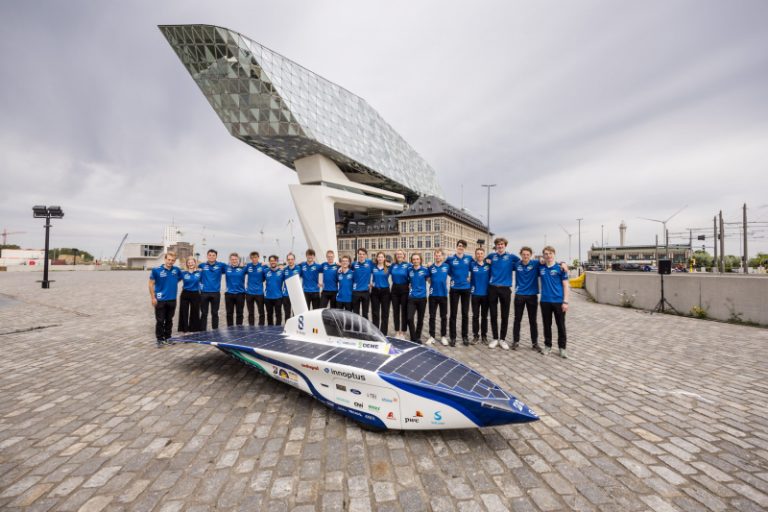
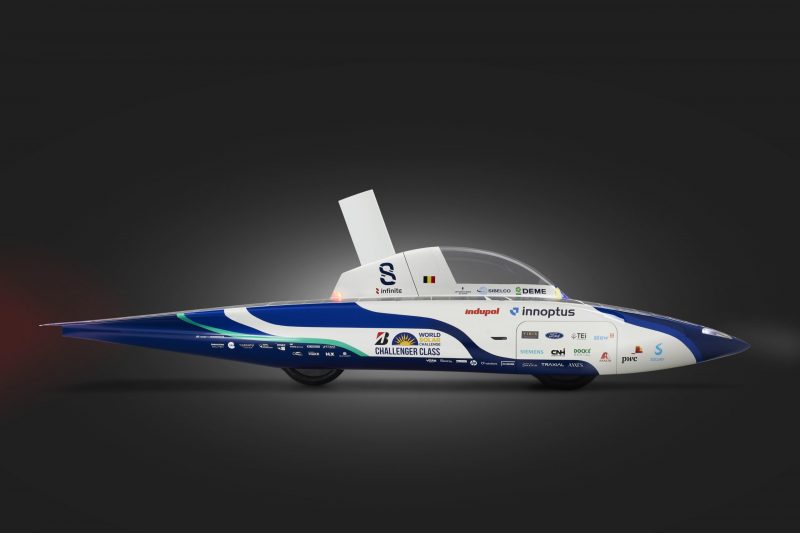
A team of engineering students from the Belgian Catholic University of Leuven, Belgium, has unveiled Infinite, their tenth solar car, on 14 July 2023 during an event at the Port Authority Building House in the Port of Antwerp, Belgium. Infinite was painted at the Axalta Refinish Academy in Mechelen, Belgium. Moreover, it will take part in the Challenger Class of the 16th Bridgestone World Solar Challenge in Australia, from 22 to the 29 October 2023. It is the first World Solar Challenge since 2019. The team aims to break new ground with this innovative solar car.

Advanced Refinish Technology Driving Sustainability

Axalta applied its premium refinish brand Cromax® and Ultra Performance Energy System. Axalta powered the project with its revolutionary and patented Fast Cure Low Energy technology, applying it to the car at its world-class training facilities in Mechelen, Belgium. The advanced technology significantly reduces energy consumption in the spray booth, while still delivering exceptional repair quality. Importantly, it stands out as the only refinish system capable of drying at lower baking temperatures or through air drying at 20°C.

Members of the Innoptus Solar Team worked closely with Axalta’s technical experts throughout the refinishing process, carrying out essential preparation tasks including sanding, masking, cleaning, and demasking, while also ensuring the accurate placement of all logos on the vehicle. This sort of careful preparation helps maximize aerodynamic efficiency for the solar car.

A Partnership Built on Innovation and Teamwork

Pauline Vanvuchelen, Business Relations for the Innoptus Solar Team, says, “Having built a close partnership based on innovation, passion and teamwork since 2015, we were confident Axalta could handle our most aerodynamic entry yet. Not only are the Axalta experts incredibly skilful, but their guidance and input are invaluable in creating a car that looks amazing, makes sustainable personal transport a reality and is a contender to defend our 2019 World Championship title.” As a result, the solar car stands out in terms of both design and sustainability.

Shared Values of Innovation and Energy Efficiency

Koen Silverans, Axalta Refinish Academy Manager, Mechelen, says, “Every time we welcome the team to our facility, they are more forward-thinking than ever before. This year, it’s fair to say the Team and Infinite are the epitome of innovation, sustainability and energy saving – values we share and are which we match when they walk through the doors of our Axalta Refinish Academy. It is appropriate then that the unveiling took place at Havenhuis, as it is known in Dutch. Designed by Zaha Hadid, it symbolises the dynamic, reliable, ambitious and innovative nature of the Port of Antwerp – perfectly aligned to the values the Innoptus Solar Team and Axalta.” The pursuit of efficiency and performance remains critical for any solar car.

Lightweight Design Meets Aerodynamic Performance

Weight considerations are paramount for Infinite and the livery is no exception. The fewer paint products used, the lighter the car and more easily it can reach its full speed potential. Infinite’s livery comprises the brand colours of main sponsor Innoptus – white, dark blue, light blue and green. It is a complex pattern of flow lines. This includes a fade from dark to light blue. The logos on the nose were painted, while decals and stickers were used for the other logos. Three coats of clearcoat with a Xyrallic-effect pigment created the perfectly smooth, aerodynamic and fantastic reflectivity finish. This attention to detail gives the solar car an edge in competition.

About Axalta Refinish

Axalta Refinish – part of Axalta, a global leader in the coatings industry – is a valued, reliable global paint repair partner to our customers. They demand nothing short of total customer satisfaction. We give them confidence in our fast, efficient, high-quality coating technologies and integrated digital business processes. Therefore, this makes the entire paint repair journey faster, easier and more profitable. With more than 150 years of experience in the coatings industry, our dedication to innovation and our constantly developing technology means we offer our customers an unlimited colour choice for perfect colour matches. Most importantly, we work tirelessly to anticipate our customers’ needs. In turn, they can address the challenges they face every day. We have an impressive portfolio of brands for every bodyshop requirement, for every segment of the market, and for every level of market maturity.

Also Read:

Motor Vehicle Financing – How to choose a budget friendly financing


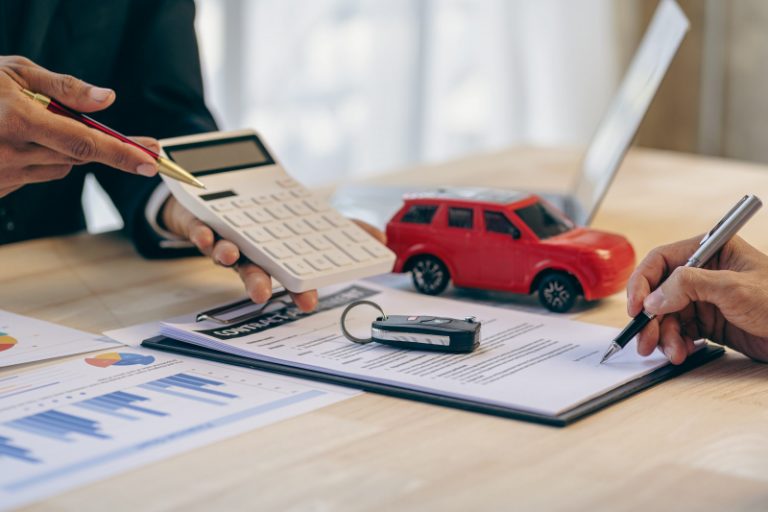
Whether you’re in the market for a new car or are ready to upgrade your old one, getting a motor vehicle loan can be a challenge. However, with some planning and a few tips, you can save time and money by choosing the right financing option for your budget. More often, when it comes to financing a new or used car, choosing which one is right for you will depend on many factors, including your budget and the type of vehicle you want to purchase or upgrade. Owning a car or upgrading your current model, can be achieved through acquiring a personal or a car loan.

Differences between Personal and Car Loans

The most obvious difference between personal loans and a car loan is that, personal loans are unsecured loans, whereas auto loans are considered secured loans. Personal loans can be used to finance any type of purchase or expense, for example weddings, home repairs, furniture and electronics, a new or used car. If you want a more flexible loan, depending on your need at hand, a personal loan is a good choice.

Car or auto loans, on the other hand, can only be used to purchase a vehicle and nothing else. This type of loan requires a down payment, or a percentage of the value of the loan, and a larger down payment on a loan means having a lower principal to pay off later on. Auto loans are backed by collateral — in this case, the car. If you do decided to go with an auto loan, a lender can seize your car if you default on your payments. If you also fail to make payments on a personal loan, your credit score will take a hit and the lender could pursue legal action — which could eventually lead them to seizing your assets, including your car. Personal loans and car loans can both be financed through lenders, credit unions and banks.

Before we talk about choosing the right financing option that suits your budget, lets dive into factors to consider that can get you to drive away with your dream car or an upgrade.

– Get Preapproved

Financing your motor vehicle can be as simple as calling a bank or credit union and requesting a preapproval for a particular amount. Typically, these banks and credit unions will review your income, debt levels, credit rating and other details to determine your loan approval.

The bank or credit union will then send you a letter that confirms your loan amount and interest rate. This can give you peace of mind when it comes to negotiating the price of your vehicle and the terms of the loan. You can also find lenders who offer preapproval services online or at your local bank or credit union. These companies may not be affiliated with auto dealers and can help you compare rates, fees and other terms.

– Use your savings or credit cards

Buying with a personal loan or credit card is an excellent way to finance a vehicle. If you have a good credit score and a steady income, it’s possible to qualify for a low interest rate with these options. You can also lower your overall car financing cost by putting down a larger down payment or using a loan that uses your car as collateral.

Keep in mind that these options aren’t always the best ways to finance a vehicle and that the interest rates they offer can be higher than other types of loans. For example, some bank and credit unions have special loan programs for people with bad credit. These programs often have low-interest rates and special requirements, such as a high deposit or a short term contract.

– Negotiate Your Motor Vehicle Financing

Another option is to negotiate your loan with the dealer directly. This can be an effective strategy if you are able to get the dealership to reduce their sales commissions, negotiate down on the vehicle’s price or offer extra incentives like cash rebates or special financing packages.

This is a great strategy for people with low credit scores or people who want to buy a new car that’s out of their price range. You can usually find a buy-here-pay-here dealer who offers financing for cars with bad credit, but it’s important to be aware of their reputation and the type of car you’re purchasing.

– Compare Prices

If you’re in the market for a brand-new vehicle, look for manufacturer incentives or special deals that may be available. They’re often advertised as 0% financing or cash rebates and can be a great way to lower your cost of financing a vehicle.

– Consider Leases Versus Purchase

Leasing is a popular choice for many buyers because it allows them to drive a new vehicle without having to pay a significant down payment. It’s also a good option for those who want to drive a high-end vehicle but can’t afford the up-front cost. In addition, leasing may be the most affordable option for people with a lower credit score and less income.

– Financing requirements and costs

There are a few key financing requirements and costs you should be aware of, before you make a decision. These include interest rates, eligibility requirements, loan repayment terms and car age. Using an online car loan calculator can help you make the best choice for your needs.

• Interest Rates and APR:

The interest rate that you pay on your loan will vary depending on your credit history and other factors. This is why it’s important to compare the different terms and rates available from multiple lenders before making your final decision.

• Car Loan Repayment Term:

The term that you choose for your auto loan will have an impact on the amount you pay and how long it takes to pay off the total debt. Shorter terms can save you money on interest, but longer terms will definitely cost you higher interest payments.

• Loan Requirements and Eligibility:

You’ll need a good credit score to qualify for an auto loan, and it can be difficult to find one if you have poor credit. You also need to be able to demonstrate that you can repay the loan.

• Age:

If you’re looking to buy a new car, many manufacturers offer favorable dealer financing terms. However, this isn’t the case for older cars or fixer-uppers. In these cases, a personal loan may be your only option.

• Down Payment:

An auto loan requires a down payment, which is a percentage of the overall value of the car you’re financing. This is because the lender doesn’t want to lose their money if you default on the loan. Lenders typically have limitations on the type of vehicles that they finance, so it’s important to shop around for a lender that is willing to work with you on your particular situation.

• Repayment:

Generally, the repayment term for a car loan is between two and seven years. During that time, you’ll need to make regular payments or risk losing your car to the lender.

• Ownership:

The car title belongs to the lender, so you can’t sell it without their permission. This can be a major drawback for some people.

• Predatory:

Some buy-here-pay-here car lots offer predatory lending terms that can trap you into a cycle of paying a lot of interest on the loan while not being able to pay it off in full.

• No down payment:

The biggest advantage of using a personal loan to buy a car is that you won’t have to make a down payment. This can be especially beneficial if you don’t have much saved up to put down on a vehicle.

Both personal and car loans come with their own unique set of advantages and disadvantages. The best way to determine which one is right for you is to use an online loan calculator to crunch the numbers and see what makes the most sense for your situation.

Also Read: Drive into the Digital Age with a click of a Button!

Choosing the right motor vehicle financing

It is exiting or even overwhelming just the thought of imagining yourself driving, or owning the car of your century, or even an upgrade that can quench your car thirst! It is important that the above discussed factors and requirements be put into ultimate consideration and carefully arriving at a suitable financing option decision that will have you enjoy your car and at the same time pay for it peacefully. Let us get to know what the experts have to say about what you have been thinking, whether it’s time for you to own or upgrade your current car, their views could probably be an eye opener for you or even unstuck you from procrastinating or doubting your ability, to helping you, make that informed and meaningful decision that you will live to be happy about.

Avoid Unnecessary Cost

“Always be keen on the cost of Money you are taking. That is the interest rate and other related charges like processing fee, credit life insurance and tracking. Make sure you read every letter of the offer letter given before signing,” emphasizes Gitonga Kigo, C.E.O at Karura Community SACCO.

“The car should be able to meet the minimum Year of Manufacturing threshold for financing. It is also paramount to know if you qualify for the loan facility prior using your income statements or payslip. Always go for a monthly repayment that is within your budget with a competitive interest rate and does not attract unnecessary charge/s for early repayments,” counsels Daisy Magu Snr. Marketing & Business Development Manager at Safaricom Sacco Ltd.

Seeking the Right Financing Option

According to James Karinga, Head of Asset finance and IPF at NCBA, “The advice I would give to a customer seeking the right financing option is to consider the following

  1. The purpose of the unit I would like to acquire. Is it for personal or commercial use?
  2. I would evaluate if my cashflows are sufficient to cover the loan repayment.
  3. I would seek to understand the various financing options available including: Can the financier advance money against a logbook I hold? Are they willing to give me a minimal grace period? Can I get additional financing for expansion? Is the pricing competitive? How is the borrowing experience from start to end? How experienced is the financier?

“Choose a financier who will be able to answer all these questions and walk with you throughout the financing journey,” adds James.

Source Strategically

“The cost of a motor vehicle will typically determine financing options available to a potential customer. Sourcing an affordable motor vehicle therefore, significantly reduces the cost of financing – making the purchase more financially feasible. One way to achieve this is by exploring alternative sourcing strategies, such as directly importing vehicles from source markets e.g. Japan,” recommends Kawira Irambu, Brand and Strategy Manager at MOMENTUM Credit Ltd.

“The cost of financing (i.e. interest rate, fees, applicable taxes etc.), loan term, lender’s reputation, percentage of asset financing, limitation on funded vehicle models and authority within the asset financing/motor vehicle category, are additionally useful checks influencing affordability, and how well the unit purchased meets the buyer’s needs. If upgrading from an existing vehicle; a trade-in is advisable. This typically reduces financing costs with the owed unit acting as a down payment therefore lowering monthly payments and shortening the loan term,” adds Kawira.

Make Significant Financial Decision

Conferring with, John Ndichu, Head of Asset Financing, at Absa Bank Kenya PLC, choosing

the right financing option for a new or upgraded motor vehicle, is a significant financial decision. When choosing the right financing option, one needs to take consideration of the following:

  • Evaluate your financial situation by considering your income.

Expenses, and overall budget to determine how much you can afford to spend on a vehicle and how much you can realistically afford in monthly installments.

  • Consider the total cost of owning the vehicle including maintenance, insurance and fuel costs.

This can help you determine the true cost of owning the vehicle and ensure you can afford the payments over the life of the loan.

  • Take your time.

Compare different options, and make an informed decision that aligns with your financial situation. Go for tailor-made solutions suitable to your need, whether for personal or commercial use. If you’re unsure about the best financing option, consult an expert or an automotive financing specialist—they will guide you personally based on your specific situation and financial goals to help you start your car ownership journey.

Not all auto loans are the same. The option that will best serve your financial needs and budget will depend on if you want to buy a new car, used car or an upgrade. Before deciding which type of auto loan is best, do your homework to understand what each has to offer. Also, compare different lenders and get pre-approved to secure a competitive financing offer.
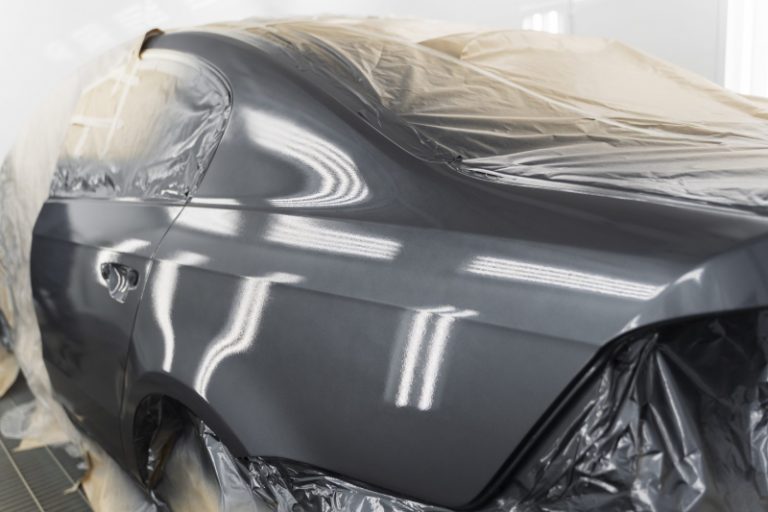
Automotive Refinish – The cost-effective solution for car and luxury vehicles reconditioning


Automotive Refinish is a process used to restore a vehicle’s appearance, improve its performance and increase its resale value. When you are a car owner you know the importance of keeping your vehicle looking and feeling its best. After all, you spend a lot of time in your vehicle and the inside and outside of it get dirty over time from road grime, bugs, rain and other elements. Having your vehicle reconditioned will help to keep it clean and fresh for you to enjoy while also helping to preserve the value of your vehicle for resale purposes. Refinishing is a multi-step procedure that involves cleaning and polishing the car’s exterior and interior.

“Car refinish products are designed to deliver excellent results while minimizing material waste. For this kind of market, efficiency is crucial for businesses, and therefore, solutions are formulated to provide maximum coverage and optimal usage,” says Marc Drews, Sales Manager at 4CR.

Initially, an automobile is cleaned and inspected to determine its condition. Auto detailing and reconditioning technicians may then apply a new coat of paint if it needs one. They also remove scratches, dents, and other minor damage. They may also perform other regular reconditioning procedures to ensure that the vehicle is ready for sale. Refinishing can be performed on both new and used vehicles. It can be done on vehicles that are stored at a dealership lot.

“I can confidently say that, car refinish products offer exceptional cost-effectiveness for car and luxury vehicle refinishing processes. The comprehensive product range covers every step of the car refinish process, ensuring that customers have access to high-quality and efficient solutions,” Marc highlights.

The automotive refinish market is expected to experience a strong growth in the future. This is mainly due to the increase in demand for vehicles globally and stricter automobile regulations.

On the basis of Type, the automotive refinish market is segmented into Solvent Borne, Water Borne and Others. The solvent borne coatings are typically based on polyurethane, alkyd or acrylic liquid resins. When they are dried, they provide a glossy finish to the surface. These coatings are durable and can resist dirt and corrosion. They can be applied in a variety of methods, including brushing, spraying, and roll coating. Moreover, this type of coating can be customized to match a customer’s desired color. This can make the refinishing process more efficient, thus reducing labor costs.

Waterborne (or latex) paints are more sustainable and environmentally friendly paint and better for the health of professionals. They are composed of synthetic resins and pigments that are kept dispersed in water by surfactants. This type of refinish coating has a lower concentration of volatile organic compounds, which reduces the emission of gases and vapours into the environment. They also contain small amounts of coalescing solvents and dry by evaporation of the water. Refinishing is a cost-effective solution for repairing the paint of automobiles, especially on older models. It also increases the resale value of these vehicles and helps to avoid costly repairs.

“Customers can achieve outstanding finishes while reducing overall material costs,” says Marc. “This is because the products are developed with durability in mind and by using advanced technologies and high-quality ingredients, to ensure that the refinished vehicles maintain their appearance for an extended period. This reduces the need for frequent touch-ups or reworks, saving both time and money for car owners and businesses,” he adds.

Rejuvenation Detail

The rejuvenation detail is a 2 step polish that will remove any defects and medium scratches from the exterior paint. This process will enhance the gloss of the paint and will also deeply enhance the depth and sheen of the surface. This package is for vehicles that have not been detailed in a year or more and is designed to deep clean & recondition a slightly neglected vehicle back to like new condition. This service is available for all vehicle types & colors.

According to Marc, car refinish products should be carefully engineered to streamline the refinishing process. These solutions must be user-friendly, allowing technicians to work more efficiently and complete projects within a shorter time. This, increases productivity that translates into cost savings for businesses, as they can serve more customers and maximize their resources.

Furthermore, research and development should be prioritize to continually improve on the market products and stay at the forefront of the industry, says marc.

“By investing in innovation, experts can offer cutting-edge solutions that provide superior cost-effectiveness to businesses in the African car market and achieve excellent refinishing outcomes while optimizing their costs and providing exceptional value to their customers,” concludes Marc.

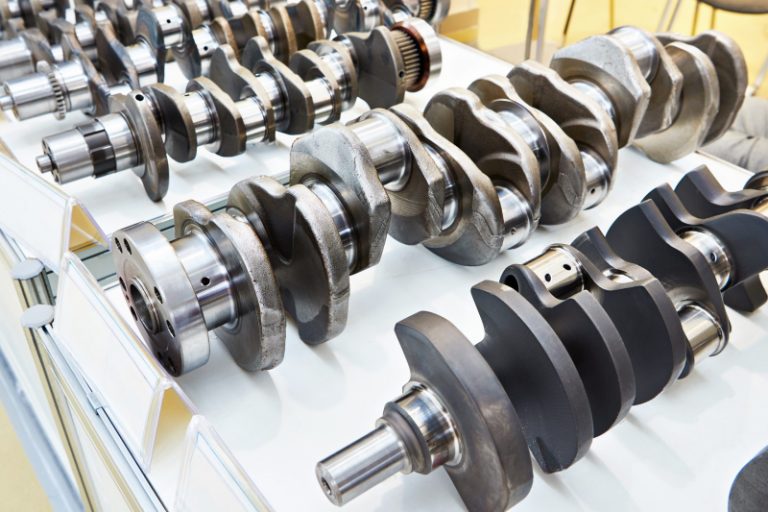
Crankshafts – the overall function and performance in a vehicle’s engine


Automotive Crankshafts are one of the most important engine parts, and they play a key role in powering your vehicle. They transform the up-and-down movement of the pistons into the rotary motion needed to move your car, which is then transferred through the flywheel and transmission system.

They withstand a large amount of impact and force as the pistons and connecting rods spin around them, so they have to be extremely robust. They are also subjected to a lot of bending and torsional stress as the crankshaft is turned at high speeds.

Crankshafts are made from a variety of metals, including cast iron and forged steel. The process used to make the crankshafts varies, but both methods involve heating a block of molten metal and then shaping it under high pressure.

Forged crankshafts are a high-quality choice for engines because they have better fatigue strength and dynamic balance than ductile iron ones. This results in longer service life, which helps reduce costs for engine owners.

They are available in a wide range of shapes, sizes and materials, and are often designed to accommodate specific engine requirements such as scavenging (extraordinarily low exhaust temperatures). Some crankshafts are specially designed for high-performance cars, such as those with oversized valves, which require extra clearance between the valve and the crankshaft.

Stainless steel, aluminum and titanium crankshafts have other advantages, such as corrosion resistance. These are popular choices for new engines, especially those with a high degree of performance or power. These types of crankshafts are more expensive than other types, but they are able to withstand the rigors of a high-performance engine. They are typically sprayed with a protective coating, called Cosmoline, which prevents them from rusting.

The design of the crankshaft is crucial to the overall function and performance of the engine. Various aspects are studied and developed, such as weight, durability, and fatigue strength to help engineers ensure the best possible performance from their crankshafts.

A crankshaft is usually a single piece of forged or cast steel, although some are made from several pieces. The forged crankshaft is manufactured by heating a block of metal until it becomes red hot, then shaping it under very high pressure.

It’s important to use a crankshaft that has been designed to meet all of your vehicle’s engine requirements, so it will be able to handle the huge amounts of force that are transferred to it from the pistons and connecting rods as they rotate around it. They have to be strong enough to withstand the impact and force of the pistons and connecting rods, while at the same time being lightweight so they can be manufactured to meet all of your engine’s weight and performance requirements.

A forged steel crankshaft has been proven to have a 36% higher fatigue strength than a ductile cast-iron crankshaft. This means it will last six times as long. It’s also more durable than a cast-iron crankshaft and doesn’t crack as easily. This means that it will last longer and perform more efficiently, which is essential for modern, high-performance engines.

Signs and causes of brakes failure


Your brakes are important to keep you and others safe on the road. They slow down your car and, if needed, completely stop it. However, brake failure can be terrifying. It can also put you in danger of a car accident that could lead to serious injury or death. Fortunately, brake failure is rare. It only occurs in about 5% of car crashes every year. There are several different ways that your brakes can fail. You may be able to fix it yourself, or you might need to call for help from a professional.

The first thing to do if your brakes fail is to remain calm and take control of the situation. Panicking will only make the problem worse and increase your risk of a crash.
Try to find a place where you can slow down without using your brakes. This might mean finding an on-ramp, a hill, or a run-off area. If you can’t get your car to stop, use the horn to let other drivers know that you are experiencing a braking issue.

When your car has stopped, it’s important to get your brakes inspected by a mechanic as soon as possible. This will allow them to find the cause of the failure and ensure that it is fixed before it happens again.

A good mechanic will also be able to give you tips on how to prevent brake failure in the future. This can include changing the oil regularly, having your brake pads and rotor disks inspected, and having the brake fluid topped off.

Signs of brake failure

Your car’s brakes are grinding or making a strange noise when you apply them: This is usually a sign of a problem. The sound can be caused by a number of different problems, from debris to an improperly-fitted caliper or even the pad.

The best way to avoid this is by maintaining your car regularly, ensuring that all the parts are working properly and having them replaced when necessary.

If your brakes are grinding, this can be a sign that your brake pads are damaged and need to be replaced. If your rotor disks are worn down, this will also make it difficult to stop.

Another common cause of brake failure is fluid pressure loss in the brake lines. You’ll be able to notice this by the brake warning light coming on.

You’ll want to check the fluid level, and if it is low, you need to have it replaced right away. This is especially important if your brakes are wearing down rapidly, as the system won’t be able to work correctly.

Your brakes are ‘fading’: This can happen if you drive a lot or haven’t had your brakes serviced for a while. Friction fade can cause your brake pedal to feel soft or ‘spongy’ when you press it.

It’s a good idea to have your brakes checked before you get on the road, as this will ensure that they’re functioning well and can be repaired or replaced in time.

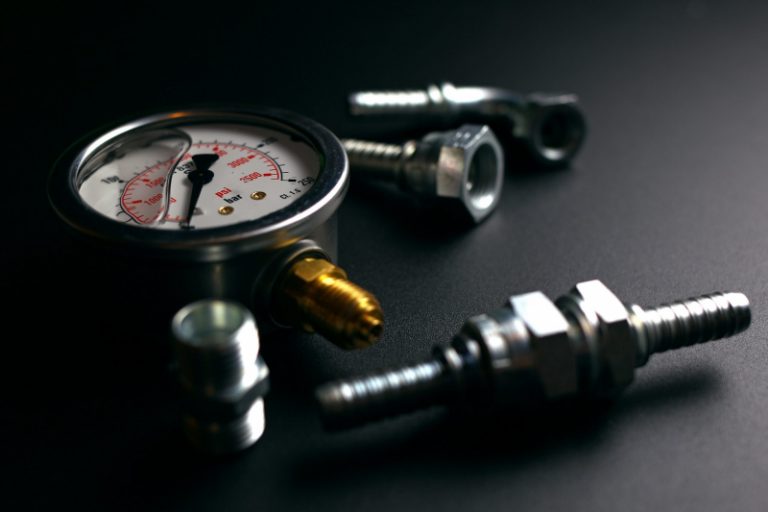
Automotive Fluids Dispensing Guns and Meters

0

Maintain a consistent, accurate flow of lubricants, oils and grease throughout the vehicle service bay or fleet maintenance shop with a range of dispense guns and meters. Available with a variety of electronic or mechanical meters, Fluid Dispensing gun and meter systems are designed to withstand rugged, frequent use without compromising accuracy or accountability.

Ensure the right amount of lubricant or fluid is dispensed to the right vehicle with a fluid dispense meter like the “Oil Counter” Digital Oval Gear Meter that comes with a gun, 12 mm O extension, non-drip nozzle and swivel joint for easy installation. Also available for pure antifreeze, the meter features a trigger guard and rubber cushioning to keep hands safe when assembling or disassembling it.

Track Vehicle Fluids to Manage Inventory

A good way to manage and control the dispense of oils, lubricants and other fluids is through a computerized system that tracks and records the dispense of each fluid at a specific location on a work order. This information can be used to track and maintain the correct levels of a specific product in bulk oil and waste tanks, and it can help support warranty claims by providing an accurate record of fluid changes and drains.

Wireless Fluid Management

A wireless fluid management system includes a variety of components including dispense meters, tank level monitors and pump air controls that talk to each other using an RF (radio frequency) signal. These components communicate with each other over the air, allowing for easy installation and upgrade of systems as shop needs change.

Booster Grease Guns and Hose Reels

A greasing gun or booster gun is an ideal tool for delivering a high-pressure stream of grease to bearings, under hoods and other areas where pressure is needed most. Whether used in combination with an air-operated grease pump or manual grease gun, these guns are designed to be a safe and effective way to deliver fresh, high-quality greasing to bearings under load.

Grease gun systems offer a number of features to make them more productive, including an auto-stop nozzle, lever lock button and rigid or flexible end. They can also be configured for a wide variety of greasing applications, such as motor oil, diesel exhaust fluid (DEF), antifreeze and more.

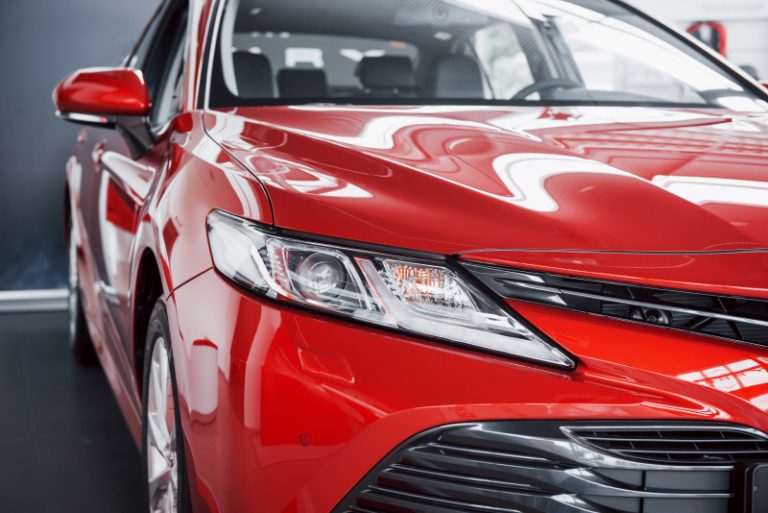
Achieve a Professional-Level Shine at Home


Keeping your car clean and shiny not only enhances its appearance but also protects its paint and finish. While professional car washes are convenient, you can achieve a professional-level shine right at home with a DIY car wash. In this article, we will provide you with some valuable tips to help you achieve a showroom-worthy shine for your car without leaving your driveway.

1. Gather the Right Tools:

Before starting your DIY car wash, gather the necessary tools and materials. You will need a hose, microfiber wash mitt or sponge, a bucket, car wash soap, wheel cleaner, glass cleaner, microfiber towels, and a wax or sealant for finishing touches. Having the right tools ensures an efficient and effective cleaning process, almost like a professional setup would.

Also Read: Clean Car, Clear Wallet: Enjoy a Clean Ride and More Money in Your Wallet!

2. Start with the Wheels:

Begin by cleaning the wheels and tires. Use a wheel cleaner specifically designed for your wheel type and follow the instructions on the product. Scrub the wheels with a soft brush to remove brake dust, grime, and other debris. Rinse thoroughly to avoid any residue on the paintwork, ensuring a finish that meets professional expectations.

Car wheel clean up | Image courtesy
3. Rinse the Car:

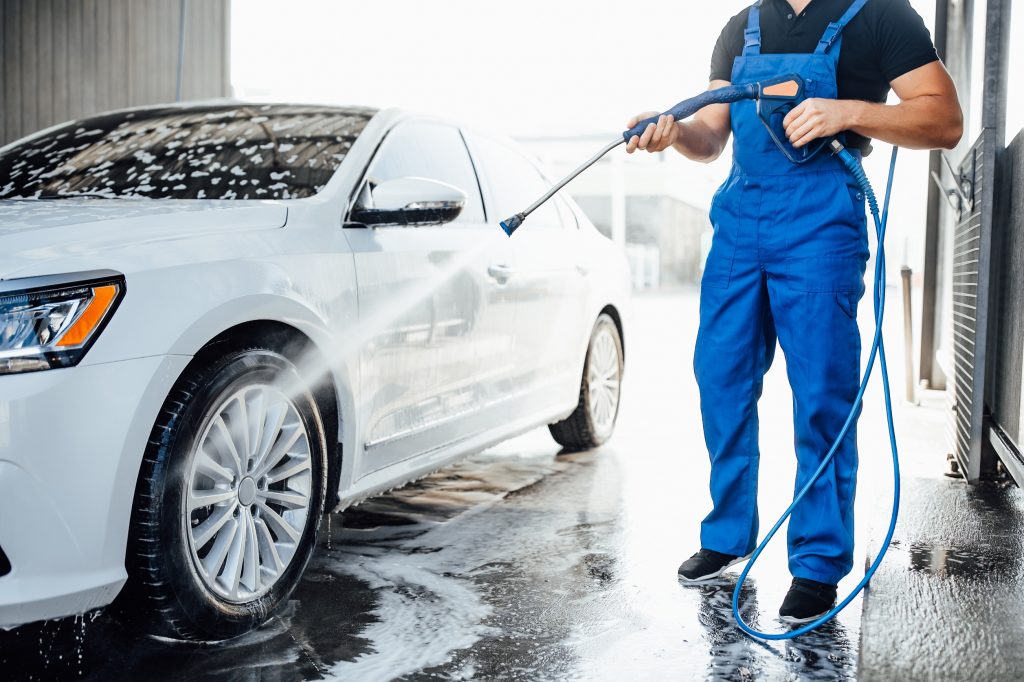
Use a hose or pressure washer to rinse off loose dirt and debris from the car’s surface. This step helps prevent scratching the paint during the wash process. Start from the top and work your way down, ensuring all areas are adequately rinsed, much like a professional would do.

4. Wash the Car:
Fill a bucket with water and add the recommended amount of car wash soap. Use a microfiber wash mitt or sponge to gently wash the car, section by section. Begin at the top and work your way down, rinsing the mitt or sponge frequently to remove dirt and prevent scratching. Avoid using harsh brushes or sponges that can damage the paint.
5. Pay Attention to Detail:

For a thorough cleaning, remember to clean the nooks and crannies, such as door jambs, grille, and mirrors. Use a detailing brush or a toothbrush along with the car wash soap to remove dirt from these hard-to-reach areas. Rinse thoroughly to remove any residue and achieve a quality akin to professional detailing.

6. Dry and Finish:

After washing, use a microfiber towel to dry the car thoroughly. Start from the top and work your way down to prevent water spots. Once dry, apply a wax or sealant to protect and enhance the car’s shine. Follow the instructions on the product for the best results, and you’ll see how professional it looks.

With these DIY car wash tips, you can achieve a professional-level shine for your car right at home. By using the right tools, starting with the wheels, and following a systematic approach, you’ll be able to clean your car effectively without causing any damage. Remember to pay attention to detail and finish off with a protective wax or sealant to maintain the shine and protect the paintwork. Regular DIY car washes will not only keep your car looking great but also help preserve its value over time.

Credit: msn

Read More:
- Advertisement -