Tuesday, June 2, 2026
Home Blog Page 21

The Cost-Saving Benefits of Car Detailing


Car detailing may seem like just another added expense to your monthly budget, but did you know that it can actually save you money in the long run? It’s easy to overlook the cost-saving benefits of car detailing, but having a clean and well-maintained car can lead to significant savings over time. Let’s take a closer look at how regular car detailing can actually benefit your wallet.

Increased Resale Value

One of the biggest cost-saving benefits of car detailing is its potential to increase the resale value of your vehicle. A well-maintained and aesthetically pleasing car will undoubtedly fetch a higher price than one that has been neglected. By investing in professional detailing services, you are not only making your car look good but also keeping it in top condition. This will attract potential buyers and allow you to sell your car for a better price when the time comes.

Preventing Costly Repairs

Regular interior and exterior detailing help maintain your car’s appearance as well as its functionality. Professional detailers use products and techniques that protect surfaces from wear and tear, preventing damage such as scratches, fading, rust, or corrosion. This means fewer repairs down the road which translates into savings for you.

Improved Fuel Efficiency

Another way regular car detailing can save you money is by improving fuel efficiency. A dirty exterior accumulates dirt and debris which creates drag on the surface of the vehicle, forcing it to work harder while using more gas. Additionally, buildup in engine components such as spark plugs or air filters can decrease fuel efficiency even further. By regularly cleaning these areas through detailing services, you can improve your gas mileage and save money at the pump.

Extending Vehicle Lifespan

Neglecting proper maintenance for your vehicle can lead to bigger problems down the line which ultimately results in costly repairs or even replacement of certain parts or even the entire vehicle itself. Regularly scheduled detailings can help identify and prevent potential issues before they become major problems, thus extending the lifespan of your car and saving you from significant expenses in the future.

Personal Savings

Last but not least, having a clean and well-maintained car can also save you money in personal savings. A clutter-free interior means that you are less likely to lose items or forget about important documents, reducing the need for costly replacements. Additionally, regularly detailing your car can also improve your mental health by reducing stress levels associated with a messy or dirty environment. This, in turn, can lead to increased productivity and potentially higher earnings.

While car detailing may seem like an extra expense at first glance, it actually offers numerous cost-saving benefits in the long run. From increasing resale value to preventing costly repairs and improving fuel efficiency, investing in professional detailing services is an investment in both the appearance and functionality of your vehicle as well as your wallet.

Also Read: Clean Car, Clear Wallet: Enjoy a Clean Ride and More Money in Your Wallet!

Expensive vs. Affordable: Comparing the cost of professional detailing to DIY options

When it comes to keeping your car clean, there are two main options: hiring a professional detailing service or doing it yourself. Many people assume that hiring a professional is the more expensive option, but is that always true? In this section, we will compare the costs of professional detailing and DIY options to help you decide which route is most cost-effective for your budget.

Costs

Professional detailing services can vary greatly in price depending on where you live and what level of service you choose. On average, a basic exterior detail can cost anywhere from $50-$100, while a full interior and exterior package can cost upwards of $200 or more. This may seem like a large expense upfront, but let’s break down the costs to see how they compare to DIY options.

Quality Service

Firstly, professional detailing services often use high-quality products and equipment that can be costly for an individual to purchase. These specialized tools and cleaning solutions can provide better results than what you may achieve with store-bought products. Additionally, professionals have experience and training in properly using these products, ensuring they are used efficiently and effectively without any waste.

Also Read: Achieve a Professional-Level shine at home

DIY Options

On the other hand, DIY options may seem less expensive initially because you are purchasing smaller quantities of products for one-time use. However, if you plan on regularly maintaining your car’s appearance yourself, these recurring purchases can add up over time. Furthermore, if you do not have experience with certain cleaning techniques or do not use proper tools and solutions correctly, the results may not be as satisfactory as those achieved by professionals.

Another factor to consider when comparing costs is time. Detailing your car yourself requires significant time and effort that many people simply cannot spare between work and other responsibilities. Hiring a professional allows you to focus on other tasks while they take care of cleaning your car thoroughly.

It’s crucial to remember the value of your own time when considering expenses. If it takes you several hours to detail your car yourself compared to a professional who can do it in an hour or two, what is your time worth? As the saying goes, time is money, and hiring a professional may ultimately save you more in terms of productivity and personal value.

Ultimately, the cost of professional detailing versus DIY options will vary depending on your location, budget, and needs. While DIY options may seem more affordable upfront, considering all factors such as product costs, results achieved, and time spent may reveal that hiring a professional detailing service is the most cost-effective option in the long run.

Also Read: How to Keep Your Car Interior Clean and Well-Maintained

Long-Term Savings: How regular detailing can save money on maintenance and repairs

A clean and well-maintained car not only looks great, but it can also save you money in the long run. Regular detailing is an essential aspect of car maintenance that can prolong the life of your vehicle and prevent costly repairs. In this section, we will dive into how regular detailing can save you money on maintenance and repairs in the long term.

Benefits

One major benefit of regular detailing is that it prevents dirt, grime, and other contaminants from damaging your car’s exterior paint. If left untreated, these particles can eat away at the clear coat and cause permanent damage to the paint. This damage is not only unsightly but can also lead to rusting and oxidation over time. By regularly washing and waxing your car with professional detailers, you are creating a protective barrier that will help shield your paint from these harsh elements. This preventative measure will ultimately save you money on repainting costs in the future.

Prevent Mechanical Issues

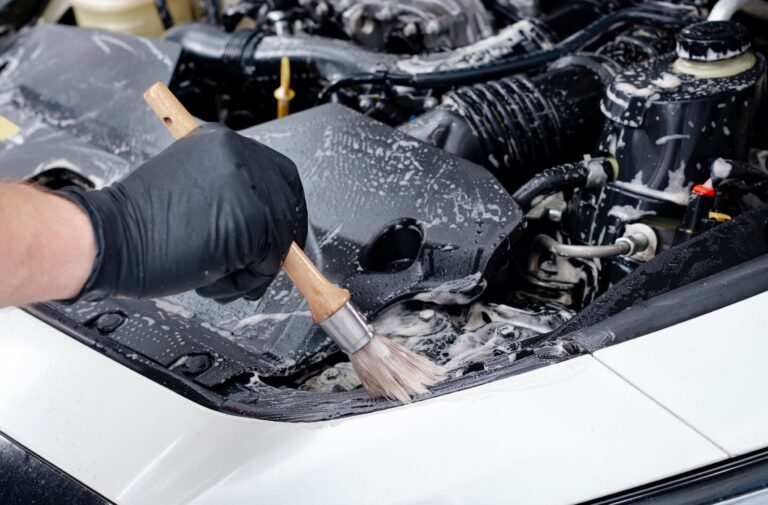
In addition to protecting your paint job, regular detailing can also have a significant impact on preventing mechanical issues. A thorough cleaning of your engine bay by a professional detailer removes built-up oil residues and debris that can clog air filters or interfere with engine performance. By ensuring proper ventilation for your engine, you are reducing its workload, which leads to fewer repairs down the road.

Vacuuming and Steam Cleaning

Moreover, neglecting to maintain a clean interior can result in lasting damage such as stains or tears on upholstery or carpets. Detailing services include thorough vacuuming and steam cleaning of carpets, seats, and mats to remove any deep-seated dirt or bacteria buildup that could lead to odors or mold growth if left unchecked. Regularly conditioning leather seats also helps them stay supple and prevents them from cracking over time – saving you money on expensive reupholstering costs.

Early Detection of Minor Damages

Regular detailing also provides opportunities for early detection of minor damages before they become more severe issues that require significant repair costs. Worn out wipers blades need to be replaced regularly and can cause damage to your windshield if ignored. Professional detailers are trained to spot these minor damages, preventing you from paying for more expensive repairs in the future.

Investing a small amount of money in regular detailing can save you significant costs on maintenance and repairs over time. Not only does it keep your car looking its best, but it also helps your vehicle run smoothly and efficiently while preventing potential issues that could be costly to fix. So, make sure to schedule regular detailing appointments for your car – your wallet will thank you!

Convenience Factor: How car detailing can save time and hassle

Car detailing is not just about achieving a shiny and clean exterior, but it also offers significant time-saving and convenience benefits. In today’s fast-paced world, where most people are balancing multiple responsibilities, time is of the essence. This is where car detailing comes in as a lifesaver by saving you time and hassle with its efficient and thorough services.

Firstly, regular car detailing can save you countless hours of cleaning your own vehicle. Most of us lead busy lives with work, family commitments, and personal pursuits that leave little room for car maintenance. As a result, our cars end up gathering dust and grime over time, which not only affects their appearance but also has long-term effects on their performance. By investing in professional car detailing services instead, you can free up your schedule while ensuring that your car remains in top condition both aesthetically and mechanically.

Reputable Service Providers

Furthermore, having your car detailed at a reputable service provider saves you from the hassle of purchasing expensive cleaning products or equipment. These products must be carefully chosen to avoid damaging your vehicle’s finish or interior materials. On the other hand, professional detailers use specialized tools and high-quality products tailored to each specific area of your car to deliver superior results without any risk of damage.

Another aspect that adds to the convenience factor is that many mobile detailing companies offer on-site services at your home or office. This eliminates the need for dropping off or picking up your vehicle from a shop saving you both time and effort. With this option available, you can get back to completing important tasks while experts take care of cleaning every nook and cranny of your car.

Prevent Major Repairs

Moreover, opting for regular car detailing can also save you money in the long run by preventing major repairs due to neglect or poor maintenance. Detailing involves deep cleaning every inch inside out – including hard-to-reach areas like door jambs and engine compartments – which reduces wear-and-tear caused by dirt buildup over time. This not only preserves the value of your vehicle but also saves you from expensive repairs or replacements down the line.

Making car detailing a part of your regular car maintenance routine can ultimately save you time and hassle while providing long-term cost-saving benefits. With professional detailers taking care of your vehicle’s cleanliness and upkeep, you can have more time for yourself and enjoy a clean car without having to lift a finger.
Read More:

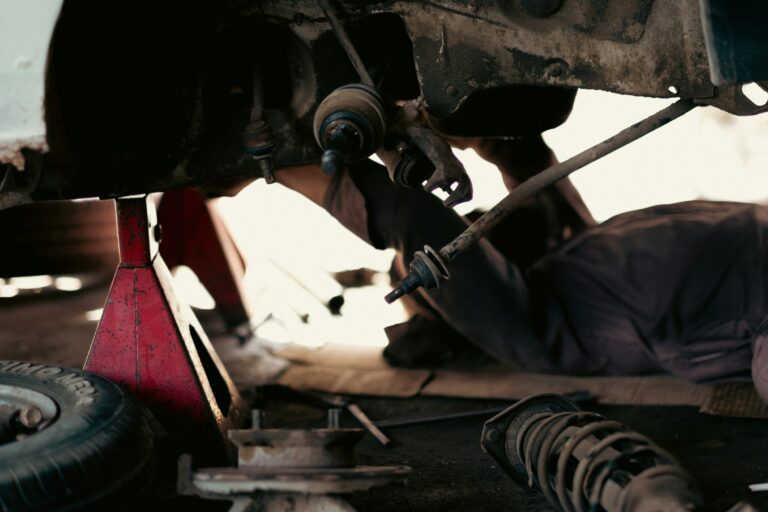
Common Vehicle Maintenance Mistakes to Avoid


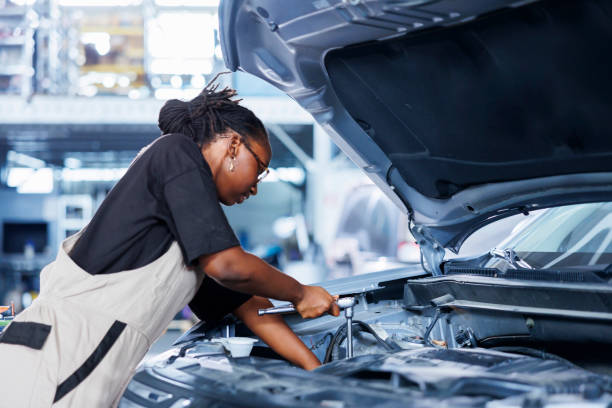
While it’s important to know what to do when it comes to vehicle maintenance, it’s equally important to know what not to do. In fact, Vehicle Maintenance Mistakes are surprisingly common and can lead to costly repairs. Here are some common mistakes to avoid:

Ignoring warning signs: If your check engine light or any other warning light comes on, don’t ignore it. These lights are there for a reason and could be an early indication of a potential problem. Ignoring warning signs is one of the most frequent vehicle maintenance mistakes and can lead to more serious issues and expensive repairs.

Neglecting routine maintenance: It’s easy to overlook routine maintenance tasks, especially when your car seems to be running fine. However, neglecting these tasks can lead to decreased performance, reduced fuel economy, and even engine damage. Stick to your vehicle’s recommended maintenance schedule to keep it in top shape. Above all, avoiding vehicle maintenance mistakes will help your car last longer.

Trying to DIY everything: While there are some maintenance tasks that you can do yourself, such as checking tire pressure or replacing wiper blades, there are others that should be left to the professionals. Trying to tackle complex repairs without the necessary knowledge and tools can result in further damage and safety risks. As a result, vehicle maintenance mistakes can jeopardize both performance and safety.

Read More:

Tips for Maximizing Vehicle Durability


In today’s demanding transport environment, vehicle durability is no longer a luxury, it is a necessity. Whether managing a commercial fleet or maintaining a personal vehicle, longevity directly affects cost, safety, and performance. Vehicles that last longer deliver better returns, reduce downtime, and strengthen operational reliability. The good news is that durability is not just about manufacturing quality; it largely depends on how vehicles are used, maintained, and managed over time.

Start with Consistent Preventive Maintenance

The foundation of vehicle durability is preventive maintenance. Many breakdowns do not happen suddenly, they build up over time due to neglect. Regular servicing keeps components in optimal condition and helps detect minor issues before they escalate into major failures.

Follow manufacturer-recommended service intervals strictly. Change engine oil, filters, and fluids on time. Inspect belts, hoses, and brake systems regularly. These simple actions reduce wear and extend the lifespan of critical systems. Skipping maintenance may save money in the short term, but it almost always leads to higher repair costs later.

Use High-Quality Parts and Fluids

Not all parts are created equal. Low-quality or counterfeit components may fit initially, but they wear out faster and can damage surrounding systems. Investing in high-quality, certified parts ensures better performance and long-term reliability.

The same applies to fluids. Engine oil, coolant, transmission fluid, and brake fluid all play vital roles in protecting internal components. Using the right grade and quality reduces friction, prevents overheating, and minimizes internal damage. For more insights on proper maintenance standards, you can explore resources from Automotive Maintenance and Repair Association.

Drive with Mechanical Sympathy

How a vehicle is driven significantly affects its lifespan. Aggressive driving habits—such as rapid acceleration, hard braking, and overloading, put unnecessary stress on components.

Smooth driving reduces strain on the engine, transmission, brakes, and suspension. Gradual acceleration, maintaining steady speeds, and avoiding excessive idling all contribute to longer component life. Drivers should also pay attention to warning signs. Unusual noises, vibrations, or dashboard alerts often indicate early problems. Addressing them promptly prevents further damage.

Protect the Engine from Wear and Tear

The engine is the heart of any vehicle, and protecting it should be a top priority. Cold starts, poor lubrication, and overheating are among the main causes of engine wear.

Allow the engine to warm up briefly before driving, especially in colder conditions. This ensures proper oil circulation. At the same time, avoid prolonged idling, which wastes fuel and increases carbon buildup. Regularly check coolant levels and ensure the cooling system functions properly. Overheating can cause severe engine damage and drastically shorten its lifespan.

Maintain the Cooling and Air Systems

Cooling and air intake systems play a critical role in maintaining efficiency and durability. A clogged air filter restricts airflow, forcing the engine to work harder. Similarly, a poorly maintained cooling system increases the risk of overheating.

Replace air filters regularly and ensure radiators, fans, and coolant systems remain clean and functional. These simple steps improve fuel efficiency and protect engine health.

Keep Tires in Optimal Condition

Tires often receive less attention than they deserve, yet they directly impact durability, safety, and efficiency. Underinflated or overinflated tires wear unevenly and strain suspension components.

Check tire pressure regularly and maintain it at recommended levels. Rotate tires periodically to ensure even wear. Proper wheel alignment also prevents unnecessary stress on steering and suspension systems. Well-maintained tires improve handling, reduce fuel consumption, and extend the life of other vehicle components.

Avoid Overloading the Vehicle

Every vehicle has a designed load capacity. Exceeding this limit places excessive strain on the engine, brakes, suspension, and tires. Over time, this leads to premature wear and increased risk of failure.

Always adhere to manufacturer load specifications. For fleet operators, this is especially important, as overloading can significantly reduce the lifespan of multiple vehicles simultaneously.

Protect the Exterior and Undercarriage

Durability is not only about internal components. The exterior and undercarriage also require protection, especially in harsh environments.

Regular washing removes dirt, salt, and corrosive materials that can damage paint and metal surfaces. Applying protective coatings or wax helps preserve the bodywork. Inspect the undercarriage for rust or damage, particularly if the vehicle operates on rough or unpaved roads. Preventing corrosion early extends the overall lifespan of the vehicle.

Leverage Technology and Data

Modern vehicles and fleets generate valuable data that can improve durability. Telematics systems track driving behavior, engine performance, and maintenance needs in real time.

Fleet managers can use this data to identify risky driving patterns, schedule timely maintenance, and optimize vehicle usage. Predictive maintenance, powered by data analytics, helps prevent breakdowns before they occur. Technology transforms maintenance from reactive to proactive, significantly improving durability outcomes.

Train Drivers and Operators

Human behavior remains one of the most influential factors in vehicle longevity. Even the best-maintained vehicle can deteriorate quickly under poor handling.

Training drivers on proper vehicle operation, basic maintenance checks, and early fault detection creates a strong first line of defense. Educated drivers treat vehicles more responsibly and report issues before they worsen.

Plan for Lifecycle Management

Maximizing durability also involves planning the entire vehicle lifecycle. This includes acquisition, usage, maintenance, and eventual replacement.

Track performance metrics such as fuel consumption, maintenance costs, and downtime. These indicators help determine when a vehicle remains cost-effective and when it is time to replace it. A well-managed lifecycle ensures that vehicles operate efficiently without becoming financial burdens.

Building Durability Through Discipline and Smart Decisions

Maximizing vehicle durability demands discipline, consistency, and meticulous attention to detail. From adhering to preventive maintenance schedules and investing in high-quality parts to promoting responsible driving habits and leveraging smart vehicle technologies, every deliberate action plays a critical role in extending a vehicle’s service life.

Durability is not the result of a single intervention; it is cultivated over time through sustained best practices and informed operational decisions. By making maintenance a strategic priority and embracing a culture of operational excellence, vehicle owners and fleet managers can significantly lower operating costs, enhance safety standards, and secure long-term reliability and performance.

More Insights:

Drive Safe, Save Money – Proven Vehicle Maintenance Tips for Long-Term Durability


Taking care of your vehicle is not just about keeping it looking good; it’s also about ensuring its long-term durability and saving you money in the process. Regular vehicle maintenance is key to preventing costly breakdowns, extending the lifespan of your car, and avoiding expensive repairs. By following these 5 proven vehicle maintenance tips, you can drive safe and save money in the long run. Make sure to drive safe by adhering to these tips.

Regular Oil Changes

One of the most crucial maintenance tasks for your vehicle is regular oil changes. To drive safe, your engine relies on clean, properly lubricated oil to run smoothly and efficiently. Over time, the oil in your engine breaks down and becomes contaminated with dirt, debris, and other particles. This can lead to engine damage and decreased performance if not addressed.

To avoid these issues, it’s important to keep an eye on your vehicle’s oil levels and replace it at the recommended intervals. Consult your car’s owner’s manual or speak with your trusted mechanic to determine the appropriate oil change schedule for your specific make and model. By staying on top of your oil changes, you’ll ensure that your engine is running at its best, preventing costly repairs down the line. Driving safe involves regular checks and maintenance.

Also Read: Driving Safety Tips Every Driver Should Know

Checking and Maintaining Proper Tyre Pressure

Maintaining proper tyre pressure is not only crucial for your safety on the road but also for improving fuel efficiency and extending the life of your tyres. Underinflated tyres can increase rolling resistance, causing your engine to work harder and consume more fuel. Additionally, improperly inflated tyres can lead to uneven wear, reducing their lifespan.

Make it a habit to check your tyre pressure regularly, at least once a month, because it helps drive safe. Invest in a reliable tyre pressure gauge and refer to your vehicle’s recommended tyre pressure, which is usually found on a sticker inside the driver’s side door jamb or in the owner’s manual. If the pressure is too low, inflate the tyres to the recommended level. Don’t forget to also rotate your tyres regularly to ensure even wear and maximize their durability.

Also Read: Bus tyre inflation

Regularly Inspecting and Replacing Filters

Air filters and oil filters play a crucial role in maintaining your vehicle’s performance and fuel economy. Over time, these filters can become clogged with dirt, dust, and debris, restricting airflow and causing reduced power and increased fuel consumption. Neglecting to change these filters regularly can have a negative impact on your engine’s performance and longevity.

Make it a part of your regular maintenance routine to inspect and replace your air filters and oil filters as needed. The frequency will depend on your driving conditions, but a general rule of thumb is to replace air filters every 12,000 to 15,000 miles or once a year, and oil filters with every oil change. By keeping these filters clean and in good condition, you’ll ensure that your engine is running efficiently, which is essential to drive safe, saving you money on fuel and preventing potential issues.

Also Read: Tips for saving money on Automotive Air Filters

Keeping Up with Scheduled Maintenance Tasks

In addition to the specific maintenance tasks mentioned above, it’s important to stay on top of your vehicle’s scheduled maintenance. This includes checking and replacing fluids, filters, and other components at the recommended intervals. Regular maintenance tasks can help identify potential issues before they become major problems, saving you from costly repairs down the line.

Refer to your vehicle’s owner’s manual for the recommended maintenance schedule. It will outline the specific tasks that need to be performed and the intervals at which they should be done. Some common scheduled maintenance items include changing the transmission fluid, inspecting and replacing the spark plugs, and checking the timing belt. By following the recommended maintenance schedule, you’ll ensure that your vehicle is in optimal condition, prolonging its lifespan and helping you drive safe by preventing unexpected breakdowns.

Also Read: Light Commercial Oil Filters-Key Considerations for Top Performance

Extending the Life of Your Vehicle through Proper Care

By following these 5 proven vehicle maintenance tips, you can significantly increase the durability of your car and extend its life. Regular oil changes, proper tyre pressure, clean filters, and scheduled maintenance all work together to keep your vehicle running smoothly and efficiently. By giving your vehicle the care it deserves, you’ll not only enjoy a safer driving experience but also save money in the long run.

The Financial Benefits of Vehicle Maintenance

Investing in regular vehicle maintenance may seem like an added expense, but it’s actually a wise financial decision. By taking care of your car, you can avoid costly breakdowns and repairs that can quickly add up. Routine maintenance tasks such as oil changes, tire rotations, and filter replacements are relatively inexpensive compared to the cost of major repairs or replacing a vehicle altogether.

Regular maintenance also helps maintain the value of your car. When it comes time to sell or trade in your vehicle, a well-maintained car will fetch a higher price than one that has been neglected. Potential buyers or dealerships will appreciate the fact that the vehicle has been properly cared for, giving them confidence in its overall condition.

Also Read: Tips for Maximizing Vehicle Durability

Conclusion

Taking care of your vehicle doesn’t have to be a daunting task. By following these 5 proven vehicle maintenance tips and implementing additional care practices, you can ensure the long-term durability of your car and save money in the process. Regular oil changes, proper tire pressure, clean filters, scheduled maintenance, and other best practices all contribute to a safer, more efficient, and longer-lasting vehicle. Start today and give your vehicle the care it deserves to drive safe!

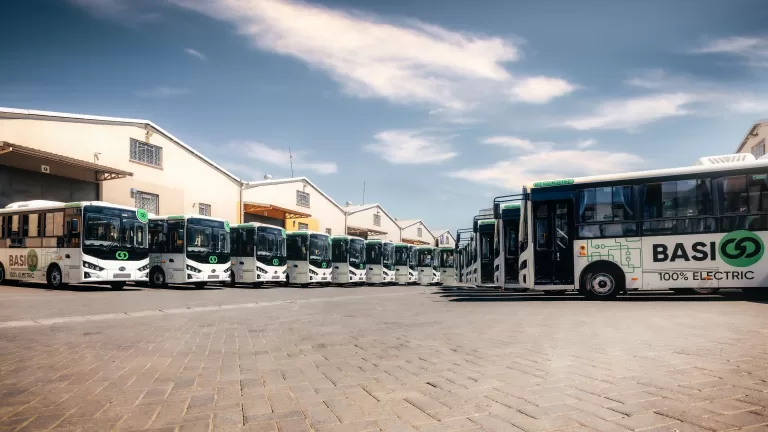
KVM secures $3 million in funding for electric buses expansion


Kenya Vehicle Manufacturers (KVM) has received a huge boost in funding from CFAO Group, a major player in the mobility industry. The US$3 million investment will help KVM expand their assembly and distribution of electric buses in Kenya and Rwanda. The goal is to introduce more electric buses into the East African market, starting with 19 buses in Nairobi and aiming for 1000 buses within three years.

Partnership with CFAO and Mobility54

The funding from CFAO Group is split between CFAO Kenya and Mobility54, CFAO’s corporate venture capital arm. BasiGo, a Kenyan startup working with KVM, is thrilled to have CFAO on board. BasiGo’s CEO, Jit Bhattacharya, expressed gratitude for the partnership, highlighting CFAO’s recognition of the potential for electric mobility in Africa.

BasiGo’s Growth and Expansion Plans

BasiGo previously received a significant investment from Silicon Valley venture capitalists to support their electric bus assembly and charging infrastructure. With over 500 reservations from bus operators in Nairobi and 100 reservations from Kigali, BasiGo is on track for expansion. The company plans to offer a wider range of commercial electric vehicles and introduce a Pay-As-You-Drive financing model.

Promoting Sustainable Transportation in Africa

CFAO is leading the way in promoting sustainable transportation in Africa. They have opened their first electric vehicle dealership in Rwanda and invested in e-mobility start-ups through Mobility54. This initiative aims to create a green mobility ecosystem across 40 African countries.

Rise of Electric Vehicles in Africa

The popularity of electric vehicles (EVs) is on the rise in Africa. Data from the Energy and Petroleum Regulatory Authority (EPRA) shows a significant increase in the number of electric vehicles and motorcycles in Kenya. This trend not only provides cost-effective transportation but also helps reduce carbon emissions and combat climate change.

Overall, the rise of electric vehicles in Africa represents a significant step towards a more sustainable future for the continent. With continued investment in clean energy technologies and transportation infrastructure, Africa has the potential to become a global leader in the transition to low-carbon transportation.

Maintaining Your Light Commercial Vehicle: Tips and Best Practices


To ensure the longevity and optimal performance of light commercial vehicles in the Africa market, a comprehensive maintenance strategy is essential. Here are some best practices to maintain your fleet and make sure each light commercial vehicle remains efficient:

Routine Maintenance Checks
  • Schedule routine maintenance checks and repairs for each vehicle in your fleet. This proactive approach allows for the identification and rectification of potential issues before they escalate, ensuring vehicles remain operational and efficient.
  • Implementing preventative maintenance is crucial as it not only keeps vehicles on the road but also allows for planned vehicle downtime, minimizing disruptions to your operations.
Driver Training
  • Regularly train all drivers on safety rules, regulations, and the operation of their vehicles. An informed driver is an asset to fleet safety and efficiency, especially when handling any light commercial vehicle.
  • Continued education and training help ensure the overall safety and success of your fleet, reducing the risk of accidents and vehicle misuse.

Also Read: Essential Light Commercial Vehicle Spare Parts for Thriving in the African Market

Fleet Management Technology
  • Utilize advanced fleet management software like GPS Trackit to gain real-time data on vehicle location, fuel efficiency, and driver behavior.
  • This technology optimizes routes, scheduling, and maintenance, which is instrumental in reducing fuel consumption, idle time, and improving overall fleet efficiency.
Vehicle Inspection and Care
  • Conduct daily inspections for punctures and proper tire pressure to prevent unexpected breakdowns and maintain fuel efficiency in your light commercial vehicle fleet.
  • Rotate and change tires as needed, selecting them based on load capacity, fuel efficiency, and adaptability to the terrain.
  • Regularly inspect fluid levels and tyre pressure to ensure vehicles are running at peak performance.
  • Check your battery regularly and address low battery signs immediately to avoid power failures and vehicle downtime.
  • In case of engine issues, change your spark plugs to ensure smooth running and prevent further damage to any light commercial vehicle.
  • Keep vehicles clean and shelter them from harsh weather conditions as much as possible to prevent undue wear and tear.
  • Ensure that windshields are clean and wipers are functional for optimal visibility during operation.
  • Regularly check your brakes and replace them if necessary to maintain the highest safety standards.

Also Read: Drive Safe, Save Money – Proven Vehicle Maintenance Tips for Long-Term Durability

By adhering to these tips and best practices, businesses can maintain their light commercial vehicles efficiently, ensuring they remain a reliable asset in the competitive Africa market. Proper maintenance not only extends the lifespan of the vehicles but also contributes to the safety and efficiency of the transportation system as a whole.

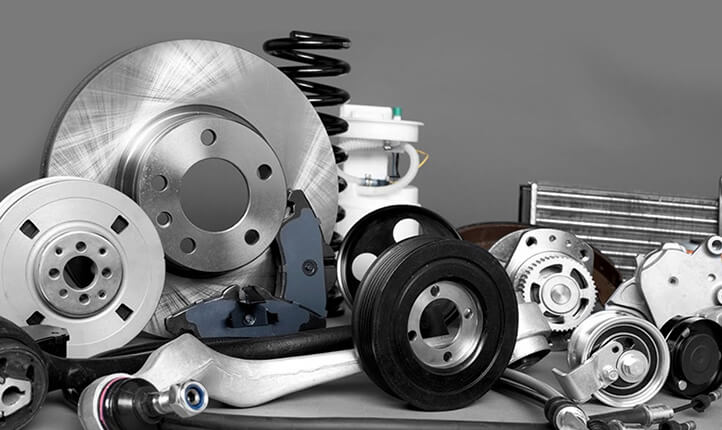
Essential Light Commercial Vehicle Spare Parts for Thriving in the African Market


The robust growth of Kenya’s automotive market positions it as a significant pillar within the East Africa Community (EAC). It serves as a comprehensive hub for retail, distribution, and after-sales support of vehicles. With advantageous infrastructure and a strategic location, the region shows immense potential. It can evolve into a centralised haven for automotive assembly and production.

In response to the burgeoning African market for LCV spare parts, propelled by an upsurge of commercial vehicles, technological innovation, and e-commerce growth, this article sets out to navigate the complexities of the spare parts landscape. Thriving in the Africa market requires astute purchasing strategies. It also requires an understanding of the pivotal role of quality spare parts and the implementation of effective vehicle maintenance practices.

Facing challenges such as the prevalence of non-genuine parts and the need for better financial services, the market simultaneously presents untapped opportunities driven by demand for automotive parts like tyres and batteries. Key insights and practices detailed herein aim to empower stakeholders maneuvering through Africa’s unique auto parts terrain.

Also Read: High-Quality Automotive Spare Parts for Vehicle Safety

Navigating the Market: Tips for Purchasing Spare Parts

Navigating the intricate spare parts market in Africa necessitates a strategic approach, particularly when dealing with light commercial vehicles (LCVs). Here are some tips for purchasing spare parts that are crucial for thriving in the Africa market:

Understand Local Demand: Grasp the market’s needs by identifying which automotive parts are most in demand based on the prevalent vehicle models in your area.
Quality Over Price: While cost is a consideration, the priority should be on the quality of LCV spare parts. This ensures longevity and reliability, which are essential in the African market where rough terrain and long distances are common. It’s crucial to prioritize quality to avoid frequent replacements and high long-term costs.
Compatibility Checks: Before making a purchase, verify the compatibility of the parts. Confirm specific part numbers and consult with mechanics or dealers. This ensures that the parts will fit and function as intended. Accurate identification is key, and providing details like the chassis number or engine nameplate can be instrumental in obtaining the correct parts.
Warranty and Authenticity: Always check if the LCV is still under warranty before purchasing new parts. Many warranties may cover the cost of replacement parts, saving you a significant amount of money. Additionally, sourcing parts from reputable suppliers or dealers can safeguard against counterfeit parts that could compromise vehicle performance.
Digital Infrastructure: Embrace the digital revolution by considering an omni-channel distribution approach. Partnering with incumbents to digitize their stock can make inventory transparent and accessible, thereby streamlining the purchasing process.
Professional Inspection: Have the spare parts tested by a professional and inspect them thoroughly. This due diligence is a safeguard against investing in defective or substandard components.
Market Research and Supplier Relationships: Engage in continuous market research and nurture relationships with suppliers. A consolidated inventory management system can offer an edge in managing stock efficiently and responding to market changes promptly.
Price Comparisons: Exercise due diligence by comparing prices of similar spare parts across different dealers. This ensures you are getting a fair deal and can help in negotiations with suppliers.

By adhering to these practices, stakeholders in the light commercial spare parts sector can navigate the African market with confidence. This ensures the sustainability and growth of their operations.

Also Read: Maintaining Your Light Commercial Vehicle: Tips and Best Practices

The Impact of Choosing the Right Spare Parts

Selecting the appropriate spare parts for light commercial vehicles (LCVs) is more than just a transaction; it’s a decision that can have far-reaching implications for the efficiency and longevity of vehicles operating within the diverse and challenging African market. Here’s how the right choice in spare parts can make a significant difference:

Operational Efficiency: High-quality spare parts ensure that LCVs run smoothly and efficiently. This is particularly important in Africa, where the transportation of goods over long distances is common, and downtime can lead to significant revenue loss. By choosing the right spare parts, fleet operators can minimize breakdowns and maintain consistent operational schedules.

Also Read: Pick the right spare parts for your truck

Longevity and Durability: Africa’s varied terrain can be unforgiving on vehicles. The right spare parts can withstand harsh conditions, from the heat of the Sahara to the potholed roads of rural regions. This durability translates to a longer lifespan for the LCVs, reducing the frequency and cost of replacements over time.
Safety: The use of genuine and compatible spare parts directly impacts the safety of the vehicle. Substandard or incompatible components can lead to malfunctions and accidents, posing a risk to drivers and other road users. By investing in the right parts, businesses contribute to a safer driving environment in Africa.
Cost-Effectiveness: While the initial investment in high-quality spare parts may be higher, the long-term savings are considerable. Fewer breakdowns mean less money spent on repairs and maintenance. Additionally, less downtime means more productivity. In the long run, the right spare parts are a cost-effective choice for businesses relying on Light Commercial in the Africa market.

Incorporating these considerations into procurement strategies not only benefits individual businesses but also contributes to the broader reliability and reputation of the automotive industry in Africa. As the market continues to grow, the demand for automotive parts, including tyres and batteries, is expected to rise. Consequently, the impact of choosing the right spare parts is even more significant for the sustainability of the sector.

Major Japanese automotive company is making waves in the Kenya’s spare parts market 


Japanese trading firm Kaiho Industry Co. Ltd is set to introduce Nairobi’s first-ever auction for second-hand motor vehicle spare parts. This groundbreaking initiative, backed by the Japan International Cooperation Agency (JICA), aims to provide a convenient and cost-effective solution for motorists and garages.

Kaiho Industry Co. Ltd plans to offer parts traceability as a unique selling point, ensuring the quality and reliability of its products. By doing so, they aim to set themselves apart from other competitors in the market.

According to a reliable source, the inaugural auction will commence on April 3 and will span three days. The frequency of future auctions will be determined based on market demands and dynamics. This development is expected to significantly reduce the time and expenses associated with the importation of spare parts.

By introducing this pioneering venture, Kaiho Industry Co. Ltd seeks to revolutionize the automotive spare parts industry in Kenya. They are poised to provide a platform that not only meets the needs of motorists and garages but also contributes to the growth and development of the local economy.

The launch of this auction marks a milestone in Kenya’s automotive sector, opening up new opportunities for businesses and individuals alike. With the support of JICA, Kaiho Industry Co. Ltd aims to establish itself as a trusted and reliable source for high-quality second-hand motor vehicle spare parts.

As the first of its kind in the country, this auction is expected to attract significant attention and participation from various stakeholders within the automotive industry. It presents an exciting prospect for motorists and garages who can now access affordable spare parts conveniently, without having to go through the hassle and expense of importing them.

The introduction of Kenya’s first second-hand motor vehicle spare parts auction by Kaiho Industry Co. Ltd is poised to bring about positive change in the automotive sector. Through their commitment to quality and traceability, they aim to enhance the overall experience for motorists and garages while contributing to the economic growth of the nation.

Nissan to introduce e-Power Hybrid technology car in Tunisia


Nissan is set to introduce its e-Power hybrid technology car to Tunisia. This is a strategic move to test the demand for the electric vehicles (EVs) in the African market. Africa is seen as the last frontier for the e-Power Hybrid vehicle because many people in Africa do not own cars. In fact, the average number of vehicles per 1,000 people in Africa is much lower compared to the global average.

Challenges in Africa

While EVs are becoming more popular in other parts of the world, they are still too expensive for many people in Africa. Some countries in Africa, like South Africa, also face challenges such as power outages and transportation issues that make it hard for companies to invest in EVs on the continent.

Nissan’s Plan

Sherief Eldesouky, the Managing Director of Nissan Africa, explained that they have a plan to introduce electrification in Africa using their e-Power technology. This system includes a petrol engine, power generator, inverter, battery, and electric motor. The electric motor powers the wheels using energy stored in the battery pack.

Progress in South Africa

South Africa has made some progress in supporting the transition to EVs by publishing an EV policy roadmap with government incentives. Nissan, which has been in Africa for over 60 years, owns manufacturing plants in Egypt and South Africa. They plan to export pickup trucks built in South Africa to new markets in Algeria, Libya, Sudan, Tunisia, and Egypt.

Future Plans

Nissan also has plans to launch new vehicle grades in Sub-Saharan Africa and South Africa. They will offer a mid-grade automatic transmission vehicle in Sub-Saharan Africa and an entry-level double cab in South Africa. This shows Nissan’s commitment to expanding their presence and offering more options for customers in Africa.

Stellantis launches MyTasks for Commercial Fleets, an Industry First In-vehicle and Interactive Task Management Tool


Stellantis is launching MyTasks, an industry first tool for fleet managers that enables real-time communication, task assignment and status updates with drivers in the field via the vehicle’s built-in infotainment unit. MyTasks provides benefits to both drivers and fleet managers. Drivers do not need to fumble with a mobile phone, reducing distractions, and managers do not need aftermarket accessories, enhancing efficiency and safety.

The application is an innovative patented interface between manager and driver, leveraging over-the-air capability and updates. Through an over-the-air update, MyTasks will also be available on existing Stellantis vehicles in the field today equipped with compatible communication technology and infotainment units.

[YUMPU epaper_id=”68651718″ width=”512″ height=”384″]

MyTasks enables fleet managers or dispatchers to assign tasks or change schedules of individual drivers via an online portal. Vehicle drivers then get an instant notification of assignments via a pop-up message in the vehicle’s infotainment screen. The connected system allows drivers to send their assigned destination to the vehicle’s navigation system for routing and provides dispatchers the status of each task.

“A breakthrough tool like MyTasks is the result of when we put our customers’ needs above all else,” Stellantis Chief Software Officer Yves Bonnefont said. “We know that our B2B customers value efficiency and safety for their drivers and their fleets and we are using the capabilities built into our vehicles to cut down on the potential distractions and deliver key information to make their job easier.”

Also Read: Stellantis to open new factory in South Africa

Free2move will add this to its commercial offer, completing the already existing business solutions such as Preventive Maintenance and Connect Fleet. The service can also be made available via API integration to all B2B partners that already have a tool to plan daily fleet activities. Pro One, the Stellantis Commercial Vehicles Business Unit, will be the first to offer this technology. MyTasks will be available in the first half of this year in Europe on compact and mid-size vans from the Citroën, FIAT Professional, Opel, Peugeot and Vauxhall brands. Availability will expand by the end of this year to large vans and compatible passenger cars in Europe and commercial vehicles in North America.

Deploying advanced technology that enhances vehicle safety and keeps drivers informed is a key element of Stellantis’ commitment in the Dare Forward 2030 strategic plan to offer cutting-edge mobility. Stellantis is developing STLA Brain, STLA SmartCockpit, and STLA AutoDrive, three all-new technology platforms that will be deployed starting in 2024.

Source: Stellantis

- Advertisement -