

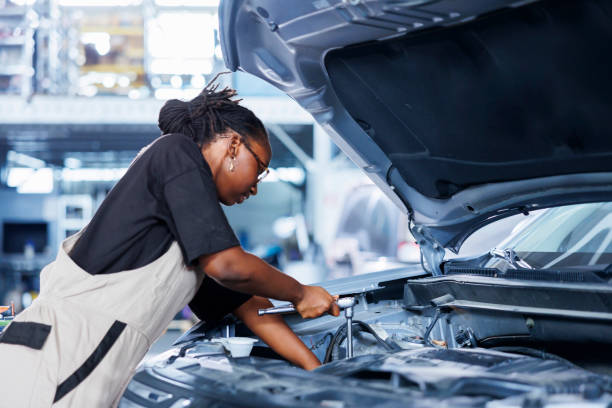
In today’s demanding transport environment, vehicle durability is no longer a luxury, it is a necessity. Whether managing a commercial fleet or maintaining a personal vehicle, longevity directly affects cost, safety, and performance. Vehicles that last longer deliver better returns, reduce downtime, and strengthen operational reliability. The good news is that durability is not just about manufacturing quality; it largely depends on how vehicles are used, maintained, and managed over time.
Start with Consistent Preventive Maintenance
The foundation of vehicle durability is preventive maintenance. Many breakdowns do not happen suddenly, they build up over time due to neglect. Regular servicing keeps components in optimal condition and helps detect minor issues before they escalate into major failures.
Follow manufacturer-recommended service intervals strictly. Change engine oil, filters, and fluids on time. Inspect belts, hoses, and brake systems regularly. These simple actions reduce wear and extend the lifespan of critical systems. Skipping maintenance may save money in the short term, but it almost always leads to higher repair costs later.
Use High-Quality Parts and Fluids
Not all parts are created equal. Low-quality or counterfeit components may fit initially, but they wear out faster and can damage surrounding systems. Investing in high-quality, certified parts ensures better performance and long-term reliability.
The same applies to fluids. Engine oil, coolant, transmission fluid, and brake fluid all play vital roles in protecting internal components. Using the right grade and quality reduces friction, prevents overheating, and minimizes internal damage. For more insights on proper maintenance standards, you can explore resources from Automotive Maintenance and Repair Association.
Drive with Mechanical Sympathy
How a vehicle is driven significantly affects its lifespan. Aggressive driving habits—such as rapid acceleration, hard braking, and overloading, put unnecessary stress on components.
Smooth driving reduces strain on the engine, transmission, brakes, and suspension. Gradual acceleration, maintaining steady speeds, and avoiding excessive idling all contribute to longer component life. Drivers should also pay attention to warning signs. Unusual noises, vibrations, or dashboard alerts often indicate early problems. Addressing them promptly prevents further damage.
Protect the Engine from Wear and Tear
The engine is the heart of any vehicle, and protecting it should be a top priority. Cold starts, poor lubrication, and overheating are among the main causes of engine wear.
Allow the engine to warm up briefly before driving, especially in colder conditions. This ensures proper oil circulation. At the same time, avoid prolonged idling, which wastes fuel and increases carbon buildup. Regularly check coolant levels and ensure the cooling system functions properly. Overheating can cause severe engine damage and drastically shorten its lifespan.
Maintain the Cooling and Air Systems
Cooling and air intake systems play a critical role in maintaining efficiency and durability. A clogged air filter restricts airflow, forcing the engine to work harder. Similarly, a poorly maintained cooling system increases the risk of overheating.
Replace air filters regularly and ensure radiators, fans, and coolant systems remain clean and functional. These simple steps improve fuel efficiency and protect engine health.
Keep Tires in Optimal Condition
Tires often receive less attention than they deserve, yet they directly impact durability, safety, and efficiency. Underinflated or overinflated tires wear unevenly and strain suspension components.
Check tire pressure regularly and maintain it at recommended levels. Rotate tires periodically to ensure even wear. Proper wheel alignment also prevents unnecessary stress on steering and suspension systems. Well-maintained tires improve handling, reduce fuel consumption, and extend the life of other vehicle components.
Avoid Overloading the Vehicle
Every vehicle has a designed load capacity. Exceeding this limit places excessive strain on the engine, brakes, suspension, and tires. Over time, this leads to premature wear and increased risk of failure.
Always adhere to manufacturer load specifications. For fleet operators, this is especially important, as overloading can significantly reduce the lifespan of multiple vehicles simultaneously.
Protect the Exterior and Undercarriage
Durability is not only about internal components. The exterior and undercarriage also require protection, especially in harsh environments.
Regular washing removes dirt, salt, and corrosive materials that can damage paint and metal surfaces. Applying protective coatings or wax helps preserve the bodywork. Inspect the undercarriage for rust or damage, particularly if the vehicle operates on rough or unpaved roads. Preventing corrosion early extends the overall lifespan of the vehicle.
Leverage Technology and Data
Modern vehicles and fleets generate valuable data that can improve durability. Telematics systems track driving behavior, engine performance, and maintenance needs in real time.
Fleet managers can use this data to identify risky driving patterns, schedule timely maintenance, and optimize vehicle usage. Predictive maintenance, powered by data analytics, helps prevent breakdowns before they occur. Technology transforms maintenance from reactive to proactive, significantly improving durability outcomes.
Train Drivers and Operators
Human behavior remains one of the most influential factors in vehicle longevity. Even the best-maintained vehicle can deteriorate quickly under poor handling.
Training drivers on proper vehicle operation, basic maintenance checks, and early fault detection creates a strong first line of defense. Educated drivers treat vehicles more responsibly and report issues before they worsen.
Plan for Lifecycle Management
Maximizing durability also involves planning the entire vehicle lifecycle. This includes acquisition, usage, maintenance, and eventual replacement.
Track performance metrics such as fuel consumption, maintenance costs, and downtime. These indicators help determine when a vehicle remains cost-effective and when it is time to replace it. A well-managed lifecycle ensures that vehicles operate efficiently without becoming financial burdens.
Building Durability Through Discipline and Smart Decisions
Maximizing vehicle durability demands discipline, consistency, and meticulous attention to detail. From adhering to preventive maintenance schedules and investing in high-quality parts to promoting responsible driving habits and leveraging smart vehicle technologies, every deliberate action plays a critical role in extending a vehicle’s service life.
Durability is not the result of a single intervention; it is cultivated over time through sustained best practices and informed operational decisions. By making maintenance a strategic priority and embracing a culture of operational excellence, vehicle owners and fleet managers can significantly lower operating costs, enhance safety standards, and secure long-term reliability and performance.
More Insights:
Driving Safety Tips Every Driver Should Know
What Affects Your Engine Temperature While You Drive
Drive Safe, Save Money – Proven Vehicle Maintenance Tips for Long-Term Durability
The Crucial Role of Aftermarket Additives in Enhancing Bus Engine Oil Performance for the African Climate

