

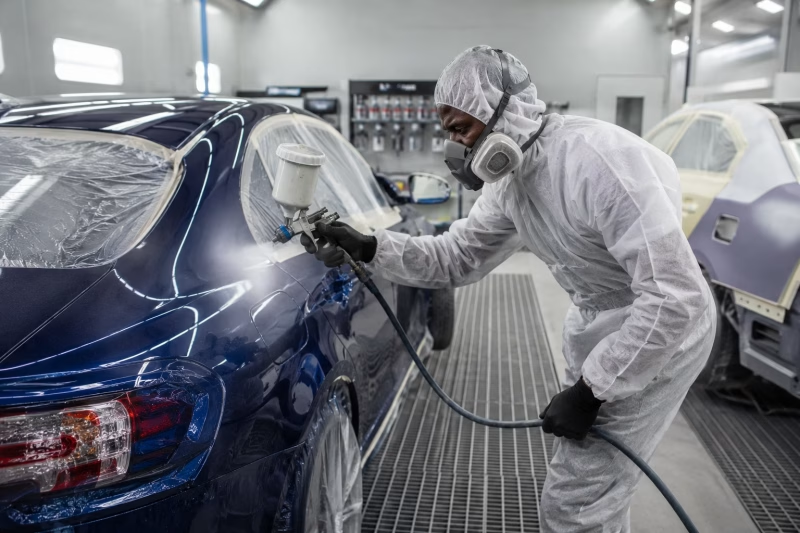
Vehicle owners increasingly want cars that not only perform well but also maintain a clean, glossy, and professional finish. Yet many drivers still do not fully understand one of the most important parts of automotive refinishing. Most people simply see “paint.” Whereas, modern automotive refinishing involves multiple protective layers working together to create both color and durability. Understanding how these layers function can help car owners make smarter maintenance decisions, avoid poor-quality repairs, and protect the long-term value of their vehicles.
The Base Coat: Where the Color Lives
The base coat is the colored layer applied to a vehicle during the painting process. It gives the car its visual identity, whether metallic silver, pearl white, deep black, or vibrant red. Without the base coat, a vehicle would have no final color appearance. Modern base coats are designed to deliver smooth coverage, color consistency, and visual depth. In today’s refinishing industry, many workshops across Africa now use advanced water-based and low-VOC paint systems that improve finish quality while reducing environmental impact.
However, the base coat alone is not enough to protect a vehicle. On its own, it remains vulnerable to sunlight, moisture, scratches, road debris, chemicals, and harsh weather conditions. That is where the clear coat becomes essential.
The Clear Coat: The Invisible Shield
The clear coat sits on top of the base coat as a transparent protective layer. Although invisible, it performs one of the most important jobs in automotive refinishing. It protects the paint beneath while adding gloss, depth, and durability. In African countries, this protective layer matters even more because vehicles operate under intense environmental stress. Strong UV exposure, dusty roads, heavy rainfall, coastal humidity, and extreme temperatures can quickly damage poorly protected paintwork.
A high-quality clear coat helps shield vehicles from fading, oxidation, peeling, and surface damage. It also improves resistance to bird droppings, fuel spills, tree sap, and minor abrasions from daily driving. Most importantly, the clear coat creates the glossy finish that many drivers associate with a professionally painted vehicle. Without it, even an expensive paint job can appear dull and unfinished.
Why Poor Refinishing Jobs Fail
Unfortunately, not all refinishing workshops deliver proper paint quality. Across many African markets, low-cost repairs often prioritize speed over durability. Some technicians apply thin clear coats, skip preparation steps, or use low-quality products that fail under harsh weather conditions. As a result, many vehicle owners begin to notice peeling paint, fading panels, loss of gloss, or uneven finishes within a short period. In some cases, the clear coat starts separating from the base coat entirely. This is why car owners should pay close attention to refinishing standards rather than focusing only on price. A cheaper paint job can become far more expensive when repainting becomes necessary again after only a few months.
Technology Is Changing Automotive Refinishing
Fortunately, the refinishing industry is evolving. Professional workshops are increasingly using digital color-matching systems, temperature-controlled spray booths, infrared drying systems, and advanced coating technologies to improve paint quality and consistency.
Manufacturers are also developing more durable and environmentally friendly coatings. Global automotive refinishing leaders continue to invest in water-based systems and sustainable paint technologies that improve performance while reducing emissions. Industry innovations from companies such as Axalta Coating Systems continue shaping modern refinishing standards worldwide.
At the same time, customer expectations are rising. Vehicle owners now demand finishes that look factory-quality, resist harsh climates, and maintain long-term shine.
What Car Owners Should Look For
Before approving any refinishing job, vehicle owners should take time to evaluate the quality standards of the workshop handling their vehicle. A professional paint finish involves far more than simply applying color. It requires proper preparation, controlled working conditions, skilled technicians, and high-quality coating systems designed to withstand years of environmental exposure.
- Does the workshop use high-quality clear coat products?
- Is the vehicle painted inside a proper spray booth?
- Does the technician perform surface preparation correctly?
- Will the finish include UV protection?
- Is the workshop experienced in color matching?
These questions matter because poor refinishing shortcuts often remain invisible at first. A vehicle may appear glossy on delivery day, only for peeling, fading, bubbling, or uneven paint texture to emerge months later under harsh sunlight, rain, and road exposure.
Vehicle owners should also pay attention to workshop cleanliness, equipment quality, and previous customer results. A well-organized refinishing facility usually reflects higher professional standards and stronger attention to detail.
The Bigger Picture
In today’s automotive industry, paint does more than improve appearance. It protects investment value, strengthens resale potential, and reflects maintenance standards. That is why understanding the difference between base coat and clear coat matters. The base coat gives a car its color, but the clear coat protects that beauty from the realities of African roads and climate conditions. Additionally, smarter refinishing decisions will separate lasting quality from short-term cosmetic fixes.
Read More:
Automotive Coatings Market
Driving Demand for Paints and Coatings in Ghana
Refinishing Insights from Auto Expo Africa 2025
4CR: A premier brand in the refinishing market

