

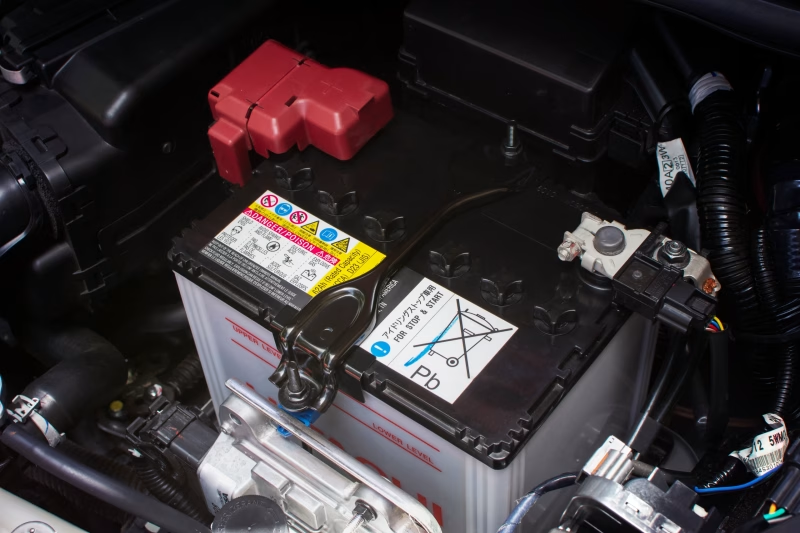
Your car battery may look like a simple component, but its terminals play a critical role in maintaining a reliable electrical connection. When corrosion builds around the terminals, it can increase electrical resistance, cause slow starting and leave you stranded at the worst possible time.
For drivers in Africa, regular battery care deserves particular attention. High temperatures can accelerate battery deterioration and shorten service life. AAA says car batteries typically last three to five years, while extreme heat can reduce that lifespan to as little as two years.
Why Battery Terminals Corrode
White, blue or greenish deposits around the terminals usually indicate corrosion. Battery gases or electrolyte residue can contribute to corrosion around exposed metal connections. Dirt, moisture, heat and loose connections can make the problem worse.
Corroded terminals can increase electrical resistance and affect the reliability of the electrical connection. You may notice slower engine cranking, dim lights or intermittent electrical problems.
How to Clean Battery Terminals
Before starting, park the vehicle on a level surface, switch off the ignition and allow the engine to cool. Wear protective gloves and eye protection, and keep flames and cigarettes away from the battery.
Inspect the battery first. If you see cracks, swelling, leaking fluid or other serious damage, do not attempt a DIY cleaning job. Seek professional assistance.
If the battery is in good condition, disconnect the negative terminal first, followed by the positive terminal. This reduces the risk of an accidental short circuit.
Mix a small amount of baking soda with water to create a cleaning paste. Apply it to the corrosion with a small brush and gently scrub the terminal and cable connection. Avoid pouring the solution directly onto the battery because it can cause damage.
Wipe away the loosened residue with a damp cloth and dry the terminals thoroughly. Reconnect the positive terminal first, followed by the negative terminal. Ensure both connections are secure, but do not overtighten them.
Make Terminal Care Part of Routine Maintenance
Do not wait until your vehicle refuses to start. Inspect the terminals regularly, particularly before long journeys and during periods of extreme heat. Look for corrosion, loose connections and damaged cables.
Keeping the terminals clean can help maintain a reliable electrical connection, but cleaning will not fix every battery problem. If corrosion returns quickly, the battery repeatedly loses charge or the engine continues to crank slowly, have the battery and charging system tested by a qualified technician.
A few minutes of routine battery care can help you identify problems early, reduce avoidable starting failures and improve confidence every time you drive.
Read More:
Battery Care in Extreme African Heat, How to Avoid Failure
Why Oil Analysis Is Becoming a Competitive Advantage
The Cost-Saving Benefits of Car Detailing
Achieve a Professional-Level Shine at Home

