Sunday, May 31, 2026
Home Blog Page 66

How technology is impacting the automotive industry

0

The automotive industry is one of the UK’s fastest-changing sectors, something that is all too evident when those who only trade in their cars or vans on an irregular basis finally decide to upgrade. Much of this is as a result of technology, whether that’s simply reflecting wider consumer trends or more fundamental changes that could affect the design and role of vehicles and even how we move around in the future.

Legislation is a key driver, particularly the need to reduce carbon. “This means that the technological features revolve around new regulations and customer demand,” says Felipe Munoz, global automotive analyst at automotive business intelligence provider JATO Dynamics. “The turbochargers developed by some premium brands are a good example: they used to be the primary way to boost speed and acceleration. Now their focus is to improve driver experience and efficiency.”

The efficiency quotient

Manufacturers are seeking to make cars more efficient in two ways, driven largely by the requirement to reduce average fleet emissions to 95 grams of CO2 per kilometre for all new cars. One is to reduce fuel used; something that has been a focus for the Institute for Advanced Manufacturing and Engineering (IAME), a partnership between the University of Coventry and Unipart Manufacturing Group.

“One project is with Ford, where we have helped them develop the technology for increased pressure in gasoline direct injections to reduce fuel consumption,” says Dr Carl Perrin, director of IAME.

The second trend is around reducing the overall weight of the vehicle. Some of this is achieved through the use of different materials – the American Chemistry Council estimates the proportion of steel has fallen from 43% to 35% of total weight since 1998, while aluminium has risen from 6% to 10% – but also from reducing the weight of particular components and parts.

IAME has been involved in a number of projects, says Perrin, including on the Aston Martin Vanquish. “We looked at where all the mass is in the exhaust and challenged everything from the thickness of the tubing to the heat shields and the joining methodology,” he says. “We were funded through an Innovate UK project to target a 50% reduction in the weight of the exhaust. It’s about 13kg, from a total mass of 26kg. We did that through using different materials, downgrading other materials and then developing all the joining and forming technologies needed to go with that.” The system is currently at the prototype stage but Perrin hopes it will move into production later in the year.

Another project has been with Jaguar Land Rover, where the focus has been to reduce the weight of the muffler box on exhaust systems by using acoustic technology rather than physical components to eliminate noise. “It means we can deactivate some of the cylinders so we’re burning less fuel, but we can still make it sound like a V6 or V8,” he says.

Connecting the dots

Another big area for the sector has been the development of internet-enabled or “connected” vehicles. Research by JATO Dynamics suggests 18% of vehicles registered in the UK in 2015 had some form of internet connection, and this figure will undoubtedly rise in the future. In the car, this is giving rise to a number of new developments designed to give owners or users more control. “Apps for connected cars, along with the telematic box – an in-car SIM – will enable users to manage their car remotely, so to check gas levels, lock the door, check driving performance, receive theft notifications, and control other elements such as starting up the engine or putting the alarm on,” says Munoz. “The ultimate aim is to do all of this via a smartwatch.”

The technology also opens up possibilities around vehicles communicating with each other or with broader infrastructure. Examples here include intelligent transport systems which could alert drivers to traffic conditions, tolls and optimum routes, as well as driver assistance systems to control speed, stability and even emergency braking if required.

Proportion of steel has fallen from 43% to 35% of total weight since 1998

Nick Reed is academy director at The Transport Research Laboratory, which has recently been working on a European project called COBRA, looking at the benefits and concerns around such systems. He foresees a future where car journeys become more personalised – with apps advising drivers to park some distance away from their destination to reach a step target for the day – as well as vehicles providing information and assistance around parking and warning drivers when services or repairs are needed.

But he also has concerns. “Drivers and passengers will be able to experience smoother, faster and more coherent access to smartphone functionality such as calls, email, social media and multimedia applications, but it is critical to recognise the potential for driver distraction,” he says. “With more devices
to catch their attention, drivers may miss critical information as they are engaged in other activities or browsing through menus.”

There are also fears around security, warns Simon Viney, director of
cyber resilience with Stroz Friedberg. “This offers the opportunity for cyber- attackers to steal valuable data, goods or vehicles, or disrupt the operation of ‘connected’ cars,” he says. He gives the example of the Jeep case, which forced Fiat Chrysler to recall several million vehicles in 2015 after hackers managed to gain control of a vehicle.

“In addition, some 6,000 cars were reportedly stolen in London in 2014, after hackers identified a way to readily bypass a keyless entry system used by several manufacturers,” he adds. “Attacks such as these only become more sophisticated and easier to conduct once an attack is successful.”

It’s a concern shared by Mark Taylor, technical manager, technical innovation at ICAEW’s IT Faculty. “You tend to find on engineering projects that people get very excited and think about great things, and then they think about security after,” he says. “It’s important to think about security when you’re starting to build the system; it will only get worse unless car manufacturers think more about this in the process.” Privacy of customer data is also a concern if vehicles communicate with call centres, he adds.

Electric avenue

Electric vehicle technology is – finally – starting to make a real impact, as concerns over driving range and charging infrastructure start to subside. According to The Society of Motor Manufacturers & Traders, some 2,400 electric vehicles a month were registered in 2015, compared to just 500 the year before. Today, there are more than 75,000 electric vehicles in the UK.

“I believe that this growth will continue and result in 85% of all new car sales being electric by 2035,” says Erik Fairbairn, founder of POD Point. “What’s really driving the growth is a recognition of their superiority over vehicles with internal combustion engines. Put simply, electric cars are easier to drive, quieter on the road, require less maintenance, cost less to run and are altogether more fun than their petrol counterparts.”

Nick Reed forsees a future where car journeys become more personalised, with apps advising drivers, as well as vehicles warning when repairs are needed

Part of this is also due to the emergence of manufacturer Tesla, which is pushing a combination of new models and investments in battery technology, and is currently seeking to acquire SolarCity as it attempts to tie in renewable technology with electric charging capabilities in the home. The new Models S and X have a range of over 300 miles, helping to make electric vehicles a more viable option for those looking to do more than local trips or city driving.

But electric vehicles – or hybrids – are not necessarily the only option in moving away from petrol or diesel. “In the future there will be a range of fuel types dependent on actual transport needs, from pure electric vehicles to gaseous-powered vehicles, including hydrogen,” says Chris Chandler, principal consultant at Lex Autolease.

“But there are many obstacles to overcome with hydrogen fuel cell vehicles, and the effective production and distribution of hydrogen that many people do not fully appreciate. Rather than questions about brand style and image, drivers should be asking what sort of vehicle technology is the best for the kind of driving they do.”

Virtual chauffeurs

Autonomous vehicles, where elements of, or even all, the driving responsibility are taken away from the driver have also grabbed the attention of many in the sector. “Automation of the driving task is happening now,” says Reed. “Basic automation systems such as adaptive cruise control and automated parking are widely available on everyday vehicles, while higher levels of automation are in development. Full-scale road trials as well as laboratory tests, such as the GATEway project led by TRL in London, are underway.” Again, though, this needs careful handling, he warns, with a risk that drivers become over-reliant on the technology and literally take their eyes off the road.

Stan Boland, CEO of FiveAI, believes even the most advanced vehicles are currently only at level two or three on the autonomy framework developed by the Society of Automotive Engineers. “Level 5 describes a state of full automation where no human input is required, with level 0 representing no automation whatsoever,” he says. His organisation is currently building a prototype platform which he believes will move the sector towards level 5, and sees a future where customers buy “mobility as a service” rather than owning their own vehicles, which could see the numbers required falling but the demands on these increasing.

How this space develops depends in part on the competing technologies, with radar and LiDAR (light detection and ranging) complementing and competing with V2X and more conventional camera systems. Georg Schweighofer, marketing director at Qualcomm, is a strong advocate of V2X, which he sees as a stepping point on the road to 5G, and particularly the fact that it does not need to have line-of-sight vision to make driving decisions.

Others see cameras as more practical and cost-effective. RDM’s Pod Zero range, for instance, relies largely on cameras, and is targeted mainly at local city transport authorities, airports, shopping centres and theme parks looking for a first- or last-mile service, rather than for use on main roads. “Trials of our vehicles are underway in Milton Keynes and we’ll start in earnest in Coventry next year,” says Miles Garner, sales and Marketing Director at RDM Group.

The audit role

The emergence of such vehicles – and the connectivity around them – also means there is a growing requirement to monitor and audit claims made by manufacturers, and accountants may find themselves playing a role here in ensuring such statements stand up to scrutiny.

“If you’re the people making the claim then you would want to get assurance to support that and if you’re someone challenging those claims you may want to get someone to audit them,” suggests Stephen Ibbotson, director of business at ICAEW. “There is a role in understanding that data and what it means rather than just presenting lots of numbers, so accountants could end up specialising in this area.”

Indeed, the whole sector has found itself under greater scrutiny since 2015 and the Volkswagen emissions scandal, followed by Mitsubishi’s admission this year; something ICAEW CEO Michael Izza says demonstrates the need to embed integrity throughout organisations. “The tone from the top – set by management – is critical, but it is not enough,” he wrote in a recent blog. “It must also be translated down through the whole of the organisation. If people at lower levels think hitting sales targets is more valued than behaving ethically, this will cause problems.”

Other technological developments are also having an impact on the sector, including how people source vehicles in the first place. Rob Abrahams, market development manager at carwow.co.uk, says the move towards self-service – as seen in internet businesses such as Uber, AirBnB and boohoo.com – has created a rise in people researching and comparing cars of different brands online, rather than trawling round manufacturer-specific showrooms.

“Imagine going into John Lewis for a TV and being directed to different floors to look at different brands – it’s nonsensical and not consumer-centric,” he says. “Brand is an important filter, but it’s not the starting point.” In fact, many customers are now choosing to effectively buy vehicles through personal contract purchase rather than pay for them outright; 59% of all private new cars bought in the UK in the year to July 2015 were financed in this way, according to LeasePlan.

Antoine Weill, automotive sector partner at consultancy Simon-Kucher & Partners, also points to the impact 3D printing could have in the replacement parts arena. “This will turn current supply chain concepts upside down by substantially lowering inventory, transport and insurance costs,” he says.

“If car manufacturers or original equipment suppliers do not embrace this technology early enough, aftermarket players will. In doing so, they will be in a position to provide better service at a lower cost for customers, who are increasingly rational and well-informed.”
Ghana’s Automotive Market


The automobile sector of Ghana has been a driver of growth of the country as it is one of the most visible sectors to receive foreign investment. Ghana is a multicultural and ethnically diverse West African nation and is the 9th largest African economy.

On the Ibrahim Index of African Governance, Ghana ranks as the 7th best economy in Africa, which implies a relative safety of foreign investment in the region. Also, Ghana ranks relatively high in the ease of doing business index and also has an extremely high freedom of press rating, which makes it a good emerging market to invest in.

Some of the popular car brands in the region are Toyota, Mercedes Benz, Mitsubishi, KIA, Nissan, Hyundai Volkswagen, Renault among others.

Ghana’s manufacturing industry gets good support from the local government which has enabled it to become one of the 40 fastest growing industrial productions in the world. Industry currently accounts for a quarter of the GDP but by 2021 it is expected to account for at least 30% of the GDP and the main driver for the growth will be the automobile industry.

Also Read: Essential Light Commercial Vehicle Spare Parts for Thriving in the African Market

Auto parts industry

The African auto parts market for passenger vehicles is emerging as one of the most important re-export markets, growing more than 11 per cent year-on-year, and estimated to be worth US$7.68 billion in 2013 and based on the double-digit growth of demand in key Sub-Saharan countries, the value of the Africa’s auto parts market is likely to double by 2020.

Ghana Auto Parts Market

Countries such as Nigeria, Kenya, Uganda, Ghana, have witnessed double digit growth in demand of parts in the past five years.Focusing on the tremendous opportunities of doing business in the fast-emerging African market, there are currently more than 21.6 million cars on the continent’s roads which make up for nearly 70 per cent of spare parts consumption.

There are five modes of automobile service business in Ghana, these are :

  • New car dealers
  • Independent garages/shops
  • Specialty garages /shops
  • Service stations or garages
  • Fleet garages /shop

However, the region still has its challenges. The African market is unstructured and the share of non-genuine parts is the biggest challenge to the automotive aftermarket in this region. Political issues, credit policies, and business sustainability related issues also impact the market, but these are mostly limited to Central Africa. Despite this the future outlook remained bright for those exporting to Africa, with the best opportunities existing in Kenya, Angola, Uganda, Nigeria and Ghana.

Also Read: African Tyre Market: 5 Trends Driving Growth

Grey market

In any properly controlled economy, necessary agencies are put in place by the government to regulate the importation, sales and use of such products as important as an automobile. Sadly Auto Parts Africaenough, this has not been the case with Ghana where there are many grey importers who knowingly or unknowingly would bring in vehicles that are neither environmentally conducive nor mechanically compliant.

This definitely is an anathema that impedes national development. For example:
•    These grey imports make it impossible to render accurate sales figures hence the inability of economic planners to have the appropriate statistical figures to help plot growth in the sub-sector.
•    In views of this negative practice in the Ghanaian auto-market, the inherent results are environmental pollution with its health hazards and accidents.
•    Currently, this grey market is forming a significant part of the auto market that is fiercely competing against genuine products for sub-Saharan Africa with some manufactured in South Africa.

Genuine Auto Market

The situation has established a very strong challenge for the organized and genuine auto market brand builders who invest their monies in the business for long term gain. The peculiar attractions based on opulence and hi-tech features take vast range of attentions comes with loads of problems when imported into the tropical zones like Ghana.

•    Instead of desired values, users have to grapple with increasing stress levels involved in the usage of the grey imported cars.
•    Due to the quality of these grey imports, the maintenance cost is usually very high, thereby creating financial nightmares for users. And a disturbing aspect is the distrust which customers develop for the genuine brand holders, thereby affecting the economic fortunes of the authentic auto brand builders.

Most people we interviewed prefer to buy grey imported cars than the ones from the authorized dealers. They agreed that authorized dealers offer reliable cars with the best in-class services and warranty, but it comes with a price which is too huge for their pockets to bear. If they consider to acquire new cars from the authorized dealers, price, interest rate and terms of repayment are the major factors that discourage them.

Consumer Preference

Used engines are in great demand in many African countries which have a big market for re-conditioned automobiles. Most of the African buyers have substantial requirements for quantities of automotive batteries, tyres, spare parts, ball bearings, water pumps and a host of electronic goods. People prefer buying used spare parts because they are genuine and are often in good condition. Every spare parts outlet may not provide the full range of used parts of all car models but together the market is capable of providing nearly 90 per cent of such parts.

The diversified range of used mechanical and body parts of cars and engines has brought this business parallel to genuine and non-genuine new spare parts businesses as it offers big variety at affordable prices. There has been an increasing demand for automobile spares, ball bearings and lubricants in the fast developing markets of Africa.

The rapid growth of the middle class in many African countries has pushed demand for automobiles to an all-time high – in turn creating a growing market for all kinds of tyres: passenger car tyres, off-the-road tyres, industrial tyres, agricultural tyres, truck, bus and trailer tyres as well as motorcycle and bicycle tyres.

Demand for Tyres

The rising demand for tyres in Africa has led to stiff competition between tyre manufacturers from all across the world seeking to garner a major share of the market for tyres in the new and emerging African markets. Traditionally, European tyre manufactures had had a monopoly over the African markets and many European brands were top selling tyres in many African countries.

Marketing opportunity

However, in recent times, European tyre firms are beginning to lose ground to Chinese and other Asian brands in several African markets. The African countries are price-sensitive markets and prefer to import low-priced Chinese tyres rather than the expensive European and American brands. There is an equally strong market for sale and importation of used tyres in this region. Apart from Dunlop International the other three significant players in the African market for tyres are Continental, Bridgestone and Goodyear.

Also Read: Driving Demand for Paints and Coatings in Ghana

Growing opportunities

Currently most of the consumers in the automobile segment belong to the affluent class hence the automobile industry inGhana presents massive opportunities for the future as the burgeoning middle class is largely untapped in the country. One of the major problems with Ghana that has been impeding the growth of the automobile sector is the lack of financial inclusion in the country. Most people do not have access to financial loans and other options like lease that make owning an automobile easy.

While the global automotive industry is fiercely competitive, there are other factors that limit or even distort trade. For decades, various governments around the world have used trade distorting policies to support the creation and expansion of domestic automotive industries that were not otherwise economically feasible. This has been accomplished through combinations of subsidies, tariffs and non-tariff barriers.

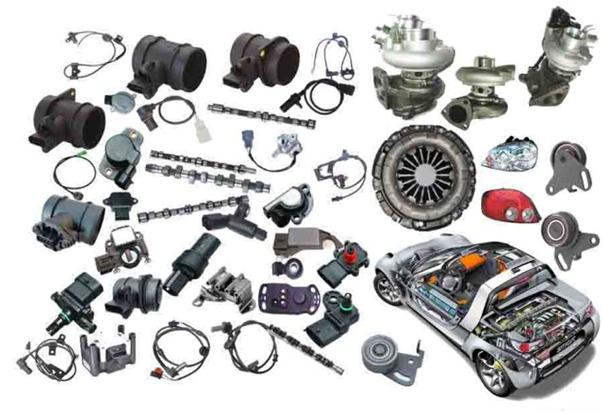
The market for automobile spare parts, in particular, has been an attractive sector for enterprises supplying these goods to many countries in Africa. The rapid industrialisation currently sweeping across many African countries has resulted in an increased demand for capital goods such as machinery, lubricants, spare parts, ball bearings and other mechanical accessories.

Africa: The New Hub for Automotive Manufacturing


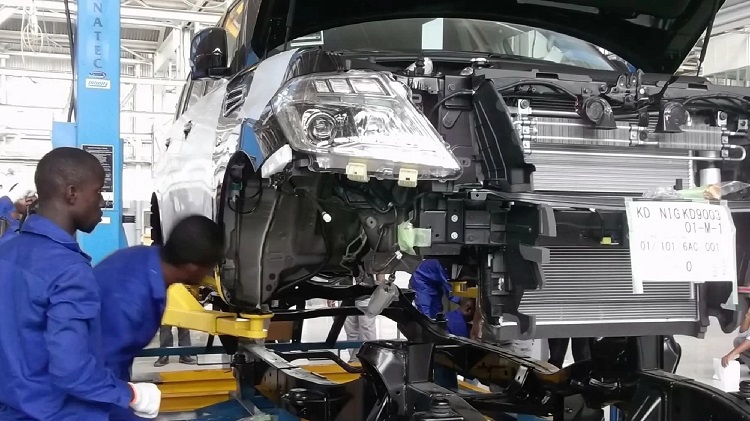
The automotive manufacturing industry in Africa is growing fast. Automotive production in Africa is growing industry as more and more manufacturers move closer to their African customers and discover the advantages of low-labour costs and tax holidays. Demand for automobile spare parts in Africa is also growing. The automotive production industry in South Africa is nearly 100 years old. In the 1980s and 1990s, Nigeria achieved significant production and production occurs in Egypt and more recently Morocco. Smaller production activities take place in Kenya and some decades ago in Zimbabwe. However, currently significant modern assembly is largely located in South Africa.

The Role of the Africa Association of Automotive Manufacturers (AAAM)

Formed in 2015, the Africa Association of Automotive Manufacturers (AAAM) works specifically to promote and facilitate the growth of the African automotive industry. Formed by executives from the world’s biggest car manufacturers, the African Association of Automotive Manufacturers (AAAM) embarked on a concerted push to revive and resurrect Africa’s auto industry. Since then, the newly-created African Association of Automotive Manufacturers (AAAM) has been working with key African governments to create the right policy environment for the sector to Flourish.

Rising Consumer Demand and a Growing Middle Class

Africa’s untapped demand combines with a steady increase in consumer spending which has been rising at an annual rate of 10% over the last few years. Moreover, analysts predict that by 2030, over half a billion Africans will have joined the middle class. “If the growth in vehicle sales keeps pace with growing consumer spending, annual sales of passenger cars in Sub-Saharan Africa will surpass 10 million units by 2030,” says South African consultancy B&M Analysts.

Not surprisingly, one of the organisation’s first ports of call was government leaders in Nigeria’s capital Abuja. Fast-growing Nigeria is the jewel in Africa’s auto crown with just 44 vehicles per 1,000 inhabitants,far below the global average of 180 vehicles per 1,000 inhabitants, according to recent estimates by a Deloitte report.

Comparing Africa with Global Emerging Markets

While new vehicle sales have jumped in developing markets like China, India and Brazil over the last decade, growth in Africa has remained relatively slow. According to the International Organisation of Motor Vehicle Manufacturers (OICA), only 1.5 million new vehicles were sold across the African continent’s 54 countries with a combined population of 1 billion in 2016. South African consumers buy most new cars, and together with Egypt, Algeria and Morocco account for almost 80 per cent of the continent’s total auto sales, with only muted demand from important economies like Nigeria and Kenya.

But far from being a disincentive to investors, the figures act as a rallying call. “When Volkswagen and General Motors moved into China the motorisation rate was lower than in Ethiopia today. The limited market was not a deterrent for the early movers who recognised China’s long-term potential,” says Karthi Pillay, Africa automotive leader, risk advisory at Deloitte.

Government Policies Boosting Local Manufacturing

Mix with this a renewed determination amongst African leaders to diversify their economies through boosting manufacturing. New policies aimed at increasing domestic car production are starting to pay off. In 2016, China’s state-owned car manufacturer Beijing Automotive International Corp unveiled plans to build a R11bn (US$759mn) auto plant in South Africa the biggest investment in a vehicle-production facility in the country in four decades will earmark over half of its output for export, initially to East, West and North Africa. Elsewhere, after a four-decade break in production, Volkswagen is starting up its Kenyan production line once again.

The signs are good. But with challenges ranging from imported used cars flooding the market to Africa’s weak manufacturing base and a lack of finance for would-be car owners, Africa promises a challenging operating environment.

Import of used cars in Africa

The biggest barrier to new vehicle sales in Africa is cheap, imported second-hand cars from the US, Europe and Japan. Consultancy Deloitte estimates that eight out of 10 imported cars in Ethiopia, Kenya and Nigeria are used cars. According to the Kenya National Bureau of Statistics (KNBS) the volume of imported vehicles between 2005 and 2017 grew at over 300 per cent from 33,000 to over 120,000 units.

Governments Take Action to Regulate Second-Hand Imports

Governments are developing policies to limit the influx. In an effort to hike the price of second-hand cars to favour more new car purchases, Kenya has forbidden vehicles over eight years old from entering into the country, with plans to reduce this further. Similarly, Nigeria has increased its import duty on second-hand vehicles, most of which arrive in a bustling trade from the US into Africa via Benin’s Cotonou port. As a result, Nigeria’s imports of cars from the US plummeted from more than 100,000 a year to less than 40,000 units in 2015.

Nigeria car sales Other signs of change include the enduring stagnation of the Japanese economy. It has resulted in sluggish sales of new cars there, which in turn has created a shortage in the supply of quality used vehicles. There has been “a deterioration of the environment surrounding the export of the used motor vehicles industry”, says Hiroshi Sato, chairman of the Japan Used Motor Vehicle Exporters Association.

Building a Sustainable Automotive Industry

As crucial as controlling used-car imports is to nurturing a domestic industry, so is establishing a manufacturing base. South Africa leads the continent’s auto manufacturing sector with original equipment manufacturers, long-established in the country and backed by a vibrant community of 500 suppliers and diversified manufacturers. Yet, head up the continent and there is little auto manufacturing until North Africa, bar light manufacturing from imported kits.

Kenya only has three assembly plants, and they all produce vehicles with wholly imported parts that require no domestic manufacturing input.

The Kenyan government, which has identified the auto sector as a key driver of the country’s industrialisation policy, has promised incentives to encourage a local industry. These include building special economic zones which benefit from tax holidays and low utility rates.

It has also introduced local input requirements and tariffs on imported auto components that could be manufactured locally. Encouragingly, the assembly of motor vehicles in Kenya grew by 31.4% from 2013 to 2014, with assembly figures forecast to almost double between 2013 and 2019. It’s improving the country’s chances of becoming a hub for assembly and production in the region.

Also Read: Nigeria’s Booming Auto Market

Nigeria’s Automotive Development Plan

It’s a similar story in Nigeria, where the Automotive Industry Development Plan (NAIDP) pledges to build auto industry infrastructure including supplier parks and clusters. Tax incentives include Nigeria allowing car groups to import two fully-built units at a discount duty of 35% for cars and 20% for commercial vehicles, for every one built locally. The government also aims to boost skills and investment and encourage a local component industry to supply manufacturers at competitive prices. It amounts to the kinds of incentives that encouraged Ford to begin assembling its Ford Ranger pickup in the Nigerian city of Ikeja in 2015, partnering with Ford dealer group Coscharis Motors on the project.

“Nigeria is a priority market for us in Sub-Saharan Africa and this will allow us to better serve our customers, both from a retail point of view and in terms of vehicle and parts availability,” says Jeff Nemeth, president and CEO of Ford Motor Company of Sub-Saharan Africa. “We are committed to supporting Nigeria’s developing automotive industry and economy together with Coscharis, and are looking forward to being active in the community. New assembly operations, even on a smaller scale like this one, have very positive ripple effects in the local economy and workforce.”

But nurturing indigenous manufacturing is still difficult. Nigeria-based groups Nissan and Peugeot also only assemble the bulk of their vehicles from imported semi-knocked down (SKD) kits because there is no local manufacturing industry. Even Nigeria’s own Innoson Vehicle Manufacturing Company (IVM) based in the south-eastern Anambra state, assembles trucks and buses with completely knocked-down (CKD) kits with all the vehicles’ engines, gear boxes and electrical parts imported from overseas. Auto-related imports into Nigeria accounted for around 11.5% of total imports, worth around US$6.9bn in 2014, according to UNCTAD.

Automotive sector in Africa

Nigerian policy is currently making things even more difficult. Like all manufacturing, the auto sector is struggling under currency policies and associated import controls set up to conserve hard currency and encourage local manufacturing by prioritising strategic imports. It’s starving the auto sector of inputs and leading to a collapse in supplies of product lines from glass to rubber. OICA estimates that total new vehicle sales in Nigeria dropped by more than half in 2017, compared to 2016. It’s this kind of foreign exchange controls that are also limiting the ability of companies to import SKD units and parts for assembly and repair in Ethiopia, where high taxes also make cars unaffordable for most.

Also Read: Emerging Markets within Sub-Saharan Africa’s Automotive Sector

Barriers to Intra-African Trade in Vehicles

Exporting within Africa is also a challenge for the continent’s carmakers because of tariffs and barriers. Uganda and Tanzania slap tariffs on cars assembled in Kenya, the only country in the East African Community with assembly capability, because they don’t meet local input criteria. It gives imported second-hand cars the edge.

In recent times, Toyota South Africa saw a fall in exports to the rest of the continent as a result of higher tariffs in Nigeria, Algeria and Angola. Meanwhile, South Africa exports more vehicles to Europe, the US and even Asia than it does to its neighbouring African market.

“Vehicle exports to Europe and Asia continued to show growth. Vehicle exports to African markets recorded substantial declines. This was due to a combination of factors including ad hoc duty increases in Nigeria and Zimbabwe, regulatory restrictions in Algeria and weaker economic conditions across most African countries due to the decline in commodity prices,” says Nico Vermeulen, director of the National Association of Automobile Manufacturers of South Africa (NAAMSA).

Car finance challenges

Governments also need to create easier access to car finance. “The availability of financing for new motor vehicles is virtually non-existent in most African countries,” says Vermeulen.

South African banks have been quickest off the mark. South Africa’s FirstRand Bank announced plans to set up a vehicle financing arm in Nigeria via its subsidiary WesBank, Sub-Saharan Africa’s largest provider of auto loans.

Meanwhile, First Bank of Nigeria has spotted opportunity in the growth of car sharing in Nigeria in a development that the architects trying to build demand for new cars can hardly welcome. The bank’s vehicle financing arm plans to extend borrowing to highly-rated Uber drivers via low-interest, used vehicle loans. The car-sharing platform has operated in Abuja and Lagos since it entered the Nigerian market in 2014. It currently has more than 2,000 drivers and was targeting 4,000 by the end of 2016.

“We are absolutely committed to making it as easy as possible for our driver partners to start and maintain their own successful and profitable businesses,” says Ebi Atawodi, general manager of Uber Nigeria. “And these used vehicle finance options make it possible for those with a demonstrable performance commitment to build sustainable businesses without incurring the high costs often associated with new vehicle purchases.”

Mobility Leapfrogging Car Ownership

The growth in car sharing in Nigeria leads Deloitte’s Pillay to ponder future developments in the industry. “It shows mobility leapfrogging car ownership; Africa may not be a market focused on making and selling cars,” he suggests.

Opportunities for Low-Cost and Electric Vehicles

Indian and Chinese manufacturers believe their low-cost models will have the advantage, while others are betting on the electric car. Uganda’s Kiira Motors grew out of a research project at Makerere University and is aiming to produce electric vehicles by 2019 before becoming original manufacturers by 2039. Ford is expanding its multi-modal approach to urban mobility. One of the innovations on show at Go Further Africa was its electric MoDe:Pro e-bike.

Whatever the future holds, Africa’s consumers are the last untapped market for the auto giants.

Uhuru warns automotive sector against sabotaging local assembly

0

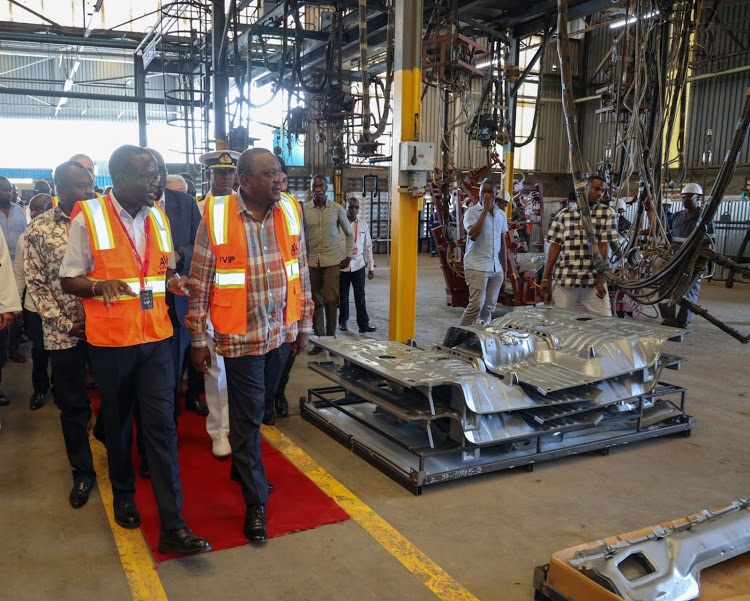
Anyone trying to scuttle government policies aimed at creating jobs for Kenyans is engaging in a futile exercise, President Uhuru Kenyatta has said. While presiding over the launch of Toyota Kenya’s new assembly plant in Mombasa on Friday, the President warned private sector players against sabotaging the government’s policy to give priority to locally produced goods in state procurement.

He said investors who are interested in winning government supply tenders, especially in the automotive sector, should get into the business of local assembly or manufacturing.

“The public sector has clear instructions to prioritise locally assembled vehicles in their procurement decisions. However, I have noted with concern, that some of the players in the automotive sector are actively campaigning against this initiative by the government to support the investment in local assembly of motor vehicles,” the President said.

The Head of State said private sector actors should always put the interests of the country first and should adjust their business models to fit into Kenya’s development aspirations.

“As we implement the “Buy Kenya” agenda, we expect the private sector to reciprocate by investing in full automotive manufacturing; form joint ventures, training and building the capacity of local Small and Medium-sized Enterprises (SMEs) to provide local content inputs,” the President said.

The President challenged Toyota to scale up its investments in Kenya from assembling vehicles to tier one component manufacturing and the eventual establishment of a fully integrated vehicle manufacturing plant in the country.

He said the government is putting together a National Automotive Policy as part of measures to support local vehicle manufacturers and instructed Trade, Industry and Cooperatives CS Peter Munya to present the policy to Cabinet for approval within three weeks.

“The overall objective of the policy is to provide our domestic industry with opportunities to achieve competitiveness in manufacturing of automotive and parts products,” the President said.

The policy, will among other provisions, lay down the legal and institutional framework necessary to guarantee regulatory certainty for investors.

It will also define the desired knock down kits levels for vehicles and motorcycle assembly as well as articulate the fiscal incentives and other measures needed to stimulate local content development. The policy will also outline the role of Technical and Vocational Education and Training (TVET) in the development of the automotive industry.

President Kenyatta said Kenya is positioning itself to take advantage of the huge market created by the adoption of the African Continental Free Trade Area (AfCFTA) which holds an enormous market potential of 1.27 billion people.

Toyota has invested Shs1 billion in the new assembly line designed to assemble the new Hilux 4×4 pick-up trucks. Kenya’s motor vehicle assembly industry registered an annual turnover of 600 million USD (including regional dealerships) last year and employs more than 12,000 people.

Volkswagen and Peugeot opened new production lines in Kenya in the last two years while General Motors substantially increased their investment in the local assembly of heavy commercial vehicles.

Cabinet Secretary Peter Munya, Jomvu MP Badi Twalib and the President of the Toyota Tsusho Corporation  Ichiro Kashitani also spoke at the launch event attended by hundreds of the motor industry stakeholders.

Taxes on used cars to fall after KRA duty ruled illegal

0

Taxes paid on used motor vehicles look set to drop significantly in the coming months after the High Court in Mombasa declared the current tax computation formula used by the Kenya Revenue Authority (KRA) illegal.

The taxman has been using price quotations from dealers of new vehicles such as Toyota Kenya as the basis for calculating import duties and other levies on second-hand cars shipped in from overseas markets.

Used car dealers argued in court that the starting quotations, known as current retail selling prices (CRSP), are inflated and therefore result in unfairly higher taxes running into millions of shillings for those dealing in used imports.

They also say the process is unconstitutional since it locks them out, meaning that there is no public participation.

In a case filed by Car Importers Association of Kenya, the judge ruled in favour of the petitioners and found KRA’s taxation of used cars to be unfair and arbitrary.

Justice Eric Ogola last Wednesday declared that the CRSP is unconstitutional and ordered KRA to consult used car dealers when creating the next price list.

“A declaration that for purpose of continuity and in the interest of the public the transactions already effected via the said CRSP … shall continue to apply until such a time as the respondents will establish a new CRSP value in accordance with the law within 12 months from the date of this judgment,” he ruled.

Dealers in second-hand vehicles argue that the prices supplied by the new vehicle sellers to KRA are sometimes higher than actual showroom prices.

It is expected that by forcing public participation in the setting of the CRSP, the process will become more transparent and lead to lower taxes on models that have been unfairly overcharged in recent times.

“Taxes on some models have been unfairly high. We have been telling KRA that their sources of CRSP are interested parties who inflate the prices,” said Charles Munyori, the secretary-general of Kenya Auto Bazaar Association.

The current CRSP lists hundreds of vehicle models including Toyota Prado LJ running on a three-litre diesel engine whose showroom price is stated at Sh9.7 million. Others are Mercedes C200 Elegance with a 1.79-litre petrol engine (Sh7.3 million) and Toyota Vanguard 4WD with a two-litre petrol engine (Sh5.2 million).

The court case highlighted the arbitrary nature of the current tax system, which has seen some importers abandon their vehicles at the port after being hit with higher levies than they expected.

Al-Husnain Motors, for instance, imported a Toyota Land Cruiser V8 running on a 4.6-litre petrol engine. The used car dealer paid taxes of Sh4.1 million derived on the retail price of Sh14.4 million for a similar model in Kenya.

KRA, however, demanded more taxes from the dealer, arguing that the car should be taxed based on the higher selling price of Sh17.9 million for a Toyota Land Cruiser VX.

Taxman unfair

The judge found that the taxman was unfairly shifting goalposts to collect higher taxes, including by claiming that the car had been modified and gathering questionable data to justify its position.

“This court is satisfied that the respondents have no legal mandate to extract more taxes from Al-Husnain Motors on the basis of Facebook website data, or data offered in unclear circumstances by Toyota Kenya who are the petitioner’s competitors.

“Clearly, the basis of such taxation is guesswork whose result is ambiguity which has led to some importers being left off the hook while others being forced to pay.”

The judge added that the current motor vehicle tax process, if allowed to continue, will promote bias, unfairness and discrimination in assessment of tax due.

Used car dealers have long accused their formal counterparts of supplying the taxman with exorbitant prices of the models they sell, with KRA using this information as a base for calculating import duties.

The second-hand dealers estimate the losses brought by this price divergence at hundreds of thousands to millions of shillings for each imported car.

The dealers see this as a bid by their formal counterparts to drive up prices of used models and render them uncompetitive in the eyes of their price-sensitive customers.

New vehicle dealers on the other hand have argued that the variance in the prices is due to the fact that the CRSP reflects a snapshot of their operations.

They say the benchmark prices are static and don’t capture changes in showroom prices over the course of the year as a result of factors like exchange rates and competition, leading to the variance.

Used cars generally attract an import duty of 25%, excise duty of 20 percent and valued added tax of 16 percent, payable cumulatively and in that order.

The value of a car is calculated based on the CRSP for that specific model, adjusted for depreciation at a rate of 10 percent per year. Insurance and freight charges are added to the adjusted CRSP to arrive at the customs value.

Imports of used cars are capped at eight years from the date of manufacture.

A higher reference price, therefore, has the effect of inflating taxes and the ultimate yard prices of second-hand cars. Formal dealers, however, lay the blame on the taxman, saying the current method of arriving at the benchmark prices is also hurting them.

“I’m not surprised that the CRSP may be different from showroom prices,” said Dennis Awori, Toyota Kenya’s chairman.

“KRA asks for pricing information at a certain time and does not update it for months. In the interim period, prices change due to factors such as foreign exchange rates,” he added.

Mr Awori added that the CRSP for some models are lower by up to a third compared to auction prices in source markets like Japan, adding that this has given an undue advantage to used car dealers.

He said the taxman should rely on the overseas auction prices to arrive at the custom value of the used imports, arguing that this would ensure greater fairness for the two car market segments.

Importers oppose Uhuru’s plan to do away with used cars

0

Vehicle importers are staring at bleak times ahead if President Uhuru Kenyatta’s remarks are anything to go by. President Kenyatta affirmed his commitment to safeguarding local car assemblers against unfair competition and ensure a conducive environment for their businesses, adding that a new policy is expected in the next three weeks to restrict vehicle imports.

He urged Industry, Trade and Cooperatives Cabinet Secretary Peter Munya to speed up the National Automotive Policy and promised to submit it to the Cabinet for approval within three weeks.

Unhappy Importers

“Cars that are used and assembled in Kenya have grown by 36%,” Mr Munya said. “We will see more growth as we go on to implement policies that support the car assembly industry.”

Kenya spends Sh22 billion a year on used-car imports, he said, adding that the vehicles incur high costs in maintenance and export jobs.

The policy will be the last nail in the coffin of imported second-hand cars as it seeks to cap the age of imports at five years by 2021 — from eight today — then three years and finally zero by 2024. The President has already directed all ministries, departments and other public entities to give preference to vehicles assembled locally.

“We want Kenyan taxes to be used to buy goods made in Kenya,” he said. “Even if they want to go to court to oppose the government’s stand, we are clear on our agenda to ensure all those who invest in the country get value for their money.”

He was speaking when he commissioned the Sh1 billion Toyota Hilux pickup truck assembly line at Associated Vehicle Assemblers (AVA) in Miritini, Mombasa.

Good Competition

Despite the President’s tough talk, the Car Importers Association of Kenya (Ciak) has opposed the move, saying the car-importing business is an economic mainstay for over 2.5 million people. Ciak wants the government to set up policies to protect the entire automotive industry.

“As a country, we should not cheat ourselves when it comes to manufacturing and assembling,” said Ciak chairman Peter Otieno. “The person doing assembling of motor vehicles is not a manufacturer; this is just an assembler, meaning that the parts are made somewhere else and even the painting has been done.”

“So they come in parts for fixing to become a vehicle, that is not manufacturing but mere assembling, which hires very few people,” he added, accusing assemblers of banking on tax-free incentives to make a profit.

“The government should instead bring it up clearly that this is competition,” he said. “If they are going to assemble vehicles at better rates, then people will opt for them, we don’t feel any threat.” Let us do our business and let assemblers do theirs, this is good competition and it should be left open.”

“Let people not be coerced to buy locally assembled vehicles; let the willing buyer, willing seller rule take its course,” he said, adding that the government should not impose any conditions on the industry. Mr Otieno challenged assemblers to reveal where they source local content.

Local Assemblers

“Who are supplying them with nuts, brake pads, springs, locks, mats and such like things?” he asked. “Everything used in those motor vehicles must support local industries by using local content. Second-hand vehicles create jobs in local garages and incomes which are taxed by the government, we are not doing an illegal business, let us do healthy competition.”

Data shows that Kenya imports about 7,600 second-hand vehicles per month while locally assembled units stand at 430.

Mr Otieno said Ciak imports between 120,000 and 130,000 vehicles per year.

Toyota Kenya chairman Dennis Awori said the popularity of Hilux pickup led to the setting up of a local assembly line.

“The pickup is affordable, especially for start-ups, and can be used for both personal commuting and commercial purposes,” he said.

Toyota Kenya assembles 300 Hino trucks, 500 Land Cruiser pickups and 3,000 Yamaha motorcycles annually. Kenya has three assembly plants: AVA in Mombasa, KVM in Thika, and Isuzu EA in Nairobi. They assemble well over 12 brands and 50 models of vehicles.

Telematics Redefining Automotive Industry


Telematics diligence is one of the highest emerging sectors in the world and progresses in mobile communication industry have made it possible to detect and determine any variable in real-time. The industry has undergone a paradigm shift especially when we see the rising number of accidents and thefts in automobile segment. Indian telematics market is gaining momentum and proposes elevated expansion opportunities to the merchants and market vendor.

Automobile industry is implanting more and more telematics in the vehicles to monitor the performance and to detect any flaws in the vehicles, simultaneously meeting the demands of users for wireless connectivity. According to iSuppli, BRIC region has the fastest growing auto industry when compared to the western countries and the percentages of vehicles embedded with telematics technology are expected to reach 46% globally by the end of 2018, yet the telematics development is still at a nascent stage in the BRIC economies.

India has a huge growth potential in the auto industry considering the rising sale of vehicles, GLONASS deal between Indian and Russia in 2010 also projects the future expansion and deployment of OEM embedded telematics.

Transportation is the backbone for fast moving lifestyle of the present generation; people are heavily dependent on better transit facilities and always strive for new innovations in the auto sector. Telematics is improving the quality of lifestyle by adding functionality and value to automotive, tracking and transport solutions.

India being a vast nation, the adoption of M2M technology in the telematics segment has a massive potential and Machine-to-Machine (M2M) resolution is the elucidation to make these things possible and affordable. M2M devices are designed in such a way that they can be incorporated into all transportation segments like cars, trucks, aircraft, trains, trailers, ships and containers. GNSS, Short Range, 2G, 3G and even 4G communication modules etc are the technologies that facilitate M2M communication; this would lead to enhanced quality of life in the developing world.

There are several telematics devices that are the part of the transportation segment like navigation, stolen vehicle recovery, infotainment systems, electronic toll systems and vehicle diagnostics. M2M technologies can help in getting real time update, vehicle information, toll, parking and other relevant information.

M2M is also gaining impetus in various subsidiary industries like automobile leasing business, fleet management and related sectors. The rising demand of telematics embedded vehicles is expected to drive down the prices of these devices and make it affordable for companies to incorporate these devices. However, lack of awareness and cost sensitivity could pose a challenge to this sector.

Globally, automobile industry is broadly working on the consumption of M2M technologies. Deployment of M2M telematics applications in automotive industry can help to decrease the number of road accidents and damages. The focus of telematics industry in deploying similar products would push the automotive sector in increasing the digitization in vehicles.

This initiative of telematics industry will bring a revolution in the automotive sector and would initiate the system of intelligent traffic in the developing countries like India which would also help in live traffic updates, real time positioning, tracking, parking management and also reduce the road accidents. The economically and technologically superior nations like USA, Japan and Germany have already implemented this technology and the Indian automotive sector is on the verge on deploying this expertise at home.

Modern cars with integrated computer system and other electronic gadgets which help in the essential controls, M2M modules today provide vehicles with fully loaded sensor technology which gives all the information about the performance on engine, temperature, fuel, breaks, etc.

M2M data modules are extremely sophisticated and come with an array of features and capabilities such as onboard Global Navigation Satellite System (GNSS) technology, flexible land grid array surface mounting, embedded M2M optimized smart cards (like phone SIMs) known as MIMs or M2M identification modules, and embedded Java, a significant facilitating technology to step up the Internet of Things (IOT).

Despite certain challenges like awareness and adoption of m2m technology, Asia and in particular India has made a substantial break-through in the Telematics space. India as a country faces issues regarding consumer awareness. Most of the high-end consumers are not aware how telematics can make their life simpler and how full utilization would reap benefits for them. This is one of the greatest challenges, which India has to conquer to attain absolute utilization of immense market opportunities.

Global automotive industry awaits perfect storm


The automotive industry’s technology direction is the focus of huge attention. Factors such as tightening environmental legislation in core global markets and the rapid emergence of disruptive technologies with the ability to fundamentally transform the nature of mobility markets and associated vehicle (and automotive component) production are combining to create a “perfect once in a 100-year storm” that will fundamentally re-shape the destiny of the industry. The stakes for the established vehicle industry have never been greater.

For example, will battery electric vehicles (BEVs) replace internal combustion engines (ICEs) in the next five, 10, or 25 years? Will the replacement be universal, or will it concentrate on small passenger vehicles first? What of hydrogen fuel cell vehicles? The hydrogen-based Toyota Mira is, for example, presently being tested alongside BEV models. What if this technology surges forward? What then happens to the billions of dollars being spent on BEVs?

These questions are non-trivial. Each power train alternative has entirely different component requirements that fundamentally change the nature of economic activity within individual vehicle model supply chains, creating new winners and losers, displacing incumbents and shifting the entire structure of the automotive value chain.

While global warming, and a range of other environmental concerns, will likely influence the formulation of government legislation across the globe, and raise the pressure on vehicle assemblers to produce increasingly fuel-efficient vehicles, mounting energy costs are likely to have an analogous impact. Vehicle assemblers able to place highly fuel efficient and/or low environmental impact vehicles in the market will steal a march on their competitors, opening the way for improved financial returns, and major improvements in their market position.

If this was the only challenge facing the vehicle industry, it would be daunting enough: How to shift vehicle production from their dominant powertrain (and associated drivetrain) technologies for the first time in over a century?

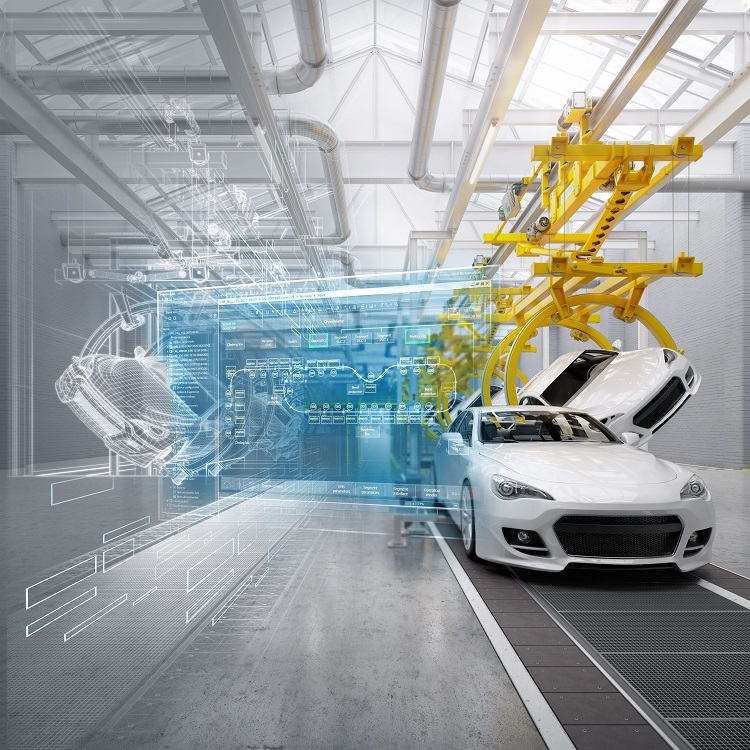
At the same time as the industry is confronting one major dramatic shift in its development trajectory, it has been tasked with confronting another, potentially even more existential threat: How to deal with the swathe of technology disruptions fostered by Industry 4.0 – the digital revolution.

At the most “basic” level vehicle assemblers and their component manufacturers are needing to explore the emerging role of additive manufacturing, nano-technologies and other new material developments, and the use of “big data” and advanced computing power that has fostered machine learning and Artificial Intelligence capabilities that are powering entirely new intra- and inter-firm process technologies with the ability to re-frame entire automotive value chains.

The consequences of these disruptions are potentially huge, but only existential when combined with the impact of the Internet of Things. In combination they challenge the nature of automotive markets. This is the first in a series of thought pieces contextualising the five major challenges faced by the South African automotive industry, namely, the future of manufacturing and the automobile; new entrant development and best practice; youth employment and skills development; increasing local content in priority sectors; and regional trade dynamics.

These are also the core themes for the The National Association of Automotive Component and Allied Manufacturers (Naacam) Show 2019 to be held from March 12 to 14. See www.naacamshow.co.za

Rapidly advancing automotive telemetry, which effectively plugs vehicles into the Internet of Things, while also allowing vehicles to “see” their immediate environment – for example, through light detection and ranging or Lidar systems – has provided the basis for the development of Autonomous Vehicles (AVs). Presently being tested in a variety of locations, AVs are potentially the global automotive industry’s most substantial ever disruptor.

This is not an exaggeration. Once AVs have proven their safety, they will not need steering wheels (no driver), air bags, side-impact bars, or seatbelts (no chance of crashing), or powerful engines and associated componentry, such as large brake discs (they will drive at exactly the speeds specified by law). Perhaps AVs will not need to be made of steel or aluminium. If they cannot crash, biodegradable textile skins may be the future. What then of vehicle assembly operations? Will they still have body shops, paint shops, and complex assembly lines? Will they still employ the many thousands of skilled people that they do today?

Even more fundamentally, if AV passengers are supremely comfortable in the cabin, moving from Point A to Point B rapidly and being either entertained or educated with IoT-enabled technology, the technical dimensions of the AV may become superfluous to them. So superfluous in fact, that vehicle ownership no longer remains important.

And herein lies the real existential crisis: Will the world’s middle-class population buy AVs in the future, or use “robo-taxi” service providers, such as Uber or Lyft, or any range of potential future competitors? If it is the former, then the disruption will “only” relate to vehicle technologies, platform configurations and associated production activity within automotive value chains.

If it is the latter, then the disruption will be much more fundamental: The power of individual vehicle brands will shift dramatically if “robo-taxi” platforms and their differentiated service packages displace private vehicle ownership.

Global vehicle demand aggregates could shift dramatically, while the dominant position of vehicle assemblers with complex global supply chains could be fundamentally altered as large-scale robo-taxi platform providers increasingly dominate the interface with final users. Such a shift in human and merchandise mobility would be the ultimate disruptor. Everything about the modern global automotive industry would potentially change.

Combine this dramatic development with other disruptors, such as additive manufacturing, the increased use of smart materials, nano-technology, machine learning, artificial intelligence and robotics and the impact becomes even more profound.

Provided these changes are good for the environment and reduce energy consumption, government legislation will further encourage the shift. Key questions relate to how rapidly these changes will occur? Will their combination accelerate or slow down the speed of disruption? Does the automotive industry have another five, 10, or 25 years making ICE vehicles for mainly private owners that are acutely brand conscious?

How rapidly will South Africa, and the broader African market, follow these dramatic disruptions? These are the critical issues that lie at the heart of any long-term automotive strategy discussion.

With 112 000 employees, R74bn of gross value added annually, seven major vehicle assembly plants around the country, sizeable export programmes, major technology spillover effects, and a considerable contribution to the distressed South African tax basket, these are also discussion points that should be of paramount importance to the senior private and public sector leadership of the country.

The stakes are not only high for the global vehicle assemblers and their component manufacturers, but for every country with a major automotive industry.

Graphene Automotive 2020

0

Welcome to the Graphene Automotive 2020 Exhibition and Conference where graphene researchers and automotive manufacturers will meet in Detroit to explore new graphene-based solutions for use in automotive applications.

Graphene, an ultra-light weight and immensely strong material has captured worldwide interest. Graphene is 200 times tougher than steel, incredibly thin and flexible, a superb conductor, and can offer a solid barrier. As production and processing of graphene has advanced, the automotive industries are eager to establish supplies, integrate graphene into existing processes, and explore new uses of graphene in a multitude of automotive applications including electronics, thermal management and structural uses.

While graphene is emerging as the most promising nanomaterial because of its unique combination of superb properties, industries are faced with a number of key challenges before wide-scale commercial use can be established. The solution for commercialization of graphene lies in the standardisation of high-quality materials in a scalable manner, developments in material integration and processes, and the production of graphene at the lowest possible cost in order to achieve profitable applications. By overcoming the challenges, industries can confidently invest in industrialization to deliver graphene-based devices and solutions in the near future.

This year’s Graphene Automotive 2020 conference is set to become the world’s leading exhibition and conference exclusively for graphene researchers and automotive manufacturers to meet and explore new uses of graphene in automotives, and to address the specific challenges associated with the commercialisation of graphene for use in a multitude of new applications.

Key topics on this year’s agenda include:

  • Graphene availability, market supply, and demand forecasts
  • New markets and the commercialization of graphene automotive applications
  • Quality and standardization of graphene materials to meet commercial needs
  • New developments in manufacturing processes and material integration techniques
  • Latest methods, results, and new developments in graphene-based composites
  • End-user automotive manufacturer case studies and successful applications

This exhibition and conference will provide a forum for all stakeholders, from researchers and suppliers in the graphene industry, to end user manufacturers, to network and build cross-market relationships and to discuss the latest developments in graphene use in new automotive applications.

Nigeria’s Booming Auto Market


With a population of close to 180 million and a GDP of US$493 billion in 2015, Nigeria is the most populous country with the largest economy in Africa. Despite the current economic challenges facing the country due to low oil prices and a weakened currency, Nigeria still reveals robust economic growth of 2-4% in the medium term. This growth has significant implications for the Nigeria Auto Market, indicating potential expansion and increased demand.

Auto Imports Drive Nigeria’s Vehicle Market

Owing to the lack of domestic vehicle production, Nigeria is highly dependent on imports to meet its domestic demand. In 2014, passenger vehicles constituted the second-largest import category after petroleum oils or bituminous minerals. Overall automotive related imports stood at US$6.9 billion (passenger vehicle imports: US$2.9 billion) accounting for approximately 11.5% of Nigeria’s total imports. While auto imports recorded rapid growth between 2004 and 2014, the current slowdown in the economy and the recent introduction of high import duties on vehicles linked to the new automotive policy has led to approximately a two-third contraction in vehicle imports according to industry players.

Second-Hand Vehicles Dominate the Market

Second-hand vehicles dominate the import market. Analysts estimate that only about 10% of vehicles imported into Nigeria are brand new. Importers source most second-hand vehicles from the U.S. because American models better match the preferences and tastes of Nigerian consumers—something entry-level European models often fail to do. Importers of used cars in Africa are making a good profit importing used cars for resale from all across the world.

Declining Vehicle Imports Amid Economic Slowdown

Before the hike of import duties on second-hand vehicles, Nigeria imported more than 100,000 cars per year from the the US. In 2015, imports from the US had plummeted to less than 40,000 units. Besides direct shipments to Nigeria, importers use the Port of Cotonou in neighbouring Benin as a key transit point for second-hand vehicles bound for the Nigerian market. About 85% of Benin’s used vehicle imports eventually enter Nigeria. In 2013, the European Union (EU) and the US exported approximately 300,000 cars to Benin. Based on the import figures for Benin, an additional 255,000 used cars from the EU and the US entered Nigeria via Benin.

There is no culture of maintenance in Nigeria – people drive their cars until they break down and then fix them.

Vehicle Numbers

Depending on the source of data, the current vehicle fleet in the country ranges from 1.3 million vehicles to 10 million vehicles. According to the Federal Road Safety Corps the total fleet size was 1.65 million units in 2015, of which approximately one third are concentrated in Lagos State. Even applying the least conservative estimate of vehicles in use, namely 10 million vehicles, Nigeria’s motorisation rate is approximately one-third that of the global motorisation rate with less than 60 vehicles per 1 000 people.

Due to the New Automotive Industry Development Plan (NAIDP) launched in 2014 that increased the prices for imported vehicles, and the economic slowdown triggered by low oil prices, Nigeria’s growth in fleet size slowed down remarkably in 2015. However, it is expected that in the short term fleet growth will stabilise in a range between 4.5% and 5.5% per annum.

Vehicle Sales

Despite being the most populous country in Africa, Nigeria’s new vehicle sales lag behind less populated countries such as Algeria, Egypt, Morocco and South Africa. According to industry players, the overall new and second-hand market combined ranges between 500,000 and 1 million units per year. Smuggling, grey imports of second-hand vehicles and the lack of reliable data however, make the exact size of Nigeria’s vehicle market and fleet size difficult to quantify. Challenges concerning the licencing and identification of vehicles further contribute to this difficulty.

Africa auto market Imported second-hand vehicles, so-called tokunbos, dominate the Nigerian vehicle market as only a small segment of society is able to afford new vehicles. A representative of a leading automotive firm estimates that a mere 2% of the population is able to afford new vehicles given the current economic and financing environment. While commercial banks offer vehicle finance, accessing these credit facilities has become increasingly unattractive to individual consumers as credit facilities are provided at interest rates above 20% per annum and require at least a 10% down-payment.

Also Read: Africa: The New Hub for Automotive Manufacturing

Costly Credit and Short Loan Terms Stifle Demand

Commercial banks usually require repayment of vehicle loans within four years, due to the rapid depreciation of the value of vehicles given poor road conditions. According to one of the most established vehicle finance providers, the monthly repayment amount should not exceed 35% of the monthly income of the borrower. The short repayment-period as well as the high interest rates present a key challenge for low- and middle-income households when it comes to accessing vehicle finance.

Corporate Buyers Drive the New Vehicle Market

Due to the limited accessibility to and expensive financing of vehicles, new vehicles remain out of reach for most Nigerians and the largest share of current vehicle demand comes from the business community. Corporate buyers account for approximately 70% of overall new vehicle purchases, indicating the suppressed demand from private buyers, arguably the market segment with the largest growth potential.

Through recently introduced promotional offers by banks in partnership with selected vehicle dealers, customers are able to access finance at a discounted rate for a limited number of vehicles and models. Indeed, the provision of alternative financing products, especially in-house financing by the automotive companies, is seen by industry players as a key requirement for the growth of the local market.

Second-Hand Market Still Reigns Supreme

However, in the absence of affordable finance solutions, secondhand vehicles remain the more attractive option for private vehicle buyers. According to a representative of a leading automotive company, second-hand passenger vehicles accounted for 80% of sales in 2014. The share of tokunbos in the commercial vehicle market is even larger, reaching up to 90% of the market according to a leading commercial vehicle manufacturer.

New vehicle sales are dominated by Toyota which accounts for almost one third of new sales. Hyundai and Kia have established themselves as increasingly serious competitors to Toyota due to their competitive pricing and improved image in terms of quality. In 2015, the three Asian brands accounted for half of new vehicle sales in the country.

The economic slowdown, the depreciation of the naira and the increase in vehicle prices due to the import duty hike had a substantial impact on new vehicles sales in 2015. Although vehicle sales saw positive growth post the global financial crisis, total new vehicle sales dropped by more than half in 2015, compared to 2014. The sharp decline of sales highlights the absence of sizeable and competitive domestic assembly that could provide an affordable alternative to imports and the dependency on vehicle imports to meet domestic demand.

Production And Assembly

Nigeria is no stranger to automotive assembly and manufacturing. Already in the 1970s Nigeria started assembling motor vehicles. In the 1970s and 1980s, the federal government of Nigeria partnered with six international automotive and commercial vehicle manufacturers to produce passenger and commercial vehicles locally from CKD kits. According to the National Automotive Council (NAC) these six companies had an initial installed capacity of 149,000 units per annum during the 1970s and 1980s.

“Sometimes, cars are imported to be stripped for parts as availability of genuine parts is limited.”

In addition to these plants, the Federal Government entered into five more agreements with international automotive companies to establish assembly plants in 1982, according to the National Automotive Design and Development Council Nigeria. These agreements included the establishment of plants by Isuzu in Maiduguri, Mazda in Umuahia, Mitsubishi in Ilorin, Nissan in Minna and Peugeot in Gusau. However, these plans did not materialise.

Car market africaFurthermore, due to inconsistent policy implementation, corruption, declining patronage by local and federal government departments and lack of reliable power supply, the output and capacity utilisation of the six existing plants declined rapidly.

Decline of Nigeria’s Automotive Plants

Symptomatic of the demise of Nigeria’s automotive industry was the stop of production activities by Peugeot Automobile Nigeria (PAN), Nigeria’s largest manufacturer, in 2010. Since then assembly plants have been lying dormant. By 2012, all of the country’s automotive manufacturers had been privatised as the government exited the existing partnerships, eroding any incentives for government departments to purchase locally assembled vehicles.

The NAIDP and Attempts at Revival

The launch of Nigeria’s NAIDP in 2014 and the subsequent hike in import tariffs for vehicles has attracted the interest of leading international carmakers and has led to the resumption of small scale vehicle assembly in the country. High import tariffs aim to encourage local assembly, but the sharp drop in vehicle sales in Nigeria in 2015 strongly indicates that the policy raised overall vehicle prices because the country lacked a sufficient assembly base to replace imported vehicles. In 2015, local assembly was only able to cover 10-15% of the new vehicle market.

According to a senior representative of one of the automotive companies present in Nigeria, approximately 1,000 passenger vehicles were assembled in Nigeria in 2015 – an even more conservative estimate.

Current Industry Landscape

Currently, 35 companies are licensed to produce by the Nigerian Automotive Council under the NAIDP. Despite the increased focus on the automotive industry, the sector’s contribution to Nigeria’s GDP remains low at 0.07%.

Currently, manufacturers assemble vehicles from imported SKD kits, using only limited local inputs because Nigeria lacks a reliable and sufficient domestic supplier base. Although assembly numbers remain low—Peugeot Automobile Nigeria led in 2015 with 400 units—automotive companies plan to boost their annual output to tap into the market’s long-term growth potential. However, the ongoing economic slowdown is likely to delay these expansion plans, as seen in declining employment levels at several assembly plants.

- Advertisement -