Monday, June 1, 2026
Home Blog Page 48

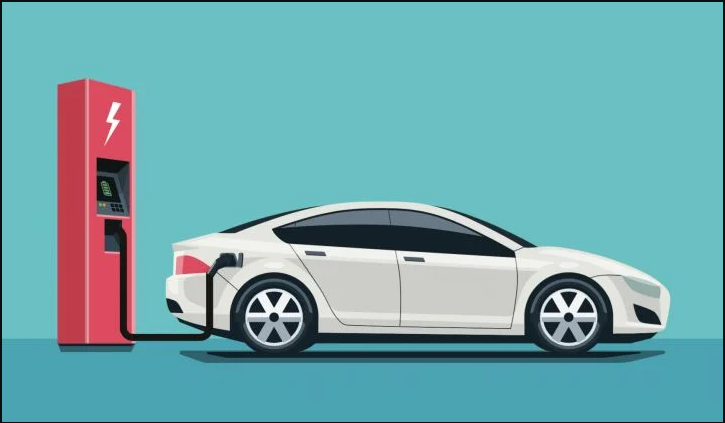
The first Egyptian electric car will be launched in March


Professor of constitutional law, Abdullah al-Moghazi, has confirmed that March will witness the launch of the first Egyptian electric car. During an interview with the privately-owned Sada al-Balad channel, Moghazi said that the government is interested in expanding clean energy projects.

This comes especially in light of Egypt’s readiness to organize the climate conference COP27 this year. He stressed the importance of having a ministerial portfolio for investment during the next government formation.

Moghazi added that ” the Egyptian President Abdel Fattah al-Sisi is racing against time to localize the electric car industry,” noting that the interest in industrial zones contributes to boosting foreign investments.

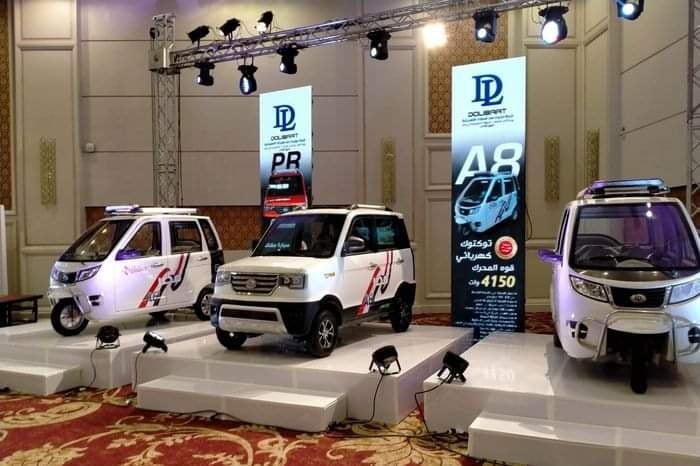
A national investment conglomerate announced in January a new prototype electric car that will be introduced into the Egyptian market in hope of reducing the unlicensed tuk-tuks within the country.

The car which has a local component of 45%, is being offered at a low cost to encourage the replacement of tuk-tuks.

The car will be made available for purchase in installments, in cooperation with a number banks such as Agricultural Bank of Egypt, the National Bank of Egypt, Banque Misr, and Commercial International Bank (CIB).

The conglomerate involved in the project includes EG Gate, a company of the Tahya Misr (Long Live Egypt) Fund, and Dolibaat Egypt for electric cars, in cooperation with an Interior Ministry company.

Dolibaat Egypt, headed by Mohamed Najah, manufactures electric cars with a 45% local component in cooperation with major factories and national authorities. The company has recently signed with Egypt’s Engineers Syndicate protocols.

This is in order to establish 28 training centers in the country to train engineers and technicians to work with electric cars, in addition to establishing 400 to 1000 service and maintenance centers and charging points.

Chinese auto parts manufacturer CITIC to set up 3rd plant in Morocco


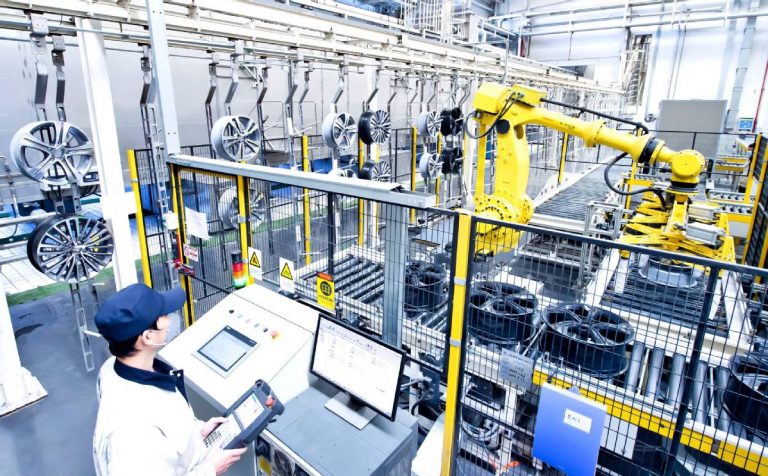
The Chinese auto parts manufacturer CITIC Dicastal on Wednesday kicked off the launching ceremony of its third plant in Morocco. With an investment of 200 million U.S. dollars, the new factory will create 760 jobs for the local community.

The ceremony was held in the Atlantic Free Zone in Kenitra, a port city 40 km north of the capital Rabat, with the presence of the Moroccan Minister of Industry and Trade Ryad Mezzour and Chinese Ambassador to Morocco Li Changlin.

The Chinese ambassador said that the project is China’s largest investment in Morocco, marking a major achievement of the Belt and Road cooperation.

Mezzour praised it as a model of China-Morocco economic and trade cooperation, which will produce economic and social benefits for both sides.

The project will be carried out in two phases, with an annual output of 5 million castings in the first phase.

All-New Nissan Navara to be Assembled in Nigeria


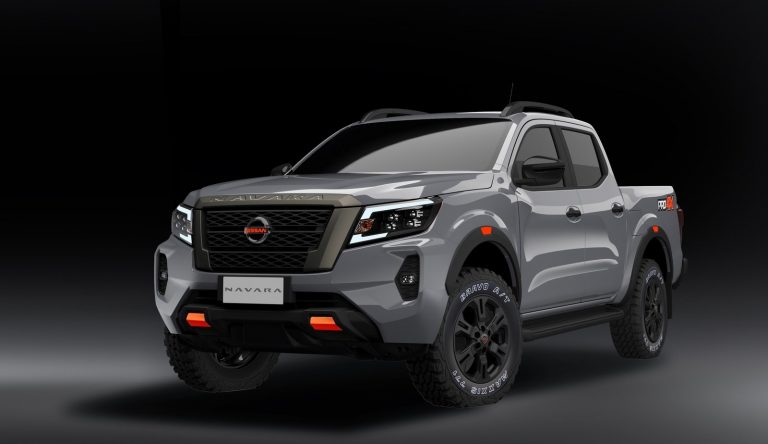
The new Navara delivers an enhanced level of safety, comfort and driving pleasure while continuing to bring the durability, reliability and versatility that it is known for. The General Manager, Stallion NMN Limited, Amit Sharma, revealed that his company has concluded plans to start assembling the new Navara pick-up in Nigeria from June 2022.

He said the new Navara is a reliable partner for work or travel and a workhorse that comes with many best-in-class technologies, including an array of Nissan Intelligent Mobility features and safety systems, making it the most advanced Navara yet.

He said: “This new Navara brings the best of what Nissan has to offer in one package. Rugged, tough and smart, the pick-up offers premium comfort, all at a price that provides customers great value for money.

“This particular Navara is made in Africa for Africa. So it comes with a capability to withstand even the toughest tropical terrains of the continent, especially Nigeria’s.

“Building on more than 85 years of Nissan pickup heritage, the new Nissan Navara represents the pinnacle of the company’s experience in building tough and reliable pickups.”

He said Nissan is offering the Nigerian market a comprehensive range, starting with double cabin 4×2, adding that it was specifically designed to withstand Nigeria’s tough terrains.

Further elevating the pickup’s rugged character is the introduction of the range-topper PRO-4X grade – a first for the Navara nameplate.

“PRO-4X offers an even more impressive, eye-catching style to appeal to extreme adventure lovers who crave an escape from the daily routine,” he added.

“Purpose-built for Africa, boldly styled and technologically advanced, the all-new, all-tough Navara PRO-4X is loaded with technology and safety features to keep you and your loved ones connected, safe and comfortable.”

Improved pickup functionality

The new Navara is powered by a 2.5L petrol engine that has proven reliable in the sub-Saharan Africa driving conditions.

The powertrain was chosen, as it meets the performance, economy and durability requirements for customers in this demanding segment.

The engine is available with an impressive power output 125KW, 244 Nm torque.

A strengthened rear axle and improved truck bed volume make the vehicle the ultimate worksite partner, ready to take on any challenges whilst still offering optimal room and comfort.

For pickup customers, one of the most essential qualities is the payload. And, from all indications Nissan’s engineers worked hard to increase it, delivering segment-leading capacity.

Navara is also equipped with a Vehicle Dynamic Control system (VDC) and ABS brakes, which enables drivers to be more confident and feel secure when towing large payloads and driving through muddy terrain with less acceleration and brake operation.

An additional offering is the Hill Start-Assist and Hill Descent-Assist that allows drivers to change pedals easily from brake to accelerator to carry out safer driving on hills.

Enhanced interior comfort

Inside, the new Navara features improved quietness, thanks to the increased amounts of sound-deadening insulation, laminated windshield and front windows, further reducing the stress for both driver and passenger.

Additionally, the cockpit is now more convenient and driver-orientated. This includes a new Nissan steering wheel and improved styling of the instrument panel highlighting the 8-inch navigation screen and a 7-inch higher-resolution TFT screen.

The rear seats are now even more comfortable for passengers, with upgrades to the seat cushions and back shapes.

For added convenience, passengers in the back can also now utilise the new rear armrest with built-in cup holders.

Egypt seeks to manufacture its first electric vehicle in 2023


During the World Youth Forum’s fourth edition held last month in Sharm El-Sheikh city, Egypt’s President Abdel Fattah El-Sisi shed light on the country’s plan to have its first electric vehicle been locally manufactured in 2023.

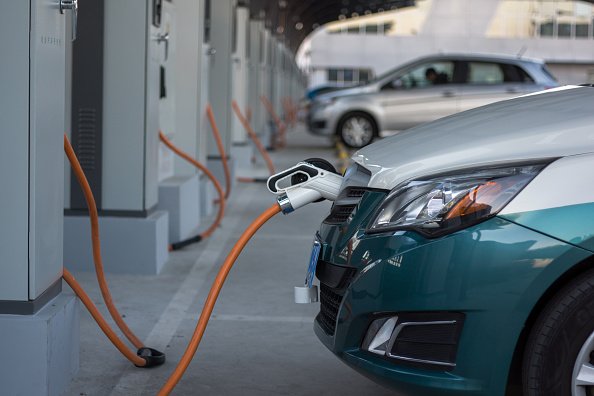
During the forum, the president underscored the problem of expected increase in cars over the next years, highlighting the need to replace gasoline-powered vehicles with those working by natural gas or electricity.

In December, Prime Minister Mostafa Madbouli checked a model of an electric car produced by General Motors, and is expected to be offered in the Egyptian market in 2022.

The prime minister told the representatives of General Motors, and its agent in Egypt, Mansour Group, that the government can promote the sales of the car through various programs and initiatives, and through a number of incentives and exemptions granted to consumers.

Madbouli urged the two companies to prepare a detailed plan on the manufacturing of the car in Egypt so that the government takes the necessary support steps.

The prime minister had held a meeting with them earlier with the attendance of Minister of Finance Mohamed Mait, and Minister of Industry and Trade Nevine Gamea.

During the meeting, CEO of Al Mansour Group Ankush Arora presented a proposal to launch the manufacturing of electric cars in Egypt, which is a goal the government has been working on along with the localization of electric automotive feeding industries.

The CEO of Al Mansour Group also displayed the company’s vision on the factors it perceives as essential for the success of the electrical cars market in Egypt, as those are similar to the incentives adopted in many other countries.

Arora noted that the number of electric vehicles offered in 2021 has recorded 2.65 million, with a rise of 168 percent compared to 2020. Further, the share of electric vehicles doubled to 14 percent globally up from seven percent in 2020. He added that the electric cars market is estimated to grow 27 percent per annum globally until 2030.

In November, the prime minister met with the CEOs of General Motors and Mansour Group, who said they would begin selecting the features of the electric car to be offered in the Egyptian market.

They also noted that the company is willing to invest around $35 million in Egypt by 2025.

It is noteworthy to mention that the negotiations of Nasr cars – affiliated with the public business sector – with the Chinese Dongfeng Company to produce electric cars stopped as they failed to agree on reducing the price of the imported component, according to the Ministry of Public Enterprise Sector.

In its statement, the ministry stated that the two companies were unable to agree to reduce the price of the main imported component sufficiently to enable Al-Nasr Automotive Company to produce the car and offer it at a competitive price, which resulted in the negotiations stalling.

Al-Nasr Automotive Company had signed two contracts with the Chinese company last January to assemble electric cars locally, and to rehabilitate its factory through a subsidiary of the Chinese group.

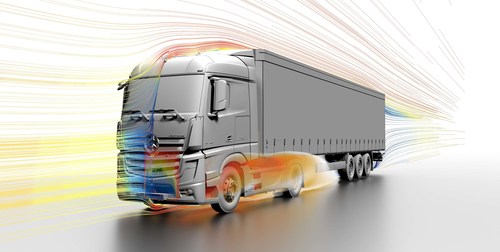
Daimler Truck adopts Siemens’ Xcelerator to shape the future of CO2-neutral transport


Siemens Digital Industries Software has announced that Daimler Truck has adopted Siemens’ Simcenter™ STAR-CCM+™ software to develop next-generation, CO2-neutral vehicles. Simcenter, part of Siemens’ Xcelerator portfolio, will provide Daimler Truck with the leading-edge computational fluid dynamics (CFD) solution it needs to transform its CAE development process to a full digital twin-driven multiphysics environment.

Daimler Truck plans to use Simcenter STAR-CCM+ to improve aerodynamic performance, as well as explore and optimize innovative e-mobility propulsion and energy management systems including battery cooling and hydrogen technology. The software will also help support legacy combustion engine and exhaust system design and associated CO2 reduction.

In addition to software, Siemens and Daimler Truck are to partner in the training of young engineers to create the high-level simulation specialists that will assist in ensuring Daimler Truck maintain its leadership in the market.

“We are proud to have Daimler Truck as the newest member of our ever-expanding customer family,” said Edwin Severijn, Sr. VP and General Manager, EMEA, Siemens Digital Industries Software. “Digitalization is critical to sustainable industrial innovation in the transportation sector and by providing insight into the real-world performance of products, Simcenter STAR-CCM+ can accelerate innovation for a better tomorrow.”

Daimler Truck AG is the world’s largest Truck and Bus producer, with industry leading positions in EuropeNorth America and Asia, and with more than 35 main locations around the globe. With more than 100,000 employees, it unites seven brands under one roof: Freightliner, Western Star, Thomas Built Buses, Mercedes-Benz, Setra, BharatBenz and FUSO.

Automotive Supplier Bontaz Accelerates its Transformation with Infor CloudSuite Automotive


Infor, the industry cloud company, has announced that Bontaz Group, an automotive supplier and world leader in hydraulic functions dedicated to this industry, has chosen to implement Infor CloudSuite Automotive to support its “Phygital” transformation. Bontaz opted for a deployment in the Infor multitenant cloud, hosted by AWS, with the specific objective of doubling its annual revenue and diversifying its activities empowered by the Infor solution dedicated to the automotive sector.

Founded by Yves Bontaz in 1965 as a family business specializing in metal bar machining, the group has grown rapidly and now employs nearly 4,000 people. With more than 24 factories around the world — in FranceUnited StatesChinaBrazilIndiaJapanSouth KoreaCzech RepublicTunisiaPortugal and Morocco — the company is a true partner of car manufacturers for whom it develops and manufactures 180 million mechanical valves per year and 14 million solenoid valves, which are high-precision components. The quality of these products is widely recognized, and Bontaz has received awards from industry players.

To support its growth in the framework of a 2030 project, Bontaz decided to look into replacing its in-house ERP. The company wanted to accelerate its digital transformation by integrating a modern, innovative solution, dedicated to the sector and capable of handling all the company’s complex manufacturing processes.

The group’s leadership launched a call for tenders in October 2020 and selected six vendors and solution integrators before narrowing the list to two major players, then reaching the final decision in May 2021, selecting Infor. Infor’s cloud offering was chosen as the multitenant deployment minimizes the costs and risks associated with a migration project and also reduces the internal resources mobilized at the customer’s sites. The functional richness of Infor’s solution was a key factor for this choice, as it is preconfigured at an extensive level to meet the specific needs of the automotive industry.

Jean-Marie Willot, Bontaz Group CIO, explains: “The project we have started with Infor goes far beyond the framework of a business process management tool. It aims to radically change the group’s structural organization by adding new skills to the IT teams, whose numbers have doubled and who are expected to derive maximum benefit from the solutions we provide.”

Indeed, the Bontaz Group will optimize the organization starting 2022 in France and 2024 at the international sites. This technology upgrade with Infor is designed to help Bontaz maintain its market-leader position while diversifying its production and approaching other sectors, such as aeronautics, by providing better support for its research and development (R&D) and by rationalizing and streamlining communication between the various business lines to increase its productivity and revenues.

“Infor’s CloudSuite solution will provide us with a single view of critical data from heterogeneous sources that benefit all functions and businesses in the organization. The platform we will have at our disposal will certainly contribute to improving the organization of production itself, but also of our financial processes with a clear improvement expected in our purchasing practices, our supply chain and our distribution channels. Another crucial point for us is that Infor’s cloud offering will allow us to benefit in near real time from all version upgrades to support our growth through constant innovation integrated into the solution,” Willot says.

Laurent Jacquemain, Infor senior vice president and general manager in Southern Europe, said: “This project with Bontaz is a great opportunity for Infor to demonstrate its ability to respond accurately, quickly and efficiently to the specific business challenges and issues faced by professionals in the automotive sector. Our track record in this area – with more than 800 automotive companies among our customers worldwide – speaks for itself. But the flexibility of our approach, the proximity created with the customer, and the cloud technology hosted by our partner AWS guaranteeing high availability, security, agility and simplified integration of future applications have also contributed to position us with Bontaz as the ideal partner for this global transformation project over the long term.”

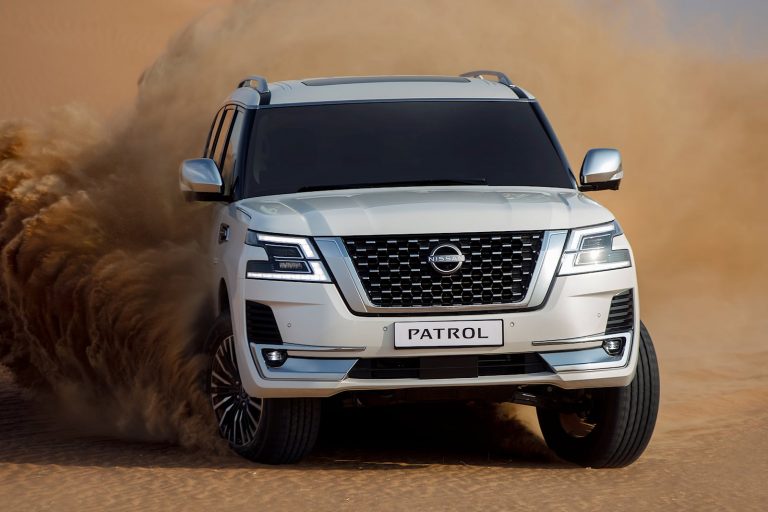
70 years of the Nissan Patrol: Celebrating a legacy of power and luxury


With decades of global expertise, Nissan boasts a growing number of legendary nameplates. Whether the iconic GT-R, world-famous Z or pioneering LEAF, Nissan models have earned a special place in the automotive world. This year, we celebrate the 70th anniversary of Nissan’s longest-running nameplate – the all-conquering Patrol.

The Patrol has remained one of the world’s most loved and respected SUVs, having earned its reputation in the scorching heat of deserts, rugged mountain slopes, and modern city streets – a genuine hero of all terrains. This four-wheel drive vehicle has also amassed an enviable trophy cabinet including three Guinness World Records in addition to becoming the first car to climb Japan’s revered Mount Fuji, a 2500-meter ascent.

However, a key aspect of bringing this legacy to life are the many Patrol drivers and owners. For 70 years, the Nissan Patrol has been at the center of families and communities, defined by its strength and capability, combined with legendary heritage that exemplifies Nissan’s corporate purpose of enriching peoples’ lives.

But what makes this car so iconic? Let’s take a closer look.

1951 – 1960 FIRST GENERATION – Birth of a Legend

Engine: 3.7-litre in-line six-cylinder petrol

Transmission: Four-speed Manual

The story of the Patrol began in 1951, when post-war car production in Japan had only recently restarted, and the nation needed reliable off-road performance from a utility vehicle. Very early in its history, the original Patrol – called the 4W Series and built in Hiratsuka – demonstrated its unique capabilities. It became the first car to climb Japan’s revered Mount Fuji, a 2500-meter ascent that helped its status to grow.

This model was updated in 1955 with the introduction of the 4W61, but it wasn’t until the release of the 4W65/4W66 variants in 1958 that the vehicle first sported the Patrol badges on its bonnet.

Soon the Patrol’s rugged 4×4 “Go Anywhere” capabilities became a favorite of both professional and recreational drivers, both in Japan and abroad, after Nissan began exporting it for the first time in the early sixties.

1959 – 1980 SECOND GENERATION – Conquering the world

Engine: 4.0-litre in-line six-cylinder petrol
Transmission: Three-speed manual

Steadily, the Patrol began conquering the world. The 60 Series, the consumer-oriented second-generation that lasted for 20 years, successfully took on every type of harsh environment imaginable. Australia played a significant role in its heritage, becoming one of the first international markets to sell the rugged off-roader outside of Japan from 1961, with the introduction of the second-generation G60 Datsun Patrol.

One year later, a short-wheelbase G60 Patrol was the first motorized vehicle to cross the nation’s grueling Simpson Desert when geologist Reg Sprigg, his wife Griselda, and children Marg and Doug, charted a path over more than 1100 sand dunes from the Northern Territory to Queensland in 12 days.

In the Middle East, the first Patrol arrived in Kuwait in 1957, and since then has been a cut above the rest – combining luxury and advanced technology with unmatched muscle power and endurance. For Patrol drivers, owning a Patrol offered an unparalleled experience and quickly become a favourite across the Gulf, with royalty as well as celebrities.

In the US, the second-generation models were delivered in 1961. The consumer model that had earned its reputation as the Japanese off-roader to contend with took on the world’s greatest mobility challenges and soon became known as the “King of the Off-Road.”

The Patrol was the first ever model to be sold as a ‘Nissan’ in the United States, winning a lot of admiration from American drivers throughout the sixties, including no less than ‘King of the Cowboys’ Roy Rogers himself, who in 1967 was what we would call a ‘brand ambassador’ today.

In India, in the early 60s, the Indian army obtained a license from Nissan to manufacture the Jonga (patrol 60) in Jabalpur. The Jonga was used by the Indian army, with the name serving as an acronym for ‘Jabalpur Ordnance and Guncarriage Assembly’. Later, in 1996, the SUV was made available to the public with a change in engine.

1980 – 1987 THIRD GENERATION – A car for everyone

Engines: 2.8-litre in-line six-cylinder petrol, 3.3-litre in-line six-cylinder diesel, 3.3-litre in-line six-cylinder turbo diesel, 4.0-litre in-line six-cylinder petrol
Transmissions: Four-speed manual, Three-speed automatic

The third generation, known as the 160, arrived in 1980. This iteration became a watershed moment for the nameplate as the Patrol expanded its appeal from being an industry workhorse to being a preferred choice for families and on-road motorists. With a five-door layout, seating for seven people and the addition of air-conditioning, the car became more popular among the masses, particularly in desert and hot climates.

Nissan marketed the 160 Series and later models as the ‘Safari’ in some markets such as Japan and South Africa, and as the Patrol in others. The 160 Series represented the official introduction of the Patrol into the South African market, with a pick-up version and a long wheelbase wagon featuring horizontally split tail gates.

In 1983, the 160 Series became the first Nissan made in Europe (in Nissan’s Barcelona plant) and, in 1987, the Nissan Patrol Fanta Limon became the first diesel vehicle to ever finish the Paris-Dakar in the Top 10. By 1988, the Patrol held 50% of the Spanish SUV market.

1987 – 1997 FOURTH GENERATION – Comfort and Performance

Engine: 2.8-litre in-line six-cylinder turbo diesel, 3.0-litre in-line six-cylinder petrol, 4.2-litre in-line six-cylinder petrol, 4.2-litre in-line six-cylinder diesel
Transmission: Five-speed manual, four-speed automatic

The fourth-generation Nissan Patrol, also known as the Y60, was first produced in 1987. It was radically different from its predecessors as it was the first Patrol to be equipped with innovative all-around coil spring suspension (a feature only found on premium models at the time), power steering, and synchromesh in reverse gear.

It was not only a great leap forward in terms of technical sophistication, but it featured enhanced levels of comfort that appealed greatly to drivers.

1997 – 2010 FIFTH GENERATION – Setting the benchmark for reliability

Engines: 2.8-litre in-line six-cylinder turbo diesel, 3.0-litre four-cylinder turbo diesel, 4.2-litre in-line six-cylinder turbo diesel, 4.8-litre in-line six-cylinder petrol
Transmission: Five-speed manual, Five-speed automatic

In December 1997, the fifth generation Patrol (Y61) appeared, bringing the vehicle into the modern age of motoring.

Reflecting the evolving expectations of buyers, owners now demanded even greater levels of comfort and off-road performance. The new Patrol catered to this, offering enhanced styling and luxury, as well as increased levels of technical sophistication.

The Y61 came with a smoother, more rounded body shape and a chunkier “v” grille, as well as seven-seat options and a pickup variant in some markets. The interior was given a refresh too, with new seats, trim, console and new door handles. Satellite navigation and a reversing camera were also offered.

In 2016, the Y61 was brought back exclusively to the Middle East market, and launched as the Patrol Super Safari, catering specifically to off-roading fans in the region.

2010 – Present SIXTH GENERATION – Record-breaking icon

Engine: 5.6-litre V8 petrol

Transmission: Seven-speed automatic

Engine: 4.0-litre V6 petrol

Transmission: Seven-speed automatic

The all-new, sixth generation, Y62 series Nissan Patrol was launched on 13 February 2010 at a VIP event in Abu Dhabi, reflecting the Patrol’s special relationship with customers in the Middle East.

Sporting firsts like Nissan’s ALL MODE 4×4, Hill Descent Control and Hill Start Assist, Y62 is the most sophisticated Patrol to date, showing the accelerating importance of technology in today’s automotive world.

Since its introduction, this model has claimed three Guinness records – the first in 2013 when it towed the world’s heaviest aircraft, a 170-ton Ilyushin-76 cargo plane, for over 50 meters at the Sharjah International Airport in the United Arab Emirates. In 2015, it set another Guinness World Record for the fastest ascent of a 100-metre sand dune when it took just 4.9 seconds to climb the famous Wadi-Rum dune in Jordan. And, in 2018, a group of 180 Nissan Patrols set a new record for the largest synchronized car dance in Dubai when two concentric lines of cars were driven in the opposite direction to create the figure of a flying falcon.

In 2016, Nissan donated a Patrol to the Pilansberg National Park’s rhino protection unit to help fight in the battle against illegal poaching of the park’s black and white rhino population.

The Y62 was also the first Nissan model to sport a NISMO version, launched exclusively to the Middle East. This race-inspired model underlines Nissan’s heritage as a motorsport brand and the region’s love for high-performance vehicles, combining striking exteriors with the refinement of a luxury car and the exhilarating performance of a sports car. Each Patrol NISMO is tuned to flawlessness by Nissan’s legendary Takumi craftsmen team, a team of four master engine builders allowed to hand-build the Nissan GT-R engines at Nissan’s Yokohama engine plant, resulting in a concentrated 428hp and a torque of 560NM.

In 2019, a facelifted version of the Y62 made its grand debut in Abu Dhabi. Despite being a name synonymous with ruggedness, the Patrol transformed itself with a radical new design direction and with significantly enhanced first-class levels of comfort for the whole family heightened luxury, a roomier cabin and a quieter ride combined to achieve this goal, while maintaining its superior off-road heritage and commanding road presence. Retaining its much loved, go anywhere persona, the latest model also features an extensive suite of advanced safety and security systems, part of the Nissan Intelligent Mobility platform.

Now in 2021, Patrol is still going strong 70 years after the first model rolled off the production line in Hiratsuka, Japan. Combining the tried and trusted with the new, the hero of all terrain embodies power and prestige and delivers without compromise. The most powerful in its class, the Patrol remains an icon poised to conquer the years ahead.

Although the car has changed a great deal through the decades in terms of appearance, performance, role and technology, the nameplate itself has remained an unchanging testament to Nissan engineering and to enriching the lives of its owners.

The Patrol is distinguished by its drivers’ diverse and unique experiences, each of whom has their own story to tell. This year, as the Patrol celebrates its 70th anniversary, we honor this enduring human connection that embodies the Patrol’s true and lasting legacy.

The Role of Automotive Tires and Wheels

0

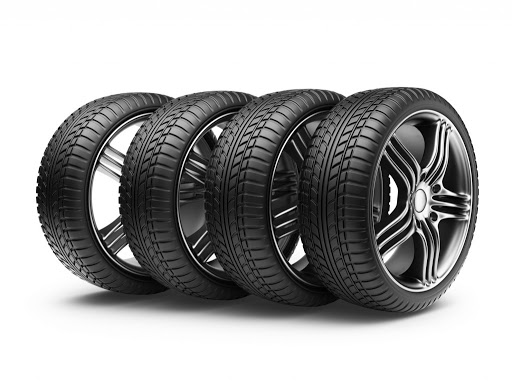
What is the first automotive product that was not invented by man but created by Nature? Automotive Tires and Wheels, of course! The parts of a car are as diverse as the components that build it and one of the parts that have undergone the most changes in design since the advent of the internal combustion engine is the tire. The invention of the air-cooled piston stroke and the discovery of the rubber tree (which gave rise to a whole new line of parts for cars) changed the face of automobile technology forever.

Before we discuss the role of Automotive Tires and Wheels, we need to know a little bit about the wheel itself. A wheel can be divided into two parts, the inner tube rim and the outer tube hub. The inner tube rim is a flat, concave material that is made out of steel or aluminum and it has channels running down its length that carry a lubricant. On the other hand, the outer tube hub is much wider and it consists mainly of a rubber compound that is heavily pressed into the aluminum. As one can surmise, both the inner tube rim and the outer tube hub play an important part in the operation of a vehicle.

When looking at the role of Automotive Tires and Wheels, we must understand that they are designed to service and to protect the wheels and the rims of a vehicle. When you take a look at a typical Automotive Tires or Wheels you will notice that they are manufactured using many different materials. As stated above, the most common material to see used in Automotive Tires is the rubber compounds that are found on the inner tube rim and the outer tube hub. However, there are a few other materials that can be found in Automotive Tires as well.

For example, Aluminum tires are commonly found on trucks. Their composition is quite similar to that of tires found in trucks of the past such as those made from cast iron. Today, they are primarily used for passenger vehicles like SUVs and Minivans. The main difference is that Aluminum has much more strength than cast iron. This makes them superior to tires of the past because they cannot be bent or flattened by the load, which means that they can withstand much more stress without cracking.

Rubber tires also make up the majority of Automotive Tires because they perform the same basic function as the rubber tires of cars. The main difference is that they are constructed to be much more durable and resilient and to perform under much more punishment than their counterparts. For example, a lock rim is much stronger than the standard tire on a pickup truck because it is typically built to accommodate much greater pressure. A lock rim can resist hydrostatic pressure of thirty thousand pounds or more and it can resist tearing and stretching to a much greater extent than standard automotive rim rims.

Another very important part of Automotive Tires is the tread. When shopping for new tires, it’s necessary to take a close look at the tread that each specific type offers. Some types of Automotive Tires feature very small grooves while others feature deep grooves. This difference in the construction affects how well the vehicle handles and performs when it is on the road. There are many different types of Automotive Tires available for sale. Once a person takes a closer look at them and determines the needs for their vehicle, they will be much more likely to find the perfect set of automotive tires for their car or truck.

Why South Africa is still not ready for electric cars


Toyota is betting big on electric vehicles globally, but it will be a while before they become commonplace in South Africa, says the president of Toyota South Motors Andrew Kirby. Key to this is government incentives which are needed in South Africa to encourage the adoption of new energy vehicles as well as make the cost attractive to the local market, he said at a media briefing in Johannesburg on Thursday (10 February).

He added that the local market is not yet conducive for the full adoption of Battery Electric Vehicles (BEVs), citing infrastructural shortcomings related to energy generation as well as high import duties.

“Last year, the Department of Trade, Industry and Competition published a Green Paper on incentivising the local manufacture and purchase of new energy vehicles.

“It is hoped that the policy would kick off soon after the white paper has been adopted in due course,” he said.

Despite these hurdles, Toyota is bullish on the local industry and the future of electric cars. In December 2021, the group announced that it will invest approximately $70 billion globally in electrified vehicles, including Hybrid-petrol Vehicles, Plug-in Hybrid Electric Vehicles, Fuel Cell Electric Vehicles and Battery Electric Vehicles (BEV).

Toyota plans to roll out 30 BEV models by 2030, while its subsidiary Lexus is aiming for 100% BEV sales globally by 2035.

“We believe in battery electric vehicles and we’re investing heavily in them, but we also believe that the way to reduce more carbon emissions sooner is to employ diverse solutions,” said chief scientist of Toyota Motor Corporation Dr Gill Pratt.

This is particularly important for mitigating climate change because CO2 emissions accumulate globally and remain in the atmosphere for a long time, he said.

“The greatest reason Toyota believes we should diversify our portfolio of solutions to climate change is that a diverse approach is more likely to work.”

2022 car sales

According to Kirby, total vehicle sales for 2022 will continue the post-lockdown recovery and settle at 540,000 at the end of the year.

“The breakdown for this year’s forecast includes 334 800 Passenger models, 178 198 Light Commercial Vehicles (LCV) as well as a total of 27 002 Medium and Heavy vehicles,” said Kirby.

“The extrapolation (540,000 units) is based on a variety of socio-economic factors that do not bode well for the local motor industry, including the rising interest rate cycle, the strain taken by the agricultural sector due to heavy rainfall, the muted tourism recovery as well as possible market instability owing to ANC leadership elections and NBF wage negotiations.”

He concluded that his forecast was ‘constrained’ and that the industry could even sell more vehicles if the economy performed better than expected or if issues in the automotive supply chain were to be resolved.

Nigeria’s First Indigenous eBikes Blaze a Path for Electrifying African Transit


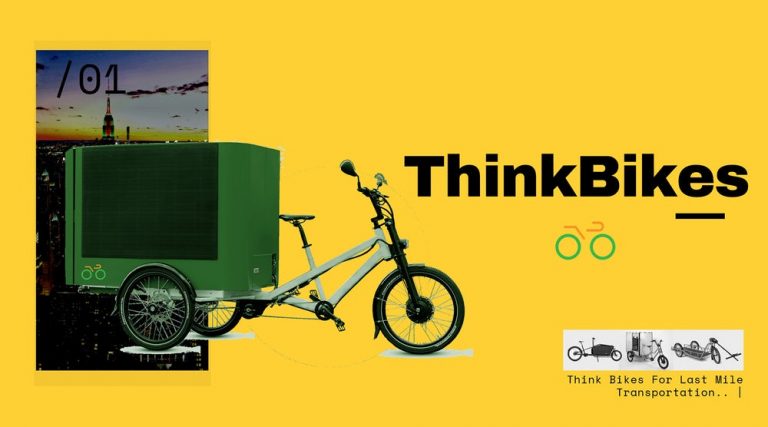
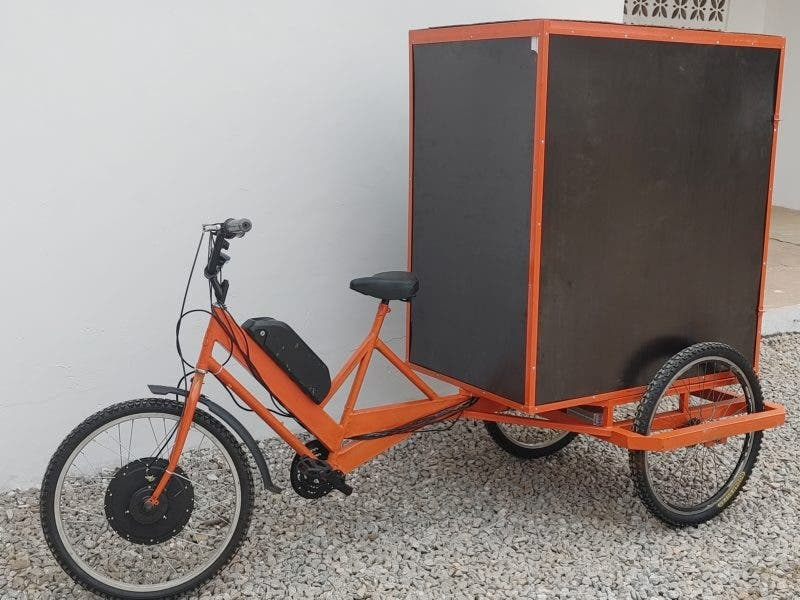
ThinkBikes has developed an electrified version of its pedal truck using mostly locally sourced materials and components, which helps dramatically reduce costs.ThinkBikes, a scrappy Nigerian startup, is aiming to kickstart the country’s transition to electric transportation by manufacturing rugged, affordable eBikes using largely local materials and labor. Founded by Olugokun Tolulope, CEO of Think Electric Africa and a former a professor of engineering, the company serves the so-called micro-mobility market with locally manufactured two- and three-wheel pedal vehicles for last-mile transport of goods and people.

The company is currently tooling up to introduce the Alpha 1. It’s an electrified version of their rugged pedal truck, which provides users with greater speed, range, and cargo capacity.

Reducing Cost for the Consumer

Despite their many advantages, eBikes have had difficulty gaining mass market sales in most parts of Africa because the products being imported are too expensive for the average person. ThinkBikes believes it has solved this problem by manufacturing the conventional or electrified bike locally. This significantly reduces their cost, in part, by avoiding the heavy import taxes placed on most goods and materials.

To achieve these savings, more than 90% of Alpha 1’s components, including the wheels and batteries, are locally sourced, with most of the imported content being the 1.5-kW (peak) motor and controller. The bikes’ 1.68-kWh power packs are assembled locally using recycled 18650 cells. The detachable pack provides up to 100 km of driving when empty and 60 km when loaded.

This video, prepared for the final round of the Climate Launchpad competition, provides some additional details of ThinkBikes’ business model, as well as the potential economic and environmental benefits of widespread adoption of eBikes in Africa.

Tolulope also says that local production boosts the local economy and helps build a community of people with the skills, resources, and networks necessary to manufacture larger electric vehicles or other complex products.

Leasing Options

But even at $1,000-$1,500, a commercial-grade electric ThinkBike would be beyond the reach of many Nigerian citizens and businesses. In response, the company is using a small grant from Siemens Stiftung to develop a short-term leasing program that will provide on-demand transportation for as low as $24/month. They’re also working on a business model that will allow people to buy the bikes without batteries (the most expensive component), and then lease or rent the packs from ThinkBikes.

- Advertisement -