Tuesday, June 2, 2026
Home Blog Page 27

Egypt and AAAM on technical support for AIDP


Prime Minister Mostafa Madbouli witnessed the signing of an MoU between the automotive unit at the Ministry of Trade and Industry, and the African Association for Automotive Manufacturers (AAAM) for the latter to provide the technical support needed to implement the country’s Automotive Industry Development Programme (AIDP).

The technical support will include ways of building and structuring the team assigned with the programme; creation of a detailed guide on the accreditation and qualification of automotive assemblers; another on production incentive (PI); and, provision of detailed information on the calculation of the value of local components and suppliers of spare parts, and on the imported component statement.

The AAAM will also train the team on coordinating with other governmental bodies participating in the execution of the programme; monitoring automotive assemblers and suppliers of spare parts; writing reports on PI, value of local components, and data of imported components; developing information documents distributed among investors; acquainting them with the programme and answering their queries; as well as help with the digitalization and automation of the programme’s procedures.

A task force will be formed to focus on the localization of the automotive industry, and will include investors in the sector, as its mission will be identifying projects for manufacturing certain automotive products locally as a start.

Nigeria approves new Automotive Investment Policies


Nigeria’s federal government has approved the implementation of the first ever Nigeria Investment Policy (NInP). The government has adopted a new National Automotive Industry Development Plan (NADIP) that would span 2023-2033.

This is according to the Minister of Industry, Trade and Investment, Mr. Adeniyi Adebayo, who said both policies have been approved at the recent meeting of the Federal Executive Council (FEC), which was presided by Vice President Yemi Osinbajo. The government maintained that the investment policy would give investors more comfort and attract more investment into the countries economy.

The minister explained that trade and industry moguls had over time, deliberated on structuring the investment sector and agreed that there was, “need  to have an investment policy which would give confidence and allow people who want to better the country, through genuine investments,  the confidence to bring their funds into the country, and invest.”

He said, “What has been operational over the years was just investment related regulations of Ministries, Departments and Agencies (MDAs) acting as a guide.” Adebayo, however, pointed out that the, “harmonised policy is the result of putting the concept together for the country to develop rapidly through industrialisation, and then snowball into a sustainable investment climate to attract the kind of investment we desire.”

The primary focus of the investment policy is on investment promotion, investment facilitation and sustainable development as well as promote responsible investor conduct for sustainable development by influencing investor behaviour in compliance with globally acceptable standards relating to the environment, human rights, health, labour, safety, corporate social responsibility (CSR) and anti- corruption.

Commenting on the new automotive policy, the minister,  in a statement issued by the ministry’s Deputy Director Press and Public Relations, Mrs. Oluwakemi Ogunmakinwa,  said it would help the country migrate seamlessly from combustible engines into electric solar-powered engines.

He said this was an improvement over the 2013 automotive industry development plan which had been in operation. The National Automotive Design and Development Council (NADDC) developed the new plan to aggressively build on the successes that have been achieved so far in the Nigerian Automotive industry.

The new NAIDP would strategically provide outstandingly competitive fiscal and non-fiscal incentives needed by automotive industry manufacturers/producers, investors, developers and all relevant stakeholders.

The policy was aimed at enabling the exponential increase in the local production numbers of vehicles, reaching 40 per cent local content, attaining 30 per cent locally produced electric vehicles, generating one million jobs, enforcing patronage of locally produced vehicles by government and companies working on government contracts as well as boosting research and development and technology transfer.

Adebayo, also hinted that the country would soon start running a national trade policy that would guide trade from 2023-2027. He explained that this was basically a review of the old trade policy, pointing out that the whole idea was to have a policy in place that would improve Nigeria’s trade within the World Trade Organisation (WTO).


Russian auto manufacturers look to East African Assembly Plants


Russia’s auto manufacturers are looking to Africa for price competitive operations as the Russian ‘Sanctions Road Initiative’ spreads its routes further away from Western influence.  Evgeny Terekhin, Moscow’s Ambassador to Addis Ababa, in Ethiopia, has said that several Russian auto manufacturers were looking at Ethiopia as a possible destination for establishing an assembly plant.

The intent was made public following last week’s meetings between Russian State Duma Chairman Vyacheslav Volodin and the Ethiopian House of Federation Speaker Agegnehu Teshager, where the two sides discussed economic cooperation. “Ethiopia is an important Russian partner in Africa. We have always conducted such dialogue with Ethiopia, and have maintained relations for more than 125 years.” Volodin said.

He noted that Russian companies are interested in long-term cooperation with Ethiopian partners in areas such as mining, energy, transport, construction, and agriculture, and highlighted that trade between Russia and African nations has been growing, with combined turnover reaching US$18 billion in 2022.

In the main, African countries sell fruits, vegetables, tea, coffee, flowers, and precious woods to Russia, while the lion’s share of Russian imports from Ethiopia is coffee, while more than half of Russia’s exports to the country in 2022 were wheat. In addition, Russia exports oil products and paper products to Ethiopia.

The interest in Ethiopia is an interesting one – and especially as Moscow also wants Port access and a potential naval base on the Red Sea. Plans for Russian interest in Port Sudan have been delayed, meaning interest in Djibouti as an export base is heating up. China also has a naval base in Djibouti and will be supportive of Russia’s regional trade and investment plans.

Auto assembly in Ethiopia would give Russian manufacturers access to markets not just back to Russia and the EAEU, but also the Middle East, East Africa and South Asia.

Vehicle use in these regions is expected to significantly increase due to improved economic prospects, while Russia has been very active in encouraging African nations to join the BRICS and EAEU in mutual trade incentives. Ethiopian assembly would provide a useful margin of price competitiveness if the labour force can be sufficiently trained.

European manufacturers have found it hard to penetrate the African markets due to colonial hangovers and resistance to Western foreign policies concerning the region. African nations also agreed the African Continental Free Trade Agreement (AfCFTA) in 2021, which eliminated tariffs on intra-African trade, making sourcing and exporting much easier and increasingly competitive.

By  Chris Devonshire-Ellis  

Africa’s first designed and developed EV is in the works


Anglo-Moroccan start-up the Atlas E-Mobility Group has announced its plans to develop and launch a premium electric SUV by 2026. The as-yet-unnamed EV will be a “simple but also functional” car inspired by “Moroccan design and identity”, co-founder and CEO Mohammed Yehya El Bakkali told Automotive Daily network partner Autocar.

He said it will “only use the technologies that actually the consumer needs and looks for”, adding: “Anything that’s unnecessary will be cut off.”

Atlas will initially target the European, African and Middle Eastern markets, aiming to capture the attention of middle-class buyers. As such, its first car is expected to be pitched against the likes of the BMW iX1, Mercedes-Benz EQA and Tesla Model Y.

Atlas also plans to launch its own EV charging infrastructure, à la Tesla, which will “come first, before having the actual product on the market”.

The firm will use off-the-shelf parts from OEMs and manufacture the car in Morocco in a bid to cut costs and push to profitability in an increasingly challenging market.

El Bakkali explained: “The first thing is technology development – R&D cost. In our case, our R&D expenditure will be as little as 5% of the total investment. We’re not developing everything ourselves, but we’re capitalising on expertise, knowhow and technologies that have already been developed by other OEMs and other companies.

“We make an assembly in the first stages of what’s already available and we try to go with the most cost-efficient approach.

“The second contributing cost of EV manufacturing is electricity. And electricity tends to be very expensive in certain markets, but [around 50% of electricity in Morocco comes from renewable energy]. So Morocco is already good in renewable energy, and the cost of electricity will be lower to run the factory and so on.

“[Another perk is] accessibility to raw materials in a very cost-efficient way – also the entire supply chain. So we want to use that as an advantage.

“The labour cost [is also low]. The labour cost in Morocco is 20% of the European labour; the minimum wage is about $300 a month compared to $1000 or above in Europe.”

An automotive supply chain already exists in Morocco, with major players including the Renault Group having established factories in the North African nation. It builds the Dacia Sandero in Tangier and Dacia Jogger production will move to the plant around mid-2024.

El Bakkali said Atlas is discussing the prospect of platform sharing with a variety of manufacturers but that it’s too early to name any particular partners. Likewise, conversations concerning further investment are progressing but aren’t yet at an advanced stage.

Asked why Atlas has chosen to enter the notoriously difficult car industry, El Bakkali, whose background is in the commercial sector, said: “The thing about cars is that they speak emotions; it’s something that’s very passionate.

“We want to create something that makes African people proud. Not many people have done this before. We will be the first company to [​​build and design an electric car in Africa]. That brings a lot of pride and fulfilment to the people.”

By Charlie Martin

IAMaga – The Nexus Gateway to Africa


Nexus Automotive International is offering new approaches and new ideas for a connected, global and consolidated world of tomorrow to secure the success of car and heavy duty spare parts distributors and manufacturers by connecting and accelerating growth for both. Africa Automotive conducted an interview with Martin Hendriksen, Vice President Sales & Business Development – Africa, Middle East, India, Australia at Nexus Automotive International and head of the IAMaga regional structure, and here is what DR!VEs their automotive aftermarket progressive approach.

AA: Give us a brief introduction about Nexus Automotive International
IAMaga
Martin Hendriksen, VP Sales & Business Development – Africa, Middle East, India, Australia at Nexus Automotive International and head of the IAMaga regional structure

MH: Nexus Automotive International is the largest global automotive aftermarket trade group. We act as an intermediary between the makers and buyers of vehicle parts. Operating in 140 countries around the world, the Nexus community consists of more than 160 member distributors and 90 global suppliers. Our supplier partners include all the major actors in the aftermarket. The consolidated turnover of our members globally is almost €40 billion and we count on more regional leaders to join our community. The intermediation role involves the provision of many supporting services, from training to garage network services and connecting events.

Since its creation, Nexus has built a strong presence in Africa, with IAMaga, a dedicated entity within Nexus, driving much of the company’s growth across the continent. The company continues to develop and deploy more tailor-made services to support Africa’s automotive aftermarket business. This year we aim to bring new opportunities to connect our community in Africa and also continue deploying Nexus initiatives across the region.

Everything we do is focused on driving growth in our community; it is the core of our activity and what we do best!  ~ Martin Hendriksen

AA: What are your main areas of automotive aftermarket expertise, and how long have you been serving Africa?

MH: Nexus is active in the aftermarket business in one way or another, from the factory that makes the aftermarket parts, all the way to the owner/driver/ repairer of a road unworthy vehicle due to damaged or worn out part. Mostly our work is connecting, supporting and developing the business between Nexus members and the manufacturers of automotive replacement parts. Usually the activity of a global manufacturing group is not visible to the end customer – a car driver, but ultimately a credible and well-coordinated supply chain (manufacturer-distributor-garage) ensures providing high quality products at the best available price to the market and undoubtedly keeping the vehicle in good shape, extending its life span and guarantees safe driving.

Another Nexus key role is to anticipate the future trends within the automotive aftermarket industry and promoting innovation in order to help our members to adapt to the new dynamics and diversify their activities accordingly.

Africa has been part of our activity from the start – Nexus will celebrate its 10th anniversary next year!

AA: How is Nexus shaping the future of Africa’s automotive aftermarket?

MH: Under the umbrella of IAMaga, a dedicated entity representing African members of Nexus Automotive International. IAMaga deploys the full spectrum of Nexus services in Africa to take our members to the next level. Our vision includes offering tailor-made solutions, blended with a broad range of services that are beneficial to our community, assuring a fast track to the future. We will be an inspiration and industry leader aiming to accelerate business within the IAMaga community. IAMaga is committed to accelerate growth in the African Automotive Aftermarket by promoting, developing, accelerating and adapting central services of Nexus in the African context by:

  • Expanding the garage network and support services deployment (N! Auto / N! Truck / WOP).
  • Coordinating training deployment.
  • Support transactional activities.
  • Market data support.
  • Supporting, promoting and developing African innovation and sustainability projects.
  • Extending communication initiatives.

IAMaga is also responsible in driving local business growth by means of events and networking.

AA: What values do you uphold in your solution and service delivery?

MH: IAMaga is a solution driven entity with a can do attitude and also committed in the spirit of teamwork, working closely with its community members in aligning Africa’s automotive aftermarket upholding their core values of consistency, trustworthiness, accountability and transparency throughout their solution and service delivery.

IAMaga presentation at Nexus Business Forum 2023
AA: What aftermarket challenges do you encounter and what’s Nexus approach?

MH: Trends in digitization, electrification, consolidation, mobility, sustainability, and skill shortages are driving major challenges in Africa’s automotive aftermarket industry. However, IAMaga envision these aftermarket challenges as future opportunities! The group has strategies in place to take advantage of these opportunities in building the future of African automotive aftermarket. From digital tools to connecting the various communities to assessment services related to sustainability improvement to bringing forth world class services to its community.

Also Read: NEXUS Automotive International Accelerates Growth in Africa

AA: How is Nexus contributing in accelerating growth for the aftermarket distributor’s progression?

MH: Everything we do is focused on driving growth in our community; it is the core of our activity and what we do best!

AA: How do you work with the automotive aftermarket players in Africa?

MH: We work with around 100 contracted member companies active in the aftermarket, all connected to a select group of contracted suppliers. IAMaga deploys the services that builds the business between these two groups.

Also Read: NEXUS and IAMaga unifying the African Automotive Aftermarket Community

AA: What training programs does IAMaga offer and do you provide certification for these trainings?

MH: IAMaga has access to a huge amount of training material via the Nexus Academy. This material is deployed online and in person by our global team of “train the trainers”. In Africa, IAMaga will adapt the Nexus offer and tailor make packages for the region. In addition, IAMaga will run a “Training Truck” program in Major cities. This will place trainers with demo material, expertise and AV support in front of mechanics in their place of work.

AA: What do you believe to have been Nexus biggest success over the years?

MH: I would say the building of a community representing nearly €40 billion of consolidated aftermarket turnover. Our challenge is to build that success with IAMaga in Africa to expand to the N! leading role on the market.

AA: What direction do you see Nexus taking in the next ten years, if you had to guess?

MH: We will continue to lead the automotive aftermarket by following our tried and tested recipe!

Read More: 

Automotive Suspensions – Understanding the basics of Automotive Suspension


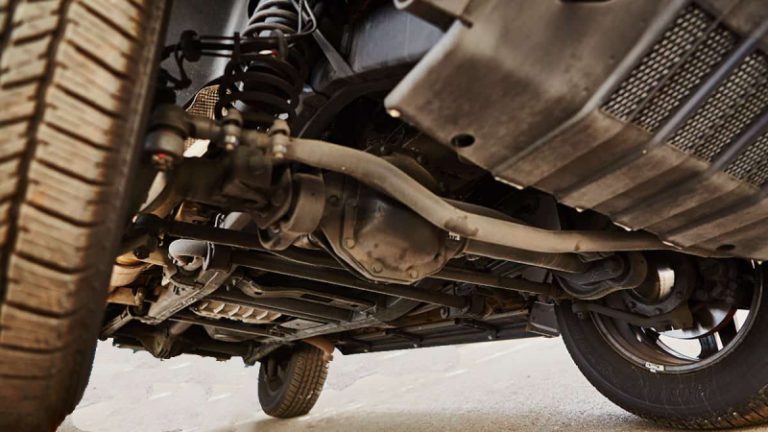
Automotive Suspensions are the parts that connect your wheels to your vehicle’s chassis, and they work together to protect your car from shocks. Suspension systems are critical to the safety and performance of your vehicle. They provide your wheels with the stability and support they need to drive smoothly over rough roads. A suspension is also an important part of your car’s braking, handling and traction control systems.

The system includes the tires, air pressure within the tires, springs, shock absorbers, and the linkages that connect the vehicle to its wheels. It smooths out the ride and keeps the vehicle stable and safe on the road. However, when it fails to function properly, it can compromise control and contribute to serious accidents.

It is important for a car technician or a car owner to understand the basics of automotive suspension. For example, knowing the types of suspension setups and their maintenance requirements can help you decide when it’s time to update your current system.

There are a number of different types of car suspensions, each with its own unique functions and strengths. Understanding the different types of car suspensions can help you identify issues with your vehicle’s suspension, and make the necessary repairs.

Types of Automotive Suspensions

Independent

The independent suspension system is a step up from the dependant system. Unlike the dependant type, this kind of suspension provides each wheel with its own springs and shock absorbers without the need for an axle connecting it to the other wheel. This means that a road dent only affects one wheel, and not the other.

Rigid Axle

The rigid axle suspension is the most basic type of suspension. It is fitted with a rear wheel that is connected to a single axle and usually features leaf springs.

Shock Absorbers and Struts

Shock absorbers, also known as dampers, convert the kinetic energy stored in the springs into heat, which they then dissipate. By absorbing this kinetic energy, they improve the vehicle’s ride quality and stability.

Most shock absorbers consist of two main sections. The outer tube connects directly to the vehicle’s frame, while the reserve tube bolts to the axle or the structure that supports the suspension system. Inside the outer tube, a piston—similar in shape to a plunger—moves within a chamber filled with hydraulic fluid.

When the spring compresses, the piston moves downward into the fluid reservoir. As this happens, the damper controls and releases the stored spring energy in a measured way. It reduces pressure, limits excessive movement, and prevents the vehicle from bouncing uncontrollably.

The force the damper generates depends on the speed at which the spring compresses or extends. The compression limit refers to the maximum distance the suspension can compress before it risks producing an uncontrolled bounce.

These are a key part of the suspension, as they help to keep your vehicle safe and smooth, as well as to reduce wear on tires and other parts. It is important that your shock absorbers are not damaged, or you may risk a serious crash.

Trailing Arm

The trailing arm suspension is a common design for rear-wheel drive cars and can be found on some motorcycles. This type of suspension consists of a steel arm that is pivoted to the car’s chassis and is joined to a damper.

Coil Springs

A coil-spring suspension uses a coil spring to support the body of the vehicle and the tires. They come in either linear or progressive rate designs, depending on the coil spacing and the spring wire diameter. Linear rate springs typically have evenly spaced coils and are more commonly used in cars. A progressive rate spring is one that has more coils closer together than the ones on a linear-rate design.

MacPherson Shock Absorber

The MacPherson strut was designed by Earle S. McPherson, and it is the most common type of independent suspension used in modern cars. This design is a step up from the double-wishbone suspension, but it is more complicated to manufacture and requires higher strut mounts.

Torsion Bars

The torsion bar is another popular type of suspension design. Its twisting properties provide coil-spring-like performance. These bars are attached to the frame of a vehicle and attach to a wishbone, which acts as a lever that transfers vertical motion from the wheels to the torsion bar.

Anti-Roll Bar

The anti-roll bar, also known as an anti-sway bar, is a metal bar that connects the left and right side of your vehicle’s suspension. A sway bar is another key element of your vehicle’s suspension. They highly contribute in giving your vehicle extra stability, when it is moving at high speeds, and at the same time preventing the car from rolling off while taking a turn, hence they are very important for the safety of you and other passengers.

Ford Model T

A good example of an early suspension system is the Ford Model T, which engineers designed specifically to handle rough roads. Its front suspension used a wishbone-shaped radius rod with a ball joint attachment. After World War II, manufacturers replaced this setup with a split wishbone design. This modification lowered the front axle by about one inch and improved overall handling.

Maintenance requirements for automotive suspension

Failure of one or more vital suspension components, will alter your vehicles handling, and may accelerate wear on other suspension parts. Regular checks and maintenance, will save you costly repairs. Taking proper care of your suspension system, will guaranty safety and the best possible handling performance, for your vehicle; this is according to Brian Gow, Workshop Manager at Romageco Kenya Ltd.

Safety, Stability and Ride Control

“Worn suspension components will have an adverse effect on vehicle stability which compromises safety and driver control. Replacing worn parts will help maintain correct vehicle ride height and wheel alignment. It will also reduce the effect of shock forces when driving on or off road, support vehicle weight (whether laden or unladen), keep the wheels in contact with the road and ultimately control the vehicle’s direction of travel.” adds Brian.

“It is a well-known fact that, automotive vehicle tires only last for a certain period and/or kilometers of the vehicle’s life and they are very expensive to replace,” says Jan van Niekerk – Operational Director at PSB – Problem Solving Bushings. “One of the highest determining factors to the unnecessary deterioration of tires is that of warn or damaged suspension parts and rubbers,” utters Jan.

Evolving Suspension Systems and Harsh Road Conditions

“Over the past few years as everything in the automotive industry evolved and it is needless to say, so did all vehicles’ suspensions. Suspensions are becoming more sophisticated for several reasons such as safety, the ride comfort, as well as specific applications in the off-road terrain markets. Most vehicles are designed and manufactured to operate in perfect smooth tar road conditions. Unfortunately, these perfect road conditions are few and far between in our lives. We live with badly maintained roads in many places with damage to the road surfaces and even potholes, then there is also traveling long distances on gravel roads,” he adds.

Jan van Niekerk further points out the factors that contribute to warn or damaged automotive suspension and or rubbers is (not exclusive to)

a. Time (General wear and tear).
b. Potholes.
c. Gravel Roads.
d. Overloading.
e. Traffic calming devices on roads (speed humps).
f. Hazards on the roads such as lost loads and parts falling from vehicles onto the road surfaces.

“All this causing an uncomfortable ride experience, tire wear and the unwanted unsafe driving conditions of the vehicle. As there is no prescribed maintenance specification in general for automotive suspensions, it is normally a “fix when broken” mentality,” Jan perceived.

“We would strongly advise that you ask for a suspension check whenever you do you vehicles scheduled maintenance and/or wheel alignment checks. Most manufacturers require regular wheel alignment and balancing check for the warrantee purposes, this is normally in the region of every 10 000 – 20 000 kilometers driven or annually. Here they will check and replace warn suspension parts and rubber suspension parts. Polyurethane replacement parts are recommended as it has a much longer life span as opposed to that of the rubber replacement. There is also no disadvantage replacing with polyurethane suspension bushings,” concludes Jan.

Martin Hendriksen, VP Sales & Business Development – Africa, Middle East, India, Australia at Nexus Automotive International and head of the IAMaga regional structure is assertive to the following suggestions being fundamental in the provision of the correct maintenance for automotive suspension:

  1. Immediate access by the driver / owner / technician to the correct (OE quality, non-counterfeit) part at the right price
  2. A properly skilled and trained technician to perform the diagnosis and repair
  3. Adequate facilities at which to undertake the task

“It is necessary to mention that some procedures connected with suspension repair are highly dependent on special tools and manuals that are commonly available only for certified garages. If such repairs are done not properly it may lead to the risk of road accident and possible risk for life. So, it definitely makes sense to delegate suspension issues to the real professionals with proper skills and tools,” Martin emphasizes.

In answer to the above requirements, IAMaga, a dedicated entity inside Nexus Automotive International, offers the following to aftermarket actors in Africa:

a) Access to the Nexus training academy
b) Supply from nearly 100 of the most credible global aftermarket manufacturers
c) The biggest regional support network
d) Connection to major garage networks
e) Improved commercial conditions when buying from Nexus contracted suppliers.

Łukasz Skowronek Brand Manager Quaro-Parts.com also affirms that automotive suspension systems are responsible for ensuring a comfortable and safe ride for drivers and passengers. Regular maintenance of the suspension system can help prevent wear and tear and prolong the life of your vehicle. Łukasz supplementary goes on and elaborates on some of maintenance requirements for automotive suspension:

1. Regular inspections

A visual inspection of the suspension system should be performed regularly. Look for any signs of wear, damage, leaks and cracks. Check the shocks, and springs for signs of damage or wear. Very important is good conditions with rubber in suspension elements. Rubber absorbs every shakes from the road.

Justin Stone, a Product Specialist at Grandmark is in agreement with the regular suspension inspection “Inspect the suspension system periodically to ensure that all components are in good condition. Look for signs of wear, damage, or corrosion on the shocks, struts, springs, control arms, ball joints, and other parts.”

2. Wheel alignment

“Check the wheel alignment regularly to ensure that the wheels are properly aligned. Misaligned wheels can cause uneven tire wear, handling problems, and other issues,” says Justin.

On the same note Łukasz insists on regular wheel alignment as it can help prevent uneven tire wear and ensure that the suspension system is functioning correctly. “If you notice that your vehicle is pulling to one side or the other, it may be time for a wheel alignment,” he adds.

3. Tire balance

Tire balance is critical to maintaining a smooth ride and preventing uneven tire wear. If you notice vibration or shaking while driving, it may be time to have your tires balanced.

4. Shock absorbers

According to Łukasz, shock absorbers are critical components of the suspension system. They help absorb shocks and vibrations, providing a smoother ride. If you notice excessive bouncing or bouncing after hitting bumps, it may be time to replace your shock absorbers or struts. Very important, ensure there are no leaks.

“Replace worn or damaged shock absorbers and struts. These components play a vital role in the suspension system, and worn or damaged units can cause handling problems and reduce stability,” adds Justin.

5. Springs

“Check the springs for damage or wear. Broken or worn springs can cause the vehicle to sag, which can affect handling and stability,” advises Justin.

“Springs help support the weight of the vehicle and absorb shocks. If you notice that your vehicle is sagging or bottoming out, it may be time to replace your springs. Springs are exposed for cracks,” enhances Łukasz.

6. Control arms, Bushings and ball joints

Łukasz is keen on bushings and ball joints as they help connect the suspension components and allow swift movement. If these components are worn or damaged, they can cause handling issues and reduce ride comfort.

As Justin Counsels, “Check the control arms and ball joints for wear or damage. Worn or damaged components can affect steering, handling, and stability. Check the bushings for wear or damage. Worn or damaged bushings can cause handling problems and reduce stability.”

Additionally, Justin endorses the following suspension maintenance recommendations;
Tire pressure: Keep the tires properly inflated to the recommended pressure. Underinflated tires can affect the handling and stability of the vehicle.

Lubrication

Lubricate the suspension system components periodically to prevent rust and corrosion.

Driving habits

Drive carefully and avoid rough roads, or harsh driving conditions. Aggressive driving, can cause excessive wear and tear on the suspension system.
Service manual: Refer to the service manual for specific maintenance requirements for your vehicle’s suspension system. The manual will provide information on when to inspect and replace various components.

Also Read: Africa’s Bumpy Truth: Why Your Bus Leaf Springs Don’t Last as Long as They Should

Bottom line

Engineers design different suspension systems for specific purposes. Popular options include Computer Active Technology Suspension (CATS), which coordinates the optimal balance between ride comfort and handling, and air suspension, which replaces traditional steel coil springs with air springs.

Beyond these suspension types and their maintenance requirements, each system includes various supporting components such as rods, linkages, and bearings. These parts work together to strengthen the suspension, provide stability, and prevent premature wear or failure.

However, if you notice any signs of wear or damage to your suspension, it is best to have them repaired as soon as possible to prevent further complications or fatal accidents. Contact a professional mechanic near you for repair or upgrade of your suspension system or parts.

Improve fuel economy with the right engine oil additives


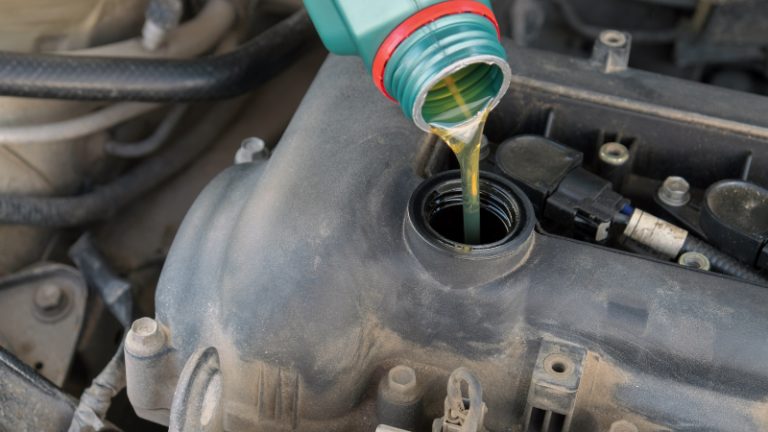
Your engine has the heaviest workload in your vehicle, so you need to keep it lubricated and protected. That’s why a lot of effort goes into making motor oils with all the right additives to protect your engine, keep it running smoothly and help extend its life. These additives are designed to meet a range of specific applications, such as gasoline and diesel engines, and they can help improve fuel economy, extend the life of your engine and more.

The additive package typically accounts for 15% to 25% of the total volume of the oil. The remaining percentage is base oil. Typical oil additives include detergents, corrosion inhibitors, metal deactivators, anti-wear agents and antioxidants that slow the rate of oxidation in the engine to prevent rust and corrosion. They are used in various amounts depending on the vehicle and engine requirements. They can be applied to the cylinder walls, piston rings and lifters to reduce wear.

Oil additives work by enhancing the lubrication, viscosity and performance of the oil. They are added to the motor oil at the manufacturer’s request. They can make the oil flow better and more effectively by increasing its thickness. The thickness of the oil is important because it allows it to coat all the moving parts in the engine and prevents friction between them. If the oil has poor lubrication, the engine may run rough or idle. This is often a sign of sludge build-up, and adding an oil additive can remove this problem. Additives are also added to increase the oil’s ability to flow, which helps protect engine components and keeps them clean. This can be helpful especially for older vehicles and those with high mileage.

The best engine oil for older vehicles contains anti-wear additives and corrosion inhibitors that slow the rate of oxidation in the engine to prevent rust and corrosion. This also helps keep your engine clean to reduce wear from deposits in your oil, allowing your engine to run more efficiently and reliably.

Types of oil additives

Anti-wear additives: They are used to provide a layer of protection to metal engine parts, such as cam lobes, lifter bodies and lifter bores. They include zinc diakyl-dithiophosphate (ZDDP), phosphorus compounds, and molybdenum, which help to decrease friction between parts.

ZDDP: Zinc diakyl-dithiophosphate is an important component of many anti-wear additives because it provides lubrication to the parts that need it. However, it can shorten the life of your catalytic converter when it is present in exhaust gas.

Viscosity modifiers: Also called viscosity index improvers (VIIs), are an essential engine oil additive because they stabilize the viscosity of your oil to ensure it flows properly at all temperatures, from cold to hot. Almost all modern engine oils contain VIIs, so it’s important to choose a quality motor oil that includes this additive.

Detergents: Most high-quality motor oils today come with a detergent to remove water, dirt and other particles from your oil. Those detergents are also effective at removing sludge, helping to maintain a clean engine and prolong its service life.

Anti-oxidants: Most high-quality motor oils are loaded with antioxidants to help prevent rust and corrosion by neutralizing acids in your oil and preventing the chemical breakdown that leads to corrosive effects on your engine. Antioxidants also help to increase the performance of your engine by protecting it from damaging acidic emissions and reducing harmful particulates that cause engine damage.

Corrosion Inhibitors: Typically made with barium sulfonate and calcium, corrosion and rust inhibitors are designed to protect metal engine parts from the damaging effects of moisture. They also help to prevent a buildup of contaminants and sludge in your motor oil, so they can make sure your engine has the maximum protection it needs.

Improving fuel economy and reducing emissions

You can find engine oil additives in most aftermarket stores or service centers. They are usually in the form of brightly colored bottles, and they come with different claims about how they will benefit your vehicle. Some claim to extend the oil’s life and reduce engine smoking. Others claim to help improve fuel economy.

Seeking professional explanation on how oil additive can add protection, lower your fuel spend and reduce your vehicles’ emissions, James Mutisya, Lubricants & Technical Training Manager at Rubis Energy Kenya has this to say, “Friction is the enemy of engine performance and fuel economy. Engine friction occurs on camshaft bearings, friction on piston liner interfaces, viscous oil drag in oil pump, especially during startup and crankshaft main bearing and connecting rod bearings friction. Collectively, these friction hotspots waste up to 10% of engine performance and increase fuel consumption. With the right additives added to a lubricant, these performance limitations are reduced significantly, thus improving fuel economy. Advanced low viscosity synthetic oils are formulated with extra strong additives that ensure the oils maintain an effective lubrication film even as the engine temperatures and pressures increase. These oils move quickly around the engine, minimizing engine friction. Castrol EDGE with Fluid TITANIUM additive technology physically transforms the oil structure – becoming stiffer at points of extreme pressure, to keep metals apart and performance robbing friction by 20%, allowing drivers to unlock true engine performance.”

James further elaborates affirmatively that, “With the extra strong, ultra-thin oils circulating very fast within the engine, the engine remains quite clean and performs efficiently, ensuring effective combustion of fuel-air mixture in the engine. In that way, cases of incomplete combustion, which leads to fuel loss are minimized and in the same way, reducing emissions to the environment. Embracing the low saps (low Sulphated Ash, Phosphorus and Sulphur) additive technology, that qualifies oils to attain ACEA ‘C’ rating. Oils with this rating do not affect emission control gadgets i.e., the Three-Way Catalysts and Diesel Particulate Filters fitted on vehicles. Low saps oils are also long drain interval oils. This means less used oil is generated hence reducing possibilities of environmental pollution.”

Probably, as a vehicle owner, either for private or commercial use, you are using an oil additive for your valuable assets’ engine. However, is the additive compatible with your vehicle’s engine oil? Is your vehicle receiving the best engine protection it deserves? Are you saving on your fuel spending even in the current high fuel prices? Is your vehicle low on emissions? It is clear that, when choosing an oil additive, choose one that will not interfere with your existing motor oil. This is because the two oils have different properties and can affect each other, and potentially damaging your engine. It is a good idea to have your engine oil analyzed before using an oil additive. This will allow you to know if your engine is suffering from a lubrication issue, or if it is just in need of that additional maintenance.

Automotive Electronics – Improve safety and convenience


Automotive Electronics are the electronic systems that are used in vehicles to perform various functions like telematics, infotainment and driving assistance system. This includes electronic control units, sensors & small electric motors, radar, LIDAR and camera modules, displays as well as wire harness systems.

Automotive electronic systems are becoming increasingly vital in the global auto industry, as they help improve safety and convenience. The market is a fast growing sector that offers advanced electronic components that are used in the design and manufacturing of automobiles. They are also used in making the vehicle eco-friendly and energy-efficient. The automotive electronics market is expected to grow significantly. This is attributed to increased demand for advanced driver-assistance systems and connectivity in the global automobile sector.

The key drivers for this growth include the increasing number of vehicle production, technological advancements, increased consumer preferences and strict government regulations. In addition, the automotive electronics industry is experiencing a resurgence of interest from consumers who are seeking new and innovative technology to enhance their vehicle experience. This has resulted in the development of high-tech automotive systems that enable automakers to develop more efficient and safe vehicles.

A typical automobile has dozens of computer controlled electronic systems. These systems range from air conditioning to engine management to powertrain & braking control. These systems use microprocessors, sensors & controllers for various operations. They are highly integrated to work together to control all the systems in a vehicle.

ADAS Sensors, these sensors are an important part of advanced driver assistance systems (ADAS) and offer a variety of functionalities to enhance safety in a vehicle. They are able to detect dangerous objects in the road and provide warnings to drivers about the situation. Besides, they are capable of performing complicated tasks that can help in automating driving operations and providing improved comfort and convenience to users.

Microelectromechanical systems, or MEMS, are increasingly being employed in automotive safety applications to replace conventional sensors and increase their performance and efficiency. These devices are often small in size and cost, enabling designers to implement more complex control solutions. The growth of this segment is due to the increasing adoption of ADAS and other safety features in passenger cars and light commercial vehicles. It is also driven by government regulations related to fuel economy and safety.

In addition, the global automotive electronics market is expected to see growth owing to an increase in the demand for connected car technologies. These technologies enable car owners to connect with other motorists and receive real-time information on their vehicle’s status.

Also, the growing adoption of battery-powered and hybrid vehicles are a key factor in the growth of this market. These technologies are enabling car manufacturers to design safer and more energy-efficient vehicles that can travel further on a single charge. Farther, the global automotive electronics industry is facing various challenges such as rising costs and limited resources. These issues are causing car makers to look for cost-effective and reliable electronics solutions. This is a concern due to the fact that these products are often exposed to harsh driving conditions such as extreme weather and vibrations.

There are many different types of electronic sensors that are used in a vehicle to monitor the various parameters such as pressure, temperature, oxygen levels and more. These are then sent to a central electronic control unit (ECU) to be processed and controlled.

The ECU has its own logic circuits that are responsible for controlling the actuators such as throttle valves, fuel injectors and other components in the engine. These are controlled through a variety of signals from the sensor network. This makes the car more responsive and gives it a higher performance level. Moreover, it helps in saving on the cost of mechanical parts and reduces maintenance as well as repair costs.

Another important function of the ECU is to provide a communication link between the chassis system and the transmission system for the efficient functioning of the vehicle. This is done through an interface called CAN bus. There are many other communication interfaces that are used to connect the various systems in a vehicle. These include V2V & V2I communications, which notify the driver or autonomous vehicle about potential collisions with other vehicles or infrastructure. This also helps in enhancing traffic flow.

Electrical circuits in automobiles are prone to over voltages and over currents that can damage the electronics. This is why circuit protection technology is an integral part of any automotive design. In the last few years, circuit protection technology has improved significantly to protect automotive designs from the increasing electrical threats that are caused by the use of microprocessors in the motor control, lighting, battery management and other systems. This is why circuit protection products such as fuses and switches are now being installed in more applications to prevent failures that could lead to personal injury, or worse. The market is also fueled by the rising demand for advanced safety features in vehicles such as lane departure warnings and blind-spot monitoring. This trend is expected to continue in the future, as drivers are increasingly focusing on vehicle safety and comfort while on the road.

Automotive Battery – What you should know about your car Battery


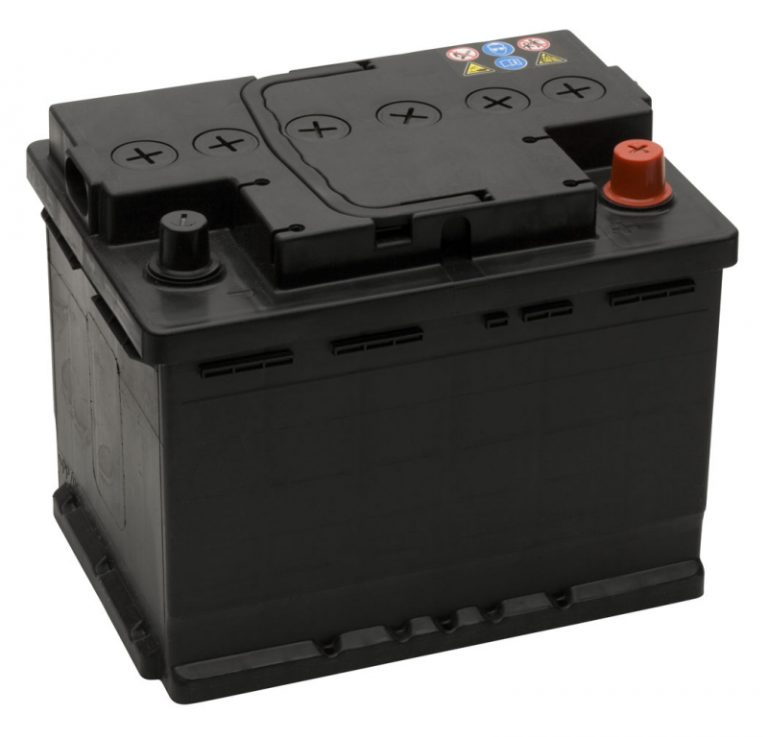
An Automotive Battery is a part of your car that can help you start the engine. It’s a crucial component of any vehicle, and they come in many different designs and sizes. It is also a source of power for many electrical devices in your vehicle such as the radio, air conditioning, USB and auxiliary-connected devices and lights.

Batteries come in a variety of shapes and sizes to match the needs of different cars, though they all share similar inner workings. They all use a chemical solution called an electrolyte to convert chemicals into electric energy.

A battery has a series of lead and lead dioxide plates that are immersed in an electrolyte solution, which typically includes sulfuric acid to prevent sulfation (accumulation of sulfate on the plates). The electrolyte solution is kept at a low temperature so that it doesn’t become too hot.

The battery’s surface should be clean and free from dirt and grime, and a thin coating of high-temperature grease should be applied on the connections and posts to protect them from corrosion. Cables and terminals should be inspected on a regular basis for loose or breakage.

[YUMPU epaper_id=”68357757″ width=”512″ height=”384″]

Whether your car has an electric motor or a gas engine, the battery will need to be tested and replaced regularly. This is due to the fact that a battery’s life span and performance depends on its quality, which can vary among manufacturers.

Some batteries can last up to two decades, while others are much shorter-lived. You should always choose a quality battery with quality separators between the lead plates. The better a battery’s separators are, the longer its lifespan will be. These separators are made from durable materials that can withstand the rigors of your vehicle’s engine. They are also designed to prevent the plates from bridging and shorting.

The most common car batteries are flooded lead acid, which are used in most standard cars and some small trucks and vans. They use a sulfuric acid electrolyte that requires periodic maintenance to keep it free of sulfate buildup. They should be load-tested by a mechanic to determine their ability to hold voltage for long periods of time. The technician should also test the batteries for vibration and pressure differential.

Aside from these, you should also take note of the weight of the battery. This is important because it can affect the engine’s capacity. If the weight is too heavy, it can cause the engine to overheat and slow down or even stop operating completely.

Buying the right Automotive Battery

Vital essentials to consider
When choosing a car battery, the first thing you should consider is how long it will last. This is usually a function of how much the battery is being used in your vehicle. It’s best to get a battery with a high ampere-hour (Ah) rating, as this is the amount of energy the battery can deliver over a period of time.

Michael Maina, Chief Operating Officer at Tyrex Kenya Enterprise Ltd, is certain on the following vital essentials to consider when buying a car battery. He recommends a buyer to be keen on the:-

  • Amperes per hour on the battery AH. Eg.60ah
  • Cold cracking Amps on the battery CCA Eg.700CCA
  • Position of the positive terminal when terminals are away from your body looking at the battery, Defines left and Right battery L/R.
  • For the New model cars start stop cars require special batteries called enhanced flooded battery (EFB)/ Absorbed Glass mat (AGM) For fuel economy.

Another factor is whether the battery has a load tester, which lets you know how much power it can handle at any given moment. You should have your battery load-tested by a mechanic once it’s two years old, or four if you live in a cold climate.

Getting the wrong battery can shorten its lifespan and make your car less likely to run properly. So, make sure you get the right size and terminal location for your particular car and make a point of getting it from a trustworthy dealer or retailer.

It’s also essential to understand how the battery works. Most auto batteries use lead-acid technology, which means they contain alternating layers of lead plates that are immersed in a solution of sulfuric acid. The chemical reaction in the acid triggers a process that converts the lead and other materials into energy. This energy is then used to charge and discharge the car’s battery.

This is done by the electrolyte, which is a mixture of about one-third sulfuric acid and two-thirds water. This electrolyte solution triggers a series of reactions that sends electric current through the car’s starter system and cranks the engine. Once the engine is running, it sends some of this energy back to the battery through an alternator. The alternator turns mechanical energy into electrical energy, which is then used to power the other systems of the car.

There are three main types of batteries available today, and the type you choose depends on your individual needs. These include standard flooded or conventional, wet cell, and absorbed glass mat (AGM) batteries. Absorbent glass mat (AGM) batteries are becoming more common in most cars, and they’re known for their durability and longer life. They’re a bit more expensive than flooded and conventional batteries, but they offer increased battery capacity and are less susceptible to spillage and corrosion than other models.

These batteries also have a fiberglass mat separator to absorb the electrolyte, which eliminates acid stratification and helps prevent leaks. They’re typically sealed and non-spillable, and they come with a warranty.

Gel cells are another popular choice for automotive batteries. They are a variation on flooded batteries, but calcium replaces antimony and silica is added to the electrolyte solution. This makes them more durable and resistant to vibrations and shock.

If you’re shopping for a new battery, it’s best to purchase from a high-volume seller with fresh stock. Look for a warranty that offers three or more years of full replacement coverage. This means that if your battery fails to meet the specifications of the manufacturer during that period, it will be replaced for free without having to pay a fraction of the original price. However, a good rule of thumb is to replace your battery every two or four years, depending on the car type, its use and the climate you live in.

Nigeria to fill its roads with locally produced electric vehicles


The Nigerian government has announced that, it has established a new 2023–2033 National Automotive Industry Development Plan (NADIP). Otunba Adeniyi Adebayo, the nation’s trade minister, made this declaration after the Federal Executive Council meeting on May 10, 2023.

Adebayo claims that the policy is intended to enable an exponential rise in local vehicle production, achieve 40% local content and 30% locally produced electric vehicles, create one million jobs, force the government and businesses with government contracts to buy locally produced vehicles, and advance research, development, and technology transfer.

The implementation of the National Automotive Industry Development Plan, which will support local production, infrastructure development, standardization, and market development, was approved by the federal executive council (FEC), according to Jelani Aliyu, the director general of the National Automotive Design and Development Council (NADDC), in December 2021.

To ensure that by 2031, 50% of the automobiles on Nigerian roads would be locally built or assembled electric vehicles. Meanwhile, Nairametrics reported in August 2022 that the National Agency for Science and Engineering Infrastructure (NASENI) has inked contracts for the production and assembly of electric cars in Nigeria with the Israeli business Peramare Enterprise and the Japanese company SIXAI.

The market for electric vehicles in Nigeria is expanding, but not adequately and rapidly. The Nigerian government needs to collaborate with stakeholders in the industry to finance infrastructure projects including charging stations, reliable power supply at charging stations, and maintenance facilities if Nigeria is to participate actively in the global electric car market.

Whatever the case, corporate operations have been impeded by a lack of electrical availability, and this situation is unlikely to improve. Due to their reliance on diesel and gasoline generators, businesses, especially manufacturers, are decreasing operating expenses and product quality in an effort to keep up with growing electricity rates.

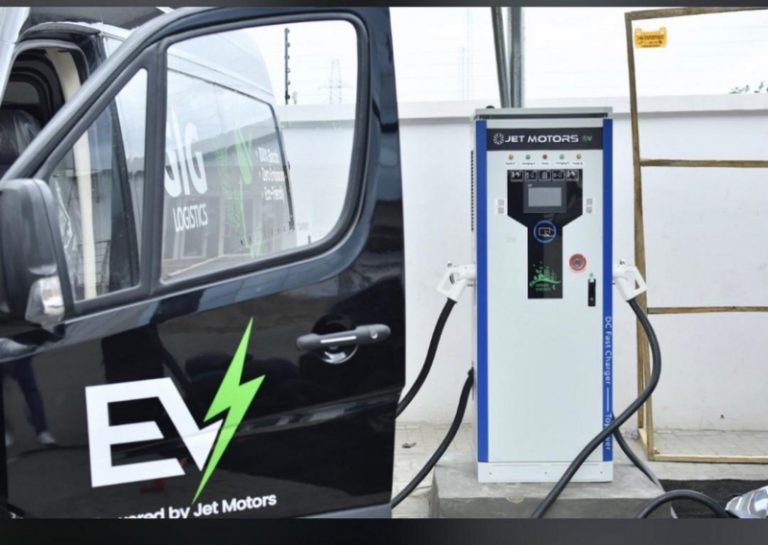
Additionally, a lack of adequate electricity also denotes that fully utilizing electric vehicles in Nigeria may pose a significant challenge. Without reliable charging stations, EVs in Nigeria remain somewhat of a pipe dream.

According to statistics from Mordor Intelligence, the market for electric vehicles in Africa was estimated to be worth $11.94 billion in 2021 and is expected to grow to $21.39 billion by 2027. However, the industry is limited by things like a lack of infrastructure for charging, which might prevent the market from expanding.

- Advertisement -