
Tuesday, June 2, 2026
Home Blog Page 22

Clean Car, Clear Wallet: Enjoy a Clean Ride and More Money in Your Wallet!


Are you tired of overspending on car maintenance and repairs? Have you ever considered the cost-saving benefits of regular car detailing? Well, let’s explore how keeping your ride clean can help keep more money in your wallet. Say goodbye to expensive trips to the mechanic. Say hello to a sparkling clean car that shines inside and out. This happens all while saving you cash in the long run. Let’s dive into the world of car detailing. Discover how it can make both your vehicle and your bank account look their best.

The Struggle of Keeping a Clean Car and the Benefits of Car Detailing Beyond Just Appearance

For many car owners, keeping their vehicles clean is an ongoing battle. From road dust and grime to food spills and pet hair, it can feel like an endless cycle of cleaning. It often gets dirty again shortly after. However, maintaining a clean car goes beyond just aesthetics. It also plays a significant role in preserving your vehicle’s value. It saves you money in the long run.

The truth is, our cars serve as more than just modes of transportation. They are investments we rely on for daily tasks such as commuting to work or running errands. As such, it is essential to keep them in good condition not just for visual appeal. But also for their overall performance.

Also Read: How to Keep Your Car Interior Clean and Well-Maintained

The Process

Car detailing refers to the process of thoroughly cleaning and restoring a vehicle inside out. It involves a combination of techniques such as washing, waxing, polishing, and even reconditioning interiors using specialized tools and products. While some may view car detailing as a luxury service reserved for high-end vehicles or special occasions, regular maintenance through detailing can have numerous cost-saving benefits.

Scheduled Detailing Appointments

Regularly scheduled detailing appointments can prevent potential damages. These may arise from neglecting your vehicle’s cleanliness. For example, built-up dirt and grime can clog air filters or damage paintwork over time if left untreated. By regularly cleaning your car’s exterior and interior through detailing services, you not only maintain its appearance but also prolong its lifespan. This is achieved by preventing wear-and-tear.

Also, opting for professional car detailing rather than DIY methods could save you money in the long run. Many household cleaners such as dish soap or glass cleaner contain harsh chemicals. These may strip off protective coatings on your car’s surfaces when used repeatedly over time. This could result in costly repairs or replacements down the line.

Increase Your vehicle’s Resale Value

Additionally, investing in regular car detailing services could potentially increase your vehicle’s resale value. A well-maintained car has a clean history and minimal signs of wear and tear. This is more attractive to potential buyers. Consequently, allowing you to negotiate for a higher selling price.

While keeping a clean car may feel like an endless struggle, regular detailing appointments can have significant benefits beyond just appearance. They are important for preserving its value and saving you money in the long run.

Also Read: The Cost-Saving Benefits of Car Detailing

What is Car Detailing?

Car detailing is a comprehensive cleaning and restoration process for your vehicle. It aims at enhancing its overall appearance and maintaining its value. It involves meticulous cleaning, polishing, and protecting every surface of your car, both inside and out. The term “detailing” refers to the thoroughness and attention given to even the smallest details of your car’s exterior and interior components. This goes beyond a basic car wash or vacuum. It includes a deep-cleaning of every nook and cranny using specialized products and techniques.

The Professional Touch

A professional car detailer will start by thoroughly washing the exterior of your car with high-quality soaps. These soaps are gentle on the paint but tough on dirt. They will then perform a clay bar treatment to remove any embedded contaminants like tree sap or tar that regular washing may not be able to remove.

Once the exterior is clean, the detailer will carefully inspect it for scratches, swirl marks, or other imperfections in the paint. If needed, they will use various techniques such as machine buffing or hand polishing. These help to restore the shine and smoothness of your vehicle’s paintwork.

Next comes the interior detailing process, which involves vacuuming all surfaces followed by steam cleaning for carpets and upholstery. Leather seats can also be conditioned to prevent cracking over time. The dashboard, console, door panels, windows, and mirrors are also thoroughly cleaned with specialized products.

Detailers pay special attention to hidden areas that are often overlooked during regular cleaning. This includes areas such as air vents or seat tracks where dirt can accumulate over time. They also use professional-grade tools like toothbrushes or small brushes to get into tight spaces for a more thorough clean.

A full car detailing package can also include specialized services such as headlight restoration or engine bay detailing in addition to deep-cleaning.

The Cost-Saving Benefits

Apart from enhancing visual appeal and making your car look almost new again, regular detailing has many cost-saving benefits. Regular waxing helps protect against sun damage and maintains the integrity of your vehicle’s paint. This prevents costly repainting in the future. Detailing also helps prevent rust and corrosion by removing dirt and debris from hard-to-reach areas.

Furthermore, a well-maintained interior can extend the life of your car’s upholstery. It prevents the need for costly repairs or replacements down the line. A clean car also reduces the risk of mold or bacteria growth inside. This can pose health hazards and additional expenses for cleaning or removal.

Car detailing is an investment that not only improves the aesthetics of your vehicle but also saves you money in the long run by preserving its value and preventing potential damages. So next time you’re considering skipping a detail, remember that it’s more than just a routine cleaning. It’s an investment in your car’s overall health and longevity.

Also Read: Drive Safe, Save Money – Proven Vehicle Maintenance Tips for Long-Term Durability

Explanation of the process and what it entails

Car detailing is a thorough and comprehensive cleaning process that goes beyond a basic car wash. It involves deep cleaning, restoring, and protecting the interior and exterior of your car to make it look as good as new. This process can help you save money in the long run and keep your vehicle in top condition.

Inspection

The first step in car detailing is a thorough inspection of the vehicle to determine its needs. This includes checking for any scratches, dents, or stains on the exterior. It also involves assessing the condition of the interior surfaces such as seats, carpets, and dashboard.

Exterior Wash

Next, an exterior wash is done to remove all dirt, grime, and debris from the surface of your car. This helps create a clean canvas for further detailing processes. Special attention is paid to hard-to-reach areas such as wheel wells and door jambs.

Claying

After washing, detailers perform claying, using specialized clay bars to remove contaminants like tar and bugs embedded in your car’s paint. This step helps smoothen out any imperfections on the paint surface before applying wax or sealant.

Polishing

The next step is polishing which aims to get rid of minor scratches and swirl marks on your car’s paintwork. A high-quality polish compound is applied with a buffer machine. This restores shine and gloss to your vehicle’s finish.

Waxing

Once polishing is complete, a layer of wax or sealant is applied onto the surface of your car’s paintwork. These products provide protection against UV rays, water spots, bird droppings, and other elements. This prevents damage to your car’s paint job.

Detailing Process

The interior detailing process involves thorough cleaning using specialized cleaners for each type of surface material such as leather seats or fabric carpets. Detailers vacuums all surfaces and conditions leather surfaces to prevent cracking or fading.
They clean all windows inside and outside with specialized glass cleaners to ensure streak-free results. They also clean and dress the wheels and tires to give them a new, glossy look. The wheels and tires are also cleaned and dressed to give them a new, glossy look.

Car detailing may seem like an added expense, but it actually helps save money in the long run. Regular detailing can prolong the lifespan of your vehicle’s paintwork and interior materials, avoiding costly repairs or replacements. Additionally, a clean and well-maintained car can also fetch a higher resale value. So go ahead and treat your car to a professional detailing service – you won’t regret it!
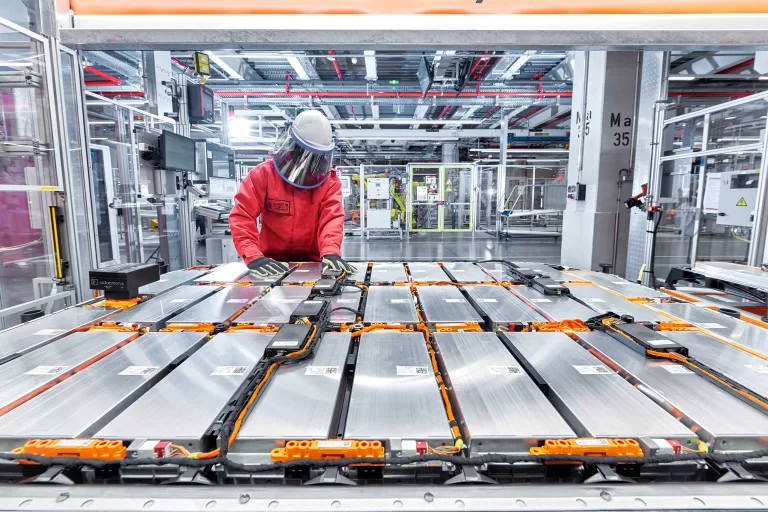
Morocco launches first car battery industrial zone


Morocco has launched the very first industrial zone dedicated to making batteries for electric cars. This is a huge step forward for the country’s automotive industry. The industrial zone covers a whopping 283 hectares of land and is expected to bring in around 4,000 new jobs. Companies like Chinese firm CNGR and Moroccan-based African private investment fund Al Mada are already investing a total of $2.3 billion into the project.

Diverse Support for Various Industries

This new zone will provide a hub for collaboration and innovation among various industries, allowing for synergies and partnerships to flourish. With a focus on sustainability and cutting-edge technology, the zone will attract top talent and investment from around the world. By fostering a dynamic ecosystem of businesses, research institutions, and government agencies, this zone has the potential to become a global leader in industrial development. The possibilities are endless in this thriving hub of industry and innovation.

Milestone Achievement for Morocco

The new industrial zone in Morocco is not only a significant step towards a more sustainable future but also a testament to the country’s forward-thinking approach to economic development. By investing in electric vehicle technology and fostering international partnerships, Morocco is positioning itself as a leader in the global shift towards cleaner transportation options.

Also read: Morocco to Host 1st Automotive Testing Center in Africa

The focus on local economic growth means that this project has the potential to create jobs and stimulate innovation within the country. By supporting local businesses and providing opportunities for skilled workers, Morocco is not only improving its own economy but also contributing to the overall prosperity of its people.

Overall, this industrial zone represents a win-win situation for Morocco – it showcases their dedication to sustainability, fosters international collaborations, and promotes local economic growth. With these factors in play, it is clear that this project will have far-reaching benefits for both the country and its citizens.

High-Quality Automotive Spare Parts for Vehicle Safety


The first automobile created in 1885 changed humanity for good. We now depend on them for traveling and moving goods. Just as much as your vehicle takes care of you, it’s best you return the favor by fitting broken parts with high-quality spare parts. There’s great importance in investing in high-quality parts. This article will explain why this is so.

Significance of Using High-Quality Automotive Spare Parts for Safety

Original vehicle parts usually have an unmatched quality. This is a reason why they last before prompting a change. Therefore, you should do your vehicle a favor by replacing worn-out parts with high-quality replacements for sustained high function and output. High-quality spare parts enhance your vehicle’s safety by ensuring optimal performance. These parts have a reduced risk of malfunctions and can guarantee long-term durability.

Also Read: Pick the right spare parts for your truck

Risks and Consequences of Using Counterfeit and Substandard Spare Parts

Fake or substandard spare parts compromise vehicle safety particularly on African roads. Although quite cliché, so to speak, African off-road tracks can be unforgiving. Meaning you rather should ensure every part you include in your vehicle is up to the task. In the long run, the chances of experiencing frequent breakdowns and dealing with higher subsequent costs due to using fake spare parts can always be high. In the worst-case scenario, sub-part vehicle spare parts can have a negative environmental impact. They might void your warranty or lead to legal consequences or causing a fatal accident.

Also Read: Essential Light Commercial Vehicle Spare Parts for Thriving in the African Market

A Guide for Looking for Genuine Spare Parts

According to Andrzej Senkowski, Founder of Polcar, “The body structural parts responsible for car safety are not produced by aftermarket factories.” He further observed that, beside the original parts there are also hundreds of aftermarket parts manufacturers that produce visible (cosmetic) parts like fenders, bumpers, bonnets, grills, headlamps, corner lamps etc. that have no influence on vehicle safety. His reference is based on the crash tests conducted by the Insurance Institute for Highway Safety (IIHS), which states that, “The crash performance of parts from non-OE suppliers would have no impact compared to cosmetic parts from original-equipment manufacturers in terms of their safety.

Therefore, as an African vehicle owner, seeking genuine spare parts should be your priority. Ensure you always purchase from reputable dealers and authorized distributors. Verify product labels, packaging, and serial numbers to ensure authenticity. Besides, educate yourself on the specific parts needed. Also, be cautious of meager prices, which may indicate counterfeit products. Establishing a relationship with trusted repair service providers and relying on their expertise can also aid in identifying and sourcing authentic automotive spare parts.

Also Read: Maintaining Your Light Commercial Vehicle: Tips and Best Practices

Conclusion

Genuine and original-quality vehicle spare parts can keep it in good shape for the long haul. However, based on Block Exemption 461/2010 EU Commission Regulations valid in Europe, matching quality replacement parts can be successfully used. This ensures safe operation of vehicles. It concerns wear and so the body parts as well. Therefore, for every driver, especially if you travel long distances and in unforgiving road conditions, like the African road terrains. Always entrust yourself with proficient and authentic vehicle repair companies to obtain the highest quality spare parts for better safety.

IAMaga and TecAlliance Launch Event: Driving Digitization in the Africa IAM through Partnership and Collaboration


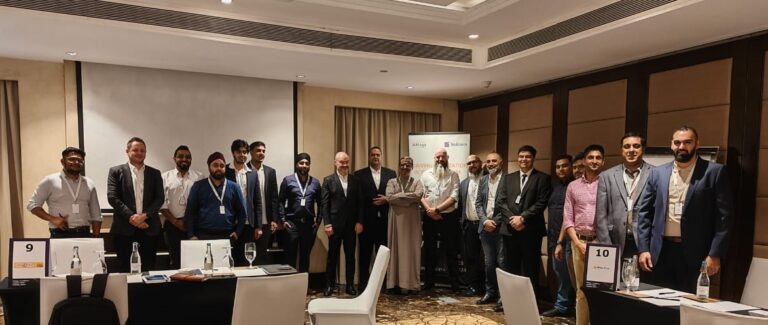
On 20th February this year, IAMaga and TecAlliance launched their collaborative event aimed at continually supporting their member community to grow their business in the aftermarket parts industry in Africa digitally.

The community members are expected to participate and support this initiative of digitizing the automotive aftermarket business in Africa for the benefit of all as well as the suppliers. During the conference meeting, emerging challenges were identified and the best possible solutions discussed.

The main digital gap identified in the aftermarket parts space in East Africa is the car PARC, technical expertise and how to use the TecAlliance TecDoc data system.

Car PARC Data

Car parc is the details on the total number of vehicles on the road at a particular moment or at a geographical area in time, taking into account their specific models and part replacements. The data may as well include how many vehicles get scrapped over the years due to accidents, old age, lack of parts, etc.

“The formal operational vehicle parc data is missing in the TecAlliance TecDoc program. The vehicles themselves are known to TecAlliance because they are produced to the global level, and they source this information directly from the manufacturers. However, a lot of the vehicles in East Africa are imported as used vehicles and processes to formally record them as vehicles that are operating in East Africa is the current market gap that we are finding ways to bridge,” say Martin Hendriksen – IAMaga CEO.

Martin further explains that, “TecAlliance know the vehicle, but they don’t know the vehicle is here. So, the idea is to work together with the member community to see how we can flag the vehicles that are currently active in the East Africa region, so that when the members and the customers use the TecDoc service, will find that the vehicles are properly represented, and they can find the parts in the TecDoc system whereby the suppliers that are on the TecDoc system will make the parts available for the members to find them. This way, we can help with the data processing and improve the level of data in the TecDoc system.”

“What we are lacking from most countries in Africa at this point and time is the credible vehicle parc data. We have no clue what vehicles are flagged to which countries and when. We have got the basic idea of the exportation and importation of the vehicles, we just don’t know which countries in Africa they are available,” adds James Shaw – TecAlliance Catalog Manager.

According to James Brown – TecAlliance Sales Manager, in the quest to digitizing the Africa Automotive Aftermarket, the technical expertise is lacking, as well as how to use the TecAlliance TecDoc data in the required format. “The other concern is the brands that are using our service. Africa being an emerging market, we find a lot of brands are not on TecDoc and these are the Chinese brands or private labels, nonetheless, we do see major potential in growing this network in the future,” says Brown.

Counterfeiting

“Into counterfeiting, we have found a service provider of the very best hi-tech AI driven labelling technology available. They create a label which is the same to your fingerprint, each label is as unique as each of our fingerprints and each box gets a fingerprint. The idea is that, anyone through the distribution chain that needs to authenticate if that product is a fake or not, scans the label and gets into the digital ecosystem. If the product is a fake, that has a copied scan, you won’t be able to authenticate and the system will see that someone scanned a fake label and at this point the counterfeiters can be traced and apprehended,” emphasised Hendriksen.

Other forms of Mobility

“Increasingly our members around the world are starting to involve themselves in the EV business and hydrogen as well when it becomes more prevalent. But this is only in markets where we have lots of EV vehicles being sold. So we start to see in Europe where our members are being involved, we see in North America more of our members are being involved, but obviously in Africa without exception, there is minimal EV business currently in place. However, when the EV business grows in Africa, our members will subsequently be involved and from IAMaga perspective we will support our members, connect them to the correct suppliers and help them animate that business,” says Hendriksen.

According to him, the community is not anticipating even in the mature markets around the world that EV is going to take over completely. “It will have a place, but we also believe that the lobby for EVs as the only energy source in Automotive is misguided. Hydrogen is also going to potentially have a place. We also think that alternative fuels such as biofuels for example will and should have a role to play. In Brazil for example, biofuels constitute the 80% of the fuels used in the Brazilian market, therefore, there is no reason why biofuel can’t be produced anywhere in the world, so it has to have a place in respect to more fuels that are used in mobility,” he adds.

Also read: IAMaga – The Nexus gateway to Africa

At TecAlliance, James Brown confirms listing of some of the EVs in TecDoc and not so many hydrogen powered vehicles yet. “We don’t foresee electric vehicles coming to Africa soon. However, should the current environment change, of course we will be geared up for when that time does come,” adds Brown.

IAMaga and TecAlliance promise

“We are committed to engage with TecAlliance to address the different aftermarket challenges on the ground. Together we will find the best solution possible and remain supportive of our member’s aftermarket businesses in Africa,” – Martin Hendriksen.

“The event launch was a strategic initiative specifically targeted for the Africa automotive Aftermarket where we need to focus more on the Africa potential. The IAMaga-TecAlliance partnership has been a success beyond our expectations. We have gained significant insights from our members, and it’s evident that thorough discussions are essential for charting our next steps. This involves closely monitoring the progress of vehicle data development and leveraging support from our services to propel the digitization of the African Automotive Aftermarket. Our recent meetings with members were highly productive, with a shared enthusiasm for collaboration. They’re eager to engage in initiatives such as acquiring bulk data, including from local government authorities, and aiding in the development of the local carparc data tailored for the Kenyan market,” – James Brown.

“East Africa is an important location for us and in fact the annual IAMaga summit will most likely be held in Kigali this year, it could potentially be Kenya next year,” – Martin Hendriksen.

“To the automotive aftermarket business owners, manufacturers and suppliers: Join the IAMaga – TecAlliance community, support the digitization initiative and secure the opportunity to become digital for this is the way to the future especially in the automotive aftermarket business,” – James Brown.

Revving Up Progress: Bridging the Skills Gap in the African Automotive Service Industry


The African automotive industry is booming, and with it comes the need for skilled workers to keep up with the demand. However, the skills gap in the African automotive service industry has been a persistent problem. Many young people are not interested in pursuing a career in the automotive industry, while others lack the necessary skills due to insufficient training institutions. This has led to a shortage of skilled workers in the industry, hindering progress. Let’s discuss and explore the challenges facing the African automotive service industry, the impact of the skills gap, and the various solutions that are being implemented to bridge the gap. We will also discuss the role of government, NGOs, and private sector organizations in supporting skills development in the automotive industry, and the benefits of investing in the industry’s workforce.

Current challenges facing the African automotive service industry

The African automotive service industry faces several challenges that hinder its progress and growth. One of the major challenges is the skills gap prevalent in the workforce. Many technicians and mechanics lack access to proper training and education, leading to a shortage of qualified professionals in the industry.

Technology and Equipment Limitations

Additionally, the lack of modern equipment and technology further exacerbates the challenges faced by automotive service providers in Africa. Without access to the latest tools and diagnostic equipment, technicians struggle to efficiently diagnose and repair vehicles, impacting the quality of service provided to customers.

Supply Chain Struggles and Counterfeit Challenges

Moreover, the industry also faces issues related to supply chain management, including sourcing quality spare parts and components. The high cost of importing parts and the presence of counterfeit products in the market pose significant challenges to automotive service businesses in Africa.

These challenges not only impact the efficiency and quality of service delivery but also hinder the overall growth and competitiveness of the African automotive service industry. Addressing these issues and bridging the skills gap is essential to revving up progress and unlocking the full potential of the industry.

The importance of bridging the skills gap

Bridging the skills gap in the African automotive service industry is crucial for the advancement and sustainability of the sector. Without a skilled workforce, the industry faces challenges in meeting the evolving needs and demands of consumers, as well as keeping up with technological advancements in the automotive field.

Investing in training and education programs to develop a highly skilled workforce not only benefits individual workers by enhancing their career prospects and earning potential but also contributes to the overall growth and competitiveness of the automotive service industry in Africa.

By bridging the skills gap, businesses can improve service quality, increase customer satisfaction, and drive innovation within the industry. Additionally, a well-trained workforce is better equipped to adapt to changing market dynamics, implement new technologies, and uphold industry standards, ultimately leading to a more sustainable and thriving automotive service sector in Africa.

Also Read: Navigating Africa’s Evolving Aftermarket Needs

Understanding the specific skill sets needed in the industry

To bridge the skills gap in the African automotive service industry, it is crucial to have a deep understanding of the specific skill sets required in this sector. The automotive industry is constantly evolving, with advancements in technology and innovations shaping the way vehicles are manufactured, serviced, and repaired. Mechanics and technicians need to be equipped with a wide range of skills to meet the demands of this dynamic industry.

First and foremost, technical proficiency is essential. Mechanics need to have a strong foundation in areas such as engine diagnostics, electrical systems, brake and suspension systems, and computerized vehicle systems. They must also stay up-to-date with the latest tools and equipment used in modern automotive workshops.

Moreover, soft skills play a vital role in the automotive service industry. Communication skills are crucial for interacting with customers, explaining complex technical issues in simple terms, and building trust. Problem-solving skills are also highly valued, as mechanics often encounter challenging issues that require innovative solutions.

In addition to technical and soft skills, a strong work ethic, attention to detail, and a commitment to continuous learning are key attributes that can set automotive professionals apart in this competitive industry. By understanding the specific skill sets needed and investing in training programs that address these requirements, the African automotive service industry can develop a skilled workforce capable of driving progress and innovation in the sector.

Initiatives and programs aimed at addressing the skills gap

In response to the growing skills gap in the African automotive service industry, various initiatives and programs have been introduced to bridge this divide. These initiatives play a crucial role in equipping individuals with the necessary skills and knowledge needed to thrive in the automotive sector.

Hands-On Learning: The Power of Apprenticeship Programs

One such program is the Automotive Apprenticeship Program, which provides hands-on training and mentorship opportunities for aspiring automotive technicians. By partnering with established automotive service centers and industry experts, this program ensures that participants receive practical training and exposure to real-world scenarios.

Technical and Vocational Training for the Future Workforce

Additionally, vocational training centers and technical institutions are offering specialized courses in automotive technology and repair. These programs focus on developing technical skills, problem-solving abilities, and industry-specific knowledge to prepare students for successful careers in the automotive service industry.

Mentorship and Collaboration: Nurturing the Next Generation

Furthermore, mentorship programs and industry collaborations are creating pathways for young professionals to gain valuable experience and guidance from seasoned automotive experts. By fostering a supportive environment and facilitating knowledge transfer, these initiatives are nurturing the next generation of skilled automotive technicians.

Empowering Growth Through Skill Development

Overall, initiatives and programs aimed at addressing the skills gap in the African automotive service industry are instrumental in empowering individuals, fostering industry growth, and driving progress in this dynamic sector. Through continuous investment in skill development and education, the industry can thrive and meet the evolving demands of the automotive market.

Success Stories Driving Industry Transformation

Case studies of successful skill development programs in the automotive sector
In the dynamic landscape of the African automotive service industry, successful skill development programs have played a pivotal role in bridging the skills gap and driving progress. These case studies serve as beacons of inspiration and guidance for industry stakeholders looking to cultivate talent and enhance expertise within their workforce.

One such noteworthy example is the collaboration between a leading automotive training institute and a prominent car manufacturer. By developing a tailored curriculum aligned with the latest industry trends and technologies, they have successfully equipped aspiring automotive technicians with the necessary skills and knowledge to thrive in the competitive automotive landscape.

Industry Partnerships Creating Real Impact

Another compelling case study highlights the impact of a government-backed initiative aimed at upskilling mechanics and technicians across various automotive repair workshops. Through targeted training programs and certification schemes, this initiative has not only elevated the standards of service delivery but has also empowered individuals to unlock new career opportunities and contribute meaningfully to the industry.

These success stories underscore the importance of strategic partnerships, innovative training methodologies, and continuous learning in nurturing a skilled workforce that can drive the African automotive service industry towards greater heights of excellence and sustainability. By drawing insights from these case studies, industry players can glean valuable lessons on effective skill development strategies and pave the way for a brighter future filled with skilled professionals and thriving businesses.

The role of technology in skill development and training

In today’s rapidly evolving automotive service industry, technology plays a pivotal role in skill development and training. Embracing technological advancements not only enhances the efficiency of service delivery but also equips professionals with the necessary expertise to navigate the complexities of modern vehicles.

From diagnostic tools and software to virtual reality training modules, technology offers a plethora of resources to upskill individuals within the automotive sector. For instance, utilizing augmented reality can provide hands-on training experiences without the need for physical vehicles, allowing technicians to practice and refine their skills in a simulated environment.

Moreover, online platforms and mobile applications offer convenient avenues for continuous learning and professional development. Access to digital resources such as webinars, tutorials, and e-books enables automotive professionals to stay updated on the latest industry trends and best practices, fostering a culture of lifelong learning.

Government-Led Initiatives Elevating Standards

By integrating technology into skill development initiatives, stakeholders in the African automotive service industry can bridge the skills gap, empower workforce readiness, and drive progress towards a more adept and proficient workforce. Embracing innovation and leveraging digital tools are essential steps in ensuring that industry professionals remain competitive and capable of meeting the evolving demands of the automotive landscape.

Collaboration between industry stakeholders, educational institutions, and government bodies

Collaboration between industry stakeholders, educational institutions, and government bodies is crucial in bridging the skills gap in the African automotive service industry. By working together, these key players can create a comprehensive strategy to address the challenges faced by the industry and develop a skilled workforce that meets the demands of the modern automotive sector.

The Role of Industry Stakeholders

Industry stakeholders, including automotive companies, service providers, and industry associations, play a vital role in providing insights into the specific skills needed in the industry. By collaborating with educational institutions, such as technical schools and vocational training centers, stakeholders can help shape curricula and training programs to align with industry requirements.

Also Read: Africa’s Future is on the Move and the Aftermarket is Leading the Way

Government’s Role in Empowering Skill Development

Government bodies also have a significant role to play in supporting skill development initiatives in the automotive service industry. Through funding, policy support, and regulatory frameworks, governments can create an enabling environment for the growth of skilled labor in the sector.

By fostering collaboration among these three key stakeholders, the African automotive service industry can develop a sustainable pipeline of skilled professionals, enhance the quality of services offered, and drive overall progress and innovation in the industry.

Overcoming Barriers to Skill Development in Africa

Overcoming barriers to skill development in the African automotive service industry
In the dynamic landscape of the African automotive service industry, overcoming barriers to skill development is crucial for sustainable progress. One of the key challenges faced is the lack of access to quality training and education programs tailored to the industry’s specific needs. This gap often results in a shortage of skilled professionals equipped to meet the evolving demands of the sector.

Also Read: Isuzu East Africa, Kenya Coast National Polytechnic (KCNP) to Bolster Skills Development

Tackling Infrastructure and Resource Constraints

Moreover, limited resources and infrastructure constraints pose significant hurdles in establishing effective training facilities and implementing up-to-date technological advancements. Addressing these barriers requires collaborative efforts from industry stakeholders, educational institutions, and government bodies to invest in comprehensive training initiatives and infrastructure development.

Promoting a Culture of Continuous Learning

Additionally, promoting a culture of continuous learning and professional development among automotive service professionals is essential to bridge the skills gap. Encouraging industry certifications, apprenticeships, and mentorship programs can enhance the technical expertise and practical skills of individuals working in the field.

By prioritizing skill development initiatives, fostering partnerships, and embracing a culture of lifelong learning, the African automotive service industry can overcome barriers and drive sustainable growth and innovation in the sector.

A Promising Horizon for Africa’s Automotive Service Industry

The future outlook for the African automotive service industry is filled with exciting opportunities for growth and development. As the continent experiences rapid urbanization, rising disposable incomes, and increasing demand for mobility solutions, the automotive sector is poised for significant expansion.

Technology Driving Transformation

One of the key drivers of growth in the industry is the increasing adoption of new technologies and innovations. From electric vehicles to connected cars and autonomous driving systems, the automotive landscape is evolving rapidly, presenting new opportunities for businesses to capitalize on these emerging trends.

Rising Demand from a Growing Middle Class

Moreover, as the African middle class continues to expand, there is a growing demand for high-quality automotive services, including maintenance, repair, and customization. This presents a lucrative market for skilled professionals and businesses that can meet the evolving needs of consumers.

Additionally, the shift towards sustainable practices and environmentally friendly technologies in the automotive sector provides an avenue for innovation and differentiation. By embracing green technologies and practices, businesses can not only contribute to environmental conservation but also attract environmentally conscious consumers.

Also Read: How Technology is Advancing Road Safety Measures in Africa

Seizing the Opportunities Ahead

Overall, the future of the African automotive service industry is bright, with ample opportunities for growth, innovation, and profitability. By staying ahead of industry trends, investing in training and upskilling programs, and embracing new technologies, businesses can position themselves for success in this dynamic and rapidly evolving sector.

Conclusion: The need for continuous learning and adaptation in a rapidly evolving sector

The African automotive service industry is experiencing rapid evolution and growth, presenting both challenges and opportunities for professionals within the sector. One key takeaway from examining the skills gap in this industry is the paramount importance of continuous learning and adaptation.

As technology advances and consumer preferences change, automotive service professionals must stay abreast of the latest trends, tools, and techniques to remain competitive in the market. Embracing a mindset of lifelong learning is essential for bridging the skills gap and ensuring that professionals are equipped to meet the evolving demands of the industry.

Moreover, adaptation is crucial in navigating the dynamic landscape of the automotive service sector. Professionals must be willing to embrace change, explore new ways of working, and innovate in response to emerging trends. By fostering a culture of adaptability and agility, individuals and organizations can position themselves for success in a rapidly evolving industry.

In essence, continuous learning and adaptation are not just desirable traits but essential requirements for professionals looking to rev up progress and thrive in the African automotive service industry. By committing to ongoing growth and flexibility, individuals can bridge the skills gap, drive innovation, and propel the sector forward into a future full of promise and potential.

Navigating Africa’s Evolving Aftermarket Needs


The automotive aftermarket industry in Africa is a thriving sector that offers a wide range of products and services to vehicle owners. It encompasses all the activities and businesses involved in the manufacturing, distribution, and retailing of automotive parts, accessories, equipment, and services after the sale of the vehicle. This industry plays a crucial role in keeping vehicles on the road, ensuring their safety, and enhancing their performance.

Understanding Aftermarket Manufacturing

Aftermarket manufacturing refers to the production of automotive parts, accessories, and equipment by companies other than the original vehicle manufacturers. These aftermarket products are designed to fit and function just like the original equipment. However, they are often offered at a more affordable price. Aftermarket manufacturers use advanced technologies and high-quality materials. This allows them to produce parts that meet or exceed the standards set by the original equipment manufacturers.

The aftermarket manufacturing industry is highly competitive, with numerous players offering a wide range of products to cater to the diverse needs of vehicle owners. These manufacturers invest heavily in research and development. This ensures that their products are of the highest quality and meet the evolving demands of the market.

Factors Driving the Growing Demand in the African Automotive Aftermarket

Several factors are driving the growing demand for aftermarket products and services in the African automotive market. Firstly, the increasing vehicle ownership in the region has led to a higher demand for maintenance and repair services. As more people own vehicles, the need for replacement parts and accessories naturally increases.

Secondly, the average age of vehicles in Africa is relatively high compared to other regions. This means that there is a greater need for repairs and replacements due to wear and tear. As vehicles age, their components deteriorate and need to be replaced, creating a significant market for aftermarket products.

And thirdly, the affordability of aftermarket products and services compared to original equipment parts is a major driving factor. Many vehicle owners in Africa prefer aftermarket products due to their lower cost, while still maintaining good quality. This affordability factor has contributed to the growth of the aftermarket industry in the region.

Also Read: Africa’s Future is on the Move and the Aftermarket is Leading the Way

Availability of Aftermarket Products and Services in Africa

The availability of aftermarket products and services in Africa has significantly improved over the years. There are now numerous local and international manufacturers, distributors, and retailers that cater to the African market. These companies offer a wide range of aftermarket products, including engine parts, electrical components, body parts, accessories, and performance-enhancing products.

In addition to physical stores, the internet has played a vital role in increasing the accessibility of the products and services. Online platforms and e-commerce websites allow customers to browse and purchase products from the comfort of their homes. This expands the reach of aftermarket manufacturers and retailers even in remote areas.

Current Trends in the African Automotive Aftermarket

The African automotive aftermarket is constantly evolving, with several key trends shaping the industry. One significant trend is the increasing demand for eco-friendly and sustainable products. As environmental awareness rises, more vehicle owners are seeking aftermarket products that are environmentally responsible. They prefer products with a lower carbon footprint.

Another notable trend is the rising interest in customization and personalization. African vehicle owners are increasingly looking for parts and accessories that allow them to express their individuality. They also want to enhance the aesthetics of their vehicles. This trend has led to an increase in the availability of custom body kits, interior accessories, and performance-enhancing modifications in the market.

Furthermore, the adoption of advanced technologies in the automotive industry has also influenced the aftermarket sector. Products such as smart sensors, advanced vehicle tracking systems, and multimedia entertainment systems are gaining popularity in the African market. These innovations create new opportunities for aftermarket manufacturers and retailers.

Opportunities for Growth in the African Automotive Aftermarket

The African automotive aftermarket presents several opportunities for growth and expansion. One significant opportunity lies in the development of a robust distribution network. The establishment of efficient supply chains, distribution centers, and delivery systems can help aftermarket manufacturers and retailers reach a wider customer base. This approach can increase their market share.

Additionally, there is a growing demand for professional installation and repair services in the African automotive aftermarket. Investing in training programs and certification courses for technicians can help aftermarket businesses provide high-quality services. This will build trust with their customers. It will not only enhance customer satisfaction but also create opportunities for cross-selling and upselling of products and services.

Moreover, the rise of e-commerce platforms presents a great opportunity for aftermarket manufacturers and retailers to tap into the online market. Investing in user-friendly websites, effective digital marketing strategies, and secure online payment systems can help capture a significant portion of the growing online customer base in Africa.

Challenges and Obstacles in the African Automotive Aftermarket

Despite the opportunities for growth, there are several challenges and obstacles that aftermarket businesses face in the African market. One major challenge is the presence of counterfeit and substandard products. The influx of low-quality aftermarket products not only tarnishes the reputation of genuine manufacturers but also poses a risk to vehicle owners. To overcome this challenge, regulatory bodies and industry associations need to collaborate. They must enforce strict quality control standards and educate consumers about the importance of purchasing genuine products.

Another obstacle is the lack of standardized pricing and product information across the African automotive aftermarket. This makes it difficult for customers to compare prices and make informed purchasing decisions. Establishing price transparency and standardized product labeling can help create a fair and competitive market environment.

Inadequate infrastructure and logistics systems in some regions of Africa pose challenges in timely delivery of aftermarket products. Investing in efficient transportation and logistics networks can help overcome these challenges. This will ensure that products reach customers in a timely manner.

Strategies for Navigating the African Automotive Aftermarket

To navigate the African automotive aftermarket successfully, businesses need to adopt effective strategies. Firstly, conducting market research and understanding the specific needs and preferences of African consumers is crucial. This will help aftermarket businesses identify gaps in the market. They can then develop products and services that cater to the unique requirements of the African market.

Secondly, building strong relationships with local distributors and retailers is essential for expanding market reach. Collaborating with established local partners can help aftermarket manufacturers and retailers gain access to a wider customer base. Additionally, they can leverage their knowledge of the local market.

Additionally, investing in branding and marketing activities is vital for creating brand awareness and building trust among African consumers. Implementing targeted advertising campaigns, participating in industry trade shows and exhibitions, and leveraging social media platforms can help aftermarket businesses establish a strong presence in the African market.

Conclusion: The Future of the Automotive Aftermarket in Africa

The future of the automotive aftermarket in Africa is promising, with numerous opportunities for growth and expansion. As the demand for aftermarket products and services continues to rise, businesses that can adapt to the evolving needs of African consumers will thrive. To succeed, they must provide high-quality, affordable, and sustainable solutions in this market.

By understanding the challenges and obstacles, implementing effective strategies, and building strong partnerships, aftermarket businesses can navigate the African market successfully. They can unlock the vast potential for growth. With the continuous development of infrastructure and improvement in logistics, the automotive aftermarket in Africa is poised for a bright future.

Read More: 

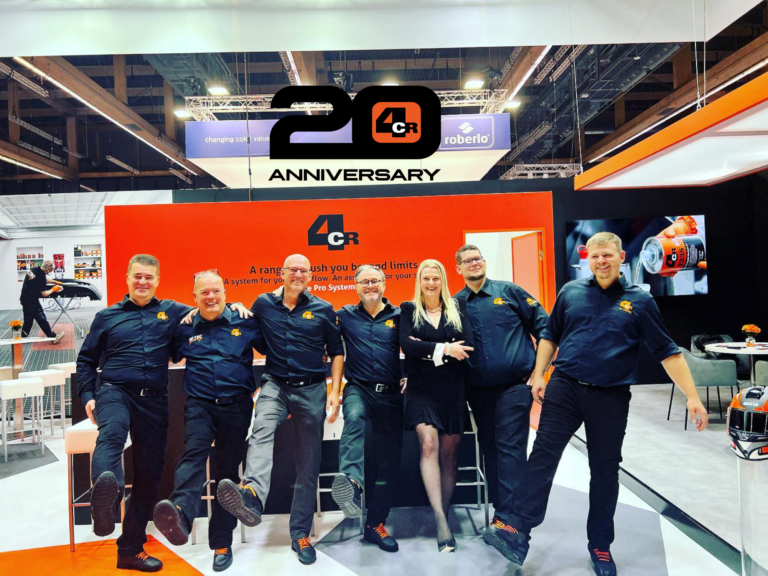
4CR: Celebrating ‘LIMITLESS’ unwavering commitment to the car refinish market


2024 marks the 20th anniversary of 4CR, which is now recognized as one of the pioneering system providers in the car refinishing market. Africa Automotive spoke to Mr. Andrea Pedrotti, CEO of 4CR and Mr. Marc Drews, the Key Account Manager, about 4CR’s journey over the past two decades, their market impact, unwavering commitment, accomplishments and future contributions to improving the car refinishing market as well as increasing their product range.

Africa Automotive: What’s one word to describe 4CR and your 20th Anniversary?
Mr. Andrea Pedrotti, 4CR CEO
Andrea Pedrotti: One word to describe 4CR and our 20th Anniversary is “Limitless.” The choice of “Limitless” encapsulates the essence of 4CR’s journey over the past two decades and aligns seamlessly with our motto, “No Limits.” It reflects our commitment to pushing boundaries, exploring new horizons, and consistently challenging ourselves to innovate without constraints. In celebrating our 20th Anniversary, “Limitless” signifies the endless possibilities, continuous growth, and boundless potential that define 4CR’s enduring presence in the dynamic car refinish industry. It symbolizes our unwavering dedication to providing limitless support to our global partners and staying at the forefront of advancements, reinforcing the idea that with 4CR, there are truly no limits to what we can achieve together.
AA: As you celebrate 20 years in business, what would you say are 4CR’s greatest accomplishments over the years?
Mr. Marc Drews, 4CR Key Account Manager
Marc Drews: One of our greatest accomplishments is the establishment of a robust and enduring bond with our customers worldwide. Our commitment to customer satisfaction goes beyond providing top-notch products – it encompasses building lasting relationships based on trust, reliability, and a shared commitment to success. This strong connection has been instrumental in our growth, as we continuously listen to our customers’ needs, adapt to industry changes, and collaborate closely to address challenges.
AA: What keeps 4CR committed to the car refinish market even after 20 years?
AP: Our unwavering commitment to the car refinish market stems from a passion for excellence and a dedication to providing professionals with the best tools available. We understand the evolving needs of the industry and continually strive to meet and exceed expectations.
AA: From your perspective, what change has 4CR brought in the car refinishing space?
MD: From my perspective, 4CR has been a trailblazer in the car refinishing space as one of the pioneering system providers. We took a distinctive approach by specializing in offering comprehensive solutions, becoming one of the first to provide everything needed for car refinishing under one roof. Our product selection has consistently evolved, always attuned to the ever-changing needs of our customers.
AA: Is there anything that 4CR should have done differently over the 20 years?
AP: While reflecting on the past 20 years, it’s essential to acknowledge that mistakes happen. However, each challenge has been an opportunity for growth and improvement. If there’s anything we could have done differently, it would be to enhance our communication channels earlier and gather more customer feedback to fine-tune our products and services.
AA: How has 4CR’s culture evolved over the years, and what core values have remained consistent throughout?
MD: 4CR’s culture has evolved to embrace diversity, collaboration, and a customer-centric approach. Our core values of integrity, innovation, and quality have remained consistent, serving as the foundation for our success.
AA: Are there key refinishing issues that you see 4CR addressing in the future?
AP: Looking ahead, we anticipate addressing key refinishing issues such as reducing environmental impact, enhancing product efficiency, and staying at the forefront of technological advancements to meet the evolving demands of the market.
AA: How has 4CR supported the car refinishing professional’s development in achieving a flawless finish?
MD: 4CR has been unwavering in our commitment to making the work of car refinishing professionals as seamless as possible while maintaining a focus on achieving a flawless finish. Our comprehensive system is meticulously designed to streamline processes, optimize efficiency, and elevate the overall experience for professionals in the car refinish industry. We understand the importance of balancing ease of use with the pursuit of perfection, and it is our constant endeavor to provide tools and resources that empower professionals to achieve impeccable results with efficiency and precision.
AA: What safety precautions should one take when working with hazardous materials like car refinishing paint and solvents?
MD: When working with hazardous materials such as car refinishing paint and solvents, prioritizing safety is paramount. Always adhere to recommended safety guidelines, use personal protective equipment (PPE), and work in well-ventilated areas to minimize risks. At 4CR, we not only provide top-notch products but also understand the significance of safety in the car refinish process. Our dedicated team of technicians is always ready to assist with any safety-related inquiries. Whether it’s guidance on proper handling of materials or advice on the latest safety protocols, our technicians are committed to ensuring that professionals in the field can carry out their work with confidence and security. Your safety is our priority, and we are here to support you every step of the way.
AA: What are 4CR’s plans in terms of contributing to improving the car refinishing market for the next 10 years?
AP: In the next decade, 4CR aims to contribute to the car refinishing market by further advancing sustainable practices, investing in research and development for eco-friendly solutions, and collaborating with industry partners to drive positive change. Our goal is to lead the way in creating a more sustainable and efficient car refinishing market for the benefit of professionals and the environment alike. Last but not least, 4CR is committing to increase its product range and add more and more product lines as its stated in our vision mission: ALL FROM ONE HAND!

Shifting Gears or Running out of Steam? – The Ever-Changing Landscape of Hydrogen Mobility


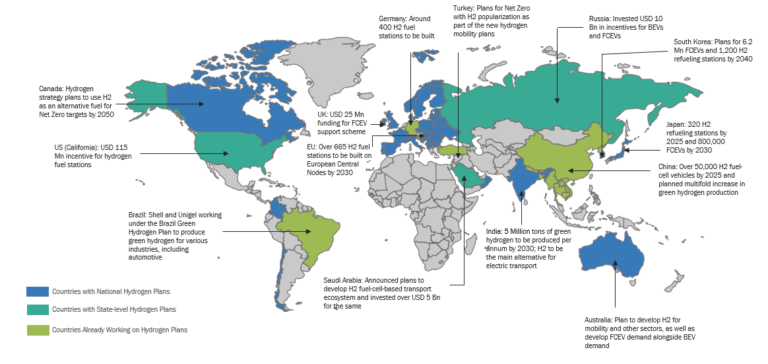
In the rapidly evolving transportation landscape, a revolutionary shift is taking place toward green mobility. As the world plans to deal with the challenges of climate change and seeks sustainable alternatives to traditional modes of transportation, hydrogen emerges as a powerful contender. The higher driving range of FCEVs and growing consumer interest make hydrogen a potential alternative for zero-emission mobility. Further, growing investor participation, technological developments by OEMs, and the government’s plans for zero-emission transport are expected to make the market more lucrative. This transition to hydrogen mobility is already gaining momentum globally, particularly in heavy-duty transportation where FCEVs are becoming increasingly popular.

The hydrogen mobility market in 2023 was full of ups and downs across major markets. Most FCEV sales are concentrated in four key markets—China, South Korea, Europe, and the United States. The FCEV market in the Asia Pacific region fell by 24.9% in 2023. China held a 49% market share of FCEV vehicle sales in the region driven by higher sales of H2 buses and trucks. Further, the FCEV market in Japan and South Korea fell by more than 50% in 2023. This is primarily attributed to the inadequate hydrogen charging infrastructure and the increasing cost of H2 fuel resulting from disruptions in the hydrogen supply chain, with vehicle options restricted to the Hyundai Nexo or the Toyota Mirai. Additionally, the performance of BEVs have substantially improved over the period, making the competition tough for FCEVs.

In Europe, FCEV demand is mainly led by Germany, France, the Netherlands, and Switzerland. Despite a sharp decline of over 70% in the German market due to the end of FCEV subsidies, the passenger car segment remained the leader in Europe, capturing 80% of the market share. Simultaneously, there was a 4% growth in the market share of hydrogen buses in the European market as compared to 2022.

North America experienced moderate growth in its FCEV market in 2023, with the US maintaining a major share of 94% in the region. The hydrogen supply in California has experienced significant disruptions since August 2023. As a result, a majority of hydrogen stations in Southern California have either gone offline or are operating with reduced hours. Additionally, hydrogen fuel prices rapidly increased in 2023. These collective challenges cast uncertainty on the future viability of hydrogen fuel-cell vehicles in the US.

Due to the rising emission levels, increasing fuel prices, and the limited availability of fossil fuels, there has been a rising demand for zero-emission alternative fuel vehicles. This has been a significant factor in the increasing demand for hydrogen mobility during the last few years. Alternative technologies such as non-precious metal catalyst-based PEM FC, hydrogen fuel-cell packaged system modules, and compact and lightweight microstructures will increase the range, reduce the cost, and increase the vehicle’s overall efficiency. Powertrain technology developments are also expected to create new opportunities for the hydrogen-fuel vehicle market. Further, new hydrogen-based applications such as FCHEVs and H2-ICEVs will create new opportunities in the market.

Adoption of onsite H2 refueling and portable H2 refueling technology

The establishment of a comprehensive refueling infrastructure system that addresses all aspects of hydrogen fuel production, transportation, and utilization is necessary for the expansion and sustainability of the global hydrogen market. A robust hydrogen infrastructure will enhance operational efficiency, diminish end-user expenses, and consequently, stimulate increased adoption. Nevertheless, prevailing challenges arise from the limited accessibility of hydrogen refueling stations, posing obstacles to the scalability of hydrogen-based transportation. The shift to onsite hydrogen generation and the adoption of portable hydrogen refueling technology represent significant advancements in this challenging hydrogen infrastructure landscape, addressing both economic and environmental concerns. This transition is particularly crucial in North America, where the number of fixed hydrogen refueling stations has shown slowed growth.

Onsite hydrogen generation, which is carried out by electrolyzer processes, offers a sustainable solution by producing hydrogen at the station location. This approach eliminates the costs associated with hydrogen fuel transport and lowers energy losses due to simplified processes. This method also allows for the integration of renewable energy sources, such as wind or solar power, enabling the production of green hydrogen. Similarly, leading hydrogen providers such as Linde, Nikola, and Air Products have recognized the potential of portable hydrogen refueling options. Portable refueling technology is especially advantageous in regions where fixed infrastructure deployment may face challenges or delays.

Upcoming FCEV developments by leading OEMs

The FCEV market is expected to show significant growth and innovation, with major OEMs setting up to introduce over 12 new FCEV models by 2027. This move signifies a shift toward sustainable and zero-emission transportation solutions. Prominent OEMs such as Daimler, Volvo, and Scania, among others, have invested years in testing and development and now plan to enter the Class 7 & 8 Fuel Cell Electric Truck (FCET) segment. FCHEVs are also expected to have a growing presence across the fuel cell commercial vehicle segment. In addition, leading EV manufacturers such as BMW, KIA, and Hyundai are set to make their mark in the hydrogen fuel cell passenger car market in 2024. Further, companies such as Volkswagen are planning to enter the fuel cell van segment, challenging the current leader, Stellantis, in Europe. The Unique Selling Proposition (USP) of FCEVs, including zero tailpipe emissions, fast refueling capabilities, and long vehicle ranges, positions them as strong contenders in the sustainable mobility space.

Opportunities In Hydrogen Mobility

The rise of hydrogen-powered trucks, led by prominent OEMs like Volvo and Daimler, shows the significance of hydrogen in shaping the automotive industry, particularly in the heavy commercial vehicles segment. These heavy-duty trucks, equipped with long-range hydrogen fuel cells, showcase a commitment to sustainable transportation solutions. Further, the plans for hydrogen ICE vehicles launch by OEMs such as Toyota, Porsche, Honda, Volvo, Tata Motors, MAN, Daimler, and Hyundai, present a promising alternative to FCEVs. Shifting to H2-ICE vehicle architecture will be easier than shifting to FCEV architecture for most traditional automakers due to the few changes required from traditional ICE architecture. Leading players are also actively exploring alternative fuel cell configurations to reduce reliance on precious metals, thus contributing to a potential reduction in fuel cell prices. Similarly, the evolution of new business models, such as pay-per-mile and hydrogen fuel card setups, promises lucrative opportunities in the near future. As automotive OEMs strategically backward integrate, developing their refueling infrastructure, hydrogen production units, and fuel cell component manufacturing, they will not only strengthen their market position but also contribute significantly to the overall growth and viability of hydrogen mobility.

  • Innovative FCEV business models to create new opportunities for OEMs

The fleet-based business model for FCEV involves OEMs such as Hyundai leasing their FCEVs to fleet providers such as H2EG. In this model, H2EG acts as an intermediary, offering fleet services to customers. On the other hand, the Pay-per-mile business model, exemplified by OEMs like Riversimple, offers a direct-to-consumer approach. Customers can access FCEVs on a pay-per-mile basis, providing a cost-effective solution for those who may not need a vehicle constantly. Toyota’s Subscription-based business model takes a different route by partnering with third-party providers like Carify. This model allows customers to subscribe to FCEV services, providing them with the convenience of subscription-based vehicle access without the need for ownership. The H2 fuel card business model introduces a seamless and user-friendly approach to refueling FCEVs, with OEMs like Toyota partnering with H2 fuel providers such as Shell. Further, the Green H2 production business model, as demonstrated by Hyundai, involves the OEM taking an active role in the production of green hydrogen.

• Hydrogen use cases in heavy-duty commercial vehicles

Hydrogen has emerged as a promising and sustainable alternative in heavy-duty commercial vehicles, particularly in transit buses and class 8 trucks. Leading OEMs such as Hyundai, Toyota, Daimler, Nikola, Zhongtong Bus, and Yutong Bus, among others, have actively embraced hydrogen fuel cell technology by deploying their FCEBs (Fuel Cell Electric Buses) and FCETs (Fuel Cell Electric Trucks) in regions like Asia Pacific, Europe, and North America. China is a global leader in adopting hydrogen-powered buses and trucks worldwide. Further, Europe is witnessing a surge in demand for fuel-cell transit buses. The region has set ambitious goals, with plans to have over 1,200 fuel-cell electric transit buses operational by 2025 with an investment of USD 116 million. In the United States, the hydrogen landscape is evolving rapidly, driven by the country’s USD 7 billion Hydrogen Hub plan. This initiative aims to establish hydrogen stations or hubs across the nation.

• Hydrogen use cases in off-road vehicles

Hydrogen fuel cells have been increasingly adopted in various off-road industrial vehicles, showcasing a promising trend that began in the early 2010s. One prominent sector utilizing hydrogen fuel cell technology is the material handling industry, with companies like Hyster Yale, Toyota Material Handling, Hangacha, and Doosan Bobcat incorporating fuel cells in forklifts and tow tractors. In the construction industry, hydrogen fuel cells are gradually making their mark in vehicles such as excavators, loaders, dump trucks, concrete mixers, and cranes. Leading companies like JCB, Anglo, Terex, Adrighem, and Hyundai are currently testing fuel cell applications with limited commercialization. However, the sector is expected to witness significant growth from 2026. Mining vehicles have also embraced hydrogen fuel cell technology, primarily in mining trucks and dump trucks. Companies like Komatsu and Anglo are exploring ways to expand the use of fuel cells to other mining equipment in the coming years. Hydrogen fuel cells have also found their way into off-road utility vehicles, including all-terrain vehicles (ATVs), utility task vehicles (UTVs), snowmobiles, and golf carts. Key players such as Toyota, Yamaha, BRP, and Spectronic have recently launched these vehicles in 2022-2023. With lower power requirements for these utility vehicles, commercialization is anticipated to gain momentum from 2025.

• Development of H2-ICE as an alternative for Hydrogen in Transportation

H2-ICE vehicles present a practical alternative to FCEVs, offering advantages such as an established supply chain, quicker refueling times, and lower operational costs. Adopting H2-ICE vehicles by leading OEMs such as Toyota, MAN, and Daimler signifies a significant shift towards hydrogen-powered transportation. Since 2022, these OEMs have been actively developing and testing H2-ICE prototypes. Key automotive engine manufacturers, including Bosch, Cummins, Mitsubishi, and Garrett, are also gearing up for a commercial launch of their H2-ICE engines by 2025. Commercial vehicles are anticipated to be the primary segment for H2-ICE engines in the upcoming years.

MarketsandMarkets

Shattering Stereotypes: How Women are Revolutionizing the Automotive Industry


In a traditionally male-dominated field, women are making their mark and revolutionizing the automotive industry. With a passion for cars and a drive to challenge stereotypes, women are breaking barriers and paving the way for a more inclusive and diverse industry. Their contributions span across various aspects, from engineering and design to marketing and leadership roles. This article explores the role of women in automotive careers, their significant contributions, the challenges they face, and inspiring stories that highlight their resilience and determination.

Breaking stereotypes: Women revolutionizing the automotive industry

Women have been breaking stereotypes and revolutionizing the automotive industry by challenging the notion that it is a male-only domain. Their presence and leadership in the industry have shattered long-standing biases, proving that gender is not a determining factor for success in this field. Women are excelling in diverse roles, including engineering, design, research, and development. Their unique perspectives and innovative ideas are driving the industry forward and shaping its future.

The role of women in automotive careers

Women are playing a vital role in automotive careers, contributing to every aspect of the industry. In engineering, women are designing and developing cutting-edge technologies, improving safety features, and enhancing fuel efficiency. In marketing and sales, women are bringing fresh perspectives and finding new ways to connect with consumers. They are also taking up leadership positions, driving change, and promoting diversity and empowerment within the industry. Women have proven that they have the skills, knowledge, and passion to excel in any role within the automotive sector.

Promoting diversity and empowerment in the automotive industry

Promoting diversity and empowerment is crucial for the continued growth and success of the automotive industry. Women bring different experiences and viewpoints to the table, fostering a more inclusive work environment. By embracing gender diversity, companies can tap into a wider talent pool, driving innovation and creativity. Encouraging women to pursue careers in the automotive industry and providing equal opportunities for growth and development is essential for creating a more balanced and dynamic workforce.

Gender diversity for driving innovation and inclusivity

Gender diversity is key to driving innovation and inclusivity in the automotive industry. Women bring unique perspectives and ideas that can lead to breakthrough innovations and advancements. By fostering an environment that values diversity and encourages collaboration, companies can harness the full potential of their workforce. Gender diversity also ensures that the needs and preferences of all consumers are considered, leading to the development of more inclusive and user-friendly products and services.

Stereotypes
Women’s significant contributions to the automotive industry

Women have made significant contributions to the automotive industry throughout history. From inventors like Mary Anderson, who patented the windshield wiper, to leaders like Mary Barra, the CEO of General Motors, women have left an indelible mark on the industry. Danica Patrick, who made history as the first woman to win an IndyCar race and compete in the NASCAR Cup Series. Her accomplishments have shattered stereotypes and paved the way for future generations of female racers. Similarly, Gail Wise became the first known owner of a Ford Mustang when she purchased one in 1964, cementing her place in automotive history. These stories of trailblazing women remind us of the limitless potential and possibilities for women in the automotive industry. Their contributions extend beyond individual achievements, as women have also played a crucial role in fostering a more inclusive and equitable industry culture. Their dedication, passion, and expertise have elevated the automotive industry to new heights.

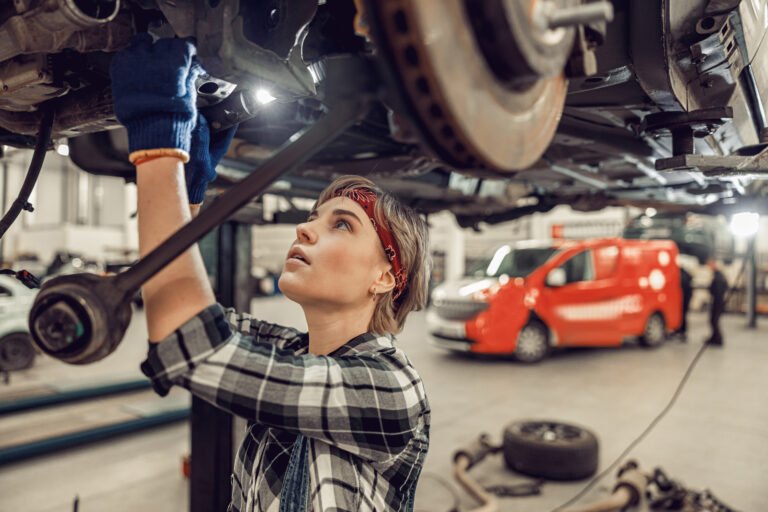
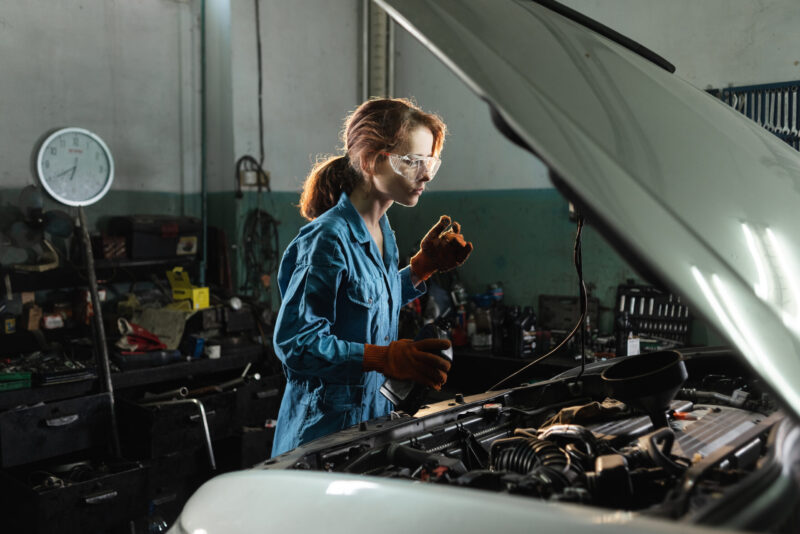
auto repair shop and worker locksmith girl pours oil or tossol. The concept of servicing cars and auto engines in the garage. Women’s profession and workwear. Open hood of the car. Place for your text
Challenges faced by women in the automotive industry

Although progress has been made, women in the automotive industry still face challenges. Stereotypes, bias, and outdated perceptions can create barriers to entry and hinder career growth. The lack of female representation in leadership positions also poses a challenge, as it can discourage women from pursuing or advancing in their automotive careers. It is essential for the industry to address these challenges and create a more supportive and inclusive environment that empowers women to succeed.

Inspiring stories of women in the automotive industry

Despite the challenges they face, there are countless inspiring stories of women who have overcome obstacles and achieved remarkable success in the automotive industry. From engineers who have designed groundbreaking technologies to executives who have shattered glass ceilings, these women serve as role models for future generations. Their stories not only inspire others to pursue their passions but also highlight the immense potential for women to thrive in the automotive industry.

How to support and encourage women in automotive careers

Supporting and encouraging women in automotive careers is vital for creating a more diverse and inclusive industry. Companies can implement mentorship programs, provide equal opportunities for growth and advancement, and actively challenge biases and stereotypes. Creating a supportive work environment that values and celebrates the contributions of women is essential. Additionally, educational institutions and industry organizations can collaborate to promote STEM education and provide scholarships or grants specifically for women pursuing automotive careers.

Conclusion: The future of women in the automotive industry

The future of women in the automotive industry is bright. As more women break stereotypes, contribute their unique perspectives, and rise to leadership positions, the industry will become more diverse, innovative, and inclusive. By recognizing and celebrating the significant contributions of women, the automotive industry can continue to evolve and thrive. Together, we can shatter stereotypes and create a future where women play an integral role in shaping the automotive industry.

Honda shifts gear with local car production plant in Ghana


Honda Manufacturing Ghana (HMG) recently celebrated a big achievement by commencing car production plant in Tema, Ghana. This is only the second car production plant of its kind in Africa, with the first one being in Nigeria. Honda is showing its dedication to the growing automotive market in the region.

Production Details

The plant is starting with the ability to make 500 cars each year. They will be using SKD (Semi-Knocked Down) assembly, which means they will put together cars using parts that are imported in kits. The first car they are making is the HR-V small SUV, and production began in December 2023.

Honda’s Expansion

Honda sees West Africa as a place with a lot of potential for growth. Since then, Honda has been investing heavily in building relationships with local suppliers and distributors to strengthen their supply chain in West Africa. They have also been focusing on understanding the unique needs and preferences of consumers in the region to tailor their products and marketing strategies accordingly.

By establishing a strong foothold in West Africa, Honda is not only tapping into a growing market but also contributing to the economic development of the region through job creation and supporting local businesses. With their commitment to sustainable practices and corporate social responsibility, Honda is poised to become a trusted and respected brand in West Africa for years to come.

Ghana’s Journey

By having a local office in Ghana, Honda can better understand the needs and preferences of the Ghanaian market. This will allow them to tailor their products and services to better suit the local consumers, ultimately leading to increased sales and customer satisfaction. Additionally, having a presence in Ghana will create job opportunities for locals and contribute to the country’s economy. Overall, Honda’s decision to open a local office in Ghana marks a significant step towards establishing a stronger foothold in the African market and building long-lasting relationships with customers in the region.

- Advertisement -