
Whether you’re traversing city streets, off-road trails, or highways, selecting the right tyre size can greatly impact your driving experience. Tyres are not just crucial for traction and handling; they also play a significant role in fuel efficiency, ride comfort, and overall vehicle stability. With so many options available, the process can feel overwhelming.
“When selecting the appropriate tyre size for our client’s SUV, we consider several critical factors to ensure optimal performance, safety, and compatibility with their vehicle,” affirms Sammy Mwenda – Business Operations Lead at Atlas Auto Service Centre.
“The automobile manufacturer designs the vehicle to be operated with particular tyre size,” observes Siju Aravindan – Head of MRF Tyre business of Car & General Trading Limited. He further emphasized that, “Choosing a size other than the one specified by manufacturer can compromise the safety of the vehicle, hence we don’t recommend it.”
Before selecting a tyre size, it’s essential to understand how tyre specifications are presented. Every tyre features a set of numbers and letters indicating its size and type. For example, you might see a tire labeled as P225/65R17. Here’s what each of these components means:
P: Indicates the tyre type (P for passenger vehicle, LT for light truck).
225: The tyre width in millimeters, measured from sidewall to sidewall.
65: The aspect ratio, which represents the height of the tyre’s sidewall as a percentage of the width (in this case, 65% of 225 mm).
R: Indicates the tyre construction (R for radial construction).
17: The diameter of the wheel in inches that the tyre is designed to fit.
Also Read: How to Choose the Right Tyres for the Africa’s Driving Conditions
Factors to consider
An ill-fitting tyre can lead to poor handling, increased wear, reduced fuel efficiency, and potentially hazardous driving conditions. So how can you choose the right tyre size for your SUV? Below are several decisive factors to consider in this process.
Manufacturer Recommendations
Always start by referring to the vehicle’s owner manual or the placard on the driver’s door side. It provides recommended tyre sizes and specifications that are tailored to your vehicle. This is the best starting point for understanding what tyre sizes are suitable. Manufacturers provide recommended tyre sizes based on extensive testing to ensure optimal performance. Sticking to these recommendations ensures compatibility with your SUV’s load capacity and handling characteristics.
In his opinion, Aravindan is assertive that, “Customers can choose from various makes, offering a verity of choices for a ‘specific size’ as tyres are standardized for their dimensions.” He contends that, “Any prominent feature will compromise some of the other desirable features as they are mostly a trade-off.”
According to Mwenda, “The first step in determining the right tyre size is to refer to your vehicle’s owner’s manual or the tire information placard located on the driver’s side door jamb. This will provide you with the manufacturer-recommended tyre size, which is crucial for maintaining vehicle performance and safety.”
Consider Your Driving Conditions
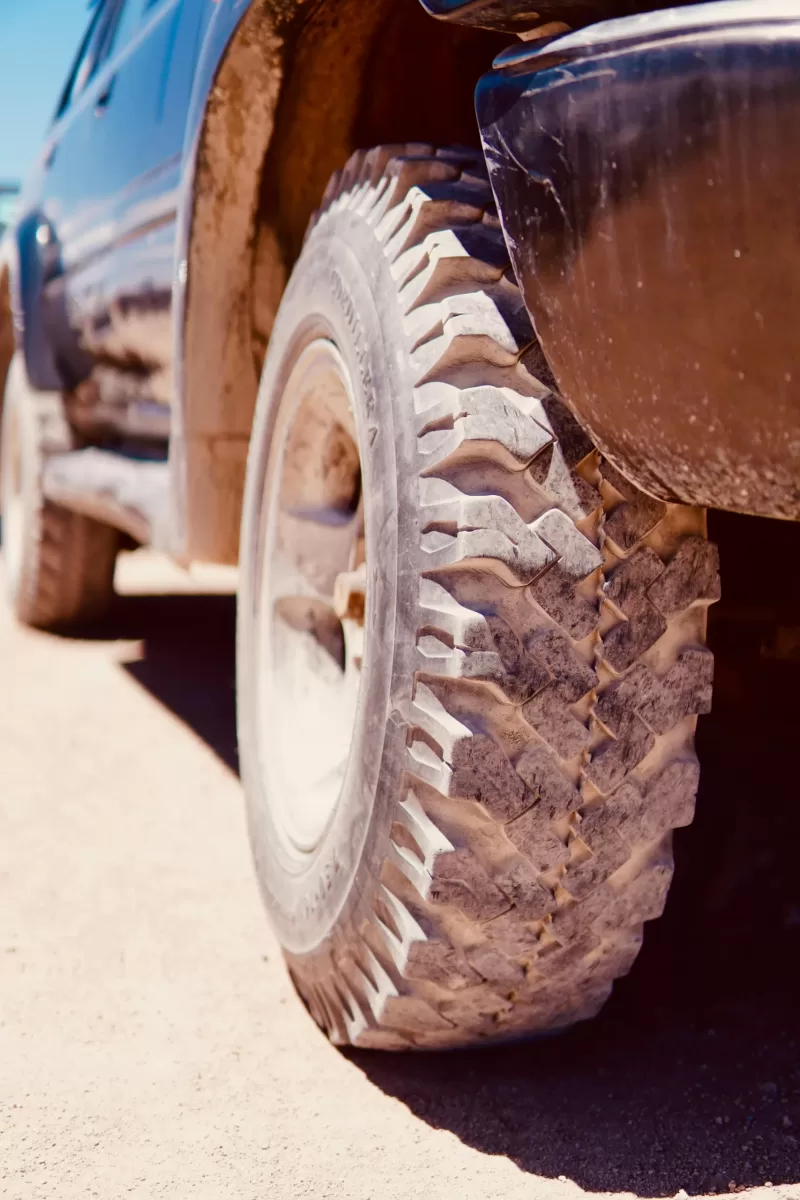
Think about where and how you use your SUV. If you frequently drive in off-road conditions, you may need larger, more aggressive tread designs. If you primarily drive in urban environments, a standard all-season tyre may be sufficient.
In Mwenda’s words, “Consider where you primarily drive your SUV—on highways, off-road trails, or in urban environments? Different terrains require different tyre characteristics:
All-terrain tyres are suitable for mixed use. Mud-terrain tyres excel in off-road conditions. Touring or highway tyres are best for smooth road surfaces.”
Load Capacity
If you often carry heavy loads or tow trailers, you’ll need tyres that can handle the extra weight. Each tyre has a load index rating, which specifies how much weight it can safely carry. Make sure that the tyres you select meet or exceed the requirements for your typical usage. “Each tyre has a load index (Weight Ratings) that indicates its maximum load-carrying capacity. Ensure that the selected tyres can support the weight of your SUV when fully loaded, including passengers and cargo,” states Mwenda.
Tyre Width
Tire width is an essential consideration when choosing the right tire size for your SUV. It affects everything from handling and ride comfort as well as fuel efficiency and off-road capability. Using tyres significantly wider than those recommended can lead to issues such as rubbing against the wheel well, increased wear and tear and negatively impacts on steering response and braking performance.
In Mwenda’s perception, “Wider tyres can enhance grip and stability, particularly during cornering. However, excessively wide tyres may increase rolling resistance, potentially reducing fuel efficiency. It’s essential to find a balance that suits your driving style and conditions.”
SUV owners should carefully evaluate their driving habits and conditions when selecting tyre width, considering both performance and practicality. Whether you are commuting in the city or venturing off-road, making an informed tire choice will ensure you and your SUV are safe on a more enjoyable ride.
Rim Size
The size of your SUV’s rims will limit the tyre sizes available. Installing tyres with the wrong rim diameter can compromise safety and performance. Always choose a tire that fits your existing rim size, as altering the rim size can impact handling, braking distance, and overall ride quality. “The rim diameter must match the wheel size of your SUV. Installing tyres with an incorrect rim diameter can lead to improper fitment, affecting handling and safety.” Maintains Mwenda.
Aspect Ratio
The aspect ratio is a numerical representation of a tyre’s profile and is expressed as a percentage. This figure indicates the height of the tyre’s sidewall in relation to its width. For instance, a tyre labeled as 225/65R17 has a width of 225 millimeters, and the sidewall height is 65% of that width, which equates to approximately 146.25 millimeters. The aspect ratio should align with your driving needs, vehicle specifications, and the environments in which you drive.
“The aspect ratio indicates the height of the tyre’s sidewall relative to its width. A lower aspect ratio (e.g., 45) typically results in better handling and responsiveness but may compromise ride comfort. Conversely, a higher aspect ratio (e.g., 70) provides a more comfortable ride but can lead to less precise handling,” singles out Mwenda.
Speed Rating
The speed rating of a tire is determined through rigorous testing processes that assess the tyre’s performance under various conditions. Each rating corresponds to a specific maximum speed, combined with factors that pertain to load capacity and tyre construction.
In Mwenda’s words, “Tyres come with speed ratings that indicate their maximum speed capability under load conditions. Choose tyres with an appropriate speed rating for your driving habits and typical speeds.”
Weather Conditions
Weather patterns significantly impact tyre performance, influencing traction, handling, fuel efficiency and overall safety.
“Depending on your local climate, you may need all-season tyres for moderate weather or dedicated winter/summer tyres for extreme conditions,” says Mwenda. “Winter tyres provide superior traction in snow and ice. Summer tyres offer enhanced performance in warm weather but are not suitable for cold temperatures,” he adds.
Cost Considerations
Tyres are a significant investment and selecting the correct size can save you money in the long run. Settling for a tyre that deviates from the manufacturer’s recommended size can lead to unexpected costs, such as reduced fuel efficiency, premature wear or a compromised driving experience.
As he advice, Mwenda is specific that, “Consider your budget when selecting tyre sizes as larger or specialized tires often come at a premium price compared to standard options.”
Aesthetic Preferences
Sometimes it can be tempting to prioritize aesthetics alone, it is however, important to find a balance between appearance and functionality. Larger tyres can enhance traction and stability, particularly for off-road or all-terrain driving. Even so, they may also affect fuel efficiency and handling dynamics. Before making a decision, determine how much emphasis you wish to place on style versus performance.
“While aesthetics might not affect performance directly, many drivers prefer certain sizes or styles that complement their vehicle’s appearance,” observe Mwenda.
Unsprung Weight
Unsprung weight refers to the mass of components in a vehicle that are not supported by the suspension system. This includes parts like tyres, wheels, brake assemblies, and suspension arms. In contrast, sprung weight encompasses everything supported by the vehicle’s suspension, primarily the body, frame, and interior components.
Managing unsprung weight is vital because it influences how a vehicle interacts with the road surface. The lower the unsprung weight, the better the suspension system can perform.
“Larger or heavier wheels can increase unsprung weight, negatively impacting ride quality and handling dynamics. Lighter wheels often improve acceleration and braking performance,” says Mwenda.
Your SUV’s Suspension
Upgrading to larger tyres may require adjustments to your suspension system to maintain proper alignment and handling. If you’re considering a significant change, consult a professional mechanic or tire specialist for guidance.
Tyre Brands
While premium tire brands have their advantages, budget brands also offer respectable options for those looking to save without sacrificing too much quality. However, when opting for a less-known brand, it’s important to read reviews and ensure the tyres meet safety standards. As Aravindan notes, “There are various brands and makes offering various features suitable for specific road conditions, terrains and other requirements of the customer.”
Choosing the right tyre size for your SUV also involves a deeper understanding of your vehicle’s make and the tyre brands that are available. Right tyres will ensure your safety and that of your passengers, contributing to better fuel efficiency and overall satisfaction with your SUV. Take your time in researching and possibly consulting with a tyre professional to ensure you make the best decision tailored to your vehicle’s specifications and your lifestyle demands.
Terrain Type
The terrain you frequently navigate allows you to tailor your tyre choice to enhance performance, safety and comfort.
Decide best
Tyres are the only contact with the road, and their dimensions can significantly affect handling, ride quality, fuel efficiency, and overall driving experience. Choosing the right tyre size for your SUV involves much more than simply picking a size that looks good.
Investing the time to assess your unique driving needs and understanding the consequences of various tyre sizes, you can ensure optimal performance, enhance your safety and be satisfied. When in doubt, consulting a certified tyre professional can provide personalized advice and help you make the best decision for your vehicle, ensuring peace of mind as you navigate the roads in your SUV.
Read More:
African Tyre Market: 5 Trends Driving Growth
How Ultra High Performance Tyres Improve Handling and Grip
By Dorcas Kang'ereha

