

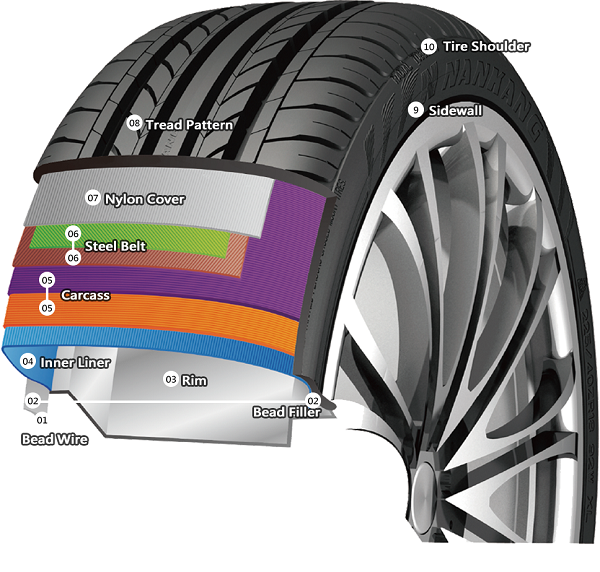
In addition to maintaining proper inflation pressure, regularly inspect the tyre tread and sidewalls for irregular tread wear, cracking, scrapes, bulges, cuts, snags, foreign objects or other damage resulting from use. Also, remove any stones, glass, foreign objects, etc. embedded in the tread to prevent further damage. Even minor damage can lead to further injury and eventual tyre failure. Therefore, remove tyres from service if excessive cracking appears on the tread or sidewalls. Under-inflation, overloading, improper storage, and prolonged improper parking typically cause this damage.
Consumers should check their tyre tread and sidewall areas during monthly inflation pressure checks. Look for uneven or irregular tread wear or other conditions as noted above. In addition, ensure a tyre service professional periodically inspects all tyres, including the spare. Do this during routine maintenance intervals such as oil changes and tyre rotations.
Also Read: How to Choose the Right Tyres for the Africa’s Driving Conditions
WHEN INSPECTING YOUR TYRES, LOOK FOR:
Uneven tread wear
This can include more wear on one tread edge than the other, a rippled pattern of high and low wear, or exposed steel wire. Uneven wear can be caused by problems such as under inflation, vehicle misalignment and improper balancing.
Shallow tread
Well worn or bald tyres can result in hydroplaning and loss of traction. Additionally, they also are more likely to be damaged by potholes and other road hazards. Replace tyres when worn to 2/32 inch (1.6 mm) tread depth anywhere on the tread face. Tyres include built-in tread wear indicators to help you see when the tread has worn out. These indicators are narrow bars of smooth rubber that run across the tread. When the tread becomes level with these bars, the tyre has worn down to 2/32 inch. At this point, you must replace the tyre immediately.
You can also perform the penny test. Insert a penny into the tyre’s most worn groove with the coin’s head facing down. If you can see the top of the coin’s head, replace the tyre.
Troublemakers
Inspect the tread for small stones, pieces of glass, bits of metal, and other foreign objects, and remove them carefully. These objects can cause serious damage if you allow them to push deeper into your tyre while you drive.
Damaged areas
Cracks, cuts, splits, punctures, holes, and bulges in the tread or sidewalls of a tyre indicate serious problems and require immediate inspection or replacement.
Slow leaks
Remember that tyres lose inflation pressure when the air temperature gets colder (about 1 psi or 7 kPa for every 10°F drop in temperature). Tyres may also lose a certain amount of inflation pressure due to their permeability (about 2 psi or 14 kPa per month). However, if you find that you have to add inflation pressure every few days, have the tyre, wheel and valve checked by a tyre service professional. In that case, if necessary, repair or replace the tyre.
Also Read: Check your tyre inflation pressures, before going on a long trip
Valve caps
Those little caps on your tyre’s valve stem keep moisture and dirt out, so make sure they are on all your tyres. Also, when you have a tyre replaced, have a new valve stem assembly installed at the same time.
Driving on a damaged tyre can be dangerous. If you see something you’re not sure about during your inspection, have it examined by your tyre service professional. Any time you see damage to a tyre, don’t drive on it – use a spare if you need to go somewhere. And finally, pay attention to the “feel” of your tyres as you drive. In addition, a rough ride may indicate tyre damage or excessive wear.
Also Read: African Tyre Market: 5 Trends Driving Growth
If you notice vibrations or other disturbances while driving, and/or you suspect possible damage to your tyre or vehicle, immediately reduce speed. Then drive with caution until you can safely pull off the road and stop, and inspect our tyres. If a tyre is damaged, deflate it and replace it with your spare. However, if you do not see any tyre damage and cannot identify the source of the vibration, have the vehicle towed to a mechanic or tyre dealer for a thorough inspection.
Read More:

