

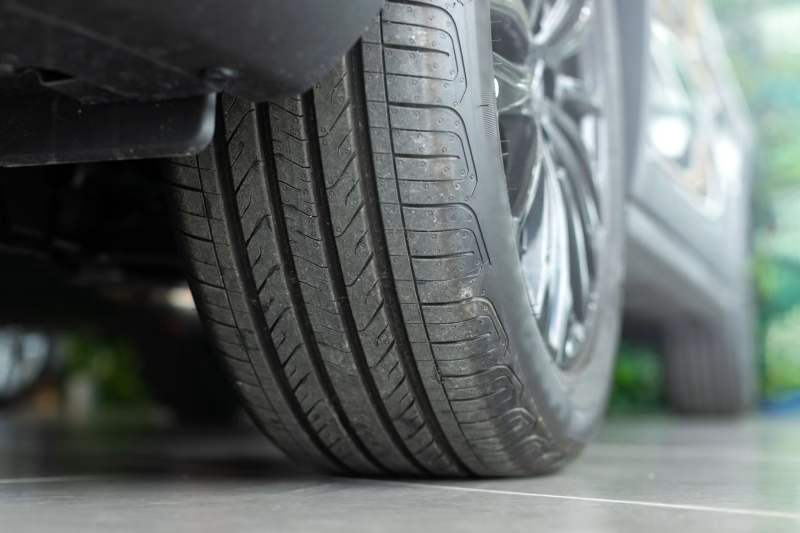
Many motorists overlook tyre wear until they experience poor handling, reduced grip or an unexpected puncture. On African roads, where potholes, rough surfaces, heavy rain and high temperatures can affect tyre condition, regular inspections can help prevent avoidable risks.
The good news? You do not need to be a mechanic to identify many warning signs. A few simple checks can help you recognise when your tyres need professional attention.
1. Check the Tread for Uneven Wear
Tyre tread grooves help channel water away from the contact patch, improving grip on wet roads. As the tread wears down, the tyre becomes less effective at maintaining traction and resisting aquaplaning.
Inspect the full width of each tyre. Excessive wear along both shoulders may indicate underinflation, while wear concentrated in the centre may suggest overinflation. Wear along one edge may indicate wheel alignment problems or suspension faults.
Also look for patchy or irregular wear, which may result from wheel imbalance, worn suspension components or other mechanical problems. A qualified technician can identify the underlying cause and recommend the appropriate corrective action.
2. Never Ignore Sidewall Damage
Potholes, kerb impacts and rough roads can damage tyre sidewalls. Look for deep cuts, exposed cords, significant cracks and unusual bulges.
A bulge may indicate internal structural damage, increasing the risk of sudden tyre failure. Do not continue driving on a tyre with a bulge or exposed cords. Stop in a safe place and arrange professional assistance and tyre replacement.
Minor surface marks do not always require replacement, but deep cuts, significant cracking and suspected structural damage require professional assessment.
3. Measure Tread Depth and Check Tyre Age
Do not judge tyre condition by appearance alone. Use a tread-depth gauge or check the manufacturer’s tread-wear indicators to assess the remaining tread.
Many jurisdictions set a minimum legal tread depth of 1.6 mm for passenger-car tyres, although requirements vary by market and vehicle category. However, wet-weather grip can deteriorate as tread depth decreases, even before a tyre reaches the legal limit. Check local regulations and your vehicle manufacturer’s recommendations.
Also inspect the tyre’s age code, sidewalls and service history. Ageing, heat exposure and prolonged exposure to sunlight can contribute to rubber deterioration, even when the tread remains relatively deep.
4. Know When to Seek Professional Help
Inspect your tyres regularly, particularly before long journeys. Check tyre pressure when the tyres are cold and follow the vehicle manufacturer’s recommended pressures rather than the maximum pressure marked on the tyre sidewall.
If you notice persistent vibration, the vehicle pulling to one side, repeated pressure loss or unusual tyre noise, arrange a professional inspection. These symptoms may indicate tyre, wheel, alignment or suspension problems.
Do not attempt to repair a tyre yourself if the damage may affect its structural integrity. A qualified tyre technician should determine whether a safe repair is possible or replacement is necessary.
Protect Your Safety Before Wear Becomes Dangerous
Regular tyre inspections help motorists identify problems early, reduce avoidable replacement costs and improve road safety. Do not wait for a blowout or a rainy-day emergency. Check your tyres today because identifying damage early can make a critical difference on the road.
Also Read:
Regularly Check Your Tyre Pressure and Inspect Your Tyre Tread and Sidewalls
How to Choose the Right Tyres for the Africa’s Driving Conditions
Tyre Safety Is the Big Test for Africa’s Fleet Industry

