

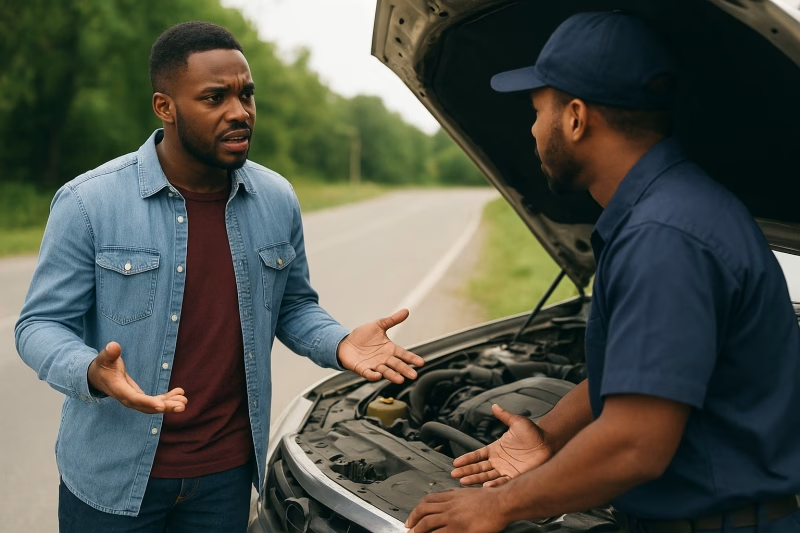
If you drive regularly, one thing is certain: At some point and at unexpected time, you will eventually need mechanical help on the road. A flat tyre, engine overheating or a warning light you don’t understand. It happens. But while most mechanics and roadside technicians are honest professionals, it’s important to avoid roadside scams and unsafe mechanics because roadside repair scam is rising, especially in busy highways, rural routes and urban hotspots.
Why Roadside Scams Are on the Rise
The automotive aftermarket is booming, but so is the opportunity for fraud. According to industry analysts, vehicle owners are experiencing a growing trend of:
- Inflated repair fees
- Fake mechanical diagnoses
- Counterfeit spare parts
- Unauthorized towing and storage charges
- Forced repairs while stranded
- Unqualified “mechanics” posing as professionals
Drivers often fall victim because they’re stressed, stranded, or unsure how to verify repairs on the spot. Scammers exploit moments of panic and that’s why awareness is your strongest defense. These scams often target drivers who are stressed, stranded or unfamiliar with their car’s mechanical components. And because many car owners don’t know what goes on under the hood, scammers take advantage by inflating prices, creating fake problems or using substandard parts.
This article arms you with practical, factual and expert-backed strategies to avoid these traps, and keep your wallet, your car and your safety intact.
-
Know the Most Common Roadside and Mechanic Scams
Before you can protect yourself, you need to recognize the red flags. Here are some of the most common tactics:
- The “Fake Breakdown Spotter”
Scammers roam parking lots, petrol stations or highways claiming your brakes, battery or suspension “looks bad.” They pressure you into emergency repairs you never needed.
- The “Surprise Problem” Scam
A mechanic starts with a small job, then suddenly “discovers” major issues that weren’t there before. These problems often sound complicated to intimidate you.
- The Overcharging Trap
Some inflate prices on parts and labour, knowing you’re stranded and unlikely to negotiate.
- The Parts-Swapping Scam
A dishonest mechanic replaces your good part with a worn-out or counterfeit one.
- The Fake Tow Truck
Scammers appear at breakdown scenes without being called, towing your car to an unknown location and demanding unreasonable fees.
- The Sabotage Scheme
Rare but serious: some rogue roadside “assistants” damage a component, like unplugging a sensor, so your car appears to have a severe fault.
-
Always Contact Your Trusted Mechanic First
When something goes wrong, your first reaction should not be panic. It should be a phone call.
Dial your regular mechanic, trusted garage or roadside assistance provider. Explain the symptoms and ask for guidance.
A reputable technician will often tell you:
- Whether it’s safe to continue driving
- If the issue is minor or severe
- What parts are typically affected
- How much a repair should cost
This simple step filters out 80% of roadside scams.
-
Never Accept Help from Unexpected Roadside Mechanics
One of the biggest red flags is a mechanic who appears immediately after your breakdown, especially if you never called for help.
Typical scam tactics include:
- Scammers patrol highways looking for stranded drivers
- They pressure you into repairs
- They exaggerate the issue to justify high prices
- They use low-quality parts that fail shortly after
- They refuse to let you leave without paying
✔ What to do instead:
- Stay in your car with the doors locked while you assess the situation.
- Call your trusted roadside assistance provider or a mechanic you know.
- If anyone approaches, politely decline and say:
“Thank you, but I’ve already called my mechanic. They’re on the way.”
Professional mechanics do not drive around looking for victims.
-
Verify Your Mechanic Before You Say Yes to Any Repair
Once you’ve contacted your garage or roadside service, always verify:
- Name of the mechanic
- Company they represent
- Vehicle/number plate
- Job card or work order
Scammers sometimes impersonate legitimate companies by guessing common provider names like AA, insurance partners, or dealership service centers.
✔ Smart verification hacks:
- Ask the provider to send the mechanic’s photo via SMS or WhatsApp
- Request a service ID or badge
- Confirm the official tow truck plate number
- Call back the company to reconfirm the identity
- If anything feels off, decline. Your safety comes first.
-
Avoid On-the-Spot Diagnoses from Unknown People
Fraudulent mechanics rely on fear and urgency. They know you’re vulnerable on the roadside, so they hit fast with lines like:
- “Your engine is about to blow!”
- “This car cannot be driven another meter.”
- “I’ve already opened it; you must pay for labor.”
- “This part is completely finished, lucky I have a spare for you.”
✔ Your defense strategy:
A genuine mechanic will never pressure you into immediate repairs. Always insist on a second opinion, even if it means towing the car home.
-
Be Extremely Cautious with Tow Trucks
Unauthorized towing crews often appear minutes after an accident or breakdown. This scam is common worldwide, especially in big cities. They tow your car to an unknown garage, then hold it “hostage” until you pay huge storage or repair fees.
✔ Protect yourself:
- Only accept tow services you requested personally
- Never let anyone tow your car without written consent
- Ask for the destination address before anything happens
- Take clear photos of the tow truck and your car before it moves
- Clarify towing fees upfront
If a tow truck comes without being called: It’s almost always a scam.
-
Know the Common Repair Scams Mechanics Use
Even in established workshops, fraud can happen. These common tricks trap uninformed car owners:
🔧 Fake Faults
Mechanic claims a part is “dead” when it only needs cleaning or minor adjustment.
🔧 Inflated Part Prices
They charge double or triple the actual market price.
🔧 Switching Parts
They remove working parts and replace them with defective ones.
🔧 Charging for Parts Not Installed
You pay for premium-quality components but get cheap, generic versions.
🔧 Unnecessary Repairs
Repairs you never needed, never asked for and never approved.
✔ How to counter:
- Request photos or videos of faulty parts
- Ask for old parts to be returned after replacement
- Request a detailed written quotation
- Compare prices with at least two other mechanics. Knowledge = power.
-
Build a Relationship with a Trustworthy Mechanic
The safest drivers are those who have atleast one reliable mechanic or garage they consistently use.
Look for a mechanic who:
- Has a registered business
- Offers written invoices
- Allows you to inspect the car before and after service
- Uses transparent pricing
- Explains repairs in plain language
- Has positive customer reviews
A mechanic who values long-term relationships will always prioritize your safety and trust.
-
Keep Emergency Tools and Knowledge with You
Scammers prey on helpless drivers. The more prepared you are, the less likely you’ll be a target.
Essential items to carry:
- Phone charger / power bank
- Reflective hazard triangles
- Tyre pressure gauge
- Jump starter kit
- Spare tire + jack
- Basic tool kit
- Flashlight
- Emergency contacts list
When you appear confident and prepared, fraudsters move on.
10. Know Your Rights as a Consumer
You have every right to:
- Ask questions
- Refuse service
- Request a quote before repair
- Demand original parts
- See old replaced parts
- Decline work you did not authorize
- Get a receipt
- Seek a second opinion
- Report fraud to authorities
No mechanic or tow truck operator can force you into repairs you don’t want.
-
Learn the Basics of Your Car’s Warning Signs
You don’t need to be a technician, but knowing the difference between a check engine light, an oil pressure warning and a temperature warning can save you from panic and scammers.
Key basics every driver should know:
- Overheating often needs a pause, not a mechanic
- Battery warnings may be caused by loose terminals
- Vibrations can come from tyres, not suspension failures
- Fluid leaks have distinct colors
- Strange noises usually have simple causes
Knowledge reduces vulnerability.
-
Don’t Pay in Cash Without Documentation
Cash leaves no trail. Scammers prefer it because it prevents complaints or refunds.
Use:
- M-Pesa
- Bank transfer
- Card
- Any traceable method
Request a receipt every time.
Stay Alert, Stay Empowered, Stay Safe
Roadside scams thrive on panic, ignorance and desperation. But with the right knowledge and a few simple precautions, you can drive confidently, knowing you’re protected from dishonest mechanics and predatory repair traps. You deserve safe, honest, and professional service every time.
Roadside scams and dishonest mechanics can turn a simple breakdown into a nightmare, financially, emotionally and even physically. But with the right knowledge, you become scam-resistant.
Remember:
- Never accept unsolicited roadside help
- Always verify identities
- Don’t let fear pressure you into quick fixes
- Build a relationship with a trusted mechanic
- Stay prepared and informed. Vehicle problems are stressful, but being informed transforms panic into control.
Your safety begins with awareness. Your confidence begins with knowledge. And your protection begins with refusing to be an easy target.
Read More:
Emergency Car Safety Kit Every African Driver Should Carry

