Kenyan electric mobility firm, BasiGo, is taking a significant step towards revolutionizing public transportation. It is doing so with the launch of its first pilot program for electric matatus on inter-city routes. This initiative marks a crucial expansion of the company’s operations beyond Nairobi. It brings clean, zero-emission transport options to regional corridors. The introduction of electric matatus broadens environmentally friendly transit in these areas.
Teamwork Makes the Dream Work
BasiGo has strategically partnered with two prominent Public Service Vehicle (PSV) Saccos, 4NTE and Manchester Travellers Coach. They leverage their extensive experience in long-distance travel. Under the program, 4NTE Sacco will deploy electric matatus on the Nyahururu-Nyeri and Nyahururu-Nakuru routes. Meanwhile, Manchester Sacco will focus on the Thika-Nairobi corridor, thereby enhancing the network of electric matatus.
Each electric van boasts a range of up to 300 kilometers on a single charge and can be fully recharged in approximately 1.5 hours. To ensure seamless inter-city operations, BasiGo has invested in the installation of charging stations. These are in key locations, including Nyahururu and Thika, to support electric matatus and facilitate their reliability.
Affordable Options for Operators
To facilitate the adoption of electric vehicles, BasiGo offers a Pay-As-You-Drive lease model. It is designed to reduce the upfront financial burden for operators transitioning to an electric fleet. This innovative financing approach aims to democratize access to electric mobility. It also accelerates its integration into the Kenyan transport system, making electric matatus an attainable option.
“We are thrilled to extend electric mobility beyond Nairobi and electrify an iconic part of Kenya’s history – the matatu,” stated Moses Nderitu, Managing Director, Kenya at BasiGo. “By partnering with visionary SACCOs like 4NTE and Manchester, we are demonstrating the practicality and feasibility of electric mobility for intercity and intercounty transit, particularly focusing on the electric matatus transport model.”
Support from 4NTE Sacco
Wilfred Daniel Kimotho, Chairman of 4NTE Sacco, echoed this sentiment. He stated, “We are excited to be early adopters of this technology, especially along inter-city and inter-county routes. This is about embracing innovation and delivering better service to our customers. This partnership places us at the forefront of a transport revolution that is electric, efficient, and built for the future, particularly with electric matatus.”
This program is just part of BasiGo’s bigger plan to have over 1,000 electric vans, including electric matatus, across Kenya in the next few years. It’s also a great step to help the country move towards greener energy!
Using the right car wax is essential when it comes to maintaining the aesthetics and longevity of your vehicle. Among the numerous options available on the market, carnauba car wax stands out for its natural properties and exceptional performance. Here are insights that will help you make an informed choice for your vehicle’s care.
The Benefits of Carnauba Car Wax
You might have heard of carnauba wax, perhaps while flipping through Africa Automotive magazine or chatting with a fellow car enthusiast. But what exactly is it, and why should you consider incorporating it into your car maintenance routine?
Carnauba car wax is a natural wax derived from the leaves of the Carnauba palm tree, primarily found in Brazil. It’s one of the most popular types of car wax used by both professionals and enthusiasts. Again, what exactly makes carnauba wax so special? What are the tangible benefits it offers over other waxes? Here are the key benefits of using Carnauba car wax:
Exceptional Shine
One of the primary reasons car enthusiasts prefer carnauba wax is its ability to deliver a deep, rich shine that enhances the natural color of your vehicle’s paint. The unique molecular structure of carnauba enables it to fill in minor imperfections in the paint, creating a smooth surface that reflects light beautifully. This lustrous finish not only looks appealing but can also enhance the overall aesthetics of your car.
“The best way to predict your future is to create it.” – Peter Drucker
In the world of automotive maintenance, creating a future where your car retains its showroom shine is not just a dream with carnauba wax; it’s a reality.
Protective Barrier
Carnauba wax provides an outstanding layer of protection against various environmental factors. It acts as a barrier against UV rays, which can cause paint fading and oxidation over time. Additionally, it shields your vehicle against harmful contaminants such as bird droppings and tree sap. Regularly applying carnauba wax can help preserve your car’s paintwork, keeping it looking newer for longer.
Water Repellency
Another appealing feature of carnauba wax is its water-repelling properties. When applied, it creates a hydrophobic surface that causes water to bead up and roll off the car’s surface. This not only prevents water spots but also inhibits the accumulation of dirt and grime. Consequently, your car stays cleaner for an extended period, reducing the frequency of washes required.
Eco-Friendly Choice
For environmentally conscious individuals, carnauba wax offers a compelling advantage: it is a biodegradable product. Unlike synthetic waxes and sealants that may contain harsh chemicals, carnauba is derived from a natural source, making it a more eco-friendly option. This resonates with many consumers seeking sustainable automotive care solutions.
Easy to Apply
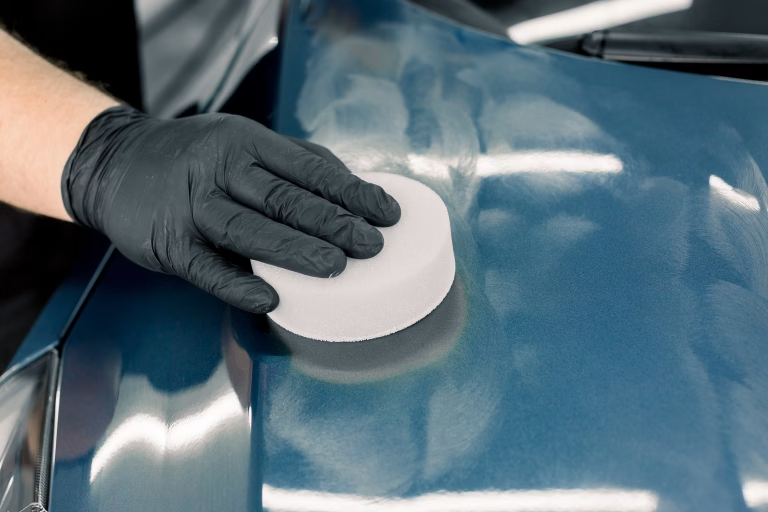
While some waxes can be challenging to work with, carnauba wax is relatively easy to apply with the right techniques. It can be used in both paste and liquid forms, accommodating personal preferences and application methods. A simple circular motion during application ensures even coverage, and a microfiber cloth can quickly buff the surface to achieve that impressive shine.
Affordability
Generally, Carnauba waxes can be found for affordable prices. The cost will of course vary depending on the brand and quality.
“The difference between a good detail and a great detail lies in the quality of the wax.”
There’s a reason why car detailing professionals often use carnauba wax. Its qualities are deeply appreciated in the automotive care community. Because, it simply works.
If you’re interested in achieving professional-level results at home, or at your service center, consider following the lead of the experts. Their endorsement speaks volumes about the reliability and effectiveness of carnauba car wax.
Carnauba car wax is a premium choice for car owners who are serious about maintaining their vehicle’s appearance and paint protection. With its exceptional shine, protective qualities, and durability, it serves as a fantastic investment in the care of your vehicle. Whether you’re a car enthusiast or simply you want your vehicle to look its best, incorporating carnauba wax into your car care routine will prove beneficial.
As you consider your options for maintaining your vehicle’s finish, remember the many advantages that carnauba wax offers. Not only will it enhance your car’s beauty, but it will also protect it from the elements, simplify your cleaning routine, and contribute to a more sustainable approach to your vehicle maintenance. Enjoy the radiant results that carnauba car wax can provide, and let your vehicle be a true reflection of your dedication to quality care. Take care of your car in the garage, and the car will take care of you on the road. So, are you ready to elevate your car care routine? Grab some carnauba car wax today and see the difference for yourself!
Your vehicle’s windshield screen, be it the primary glass or an added exterior protective layer, is your hero against the road elements. It bravely faces rain, snow, sun, debris and the occasional unfortunate bug splatter. But this constant barrage takes its toll, and a dirty or damaged windshield screen can significantly compromise visibility and safety. Therefore, practicing proper cleaning techniques is crucial to preserving its integrity and lifespan.
Focus on techniques that protect your windshield screen from scratches, streaks, and chemical damage. Let’s uncover everything from the essential tools you will need to the correct cleaning solutions and application methods.
A sparkling clean windshield screen undoubtedly enhances your car’s appearance. However, the benefits extend far beyond aesthetics. Here’s why investing time and effort in proper cleaning is essential:
Enhanced Visibility: A clean windshield screen will provide you with optimal visibility, especially during challenging weather conditions like rain, fog or snow. The improved clarity reduces glare and ensures you can clearly see potential hazards and other road users.
Increased Safety: A properly cleaned windshield directly contributes to your safety and that of your passengers. Clear vision gives you a quick reaction time, minimizing the risk of accidents.
Prevention of Damage: Neglecting cleaning can lead to a buildup of dirt, grime, and even stubborn contaminants like bird droppings or tree sap. These substances can etch or scratch the glass surface, leading to permanent damage.
Prolonged Lifespan: Protecting your windshield screen from harsh elements, regular and proper cleaning extends its lifespan, saving you money on costly replacements.
Improved Wiper Blade Performance: A clean windshield screen allows your wiper blades to function efficiently and smoothly. Dirt and debris can cause blades to skip, streak, and wear out prematurely.
The Cleaning Process
Follow these steps for a thorough and safe cleaning:
Preparation: Begin by parking your vehicle in a shady area to prevent the cleaning solution from drying too quickly. This is especially important for screens which may be more susceptible to streaking. Remove any loose dirt or debris from your windshield and screens using a soft brush. Avoid excessive rubbing or pressure.
Washing: Mix a small amount of mild detergent with the clean water. Using your microfiber cloth, gently wipe down the entire windshield and screens. Work in small sections, overlapping as you go. Don’t soak the screens excessively, as this could damage adhesives or cause water to seep beneath the film. For stubborn dirt, allow the soapy water to dwell for a few seconds before wiping.
Rinsing: Use clean water to thoroughly rinse the windshield and screens. For screens, especially privacy films, avoid high-pressure water that could lift the edges. A gentle spray bottle is ideal. For sunshades, a damp cloth is usually sufficient.
Drying: Immediately use a clean, dry microfiber cloth to wipe the entire surface dry. Work in small sections, again overlapping to avoid streaks. Change to a fresh area of the cloth frequently to pick up moisture effectively. For larger windshields, a squeegee can be very helpful, especially after using a glass cleaner. Overlapping strokes are key to preventing streaking.
Final Inspection: After completely drying, examine the windshield screen carefully. If any streaks or smudges remain, repeat steps 2-4, using fresh water and a clean cloth.
Specific Considerations for Different Screen Types
Sunshades: These usually require less rigorous cleaning. Simply sponge clean with mild soapy water and air dry, or gently wipe with a damp cloth. Avoid machine washing or harsh chemicals.
Privacy Films:Be exceptionally gentle. Avoid abrasive cleaners or scrubbing. Use a soft microfiber cloth and mild soap and water, rinsing gently. A squeegee can assist in preventing streaks, but be meticulous to avoid damaging the film’s edges.
Protective Films: Follow the manufacturer’s instructions carefully. Many protective films require specific cleaners to maintain their protective properties.
It’s also essential to be mindful of the environment and take steps to protect your windshield from damage. For example, avoid driving too close to large trucks or construction vehicles, which can kick up debris and cause chips or cracks. If you do encounter a chip or crack, have it repaired promptly to prevent it from spreading and causing further damage.
The Importance of Professional Assistance
While you can often clean your windshield screen yourself, there are times when professional assistance is recommended:
Severe Damage: If your windshield screen is severely damaged, such as with large tears or dents, it may be best to have it repaired or replaced by a professional.
Complex Cleaning: If you’re dealing with stubborn stains or contaminants that you can’t remove yourself, a professional detailer may have the tools and expertise to help.
Beyond visibility, a clean screen contributes to a healthier in-car environment. Dust and pollen buildup trigger allergies and respiratory problems, especially for sensitive individuals. However, regularly cleaning your windshield screen, you are promoting a cleaner and healthy in-car environment. Therefore, as a responsible car owner, maintaining a clean and undamaged windshield screen is important to ensure optimal visibility, enhance safety and prolong the lifespan of your windshield screen. So, take the initiative to protect your windshield screens from damage, and enjoy the benefits of a safe and enjoyable driving experience.
The African market is a burgeoning frontier of economic expansion and innovation, which has consistently captured the attention of global industries seeking new avenues for growth and strategic partnerships. Delving into the heart of the African automotive refinishing market, from the recently concluded Auto Expo Africa 2025, convened at the Kenyatta International Conference Center (KICC) in Nairobi, Kenya from May 28th to 30th, provided a unique opportunity to gain firsthand insights, with a leading automotive refinishing manufacturer, 4CR International, into the current state of the refinishing market, the challenges faced and the opportunities presented.
is the Key Account – Marketing Manager, on this dynamic sector. He highlights the key trends shaping the market, from the increasing demand for high-quality products to gaining a clearer picture of the opportunities shaping the future of automotive aesthetics on the African market. Here are detailed insights shedding light on the specific challenges and remarkable potential for growth within this dynamic industry.
AA: What was your overall impression of the recently concluded Auto Expo Africa 2025 in Nairobi?
MD: The Auto Expo Africa 2025 in Nairobi was an excellent event, with a wide range of exhibitors and an impressive level of engagement. 4CR attended the expo with the goal of finding a local distributor, and we were thrilled by the strong interest in our products. Throughout the event, we were asked numerous times where our high-quality refinish solutions could be purchased locally, which reaffirmed the growing demand for our products in the African market.
The conversations we had were incredibly insightful, and it was clear that professionals in
the automotive sector are looking for durable, efficient, and reliable solutions. This kind of interest is a great indication that our products are well-received and that there’s real potential for growth in the region. While it’s always difficult to measure the full impact of a trade show right away, we’re confident that the connections we made will lead to valuable opportunities in the near future. We’re excited to continue exploring new partnerships and expanding our presence in Africa.
AA: What were your key observations regarding the African refinishing market during the event?
MD: One of the key observations I made during Auto Expo Africa 2025 was the growing
recognition of the importance of quality in the automotive refinishing market across Africa. There is a clear shift towards more durable and efficient solutions, with professionals increasingly seeking products that offer long-lasting performance in harsh conditions. This was reflected in the number of inquiries we received at our booth about the reliability of our 4CR refinish systems.
I also noticed a strong desire for comprehensive solutions that simplify the refinish process.
L-R Marc Drews 4CR Key Account – Marketing Manager, Dorcas Kang’ereha Senior Editor – Africa Automotive Magazine and Alberto Rischio – Export Manager at SACIR EST Srl
Many bodyshops and workshops are looking for reliable, all-in-one systems that ensure both quality and efficiency. It was evident that the market in Africa is maturing, with a focus on not just cost-effectiveness but also the end result – a perfect, long-lasting finish. Overall, the event highlighted a clear demand for high-quality products that can meet the growing expectations in the African market, particularly as more businesses look to enhance their operations with advanced and efficient refinish systems.
AA: In your observation, what types of products are in high demand in the African automotive refinishing market that 4CR provide?
MD: At AutoExpo Nairobi, we observed a strong demand for products that offer both
efficiency and durability, particularly for the challenging conditions vehicles face in Kenya. In the Kenyan market, professionals are looking for all-in-one systems that simplify the refinishing process, reduce time, and ensure long-lasting results. 4CR provides a wide range of products that meet these needs, including abrasives, masking products, fillers, primers, and clearcoats. These products are in high demand, as they not only enhance the quality of the finish but also improve the longevity of the work. Abrasion products are especially sought after, as they ensure smooth surfaces for perfect adhesion, while our masking products make the application process cleaner and more efficient.
While the Kenyan market remains price-sensitive, there is a noticeable shift towards prioritizing long-term value over initial cost. More and more professionals are recognizing that by investing in high-quality products like those offered by 4CR, they can save on rework, reduce downtime, and ultimately increase profitability. This change in mindset is a sign of the growing sophistication of the market, where the focus is moving towards higher-quality finishes and reliable results.
AA: How does 4CR refinishing technology address the specific challenges of the African climate?
MD: The African climate, particularly in regions like Kenya, presents unique challenges for automotive refinishing, such as extreme temperatures, high humidity, and exposure to dust and road debris. These environmental factors can lead to premature paint failure, reduced durability, and less-than-ideal finishes if not properly addressed. At 4CR, we’ve developed a comprehensive system that is designed to handle these tough conditions. Our products are formulated to enhance durability, ensuring that vehicles maintain a high-quality finish even when exposed to the harsh African sun and temperature fluctuations. Our primers and clearcoats, for example, provide superior adhesion and UV resistance, preventing fading and deterioration caused by prolonged exposure to sunlight.
Additionally, our abrasives and masking products are designed for high efficiency in the dusty environments typical of many African regions. These products help ensure smooth surface preparation and clean application, which is critical for achieving a flawless finish that can withstand the demands of both urban and rural driving conditions. By focusing on quality and long-lasting performance, 4CR is committed to providing solutions that not only meet the aesthetic demands of the market but also address the functional needs of professionals working in regions with challenging climates.
AA: Are there any upcoming product launches or innovations in the pipeline for your automotive refinishing products?
MD: At 4CR, we are constantly testing and evaluating new products to meet the ever-evolving needs of the automotive refinishing market. While I can’t share specific details about upcoming launches at this moment, we only introduce products to the market once they’ve been thoroughly tested and meet our high standards. When we decide to launch a new product, we will certainly communicate it to our partners and customers to ensure they’re informed and prepared.
Currently, we are focused on enhancing the efficiency, performance, and sustainability of our existing range. We are excited about ongoing developments, including low-VOC products and water-based formulations, that aim to reduce environmental impact without compromising on quality. In addition to refining our current offerings, we are always exploring opportunities to introduce new, high-performance solutions to help professionals achieve better, faster, and more durable results.
AA: What are 4CR future plans for expansion in the African market following the expo?
MD: Following the success of AutoExpo Nairobi 2025, we are more committed than ever to expanding our presence in the African market. While we will continue to support and strengthen our relationships with existing partners, we are also actively seeking new distributors in regions where we are not yet present. Our goal is to establish a strong local presence, starting with a reliable partner in Kenya, and we are confident that once we secure an importer there, it will have a positive influence on other African markets as well. The growing interest in 4CR products at the expo only reinforces our belief that the demand for high-quality refinish systems is on the rise across the continent.
We are excited about the potential for growth and the opportunity to support the development of the automotive refinishing industry in Africa, one partnership at a time. Our expansion strategy will focus on building lasting, mutually beneficial relationships that help us grow together with the market.
AA: Did you identify any specific refinishing trends or unique needs to the East African market while in Nairobi?
MD: One of the key observations we made in Nairobi is the unique demand in the East African market, which is characterized not only by the usual passenger cars but also by a high number of commercial vehicles and buses. These vehicles require robust refinishing solutions that can withstand the challenging conditions of frequent use and exposure to tough road environments. Additionally, the motorcycle market in East Africa is already significant. Motorcycles are a primary mode of transportation in many countries across the region, and they present unique refinishing needs, ranging from small touch-ups to larger surface repairs. The variety of vehicles in this market means there is a broad spectrum of products required, from abrasives and primers to high-durability clearcoats and special coatings.
AA: What sets 4CR refinishing products competitive for the African market?
MD: Thankfully, 4CR is well-equipped to meet these challenges. With our extensive product portfolio, we are able to provide tailored solutions that address the diverse needs of the East African market, whether it’s for larger commercial vehicles, motorcycles, or passenger cars. We are excited about the opportunity to support the growing demand and help professionals in the region achieve the perfect finish, no matter the vehicle type.
AA: Do you plan to return to Auto Expo Africa or similar events in the region in the future?
MD: Yes, we are very interested in returning to Auto Expo Africa and exploring similar events across the region. We are already looking into additional trade shows in Africa as part of our ongoing efforts to connect with professionals and gain deeper insights into the market. We believe it is essential to be present in these events to not only showcase our products but also to engage directly with industry professionals. Having face-to-face conversations with key players in the automotive refinishing sector helps us better understand the specific needs and challenges of the market. It also allows us to build stronger relationships and explore new opportunities for collaboration.
Being actively involved in such events is crucial as we continue to expand our footprint in Africa and contribute to the growth of the industry.
AA: Can you share any insights on customer feedback received at the Auto Expo Africa 2025?
MD: Although we are still in the process of finding a local distributor in Kenya, the feedback we received at Auto Expo Africa 2025 was very promising. We had several serious inquiries from potential importers who are eager to bring our 4CR refinish products to the Kenyan market. This shows that there is a strong interest in our solutions, and we are optimistic that we will soon have a reliable partner in the region. The conversations we had were insightful, and the enthusiasm for our products confirmed that there is a growing demand for high-quality, durable refinishing solutions in Kenya. We hope that next time, we will be able to attend the expo together with our local importer, showcasing the full strength of our partnership and our commitment to the African market.
The African automotive refinishing market presents a compelling investment opportunity. Ripe with sharp growth potential, strategic investment and innovative approaches are crucial for businesses seeking to establish a strong foothold in this rapidly evolving landscape. This is also an opportunity to the industry professional seeking strategic investment opportunities, to not just offer quality and reliable services and solutions, but to lead the charge in shaping the future of automotive refinishing in Africa.
The rising demand for fuel efficiency and reduced emissions is a critical need for sustainable transportation solutions in Africa. Transitioning to cleaner African roads requires more adoption of automotive additives. The recently concluded Auto Expo Africa 2025 held at the Kenyatta International Conference Center (KICC), Nairobi Kenya on 28-30 May 2025 continually marked a significant milestone for the automotive industry on the African continent. The expo provided a diverse platform to showcase a range of vehicles parts, technologies and innovations, highlighting the burgeoning automotive sector and its potential for growth and transformation across Africa.
Given the focus on reducing carbon emissions and transitioning to cleaner African roads.
Alberto Rischio – Export Manager at SACIR EST Srl
Africa Automotive Magazine (AA) had a conversation with Alberto Rischio (AR)– Export Manager at SACIR EST Srl a leading auto additives manufacturer and one of the Auto Expo Africa 2025 exhibitor. Here is what he cited about the exhibition and specifically the auto additives market.
AA: What was your overall impression of the recently concluded Auto Expo Africa 2025 in Nairobi?
AR: This edition saw a 50% increase in exhibitors from 2023 and also in visitors. We were satisfied. In addition, we recommend that Organizers aim to hold seminars for customers at the fair about import procedure, customs and others. We realized that some potential customers were not able to understand the import management.
AA: What were your key observations regarding the African automotive and additives market during the event?
AR: The African automotive market is aware of the importance of the benefits of fuel additives for cars, trucks and agricultural vehicles. Fuel service areas, dedicated chain stores and garages have been selling them for years and they are part of the turnover of the commercial activity.
AA: What are SACIR EST future plans for expansion in the African market following the expo?
AR: Help any contacts who came to our stand and try to create a 360-degree dialogue with customers who believe in our EST brand for Kenya and Eastern Africa countries.
AA: Did you identify any specific diesel additive trends or unique needs to the East African market while in Nairobi?
AR: Yes, we could see that customers are oriented towards products for cleaning the FAP or products for radiator care.
AA: What sets SACIR EST diesel additives competitive for the African market?
AR: The quality of being producers.
AA: Do you plan to return to Auto Expo Africa or similar events in the region in the future?
AR: Sure, in 2027, because next year we will participate at Automechanika German Fair in Frankfurt. For your information before Nairobi we attended the West Africa Fair in Accra, Ghana.
AA: How important is the African market, and specifically East Africa, in SACIR EST’s Africa expansion?
AR: It can be very important for us if in the near future many import taxes can be removed by African governments, because they are only an obstacle to the growth of individual African countries. We also support the idea of more agreements with the EU.
AA: With the growing interest and investment in sustainable transportation solutions across Africa, how is EST’s additives contributing to this initiative, focusing on reducing carbon emissions and transitioning to cleaner Africans roads?
AR: I was surprised that African traders did not ask for additives for AdBlue. In Europe cars, work vans use AdBlue to reduce PM10 (Particulate matter) emissions in the air.
AA: As a manufacturer, which of the EST additives are most suitable for the African conditions?
AR: All our range of additives are important for the African market. Like cleaning of diesel, petrol, DPF, LPG and engine systems.
Green Transport Solutions
Auto additives cut toxins and prolong your rides. As various countries on the continent seek to meet their climate goals and enhance air quality, the incorporation of additives in fuels and lubricants is emerging as a vital strategy.
Additives has an important role in improving engine efficiency, reducing harmful emissions and prolonging vehicle lifespan, thereby contributing to a cleaner and more sustainable transportation ecosystem.
Furthermore, a growing interest from both local and international investors in innovative technologies and practices is enhancing the development and accessibility of such additives, which are critical for stakeholders aiming to drive sustainable change within Africa’s transportation landscape.
The demanding operational conditions and diverse climates across Africa pose a significant challenge to the performance and longevity of bus engines. Aftermarket additives play a crucial role in addressing these challenges. According to Mahdi Amroussia – Export Manager at A & K Autoteile GmbH, “The buses market in Africa is experiencing significant growth and development. This is driven by factors such as increasing urban growth, population growth, and economic development.” He notes, “Buses are essential to Africa’s transport networks. However, they face extreme heat, dust, and inconsistent fuel quality. Engine oils with specialized additives are vital for ensuring performance, reliability, and durability.”
Mahdi Amroussia – Export Manager at A & K Autoteile GmbH
Even though, the original engine oil formulations are designed to meet baseline requirements, the integration of aftermarket additives is a prevalent strategy for enhancing engine oil performance and mitigating the specific stresses encountered in the African terrains.
Krishna Kumar Orakkan – Product Manager at Rymax Lubricants
“Africa’s tough climate – from scorching heat to dusty roads and rugged terrain – relentlessly challenges bus engines. This harsh environment quickly degrades oil, increasing friction and fostering performance-killing deposits,” cites Krishna Kumar Orakkan – Product Manager at Rymax Lubricants.
Key Benefits of Using Aftermarket Additives in Bus Engine Oil for the African Climates
Consequently, aftermarket additives are designed to address specific engine oil challenges posed by the African climate. They are formulated to improve various aspects of the engine oil’s performance, extending its lifespan and protecting the engine from early wear. Their role can be grouped into several key areas:
Enhanced Viscosity Control
African temperatures vary wildly. An additive designed for high-temperature stability maintains oil viscosity even under extreme heat. This prevents oil thinning and ensures adequate lubrication. Similarly, additives can help maintain viscosity in colder conditions. This prevents slow starts and wear during cold weather operation.
2. Improved Oxidation Resistance
Oxidation is a major contributor to oil degradation. Aftermarket additives often include antioxidants that inhibit the oxidation process, extending the oil’s lifespan and reducing the frequency of oil changes. This translates directly into cost savings for bus operators.
3. Superior Cleanliness and Sludge Prevention
The dusty conditions prevalent across much of Africa introduce significant particulate matter into the engine. Additives with strong detergent and dispersant properties keep the engine clean. They prevent sludge and varnish formation. This minimizes wear and tear on critical engine components, ultimately extending engine life.
4. Reduced Corrosion
High humidity accelerates corrosion in engine components. Specific additives provide anti-corrosive properties, protecting metal surfaces from rust and extending the lifespan of vital parts. This is particularly important in coastal regions and areas with high rainfall. Commenting on rust prevention Amroussia affirms that, “Aftermarket additives protect engines against moisture-induced damage, crucial in coastal and humid climates.”
5. Improved Fuel Efficiency
By maintaining optimal lubrication and reducing friction, certain aftermarket additives are capable of improving fuel efficiency. In the context of rising fuel prices, this is a significant economic advantage for bus operators.
As Orakkan endorses, “Aftermarket Diesel Performance Improver cleans the fuel system, ups cetane levels, and ensures more efficient combustion. The result? Cleaner emissions and lower fuel bills!” he further emphasized that, “And to tackle visible exhaust, the Diesel Smoke Reducer cleans injectors and refines fuel atomization, helping you meet emission standards in bustling urban centers.”
6. Anti-Wear Additives
These additives create a protective layer on engine surfaces, reducing wear and tear due to friction and abrasion. In the harsh conditions of the African climate, where high temperatures and particulate matter contribute to increased wear, these additives are invaluable in extending engine lifespan and reducing maintenance frequency.
“Additives significantly enhance base oils by improving lubrication, protecting engines from wear, and extending oil service life. They form protective layers on metal surfaces to reduce friction and wear. This is especially important for stop-start operations,” says Amroussia.
7. Friction Modifiers
Reducing friction within the engine is critical to maximizing fuel efficiency and minimizing wear. “Aftermarket additives form a strong lubricating film, drastically cutting friction and wear. This is extremely important in extreme heat. This means smoother engine operation and a longer lifespan for your bus,” says Orakkan.
Aftermarket friction reducers help to create a smoother, more efficient lubricating film, reducing the internal friction between engine components. This directly translates to improved fuel economy and reduced engine wear, especially beneficial for the often fuel-intensive operations of African bus routes.
8. Seal Conditioning
Engine seals can suffer from hardening and leakage due to age, high temperatures, and oil degradation. Some aftermarket additives contain seal conditioners that help maintain seal flexibility and prevent leakage, reducing oil consumption and preventing environmental damage. This is particularly valuable in regions where replacing seals might be difficult or expensive.
Commercial Benefits of Using Aftermarket Additives
For commercial bus operators in Africa, the adoption of carefully selected aftermarket additives offers substantial commercial advantages:
Extended Oil Drain Intervals: Improved oil lifespan translates to reduced oil change frequency, resulting in significant cost savings on both oil and labor.
Reduced Fuel Consumption: Enhanced lubrication and reduced friction lead to improved fuel efficiency, contributing to lower operating costs.
Increased Engine Lifespan: Protecting engine components from wear and tear extends their service life, delaying costly repairs and replacements.
Minimized Downtime: Reduced engine failures and extended oil drain intervals contribute to less downtime, maximizing vehicle availability and operational efficiency.
Environmental Benefits: Improved fuel efficiency contributes to reduced carbon emissions, aligning with increasingly strict environmental regulations.
Choosing the Right Aftermarket Additives
The choice of aftermarket additive depends on several factors, including the type of bus engine oil used, the specific climate conditions, and the operational demands. Therefore, it’s crucial to select additives that are appropriate with the engine oil and meet the manufacturer’s specifications.
As Amroussia recommends, “For African bus fleets, the right additives deliver improved fuel economy, lower maintenance costs, and extended engine life. They ensure vehicles remain reliable despite challenging road and climate conditions.” He further cites, “Choosing engine oils fortified with a robust additive package is essential. It safeguards engine performance, maximizes operational efficiency, and supports the sustainability of transportation across Africa.”
Besides, consulting with a trusted supplier, lubricant specialist or distributor of automotive lubricants is highly advised to determine the most suitable additives for a particular application and dosage.
Notably, the impact of using aftermarket additives extends beyond better engine performance. Specifically, by extending engine lifetime and reducing maintenance costs, these additives contribute to higher earnings for bus operators. This, in turn, allows for improved service quality and potentially better compensation for drivers and other employees involved in the operation of the bus fleet. A well-maintained fleet also contributes to safer roads and enhances the overall reputation of the bus company.
Moreover, the African climate presents unique challenges for keeping the performance of bus engines. While high-quality bus engine oils are essential, the strategic use of aftermarket additives offers a powerful solution to these challenges. By providing improved protection against extreme temperatures, moisture, dust, and corrosion, these additives significantly extend engine life, improve fuel efficiency, and reduce running costs.
Indeed, the investment in aftermarket additives represents a prepared and affordable approach to ensuring fleet reliability and increasing profits in the challenging African context. Therefore, for bus operators across the continent, understanding and using the power of these additives is not just a beneficial practice – it’s a necessity.
Daimler Truck has signed a letter of intent on locally assembled trucks together with the government of the Republic of Senegal and the company Global Truck Systems (GTS). Daimler Truck will support the two partners in setting up an assembly plant in Senegal and then supply vehicle component sets (CKD, Completely Knocked Down). The Senegalese government, in cooperation with Global Truck Systems, will lead and carry out the complete assembly of the trucks on site. The Senegalese government and GTS have established a joint venture to implement the project. Daimler Truck is supporting this merger as the supplier and technology partner of the planned assembly plant. The company will deliver vehicles from there to customers next year.
Mercedes-Benz plans to assemble various truck model series. In the future, the Senegalese Ministry of Defense will use these vehicles for logistics, while fire brigades and police will deploy them to modernize their fleets. They will also serve as waste collection vehicles and support the construction sector, as well as the logistics and transport industry.
Franziska Cusumano, CEO Mercedes-Benz Special Trucks: “With this project, our vehicles will enter the Senegalese market in close coordination with the German Federal Government. The delivery of CKD kits for on-site assembly, the transfer of know-how and comprehensive technical advice are our contributions to a successful, partnership-based cooperation.”
Michael Dietz, CEO Daimler Truck Middle East/Africa: “By signing this letter of intent, we are sending out a strong signal of our long-term commitment to West Africa. We are pleased to officially start industrial cooperation together with the government of Senegal and Global Truck System. With the relocation of the assembly plant, the creation of qualified jobs and the transfer of technological competences, we will be able to make a joint contribution to economic value creation in the region.”
Senegal has been a partner country of German development cooperation for decades. Since 2019, Germany has been supporting economic and social development in Senegal within the framework of the so-called bilateral reform partnership. In 2023, development cooperation was transformed into a climate and development partnership with the Just Energy Transition Partnership. The CKD assembly project is an example of the close relationships between the two countries and the approach to driving economic development through local industrial value creation. The Foreign Office of the Federal Republic of Germany is supporting the project.
Senegal strengthens industrial competence
In addition to financial participation, the Senegalese government provides industrial land, grants tax and customs relief for CKD imports and supports the training of local specialists. The project is part of the country’s overarching industrial policy and marks a milestone for the establishment of locally anchored automotive production in West Africa. At the same time, mobility needs are met in a targeted manner by special vehicles for defense, civil protection and municipal tasks.
GTS is responsible for setting up and operating the assembly body
The GTS enterprise is responsible for the technical, economic and industrial implementation of the project. This includes local recruitment processes and the qualification of production personnel as well as the planning of production facilities, the assembly of complete vehicles from CKD kits and the equipment with specific bodies such as container frames, cranes or recovery units. GTS is also responsible for the sales of the vehicles.
Daimler Truck delivers technology and know-how
As part of the supply of CKD kits for various Mercedes-Benz trucks, Daimler Truck ensures a reliable supply chain. We also implement comprehensive quality assurance and technology transfer control measures. The objective is to provide high-quality conditions for locally assembled vehicles, including long-term service support. With the commitment of Daimler Truck, the two local partners can create new jobs on site and thus contribute to the country’s value creation and economic development.
Fleet management extends beyond logistics and scheduling. Such that, the performance of your fleet’s tyres is directly linked to fuel consumption, resource use and safety. As a fleet manager, you are constantly balancing operational efficiency, cost control and the increasing demand for sustainable practices. This automatically translates to seeking innovative solutions to improve operational efficiency and minimize environmental impact. One such solution is the use of automatic tyre pressure systems (ATPS). These systems monitor and maintain the correct tyre pressure in vehicles. They use sensors to detect when tyre pressure is low or high, and automatically adjust the pressure to the optimal level. ATPS can be installed in any type of vehicle, including trucks and buses making them an essential tool for fleet management.
The Benefits of Automatic Tyre Pressure Systems in Fleet Management
let’s explore in detail how ATPS can revolutionize your fleet management practices:
Improved Fuel Efficiency
Properly inflated tyres reduce rolling resistance. This in turn reduces the fuel consumption. With ATPS, fleet managers can ensure that vehicles in their fleet maintain optimal tyre pressure, leading to significant fuel savings.
Extended Tyre Life
Over-inflated or under-inflated tyres wear unevenly. This leads to premature wear and tear. Maintaining the correct tyre pressure, ATPS helps extending tyre life, reducing the need for frequent replacements and lowering the overall maintenance cost of your fleet.
Enhanced Safety
When your fleet tyre are Properly inflated, they provide a better traction, braking and handling, which are important factors in ensuring the safety of your drivers and passengers. ATPS also helps prevent accidents that are caused by under-inflated or over-inflated tyres, reducing the risk of vehicle breakdowns and potential injuries.
Reduced Carbon Emissions
As mentioned earlier, under-inflated tyres increase fuel consumption. Heavy fuel consumption increases carbon emissions. However, to improve fuel efficiency, ATPS helps reduce the carbon footprint of fleet vehicles, contributing to a more sustainable future.
Optimized Route Planning and Logistics
Data collected by TPMS can be integrated into fleet management software, providing a good understanding of the vehicle performance and fuel consumption patterns. This information is useful for optimizing routes, reduce idling time and improve logistical efficiency. Route planning also minimizes unnecessary travel and optimize delivery schedules.
Data-Driven Decision Making
TPMS provides valuable data that can inform fleet management decisions related to tire maintenance, vehicle routing, and driver behavior. This data-driven approach allows for more effective resource allocation and optimization, further enhancing sustainability efforts.
Automatic Tyre Pressure Systems in Fleet Management
The world is changing, becoming more conscious of environmental concerns, demanding for more sustainable fleet management practices. The key to achieving sustainability in fleet management is to adopt a holistic approach that considers all aspects of vehicle operation, including tyre pressure monitoring. ATPS offer a cost-effective and practical solution to improve fuel efficiency, extend tyre life, and reduce carbon emissions.
As a fleet manager, it is crucial to embrace the benefits of automatic tyre pressure systems and incorporate them into your operations. By doing so, you not only contribute to a more sustainable future but also improve the efficiency and safety of your fleet, ultimately benefiting your business and the environment.
Following public concern regarding recently updated motor vehicle prices, the Kenya Revenue Authority (KRA) issued a statement on June 6, 2025, clarifying the rationale and process behind the revised Current Retail Selling Price (CRSP). The statement, a response to inquiries stemming from a May 30th announcement regarding updated prices for imported second-hand vehicles, addressed four key areas: the legal basis of customs valuation, the definition and purpose of the CRSP, the reasons for its review, and the methodology used to update it.
How Does KRA Decide Car Prices?
The KRA reiterated that the World Trade Organization (WTO) Agreement on Customs Valuation legally grounds customs valuation, and Kenya implements it through Section 122 and the Fourth Schedule of the East African Community Customs Management Act (EACCMA), 2004. This framework dictates the methods used to determine the customs value of imported goods.
According to the KRA, the CRSP represents the market price of a new motor vehicle. To calculate the customs value of a used vehicle, the KRA applies depreciation to this CRSP based on the vehicle’s age since manufacture or first registration. The adoption of the CRSP method, following the WTO agreement, was a collaborative decision with stakeholders, designed to address inconsistencies in valuing used motor vehicles and promote standardization, predictability, and transparency within the industry. The KRA emphasizes that it intends to regularly review the CRSP to reflect evolving economic conditions, including fluctuations in exchange rates, inflation, the introduction of new vehicle models, and adjustments to tax policies.
The need for the recent CRSP review stems from a legal challenge in 2020, which prevented the KRA from updating the list since 2019. This stagnation, coupled with significant economic shifts, necessitated a new review conducted in consultation with stakeholders. To illustrate, the exchange rate in 2019 was approximately Kshs. 100 to the US dollar, compared to around Kshs. 130 in 2025. Furthermore, the import duty rate, a crucial component of the CRSP, has increased from 25% to 35% during the same period.
The KRA detailed the rigorous process undertaken to review and update the 2025 CRSP, highlighting the following key steps:
Stakeholder Engagements
Following a court order, the KRA engaged in extensive consultations with key stakeholders, including motor vehicle dealers, importers, and the general public, providing a forum for input on the valuation methodology. Stakeholders overwhelmingly rejected the use of Free on Board (FOB) invoice values in favor of the continued use of CRSP.
Formation of a Technical Working Team
A dedicated technical team comprising representatives from the Kenya Auto Bazaar Association (KABA), the Car Importers Association of Kenya (CIAK), the Kenya International Freight Forwarders & Warehousing Association (KIFWA), and the KRA’s Customs & Border Control Department formed the group.
Technical Meeting and Planning
The team convened on January 29, 2025, to establish Terms of Reference (TORs), identify relevant data sources (primarily Japanese Yearbooks), and define the methodology and timelines for the review.
Data Collection and Supplementation
Japanese Yearbooks served as the primary data source. They then utilized Goo-net to supplement information for vehicle models not found in the Yearbooks.
Validation and Stakeholder Feedback
Stakeholders held a validation meeting in May 2025, where they reviewed the draft CRSP list and incorporated further input.
Improved Valuation Methodology
The 2025 CRSP is based on more granular vehicle specifications, including trim level and vehicle performance, a significant improvement over the 2019 CRSP, which primarily relied on engine capacity and drive configuration.
Expanded Model Coverage
The 2025 list encompasses over 5,200 unique vehicle models, a substantial increase from the approximately 3,000 models listed in 2019. It is important to note, however, that some models are absent from the 2025 list due to their unavailability in both the Japanese Yearbooks and Goo-net databases.
The KRA’s statement aims to provide clarity and transparency regarding the revised CRSP, emphasizing its legal basis, its purpose in ensuring fair and consistent valuation, the reasons for its update, and the thorough and collaborative process used to develop it.
Volkswagen AG is actively exploring the possibility of establishing car production in Egypt as part of a broader strategy to expand its footprint across the African continent. This move, signaled by Martina Biene, Managing Director at Volkswagen Group Africa, comes as the automaker simultaneously scales back operations in its European heartland.
Why Egypt is a Good Choice
“We are very interested in Egypt as a production hub and hopefully, we can announce a business case anytime soon,” Biene stated, indicating the advanced stage of planning. Initial considerations lean towards utilizing existing facilities in Egypt to establish an assembly unit, with the potential for constructing a dedicated factory in the future.
This strategic shift is fueled by Volkswagen’s need to address rising costs, weakened demand, and intensifying competition from more affordable Chinese brands in Europe. Consequently, Volkswagen, along with its sister companies Audi and Porsche, are implementing measures to reduce production capacity, cut jobs in Germany, and curb overall expenses. Volkswagen itself plans to reduce its German production by over 700,000 units and cut 35,000 jobs by 2030.
Egypt’s Economic Goals
Egypt, currently recovering from a prolonged economic crisis, is actively positioning itself as a competitive manufacturing and export hub. The Egyptian government views the automotive sector as a key driver of future economic growth, estimating local demand to exceed $8 billion annually over the next decade.
Beyond the allure of a large domestic market, Egypt’s strategic location offers Volkswagen access to a broader consumer base in the Middle East and Africa. This factor distinguishes Egypt from Morocco, Africa’s current automotive leader, which predominantly focuses on exporting vehicles to Europe.
Volkswagen’s Future Plans
“In Morocco, the car business is very much focused on exporting to Europe,” Biene explained. “We are currently not looking for expanding our footprint with plants to export to Europe, because we’ve just closed plants in Europe.” This statement underscores Volkswagen’s commitment to serving the African market directly.
Volkswagen has historically faced challenges in cost-sensitive regions like Africa, India, and Southeast Asia, often competing with more agile and cost-effective rivals such as Toyota and Hyundai. However, the company currently operates a full manufacturing facility in South Africa and assembly plants in Ghana, Rwanda, and Kenya. Besides, its long-term ambition is to establish up to five production sites across Africa within the next 10 to 15 years, each strategically focused on different models and export opportunities within the diverse African market.