Sunday, May 31, 2026
Home Blog Page 78

Finnish Automotive Manufacturer SabriScan Expands to Morocco

0

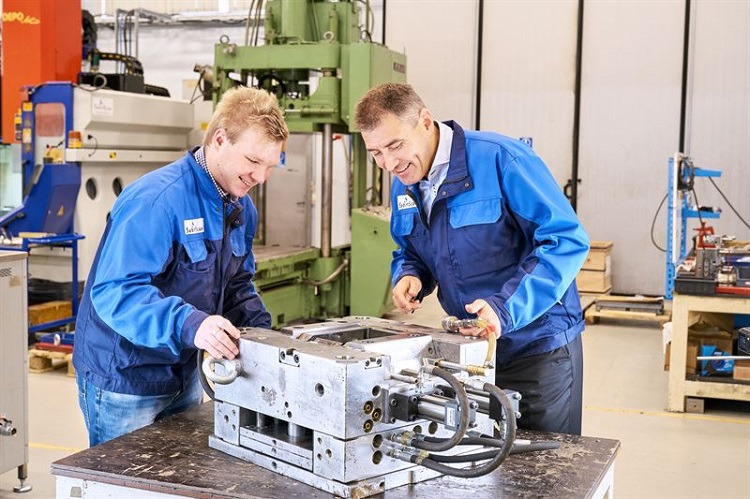
Morocco and Finnish mold manufacturer SabriScan have entered into an automotive industry ecosystem agreement, announced SabriScan CEO Jari Kokkonen.

SabriScan, a Finnish company founded in 1998, manufactures mold internationally for Tier One car suppliers such as Valeo, Hella, and Schieffer. It is the first mold supplier to have an agreement in Morocco.

According to the company, SabriScan’s business model is based on “more efficient machining techniques, global delivery of molds, local service partnerships, high quality, and global manufacturing capacity.”

In January, SabriScan opened a subsidiary in the automotive industry center in Tangier and has plans to expand further in the wake of the new agreement.

“We are very proud that [the Moroccan] Ministry has chosen us as a partner,” said CEO Jari Kokkonen.

Abdelouahed Rahal, the director of the automobile industry at the Ministry of Industry, Investment, Trade, and Digital Economy, said, “To have as a partner a high-tech mold supplier such as SabriScan is definitely a must to enable Morocco to become more competitive in the automobile sector.”

Both sides see the deal as mutually beneficial as SabriScan can better serve global clients from Morocco, while Morocco hopes the new agreement will attract more global companies to the country.

Additionally, the industry ministry is working with SabriScan to develop a training program for high-tech mold manufacturing. SabriScan would build a full-scale mold manufacturing unit with maintenance services and technical support and help with the training of young Moroccans.

Morocco’s automotive industry

Morocco has made significant efforts to step up its automotive industry in the past few years. In October 2018, the Wall Street Journal acknowledged Morocco as the automotive leader in Africa. Surpassing South Africa in passenger vehicle production in 2017, Morocco is a key supplier for European auto factories and is expected to outpace Italy in production in the near future.

Even with this success, Morocco is intent on further growth, seeking a significant foothold in the global industry. The government is determined to have the industry exceed MAD 200 billion in exports with a production capacity of 1 million vehicles by 2025.

Morocco has worked towards the accomplishment of this goal in two ways: Implementing corporate tax exemptions to attract foreign investment and making efforts to increase local integration in the sector to 60% by 2020.

Morocco uses investment incentives such as the tax exemptions to attract foreign investment. Currently, the incentives include a five-year corporate tax exemption and a 25-year exemption if the majority of the products are exported. Additionally, the government offers VAT exemptions, land subsidies, and rebates of up to 30% on investment costs.

Morocco has attracted numerous global partners including Alten, Nexteer, Ficosa, Gestamp, Renault, and Peugeot.

Nexteer, an American automotive company, announced in February 2018 plans to open a production plant in Kenitra. Nexteer employs more than 10,000 people globally and produces parts for car companies such as BMW, Ford, Toyota, and Volkswagen. The facility, expected to open sometime this year, will be the first of its kind in Africa.

In October 2018 the French engineering and technology consulting group Alten opened an automotive center of excellence in Rabat. The center works to train Moroccan engineers and develop the ecosystem of Engineering Services Outsourcing (ESO). The creation of the center is expected to create upwards of 500 jobs in the automotive sector.

A solution for unemployment?

In recent years, Morocco has struggled to overcome high unemployment rates and strengthen its economy. According to a report by Morocco’s Economic, Social, Environmental Council (CESE), the economy is not growing fast enough to match either population growth or an increase in university graduates.

CESE reported that many young people graduate with skills unsuitable for industry needs. Programs such as the one established jointly by Morocco and Alten which provide young Moroccans with specific technical training seek to increase employment.

All of the foreign manufacturing investment agreements coupled with the rapid growth of Morocco’s automotive sector aim to stimulate the Moroccan economy and provide more industry jobs.

Andrew Baid, global CEO of Education for Employment, said in October that Morocco’s expansion of the automotive industry has been “a very concentrated, deliberate effort that needs to be replicated across other industries.”
Finnish Automotive Manufacturer SabriScan Expands to Morocco

0

Morocco and Finnish mold manufacturer SabriScan have entered into an automotive industry ecosystem agreement, announced SabriScan CEO Jari Kokkonen.

SabriScan, a Finnish company founded in 1998, manufactures mold internationally for Tier One car suppliers such as Valeo, Hella, and Schieffer. It is the first mold supplier to have an agreement in Morocco.

According to the company, SabriScan’s business model is based on “more efficient machining techniques, global delivery of molds, local service partnerships, high quality, and global manufacturing capacity.”

In January, SabriScan opened a subsidiary in the automotive industry center in Tangier and has plans to expand further in the wake of the new agreement.

“We are very proud that [the Moroccan] Ministry has chosen us as a partner,” said CEO Jari Kokkonen.

Abdelouahed Rahal, the director of the automobile industry at the Ministry of Industry, Investment, Trade, and Digital Economy, said, “To have as a partner a high-tech mold supplier such as SabriScan is definitely a must to enable Morocco to become more competitive in the automobile sector.”

Both sides see the deal as mutually beneficial as SabriScan can better serve global clients from Morocco, while Morocco hopes the new agreement will attract more global companies to the country.

Additionally, the industry ministry is working with SabriScan to develop a training program for high-tech mold manufacturing. SabriScan would build a full-scale mold manufacturing unit with maintenance services and technical support and help with the training of young Moroccans.

Morocco’s automotive industry

Morocco has made significant efforts to step up its automotive industry in the past few years. In October 2018, the Wall Street Journal acknowledged Morocco as the automotive leader in Africa. Surpassing South Africa in passenger vehicle production in 2017, Morocco is a key supplier for European auto factories and is expected to outpace Italy in production in the near future.

Even with this success, Morocco is intent on further growth, seeking a significant foothold in the global industry. The government is determined to have the industry exceed MAD 200 billion in exports with a production capacity of 1 million vehicles by 2025.

Morocco has worked towards the accomplishment of this goal in two ways: Implementing corporate tax exemptions to attract foreign investment and making efforts to increase local integration in the sector to 60% by 2020.

Morocco uses investment incentives such as the tax exemptions to attract foreign investment. Currently, the incentives include a five-year corporate tax exemption and a 25-year exemption if the majority of the products are exported. Additionally, the government offers VAT exemptions, land subsidies, and rebates of up to 30% on investment costs.

Morocco has attracted numerous global partners including Alten, Nexteer, Ficosa, Gestamp, Renault, and Peugeot.

Nexteer, an American automotive company, announced in February 2018 plans to open a production plant in Kenitra. Nexteer employs more than 10,000 people globally and produces parts for car companies such as BMW, Ford, Toyota, and Volkswagen. The facility, expected to open sometime this year, will be the first of its kind in Africa.

In October 2018 the French engineering and technology consulting group Alten opened an automotive center of excellence in Rabat. The center works to train Moroccan engineers and develop the ecosystem of Engineering Services Outsourcing (ESO). The creation of the center is expected to create upwards of 500 jobs in the automotive sector.

A solution for unemployment?

In recent years, Morocco has struggled to overcome high unemployment rates and strengthen its economy. According to a report by Morocco’s Economic, Social, Environmental Council (CESE), the economy is not growing fast enough to match either population growth or an increase in university graduates.

CESE reported that many young people graduate with skills unsuitable for industry needs. Programs such as the one established jointly by Morocco and Alten which provide young Moroccans with specific technical training seek to increase employment.

All of the foreign manufacturing investment agreements coupled with the rapid growth of Morocco’s automotive sector aim to stimulate the Moroccan economy and provide more industry jobs.

Andrew Baid, global CEO of Education for Employment, said in October that Morocco’s expansion of the automotive industry has been “a very concentrated, deliberate effort that needs to be replicated across other industries.”

Kenya suspends age limit law for imported second-hand cars

0

It was a relief for importers of second hand vehicles after the government suspended plans to cap the age limit for imported second-hand cars at five years from the current 8.

While appearing before the Trade and Industries committee of the National Assembly, Trade CS Peter Munya the cap was a proposal. “It is still in its draft form and yet to undergo public participation,” said CS Munya.

This was after the legislators aired concerns that the ministry was making policies without involving them. They even termed CS Munya’s pronouncement as roadside declaration.

He however assured the lawmakers that the status quo remains until all stakeholders are involved and the policy is passed in Parliament.

The new set of regulations seeks to cap importation of used cars from 8 to five years starting this July. In 2021, the limit is proposed to be three years and finally zero by the year 2024.

The Kenyan government further wants restriction on importation of second hand vehicles of over 1500cc and exceeding five years from date of manufacturing.

The plan has since been met by strong opposition from dealers who say the business is the economic mainstay for over 2 million people, directly and indirectly. Some even told off the Kenya Bureau of Standards KeBS technical team saying the proposed national automotive policy is punitive and inconsiderate of their grievances.

Google opens Android Automotive OS to Spotify, other media app developers

0

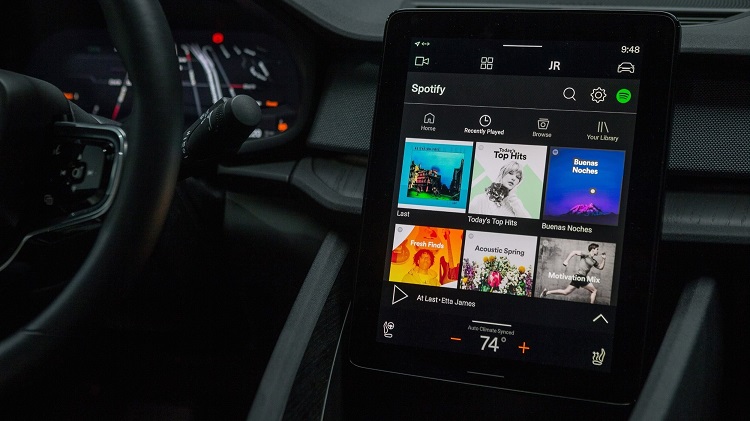
Google  is opening its Android  Automotive operating system up to third-party developers to bring music and other entertainment apps into vehicle infotainment systems, starting with the Polestar 2, an all-electric vehicle developed by Volvo’s standalone electric performance brand.

Google announced that media app developers will be able to create new entertainment experiences for Android Automotive OS and the Polestar 2, starting at Google I/O 2019, the annual developer’s conference that kicks off May 7.

Google is starting with media app developers such as Spotify and other entertainment sites. However, the company plans to expand into other categories of apps as well such as navigation, Haris Ramic, Google’s product lead for Android Automotive told TechCrunch in a recent interview.

Android Automotive OS shouldn’t be confused with Android Auto, which is a secondary interface that lies on top of an operating system. Android Automotive OS is modeled after its open-source mobile operating system that runs on Linux. But instead of running smartphones and tablets, Google modified it so it could be used in cars.

Polestar  introduced in February its first all-electric vehicle, a five-door fastback called the Polestar 2, ahead of the Geneva Motor Show. The Polestar 2’s infotainment system is powered by Android Automotive OS and, as a result, brings into the car embedded Google services such as Google Assistant, Google Maps and the Google Play Store.

Ramic noted that the system shown in Geneva has improved and now has updated Google Maps and a media center that allows third-party applications like Spotify, NPR and YouTube Music to function more seamlessly in the vehicles. These applications will be ready when the vehicle goes into volume production, which is slated to begin in early 2020 at its Chengdu, China factory. The company is initially targeting sales in China, the U.S., Canada and a handful of European countries that include Belgium, Germany, the Netherlands, Norway, Sweden and the U.K.

Polestar isn’t the only company with plans to incorporate a version of its Android operating system into its car infotainment systems. Volvo announced in 2017 that it would use the Android OS and a year later said it would embed voice-controlled Google Assistant, Google  Play Store, Google Maps and other Google services into its next-generation Sensus infotainment system. lvo.

Fiat Chrysler Automobiles announced Tuesday that it will use tech from Harman and Google to build out its connected-car services. Google’s Android Automotive OS will power FCA’s next version of its Uconnect infotainment system, while Samsung-owned Harman’s Ignite cloud platform will handle the out-of-car services.

Renault-Nissan-Mitsubishi Alliance has also publicly announced plans for Android Automotive OS as well as other automakers that Google can’t reveal at this time, Ramic said.

“Interest is very high,” Ramic said, noting that a growing number of companies have come to see the value in leveraging Google’s expertise.

That’s a shift from the traditionally protective stance of automakers intent of keeping Google out of the car. But as the divide between the capabilities of smartphones and in-car infotainment systems grows, automakers have been more willing to turn to Google.

What to do when your car is stolen


It’s a traumatic incident when a car theft happens, it completely shatters you. Again and again trying to figure out where it could be, the thinking of car theft daunts can confuse you that you are not able to understand what to do. Africa Automotive News is here to help you! Below are some quick and important steps one must follow if encounters a car theft incidence:

1. Confirm if it is actually stolen

Before making any quick decision, make sure your car is actually stolen. It might sound silly, but may be due to wrong parking or some related reasons, it has been towed from its parking space. There are some local towing companies where you can ask for your vehicle by providing them the VIN of the vehicle.

Another possibility is that you forgot where you parked the car and mistakenly looking at a wrong place. So, don’t get panic! Just take a minute, breathe and now try to remember.  This will save you from the trauma of losing your car.

2. Inform the police

If your car has not been towed and you even didn’t find it at the place, then it a major concern. Call the police immediately. In case, you are leasing your vehicle, also inform contact that lender and notify them of the theft so that they can also talk to the police as well as insurance company to discuss the case.

You need to give every single piece of information about the car; the VIN number, your car’s make and model, and where you last parked your vehicle. If you have a tracking device, like LoJack or OnStar, also provide that information to the police. Many new cars are manufactured, these days, with GPS technology so that police can track your car and thus stop the thieves. Once you’ve filed the police report, be sure to keep a copy on file or police report number. This will help you with your insurance claim.

3. List out the personal belongings in the Car

After you notify the police, wait for the police at the incident site. In the meantime, you can prepare a list of personal assets that were present in your stolen car, for instance–mobile, laptop, jewelry, shopping stuff, clothing or any other. Along with providing every necessary information about the car, make sure to provide this list to authorities so that if there is any mobile or laptop, it can’t be misused. You will also need to provide this list to your insurers in order to claim the losses on personal belongings if your vehicle comes under comprehensive coverage.

Also read: Driving safety tips every driver should know

4. Call your Insurance Company

The type of car insurance purchased will determine the loss or coverage covered by it. In the event of car theft, if you have purchased only liability coverage, it won’t be covered by your insurer. If it is found damaged then your insurer can cover the repairing cost.

No matter what insurance you have purchased, it is important to inform your insurer that your car is stolen. Depending on the insurance you carry for your vehicle, the insurance company will proceed further. In case, you are leasing your vehicle, also inform that lender and notify them of the theft so that they can also communicate with the insurer to discuss the case.

As we already explained that the people with the state minimum insurance cover are not reimbursed in the event of the stolen car. Different insurers provide different policies in Kenya. So, purchase car insurance in kenya that will cover you overall for all types of possible risks.

Now that you have informed the insurer about the car theft, stay calm and let the insurers proceed with the case. Having a fully comprehensive coverage doesn’t mean that you will be immediately paid out for the loss. The insurance company will properly investigate the matter and the reason behind is to rule out fraud cases. The car owner is the first suspect so the insurance agent examines deeply and if they find you right, they wait for a fixed period if the vehicle can be recovered before paying any claim.

When your vehicle is lost, you must be looking at a total loss claim. You will be reimbursed the actual cash value (ACV) of the car: which is evaluated as the amount you paid for the car, minus depreciation. Keep in mind that the ACV is most probably negotiable: it means that the insurance adjusters usually begin at the low end of a vehicle’s value, so don’t be fooled. Arm yourself with facts, and if they offer you an amount not worth, don’t be afraid to negotiate.

5. Inquire for your vehicle with DMV(Department of Motor Vehicles)

DMV, generally, keep complete logs of stolen cars. In case of car theft, they cooperate with police to find the vehicle, if required.  This might help you get your car back. In case, you car is located, contact your insurer so that  they can determine whether the vehicle needs to be repaired or replaced, if it got damaged in the event of theft.

6. Final Thoughts:

If you are still safe, it is good. But what if this happens to you? So, we recommend you to stay alert how to handle the situation if such daunting incident occurs.  A good thumb rule can be to keep as little stuff in the car as possible. Never leave valuables such as laptops, jewelry etc inside the car. Also, keep the doors and windows locked whenever you park the car.  Follow the parking rules and always park the car at a right place.

New Vauxhall Vivaro van officially revealed at 2019 Commercial Vehicle Show


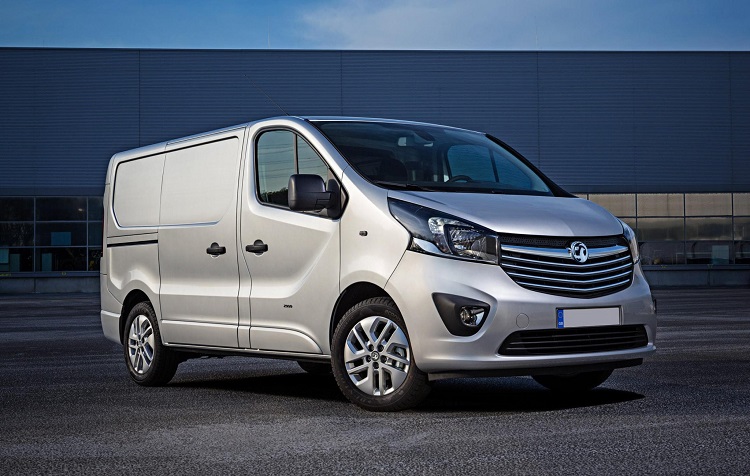
The all-new, British-built Vauxhall Vivaro van has been unveiled at this year’s Commercial Vehicle Show. Prices start from around £23,000 Vauxhall has officially unveiled the all-new Vivaro van at this year’s Commercial Vehicle Show in Birmingham. Due to be built at Vauxhall’s plant in Luton, prices for the new Vivaro will start from £22,918.33 (excluding VAT), with first deliveries expected by summer this year.

It’s based on the PSA Group’s EMP2 platform, which it shares with the Toyota ProAce and Peugeot Expert. This provides it with a payload of 1,400kg and a towing capacity of 2,500kg, which is a respective 200kg and 500kg more than its predecessor.

Best big panel vans on sale

It’s being powered by a 1.5-litre turbocharged diesel engine available in two states of tune, producing either 99bhp or 118bhp – the latter providing provisional economy figures of 57.6mpg.

Three body styles will be available, including a panel van, a crew cab and a platform chassis. Both short- and long-wheelbase models will be available, with the larger model bearing a maximum load capacity of 6.6 cubic metres (233 cubic feet) and, thanks to a load-through flap under the passenger seat, enough space to transport objects up to 4.02m (13ft 2in) long.

Buyers will also have the choice of three trim levels. The entry-level Edition model comes as standard with dual sliding doors, driver and passenger airbags, cruise control and a speed limiter.

Mid-range Sportive models are better equipped, offering body-coloured door mirrors, handles and side mouldings, as well as an alarm, automatic headlights, rain-sensing wipers, a sound-dampening windscreen and thickened side-glazing.

Range-topping Elite models feature a comprehensive range of safety equipment as standard, including lane departure warning, traffic sign recognition, adaptive cruise control, a driver drowsiness alert system and blind-spot detection. Other features include forward collision assist, a head-up display and automatic emergency braking.

Other updates over the previous Vivaro include optional automatic sliding doors (operated by kicking your foot under the van’s sills), a seven-inch infotainment system, parking sensors, an optional rear-view camera and an optional work-site chassis set-up with higher ground clearance and underbody protection.

Fiat Discontinues Fullback Pickup Truck


After refreshing the L200 and the potential introduction of a pickup truck in the United States, Mitsubishi appears to be on the right track in terms of commercial vehicles.

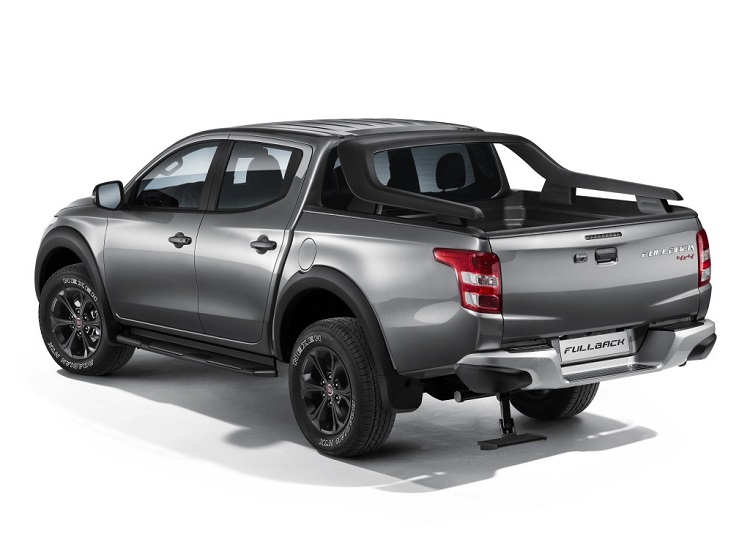
Fiat, which markets the Fullback and Fullback Cross under license from the Japanese automaker, decided to pull the plug on the mid-size workhorse. If you were wondering, poor sales and ever-stringent emissions are to blame for the discontinuation.

The Commercial Vehicle Show

“A combination of factors has led to the Fullback no longer being on sale,” declared the head of Fiat Professional. Speaking to Auto Express at the Commercial Vehicle Show in Birmingham, Richard Chamberlain made it clear the Fullback “was no longer viable” for the Italian automaker.

But on the upside, don’t forget that Fiat Professional has a lot of panel, passenger, and chassis cab-bodied vans to offer in the Old Continent. In South America, the Fullback has a smaller brother in the guise of the Toro, sharing most of the underpinnings with the Jeep Renegade.

Going through the Italian configurator, Fiat still lists the Fullback from €23,440 excluding VAT while the Double Cab starts at €24,940. Level up to the Cross, and you’re looking at €31,390 from the get-go. Mitsubishi Thailand manufactures the Fullback in Laem Chabang, where it is also known as the Ram 1200 in the United Arab Emirates.

The First Production

Production started in 2016, and the 2.4-liter turbo diesel four-cylinder serves as the only engine option for the European market. The system couples the Di-D to either a six-speed manual or a five-speed automatic, offering rear- or four-wheel drive options.

Also Read: Ford and Volkswagen partner to build commercial vans and pickup trucks

The 2.4 is good for 154 PS and 380 Nm from 1,500 rpm while the high-output engine cranks out 181 PS and 430 Nm from 2,500 rpm. In the best-case scenario, the car accelerates to 100 km/h (62 mph) in 10.2 seconds and reaches a top speed of 179 km/h (111 mph) with the six-speed manual.

On a related note, Mitsubishi updated the L200 in November 2018 for the 2019 model year. Mitsubishi also expects to sell around 180,000 units of the one-ton pickup, known as the Triton, in this fiscal year.

Nissan marks 60 years in Kenya with eyes on expansion

0

Automaker Nissan is targeting to open more outlets in the country as it uses Nairobi as its launchpad for expansion. The company which is celebrating 60 years of serving Kenyans and the larger East Africa also launched new Nissan vehicle models which it bets on to grow its market share across the region.

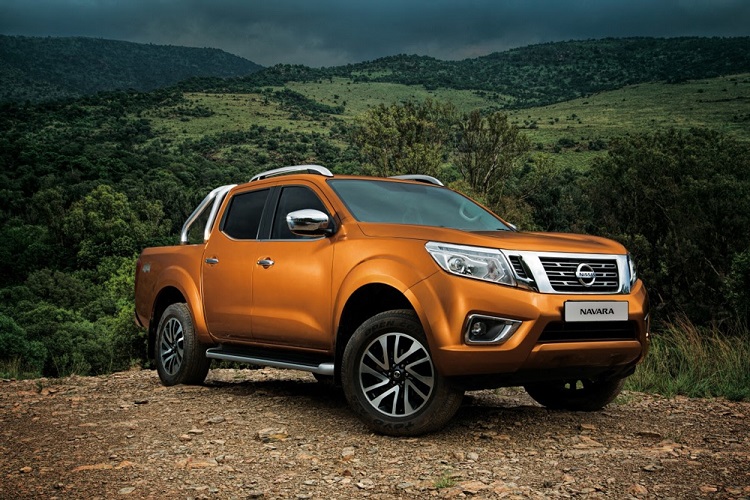
Nissan Group of Africa’s head of operations and sales Jim Dando who graced the event told the government, business and media leaders that the Japanese automotive manufacturer is proud of this unique legacy. He announced a raft of new initiatives, and introduced the Nissan Navara that is built specifically for Africa. The new Navara joins the pick-up range that consists of the NP300 Hardbody in single and double cab, the Patrol Pick-up and the Nissan NP200.

It is available as a four-wheel drive variant with the choice of manual or automatic transmission. Automotive giant Speaking at the inaugural Nissan Experience held at the Nairobi National Park recently, Dando said the automotive giant was expanding its presence in Kenya.

“Nissan Kenya is our official partner in the country, with full sales, spares and service dealerships in Nairobi, Mombasa, and Nakuru with one under construction in Kisumu. We also have a further nine sub-contracted dealerships. ”Mr Dando said the company remained committed to working with the Kenya Government to create a legislative environment conducive to assembling vehicles in the country once more. Nissan will be also co-hosting the inaugural Kenya Automotive Summit in May.

Dando described the upcoming forum as “a critical event on the road to understanding and unpacking the challenges of creating sustainable and internationally competitive indigenous African automotive industries”. The Africa’s head of operations and sales said the company had opted to site its regional East African office in Nairobi with a locally based regional general manager will ensure real-time, involved and on the ground management is proof of Nissan’s commitment in East Africa.

“This is a country where the minibus taxis are still known as Nissan, whether they are or aren’t. It just illustrates a single aspect of our incredible legacy here which we are all immensely proud of and very keen to build on for everyone’s benefit.”

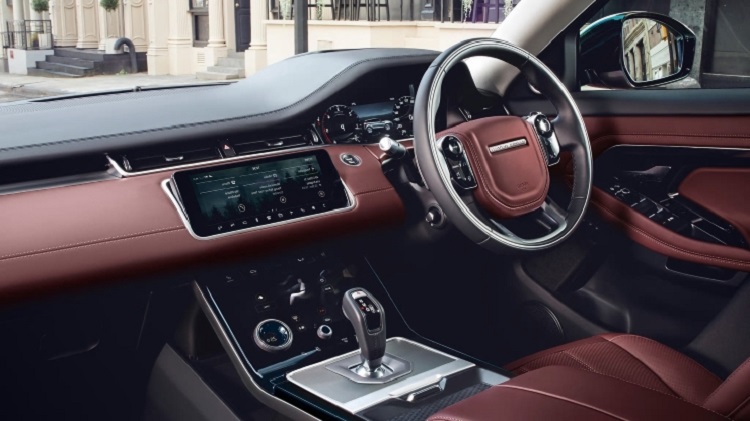
2020 Range Rover Gets Mild-Hybrid


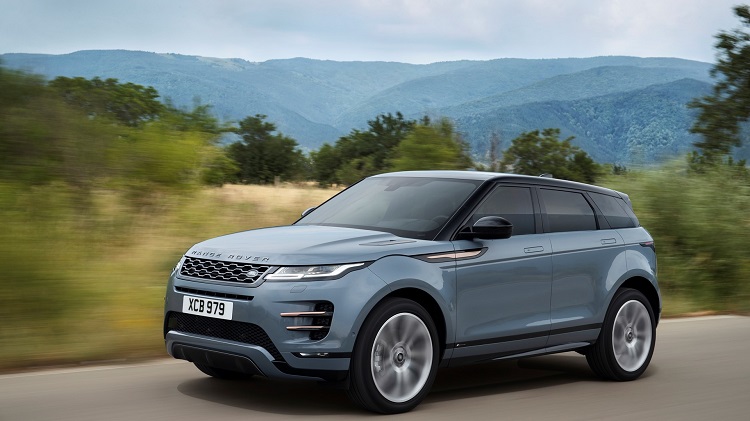
In a move meant to bring a breath of fresh air to the Range Rover lineup, Land Rover announced the availability of a new powertrain option for the American market.

The 2020 model year Range Rover gets updated with the introduction of a new mild-hybrid 3.0-liter inline six-cylinder gasoline engine, which will come in two power outputs, namely 355 and 395 hp, and 406 lb-ft of torque.

The new engine is capable of pulling the car from a standstill to 60 mph in 5.9 seconds, while giving it a top speed of 130 mph (209 kph. The two new powertrains will make their way into the P360 and P400 variants of the Range Rover, the latter being exclusive to the HSE trim level.

Land Rover says the order books for the new engine options are already open. The P360 has become the entry level of the Range Rover lineup, priced from $90,900, while the P400 joins the list somewhere in the middle, priced from $96,150.

With the addition of these two new versions, the carmaker has increased the number of available Range Rover SUVs to twelve, including the Autobiography series. The most expensive Range Rover on the American market is the SVAutobiography LWB, priced from $209,500.

Aside for launching the P360 and P400, Land Rover will refresh the 2020 lineup with the introduction of two new colors, Eiger Grey and Portofino Blue, replacing the current Corris Grey and Loire Blue. New 22-inch Gloss Black wheels are also available for the SUV.

The Range Rover is one of the British carmaker’s most important models in the U.S. On the American market, the nameplate enjoys above-average success in its segment, selling well in excess of 15,000 units per year since 2015, according to Car Sales Base.

In 2018, 19,000 Range Rovers were sold in the States, making for the best year of the nameplate’s history there. 

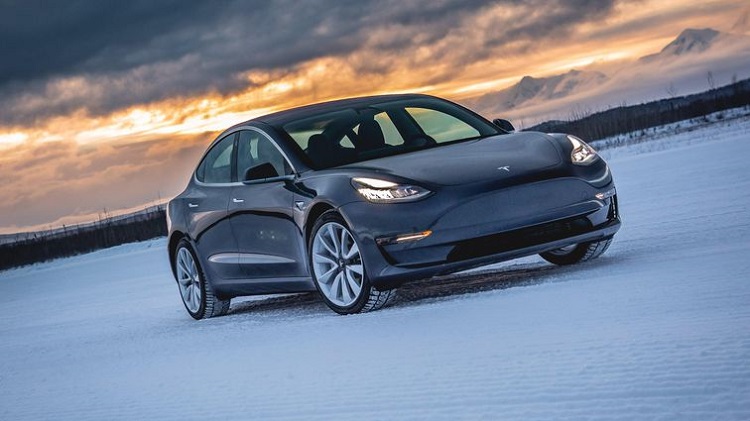
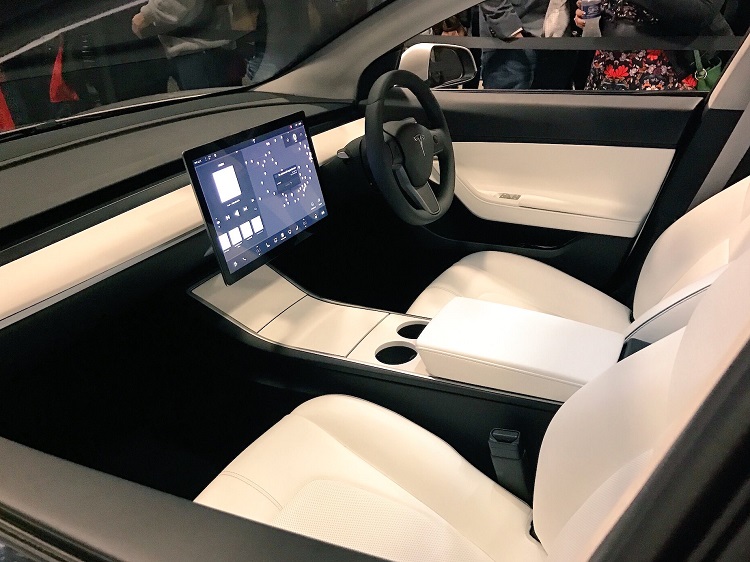
Right-Hand Drive Tesla Model 3 now available for order


Four months after the Tesla Model 3 became available on the mainland European continent, people driving on the wrong side of the road across the channel have the chance to order the model tailored to their needs and habits. Tesla’s UK configurator went live, opening whole new markets for the American carmaker: right-hand drive countries.

In the UK, the Model 3 is offered just as everywhere else, in three variants. The entry-level is the rear-wheel-drive Standard Range Plus, which sells starting from £38,050. Two variants of the dual-motor are available, the Long Range and Performance, selling for £47,050 and £56,050, respectively.

As said, those are only starting prices, as the long list of options vastly increases the price of the car. These options range from the exterior color (five options are available) to the interior trim (two variants are on the table), but the most expensive extra is the Self-Driving suite, which costs £4,900 when ordered with the car. That’s a bargain, considering the price is £6,800 as an after delivery upgrade.

A fully loaded Model 3 Performance – one which includes both Autopilot and Full-Self Driving features – will set British customers back £64,650.

Regardless of the model chosen, customers will have to make a down payment and then wait for the cars to be delivered starting June. That is only one month from now, just to give you an idea of how much the carmaker evolved in this respect in the past year.

On the rest of the European continent, the cheapest place to get your hands on the Tesla Model 3 is France, where the entry level starts at 53,500 EUR and the top of the range at 64,300 EUR. The most expensive Model 3s are sold in Finland – 60,500 EUR for the entry level and 71.700 EUR for the top of the range.

- Advertisement -