Monday, June 1, 2026
Home Blog Page 51

Nigeria committed to development of electric vehicles


The Director-General of National Automotive Design and Development Council, Engr. Jelani Aliyu, has said that the agency would promote the adoption, development, manufacturing and usage of advanced technology in the nation’s automotive sector.

Aliyu who spoke at the recent commissioning of the first solar-powered Electric Vehicle charging station in Lagos, a pilot project in collaboration with the University of Lagos said that this has become very important because the world can no longer afford to continue polluting the environment through the use of fossil fuel and its attendant emission of carbon dioxide, carbon monoxide and methane.

He said “we are now in the Vehicle Electrification era, cars, trucks and buses all powered by electricity.

“A strategic transition from fossil fuel to pure electric power,”explaining that this accounted for the immeasurable support the agency was getting from the Ministry of Industry, Trade and investment in pursuit of the programme.”

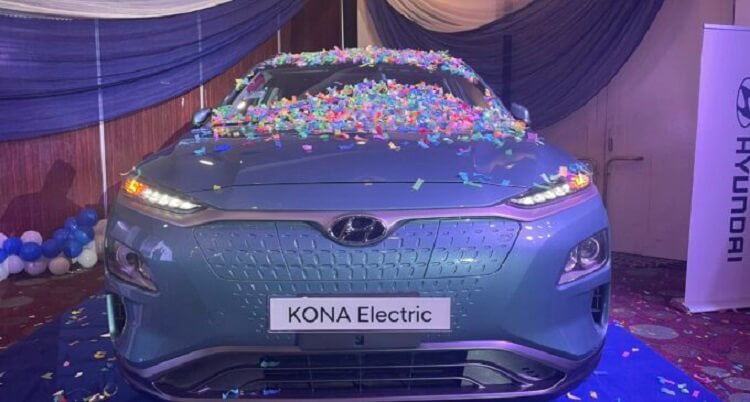
Aliyu recalled that the agency had earlier, this year recorded some progress in this regard when the Minister of Industry, Trade and Investment unveiled the first made in Nigeria Electric Vehicle the Hyundai Kona EV, followed by unveiling of the University of Lagos charge station and later by another at the University of Nigeria, Nsukka, having unveiled one in Sokoto earlier.

According to the director-general, “the world is in a race on the back of the eagles and Nigeria cannot afford to be in that race on the back of anything less, neither a falcon nor a hawk, but on the backs of eagles.

“Whatever advanced technology is being leveraged by developed countries around the world must also be identified, transferred and optimised by Nigeria for the betterment of its people.

“We are now in the fourth industrial revolution, characterised by highly advanced technologies, robotics, artificial intelligence, block chain technology and other incredible solutions.

“For the automotive sector, it means vehicles that are highly embedded with ICT solution connectivity between the vehicle and themselves, their users and the road infrastructure. It means vehicles that think for themselves are therefore safer, more efficient and better for humanity.”

Ogundipe described the commissioning as another initiative of Buhari’s administration designed to promote advanced technology transfer and the development of sophisticated human capital in the country, arguing that the project will offer students first-hand experience with latest innovations in mobility and renewable power technology.

He said: “It is strategised to be an effective platform for focused research and development into more applicable vehicle electrification solutions for Nigeria and Africa.”
PPG begins Automotive OEM Sealants production in Morocco


PPG (NYSE: PPG) has announced the startup of a facility in Tangier, Morocco, that will produce automotive sealants for local vehicle production. The plant, which marks the company’s first automotive coatings production facility in Africa, initially will supply materials for Renault Group’s Dacia brand vehicles that are produced in Tangier and Casablanca.

“This facility’s startup is an important step in providing local supply for automotive original equipment (OEM) vehicle manufacturers in Morocco,” said Roald Johannsen, PPG vice president, automotive coatings, Europe, Middle East and Africa. “The country is already one of the largest and fastest-growing vehicle producers in Africa. Vehicle output is projected to increase significantly, with two more production facilities expected to be added by 2030.”

Policy Center for the New South, a Moroccan think tank, estimates that automotive output rose from 100,000 vehicles in 2000 to around 400,000 vehicles in 2019. Output is expected to increase to 700,000 vehicles by 2023.

PPG’s Tangier facility will produce sealants that allow more flexibility in vehicle design and manufacturing. The company is assessing the local production of additional adhesive, sealant and coatings technologies to supply vehicle manufacturers that are expanding production in Morocco.

PPG continues to advance the development of its automotive adhesives and sealants to allow vehicle manufacturers to meet their goals of electrification, light weighting, sustainability, and noise and vibration reduction.

“This investment demonstrates our commitment to support our customers and expand in regions that are poised for growth,” Johannsen said. “Each day, we partner with our customers to create mutual value and focus on technical solutions that make a difference.”

Kenya plans to increase vehicle exports to boost automotive sector


Kenya is planning to increase motor vehicles exports to the East African Community (EAC) bloc in order to boost the automotive sector, an official said on Monday.

George Makateto, an official with the Ministry of Industry, Trade and Enterprise Development told journalists in Nairobi that Kenya’s automotive industry has a lot of underutilized capacity due to low domestic demand for new vehicles.

The EAC member states include Kenya, Uganda, Tanzania, Rwanda, Burundi and South Sudan. Government data indicates that Kenya’s local assembly plants are currently producing about 10,000 units per year against a capacity of 34,000 units.

Makateto said that the EAC trading bloc is an ideal market because Kenyan goods do not attract import duties when exported within the region.

The Kenyan official revealed that the national automotive policy is in the final process of development and when it is implemented it will help to spur the domestic motor vehicle industry.

He said that the automotive policy promotes the sector by discouraging imports of second-hand cars into the country. Enditem

Plentywaka partners Autocheck to facilitate vehicle inspection, maintenance


Plentywaka, Nigeria’s largest shared mobility platform and a techstars funded startup has partnered with Autochek Africa to facilitate vehicle inspection, financing and maintanence for its teeming number of vehicle partners as part of its continued efforts to revolutionize the public transportation sector in Nigeria.

This partnership comes in the wake of plans to expand the Plentywaka Dailywaka ride-sharing service to over  Severn new routes in a few days. The strategic alliance will facilitate hassle-free vehicle inspection and hire-purchase for prospective Plentywaka vehicle partners, within a short period of time.

Plentywaka has in the last 20 months completed over 355,000 rides and recently expanded its Dailywaka (In-city) service to include more vehicle options like mini-vans. This vehicle has been reintroduced in a bid to increase vehicle availability for its teeming number of riders as well as to help them split fares and avoid ridiculous surge fares and first/last mile issues for heroes (drivers).

Speaking on the partnership, Onyeka Akumah, Co-Founder and CEO of Plentywaka said: “Just like Plentywaka, Autocheck Africa was born out of a need to disrupt an underutilised and unstructured industry. Now, a partner or hero on Plentywaka can onboard their vehicle within 30 minutes and even get vehicle financial assistance on request. Our values align and we are excited about the ease and flexibility that this partnership presents for all our vehicle partners across Africa starting with Nigeria.”

Speaking on the partnership, Etop Ikpe, Founder and CEO of Autochek added:  “This partnership presents a huge opportunity to empower Plentywaka’s vehicle partners through financing as well as enables us, at Autochek, to continue to fulfil our mission to enhance African consumers experience by creating a single marketplace for their automotive needs.”


FG commissions electric vehicle charging station in Lagos


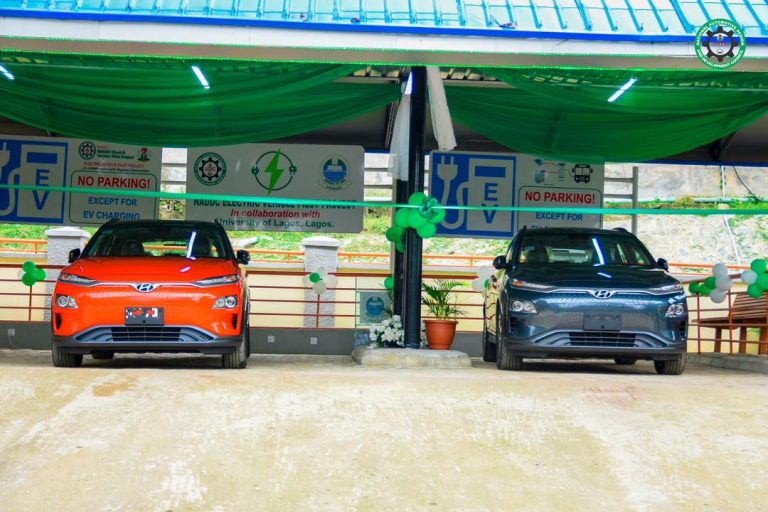
The Federal Government has commissioned the first solar-powered electric vehicle charging station at the University of Lagos. The project is the initiative of the National Automotive Design and Development Agency, NADDC, under the Elective Vehicle Pilot Project. The commissioning, took place on Tuesday at the university’s faculty of engineering, was attended by the Minister of Industry, Trade and Investment, Adeniyi Adebayo; NADDC Board Chairman, Senator Osita Izunaso; and NADDC Director-General, Jelani Aliyi. Others were the University of Lagos Vice-Chancellor, Prof.

Oluwatowin Ogundipe; Chief Executive Officer of the Stallion Group, Anant Badjatya and many other dignitaries. Speaking while commissioning the project, the minister said the charging station is aimed at promoting applicable local solutions for Vehicle Electrification in the country. According to him, the project will offer students first-hand experience with the latest innovations in mobility and renewable power technology. “It is strategized to be an effective platform for focused Research and Development into even more applicable Vehicle Electrification solutions for Nigeria and Africa,” the minister added. Mr Adebayo, therefore, described the program as another initiative of President Muhammadu Buhari’s administration designed to promote advanced technology transfer and the development of sophisticated human capital in the country.

He said: “For my ministry (the Federal Ministry of Industry, Trade and Investment), programs such as these are the lifeblood of everything we are trying to achieve. “It is, after all, a proven fact among advanced nations, that the key to successful industrialization is strategic human capital & capacity development in state of the art technologies.” Speaking earlier, the NADDC Boss stressed that the agency is committed to promoting the adoption, development, manufacturing and usage of advanced technology in the country’s automotive sector. Mr Aliyu recalled that on February 5, the minister had unveiled the first Nigerian assembled Electric Vehicle, the Hyundai Kona EV, adding that today he is commissioning the NADDC Solar Powered EV Charging Station.

According to him, these developments add Nigeria to the league of nations actively committed to the protection of the environment through zero emissions vehicles. Speaking on the station, Mr Aliyu said: “This EV Charging Station to be commissioned today is 100% Solar Powered. “The installation consist of 60 PV Monocrystalline Solar arrays (panels), which have a capacity of 86.4 kilowatts per hour, there are 3 online-offline 5KVA Hybrid inverters synchronized together to give 15 KVA/48 WATTS, and we have 36 units of Deep Cycle Gel batteries with an output of 48 volts/19 and 0 “The Power bank consists of 36 units of dry cell, deep cycle batteries of up to 95Kwh storage capacity. “The system provides ordinary 13A and 15A sockets that can support all types normal chargers. The station also provides a 7.4kw CCS fast charger and can support up to 11kw types.” The director-general added that the project would offer to the university an effective platform for advanced innovation in EVs and related Renewable Energy solutions.

Golden Arrow introduces electric buses to its fleet in Cape Town


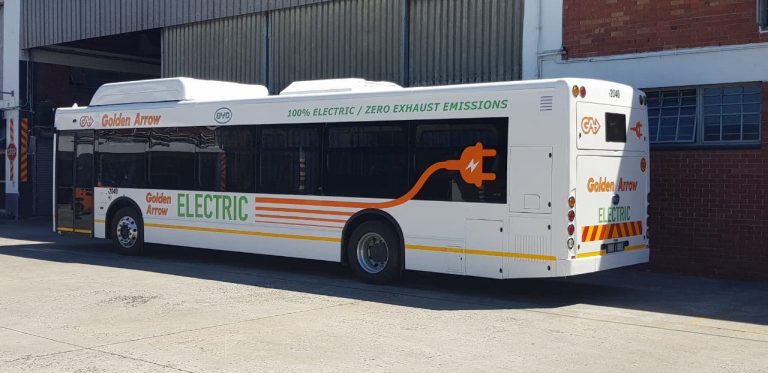
The Golden Arrow Bus Services (Gabs), a South African based company has inaugurated two new buses in Cape Town. The special feature of these public transport vehicles is that they run entirely on electric batteries.

Golden Arrow Bus Services (Gabs) is breaking new ground in public transport in South Africa. The company has put two electric buses on the road in Cape Town. This was done at a ceremony recently in the presence of Daylin Mitchell, the Western Cape Minister of Transport and Public Works. The new buses, which are being rolled out, were developed in a partnership between Chinese car manufacturer BYD and uYilo, which is providing the financial part.

The launch of the new buses was preceded by a one-year test period. “During the first few months, we tested the buses in various circumstances, without passengers. The aim was to find out exactly how the vehicles would perform before integrating them into our operations. The testing of these vehicles has been a joy for everyone involved in the project. Every time we do a new test or reach a new milestone, the excitement level increases,” says Gideon Neethling, an engineer at Gabs.

The new electric buses now run between the suburb of Retreat and the city centre of Cape Town. The service includes an electronic smartcard fare system, which is already in use in several sub-Saharan African capitals, including Yaoundé in Cameroon and Kigali in Rwanda with the Tap & Go system. The electric buses are part of a fleet of 1,000 buses belonging to the provincial Ministry of Transport and Public Works, managed by Gabs.

The company, headed by Francois Meyer, transports at least 250 000 people a day in a large part of the Cape Town metropolitan area. Gabs also aims to reduce its carbon footprint by focusing on electric mobility. The company has already been committed to sustainability since 2017, equipping its facilities with two small solar photovoltaic plants of 25 kWp each.

Digital insurance platform in partnership to ease insuring motor vehicles


Digital insurance platform mTek and online marketplace,Cheki have announced a strategic partnership agreement to further enhance and simplify the process of obtaining and insuring a motor vehicle in the Kenyan market. Through the partnership, Kenyans will be able to not only connect to car dealers on Cheki, but also instantly obtain the matching insurance product through mTek.

“We are extremely pleased to sign this partnership agreement with Cheki. As two companies committed to innovation and creating customer focused solutions, we are excited about the many advantages such a partnership can offer to the market,” said Bente Krogmann, mTek CEO.

The partnership seeks to formalise the existing strong relationship between Cheki and mTek, and provide a strategic focus on the automotive market, especially within the Kenyan region.

Speaking on behalf of Cheki Limited, Brenna Excell, Managing Director – Consumer Classifieds East Africa for ROAM, said “Cheki has always been about convenience and innovation with our loyal clients placing their trust in us. This partnership ensures our customers find the best solutions to their motor insurance needs, through a transparent, reliable and easy digital solution.”

Excell added that Cheki is committed to making strategic partnerships that will give a better user experience to all car buyers and sellers and transform the car owning experience.

FUSO delivers 50 units of the Canter to Nigerian Breweries


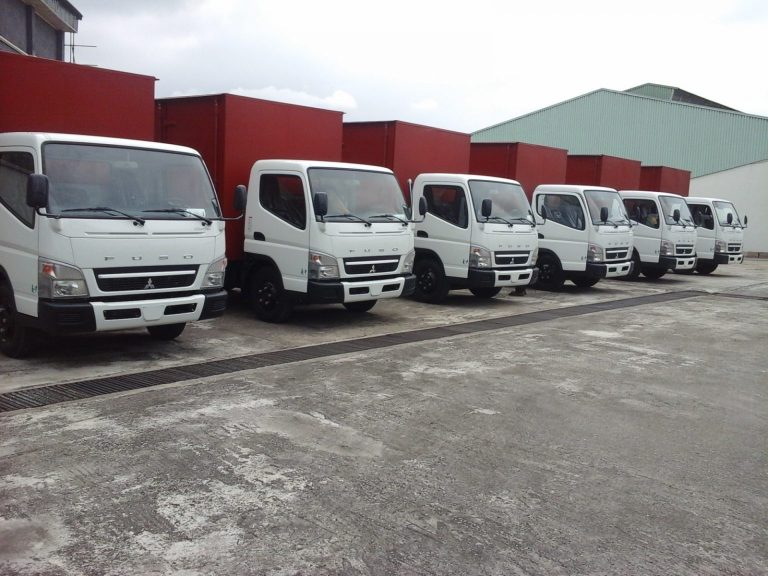
Mitsubishi Fuso Truck and Bus Corporation (MFTBC; headquarters: Kawasaki City, Kanagawa Prefecture; President and CEO: Hartmut Schick), is pleased to announce that 50 units of the Canter have been delivered to Nigerian Breweries Plc. (headquarters: Lagos; Managing Director and CEO: Jordi Borrut Bel), the largest brewing company in Nigeria.

The Canters, which were delivered in mid June 2021, are of the FE84 model of the light-duty truck. The FE84 is a 4×2 with a GVW of 6.5 tons, and has a wheelbase of 3350 mm. The size of the trucks and their toughness makes them perfect for the distribution of Nigerian Breweries’ products through most urban and rural roads. The Canters are expected to travel between the Nigerian Breweries plant in Lagos and beverage wholesalers throughout the country. The Nigerian brewing industry has seen stable growth during the past decade, supported by a large and young population, and companies such as Nigerian Breweries have seen a need to boost their distribution capacities.

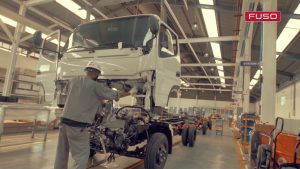
An employee of CFAO Motors Nigeria assembles a Canter at the Lagos KD plant

Most trucks sold in Nigeria, including the FE84, are assembled at a KD facility operated by CFAO Motors Nigeria Ltd. (headquarters: Lagos; Managing Director: Thomas Pelletier). Local assembly of the FUSO Canter began in 2017 with the FE84, and since then, the FE71 has also been added to the production portfolio. KD kits for these trucks are exported from MFTBC’s Kawasaki Plant in Japan. KD production is one of the cornerstones of the strategy for FUSO trucks in this growth region, with MFTBC partners having invested in local assembly facilities in other African countries such as Kenya and South Africa. Customer focus is another cornerstone of this strategy, and is addressed by the Regional Center teams based in the U.A.E., Kenya, and South Africa, who work directly with distributors and customers to optimize product offerings and provide aftersales support.

The durable Canter is a market-favorite in Nigeria and currently holds the top share within the light-duty segment. The popularity of the FUSO Canter is supported by the fact that MFTBC currently offers several varieties of the product to cater to various customer needs. To supplement the KD models, MFTBC also ships BU vehicles of the Canter FE71, FE84, and FE85. MFTBC also plans to expand the Nigerian KD lineup within the next several years, in collaboration with its business partners in the CFAO group. The CFAO group, of which CFAO Motors Nigeria is a part, has been working with the FUSO brand for nearly a decade. It has an established history in the African automotive industry, and has an extensive distribution network that covers passenger cars and two-wheelers in addition to commercial vehicles.

Toyota begins assembly from SKD imports in Ghana


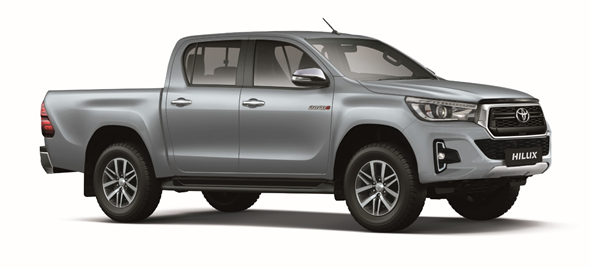
Toyota has started assembling vehicles in the African republic of Ghana, beginning with the Hilux pickup truck. The truck is being built at the new Toyota Tsusho assembly plant in Tema from imported semi-knockdown (SKD) kits.

The company said that next year it would also assemble the Suzuki Swift compact at the plant, again from SKD imports. That follows a collaboration agreement signed in 2019 between Toyota and Suzuki.

Both vehicles were previously imported as finished vehicles to Ghana. However, given the higher import duties on finished vehicles (of around 20%) it is more cost effective to import the vehicles as kits for assembly within the country.

The SKDs are being delivered to the country through Tema Harbour port, which is near to the assembly plant.

Toyota Tsusho, a subsidiary of Toyota Motor, has invested $7m in the Tema plant. It is called Toyota Tsusho Manufacturing Ghana and will have an annual production capacity of 1,300 vehicles. It is the first Japanese carmaker to establish a production base in the country.

Toyota Tsusho took over all business and operations in Africa from Toyota Motor in January 2019. The latest plant brings to five the number of production plants it has in Africa, including Kenya, Egypt, Nigeria and Rwanda.

Nissan unveils UK battery gigafactory as electric drive accelerates


Nissan launched plans Thursday for a vast battery gigafactory in northeastern England, where it will manufacture a new electric vehicle as companies and governments accelerate away from fossil-fuel cars.

Prime Minister Boris Johnson hailed the post-Brexit investment totalling £1.0 billion ($1.4 billion, 1.2 billion euros) that is set to create an additional 6,200 jobs at Nissan’s largest European factory as “a major vote of confidence in the UK”.

Nissan’s Chinese battery supplier Envision AESC will invest £450 million to build the battery plant that will be run on renewable energy and power up to 100,000 Nissan electric vehicles per year.

The plant, which will be built next to Nissan’s car factory and an existing Envision-run battery facility in Sunderland, is seen as key to the UK’s transition away from high-polluting fossil fuel vehicles.

The news comes after Nissan’s French partner Renault this week unveiled plans for an Envision battery factory in France, as global carmakers race to meet booming demand for greener transport and governments target net zero carbon emissions by 2050.

The Japanese auto giant is to spend up to £423 million on Britain’s all-electric EV36Zero project, while Sunderland City Council will help to bring the total amount of investment up to £1.0 billion.

“This is a landmark day for Nissan, our partners, the UK and the automotive industry as a whole,” said Nissan’s Chief Operating Officer Ashwani Gupta, as he stood next to a line of newly-made Nissan vehicles awaiting their final inspections.

Nissan, which had previously warned that a no-deal Brexit would threaten its 35-year-old Sunderland factory, said the new investment represents 6,200 jobs at the Japanese group and its UK suppliers.

There will be 900 new Nissan jobs and 750 new Envision AESC jobs. Nissan however would not be drawn on exact timings for the new battery plant and electric car.

“We are working on the detailed plan,” Guillaume Cartier, Nissan chairman for Africa, Middle East, India, Europe and Oceania, told AFP.

“Today is really the start of the race and we are working on that. The speed will be extremely important so we will disclose the main dates later.”

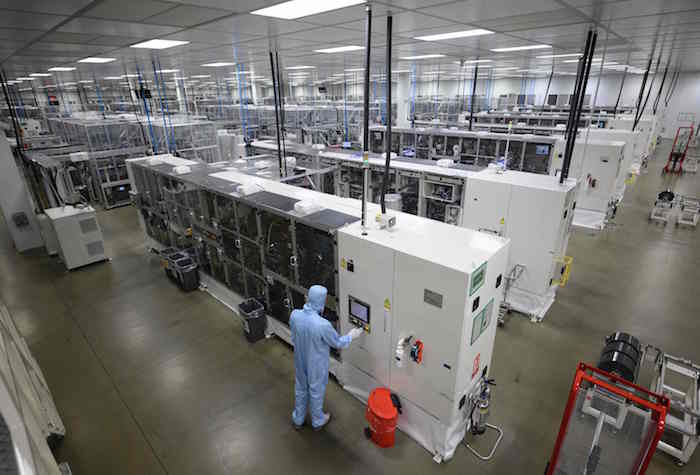
At the current battery plant, workers are dressed head-to-toe in overalls to avoid compromising efficiency of the final product. Construction of a much bigger facility “is a huge step forward in our ambition to put the UK at the front of the global electric vehicle race”, said UK Business Secretary Kwasi Kwarteng.

“The cars made in this plant, using batteries made just down the road at the UK’s first at scale gigafactory, will have a huge role to play as we transition away from petrol and diesel cars.”

The UK government, which hosts the UN’s climate change summit in November, plans to ban sales of fossil fuel cars from 2030 as part of efforts to reach net zero carbon emissions by 2050.

Europe now has projects to build dozens of gigafactories that could potentially produce 16.7 million battery-electric vehicles by 2030, according to Transport & Environment, a non-governmental organisation.

Volvo and Swedish startup Northvolt announced last week they were joining forces to build a new battery factory in Europe.

“UK and European carmakers are engaged in a race to develop capacity to produce battery electric cars,” Peter Wells, an expert on the auto sector, told AFP.

“Those manufacturers that fail to develop BEV (battery electric vehicle) capabilities will simply lose market share,” the Cardiff University economics professor said.

Nissan established Britain’s first electric vehicle and battery production at Sunderland in 2013 with its Leaf car.

The company has more recently faced a series of trials, from weak demand during the pandemic to the fallout from the arrest of former boss Carlos Ghosn, now an international fugitive after jumping bail and fleeing Japan.

It has delayed the planned summer launch of its flagship new electric Ariya model to this winter over the global chip shortage plaguing automakers.

Nissan’s Covid-secure Sunderland hub employs about 6,000 workers and produces 400,000 cars annually, mostly for export.

- Advertisement -