Monday, June 1, 2026
Home Blog Page 46

AutoXpress Ltd in partnership with Rubis launch XpressFit


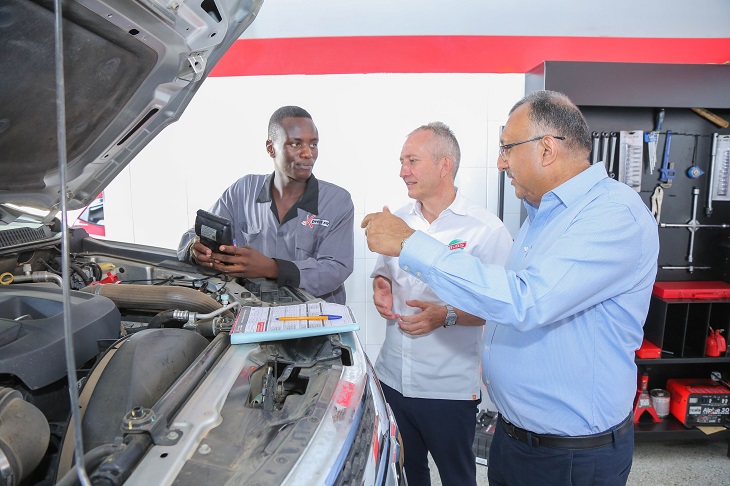
XpressFit is a franchised Tyre and Auto Service workshop concept developed jointly by AutoXpress and Rubis specifically for fuel stations. This partnership represents a joint commitment to deliver efficient, high quality, modern and trustworthy services to Kenyan motorists.

XpressFit will become a key part of the Rubis Energy Kenya network, by giving their customers a convenient option for the servicing and maintenance of their vehicles.

AutoXpress has leveraged its 60+ years of experience in the automotive industry ensuring XpressFit provides its customers with high quality and trustworthy services.

XpressFit will provide consumers the opportunity to purchase quality products from some of the best-known global brands in the automotive sector. “Our tire range includes Goodyear, Dunlop, Nexen, and Blackhawk. Our oil servicing and mechanical range include Castrol lubricants, Asimco brake pads, NGK spark plugs, Freebatt batteries, and Bosch wiper blades.”

Rubis Energy has 450 service stations across East Africa and has a vision of creating a unique ecosystem where customers find all the products and services they need with convenience. XpressFit, the latest addition to the Rubis value-added offerings, is open at Rubis Thome, Rubis Enterprise, and Rubis Athi River stations.

“Rubis Energy is committed to making your life’s journey better, creating convenience, and bringing the highest standards of products and services to its customers. Our ambition is to open 50 XpressFit outlets across East Africa by 2027 for an investment of about USD 5 million. We are excited about this new venture which will create over 300 new job opportunities for Kenya and its neighboring countries” said Jean-Christian Bergeron, CEO East Africa, and Group Managing Director, Rubis Energy Kenya.

Rubis Energy Kenya’s other value-adding offerings available at their service stations include the Enjoy convenience store, Brioche – a French-inspired bakery, the Rubis Card, and Rubis Ultra Tec premium fuel.

“The automotive parts & services business has been part of AutoXpress’ DNA since its inception in 1958. AutoXpress is excited to extend its expertise through its franchise, XpressFit, allowing motorists access to quality parts & service at more convenient locations. We have a well-trained and highly skilled team that will deliver exceptional service” said Sandeep Shah, Group Managing Director, AutoXpress.

Nexteer Automotive & Tactile Mobility Announce Advanced Road & Tire Detection Software


Nexteer Automotive and Tactile Mobility have announced a software solution to improve overall vehicle health management, safety and performance by detecting changing road surfaces (wet, dry, icy, etc.) and evolving tire conditions (tire stiffness, tread depth, etc.). This solution is part of the vehicle’s steering system and will enhance the connection among driver, vehicle and road through new, advanced road and tire detection software.

Deeper Connection to “Feel of the Road”
Road feedback plays an important safety element in giving the driver a sense of hazardous road conditions (e.g., icy, gravely, potholes etc.). The companies’ new software can detect road surface conditions and friction under all road conditions and speeds starting from the vehicle’s parked position at zero and up to low excitation cruising (such as highway driving without acceleration or braking). It does this by integrating Tactile Mobility’s virtual sensors and algorithms into Nexteer’s electric power steering (EPS) system and software.

In today’s vehicles with traditional EPS systems, a driver feels road feedback through the steering wheel and software tuned specifically for the “feel of the road.”

This new software solution leverages traditional steering feel into a new arena, enabling the vehicle itself to “feel” the road by converting road surface information into data that the vehicle collects, interprets and assigns to road condition scenarios – all in real-time.

Furthermore, steering “feel” in fully autonomous vehicles takes on a unique perspective given that the human-to-vehicle interface is removed so there is no driver to feel the road. Nexteer and Tactile Mobility’s advanced road detection software ensures this important safety feedback by giving a “sense of feel” to the vehicle – increasing levels of safety and redundancy across all levels of autonomous driving.

Tire Health Management
In addition to road surface detection, the new software and virtual sensors measure tire parameters and health, which is connected to overall vehicle health management. For example, the software identifies and monitors tire tread depth over time and then alerts the driver when it’s time for tire replacement – which in turn enhances safety, performance and convenience with proactive scheduled maintenance.

“Our new road and tire detection software highlights how we’re combining Nexteer’s expertise in EPS software and steering feel tuning with Tactile Mobility’s sensing technology and data analytics to improve a vehicle’s connection to the road and enable even safer, more reliable driving,” said Robin Milavec, President, Chief Technology Officer (CTO), Chief Strategy Officer (CSO) and Executive Board Director, Nexteer Automotive. “We’re excited about the opportunities that this new software can provide to improve overall vehicle health management, safety and convenience for drivers in all road conditions.”

Machine Learning, Connected Vehicles & Crowd Sourcing Safety-Related Data Nexteer and Tactile Mobility’s software solution has employed machine learning and identified patterns in road surface and tire detection data from over 20 million miles of driving. Ongoing machine learning will continue to add to the software’s ability to proactively translate road and tire conditions, while providing new significant virtual sensors and insights over time.

In addition to recognizing and translating data patterns, the software can also share road surface data with other vehicles in real-time using cloud computing. This vehicle-to-vehicle “crowd sourcing” of road surface information enables a vehicle to be more aware of its environment, thus improving safety and traffic flow.

Applications in Mobility, Insurance, Municipalities & More
Nexteer and Tactile Mobility anticipate that application of their latest software and data analysis breakthrough to reach beyond global automotive OEMs and into adjacent sectors such as automotive insurance carriers to support safer driving, as well as municipalities in streamlining road maintenance and winterization efforts enabling safer communities.

“We are excited to join forces with Nexteer, bringing our safety enhancing sensors to more vehicles, improving road and vehicle safety for everyone,” said Shahar Bin-Nun, CEO of Tactile Mobility. “With tactile insights, drivers will have previously unavailable information on their vehicle and the road conditions, providing them unprecedented insights to make safer driving choices. This partnership further enables us to address the rapidly growing need for efficient and reliable sensors in the automotive industry and to pave the way toward full autonomy.”

McLaren Automotive unveils the McLaren Artura Art Car


McLaren Automotive the British creator of luxury, high-performance supercars, revealed the McLaren Artura Art Car created as a regional collaboration with Nat Bowen, a leading British abstract artist known for her vibrant, colourful pieces. The unique supercar featuring the artist signature artwork will be part of her long-anticipated exhibition taking place at the ME Dubai hotel between 24 February and 31 March.

The creative study explores the use of Chromology, representing the psychology behind colour, as well as themes of ‘Art’ and ‘Future’, which have inspired the name of the brand’s first high-performance hybrid. The exterior of the car features translucent resin pigments, which adapt to the light, reflecting and absorbing the surroundings and resulting in the work becoming a part of the space it inhabits.

“We are delighted to have collaborated with Nat Bowen to showcase the all-new McLaren Artura featuring her signature multi-layered artwork in the iconic surroundings of the ME Dubai. The exhibition received phenomenal reception from the attending guests and allowed us to successfully engage with the extremely passionate art community in Dubai and the rest of the Middle East region.”

Mohamed Fawzi, Market Director – Middle East & Africa, McLaren Automotive

“It has been an honour to work with McLaren Automotive on this exciting concept and display it as part of my first solo exhibition in Dubai. My goal was to provide a truly immersive experience and transport the visitors into a meditative state away from everyday distraction, as well as allow them to further explore and develop their relationship with colour”.

Nat Bowen

All-new from the ground-up, the McLaren Artura marks the beginning of the next chapter for the pioneering company and a new era in the world of supercar technology and performance. Underpinned by the McLaren philosophy of super-lightweight engineering, the Artura is a distillation of every attribute inherent in a McLaren, combined with faster throttle response, lower emissions and ability to run in pure EV mode, thanks to its ground-breaking electrified powertrain.

The McLaren Artura is also the first model built on the new McLaren Carbon Lightweight Architecture (MCLA), which contributes to the car’s class-leading lightest dry weight of 1,395kg and a DIN kerb weight of 1,489kg. At the heart of the car is a new, lightweight 2,993cc twin-turbocharged V6 petrol engine, paired to a bespoke eight-speed transmission and a compact e-motor, which provides the supercar with instant torque. The package generates a combined power output of 680PS (671 bhp) and 720S Nm of torque, which translates to truly breath-taking performance figures of 0-100 km/h in 3.0 seconds and a top speed of 330 km/h.

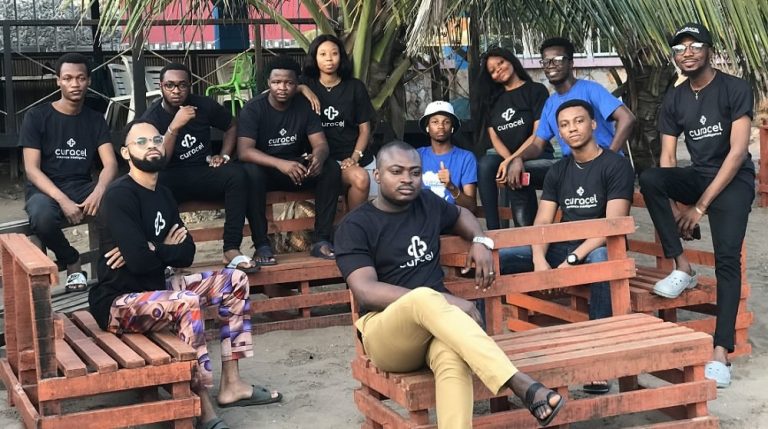
Nigerian insurtech startup Curacel unveils new product to support the distribution of insurance to Africans


Curacel has launched Curacel Grow – an embedded insurance product that empowers technology companies to seamlessly offer insurance as part of their existing products and services. The Nigerian insurtech startup is launching Grow to support the distribution of insurance to millions of Africans through partners like Barter by Flutterwave, Float, Payhippo and other leading technology companies.

With Curacel Grow, airlines will be able to offer travel insurance to their customers through simple APIs. Automotive dealers will also be able to seamlessly sell insurance to customers as a value-added service.

Insurance penetration in Africa currently stands at less than 3%, with most policies sold offline and manually via brokers and agents. This cumbersome process makes insurance products expensive and out of reach for many price-sensitive Africans. The insurance industry in Africa also represents less than one per cent of insured catastrophe losses worldwide, although it’s home to almost 17 per cent of the global population. This suggests that there is significant scope for growth.

With Grow, insurers can accelerate the distribution of their products by taking advantage of Curacel’s technology to easily embed insurance within other digital experiences in a more accessible way.

Furthermore, technology companies can also increase their recurring revenue by offering the protection their consumers need without the hassle of finding integration and negotiating terms with insurers and brokers. The solution is designed to integrate seamlessly with any technology platform, and Curacel’s AI-powered infrastructure means claims can be submitted and processed in real-time.

Commenting on the new product, Henry Mascot, CEO and co-founder of Curacel, said, “risk protection is a major consideration for Africa’s growing middle class. As it becomes easier to access credit and other financial services to enable new experiences, we want to make it easier to protect these experiences and enjoy them with full confidence. The success of various technology companies over the years has opened the door to many previously underserved people, and we want to take advantage of this to accelerate the penetration of much-needed insurance products across the continent.”

Curacel has a presence in 8 countries across Africa, enabling insurers to connect with digital distribution channels and administer their claims cost-effectively. The startup is also part of the Winter 2022 cohort of Silicon Valley’s prestigious Y Combinator accelerator, joining the growing list of successful African startups that have participated in and benefitted from the program.

Dayco partners with Nuvera to offer comprehensive fuel cell vehicle solutions


Dayco, a leading engine products and drive systems manufacturer for the automotive, heavy-duty, and industrial market segments, has entered a strategic partnership with Nuvera Fuel Cells, LLC, a manufacturer of heavy-duty, zero-emission fuel cell engines for on- and off-road mobility and other applications. This association brings together the best of both companies’ capabilities to design and develop advanced fully integrated fuel cell solutions for a wide range of commercial vehicles, stationary, industrial, and mobile applications. 

Together, Dayco and Nuvera are developing integrated fuel cell electric power solutions for a sustainable and clean future. Nuvera’s patented controls and flexible applications architecture for fuel cells along with Dayco’s long-standing capabilities in propulsion system technologies will improve system performance, robustness, and reliability with high-quality assurance and scalability.

“Dayco’s energy control management and integration competencies coupled with Nuvera’s decades of experience in fuel cell technologies will allow us to provide a highly optimized and efficient full zero-emission integrated fuel cell power system for commercial vehicles, industrial, material handling, and off-highway applications with best-in-class performance and durability,” stated Wouter Nijenhuis, Executive Vice President of OE Sales and Business Development at Dayco.

Compliant with global emission reduction regulations and trends, Dayco acts as a Tier 1 supplier and vehicle integrator to provide optimal vehicle performance and energy management. Dayco’s unique offerings provide advanced zero-emission propulsion solutions built around Nuvera’s eighth-generation fuel cell stack technology, integrated into a power system with balance-of-plant components and embedded controls.

“With ever-tightening regulations in the US, Europe, and Asia, there is a critical need for zero-emissions power solutions for commercial vehicles in trucking, public transit, and many off-road sectors that meet highly demanding performance requirements. Nuvera’s commercially available fuel cell packages deliver high efficiency, reliability, and durability,” said Lucien Robroek, CEO of Nuvera. “Coupled with Dayco’s engineering services and automotive componentry, we are providing our customers a direct path to adoption of fuel cell-powered vehicles and machinery.”

Fuel cell electric vehicles are the future of the world and are strong contenders to traditional internal combustion engine vehicles, providing comparable range and refuelling time along with the simplicity of electric drivetrains. Dayco and Nuvera with their unmatched technological advancements are committed to delivering sustainable integrated fuel cell system solutions for off-highway, heavy-duty and light-duty applications across the globe.

How South Africa, Ghana and Egypt could reshape the automotive industry in Africa


By the end of this year, a pioneering three-way Industrial Partnership Agreement between South Africa, Ghana and Egypt could be a reality and the ignition to the rapid industrialisation and growth of the automotive industry in Africa – a lighthouse to the opportunity that exists within the world’s largest single market, the African Continental Free Trade Area (AfCFTA).

These agreements would be sub-agreements of the AfCFTA and would provide for accelerated automotive preferred access subject to specific requirements being met in terms of standards, definitions and customs and trade administration procedures. Conclusion of the rules of origin can provide a five-year phase down period before import tariffs are reduced to zero for products that meet the required rules and content thresholds while considering the important benefit of cumulation.

The importance of this possible three-way partnership is that it will take the debate about the potential benefits of the AfCFTA and, especially the role of the automotive industry in helping to achieve it, from the abstract to the practical. While good progress is being made, we still have some work to do before we have continental consensus on the rules of origin, but there is no doubt whatsoever that more and more countries understand the opportunities of becoming part of an integrated African automotive industry. The key to unlocking this lies in engaging on the how.

Increasing numbers are already working towards creating policies that will allow them to become part of the production and trade system; Nigeria, which was the first mover in West Africa almost eight years ago, has asked KPMG to review its previously adapted though never approved automotive policy. Kenya is soon to implement its recently approved policy while Morocco, which already has a considerable automotive industry rapidly built on exports to Europe is exploring its path to benefit from AfCFTA and contribute to the benefit of Africa. Policy development work is near conclusion in Ethiopia, while the Ivory Coast, Rwanda, Botswana, Namibia and Lesotho have already signalled their clear intention to be further included in the development of the African auto industry. Gabon has also recently reached out, in a very pragmatic approach looking for niche areas in which it can excel in the value chain.

It is important to agree how the member state contributes to the auto value chain, because not every country in Africa can assemble – and ultimately manufacture – vehicles, it is unsustainable and economically unviable as scale is critical in this globally competitive sector. What we also need is for countries which have the appetite to look at manufacturing components which help meet the proposed 40% African content threshold that the AfCFTA would require for vehicles to manufactured and sold across the continent totally duty free. It is in this spirit that Afreximbank commissioned a study in the ECOWAS region to establish just how its member countries can sustainably and competitively contribute. This research will be extended to the balance of the continent later this year.

A significant percentage of aftermarket parts are imported into Africa; fast-moving items like filters, shock absorbers, brake pads, auto glass, leaf springs and batteries offer up short-term manufacturing opportunities while new vehicle volumes grow. Developing this manufacturing capacity not only serves the after-market but is vital to meeting the local content thresholds and speed up the transition from OEM component kits to deeper levels of localisation in the development of Africa’s automotive manufacturing progression.

This is the key to creating a sustainable African automotive industry which in turn will create the jobs and provide mobility solutions for what is the world’s last automotive frontier – a continent where automotive motorisation rates are the lowest on the globe at 42 out of every 1000 people owning a vehicle while the global average is 182. Africa has the fastest growing middle class in the world, by 2034 it will have the largest working age population in the world. It has a rapidly urbanising population; by the end of this century Lagos will be the biggest city in the world with 12 other African cities dominating the list of the world’s biggest 20 cities.

Africa needs vehicles, it needs affordable mobility solutions, but more than all of that it needs to create jobs, diversify its economies and manufacture products than can be exported to earn vital foreign exchange strengthening a country’s balance of payments between imports and exports. Precisely because of that, Africa can’t just survive on Semi-Knockdown (SKD) plants; assembly lines where cars are built and then basically re-assembled in other countries. These don’t create long terms jobs and often don’t achieve anything more than import duty substitution which is economically unviable and unstainable. We have to build competence and skillsets where we move from SKD to complete knock down (CKD) to a fully integrated industry with press, body and paint plants were initially at least 40% of the content of the vehicle is manufactured in Africa.

Another key advantage of the automotive sector within the AfCFTA is that no country is left out. It doesn’t matter the level of industrialisation in a particular country or even whether it currently manufactures components; if it is prepared to enact progressive automotive polices that create the right kind of ecosystem that will attract investment in the auto value chain. These policies are about creating the opportunity for inclusion in the value chain; from governments to OEMs, investors and especially the people on the ground; its citizens.

Part of a progressive automotive policy is ultimately outlawing the used vehicle import market, protecting investors and creating investment value in the vehicles that are built, bought and traded locally. Used vehicles are an important part of the ecosystem – their source will transition over time from imports to those assembled in Africa and that attract affordable vehicle finance as long as they meet minimum standards, especially in terms of safety. It’s all well and fine for policies to exist on paper, but their impact has to be felt through implementation and consistent and thorough accountability for those who do not observe them.

The African Association of Automotive Manufacturers (AAAM) believes the time is now and the vision of five-million new vehicles sold in Africa by 2035, lies in Africa’s, our hands. This equates to 20 new CKD plants across Africa participating in intra-Africa trade. Just imagine the employment creation in the value chain when we reach this objective. Never before have we been faced with such an opportunity and alignment as we have within the new formed AfCFTA.

As we forge ahead with the implementation of the AfCFTA, it’s important that we remember to balance national interest with the broader interest. There’s always a strong drive by individual countries to protect their own interest, which is wholly understandable. Many countries do feel they have a lot to lose; irrespective of whether they are the less or the more industrialised in the conversation. But the reality is that it is in everyone’s interest to integrate into Africa.

The only we can do that is by having those conversations where negotiating teams put those fears on the table so that we can look at ways of resolving them to everyone’s satisfaction – and get on with the job of making this truly the African Century.

Electric Vehicle startup BasiGo launches pilot in Nairobi


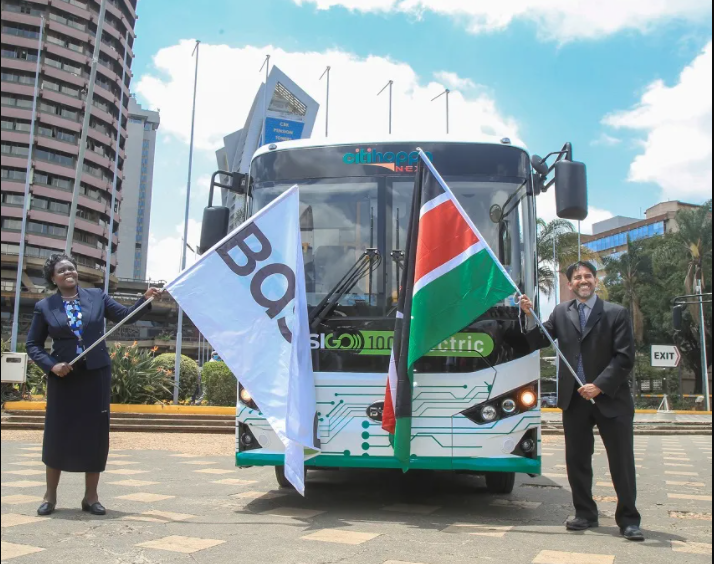
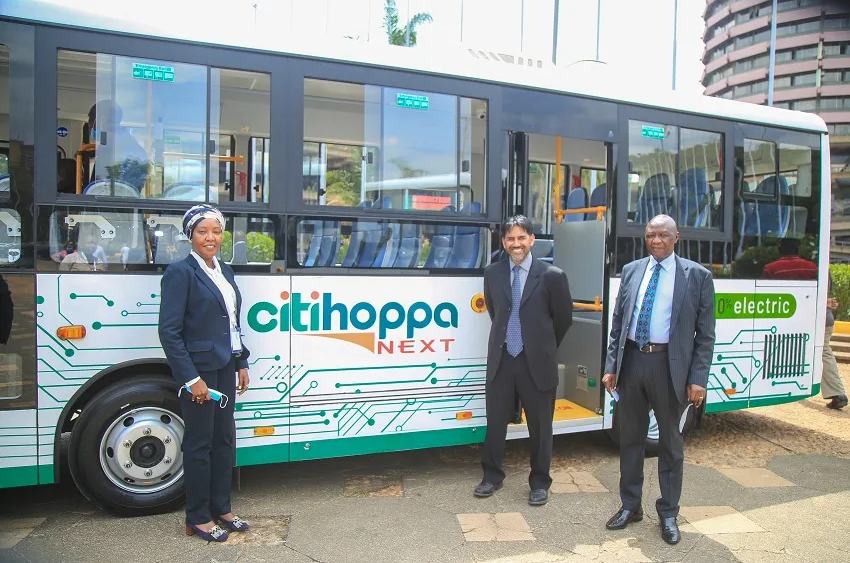
Kenya’s first fully electric bus companies, “BasiGo” has flagged off the first electric buses in the country for public transport use. The guest of honour at the event Permanent Secretary in the State Department of Transport, Ministry of Transport, Infrastructure, Housing and Urban Development and Public Works, Dr. Eng. Joseph K. Njoroge, CBS said the buses are proof that Kenya can make a reality and work towards building a sustainable transport sector.

“We are currently working towards launching the BRT system in Nairobi to ease traffic and our goal is to have electric buses used. ” he said.

The event was also attended by representatives of BasiGo’s pilot partners, Citi Hoppa and East Shuttle, BYD Automotive and Kenya Power and Lighting Company (KPLC).

BYD and KPLC are BasiGo’s key strategic partners in the deployment of electric buses and charging infrastructure.

“Today marks an important step towards a cleaner and brighter future for public transit in Kenya. We are thrilled to be partnering with two pioneering PSV operators;Citi Hoppa and East Shuttle, to give Kenyans their first chance to ride in an electric bus. These buses will transform expectations for bus travel in Nairobi and we look forward to seeing them carrying passengers in safety, comfort, and with zero emissions on a daily basis. With Kenya’s abundant renewable electricity to power these buses, we can make Kenya a global leader in the shift to sustainable public transit. ” said Jit Bhattacharya, CEO and Co-Founder at BasiGo.

Eng. Rosemary Oduor, CEO and Acting Managing Director KPLC, also pledged to work with BasiGo in developing the charging infrastructure for electric vehicles.

“We are ready to play our part in the electrification of transportation and will strive to support this endeavour and the transformation of the country to mitigate the effects of climate change.” she said.

The buses arrived in the country in December 2021 and have undergone extensive validation and reliability testing in preparation for the pilot launch.

The buses will now go into operation as standard PSVs with Citi Hoppa and East Shuttle.

Citi Hoppa will be deploying the BasiGo electric bus on routes between the city centre and Jomo Kenyatta International Airport.

East Shuttle plans to deploy their electric bus on the Eastlands side of Nairobi.The electric bus pilot program will give passengers along these routes the chance to ride in the electric bus just like any other matatu.

“Customer comfort and safety are the DNA of the Citi Hoppa brand and the need to deliver the best service to customers not in word but in deed. We are excited to pilot test this new electric bus technology and see how it performs as part of our regular bus operations. We believe passengers will particularly enjoy the quiet and comfort of commuting on the electric bus, and we know these buses can have a positive impact on our environment. This innovation is timely as it gives bus operators an alternative to the regular diesel buses,” said Githaiga Weru, Operations Directors, Citi Hoppa.

“These electric buses are much easier for our drivers to operate while also offering a much better experience for passengers,” said John Moses Kamau, Director of Finance at East Shuttle.

“With the possibility of less maintenance and avoiding the cost of diesel fuel, these buses address many of the hassles our owners face and should be better for our business overall.”

BasiGo also announced that they are now taking reservations for the first production units of the K6 Electric Bus. The K6 is a 25-seat, 250 km range electric bus that recharges in less than 4 hours.

The K6 is designed by BYD Automotive, the largest manufacturer of electric buses in the world.

Through BasiGo’s unique Pay-As-You-Drive battery financing program, owners can purchase the K6 for KSh 5 Million plus a daily subscription fee equal to KSh 20 per kilometre which includes the cost of leasing the battery, nightly charging at a BasiGo depot, and service and maintenance for the electric bus.

Customers can reserve the K6 electric bus with no deposit and no cancellation penalty.  BasiGo shared that delivery to customers of the first locally assembled K6 Electric Buses will begin in the second half of 2022.

Egypt’s Al-Manar Group launches new lube oil blending plant


Egypt’s Al-Manar Group, which specialises in automotive lubricants, has announced the start of operations at its new 50,000 tonnes per year lube oil blending plant in the 6th of October City.

“The new plant has started producing automotive engine oil, gear oil, and industrial oil under Forma brand,” Ahmed Nawara, Managing Director and CEO of Al-Manar Group, told Zawya Projects.

He said the new plant occupies only 40% of the plot to enable future expansion.

He said: “The total area of the plot is 10,000 square metres, and our new plant, which constitutes the first phase, occupies 4,000 square metres. We will share details of the expansion, as part of the second phase, in the coming months.”

“With the launch of our new products, we plan to double our market share and export to North and East Africa,” Nawara said, adding the new plant would enable the company to increase its market share to 10%.

The company has set a target of increasing the share of exports in overall sales to 15 percent in 2022, with exports to Morocco, Tunisia, and Algeria.

“We can expand production, blending, packing, and storage in accordance with market needs and exports,” the Al-Manar Group CEO said.

Al-Manar Group has also signed an MOU with Sweden’s Nanol for fuel and engine oil efficiency improvement technology.

“Our Swedish partners will share their technology of engine oil efficiency, which in turn will minimise fuel consumption, prolong vehicle service time, and improve vehicle performance,” Nawara said.

Turkish auto sector considering risk scenarios due to Ukraine war

The global automotive manufacturers are unable to procure parts from Russia and Ukraine, have started establishing special units to manage the crisis. They are seeking alternatives in case the invasion continues in the near future.

The war affects the automotive industry in several ways. As Ukraine and Russia are two important supplier countries in the global automotive industry, the recent situation is creating bottlenecks in the production chain, so much so that some factories have temporarily stopped manufacturing. While some automotive giants such including Volkswagen, Skoda, BMW, which manufacture in Russia, temporarily stopped their activities in this country due to the sanctions of Western counties. Also, numerous brands have suspended vehicle deliveries to the Russian market. It is expected that the war in Ukraine could cause the loss of more than 1 million vehicles in global automotive production.

German Volkswagen became one of the most affected automotive brands. It temporarily suspended vehicle production at its factories in Zwickau and Dresden. Volkswagen AG Board Member for Purchasing Murat Aksel announced that they have established a crisis team to monitor the potential impacts of the war on their business activities. Aksel added that their suppliers in Ukraine are trying to continue production as much as possible despite the situation.

Disruptions in production in global automotive factories may deepen the long-standing supply problem in Turkey. Ali Bilaloğlu, president of Turkey’s Automotive Distributors Association (ODD), said last week that the supply is still very limited and many brands are still unable to respond, even to the decreased demand.

“The Russian crisis will exacerbate the supply problem. Both Russia and Ukraine have serious vehicle production and sub-industry facilities,” he said.

Automotive Industry Association (OSD) head Haydar Yenigün said that the impact of the current situation on the Turkish automotive market will become more apparent, adding that the sector representatives continue to create their action plans against all risks and possible scenarios. He added that it is hard to measure the import volume from Russia due to the multilayered and complex supply chain structure in the automotive industry.

“According to TurkStat data, the value of the bodies, components and parts of motor vehicles imported from Russia in 2021 amounted to $9 million. However, we can say that the indirect export of Russia, which is an essential exporter of raw materials and energy, to the automotive main industry is much higher. On the other hand, Russia is an important player in the global energy market, as it has significant natural gas reserves in the world. This process may have an impact on the energy market and therefore on the industrialists as well,” he said.

Group 1 Automotive to buy Toyota Dealership in Austin, Texas


U.S. auto retailer Group 1 Automotive Inc (GPI.N) has confirmed it would buy the Charles Maund Toyota dealership in Austin, Texas, as it is expected to add $435 million in annual revenues.

Acquisitions in the sector hit a record $8 billion in value last year despite predictions that the internet and Tesla Inc’s (TSLA.O) direct-to-consumer sales strategy would kill traditional auto dealerships.

“Our current financial position allows us to continue to return capital to shareholders,” said Earl J. Hesterberg, president and chief executive officer of Group 1.

The dealership, which will be renamed Toyota of North Austin, marks the 16th Toyota store in the company’s U.S. portfolio.

The auto retailer said with many large companies relocating to Texas in recent years, the Austin metro market has grown by more than 30% to become the nation’s fastest-growing large metro from 2010 to 2020.

Sales at auto dealers have thrived during the COVID-19 pandemic as car prices surged due to chip shortages and robust demand from consumers turning to personal transportation in the pandemic. The auto dealer added that the combination of the Toyota brand and the Austin market represents a positive growth opportunity as Japanese automaker Toyota Motor Corp (7203.T) outsold General Motors Co (GM.N) in the United States in 2021.

That was the first time the Detroit automaker has not led U.S. auto sales for a full year since 1931.

- Advertisement -