Monday, June 1, 2026
Home Blog Page 43

OmniVision and Valens Semiconductor partner to offer automotive solution for Advanced Driver-Assistance Systems applications

0

OmniVision, a leading global developer of semiconductor solutions, advanced digital imaging, analog, and touch & display technology, and Valens Semiconductor, a premier provider of high-speed connectivity solutions for the automotive and audio-video markets, have partnered to bring to market a MIPI A-PHY-compliant camera solution for the automotive industry. The companies will include Valens Semiconductor’s new VA7000 A-PHY-compliant chipsets inside OmniVision’s Automotive Reference Design System (ARDS) camera modules. The initial camera module will also include the OX08B40 image sensor from OmniVision.

Since its release by the MIPI Alliance in late 2020, A-PHY, the standard for high-speed in-vehicle connectivity, has garnered significant momentum within the industry. In 2021, the IEEE standards association adopted A-PHY in its entirety as one of its own standards. Automotive Tier-1 and Tier-2 technology suppliers, such as OmniVision, have been working to adopt the standard for their next-generation solutions for Advanced Driver-Assistance Systems (ADAS) applications. Valens Semiconductor is the first company to launch A-PHY compliant chipsets, having started shipping samples of its VA7000 product family to select customers and partners in December 2021.

The collaboration between Valens Semiconductor and OmniVision will pave the way for the development of A-PHY-compliant camera systems, allowing for smaller camera designs, reduced power consumption, lower camera cost, and interoperability with the wider A-PHY ecosystem. Both companies will demonstrate the A-PHY reference design at AutoSens Detroit (May 10-12, 2022).

“We’re thrilled to partner with Valens Semiconductor to allow our customers to easily evaluate A-PHY, a new global standard optimized for high-speed sensor-to-ECU connectivity, which we believe will present a significant business opportunity for our company,” said Boyd Fowler, Chief Technology Officer at OmniVision. “It is a major step that the automotive industry can now work around a connectivity standard, which is built from the ground up to deal with the specific challenges in the car while bringing significant cost savings to the ecosystem as a whole. We look forward to taking our place in this impressive new development around MIPI A-PHY.”

“OmniVision has always been a pioneer in adopting cutting edge technologies with their sensor solutions, which is why it’s no surprise that they’re forging ahead with A-PHY,” said Gideon Kedem, SVP and Head of Automotive at Valens Semiconductor. “The A-PHY ecosystem continues to grow, with OEMs, Tier 1s and Tier 2s already evaluating our VA7000 chipset family for high-speed video connectivity. It is becoming crystal clear that this is going to be the leading connectivity solution for ADAS applications in cars around the world.”
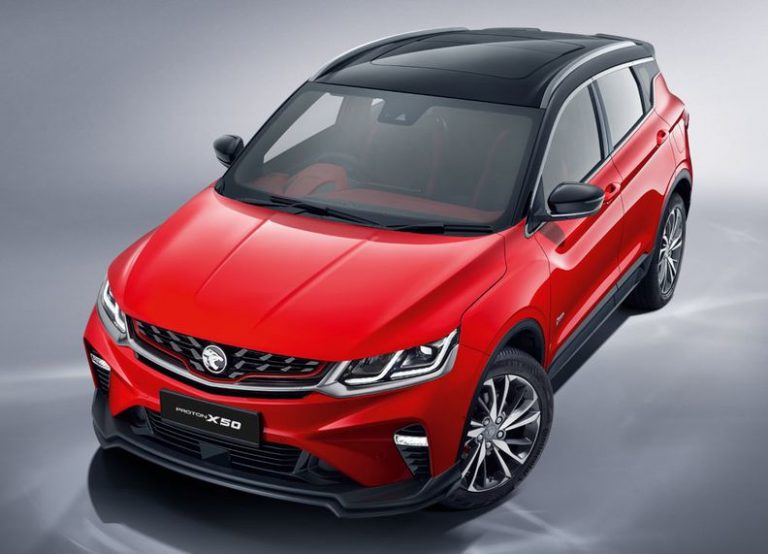
Proton to export rebadged Geely crossovers to South Africa


Proton Holdings, the Malaysian carmaker partly owned by Zhejiang Geely Holding Group, plans to launch sales of two rebadged Geely crossovers in South Africa in September, expanding its global presence.

The first two models to be exported to South Africa from its Malaysian plant will be the X50 and X70 crossovers, Proton said.

The X50 and X70 are right-hand-drive versions of Geely’s Binyue and Boyue compact crossovers. Local dealer CMH Group will distribute the crossovers in South Africa under the Proton brand. Geely acquired a 49.9 percent stake in Proton in 2017 from Malaysian conglomerate DRB-Hicom.

With new investments and products developed under Geely, Proton’s sales have increased three straight years, with 2021 volume rising 4.5 percent to 114,708. Proton’s exports also climbed to 3,018 vehicles in 2021 from 248 vehicles in 2017.

The number of its export markets has reached 13, most of which are countries in Southeast Asia and South Asia, according to Proton. In 2022, it aims to boost exports to 10,000 vehicles, Proton said.

Tropos Motors collaborating with Cox Automotive to elevate the customer experience

0

Tropos Motors designs, builds and markets the best-in-class fully electric, compact utility vehicles, has announced a collaboration with Cox Automotive, the world’s leading automotive service provider, to support the next level of service for the all-electric utility vehicle market. This arrangement is designed to assist customers with:

Coast-to-coast service across North America
Capability for onsite service and maintenance
More convenient servicing
Pre-delivery inspection
Factory trained service
Logistics

“We are excited to partner with Cox Automotive and raise the bar for the customer experience. We are working to provide a higher level of pre-sale and after-sale service and support that has never been available before with this class of vehicle to date,” said John Bautista, Founder and CEO of Tropos Motors. “We pride ourselves in offering a superior, 100% electric vehicle for daily use, so companies can right size vs. downsize their truck work fleet. We have always brought advanced connectivity, efficiency, performance, and value, now we can add nationwide top-level service to the list,” he continued.

“We are always looking to work with companies that have their customers’ needs as the primary focus. Tropos Motors offers a full spectrum of fleet products and services that do just that with their full line of durable and versatile, all electric, street legal vehicles that can be utilized indoors or out, and Cox Automotive is excited to provide first-class customer service to Tropos’ customers across the U.S.,” said Alex Fraser, AVP of Fleet Operations for Cox Automotive Mobility.

With all the capabilities of a larger truck but in a smaller package, fleet operators see cost and environmental benefits tied to the EV. Tropos Motors offers a better solution and has successfully made the all-electric utility vehicle more appropriate for the job. Success of the Silicon Valley-based startup is also attributed to the lower costs of vehicle fleet ownership and maintenance compared to the competition.

This new collaboration comes immediately following the debut of the all-new ABLE™ NXT platform at the Advanced Clean Transportation Expo in Long Beach, Calif., May 9-11, 2022.

The ABLE NXT is taking pre-orders with expected delivery beginning Q3 2022. For more information, please visit www.troposmotors.com


South Africa to introduce new rules for self-driving cars


The Department of Transport plans to formalise rules around self-driving vehicles in South Africa as part of an official policy push. Presenting its department performance and strategic plans to parliament, the department said it aimed to have the regulations around ‘autonomous vehicle technology’ approved within the next five years (by 2027).

This follows a presentation to parliament in March 2022, where the department indicated that research into the regulations had been approved and submitted – but had missed internal deadlines in 2021. It now expects to present the regulations for comment before the end of the year.

The department has said that self-driving vehicles will move on streets with little or no control by humans, solving several mobility issues for the country – including road safety, social inclusion, emissions and congestion.

“Government is putting in place policy, legislation and strategies to take advantage of the benefits associated with automated vehicles (AVs), while also minimising risks and unpremeditated consequences,” the department said in its annual report. “The new policy, legislation and strategies should provide a welcoming environment for testing and development of AV technology.”

South Africa is not unique in its move to regulate self-driving vehicles, with Tesla chief executive Elon Musk pushing to have Full Self-Driving (FSD) recognised in Europe – if he can persuade regulators.

In March, Musk admitted Tesla still has ‘a lot of work’ to do on special-case traffic situations before the carmaker will be ready to show FSD to European regulators. And even then, he expects them to be less permissive than their American counterparts.

“In the US, things are legal by default, and in Europe, they are illegal by default,” Musk said. “We have to get approval beforehand, whereas, in the US, you can kind of do it on your own cognisance, more or less.”

SUNREF and partners to support West Africa Automotive Village with renewable energy financing


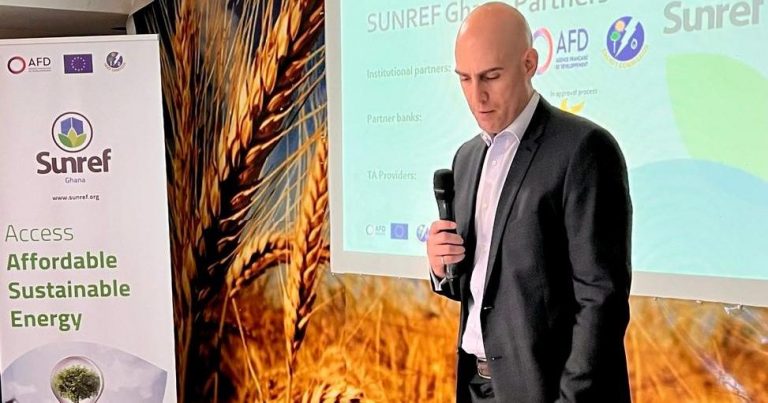
Sustainable Use of Natural Resources and Energy Financing (SUNREF) and its partners, CalBank and GCB Bank have pledged to immensely support the West Africa Automotive Village initiative by the Greater Accra Regional Minister, Henry Quartey. Part of a global initiative by French Development Agency to get public and private banks to finance private sector investments in green technologies and sustainable energy, SUNREF Ghana, is making available €32.5 million through its partners to support renewable energy financing in the country.

Team Leader for SUNREF, Normand Michaud, told participants at the first ever Greater Accra Regional Investment Opportunities Conference that the objectives of the project is to reduce the energy intensity of Ghanaian economy, secure energy supply for households, companies and institutions Leverage investments in renewable energy, among others.

He is therefore urging all to take advantage of the energy financing project to transform the renewable energy or green financing project in the country.

“SUNREF work with either the government or some agencies in each country. Here in Ghana, we are working with the Energy Commission, and the Energy Commission is the one managing the SUNREF project with the two banks [CalBank and GCB Bank] and the AFD [l’Agence Francaise de Developpement]. What am doing here and the service am providing here – technical assistance – we are not billing the customers, the banks etc.”

“We mentioned about environmental friendly projects, developing the countries, the cities in a green way. The type of projects for the credit line include solar energy, biomass or biogas. In terms of energy efficiency project, what we are looking for is a programme for saving energy”, he added.

The SUNREF Ghana boss also mentioned that institutions that are interested in purchasing electric vehicles will also be given the necessary financial support to do so.

SUNREF, a green finance label developed by AFD and supported by the EU launched its energy financing programme for Ghana in Accra in 2021. The programme is a unique and innovative financial offer, with a credit line of €30 million from the AFD and €2.5 million as grant and technical assistance from the EU, provided to local partner banks. CalBank was the first bank to partner with the programme.

ETAP secures $1.5m to expand Africa’s Car Insurance Services


ETAP, an insurtech startup that makes it easier to buy and claim insurance, has secured $1.5 million in pre-seed funding to grow its team and drive the adoption of much-needed car insurance across Africa. The pre-seed funding round was led by Mobility 54 (the Venture Capital arm of Toyota Tsusho and CFAO Group), with participation from Tangerine Insurance, Graph Ventures (invested in Clubhouse), Newmont and other angel investors.

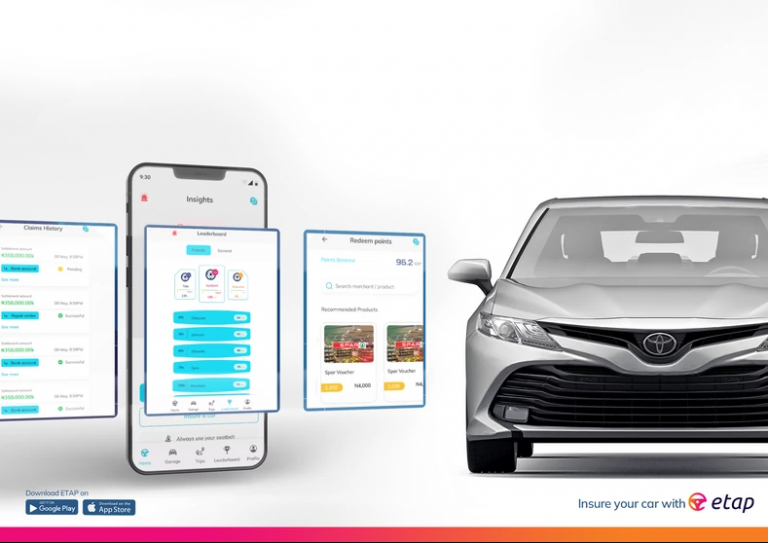
Starting in Nigeria, the new funding will support the roll-out of ETAP’s game-changing app, which allows drivers to buy insurance in 90 seconds, complete claims in 3 minutes or less and get rewarded for good driving and avoiding accidents. Working with a wide range of automotive value chain players, ETAP will also explore other opportunities to deliver much-needed insurance services for car owners in other countries across the continent.

Only one in five cars in Nigeria are currently insured, and the complexities of buying and claiming insurance have led to widespread apathy for traditional insurance companies and products, with many car owners opting to go without insurance. With ETAP, buying and claiming insurance happens exclusively on a smartphone, enabling a seamless and enjoyable insurance experience for users.

Since launching in beta in November 2021, ETAP has insured more than 130,000 individual trips and over 500,000 car journeys, representing more than eight times the total distance of paved roads in Nigeria.

According to Ibraheem Babalola, CEO and founder of ETAP, “Just like any other digital service, we believe Nigerians should be able to buy and claim car insurance without having to ‘call a guy. We also believe that rewarding good drivers can be a catalyst for better driving and making our roads safer. This is why we have created Africa’s most powerful car insurance app, and we are excited to have raised these funds to bring more users on board. Too often, buying and claiming insurance in Africa is so out of touch with the everyday reality of most people, but we are changing the game and making the process just as enjoyable as any other experience that consumers access on the mobile phone.”

Yumi Takagi, Project Manager at Mobility 54 said, “ETAP addresses many challenges that impact the automotive experience in Africa. We are excited to support and work with them to bring their innovation to more drivers across the continent. We believe that ETAP will engage in this important role and revolutionize the automotive insurance industry with its powerful technology.

ETAP uses machine learning to build intelligent risk profiles that determine appropriate premiums for each driver, allowing them to achieve lower premiums by driving safely. Using advanced telematics, the driving experience is gamified to improve driving behaviour, and drivers can earn Safe Driving Points that can be exchanged for shopping vouchers for the most in-demand retail outlets, fuel, cinema and concert tickets, and other exciting experiences. Depending on their needs, drivers also have flexible coverage options, including daily, weekly, monthly, quarterly, and annual plans.

ETAP Product Image 4

In the unfortunate event of an accident, they simply need to take a picture of the affected part of the car via the app and the artificial intelligence processes the claim based on previously uploaded images. The app comes with geolocation tags, timestamps and other features to prevent fraudulent claims, as well as crash notification, emergency support and more.

Japan auto parts makers diversify supply chain to North Africa


Yazaki and other Japanese auto suppliers are setting up production bases in North Africa. This move helps them diversify their supply chains amid increasing geopolitical risks in Eastern Europe. This is particularly due to the Ukraine war. They are focusing on how these changes affect the supply of key auto parts.

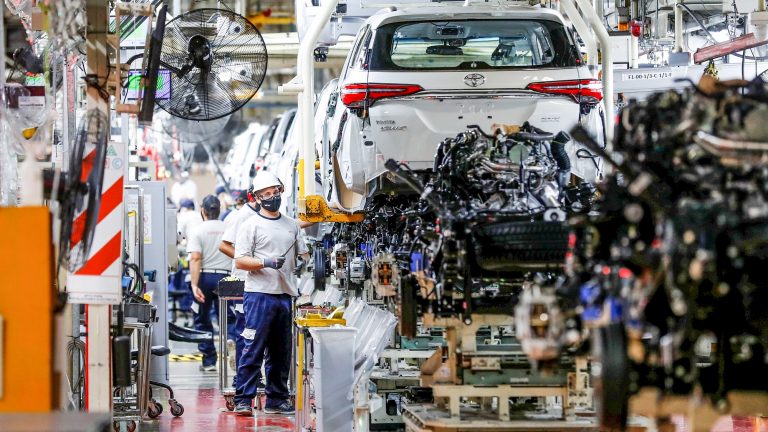
Wire harness supplier Yazaki will pour 9 billion yen ($69 million) to raise output at its Morocco plants by around 25%. The company will spend 5 billion of the fresh investment on building a new production facility in Meknes, in the north of Morocco. Yazaki will start construction of the Meknes facility this year. Moreover, a new one in Egypt will start in 2023. The company will also increase capacity at its existing plants in Tangier and Kenitra.

Auto Parts Demand

Yazaki sees Morocco as a key supply base to European markets. The demand for its products, including essential auto parts, is rising there. It has plants in Bulgaria and the Czech Republic. But geopolitical risks are escalating due to Russia’s invasion of Ukraine.

Other wire harness suppliers are making the same moves. Fujikura plans to begin production in Morocco after shifting its operations from Ukraine. Sumitomo Electric Industries is also ramping up output in Morocco this year as it begins its move away from Ukraine.

Also Read: Aptiv Automotive to shift its Ukraine Production to Morocco

Production

Kasai Kogyo, an automotive interior parts supplier, also aims to start producing sun visors and other parts in Morocco within the year. These will be for export to Europe. This underscores the significance of Morocco as a hub for auto parts manufacturing.

Morocco is attractive because of its proximity to Europe and its close trade ties with the continent. Thanks to free-trade agreements with the EU, Moroccan exports to the bloc are exempt from tax. According to the Japan External Trade Organization, 250 auto-related companies operate facilities there.

Western auto suppliers have also set up factories in Morocco. Renault and Stellantis already have production bases there. Meanwhile, U.S. auto parts supplier Lear Corp., Germany-based Stahlschmidt, and Swiss-based TE Connectivity have announced plans to set up new plants in the country. These actions solidify the region’s status in the auto parts industry.

The Investment

The three companies are expected to invest the majority of their 8 billion yen combined funds in Tangier. Tangier is a port city in the north of Morocco. Chinese companies, including CITIC and Chongqing Polycomp International Corp., are also investing in facilities in Morocco.

Also Read: Morocco to produce up to 1 Million vehicles per year by 2030

In 2021, Morocco produced 400,000 vehicles, making it the second-biggest car-producing country in Africa after South Africa. Companies not only hope to use Morocco as an export base to Europe but also to its neighboring countries. Key auto parts play a critical role in this production landscape.

Apart from Morocco, Egypt is also attracting investment from the auto industry. Japanese machine tool maker DMG Mori will set up a plant in Egypt to start producing lathe and other products in 2023. It will be the first Japanese machine tool maker to build a production base in North Africa with a focus on expanding auto parts manufacturing capabilities.

The war in Ukraine and supply chain disruptions are hitting automakers. Germany’s Verband der Automobilindustrie, or VDA, in March announced that the industry expects even tighter supply of auto parts due to the Ukraine crisis.

Read More: 

INEOS Grenadier announces its retailer in Kenya


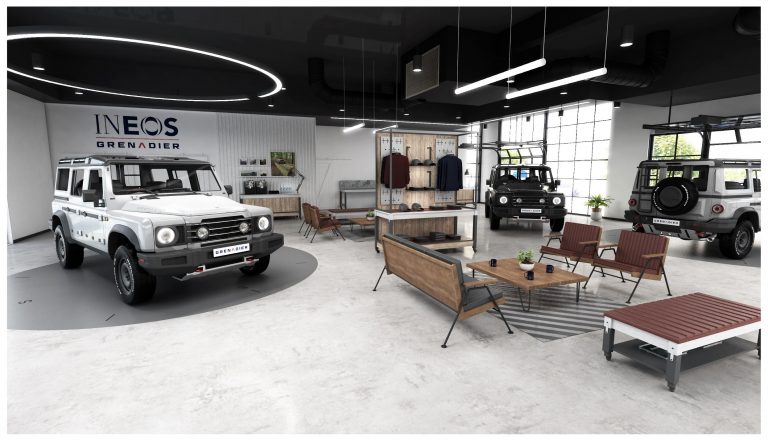
INEOS Automotive has nominated the partner that will operate its first retail sites in Kenya. They are among the first 160 locations to be confirmed in markets around the world. By the end of 2022 INEOS plans to have a network of 200 sales and service sites for the Grenadier spanning over 50 countries, including established dealer groups, 4X4 specialists and agricultural equipment dealers.

The confirmed retailer in Kenya is Wootton Automotive, a newly registered company created to exclusively represent INEOS Automotive in Kenya. INEOS is working with Wootton Automotive to set up its outlets and be ready to welcome customers in the next few months. That process includes an intensive INEOS training programme for the sales agents and workshop technicians.

“We have worked tirelessly for over a year to find retail partners that share our enthusiasm and excitement for the Grenadier,” said Tim Abbott, Head of Region South Africa and Sub-Saharan Africa. “They understand 4X4 users and their requirements and have a proven track record for exceptional customer service. Together with our regional partners, we look forward to providing Grenadier customers with the advice, guidance and support they need.”

Prospective customers will be able to find their nearest Grenadier retailer via an interactive map at ineosgrenadier.com. Technical specifications and indicative pricing for the INEOS Grenadier in Kenya will be confirmed by the end of April, with order books opening in May.

NADDC recommits to electric vehicle production in Nigeria

The National Automotive Design and Development Council (NADDC) has reiterated its commitment towards the local production of environment-friendly Electric Vehicles (EVs) for use by every Nigerian.

At the just concluded Nigerian Energy Summit II, organised by Germany, the Nigerian Federal Ministry of Power and the European Union, the Director General of the NADDC, Jelani Aliyu, announced his agency’s plan to enable the capacity of Electric Vehicle production in the country.

This, he said, would support the provision of more EVs that are applicable to the Nigerian condition, allow the nation meet its targets for the Paris Accord and the 2060 net zero commitment, both on reducing harmful gas emissions from vehicles.

Meanwhile, the council has started work on an Electric Vehicle Policy, under which is a set of fiscal incentives for both producers and buyers/users of EVs in Nigeria.

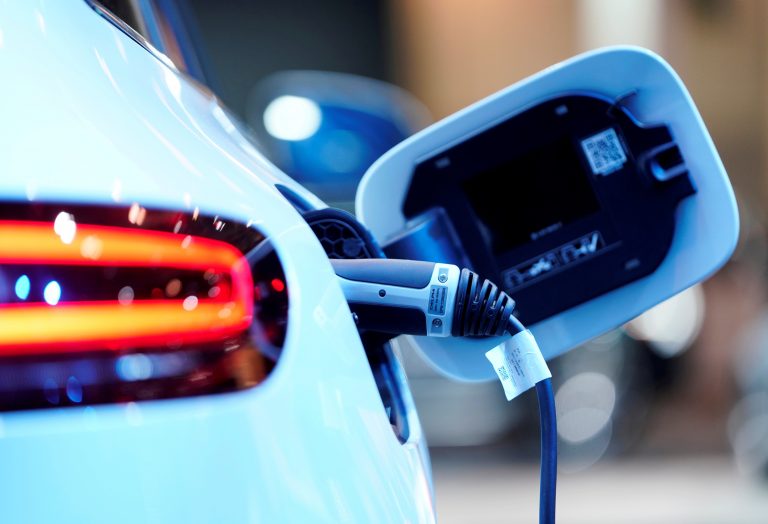
He also presented his agency’s strides in developing 100 per cent solar-powered EV charging stations, sited at three universities across the country.

These are Usmanu Danfodiyo University, Sokoto, University of Lagos and University of Nigeria, Nsukka, in a strategic move aimed at bringing advanced automotive related technology to the doorsteps of students as an effective technology transfer initiative.

Aliyu’s presentation showcased a video of the first Nigerian assembled electric vehicle, the Hyundai Kona EV, and also Jet Mover electric delivery van from indigenous Nigerian automotive company, Jet Systems Motors.

At the end of the summit, participants had the opportunity to drive the Hyundai Kona EV to get a feel of the vehicle’s technology.

Egypt Based Firm to Set Up Vehicle Assembly in Kenya


GB Auto’s (AUTO) board of directors has approved the participation in the establishment of a company in Kenya and a joint-stock company in Egypt under the name of GB Automotive for Car Trade and Manufacturing, according to a filing to the Egyptian Exchange (EGX) on Thursday.

The board also approved reducing the company’s shares to 1.086 billion from 1.094 billion through writing off 8.51 million treasury shares. It is worth noting that GB Auto recorded a consolidated net profit attributable to the parent company of EGP 1.47 billion in 2021.

GB Auto is an Egypt-based automotive that operates in trading, distributing, and marketing all transportation means, including heavy trucks, semi-trucks, passenger cars, buses, agriculture tractors, and pick-ups.

Also Read: The Power of Mobility: New strategy and branding for GB Corp

- Advertisement -