Monday, June 1, 2026
Home Blog Page 39

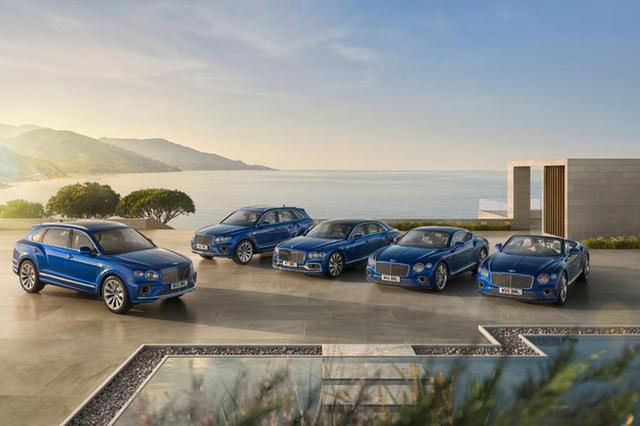
Bentley Motors announces global agency overhaul


Bentley Motors has announced plans to transform its agency partners across the marketing mix, which will help the brand evolve and transform its entire marketing communications strategy as it prepares for full electrification across its product range by 2030 and diversifies its offering to be one of the world’s most well-known luxury lifestyle brands.

Bentley Motors announced its Beyond100 strategy in 2020 – a reinvention of every aspect of its business, to become an end-to-end carbon neutral organisation and one of the world’s leading luxury lifestyle brands.

While Performance Communications continues to be Bentley’s retained Middle East, Africa and India PR agency, the appointment of a new lead global agency partner for creative and strategic marketing communications is the latest stage of this innovative programme and includes the evolution of its digital-first strategy, paving the way for Web 3.0.

Steven de Ploey, Director of Strategy, Product and Marketing said: “This announcement marks an exciting new phase in our Beyond100 strategy, which will transform every aspect of the Bentley Motors business as we enter our second century as a global luxury brand.

“Our approach to marketing is central to our transformation; and we are delighted to have new partners on board to galvanise our progress. Our plans go far beyond our products, to innovative brand extensions and exciting partnerships. It will also see us put people front and centre in our communications to engage new audiences as we move towards becoming a sustainable, wholly ethical role model for modern luxury.”

As Bentley’s lead creative and strategic agency partner, Interpublic Group through its Open Architecture iX offering, with McCann Worldwide as the leading agency partner, will be responsible for delivering strategic communications planning, creative development – including brand campaigns and product launches – as well as asset production, brand storytelling, social and digital marketing activation.

Christoph Hohmann, Head of Brand Communications said: “Their open architecture approach, wide range of best-in-class disciplines and geographical spread creates a compelling offer and meets our modern, multi-faceted marketing requirements to continue evolving one of the world’s most famous luxury brands beyond cars to encompass areas as diverse as sustainable architecture (for example Bentley Residences Miami), interior design and furniture, luxury goods, philanthropy and digital offering including NFTs.”

This follows fast on the heels of the appointment of Set Creative, the new experiential partner who will drive the development of Bentley’s global strategy for luxury brand experiences.

SIMON+SIMON, a global PR agency specialising in luxury lifestyle, communications will be working with Bentley’s Communications team to deliver strategic and creative relationships with non-automotive media, influencers and affluent communities. Their solid expertise in the luxury sector will support Bentley’s increased emphasis on reaching new audiences through earned media.

“The agency teams have all demonstrated a deep understanding of the automotive industry as well as luxury brand and customer behaviour – not to mention impressive experience in delivering innovative and creative marketing programmes. We’re really looking forward to working with them during this hugely exciting time in our brand’s development and believe they are the right partner to support our bold new direction”, concluded de Ploey.
E-motorcycle firms banking on asset finance


Electric motorcycle companies are leveraging partnerships with lenders specialising in asset finance to drive sales in Kenya targeting boda boda riders. Swedish-Kenyan technology company Roam has partnered with M-KOPA to deliver a fleet of motorcycles by the end of 2022 in time for mass deployment in early 2023.

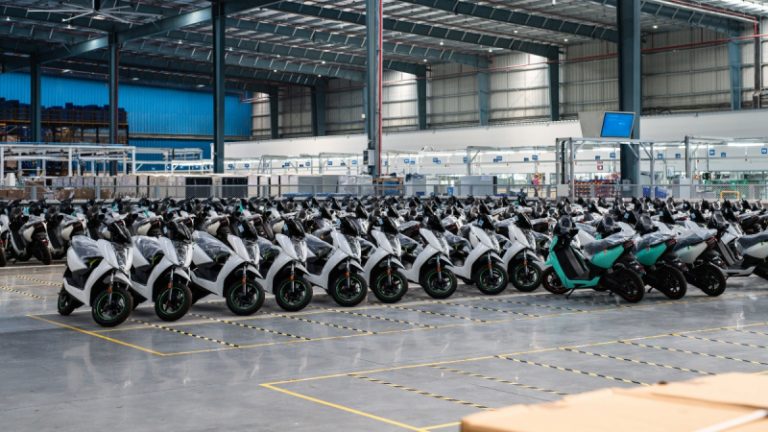
ARC Ride Kenya which launched a plant in Kenya producing 500 two and three-wheeled electric scooters and bikes each month also partnered with M-KOPA and Watu Credit to be able to offer the product through flexible financing terms. Kenya and the region are rapidly catching up on electric mobility but cost remains a big obstacle to abandoning fossil fuels for clean energy.

Manufacturers are turning to asset finance companies that offer flexible “pay as you go” terms that allow riders to acquire the units and pay as they earn an income. Roam said that by combining the power of digital micropayments with the Internet-of-Things (IoT) technology, M-KOPA enables underbanked customers to access a broad range of products and services without collateral.

“M-KOPA will aid in the deployment of the motorcycles through its innovative ‘Pay-As-You-Go’ model, which allows customers instant access to products while building ownership over time through flexible micro-payments,” said Mikael Gånge, co-founder and chief commercial officer, Roam.
Kenya is racing against time to catch up with the rest of the world in the shift to clean mobility in efforts to reduce pollution of the environment.

Car and General (C&G) in January announced that it will start selling electric vehicles and tuk-tuks as part of a plan to diversify into the ‘green’ mobility business that is expected to grow amid a push to address climate change and pollution.

Kenyan electric vehicle start-up BasiGo raised $4.3 million in seed funding and has launched a Sh5 million passenger electric bus in anticipation of increased demand for environmentally friendly transport.

The 25-seater bus, which is designed by the world’s largest manufacturer of electric buses BYD Automotive, has a 250-kilometre range with a recharging period of fewer than four hours. Buyers will also be subjected to a daily subscription fee of Sh20 per kilometre to cover the cost of leasing the battery, nightly charging at a BasiGo depot as well as service and maintenance for the buses.

Source:BD

Volvo Cars Egypt has been recognized as “Volvo Excellence Award” winner


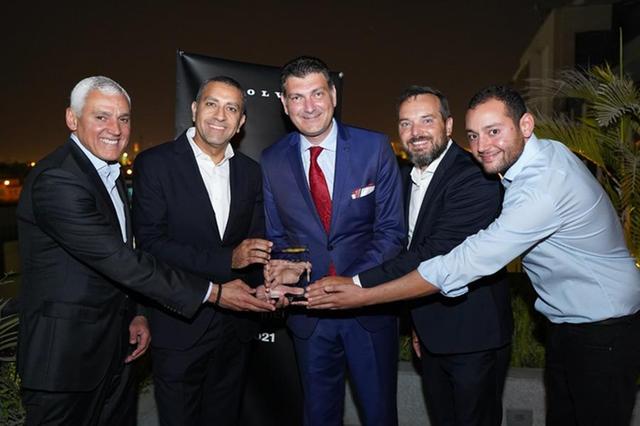
Ezz Elarab Automotive Group, the sole importer and exclusive distributor of Volvo cars in Egypt, recently celebrated receiving the “Volvo Excellence Award” for the very first time. This highly coveted annual award recognizes the most committed Volvo agents and distributors around the world who have not only met, but exceeded, the prestigious brand’s standards.

The award was presented to the Volvo Egypt team during a gala dinner held at an exclusive venue in Cairo, by Mr. Moris Bayar – Commercial Operations Director | EMEA Importers and Mr. Radomir Nemecek – Regional Business Manager | EMEA Importers. The award was handed to the Chairman of Ezz Elarab Automotive group, Eng. Hisham Ezz Elarab in a small ceremony commemorating the event. Also attending this ceremony were Eng. Muhammad Aboul Nour – General Manager of Volvo Cars Egypt and Ms. Ranna Abadi – Vice President of Ezz Elarab Automotive Group, in addition to other Volvo’s local team members.

On his part, Moris Bayar, Commercial Operations Director | EMEA Importers, said: “As we continue to grow in a globally challenging year, this is the best and most important time to celebrate our partners for achieving success and reaching the highest levels of excellence. Egypt is one of the markets that has experienced rapid growth in a short period of time, and we are confident that it will continue to be a member of Volvo Excellence Club every year thanks to its new management team.”

Over the past years Volvo has defined and determined a set number of qualitative and quantitative goals for its luxury brand in Europe, Africa, and the Middle East, designed to improve the customer experience and reach a larger segment of the target market. Volvo’s performance in 2021 was unprecedented showing a growth rate of 72% in sales compared to the previous year.

On that note, Radomir Nemecek, Regional Business Manager | EMEA Importers, said: “It gives me great pleasure to be presenting the Volvo Excellence Award to the Volvo Egypt team, led by Eng. Muhammad Aboul Nour. This represents our appreciation and recognition of their hard work and creativity in achieving a high level of services for our brand enthusiasts. It has strengthened the expansion of the luxurious Volvo brand in the Egyptian market, by providing and creating the best personalized experience for customers. In addition to effectively displaying the latest models, developments, and innovations of Volvo, it also complies with the international standards of Volvo.”

Competition for this prestigious award was fierce, with 23 regional importers of Volvo cars across Europe, Africa, and the Middle East competing in three groups. Volvo Cars Egypt team was placed in the first group against importers who had similar annual sales volumes.

For his part, Eng. Hisham Ezz Elarab, Chairman of Ezz Elarab Automotive Group, said: “We are incredibly proud to announce that we have received Volvo Excellence Award, which has been awarded to our team for the very first time in Egypt. We owe our sincerest thanks to all our loyal customers who have placed their trust in our capabilities and contributed to our success this year. The close relationships that we have built with our customers have allowed us to exceed all expectations, and to achieve high sales volumes in different Volvo categories”

Eng. Muhammad Aboul Nour, General Manager of Volvo Cars Egypt, said: “We would not have won this award without the incredible effort and dedication of our team. Our ambitious expansion plan for Volvo in Egypt has contributed to our success this past year and we are extremely proud to be part of the success of this luxury Swedish brand in Egypt. Having said that, I believe we still have a lot more to offer to owners and enthusiasts of the Volvo brand in the coming years.”

It is worth mentioning that Volvo car importers in the EMEA region competed to achieve several criteria and KPIs during 2021. These included annual growth, achieved retail targets, and Google rankings.

The Volvo and Ezz Elarab Automotive Group partnership began in 2009, when Ezz Elarab Automotive Group took on the responsibility of implementing Volvo’s vision in Egypt and putting it in the forefront as a major player in the luxury car sector within the Egyptian market The partnership started with one showroom and service center until it reached coverage of both Cairo and Alexandria through five accredited centers designed according to the latest global standards.

Ghana maintains 5th position as most attractive automobile market in Sub-Saharan Africa


Ghana has maintained its position as the fifth most attractive automobile market in Sub Saharan Africa (SSA) region. This is according to the July 2022 Sub-Saharan Africa’s Auto Sales report by Fitch Solutions, a developing automotive sales environment amid a favourable political risk outlook has enabled policy certainty in the country.

The country managed to outperform its regional peers under Fitch Solutions short- and long-term political risk scores in its Risk Reward Index, scoring a respective 51.2% and 70.2% under these indicators.

However, the report said, Ghana’s underdeveloped road infrastructure remains a deterrent for potential as the country scores 16.9% under its ‘quality and extent of transport network’ indicator, underperforming the SSA region’s average score of 21.6% under the same indicator.

“But, progress is being made with regards to upgrading and developing the country’s road infrastructure with the recent commissioning of a four-tier interchange in Accra underscoring the progress being made to upgrade the country’s roads”, it mentioned.

“Furthermore, an age limit on imported vehicles permitted into the country will develop a local new vehicle sales market going forward as the flow of used vehicle imports slows to the benefit of newer vehicles”, it added.

Meanwhile, South Africa maintained its 1st position as the most attractive auto market in Sub-Saharan Africa, followed by Mauritius and Botswana.

COUNTRY RRI RANK
South Africa 50.7 1st
Mauritius 50.1 2nd
Botswana 44.7 3rd
Gabon 34.6 4th
Ghana 33.6 5th
Tanzania 32.6 6th
Kenya 32.3 7th

Kenya Power to set up electric car charging hubs by September


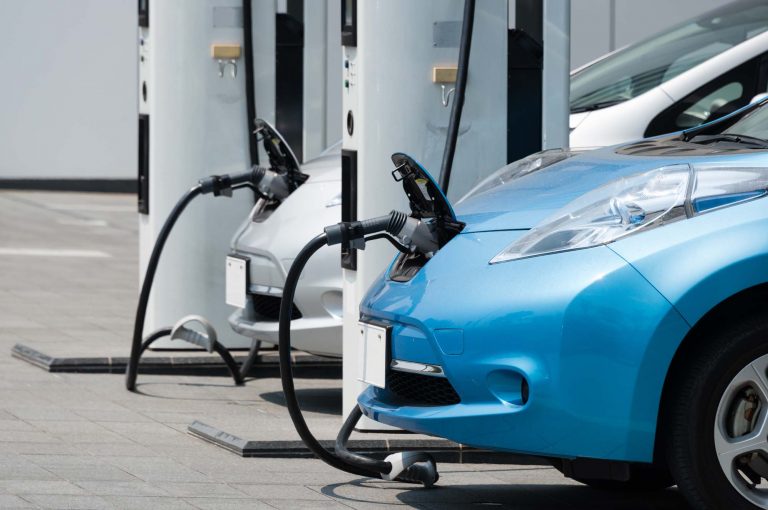
Kenya Power will, from next month, start constructing electric charging systems for homes, businesses and the public across the country as the shift to clean transport gathers momentum. The State-owned power utility is seeking a firm to build an e-mobility network infrastructure system (ENIS) in Nairobi and Nakuru to pilot the charging stations.

Kenya, like the rest of the world, is pushing for clean mobility to reduce environmental pollution from fossil fuels, placing Kenya Power at the centre of the shift due to the need for electricity supplies for motorists.

The State utility has floated tender inviting bidders who will build the infrastructure that will also allow customers to pay via M-Pesa and credit like in the traditional fueling stations.

Clean mobility is fast gathering pace in Kenya, with several companies already piloting electric-powered buses and motorcycles, placing Kenya Power at the centre given the need for electricity supplies.

The lack of charging infrastructure for electric vehicles and motorcycles is one of the biggest hurdles standing in the way of Kenya’s shift to clean mobility, prompting the move by Kenya Power to seek a firm to build the system countrywide.

“Kenya Power intends to implement an e-mobility network infrastructure system. The system will ensure that e-mobility customers in Kenya can be served in a seamless manner countrywide where Kenya Power has grid presence.”

Clean energy transport solutions are key to reversing the negative effects of climatic change. Diesel and petrol-powered transport are estimated to account for a quarter of the global greenhouse emissions.

Clean mobility

Kenya is racing against time to catch up with the rest of the world in the shift to clean mobility in efforts to reduce pollution of the environment. The European Commission wants to ban the sale of diesel and petrol-powered vehicles by 2035, signalling a global shift that is prompting Kenya to set the ground for its e-mobility.

Leading car manufacturer Volkswagen aims to stop selling super and diesel-powered engine vehicles in Europe by 2035. Other firms including Volvo and Ford have also announced plans to shift to mass production of electric-powered vehicles.

Local start-up BasiGo has disclosed plans to roll out at least 20 electric-powered buses across the country by December highlighting the need for Kenya Power to set up the charging systems.

Opibus, which converts diesel and petrol vehicles and motorcycle engines into electric, and Kiri, the manufacturer of electric motorbikes, are among Kenya-based firms leading the shift to e-mobility. BasiGo plans to roll out more buses after the successful piloting of two 25-seater electric buses on two routes within Nairobi since March.

Kenya Power’s electric charging infrastructure, whose estimated cost remains undisclosed, will offer the utility company an opportunity to tap into clean mobility and grow its revenues.

Piloting of the electric-charging network will take six months from September setting the stage for a countrywide roll-out that Kenya Power says will take between 18 months to two years. Kenya Power says it has enough power to charge 50,000 buses and two million motorcycles during off-peak hours giving confidence to firms that have launched electric-powered automobiles.

Ashok Leyland channel partner Deluxe Trucks and Buses inks agreement with Kenya Commercial Bank for vehicle financing


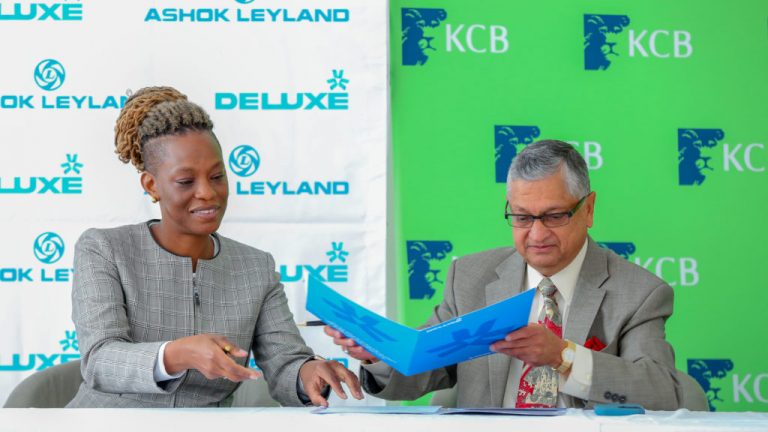
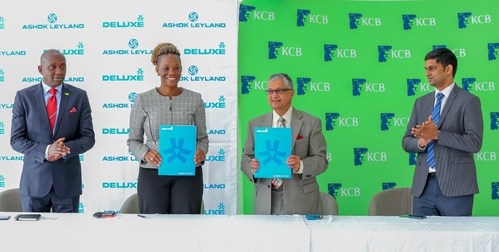
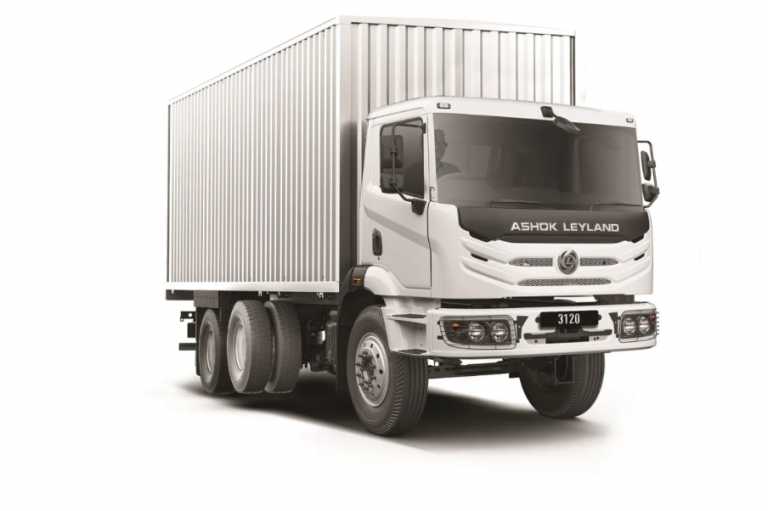
Ashok Leyland’s authorized distributors, Deluxe Trucks and Buses in Kenya have signed a partnership with Kenya Commercial Bank to jointly promote the Ashok Leyland Brand of Vehicles. Kenya Commercial Bank (KCB) is one of the largest financial institutions in the region offering an array of services.

Ashok Leyland customers will now be able to access flexible financing options in a deal from Kenya Commercial Bank. The partnership will see customers enjoy up to 95% financing with an extended repayment period of 72 months as well as a comfortable 60-day payment holiday.

In addition, customers will have the privilege to access an embedded tracking and insurance package and access to unsecured working capital of up to KES 3 million among other bank products available at the bank.

Also catered for are KCB SAHL Banking customers who under the Shariah-compliant banking model, will be able to purchase trucks from Deluxe Trucks & Buses at affordable rates.

Mr. Amandeep Singh, Head International Operations for Ashok Leyland expressed his pleasure at the tie up and noted that, “Ashok Leyland Trucks and Buses has a wide future ready portfolio in commercial vehicle categories ranging from 2.55 Ton GVW to 55 Ton GVW and buses suited for all applications. The Ashok Leyland range of vehicles offers the best-in-class mileage in all these categories. This partnership with KCB will enable customers to avail financing options to purchase Ashok Leyland commercial vehicles at industry best terms and conditions.”

Speaking during the event, KCB Bank Director of Corporate Banking, Esther Waititu said, “We are delighted to partner with Deluxe Trucks & Buses, for financing Ashok Leyland products. It is a reflection of our commitment to supporting key customers to derive value from their long-standing loyalty.”

On his part, Deluxe Trucks & Buses E.A. Managing Director, Mr. Ameet Shroff said, “The partnership targets individuals, Small Medium Size companies, and large commercial businesses for flexible financing of up to 95% of the vehicle cost. Delivering uptime to customers is our key objective and we will ensure that our customers are continuously served with complete satisfaction.”

Deluxe Trucks & Buses E.A. Ltd, which is wholly owned by Simba Corp, was appointed the sole authorized distributor of the full range of Ashok Leyland brand of trucks and buses. The vehicles are locally assembled at Associated Vehicle Assemblers (AVA) which is also owned by Simba Corp. The firm recently opened a modern sale, service equipment center at Xylon Complex, located along ICD Road, Off Mombasa Road, Nairobi, in a move that will ensure that customers get access to specialized services post-purchase, given the rising demand for vehicles used by SMEs and MSMEs. Deluxe Trucks and Buses’ current network includes dealerships in Nairobi, Nakuru, Mombasa and Thika, and plans to appoint dealers in other major towns countrywide.

About Ashok Leyland

Headquartered in Chennai, and a footprint that extends across 50 countries, Ashok Leyland, flagship of the Hinduja group, is one of the largest manufacturers of commercial vehicles in India, the 4th largest manufacturer of buses in the world, and the 19th largest manufacturer of trucks.

About KCB Bank Kenya Ltd

KCB Bank Kenya Limited is one of the largest commercial banks in the country. A subsidiary of KCB Group Plc, the Bank has one of the largest branch networks, with over 200 branches, 367 ATMs, and 16,000 agents offering banking services on a 24/7 basis in East Africa. This is complemented by mobile banking and internet banking services with 24-hour contact center services for our customers to get in touch with the Bank. KCB Group Plc – which also has a presence in UgandaTanzaniaSouth SudanBurundiRwanda, and a representative office in Ethiopia also boasts of a wide network of correspondent relationships totaling over 200 banks across the globe and our customers are assured of seamless facilitation of their international trade requirements wherever they are.

About Deluxe Motors

Deluxe Trucks & Buses E.A. Ltd is the official authorized Ashok Leyland distributor in the Kenyan market for the full range of Ashok Leyland Trucks and Buses. Deluxe Trucks & Buses E.A. Ltd is located at the Xylon Complex, ICD Road, off Mombasa Road, Nairobi.

BMW’s unveils first electric performance car


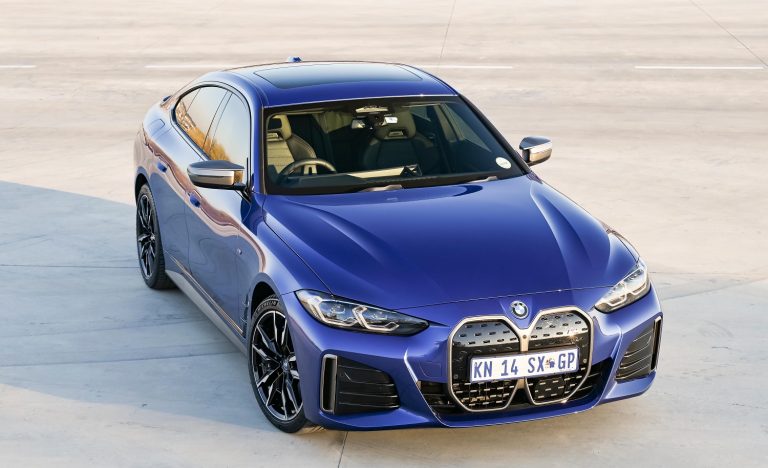
The BMW i4 M50i is the first BEV to be produced under the M banner and has driving dynamics and performance at its core. This high-performance model makes use of one electric motor at the front axle and another at the rear axle.

A cool feature is that when you demand a large amount of power for more than 10 seconds, a system called sport boost is triggered and unleashes 400kW of power and 795Nm of torque for what felt like brain rattling acceleration.

BMW i4 M50i
Think twice when you see this at the traffic light.

The claim is 0 to100km/h in just 3.9 seconds, while the top speed is limited to 225km/h. The range is 510km between charges.

Did I get a chance to stretch the BMW i4 M50’s legs during our drive to back this up? Not even close. Keep this car pinned for only 10 seconds and you will running very close to the top speed before you’ve travelled much beyond 400m of urban and very public tar.

And this in and around Midrand translates into a big bribe or some prison food. I eagerly await my Gerotek test day.

A class act

All modern performance electric cars go like hell in a straight line, but due to their extra weight courtesy of the batteries they must lug around to drive those electric motors, their handling can be quite iffy at best.

But this is BMW, and a centre of gravity is 53mm lower than that of the BMW 3 Series sedan, even weight distribution, a torsionally stiff and weight-minimised body and optimised aerodynamics, plus a long wheelbase and wide track ensures handling is as good as anything this class has to offer.

Adaptive recuperation gives the efficiency and range an additional boost with the likes of a coasting function of the open road, along with high, medium, low brake energy regeneration settings while in D, and a maximum level of recuperation when in B for that distinctive one-pedal BEV feeling.

The BMW i4 M50 is sold in locally with a complimentary wallbox charger and free charging at any BMW Group-branded charging station.

  • Price: R1.6-million

BMW iX3

The BMW i4 M50 will get you noticed; the iX3 not so much, even with the standard M Sport package that offers 20-inch M aerodynamic wheels and adaptive LED headlights.

BMW iX3
The BMW iX3 is not your everyday SUV.

It’s a BEV X3 which won’t cost you a fortune to fill up at the petrol station. And absolutely none of this is bad.

The BMW iX3 offers a highly integrated drive system with electric motor, transmission and power electronics in a single housing. Driving through the rear wheels only, you get 210kW of power and 400Nm of torque.

On the road, this is one of the more normal feeling SUVs I have experienced. It is still fast, with a claimed 0 to 100km/h of 6.8 seconds and a limited top speed of 180km/h but it won’t make your passengers want to throw up after a few acceleration runs or snap poor Aunt Mable’s neck when you pull away at the traffic lights.

BMW iX3
The cabin of the BMW iX3.

Charging the iX3

The 80kWh battery offers a claimed range of 460km, and at today’s electricity prices charging overnight, that would cost me only R240.

Assuming a diesel average of around eight litres per 100km, to do the same mileage in an oil-burner would cost about R1 000.

The BMW iX3 in South Africa is sold with a complimentary wallbox charger and free charging at any BMW Group-branded charging station.

  • Price: R1.2-million

Ashok Leyland expects commercial vehicle industry to gain momentum gradually


Ashok Leyland expects the commercial vehicle industry to grow at a fast pace in the coming quarters, with economic activity gaining momentum and demand picking up across segments Hinduja group flagship Ashok Leyland expects the commercial vehicle industry to grow at a fast pace in the coming quarters, with economic activity gaining momentum and demand picking up across segments, according to a senior company official.

The Chennai-based company, the second-largest player in the commercial vehicle space, expects both its domestic sales and overseas shipments to remain robust in the remaining part of the fiscal.

“I believe so because the pandemic and some of the uncertainties that were there globally are now all behind us. There is no reason why the commercial vehicle industry should not grow,” Ashok Leyland Whole Time Director and CFO Gopal Mahadevan told PTI in an interaction.

He was replying to query whether the worst is behind the commercial vehicle industry, which saw sales dip in the last few years on account of regulatory changes and low offtake during the pandemic period.

“The commercial industry will grow with trucks and buses expected to do well… truck sales will improve as many industries would require more units as they are running at full capacity,” Mahadevan stated.

Besides, with the Covid impact waning and schools, colleges and offices opening up, it would lead to a rise in intercity and intracity travel, aiding the sale of buses, he noted.

“So, bus sales should also go up. Also, light commercial vehicles will grow because there has been a disruptive change in behaviour and consumer patterns. E-commerce has grown…So, what’s happening is that e-commerce will become a big driver, and last-mile delivery will become very, very important,” Mahadevan said.

On the outlook for the exports, he said that the company expects dispatches to grow in the current financial year compared to FY22, with the demand scenario improving across markets.

The company shipped out around 11,000 units last fiscal and expects to improve the tally in the current financial year.

“So, we are positive. We have some challenges in Sri Lanka, which hopefully will get sorted out. But the rest of the SAARC market is slowly warming up. And we are expecting our experts to export to grow higher than last year definitely,” Mahadevan stated.

The company, which exports mainly to SAARC, the Middle East and Africa, also expects better dispatches this year on account of an improved product range that is well suited for customer requirements outside the country, he added.

Mahadevan noted that the company has been “astutely managing” the chip shortage issue to lessen the impact on production and cater to enhanced demand.

“Even now, it does pose a challenge, and the manufacturing teams are working round the clock to manage it,” he added.

The supply has definitely improved but is yet to reach a normal level, Mahadevan noted.

“Hopefully, in the next couple of years, we will see a lot of capacity coming up, which would be helpful for the industry,” he noted.

When asked about the prospects of electric mobility, Mahadevan said: ” Definitely it is the focus area for the future…the adoption of electric vehicles is much faster than what we thought”.

It will be adopted at a fast clip across the LCV and bus segments while the heavy commercial vehicle vertical would take longer to encompass the change, he added.

“India typically is a very fast adopter of technology… So, we will see the same adoption happening but as a country, we would need to look at the overall infrastructure for charging. You know, because there’s no point in saying that we’ll have an electric cell which will, you know, be charged with power generated from coal,” Mahadevan said.

So, there should be more green energy that is available to charge these electric vehicles, he added. Besides, there needs to be some uniformity as regards to the charging stations, Mahadevan said.

“So all of this can be worked out. It’s not very difficult,” he added.

Elaborating on the company’s strategy, Mahadevan said it has received robust orders for electric buses from various states.

“We are also not going to randomly pick up orders for the sake of it. You know, orders should be sensible, they should be executable. They have to be profitable. So, we are ensuring that we are pursuing business very methodically,” he noted.

Bullish on the future of green mobility, Ashok Leyland has lined up a Rs 500 crore investment to develop powertrains based on alternative fuels like CNG, hydrogen and electric for its commercial vehicles range.

The company has already announced a USD 200 million (nearly Rs 1,500 crore) investment through its UK-based arm Switch Mobility for electric mobility.

Nord Motors, UNILAG sign agreement to build Africa’s first on-campus auto plant


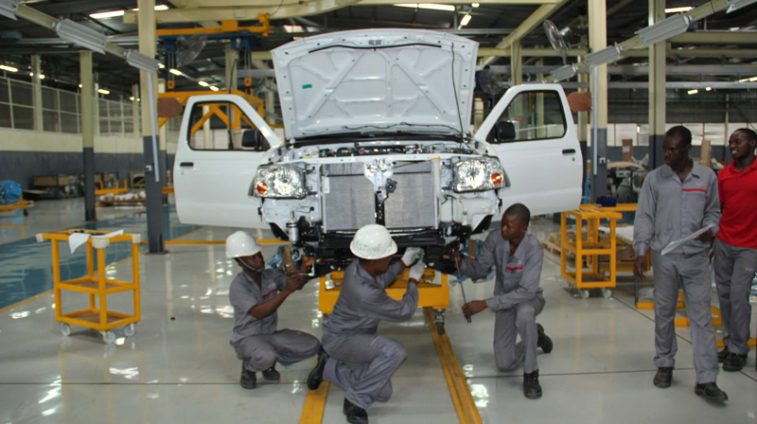
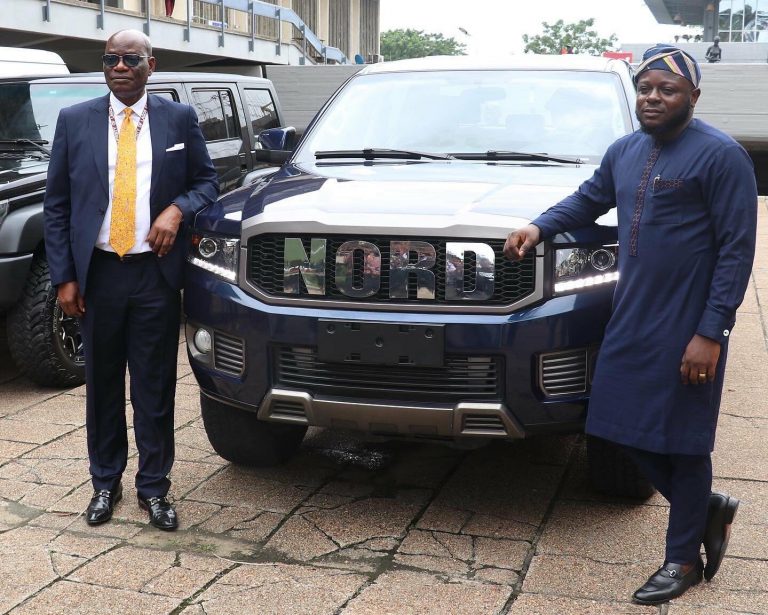
Nord Automobiles Limited, an indigenous automobile company, has signed a memorandum of understanding with the University of Lagos (UNILAG) to establish an automobile assembly and manufacturing hub in the institution.

The signing of the MoU is a bold step in the right direction that is positioned to further intensify the university’s quest to equip students with all the necessary skills before graduation, said Oluwatoyin Ogunleye, vice chancellor, University of Lagos.

Ogundipe said that this would also stimulate research and development activities in the area of automobiles among members of staff, adding that any nation with the quest for development must look inward.

“This is the first time any university is bringing an automobile company into its campus in Africa. What this means to us, therefore, is that they will start assembling the car in this University of Lagos, putting into consideration the economic situation of this country,” he said.

Ogundipe expressed delight that with the coming of the auto plant, Engineering students of the university would be able to gain first-hand experience, but also students of Architecture, Finance, Marketing, as well as those in Creative Arts.

Oluwatobi Ajayi, chief executive officer, NORD Automobiles Limited, expressed delight at the development, noting that it was his little way of contributing to the country’s development.

According to him, there is a need to continuously encourage the youths, especially students in tertiary institutions, by making them understand that they have a future in engineering especially. The NORD boss said that in two months’ time, the company would be establishing the assembly plant, as well as an ultra-modern showroom, to be commissioned by the vice chancellor.

“I have always believed in Nigeria and in the great talents and natural resources therein. I will not stop at doing anything within my disposal to make Nigeria a pride before the entire world. It is time for us to come together to return Nigeria to a producing nation and not a consumer nation,” he said.

Obinna Chukwu, deputy vice-chancellor (management services), University of Lagos, described the collaboration as a thing of great joy.

He noted that the signing of MoU between NORD Motors, an indigenous automobile firm, and UNILAG was a giant step that had brought joy to both the students, staff, management and the council.

Chukwu admitted that the relationship was predicated on the fact that NORD would open an assembly plant in the university.

Government to Set up a National Automotive Council, Says President Kenyatta


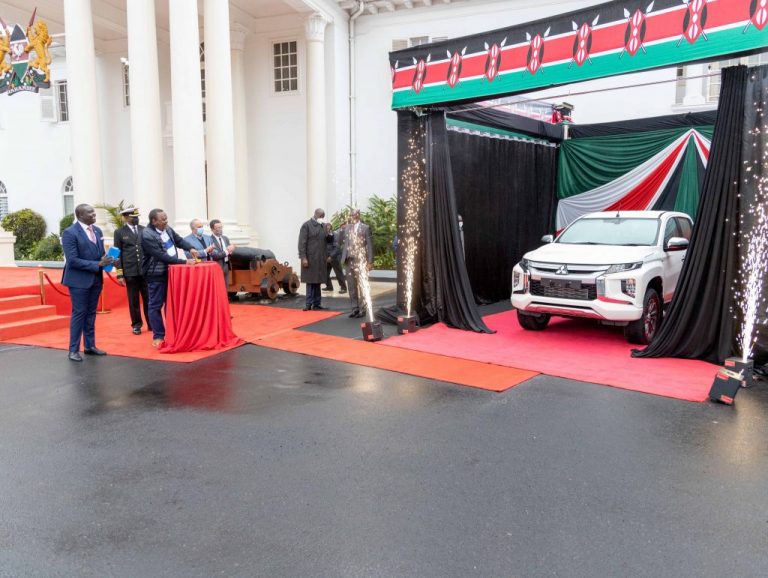
President Uhuru Kenyatta has confirmed the Government will set up a national automotive council to facilitate implementation of the National Automotive Policy that is geared towards boosting the local assembling of motor vehicles.

Speaking when he launched the locally assembled Euro 4 Mitsubishi L200 pickup at State House, Nairobi, President Kenyatta reiterated the Government’s commitment to creating an enabling environment for the growth of the country’s automotive industry.

“…I take note of the issue of getting the council established and that is something we shall see if we can do before we leave office to ensure that we create that enabling environment for the necessary institutions that will see this particular industry continue on its growth trajectory and becomes once again predominant part of the Kenyan economy,” President Kenyatta said.

The Head of State encouraged stakeholders in the industry to continue working with the Government to ensure it achieves its objectives of reviving and stabilizing the automotive sector.

He thanked Mitsubishi, Associated Vehicle Assembly (AVA) and Simba Corporation for being true partners in the country’s efforts in growing the industry.

“I really appreciate the partnership that we have had that has led to a revival of this industry that was once-moribund and for me to give you my assurance and my commitment that we shall continue to work together to reach the targets that we envisioned way back in 2019.

“….our determination to ensure that future Government also continue with the same policy because this is not only good for increasing the manufacturing capacity of the country but also good in terms of skills transfer, in terms of creating jobs for our people and in terms of creating new opportunities,” he said.

Noting that the country used to have one of the most vibrant automotive industry in the region, President Kenyatta said the Government will remain steadfast in ensuring policies aimed at bolstering the growth of the industry continue to be implemented.

“We had all these people who were out there making break pads, we had people making windscreens, we had people making suspensions and shock absorbers and all these things. It is my hope that as we continue to increase the number of vehicle assembling plants, we will also have the backward linkages that would also enable some of these other industries that were a critical cog to local assembly revived, restored and brought back into play,” President Kenyatta said.

Industrialization Chief Administrative Secretary (CAS) David Osiany said the implementation of the National Automotive Policy will ensure the country regains its position as a regional automotive manufacturing hub.

He said the industry has the capacity to produce 30,000 vehicles per annum but regretted that the assembly plants are currently producing a paltry 6,000 units, accounting for less than 25% of the production capacity.

“The industry has been able to provide 100,000 direct and indirect jobs to Kenyans. The industry also contributes about 30 billion per annum to the government through taxation,” the CAS said.

Japanese Deputy Ambassador to Kenya Yasuhisa Kitagawa said his country is committed to its partnership with Kenya to ensure all  designed projects are fulfilled for the benefit of the citizens of the two countries.

“Mombasa city where the L200 is assembled is an area that Japan has very strong commitment through giant projects such as the expansion of port facilities and development of Special Economic Zones,” Mr. Kitagawa said.

Simba Colt Corporation Limited Chairman Adil Popat said AVA has increased its production from 2000 units to 7,500 units  in the last three years.

Source:APO

- Advertisement -