Monday, June 1, 2026
Home Blog Page 37

Stellantis looks to Africa to grow Used-Car sales


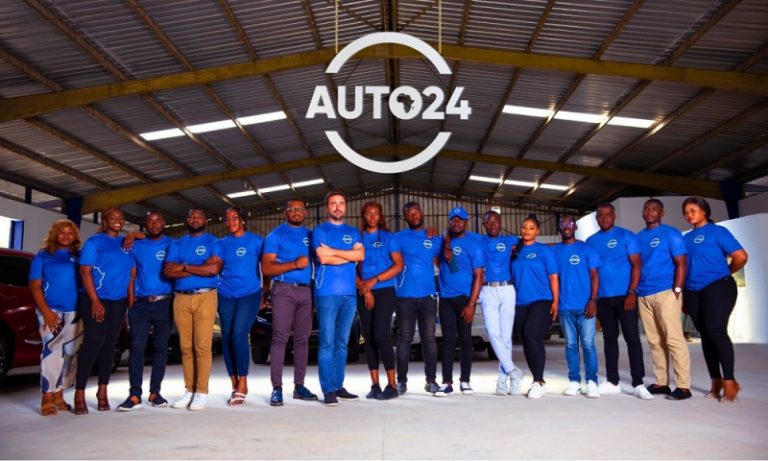
The automaker group has teamed up with Africar Group to launch sales activities of that company’s new subsidiary, Auto24, a direct-to-consumer used-car company. Stellantis is hoping to cash in on globally robust used-car prices stemming from the chip shortage’s squeeze on new-vehicle availability by expanding into Africa.

The automaker group has teamed up with Africar Group to launch sales activities of that company’s new subsidiary, Auto24, based in Abidjan on the Ivory Coast. Auto24 is a direct-to-consumer used-car company that claims transactions are conducted transparently and securely.

Stellantis has taken a stake in Auto24 in a bid to tap into a market that will see an African population expected to reach 1.7 billion by 2030 and with a current vehicle fleet of about 50 million vehicles. The automaker says its investment is a new building block in its global strategy to develop its mobility-solutions portfolio.

Africar Group claims to be the continent’s leading online automotive marketplace network, operating in more than 40 countries in Sub-Saharan Africa. In the Middle East and Africa, Stellantis currently is only the third-largest automaker but aims to become the leader in the region, expecting to sell more than 1 million new vehicles per year by 2030.

Xavier Duchemin, senior vice president of the pre-owned vehicles business unit at Stellantis says: “This investment in Africar Group to create Auto24 reinforces our strategy to grow our used-vehicle business activity globally in a bold, pragmatic and agile way.”

SAF TRAKr regenerative braking axle goes into production


The SAF TRAKr electric trailer axle from SAF-HOLLAND is introduced on the market in stages: After the successful test phase over several years, pre-production has been in full swing in Bessenbach since June 2022. Standard production of the recuperation axle will start in 2022.

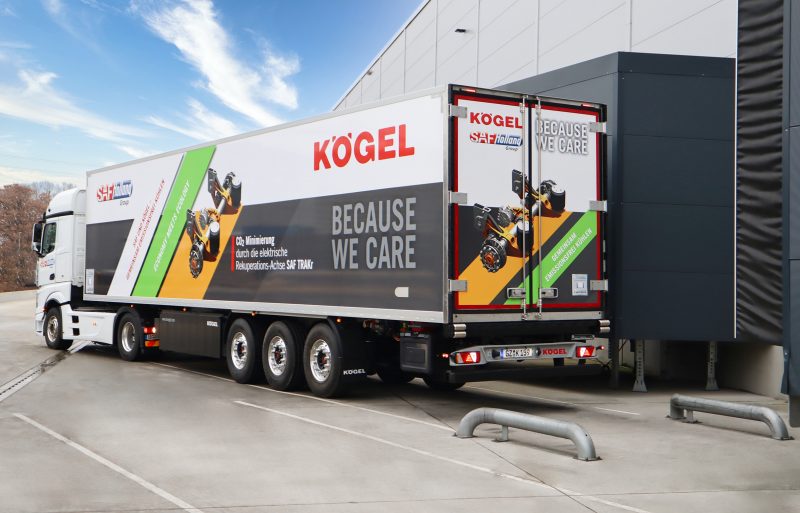
Tested successfully together with part-ners, the SAF TRAKr electric axle from SAF-HOLLAND will go into standard pro-duction in 2022. Image credit: SAF-HOLLAND

The use of electrified trailer axles is becoming increasingly important for low emis-sion transports, such as for refrigerated semi-trailers and inner-city applications. Another innovation driver for the electric technology are the legal regulations: More than 50 zero emission zones are planned in Europe for the near future, including in Berlin, Paris and London. Stricter noise pollution standards also encourage man-ufacturers to produce vehicles that are significantly more quiet. To limit global warming as planned, CO2 emissions have to be lowered by up to 95 per cent by 2050. “We see great opportunities for electrified trailer axles here: They reduce CO2 and noise emissions and meet legal requirements, for example for night-time refrigerated transports on inner city routes. The electric axles also cater to the in-dustry trend towards ‘greener transport’,” says Olaf Drewes, Director Group Inno-vation EMEA at SAF-HOLLAND.

SAF TRAKr lowers emissions and fuel consumption

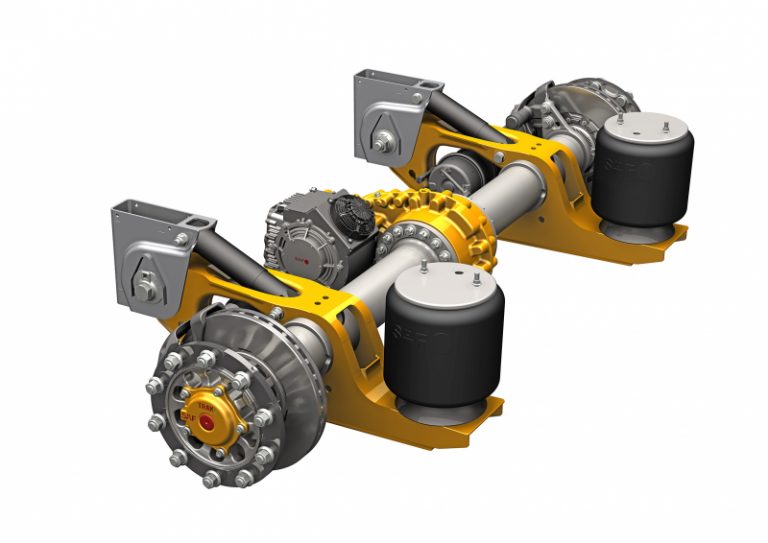
The SAF TRAKr trailer axle uses regenerative braking to lower the emissions and fuel con-sumption of the overall vehicle. To do this, the centrally positioned high voltage generator unit converts the kinetic energy of the trailer into elec-trical energy. The generated energy is stored in a Li-ion battery and then used to run the electrical units in the trailer, such as the refrigeration units, on electricity alone.

The main areas of application are refrigerated semi-trailers, tank trucks and silo trailers. For the drivers, the purely electrical operation of the refrigeration unit pro-vides appreciable added comfort on the road, as they are exposed to significantly lower noise emissions. The regenerative braking axle is manufactured at the SAF-HOLLAND factory in Bessenbach in northern Bavaria. It is initially launched on the European market, before the SAF TRAKr will then also be introduced in other re-gions worldwide next year.

Easy maintenance and reliable spare parts supply

For maximum flexibility and ease of maintenance, the operating strategy and the individual components of the SAF TRAKr are perfectly coordinated. Numerous components are permanently integrated into the electric axle. This allows vehicle manufacturers to install or retrofit the SAF TRAKr with only little effort while using standard interfaces. Maintenance is also easy and cost efficient: Neither the centrally installed gearbox with the flanged-on generator nor other HV components have to be removed to uninstall wheel ends and wheels. Wear parts such as brake pads or brake rotors are identical to the components for the non-electrified SAF-HOLLAND axles. This makes the spare parts supply easier and more reliable.

SAF TRAKr: modular design offers flexibility

The SAF TRAKr uses a high-voltage generator module for electric regenerative braking, with a maximum power of 20 kW by design. The axle is designed for axle loads from nine to ten tons. It is available with different disc brakes for 19.5” and 22.5” tyres and for the SAF INTRA and SAF MODUL suspension systems. SAF-HOL-LAND is cooperating with external partners for the regenerative braking systems.

The generator runs independently of the tractor unit and only while the vehicle is in motion, but not during interventions by the ABS braking system or driving dynam-ics. For reasons of type approval, regenerative braking is currently not yet permit-ted for adaptive braking. The generator is deactivated at vehicle speeds below 15 km/h so the required start-up torque and therefore the fuel consumption of the tractor unit are not increased during these phases. Charging options are energy generation by the axle while driving (generator operation) and charging from the external power supply during standstill, for example when the vehicle is loaded or unloaded.

IGL Coatings Announces Exclusive Distributor IGL Norway


IGL Coatings, the global leading brand in manufacturing environmental-friendly ceramic coatings and car detailing products announces IGL Coatings Norway (“IGL Norway”) as the official exclusive distributor of IGL Coatings Products in Norway.

Welcoming IGL Norway Into The IGL Coatings Family

IGL Norway is the official exclusive distributor for IGL Coatings, including overseeing trainings and the appointment of Kenzo Master Detailers in the Nordic Country.

IGL Coatings is a multi-award-winning, leading expert in green, graphene nano-technology coatings and cleaning solutions for the automotive aftermarket industry. Pioneering the low and zero VOC ceramic coatings since 2015, IGL Coatings provides sustainable solutions to the detailing community worldwide.

“The Automotive Industry is evolving, and for the better,” mentions Keong Chun Chieh, CEO and Founder of IGL Coatings. He continues, “the initiatives by the Norwegian Government encourages and incentives its citizens to re-consider their impact on the environment. The uptrend in consumer behaviour that prioritises sustainability and growing eco consciousness sits well with IGL’s mission statement.”

Norway Leads Greener Alternatives In The Automotive Industry

In 2020, more than 70 percent of all cars sold in Norway were electric. Strong policies encouraging greener vehicles stem from the signing of the COP26 declaration on accelerating the transition to 100% zero emission vehicles.

Time.com reports that more than half a million people are driving EV’s in Norway. While the Norwegian automotive market is relatively smaller compared to its other European counterparts, it reflects the growing green trend of the other European nations.

IGL Coatings’ Sustainable And Green Practices

“IGL Coatings is doing well in Norway. It is one of the few coating companies in the world that actively promotes sustainability and its green policies. The transparency and  dedication to innovation and quality makes IGL Coatings a world class organisation,” mentions Hans Audun Aarens, the exclusive distributor of IGL Coatings in Norway.

Embracing The Shift Towards EVs

Hans further adds, “the demand for EV’s like the Nissan Leaf and Tesla Model Y have been steadily increasing. The new generation of vehicles require less maintenance than compared to traditional petrol based vehicles. This encourages owners to prioritise the upkeep of the exterior and interior for a more luxurious and pleasant drive.”

The shift in focus to plush fittings and quality accessories have made vehicles owners more aware of automotive aftercare offerings. The dedication in innovative technology and sustainability makes IGL Coatings as one of the leading ceramic coating brands in the industry. And top choice of installers worldwide for its unmatched ceramic coatings.

More On IGL Coatings

IGL Coatings is one of the leading brands in North America and is available in more than 50 countries worldwide. For more information on IGL Coatings, our Products, or how to get started with our amazing range of IGL Coatings products, Get Started Now!

KEBS unveils SMS Code to Verify Car Details & Mileage


Kenya Bureau of Standards (KEBS) unveiled a short SMS code to help Kenyans seeking to buy motor vehicles to easily confirm their details. According to the KEBS statement, buyers can confirm the authenticity of inspection details and full information regarding the vehicle they intend to purchase, whether brand new or used cars. The short messaging code, 20023, also enables car buyers to verify mileage.

According to the government agency, the introduction of the short messaging platform follows a series of complaints raised by buyers over purchasing cars only to find out that car’s mileages had been altered.

The code will also enable motorists to identify vehicles legally allowed to operate on Kenyan roads. While working with other agencies such as the National Transport Safety Authority (NTSA), the introduction of the SMS is meant to enforce the implementation of traffic rules.

How to Check

Buyers can confirm the car’s inspection authenticity and mileage by sending the chassis number to 20023. VIN, also known as the Chassis Number, is an exclusive car identification number allotted to a car by the manufacturer. The 17-digit number, which distinguishes it from other models and makes, is used by the registration authorities to register a car. It is usually encrypted on car boots, dashboard, rear wheel, registration certificate and the insurance policy certificate.

The verification details come after KEBS banned the importation of used mini-buses, double-decker, and large buses into the country. The directive which took effect on July 1, was meant to promote and protect local assemblers.

Vbank, Autochek partner on auto loan product


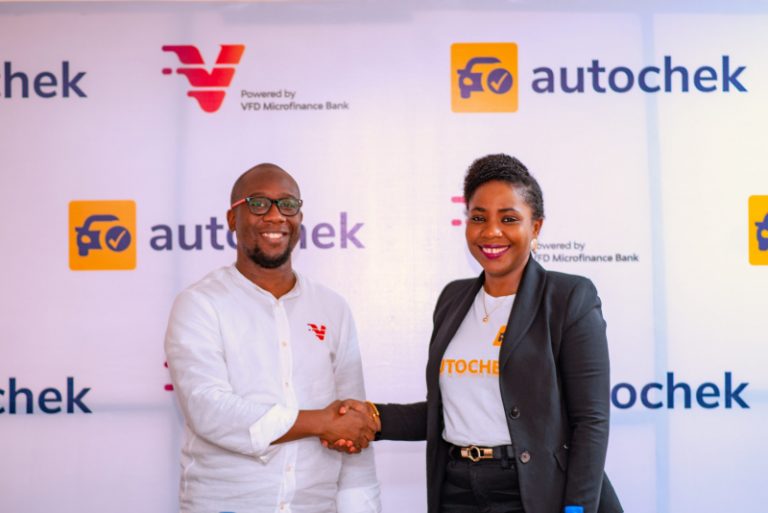
Vbank a digital bank powered by VFD Microfinance Bank has partnered with Autochek, an automotive technology firm to make it easier and quicker for customers to access loans at the most competitive interest rates to purchase their desired vehicles. This partnership, the duo said, streamlines the loan origination process, with all paperwork and documentation run through an automatic underwriting algorithm for loan processing.

“This automated process improves the efficiency of the loan process and ultimately enhances the overall experience for individuals and businesses. The goal is to continue to build on this to create the first Autoloan securitization product in sub-Saharan Africa,” they said.

Senior Vice President, West Africa at Autochek, Mayokun Fadeyibi, said: “We are really excited to unveil this game-changing product, which is the result of a long series of conversations between the Autochek and VFD teams. We wanted to create a product that would make the most of our combined expertise to deliver real change in how people across Nigeria access financing for their vehicles. By combining VFDs exciting range of financing products with our process, we are confident that we will be able to connect more customers to the financing they need to access the vehicles they desire, which should in turn catalyse more growth across the automotive sector.

Nissan to acquire shares in Vehicle Energy Japan Inc


Nissan Motor Co., Ltd. announces that it has entered into a definitive agreement to acquire shares in Vehicle Energy Japan Inc., a company engaged in the automotive lithium-ion batteries business. Nissan will acquire the shares after the completion of regulatory procedures, including necessary approvals and permissions.

Nissan will acquire all the common shares of Vehicle Energy Japan held by INCJ, Ltd. and subscribe to common shares issued by Vehicle Energy Japan. Following the transaction, Vehicle Energy Japan will become a consolidated subsidiary of Nissan, in which it will hold shares alongside existing shareholders Maxell, Ltd. and Hitachi Astemo, Ltd.

Vehicle Energy Japan has an integrated production system from battery cells to packs, and advanced battery management system technologies. It develops, manufactures, and sells lithium-ion batteries, battery modules, and battery management systems for hybrid vehicles that are expected areas of growth.

Nissan, in its long-term vision, Nissan Ambition 2030, aims to create significant value beyond mobility by placing electrification at the core of its business strategy and expanding the possibilities of journeys and society. As a key supplier to Nissan, Vehicle Energy Japan will play a crucial role in its ongoing electrification strategy under the vision. The investment will allow Nissan to secure a stable battery supplier and contribute to the development of next-generation batteries with a competitive edge in terms of both performance and cost. Vehicle Energy Japan will provide a stable supply of batteries to Nissan as well as broad range of other customers, with ongoing support from shareholders Maxell and Hitachi Astemo, along with Nissan.

Why is Egypt’s automotive market stagnant?


Egypt’s automotive market is seeing unprecedented stagnation due to a confluence of factors, causing a dearth of new cars and a dramatic spike in used-car prices. The local car market has come to a near cessation since March 2022 when the Egyptian pound was depreciated by 16% against the dollar – rising to nearly 21.5% at present. Consequently, car prices have spiked. Moreover, the recently-adopted imports’ shrinking policy in light of the surging inflation augmented the depreciation impact and led to a shortage in new cars, causing a complete standstill in the market, experts say.

“Though this period [of the year] is supposed to witness the peak of cars sales, the sales, especially in August, have dropped significantly. We have around 95% deficit in cars,” Kareem Shereen, the owner of Shereen Car Automotive Showroom in Heliopolis, told Ahram Online.

“Meanwhile, we don’t have any imported cars. We only have some locally assembled cars,” Shereen said, highlighting that the crisis is not only limited to selling and buying cars, but it has also affected employment as many car agencies had to lay off most of their salespeople.

According to Selim Saber, a former salesperson at a well-known car showroom, he was obliged to take four unpaid vacations in less than three months due to the stagnation in sales.

Recent reports indicate that several foreign car companies said they will stop supplying their agents in Egypt due to disruptions in global supply chains, shortages of electronic chips, and precautionary measures to offset the repercussions of the Russian-Ukrainian war.

“I decided to leave my job to start my private business with colleagues by launching a used cars showroom in Nasr City district. The situation in the used car market, however, turned out not to be in a better condition. In the last five days, not a single car was sold,” Saber said.

In June 2022, the auto sales fell by more than a third, according to the Automotive Information Council (AMIC), when customers bought around 12,300 passenger cars, down by 35% in June 2021. Due to the shortage in new cars, used vehicles could be worth almost as much as their new models today.

“Consumers are not aware of the status of the used car market. Many people come to buy used cars, but once they know the high prices of used cars, they are surprised and tend to delay purchasing decisions or look for cheaper choices,” a used car dealer who preferred to remain anonymous told Ahram Online.

He added that he has more than 10-15 clients who are seeking to buy a used car for EGP 200,000 but no used cars are available with this price. The least price for an automatic used car in a good condition ranges from EGP 280,000 to EGP 350,000.

Hence, according to many people, used cars became one of the rare available solutions for whoever is seeking to buy a car in a hurry given that practically no new cars exist in the market.

“I was seeking to buy a new Peugeot 3008 with a budget of EGP 600,000, but as a result of this ongoing crisis, it’s so rare in the market and its price jumped to EGP 1 million in some showrooms. It’s totally out of my budget now and I’m searching for a used Kia Xceed in a good condition,” Ahmed Ismail said.

In early August, the Central Agency for Public Mobilisation and Statistics (CAPMAS) said Egypt’s headline annual inflation accelerated to 14.6% in July – more than double the corresponding month in 2021 – up from 13.2% in June.

The headline monthly inflation also edged up in July by 0.9 percent compared to June, CAPMAS said, noting that the prices of private transportation vehicles hiked by nine percent. Chinese cars are one available options for those who want to buy a new car, being available in the market for immediate purchase with reasonable prices, according to experts.

The share of Chinese car sales in Egypt increased to 25 percent to reach 23,200 vehicles during the first half of this year, up from 22 percent or 22,200 cars in the corresponding period of the previous year, according to AMIC.

“On an emergency basis, I wanted to buy a car immediately, so I bought MG6 as it’s the only option available in showrooms. I did not even have the privilege of selecting its colour. It was only available in black,” Soha Mohamed said.

Ahmed El-Gamal, 28, also resorted to the option of buying a Chinese new car BAIC X3 due to its availability at an affordable price.  Meanwhile, almost all new car agents closed booking due to the unstable market, with no clear date for re-opening.

Ahram Online sought a well-known car agency to book a car and the salesperson said, “Reservations are suspended.”

Those who already reserved cars from agents before the crisis are still suffering, with some still waiting to receive the car after more than five months despite paying its full price. Others got a refund after filling a complaint with the Consumer Protection Agency (CPA). Even those who received their cars, the delivery was delayed for.

“We are hoping to hold a meeting with the newly appointed Minister of Trade and Industry Ahmed Samir and the new acting Governor of the Central Bank of Egypt Hassan Abdallah to discuss reviews and proposals for solving this crisis,” Nour El-Din Darwish, vice president of the Automotive Division of the Egyptian Chamber of Commerce, told Ahram Online.

Darwish shed light on a new emerging crisis in the car market, which is the shortage of spare parts because of import problems as well as the lingering impact of the Covid-19 pandemic that had affected supply chains.

In June, Egypt’s Prime Minister Mostafa Madbouly launched the national strategy for localising the automotive industry that aims to place Egypt as a main gateway for emerging vehicle markets in Africa and to build strong commercial and investment relations with main regional trade partners.

The strategy also includes the Egyptian Automotive Industry Development Program (AIDP), which provides the required framework to develop existing car assembling and manufacturing capacities and encourage new investments in this sector.

Although Darwish hailed the initiative of President Abdel-Fattah El-Sisi to encourage local products and nationally made cars, he said that “this is not a real-time solution to the crisis.”

On the solutions, Darwish said that amendments must be made to Resolution 9 that regulates the process of importing cars away from agents. For him, the solution harms the small importer, who only imports 10 cars per year, forcing him to have maintenance and spare-part centres to be allowed to import despite the presence of an agent for the same brands.

Darwish also called for importing personal used cars without exorbitant taxes as well as amending the law banning the import of used electric cars. The crisis should be solved in order to hold workers in the automotive sector, as it is one of the labour-intensive sectors, he noted.

“Egypt’s sales of cars range from 200,000 to 240,000 cars annually. This is a very low figure in a country of 103-million population. The import crisis should be solved. Cars aren’t entertainment goods,” Darwish said.

In 2021, almost 291,000 new vehicles were sold, 26 per cent higher than in 2020, according to the AMIC.

Credit:Ahram
Carzami targets $30mln revenue from used car sales after raising equity and debt funding


Carzami, an online retailer for quality used cars and vehicle financing, has announced the close of a pre-seed round led by Contact Financial Holding, together with a scalable inventory financing facility, which it plans to use to transform Egypt’s used car market targeting $30 million in revenue by 2024.

With this strategic investment from Contact, Egypt’s largest non-bank financial services provider, Carzami is positioned to launch its innovative model for a digital car dealership while being able to offer crucial vehicle financing and insurance options.

Carzami aims to fix the Egyptian used car market by providing consumers with an online platform offering certified and reconditioned used cars with 360-degree virtual tours and inspection reports. Customers can order any car they like to be delivered to their doorstep to test drive, and then purchase with financing and insurance options.

Carzami understands that the fragmentation and mistrust that characterizes the used car industry is unconducive for business growth. With the funding, Carzami seeks to continue growing its inventory. Along with that, Carzami is looking to expand its fleet of delivery haulers, enhance its operational technology, build a productive team, and build a modern reconditioning facility. Importantly, Carzami will utilize the funding in optimizing their organizational efficiency and building on the existing functions, such as vehicle financing.

Carzami hopes to gain an advantageous edge over its competitors by providing exceptional services and building on its consumer trust. This will be achieved by premiering the 30-day Carzami Protection Program and a 7-day “Test to Own” service where potential buyers can try out a vehicle for 7 days/200km to reach a conclusion. Ultimately, they can get a full refund or trade-in with another. Here, Carzami aims to ensure that consumers get value for their money. Carzami seeks to become a pioneer in the used car industry by offering consumers with top-of-the-line services.

Hazem Moussa, Chairman of Contact Financial Holding, stated that “Our faith in digitizing the automotive market in Egypt has been with us from our early years, we launched contactcars.com in 2002 as the first car marketplace and community for both new and used cars. In addition, Contact pioneered financing of used cars over 10 years ago, now we believe we can support Carzami in its quest to re-invent the used car purchase experience”.

Said Zater, CEO of Contact Financial Holding added “Our support to Carzami comes as a part of our continuous effort to connect with the startup scene in all aspects we can complement their work with. We believe in the ongoing digitization of services led by exciting startups like Carzami”.

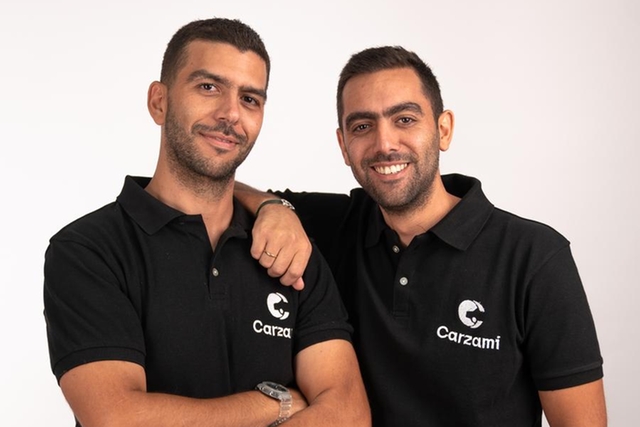
Co-founded in 2022 by Hussein Hosny and Adham Hosny; 2 seasoned entrepreneurs in the automotive space. They started this business venture to address the problems associated with buying and selling used cars. They define themselves as an online-based venture that helps clients to navigate the tedious process of buying and selling used cars.

Carzami Founders, Hussein Hosny & Adham Hosny, commented, “We aim to change the way people buy and sell used cars by providing a seamless one-stop-shop platform that offers online buying, selling, and high-quality financing options. Our experience is all about trust and transparency, allowing consumers to overcome the hassle of traditional dealerships”.

Both Hussein and Adham boast extensive experience in the automotive space. The duo co-founded Sa3ar; Egypt’s first data pricing engine for used cars, in partnership with Synapse Analytics, which is now also a partner in Carzami. With additional team experience from BMW, Mercedes, and Porsche, Carzami is gearing to be an industry leader for car needs and requirements across the region.

About Carzami

Carzami is an online platform that solves the hectic process of buying and selling used cars from the comfort of your homes. Carzami aims to fix the Egyptian used car market by offering certified used cars with 360-degree virtual tours and inspection reports. Customers can order any car they like to be delivered to their doorstep to test drive, then buy with financing and insurance options. As a leading player in Egypt, Carzami introduces a brand-new way of transacting used cars with efficiency, transparency, convenience, and exuberance.

About Contact

Contact Financial Holding (Egyptian stock code CNFN.CA) is a leading group in providing non-bank financial solutions and services, managing a group of companies that provides a full range of financing and insurance products and services. Contact adopts an innovative approach to ensure the provision of its services of the highest quality in the fields of finance and insurance, with the easiest process to reach a wide segment of the market.

Through Contact Credit, Contact offers various financing programs to finance the purchase of new and used cars and vehicles, durable goods financing programs, in addition to the home finance and finishing programs through Contact Mortgage and trade finance programs through its sister companies Contact Leasing and Contact Factoring. Contact also provides insurance services through Sarwa Insurance and Sarwa Life Insurance. The company is also the first and largest issuer of securitization bonds in various fields in the Egyptian market. Contact Financial Holding Company LLC. is licensed and regulated by the Financial Regulatory Authority.

Vehicle owners urged to uphold vehicle maintenance culture


Vehicle owners have been urged to uphold a maintenance culture as a way of reducing road accidents, Mr Francis Johnny Amegayibor, Former General Sales Manager, Silver Star Auto Limited stated. Good vehicle maintenance culture is not necessarily about changing the vehicle oil and/or when the driver felt the need, but how informed the drivers is about vehicles and the best oils or lubricants to use at a particular point in time.

Mr Amegayibor who is also a Former Treasurer of the Ghana Automobile Distribution Association (GADA) and a Former Board Member of the Driver and Vehicle Licensing Authority (DVLA) , said, the smartest way to ensure a car does not break down is to undertake maintenance approved by industry experts.

Speaking at the Tema MTTD Road Safety Campaign platform, Mr Amegayibor, appealed to vehicle owners to regularly change their engine oils and other lubricants as part of their car maintenance culture to keep vehicles in good shape.

He said a vehicle’s engine is its mainstay and does not only propel it, however, its maintenance is important to prolong its lifespan: “the oil and lubricants in the vehicle’s engine serve many functions and cannot be left without proper care”.

He said the motor oil in the vehicle lubricates the moving parts, helps act as a sealant against debris, cools the engine, reduces wear and tear, and helps improve engine health. He said that depending on the type of vehicle and the kind of oil the vehicle owner is using, they needed to change both the oil and the oil filter at least every three months”.

Mr Amegayibor stressed that drivers must check the pressure of their tyres before using the vehicle as that gave the vehicle the right control and failure to do such checks could lead to accidents.

According to Mr Francis Ameyibor, Tema Regional Manager, GNA-TEMA and MTTD Road Safety Project seek to create consistent and systematic bi-weekly awareness advocacy on the need to be cautious on the road, educate all road users of their respective responsibilities, and sensitise drivers on road safety regulations.

He noted that the campaign is a behavioural change advocacy embarked on to ensure that religious and traditional leaders, politicians, security officials, gender advocates, and state and non-state actors use the platform to educate their constituents about the need to adhere to road safety measures.

Mr Ameyibor appealed to religious and traditional leaders to use their platforms to speak to their subjects about the need to drive safely, “let’s constantly caution the driving public as well as pedestrians to be careful on the road”. The GNA Tema Regional Manager commended the Tema Regional MTTD for the support and the work of ensuring that the roads are safe for all.

Audi RS Q e-tron E2 revealed ahead of Morocco Rally debut


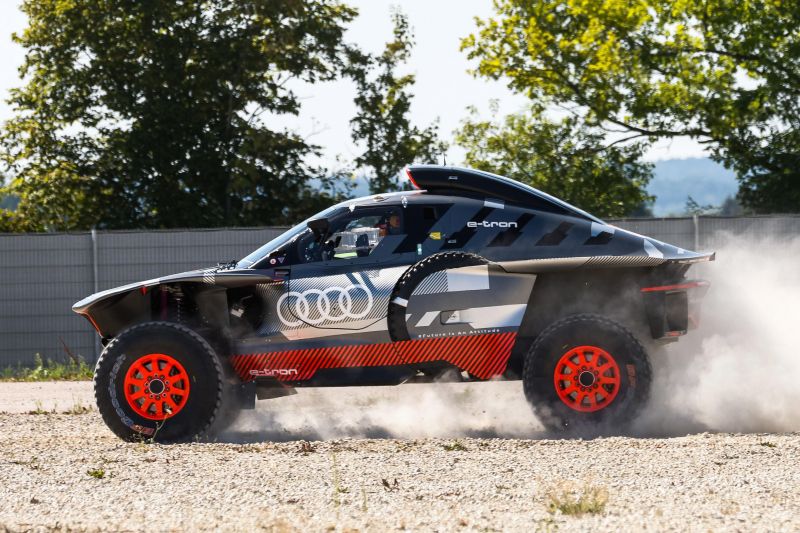
Audi has revealed its “significantly improved” RS Q e-tron E2 off-road racer prototype, which wears reworked body panels for greater aerodynamic performance. It’s an evolution of the previous Audi RS Q e-tron revealed in July 2021, which scored four stage victories at the 2022 Dakar rally in January.

The E2 naming convention used on this prototype has previously been used on the second generation of Audi’s Quattro Group B rally cars in the 1980s.

“The Audi RS Q e-tron E2 does not adopt a single body part from its predecessor,” said RS Q e-tron chief designer Axel Löffler.

A highlight of the exterior body changes include alterations to the front and rear fascias, which now taper inwards and resemble the shape of a boat’s hull. The large wheel arches have also been revised to save weight and to optimise air flow. In order to comply with prescribed interior dimensions, the cockpit in the Audi RS Q e-tron E2 is now wider than before.

Audi has lowered the prototype’s centre of gravity and claims to have reduced the overall aerodynamic drag by 15 per cent by doing computational fluid dynamics (CFD) that simulate testing in a wind tunnel.

“The aerodynamic aspect should not be underestimated in desert rallying either,” said Mr Löffler.

Although Audi doesn’t mention an exact weight for the RS Q e-tron E2, regulations stipulate a minimum weight of 2100kg. The off-road racer prototype has a “simplified operation” which, as an example, allows crews to change tyres in the event of a puncture more effectively. There are now removable body panels instead of the previous bulky covers on the flanks of the prototype.

Audi also notes the new 10-spoke Rotiform rims are “much easier to handle”. Although there have been a number of changes to the RS Q e-tron E2’s body, its electric range-extender powertrain is retained.

The Audi RS Q e-tron E2 has electric motors nicked from the Audi Formula E car on both axles, backed by a third motor-generator unit acting as an inverter which feeds regenerated energy into the 52kWh lithium-ion battery pack.

Supporting the 52kWh battery pack is a 2.0-litre turbocharged four-cylinder petrol engine from Audi’s current DTM car. Rather than powering the wheels directly, it runs at between 4500 and 6000rpm to feed the battery pack. Total system output in this latest prototype is around 288kW of power, but we already know that it’s capable of 500kW. Drive is sent through a single-speed racing transmission.

There’s also a software-based virtual centre differential, as well as physical limited-slip differentials on each axle. Audi claims the RS Q e-tron E2 can do the 0-100km/h sprint on a loose surface in less than 4.5 seconds, and top speed is limited to 170km/h. The Audi RS Q e-tron will make its rallying debut at the Rally du Maroc in Morocco, which will run from October 1 to 6, before competing at the 2023 Dakar Rally.

- Advertisement -