Tuesday, June 2, 2026
Home Blog Page 20

AutoFore showcases innovative solutions at GITEX Africa


AutoFore, an automotive aftersales support platform supporting the development of sustainable, environmentally friendly automotive businesses while providing employment opportunities will be showcasing off their innovative solutions at GITEX Africa in Morocco.

One of AutoFore’s best ideas is Auto4, an online platform that connects car owners with car repair shops. This makes it easier for people to find good quality parts and reliable mechanics for their cars. The founder of AutoFore, Ms. Agatha Nambuya, is super excited to showcase Auto4 at GITEX Africa. She can’t wait to meet other tech experts and explore new opportunities for her business.

Creating Jobs and Helping Communities

AutoFore isn’t just about technology, they also care about creating jobs. They work with lots of vendors and mechanics to help grow small businesses and provide employment opportunities. Uganda is becoming a hub for tech innovation. With more funding and support, startups like AutoFore can make a big impact in sectors like fintech, e-commerce, renewable energy, and healthcare.

GITEX Africa Benefits

GITEX Africa is a great place for startups to connect with investors and industry leaders. It’s a chance for Ugandan companies to show off their skills and get international recognition. The Minister of Science, Technology, and Innovation in Uganda will be speaking at GITEX Africa. This shows how important Uganda’s tech progress is on a global scale.

GITEX Africa is not just a tech event, it’s a place for startups to shine. It’s a chance for Ugandan companies to show off their innovations and make their country proud.

About GITEX Africa

Attending GITEX Africa can provide startups with valuable exposure and networking opportunities that can help propel their businesses to the next level. The support from the Moroccan government also signifies the importance of fostering innovation and entrepreneurship in the country. Participating in this event, startups have the chance to showcase their products and services, gain insights from industry experts, and potentially secure partnerships or investments that can drive their growth. Overall, GITEX Africa serves as a platform for startups to gain visibility, build relationships, and ultimately accelerate their success in the tech industry.

Chinese auto brands making waves in Botswana


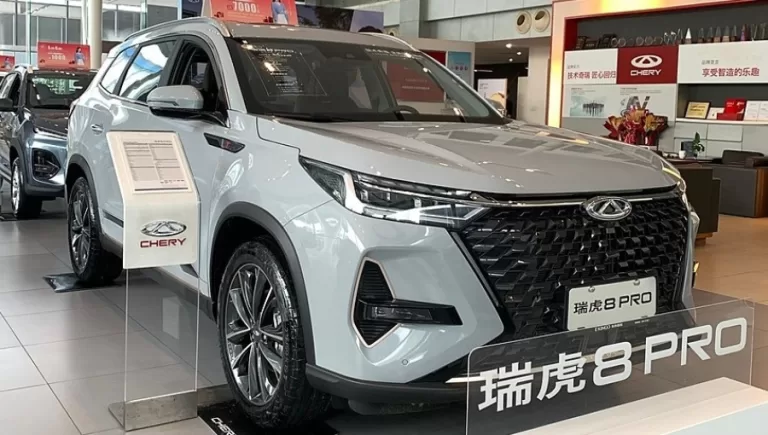
At the 9th edition of the Shell Gaborone Motor Show in Gaborone, the Botswanan capital, Chinese auto brands like Haval, Cherry, Tank, and JAC caught the attention of local car enthusiasts. Over the past five years, Chinese-made vehicles have become a part of Botswana’s competitive automotive industry. Brands like Chery, Haval, JAC, and BAIC are becoming popular among Botswanan consumers who appreciate the quality, durability, and reliability of these vehicles.

Bellson Othomile, a sales executive at Motor Holdings Botswana, mentioned that Haval is a well-liked brand in Gaborone and throughout Botswana. The brand offers great value in terms of cost, technology, design, and comfort. Chinese cars are becoming a good alternative to the brands that used to dominate the southern African automotive markets.

Features and Sales

Many people choose to buy Haval cars because of their affordable price and impressive features. Othomile shared that around 23 units are sold each month, with the Haval Jolion being the most popular model. The Jolion is expected to continue the success of previous Haval products like the P series, H1, H6, H9, and the Tank 300.

Other Chinese Brands

Star Motor Group is another company in Botswana that sells Chinese auto brands like JAC and Chery. Peter Kabelo, a sales executive at the group, highlighted Chery’s success in offering a warranty for engines up to 1 million kilometers or 10 years, including the transmission.

Compared to traditional foreign brands, Chinese cars bring advanced technologies and comfort to Botswana customers. Features like voice command, remote start, wireless charging, big screens, and autopilot are becoming more accessible to consumers.

Consumer Perspective

Isaac Pheko, a Botswana motorist journalist, expressed his admiration for Chinese-made cars due to their improved build quality and durability over the past decade. He also noted that Chinese cars are more affordable than German, Japanese, and American-made cars, making them a popular choice among consumers in Botswana.

Electric Commercial Vehicles Market


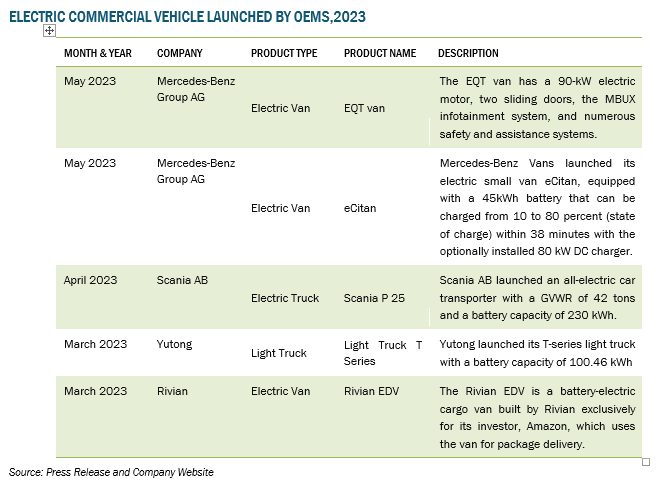
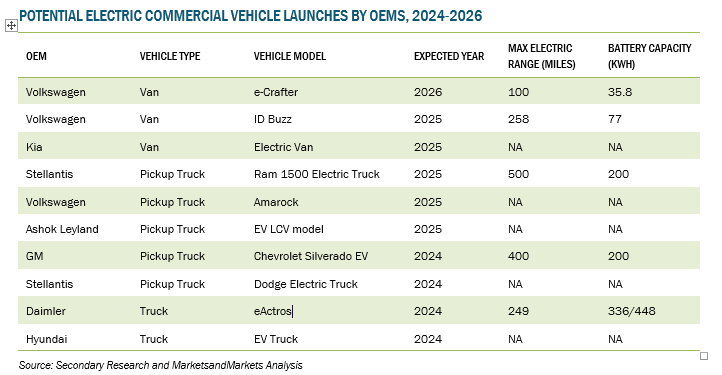
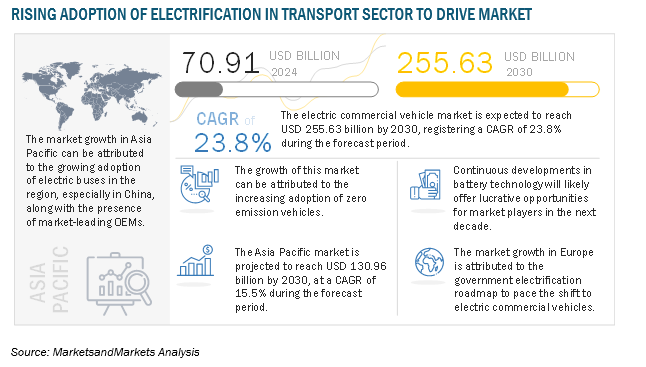
The transportation industry is one of the most prominent contributors to worldwide emissions of greenhouse gases, and numerous countries are intensifying efforts to adopt electric commercial vehicles toward zero-emission electric alternatives. With impending government mandates targeting vehicle emissions, the automotive industry is transitioning towards adopting emission-free vehicles and advanced technologies to increase vehicle range in EVs. This shift underscores a pressing need for sustainable transportation solutions, prompting heightened investment and research into electric vehicle technology to meet regulatory requirements and environmental imperatives. Increasing e-commerce, logistics, delivery, and mobility growth in urban areas have significantly boosted the market for electric commercial vehicles, especially for electric pick-up trucks and electric vans, due to their wide applications in the e-commerce and logistics industries. Additionally, companies such as Mercedes-Benz Group AG (Germany), AB Volvo (Sweden), BYD (China), GM (US), Volkswagen (Germany), Scania AB (Sweden), and Peterbilt (US) are launching a new model in electric truck segment of electric commercial vehicle market which will support the market growth in the near future. For instance, In October 2023, Mercedes-Benz Trucks, the European division of commercial vehicle maker Daimler, premiered its battery-electric long-haul truck, eActros 600. The series production of this truck is planned for the end of 2024.

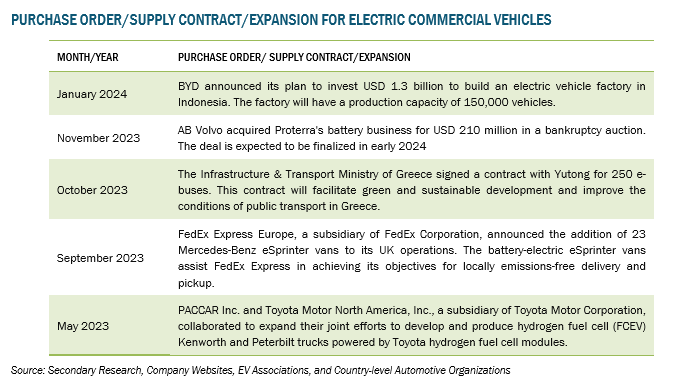
Further, increasing demand for emission-free public transport options in developed and emerging economies is projected to boost the electric bus segment in the near future. For instance, In January 2024, Yutong and BYD signed a contract to supply electric buses to the Italian cities of Bari and Taranto. Yutong will supply 99 electric buses to Bari, with a length ranging from 11.5 to 13 meters. On the other hand, BYD will supply 45 electric buses with a length of 18 meters to the city of Taranto. The manufacturers are focused on the launch of electric commercial vehicle models. The table below covers a few of the new models launched by key manufacturers.

Electric Commercial Vehicles

Transitioning to electric commercial vehicle options can yield significant cost savings for businesses with lower operating costs due to cheaper electricity than diesel fuel, leading to long-term financial benefits and making it an attractive choice. Key OEMs such as BYD (China), Mercedes Benz Group AG (Germany), Yutong (China), AB Volvo (Sweden), and Ford Motor Company (US) have launched electric light trucks, electric vans, electric buses, electric medium and heavy-duty trucks in recent years.

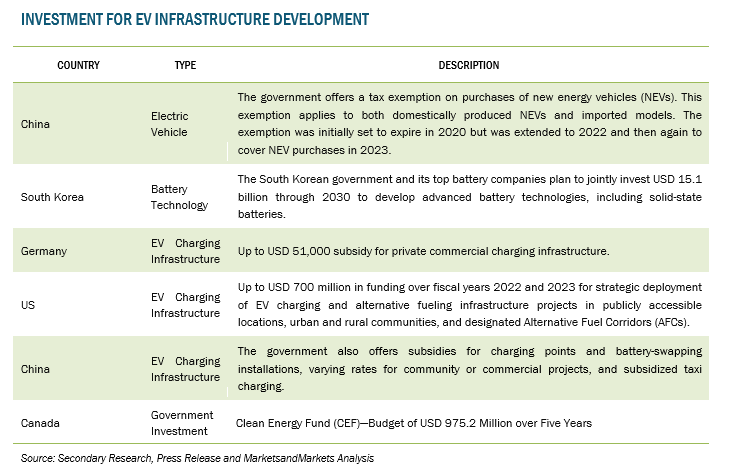
Electric Commercial VehiclesAs per Atin Jain, Team Lead (Automotive and Transportation) at MarketsandMarkets Research, “The growth of electric commercial vehicle market is driven by factors such as government favorable policies, investment in ECV charging infrastructure, adoption of electric fleets for e-commerce and logistic, delivery and others end -use purpose. In addition, electric vehicles have lower operating costs due to the lower running cost of electricity compared to diesel/gasoline and have fewer maintenance requirements, resulting in a lower total cost of ownership over the vehicle’s lifespan. Ongoing advancements in battery technology, electric drivetrains, and a decrease in battery prices would support the adoption of electric commercial vehicles for a wider range of end-use applications.

Electric Commercial Vehicles

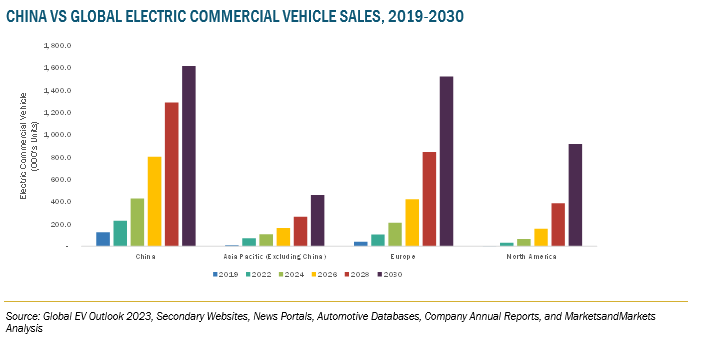
According to MarketsandMarkets research, the global electric commercial vehicle market is projected to reach 4,512.4 thousand units by 2030, starting from 812.9 thousand units in 2024, growing at a CAGR of 33.1%. Innovations in battery technology have led to increased energy density, longer driving ranges, and faster charging times, eliminating some of the primary concerns associated with ECVs end-use applications. Further, R&D activities are being carried out to enhance battery technology, reduce battery cost, decrease charge time, and increase vehicle range. With countries worldwide setting targets to reduce vehicle emissions, the demand for electric commercial vehicles will grow during the forecast period.

Electric commercial vehicles (ECVs) are revolutionizing various industries by offering efficient and sustainable transportation solutions tailored to specific end uses. In urban delivery and logistics, ECVs are preferred due to their quiet operation, zero-emission propulsion, and cost-effectiveness over distances. These vehicles are well-suited for last-mile delivery services, supporting companies in meeting stringent emission regulations implemented by the government. Various retail, logistics, and courier companies, such as DHL (Germany), UPS (US), FedEx (US), and Amazon (US), have included electric vehicles in their operations. For instance, in September 2023, FedEx announced the addition of 23 Mercedes-Benz eSprinter vans to its UK operations. Furthermore, ECVs find applications in public transportation, providing clean and reliable mobility options for commuters while lowering city carbon footprints. Thus, electric commercial vehicles are poised to play an increasingly pivotal role across diverse industries, driving a sustainable transportation revolution.

Source: marketsandmarkets

Autonomous Forklifts – Revolutionizing Warehousing

0

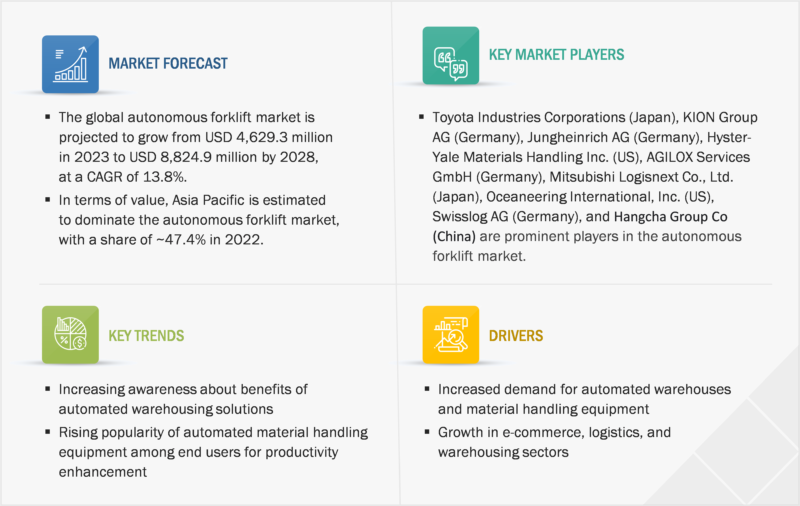
Autonomous forklifts, also known as self-driving ones, are industrial vehicles that can operate without human intervention or minimal human supervision. These forklifts use sensors, cameras, and advanced algorithms to navigate a warehouse, manufacturing facility, or other industrial environments. Autonomous forklifts are designed and developed to accomplish various tasks, including moving heavy loads and transporting goods from one location to another. Autonomous forklifts are equipped with advanced technology to operate safely and efficiently, avoiding collisions with obstacles and other vehicles within the factory or warehouse.

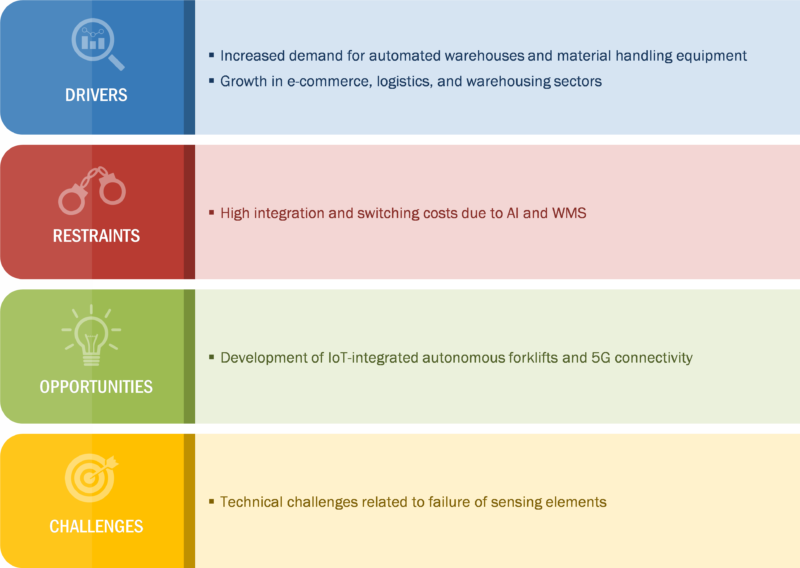
Autonomous forklifts offer several operational advantages, like movement in narrow aisles compared to the space required by a conventional forklift to maneuver. The modification needed to the warehouse is less than other material handling systems like stacker cranes. The AI system optimizes the movement of forklifts to increase energy efficiency, and heavy loads can be efficiently transported without any danger. These advantages have resulted in the growth of autonomous forklifts in material handling operations in manufacturing and logistics.
Autonomous forklifts

Autonomous forklifts are segmented as indoor and outdoor. Indoor autonomous forklifts are swift and precise in storage and retrieval, allowing quick response to mixed pallets, which was time-consuming with traditional storage and retrieval methods. Fundamentally, outdoor autonomous forklifts are like indoor forklifts, except they have better load handling capacity and are more robust to bear harsh weather. The outdoor autonomous forklifts are usually used on ports.

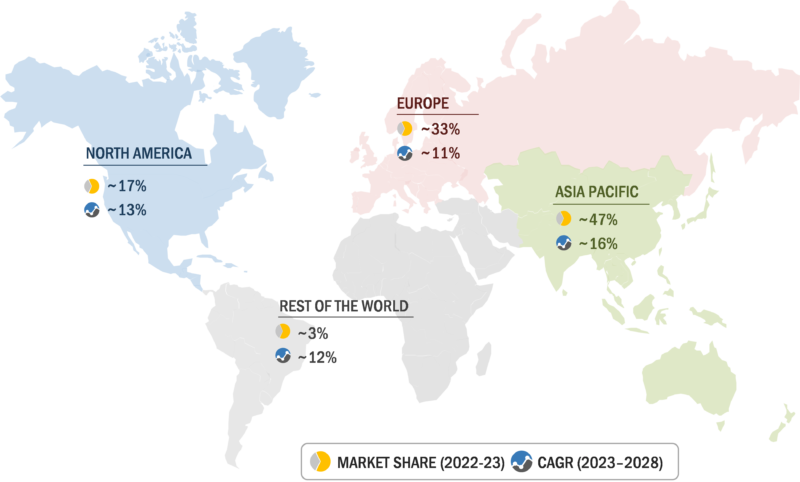
Asia Pacific is predicted to dominate the autonomous forklift market due to an increase in the adoption of automation technology for greater work efficiency. The expanding exports of FMCG, automotive, food & beverage, and pharmaceutical industries can be linked to the rise of autonomous forklifts. Increased product differentiation and rising consumer spending on consumer goods in the local e-commerce sector have boosted the use of automated intralogistics systems in China, South Korea, and India. According to MarketsandMarkets analysis, Asia Pacific accounted for >50% of the global autonomous forklift market, and China is the most significant contributor to the Asian autonomous forklift market. Toyota Industries Corporation (Japan), Hyundai Construction Equipment Co., Ltd. (South Korea), Anhui Heli Co., Ltd. (China), Hangcha Group Co (China), and Multiway Robotics (Shenzhen) Company (China) are a few of the manufacturers of autonomous forklifts in this region.
Autonomous forklifts

<5-ton autonomous forklifts are expected to lead the market with a market share of >60% and grow at a compounded growth rate of 14% during the forecast period. These autonomous forklifts are suitable for applications in compact places due to their low energy consumption, quick operations, and ease of maneuverability. The 5–10-ton autonomous forklifts are gaining popularity. They are used for heavy operational activities with high uptime, handling of the eccentric-shaped load, and greater stability. Some of the top manufacturers of autonomous forklifts with a 5–10-ton capacity are Toyota Industries Corporation (Japan) and KION Group (Germany). Above 10-ton autonomous forklifts primarily find applications for heavy-duty material handling outside the warehouse or the distribution centers. Above 10-ton autonomous forklifts require high energy consumption and power to operate and, hence, have diesel or gasoline propulsion.

Autonomous forklifts with electric propulsion hold the largest share, with >90% in 2023. Autonomous electric forklifts are environment-friendly options with carbon monoxide and other harmful chemical emissions, offering a safer working environment for employees, especially in closed warehouses and floor areas. As autonomous forklifts are primarily preferred in indoor applications with a maximum share of lifting below 5-ton capacity, electric forklifts have higher demand. Lithium-ion batteries are mainly preferred as they have higher energy density and less hazardous components. These forklifts are pollution-free and operate efficiently with minimum noise.
Autonomous forklifts

Vision and laser guidance navigation technologies are major contributors to the working of autonomous forklifts. Both these technologies are expected to contribute >60% of all technologies. The laser guidance technology has the largest demand due to its speed, low maintenance, high-temperature operability, cost-effectiveness, and accuracy. Laser-guided navigation is predominantly used in Very Narrow Aisle (VNA) forklifts and reach lift trucks. Alternatively, some end-users have started adopting SLAM technology for autonomous forklifts due to the accurate positioning and real-time data mapping of surrounding space. SLAM navigation technology can work with various sensors, such as cameras, lidars, and radars, providing flexibility for different applications and environments. In addition, SLAM navigation technology can be attributed to factors such as real-time environment positioning, adaptability, and reduced chances of injuries within warehouses or distribution centers. SLAM with vision guidance and SLAM with LiDAR sensors navigation are the fastest growing technologies. Moreover, the ongoing R&D in applications of AI and IoT in navigation technologies will eliminate further risks of errors for highly efficient operations.

Conclusion:

In conclusion, the market for autonomous forklifts is poised for significant growth, driven by several key factors. Notably, the substantial contributions from China and the broader Asia-Pacific region underscore the region’s pivotal role in shaping the future of autonomous forklift adoption.

The dominance of electric forklifts equipped with advanced technologies like laser and vision guidance is expected to be a leading trend. This shift is not merely a technological advancement but a strategic move towards efficiency and precision. Laser and vision-guided forklifts offer benefits such as enhanced navigation, increased accuracy in load handling, and improved safety measures, elevating their appeal in the market.

One of the primary drivers of the growing demand for autonomous forklifts is the material handling and warehousing sector. Autonomous forklifts are proficient at navigating complex warehouse environments, optimizing inventory management, and reducing operational costs. Their ability to operate continuously without breaks significantly enhances productivity and contributes to a more streamlined and responsive supply chain.

As industries increasingly recognize the advantages of autonomous forklifts in terms of productivity, safety, and cost-effectiveness, the market is expected to witness robust growth. The convergence of technological advancements, regional contributions, and the ever-expanding applications in material handling and warehousing positions autonomous forklifts as a transformative force in modern logistics.

President William Ruto opens Japanese Car Auction Firm in Naivasha


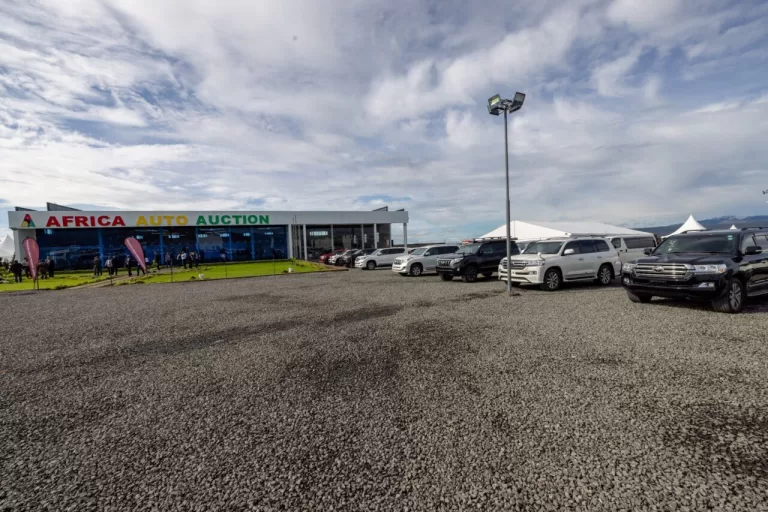
President William Ruto recently inaugurated a new Japanese car auction firm at the Naivasha Special Economic Zone (SEZ). This move is expected to lower the costs of importing used vehicles from Asia, particularly Japan.

Wide Variety of Vehicles

The firm, known as ‘Jumbo Africa Auto Auction SEZ Limited’, specializes in pre-owned vehicles from Japan, which is currently the largest source of imported used vehicles in Kenya. Buyers in Kenya, East Africa, and the entire African continent will now have access to a wide range of vehicles, including cars, trucks, motorcycles, speciality vehicles, machinery, mechanical appliances, vehicle parts, work trucks, and handling equipment at reduced prices.

Jumbo Africa Auto Auction
President William Ruto opens the Jumbo Africa Auto Auction in Naivasha, Nakuru County. | Image: PCS
Benefits for Buyers

President Ruto mentioned that buyers will be able to use the Kenyan shilling as a trading currency and participate in auctions from the comfort of their homes. Competitive bidding will ensure lower prices, leading to increased savings compared to traditional car importation processes.

Stimulating the Auto Industry

The competitive pricing and high demand for vehicles are expected to boost the country’s auto parts industry and overall activity in the automotive sector. This will contribute to the expansion of the economy and the adoption of new technologies.

SEZ Programme

President Ruto highlighted the significance of the Special Economic Zone (SEZ) programme in attracting private investment and driving economic growth in Kenya. The programme aims to increase employment, grow exports, enhance supply chain spill-overs, and boost foreign exchange earnings.

Attractive Incentives

The SEZ programme offers attractive tax incentives, high-quality infrastructure, simplified business procedures, and regulations, as well as expanded market access for goods produced in the zones. These features have made Kenya a more appealing investment destination.

Naivasha SEZ

The Naivasha SEZ is strategically located near the Olkaria Geothermal electricity generation complex, which reduces the cost of doing business due to low-cost power tariffs. The zone covers 1,000 acres and will include an industrial park, logistics area, cluster areas for SMEs, affordable housing units, and amenities.

Infrastructure Development

The government has invested in infrastructure development within the zone, including internal access roads and an inland container depot with a capacity of 100,000 units. This depot is connected to both standard and meter gauge railway lines, facilitating transportation and trade.

Volvo Trucks South Africa launches Equipment-as-a-Service (EaaS) model for electric truck rentals in the country


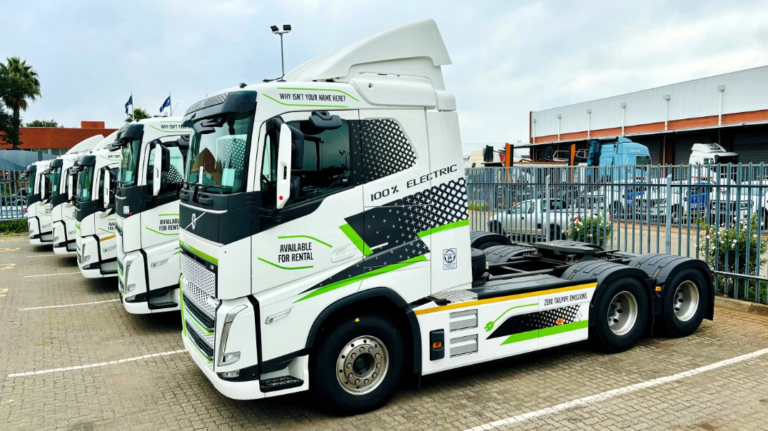
Since the launch of the Volvo Electric Trucks locally in 2023, the company has brought in a range of configurations to suit the South African market. These new units have been going through homologation and internal testing.

“We recognise that the high initial capital cost of electric vehicles makes them harder for customers to bring into their business, especially those that have shorter-term contracts with their customers,” said Eric Parry, Senior Manager of Sustainable Solutions at Volvo Trucks South Africa. “The intention is to bring down the “barrier to entry” for those with the environmental ambition to move to cleaner transport solutions. That is why we will also be offering these as rental units to our customers.”

Volvo Electric Trucks
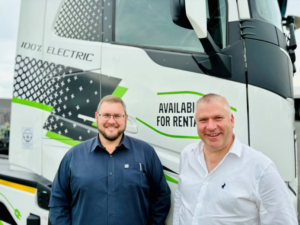
Paul Uys, Managing Director of Volvo Financial Services South Africa and Eric Parry Sustainable Solutions Manager at Volvo Trucks South Africa with some of the electric trucks available for rental. | Image: Volvo Trucks South Africa

The local Volvo electric truck range currently consists of FH, FM and FMX models, configured as 4X2, 6X2 and 6X4 Tractors. The company will also soon have FM 4X2 and 6X2 rigids available.

According to Paul Uys, Managing Director of Volvo Financial Services Southern Africa, “There is a clear demand for rental trucks in South Africa, as proven by the success of companies with their diesel vehicle offer. We will be the first in South Africa to offer  Electric Trucks in a Equipment-as-a-Service rental solution.”

“The biggest advantage of vehicle rental is there is reduced capital outlay compared to when you purchase a truck. The rental option also allows you more flexibility in using the vehicle for a shorter period, without the commitment attached to a long lease obligation,” explained Uys.

Volvo Trucks’ EaaS rentals will be available countrywide. The company also partnered with an established service provider to offer rental customers the necessary charger infrastructure across South Africa, addressing the need for an easily accessible charging network.

“We run detailed simulations for each route that a fleet would like to operate an electric truck in, and this allows us to determine the optimal location and size of the charger. Our trucks can take up to a 250kW DC Fast charger,” explained Parry. “Then, depending on the client’s needs, we will be able to do a site survey and recommend the optimal charger installation for their location. Our supplier will be able to rent the charger to the client for the period of the vehicle rental.”

The Volvo Financial Services EaaS rental solution is based on a period of six months or longer, and the amount will include the maintenance and insurance cost of the unit. Each truck will be covered by a full Volvo Trucks Gold Maintenance contract for the life of the vehicle.

Volvo Trucks currently has three dealers in the major metros, with trained technicians and the specialised tools to be able to support the full electric range. In general, the trucks will only need to come in once a year for service, irrespective of the mileage they travel.

Special driver training is also available and is aimed at getting the best out of an electrically powered truck. However, the control, couplings and driving style are identical to a diesel model, so there is not much functional training needed.

“A customised and detailed agreement is entered into with each client, and is dependent on the vehicle and the type of operations in which the truck will be used,” explained Uys.  “The rental units will also incorporate Volvo Connect, allowing customers access to a range of fleet management solutions like vehicle tracking.”

Uys said that at this stage, a ‘rent-to-own’ option is not available but that customers can finance electric trucks with ultimate ownership then subsequently passing to them. Volvo’s Trucks Electric Trucks are aimed at customer fleets with a strong environmental ambition or a push from their client base.

“These fleets are usually running regional operations. From big blue chip corporates to smaller fleets, we have received interest from a range of companies,” said Parry. “The rental option enables them to test out the product in their operation for a meaningful amount of time, without the initial capital investment.”

Source: Volvo Trucks South Africa

Nigeria gears up for local Automobile Manufacturing


Nigeria gears up for Automobile Manufacturing by end of 2024, promising a brighter future for local automotive industry. The Minister of Industry, Trade and Investment, Doris Uzoka-Anite, recently announced. This is a big step towards growing Nigeria’s automotive industry, as currently, less than 10% of the vehicles used in the country are produced locally.

Challenges Faced

Last year, Nigeria’s vehicle assembling industry faced a tough time as production costs continued to rise while demand for locally assembled cars plummeted. Consequently, the activities of motor vehicles and miscellaneous assembly fell below the benchmark, depicting a clear decline in the overall industry. This trend was a cause for concern as it signified potential challenges ahead for both manufacturers and consumers, highlighting the need for innovative solutions to revive the industry.

Doris Uzoka-Anite, Nigeria’s Minister of Industry, Trade and Investment. | Image: courtesy
Government’s Call to Action

In a bid to boost the automobile industry and contribute more to the nation’s economy, the Federal Government of Nigeria is calling on all stakeholders, including manufacturers, dealers, regulatory bodies, and others in the automobile ecosystem, to support the Nigerian Automotive Development Policy. The Minister emphasized the importance of collaboration among all parties to overcome challenges, improve processes, and drive innovation in the automobile manufacturing industry. By working together, the government and stakeholders can achieve a sustainable framework that will enhance local manufacturing capacity, increase job opportunities, and ultimately boost the country’s economic development through a thriving automotive sector.

The Minister’s message is crystal clear and cannot be understated. It is a directive that demands collective action and focus from all stakeholders in the automobile industry in Nigeria. The push for local car manufacturing is not just a mere suggestion, but a call to arms for the entire industry to unite and work towards this common goal. Through collaboration, dedication, and the necessary resources, Nigeria has the opportunity to transform its automotive sector and finally make the dream of producing high-quality, made-in-Nigeria cars a reality within the next few years. This ambitious target of achieving this milestone by the end of 2024 requires unwavering commitment and a shared vision among all key players. It is time for everyone to join forces, put differences aside, and pave the way for a brighter future for the automobile industry in Nigeria. It is a challenge that, when embraced wholeheartedly, has the potential to not only boost the nation’s economy but also showcase Nigeria as a leader in the African automotive market.

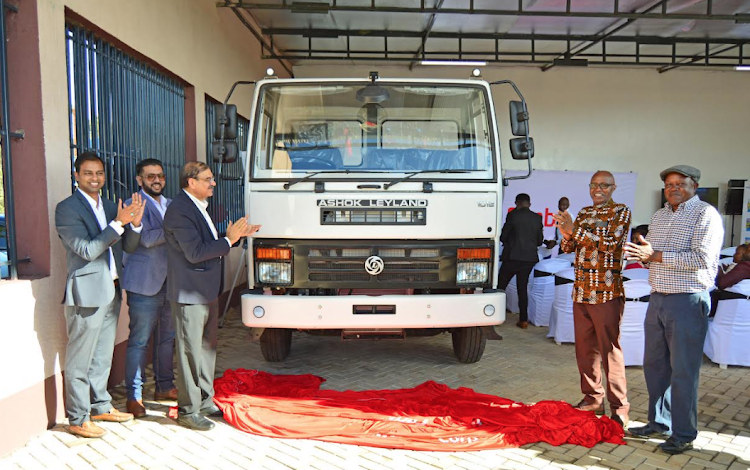
Simba Corporation unveils new Ashok Leyland ECOMET Truck


Simba Corporation, a big player in Kenya’s car industry, has just revealed the new Ashok Leyland ECOMET Truck model. This is part of their plan to become a top player in the light-duty trucks market. The unveiling of the new truck happened at the opening of a new dealership in Thika Town called Swanley Motors. This move helps Simba Corporation to compete in the seven to 10-tonne trucks category, which had 1,378 units sold in 2023. So far this year, Simba Corporation has sold 165 units, putting them in third place behind Isuzu and CFAO Motors.

Company Goals

The Group managing director of the motors division, Naresh Leekha, sees these launches as a big step for the company’s growth in the Mount Kenya, Eastern, and Rift Valley regions. The Ashok Leyland ECOMET model fills a gap in their product range and positions Simba Corporation as a top transport solutions provider in Kenya.

Pricing

The ECOMET truck is priced at Sh4.5 million and can be turned into a 29 or 33-seater bus. This allows Simba Corporation to tap into the public and mass transport markets. The company aims to capture a bigger market share by offering solutions beyond just trucks, like hardware, mattresses, and water tanks.

Financing and After-Sales

The Chief Commercial Officer, Mohamed Varvany, mentioned that they will offer financing options and a year warranty or 500,000 kilometers for the ECOMET Truck. This makes it easier for customers to get support from their financing partners. The current economy makes customers want affordable trucks that perform well.

Target Market

Simba Corporation is targeting corporate and public service transport, agribusiness, construction, and education transport sectors with the new Thika dealership. This will also help boost sales of other Simba Corporation brands.

Chinese Car Manufacturer LDV expands to South Africa


Chinese Car Manufacturer, LDV formerly Leyland DAF Vans, has made its move into South Africa’s Automotive Scene, setting up its headquarters in Sandton, Gauteng. The company is in the process of appointing a national dealer network and have already completed construction on the first LDV dealership in Sandton. Additionally, the company is finalizing an agreement for a national parts distribution warehouse.

The History of LDV

Originally born in the United Kingdom in 1896, has gone through many changes over the years. In 1987, it became Leyland DAF Vans and eventually rebranded as LDV. This brand is well-known globally among vehicle enthusiasts.

LDV’s Popular Vehicles

LDV is famous for its bakkies, SUVs, and vans. Last year, LDV Automotive Australia sold over 21,000 units, with the T60 range of bakkies being a top-seller among entrepreneurs and small businesses.

LDV’s Connection to Saic Motor

The company is now part of Saic Motor, the largest vehicle manufacturer in China and one of the top ten in the world. Saic sells millions of vehicles in China and exports to regions worldwide, including Europe, the USA, and Australasia. Saic is a Fortune 100 global company and partners with General Motors and Volkswagen. They also own brands like MG, LDV, and Maxus.

Maxus in South Africa

Maxus, another brand under Saic, is already known in South Africa for its electric commercial vehicles used by Woolworths for home delivery services. These vehicles will soon be available in their internal combustion form through LDV South Africa.

LDV’s Arrival in South Africa

The company will kick off with a lineup of T60 double cab bakkies. They have completed local testing and will offer a five-year/200,000km factory warranty and a five-year/100,000 km service plan as standard for their SUVs, vans, and bakkies.

Future Plans

The car manufacturer plans to launch its first range of bakkies in May 2024 and will provide more details on their full vehicle range soon. Exciting times ahead for LDV enthusiasts in South Africa!

Discover the Game-Changing Method for Solving Complex Car Issues


Are you tired of dealing with complex car issues that seem to drain your time and money? Owning a car can come with its own set of challenges, especially when it comes to diagnosing and fixing complicated problems. But fear not, because automotive testing and control devices are here to help. By understanding the diagnostic procedures and interpreting test results, you can become more confident in troubleshooting your car’s issues. This not only saves you time but also prevents unnecessary repairs that could potentially drain your wallet. So let’s dive into the intricacies of complex car issues and see how these techniques can assist you in various scenarios. With the right tools and knowledge, you can become a master at diagnosing car problems and keep your vehicle running smoothly without breaking the bank!

Understanding Complex Car Issues

Understanding complex car issues can be a challenging task, especially for those without a background in automotive mechanics. It requires specialized knowledge and skills to effectively diagnose and troubleshoot even the most intricate problems. However, with the right tools and techniques, anyone can become adept at handling car issues. One of the key ways to approach this process is by utilizing testing and control devices. These devices are designed to gather data and perform various tests on your vehicle’s systems, providing valuable insights into potential issues. They give you a deeper understanding of how your car works and allow you to pinpoint any problems accurately. Whether it’s an engine malfunction or an electrical issue, these tools can help you identify the root cause of the problem quickly and efficiently. So, whether you’re a novice or an experienced mechanic, these tools are essential for effectively maintaining your vehicle’s health.

Diagnostic Procedures for Complex Car Issues

When your car starts experiencing complex issues, this is where diagnostic procedures come into play. These procedures involve using testing and control devices to identify any problems and pinpoint the exact area that needs attention. Some common testing devices include diagnostic scanners, multimeters, and oscilloscopes. These tools provide valuable information about the different systems in your car such as engine performance, transmission function, and electrical components. By utilizing these diagnostic procedures, a trained mechanic can accurately diagnose complex car issues and provide an effective solution. This not only saves time but also ensures that the issue is fixed correctly the first time around, preventing any further damage or costly repairs in the future. Next time you encounter a complex car issue, make sure to use proper diagnostic procedures for an efficient and accurate diagnosis.

Interpreting Test Results

Interpreting test results is a crucial aspect in effectively diagnosing complex car issues. After conducting various tests and using control devices to gather data, it is important to carefully analyze and interpret the results. This involves comparing the obtained readings with standard values, identifying any significant differences, and determining potential causes for those variances. It’s also essential to consider other factors such as the vehicle’s history and symptoms reported by the driver in order to make a comprehensive assessment. In some cases, multiple tests may be needed to accurately diagnose the problem. It takes experience and skill to accurately interpret test results, but doing so can greatly aid in finding the root cause of complex car issues and providing a successful solution.

Troubleshooting Techniques

When troubleshooting a car issue, start by identifying the symptoms and then use the appropriate device to test the related system or component. This will help narrow down the root cause of the problem. It is also important to have proper knowledge and understanding of how to use these devices correctly in order to obtain accurate results. Additionally, regularly updating these tools with the latest software can enhance their capabilities and accuracy. By incorporating testing and control devices into your diagnostic process, you can effectively recognize complex car issues and save time and money on unnecessary repairs!

- Advertisement -