Sunday, May 31, 2026
Home Blog Page 16

Battery Thermal Management Systems


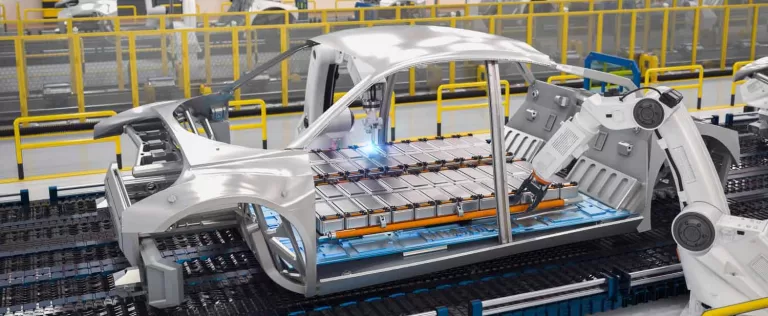
The rise of electric vehicles (EVs) has been a game-changer in the rapidly evolving automotive industry. As the world shifts towards greener and more sustainable modes of transportation, one of the critical components ensuring the efficiency, safety, and longevity of EVs is the battery thermal management system (BTMS). This system plays a pivotal role in maintaining the optimal temperature of the battery packs, thereby enhancing performance and extending battery life. Batteries, particularly lithium-ion ones, are sensitive to temperature fluctuations. Extreme temperatures can lead to reduced efficiency, shorter lifespan, and even hazardous situations like thermal runaway, which can cause fires or explosions. Hence, an effective BTMS is essential for maintaining optimal battery performance and safety. It regulates the temperature within the battery pack, ensuring it stays within a safe operating range.

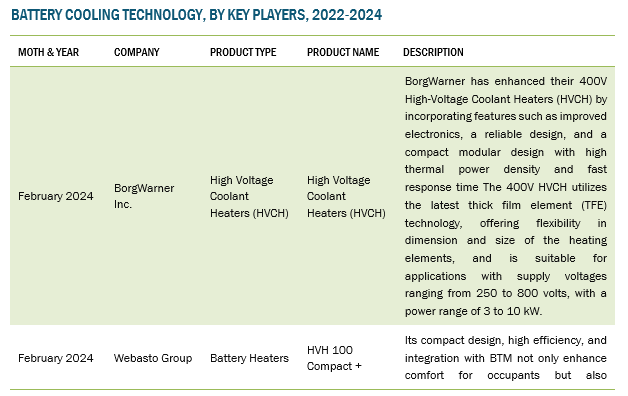
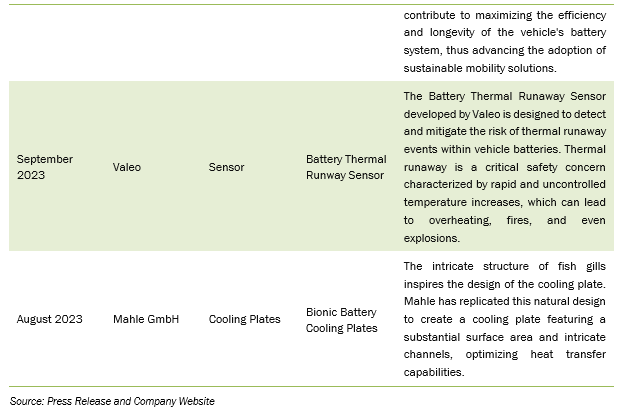
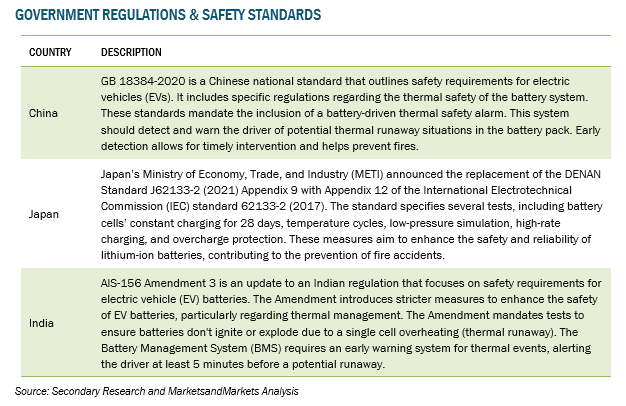
Market players like Robert Bosch GmbH, BorgWarner Inc., Continental AG, Webasto Group, Valeo, and others are investing heavily in BTMS technology to enhance its performance and lower their costs. This global shift towards sustainable transportation is driving the demand for electric vehicles. As this adoption grows, there is a parallel increase in the market for efficient battery thermal management systems for battery temperature, thus enhancing vehicle range and longevity. Governments worldwide are implementing stricter regulations to reduce emissions and improve energy efficiency. Compliance with these regulations necessitates using advanced BTMS to optimize battery performance and meet safety standards. Ongoing advancements in materials science, thermal engineering, and control systems present opportunities for innovation in BTMS technology. Solutions that offer higher efficiency, improved reliability, and enhanced safety features will find favor among manufacturers and end-users alike, driving market growth and competitiveness. The Chinese company XING Mobility, in January 2024, debuts its new BTMS technology Immersion Cooling Battery, which includes submerging battery cells in a thermally conductive dielectric fluid. The Tier 1 providers are launching new battery cooling technology as the demand for electric vehicles increases. The table below covers some of the latest technology launched by key players.
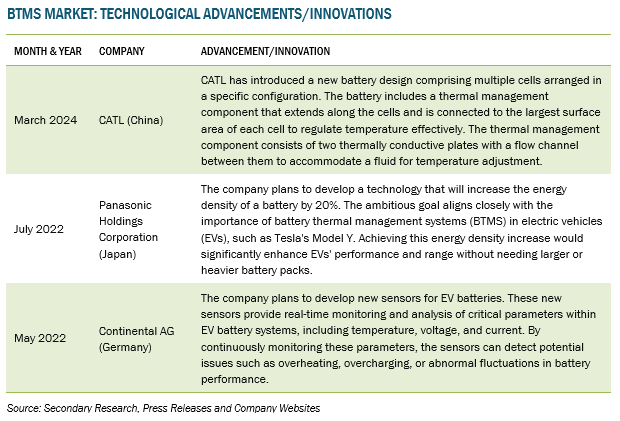
The BTMS Market is witnessing technological developments to meet OEMs demand and be future-ready. Electric vehicles have a lower operating cost than conventional vehicles. Increasing crude oil prices and the demand for eco-friendly mobility alternatives open opportunities for the BTMS market. The government in China introduced GB 18384-2020 standard that outlines safety requirements for electric vehicles (EVs). It includes specific regulations regarding the thermal safety of the battery system. These standards mandate the inclusion of a battery-driven thermal safety alarm. This system should detect and warn the driver of potential thermal runaway situations in the battery pack. Early detection allows for timely intervention and helps prevent fires. Similarly, the government’s introduction of safety norms in India, such as AIS-156 and AIS-038 (Rev 2) standards, following incidents like EV fires, has significantly impacted the BTMS market. By incorporating these safety measures, the government aims to mitigate safety risks associated with lithium-ion batteries, especially in regions with high ambient temperatures like tropical countries.
As per Amey Godbole, Associate Manager (Automotive and Transportation domain) at MarketsandMarkets Research, Major OEMs like Tesla and BYD integrate BTMS into the battery pack at their facilities, reflecting a trend where OEMs are more involved in the design and control of these systems with many other also practicing such methods. This trend will continue in the future, and there is a chance that these OEMs might include BTMS components such as cooling plates and thermal sensors while developing their battery pack”. Further, Jeet Shah, Senior Research Analyst (Automotive and Transportation domain) at MarketsandMarkets Research, “Favorable government regulatory policies and initiatives regarding battery safety coupled with growing awareness of emission-free vehicles will propel the market growth of BTMS in the near future.”
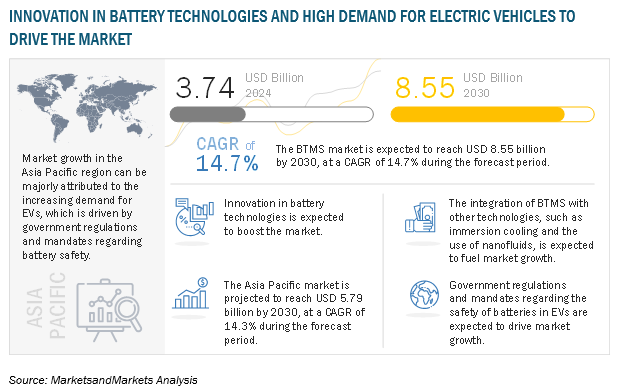
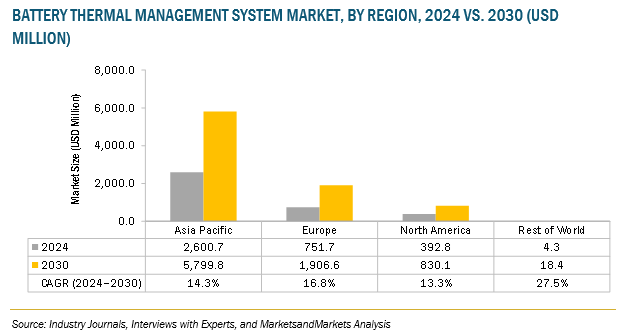
According to MarketsandMarkets, the global BTMS market is projected to reach USD 8.55 billion by 2030, from USD 3.74 billion in 2024 and growing at a CAGR of 14.7%. The market growth is governed by improvements in battery technology and supporting government policies and regulations for electric vehicles.

KEY DRIVING FACTOR FOR BTMS MARKET

Innovation in EV battery system

Innovations in cathode chemistry, such as lithium nickel manganese cobalt oxide (NMC), lithium nickel cobalt aluminum oxide (NCA), and lithium iron phosphate (LFP), have led to higher energy densities and improved range in EV batteries. However, these advancements also bring challenges in terms of thermal management. Higher energy densities can lead to increased heat generation during charging and discharging cycles, which, if not properly managed, can degrade battery performance and lifespan. For instance, the Tesla Model S uses LFP batteries. Tesla has developed a new battery design in which the cooling ribbons are now glued directly to the cooling ribbon, and the cooling ribbon spans a greater percentage of the cells’ height.
Stringent regulatory and safety standards

Government regulations impact various aspects such as battery safety norms, safety requirements for battery cells and management systems, design standards for battery packs, and measures to prevent thermal propagation and fires resulting from internal cell short circuits. The global push to reduce vehicle emissions and promote electric vehicles (EVs) has led to significant investments in BTMS, particularly in countries like Norway and Germany. For instance, in January 2024, the partnership between Bosch’s Rexroth (Germany) and Modine Manufacturing (US) emphasizes the development of customized thermal management solutions tailored to the specific requirements and operating conditions of off-highway applications.

The government’s introduction of safety norms in India, such as AIS-156 and AIS-038 (Rev 2) standards, following incidents like EV fires, has significantly impacted the BTMS market. These standards emphasize battery safety, electric vehicle safety, and additional safety requirements for battery cells and management systems. By incorporating these safety measures, the government aims to mitigate safety risks associated with lithium-ion batteries, especially in regions with high ambient temperatures like tropical countries.
KEY STRATEGIES BY MARKET PLAYERS
BlackRock and Temasek Lead USD 150 Million Investment in Thermal Battery Maker Antora Energy

BlackRock and Temasek, two leading global investment firms, have spearheaded a consortium to invest USD 150 million in Antora Energy, a company specializing in thermal battery technology. This significant funding round underscores the growing interest and confidence in innovative energy storage solutions. Antora Energy’s thermal batteries aim to provide sustainable and efficient energy storage by converting excess renewable energy into heat, which can be converted back to electricity when needed. This technology addresses a critical challenge in the renewable energy sector by ensuring a reliable energy supply even when renewable sources like solar and wind are not producing power. The investment from BlackRock and Temasek is expected to accelerate the development and deployment of Antora’s thermal battery systems, potentially transforming energy storage and contributing to global efforts to transition to cleaner energy sources.

BorgWarner and FinDreams Battery Forge International strategic partnership for LFP battery packs integrated with BTMS

BorgWarner, a prominent automotive supplier, has entered into an international strategic relationship agreement with FinDreams Battery, a subsidiary of BYD specializing in battery technology. This collaboration focuses on lithium iron phosphate (LFP) battery packs, which are integrated with battery cooling and are known for their safety, long cycle life, and cost-effectiveness. The agreement aims to leverage FinDreams Battery’s expertise in LFP technology and battery cooling products to enhance BorgWarner’s electric vehicle offerings. By incorporating these advanced battery packs, BorgWarner seeks to improve its electric propulsion systems’ performance, efficiency, and sustainability. This partnership is expected to drive innovation and accelerate the adoption of electric vehicles globally, aligning with the automotive industry’s shift towards greener technologies.

BY: MARKETSANDMARKETS
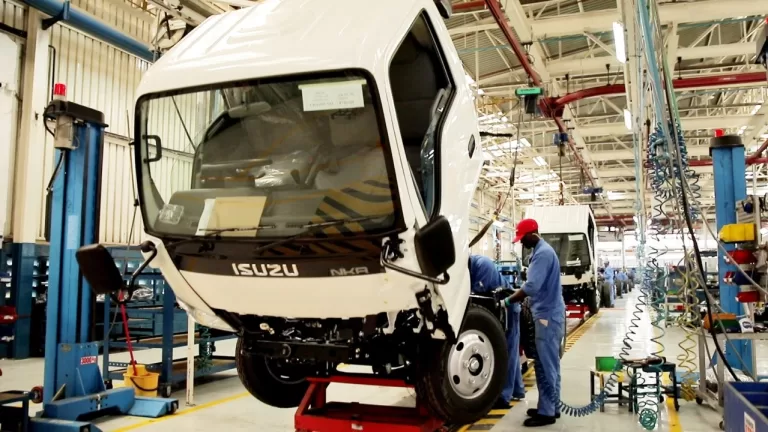
Isuzu East Africa Considers Opening Assembly Plant in Tanzania


Isuzu East Africa, the Japanese manufacturer of heavy commercial vehicles, is considering establishing an assembly plant in Tanzania if the current demand trend stays high. This potential investment aligns with the ongoing efforts within the East African Community to bolster the region’s automotive sector.

Tanzania’s Automotive Industry

Sandra Njagi, Head of Corporate Planning and Strategy at Isuzu East Africa, shared that Tanzania’s automotive industry currently produces approximately 95,000 vehicles annually, which include cars, light and medium trucks, buses, pickup trucks, and SUVs. However, she noted that the market is heavily reliant on used vehicle imports from Asia and Europe, which represent 94% of all vehicle sales in Tanzania. She emphasized that greater affordability of new vehicles could mitigate the dominance of imported used cars.

Sandra expressed optimism about the industry’s potential for growth, citing Tanzania’s geographic advantages, developmental prospects, and key infrastructure projects aimed at enhancing national and regional connectivity. During a recent roundtable in Arusha City, she was accompanied by EAC Secretariat representatives and CEOs from the East African Business Council.

Also Read: Isuzu launches Sh35 million aftersales facility

Investment in the Automotive Sector

EAC Secretary General Veronicah Nduva highlighted the significant investment opportunities available in the automotive sector, given the region’s population, land size, and economic activities. She stated that the EAC has incorporated the growth of the automobile industry into its budget for the fiscal year 2024–2025.

Also Read: Isuzu inks vehicle financing deal with Gulf African Bank

As of December 2023, Isuzu East Africa leads the automotive assembly sector in East Africa, assembling over 6,000 vehicles per year and commanding a 45% market share. In Tanzania, Isuzu operates through its authorized dealer, Al Mansour Tanzania, which features a state-of-the-art sales, service, and spare parts facility on Nyerere Road in Kipawa, along with 15 accredited service centers across major cities, ensuring wide coverage and robust aftersales support.

Also Read: Isuzu Motors SA Invests R580m to Support Component Localisation

Isuzu offers a diverse range of light and medium commercial trucks, buses, pickup trucks, and sports utility vehicles (including the Isuzu mu-X) in Tanzania. During the recent Roundtable meeting, Isuzu showcased two trucks specifically designed to handle East African road conditions, weather, and transportation demands.

The Rise of Morocco as Africa’s Leading Vehicle Manufacturer


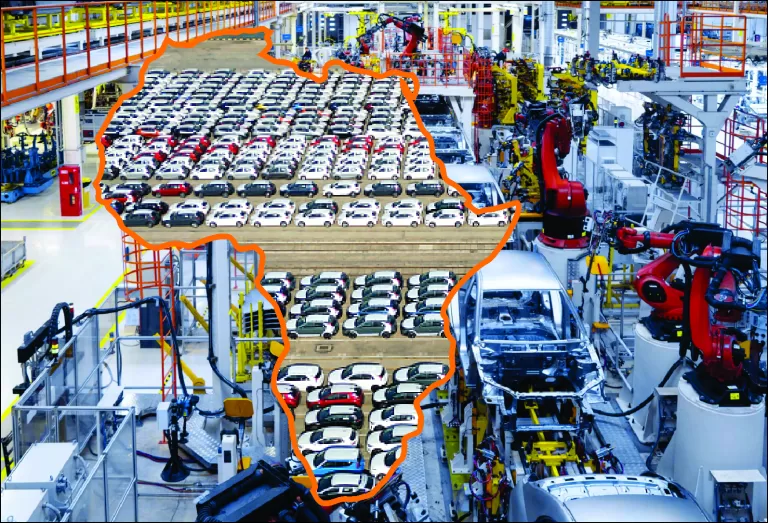
Morocco is emerging as the top car producer in Africa, surpassing South Africa. This shift is due to significant investments and partnerships with global car companies like Renault-Dacia and Stellantis. For a long time, South Africa held the title of the biggest vehicle manufacturer in Africa. However, Nigeria took over as the largest economy in Africa in the mid-2010s, and now Morocco has claimed the crown as Africa’s major vehicle manufacturer.

Production Numbers

In 2023, Morocco produced 582,000 cars and LCVs, and this year, that number is expected to rise to nearly 614,000 units. On the other hand, South Africa’s light-vehicle production is projected to decrease to 591,000 units. The decline of South Africa’s automotive industry can be attributed to various factors such as worsening industrial logistics, high vehicle taxes affecting local demand, and overreliance on automotive exports, particularly catalytic converters.

Morocco’s Strategy

Morocco’s rise as a vehicle manufacturing hub is a result of its strategic approach to incentivizing investments in the automotive supply chain. Companies like Renault-Dacia and Stellantis have set up factories in Morocco, contributing to the country’s automotive success. Nonetheless, Morocco has been proactive in developing industries that cater to the EV value chain, anticipating the growing demand for electric vehicles in Europe. Recently, Dacia launched production of the Jogger, the first hybrid vehicle manufactured in Morocco, and a Giga factory capable of manufacturing 20 GWh in battery capacity per year is set to open in 2026.

Chinese Investments

Morocco has free trade agreements with China, the U.S., and the EU. This allows Chinese manufacturers to potentially set up factories in Morocco to avoid tariffs and trade barriers imposed by the EU and the U.S. on vehicle imports from China.

Future Outlook

As Morocco’s automotive industry continues to grow, it is expected to play a significant role not only in Africa but also in Europe and the U.S. The country’s automotive manufacturing industry is projected to expand at an average annual rate of 6.8% over the next decade, reaching an annual volume of nearly 1.1 million units by 2033.

Challenges Ahead

While Morocco’s automotive muscle is increasing, questions remain about the extent of Chinese influence in the country’s automotive sector. The U.S. and the EU may develop policies to address Chinese automotive investments in Morocco, similar to the pressure being exerted on Mexico.

Morocco is poised to become a key player in automotive manufacturing for markets in Africa, Europe, and North America, solidifying its position as a major player in the global automotive industry.

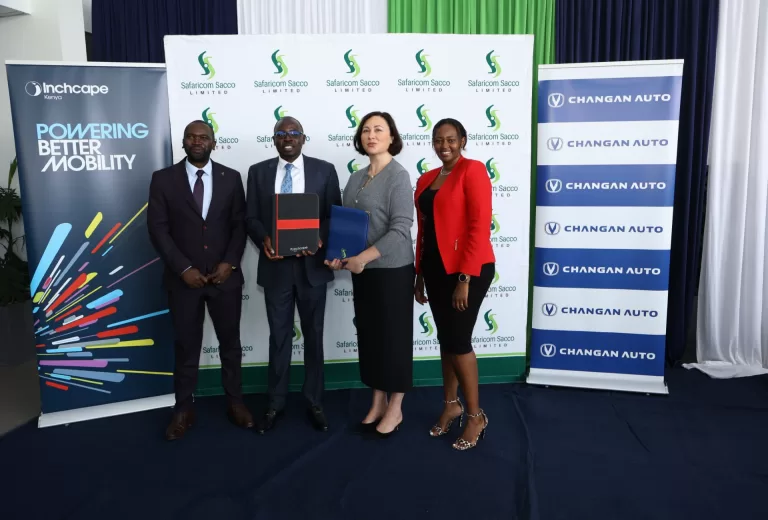
Inchcape Kenya Partners with Safaricom Sacco for Affordable Vehicle Financing


Inchcape Kenya, a leading automotive distributor, has teamed up with Safaricom Sacco Limited to offer customers great deals on vehicle financing. This partnership will provide access to competitive financing options for popular brands like BMW, Jaguar, Land Rover, and the new Changan Auto.

Under this plan, customers can get up to 100% financing at a super low interest rate of just 1% per month. They also have the flexibility to choose repayment periods of up to 48 months. This means that aspiring vehicle owners in Kenya now have more opportunities to make their dream of owning a brand new car a reality.

What Inchcape Kenya Offers

Inchcape Kenya has a wide range of vehicles to choose from, including executive cars, affordable passenger vehicles, and light commercial vehicles for businesses. Whether you’re looking for a luxury Jaguar or a fuel-efficient Changan model, Inchcape Kenya is dedicated to providing mobility solutions for everyone.

Changan Auto Models

The newly introduced Changan Auto offers a variety of models with modern designs, fuel efficiency, enhanced safety features, and great value for money. The starting prices for light commercial models are 2.2 million KES inclusive of VAT, while passenger vehicles start at 2.8 million KES inclusive of VAT.

Partnership Benefits

This partnership between Inchcape Kenya and Safaricom Sacco will make vehicle ownership more accessible to Kenyans by bridging the affordability gap. With the 1% monthly interest rate and flexible repayment options, purchasing a vehicle has never been easier.

Safaricom Sacco CEO Joseph Njoroge is excited about this partnership and believes it will help members achieve their dream of owning a new car. The Sacco is open for membership, and both existing and prospective members are encouraged to take advantage of this opportunity to own vehicles from Inchcape’s range.

Changan Auto Features

Changan is a well-known Chinese automaker with a reputation for innovation and a diverse lineup of vehicles. Customers can expect a seamless purchasing experience, competitive pricing, warranty coverage, readily available parts, and technical support when exploring the range of Inchcape vehicles available through this partnership.

Eskom Launches Electric Vehicle Charging Infrastructure


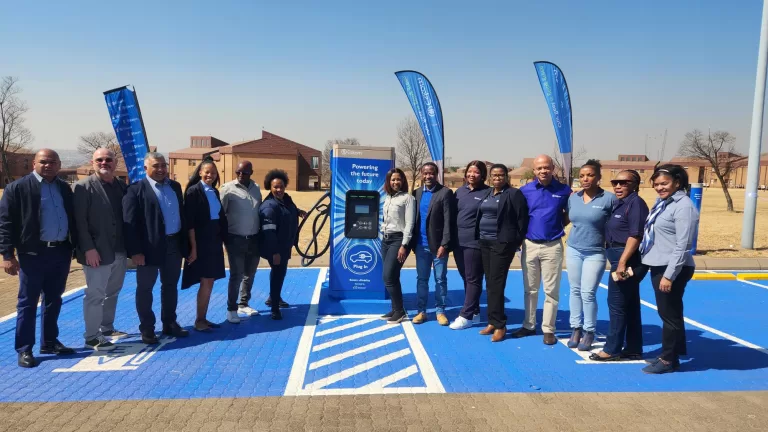
Eskom has officially launched its electric vehicle (EV) charging infrastructure at the Eskom Academy of Learning (EAL) in Midrand, Gauteng. This milestone marks a significant step in Eskom Distribution’s commitment to supporting the growth of the eMobility sector in South Africa and contributing to the country’s broader goals of reducing carbon emissions.

The pilot project encompasses the acquisition of 20 electric vehicles, including light delivery vehicles and light trucks for operational purposes. It also entails the installation of 10 charging stations at five Eskom locations nationwide, specifically in Brackenfell (Cape Town), Mkondeni (Pietermaritzburg), Tlhabane Customer Network Centre (CNC) in Rustenburg, and Marathon CNC in Mbombela. These sites will serve as the foundation for Eskom Distribution’s long-term vision of electrifying its entire fleet by 2040.

Gabriel Kgabo, General Manager in the Office of the Eskom Group Executive for Distribution, stated, “We are committed to our long-term strategy of creating a competitive, sustainable, and forward-thinking Eskom to ensure energy security, growth, and lasting sustainability for the benefit of South Africa and sub-Saharan Africa. By investing in eMobility and the charging infrastructure required for electric vehicles, we aim not only to minimize our carbon footprint but also to stimulate the local economy and generate new growth opportunities.”

Supporting Government Initiatives

Kgabo further emphasized Eskom’s alignment with the government’s initiatives to integrate South Africa into the global EV market ecosystem. Notable efforts include the EV White Paper released by the Department of Trade Industry and Competition (DTIC) in December 2023 and the incentives announced by National Treasury to promote domestic production of EVs starting in 2026.

Pilot Project Overview

The newly installed charging stations, developed in partnership with Gridcars, feature cutting-edge Direct Current (DC) Fast Chargers (60kW) and Dual Alternating Current (AC) Chargers (22kW). These are ideally designed for overnight charging of fleet vehicles and daytime charging for employees and visitors.

This initiative will serve as a model for the future deployment of electric vehicles throughout Eskom’s fleet. It is one of the key strategies guiding the organization toward achieving net zero carbon emissions by 2050 while also bolstering the local EV market.

The successful launch of this infrastructure is a testament to the hard work of the project team at Eskom, who are laying the groundwork for a future where electric vehicles are integral to South Africa’s transportation landscape.

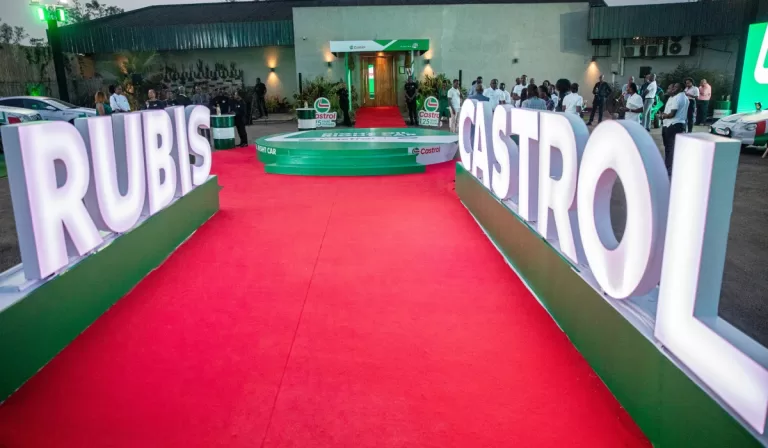
Castrol and RUBiS Partners in Rwanda for better Car Care and Fuel Services


Castrol, a renowned global leader in lubricants, and RUBiS, a prominent energy and retail company, have unveiled a strategic partnership aimed at enhancing car care and fuel services throughout Rwanda. This collaboration represents a pivotal milestone for both organizations and coincides perfectly with Castrol’s celebration of 125 years of innovation and excellence.

What the Partnership Means for Customers

The alliance between Castrol and RUBiS is poised to transform Rwanda’s automotive and fuel sectors. With over a century of expertise, Castrol is celebrated for its cutting-edge technology and high-performance lubricants that customers can rely on.

RUBiS, recognized for its extensive network of fuel stations and a strong commitment to customer satisfaction, plans to utilize this partnership to improve the quality and accessibility of automotive services across Rwanda.

“At RUBiS, we value partnerships built on shared principles and a unified goal of delivering positive impact. Castrol embodies our commitment to innovation, sustainability, and customer satisfaction,” said Kayihura Jeanine, Country Manager of RUBiS Energy Rwanda.

“Together, we are dedicated to ensuring that every vehicle on Rwandan roads operates more smoothly, lasts longer, and performs at its best. Furthermore, Castrol not only excels in car engines but is also a top choice in the industrial sector and for machinery,” she added.

As part of this collaboration, customers will have access to a selection of premium Castrol lubricants at RUBiS stations, guaranteeing top-notch care for their vehicles. Additionally, the introduction of Ultra Tec fuel at RUBiS stations will elevate engine performance and efficiency by providing a cleaner fuel option for motorists.

RUBiS cardholders will also enjoy exclusive offers and discounts on both fuel and lubricants, making high-quality automotive care more affordable and accessible. For the thousands of Rwandan drivers who depend on their vehicles for daily travel, this partnership promises improved fuel and lubricant options, leading to safer and more reliable transportation.

In a statement, Jeanine Kayihura remarked: “To our customers, I assure you that you deserve a premium experience, and with Castrol at RUBiS, that experience is now attainable. Whether you are an individual car owner, a manufacturer, a large industry, or part of a fleet, Castrol products will deliver unparalleled protection and performance for your engines, ensuring optimal functionality in all conditions.”

Celebrating Castrol’s 125th Anniversary

The launch event, held at Atelier Du Vin to also celebrate Castrol’s 125th anniversary, was attended by Olivier Sabrie, the new Chief Executive Officer of East Africa for RUBiS, Jean-Christian Bergeron, Global Managing Director of RUBiS, and Ed Savage, General Manager of Castrol East Africa. Guests were invited to explore a gallery that showcased the evolution of Castrol’s brand and products over the years, underscoring the company’s lasting commitment to innovation and excellence in the automotive field.

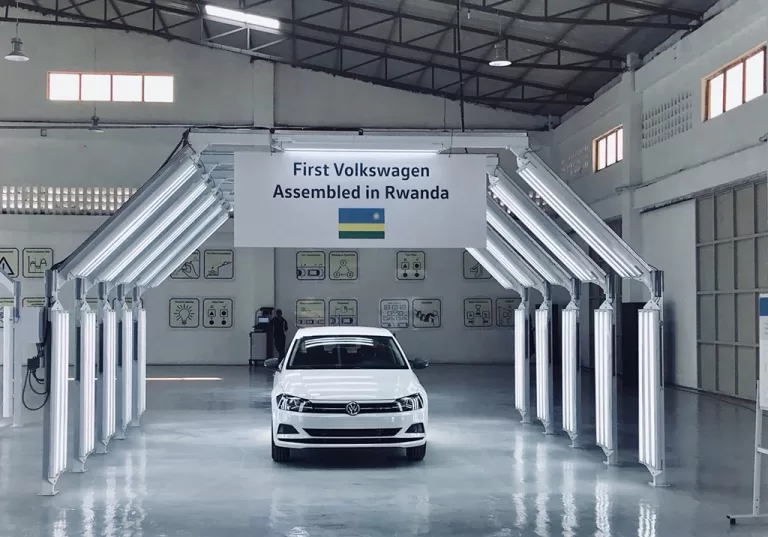
First Volkswagen Assembled in Rwanda


Rwanda has rolled out first domestically assembled car from the Volkswagen’s assembly plant in Kigali. The Europe’s largest automaker seeks to meet the rising demand for ride-sharing services to broaden its presence in the region. Even though not many people in Rwanda own cars, Volkswagen plans to sell vehicles and also use them for a car-sharing system similar to Uber. This means people can book rides using their smartphones. Some cars will also be sold in neighboring countries.

The Polo is the first model being manufactured at this facility, with the German automobile manufacturer targeting an annual production of 5,000 cars in the initial phase, which will also include the Passat, Tiguan, Amarok, and Teramont models. The assembly plant utilizes components shipped from South Africa to Rwanda.

This $20 million investment is expected to generate up to 1,000 jobs and serves as a crucial example of the necessary capital influx from international companies into the nation, which relies on $1 billion in foreign aid and development support but is undergoing business-friendly reforms.

President Paul Kagame, who was present at the event, emphasized that this is a significant milestone for both the country and the continent. “Africa should not serve as a dumping ground for used cars or second-hand goods,” he stated.

Currently, a majority of the vehicles on Rwandan roads are second-hand imports from countries like Japan. Car ownership in Rwanda, which has a population of 12 million, remains low, with just over 200,000 private vehicles registered since 1997, according to the country’s tax authority.

However, Volkswagen, which has existing operations in nearby Kenya, is expanding into Sub-Saharan Africa, anticipating a global increase in demand for app-based travel solutions rather than traditional vehicle ownership.

“The ultimate goal is to connect our African neighbors—Kenya, Rwanda, Nigeria, South Africa—creating a unified African market. This way, we’re talking about a billion consumers, allowing us to move away from exporting to America or Germany. The market is right here,” remarked Thomas Schaefer, Volkswagen’s head in South Africa.

Global ride-sharing platforms like Uber have not yet established a presence in Rwanda, providing Volkswagen with a competitive advantage by launching its service there before major competitors.

Uganda’s Automotive Sector Set to Soar with New Electric Battery Plant


Uganda’s, electric vehicle industry is set for substantial growth following successful discussions between President Yoweri Museveni and representatives from South Korean company HINENI Ltd about establishing a new facility for electric battery and component manufacturing in the country. These ambitious initiatives aim to align Uganda’s automotive sector with the objectives of Kiira Motors Corporation.

This partnership with HINENI Ltd marks a strategic effort to enhance local manufacturing capabilities for essential components and electric vehicles. By reducing dependence on imported car parts, the initiative will accelerate Uganda’s shift towards green energy and promote sustainable industrial growth.

During his visit, the President expressed a desire to see the automotive sector in Uganda flourish, noting that local manufacturers have the potential to create jobs, lower import costs, and contribute to the country’s self-sufficiency. Consequently, establishing the proposed electric battery plant is pivotal to positioning Uganda as a manufacturing hub for electric vehicles in Africa.

Kiira Motors Corporation stands at the forefront of electric transportation in Uganda and serves as the nation’s premier vehicle manufacturer. Its mission is to fulfill governmental aspirations related to environmental sustainability and industrialization. Kiira Motors aims to leverage locally produced electric batteries to make significant strides in the African automotive landscape.

Sustainable Development and Green Energy

The establishment of the battery plant is indicative of Uganda’s commitment to green energy solutions, exemplified by its collaboration with HINENI Ltd. The facility is currently tasked with manufacturing electric batteries equipped with key components necessary for electric vehicles, aligning with global trends in decarbonization and sustainable energy.

President Museveni emphasized the financial benefits of this collaboration, projecting that the factory will generate various job opportunities for Ugandans, foster technological innovation, and elevate Uganda’s status as a significant player in Africa’s electric vehicle market.

The construction of an electric battery manufacturing facility is expected to have far-reaching implications for the Ugandan economy, including the promotion of local businesses, a reduction in the dependency on imported automotive parts, and an improvement in Uganda’s export capabilities in the automotive sector.

Promising Future for Uganda’s Automobile Industry

Through partnerships with international leaders such as HINENI Ltd., Uganda is on track to achieve its long-term goals and ensure their success. Beyond the automotive sector, the proposed battery and components manufacturing plant will contribute to environmental sustainability, job creation, and economic advancement for the nation.

Uganda’s strategic investments in technology are paving the way for a bright future in its automotive industry. Partnering with HINENI Ltd. will provide clear direction for Uganda’s ambition to become a regional leader in electric vehicle production.

Renault Commits to Support Vehicle Assembly Operations in Nigeria


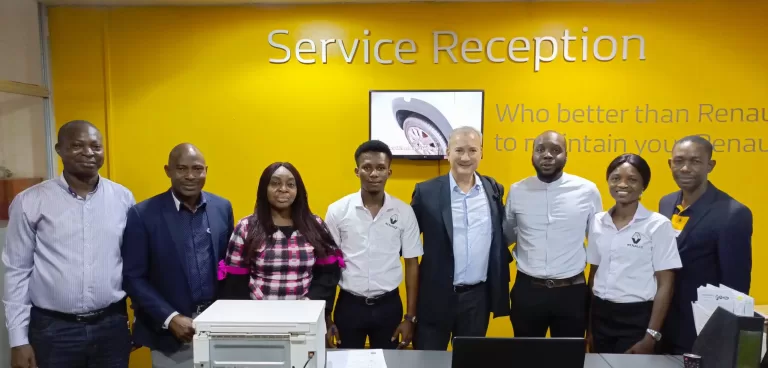
Through its collaboration with Coscharis Motors Assembly Limited, Renault has reiterated its unwavering support for vehicle assembly operations in Nigeria. This commitment was highlighted by Laurent Ton-That, the area operations manager for sub-Saharan Africa and the Indian Ocean Islands, during his recent visit to the Coscharis Motors Assembly Plant in Awoyaya, Lagos.

During his visit, Laurent Ton-That praised Coscharis Motors for its modern facility where Renault’s Duster (SUV) and Logan (sedan) models are put together. He conducted a thorough inspection of key production lines, including chassis and body assembly, brake testing, vehicle vibration testing, and paint/body inspection, and expressed his satisfaction with the facility’s capabilities.

“I am truly impressed by what I have witnessed today,” said Laurent Ton-That. “Renault is dedicated to supporting Coscharis Motors Assembly by supplying necessary KD kits, training, and vital resources.”

In turn, Felix Adepinye, Assembly Plant Manager at Coscharis Motors Assembly, expressed his gratitude to Renault for its ongoing support. “We are thankful for Renault’s visit and consistent assistance,” Adepinye noted. “With Renault’s support, we adhere to OEM standards and guarantee the utmost professionalism in delivering Renault vehicles to the Nigerian market.”

Renault’s Plans for the Nigerian Market

In a separate discussion with Coscharis Sales and Marketing teams, Laurent Ton-That announced plans for Renault to launch three new vehicle models in Nigeria by 2025. This expansion aims to enhance the brand’s product range in the market and meet a variety of consumer preferences.

Renault’s continuous commitment to local assembly in Nigeria highlights its focus on improving automotive manufacturing capabilities and fostering growth in the country’s automotive sector. Josiah Samuel, Group Managing Director of Coscharis Group, stressed the company’s commitment to Nigeria’s economic development through ongoing investments, especially in the automotive industry.

“Our persistent investment in both human and capital resources reflects our confidence in Nigeria’s economic resurgence,” Josiah Samuel stated. “Coscharis Motors Assembly has the potential to significantly increase production in response to market demand.”

The partnership between Renault and Coscharis Motors promotes job creation, technology transfer, and broadens the diversity of automobile offerings in Nigeria.

Rymax Lubricants: A Trusted Brand in the Lubricants Industry


Rymax Lubricants is a well-established lubricants brand from The Netherlands that has built a strong reputation based on 37 years of delivering high-quality lubricants. The company offers an extensive portfolio of products that covers various ranges and segments. The African market has been a major source of success for Rymax Lubricants since the early years of the company, being able to establish a strong presence and building a loyal customer base in the African market.

Over the last decades there has been a clear increase in global demand for high quality engine lubrication for several reasons. Durability might be the most important of these reasons: being able to trust on your vehicle, for your day to day operations and movement and thereby increasing efficiency and effectivity is considered to be a leading reason to invest in quality. As vehicle ownership increases in Africa, the demand for high quality lubricating products is also increasing. Rymax Lubricants is set to continue being a leader in the lubricants industry, delivering top-quality products to its customers.

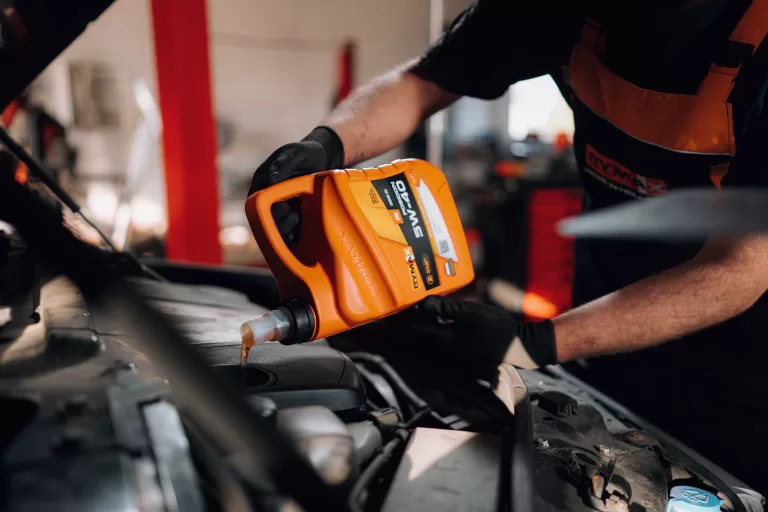
Rymax Lubricants is committed to ensure the best quality lubricants that extend vehicles lifetime and reduce breakdowns for passenger, light commercials and heavy commercial vehicles. The product assortment of mineral, semi synthetic and full synthetic lubrication products is developed with a clear focus: supplying approved formulations from reputable Original Equipment Manufacturers (OEM’s) like Mercedes-Benz, BMW and Volkswagen to name a few. These approvals indicate that the materials used in the products come from reliable suppliers, and they have been through extensive engine testing to ensure high quality.

Managed from the headquarters in the Netherlands, the Product department works closely with research and development teams to continuously improve existing products and develop new ones that addresses the emerging lubricating needs in the market. This requires a deep understanding of customer requirements, as well as collaboration with OEMs to ensure that Rymax Lubricants products are compatible with the latest vehicle technologies.

“We must constantly stay ahead of industry trends and technological advancements to ensure that our products meet the highest standards and exceed customer expectations” emphasized Mr. Krishna Kumar Orakkan, Head of Product Management at Rymax Lubricants.

“Based on our customers’ feedback, we develop and offer the most suitable lubrication solution which will either be sourced from our existing assortment, or developed specifically for the customers’ request at hand, taking OEM recommendations, local driving conditions and price into account whilst remaining as flexible as possible. Analysing customer and country specific needs is always our starting point. By challenging ourselves, we improve every day,” adds Orakkan.

For Rymax it is not only about continued optimization and development of quality products, providing extensive service, education, support and warranty is equally important.

“We go the extra mile in offering the most suitable and qualitative engine lubricating products, and when a customer uses our products, our expertise and support really becomes of added value” continues Orakkan. “Based on the feedback we receive from our local distributors who are in constant contact with the customers driving and operating on the African roads, we optimize our offering and gratefully accept the challenge to improve our products and services, to suite our customers’ performance needs.

At Rymax Lubricants, having satisfied customers and end-users in the passenger, commercial and heavy duty segment, is a major motivator to consistently provide high-quality lubricants that meet and exceed the expectations of our valued customers and at the same time retain high customer satisfaction.

Commercial Director Mr. Erik Vermeer adds: “We understand that choosing the right lubricant for your specific vehicle model can be a challenging task, which is why we have developed a powerful tool called the Oil Advisor that can be found on www.rymax-lubricants.com. The Oil Advisor is an innovative tool that links the Rymax product assortment to the global OEM’s. With just a few clicks, customers can obtain a professional report that recommends the lubrication points and products for the specific vehicle or car model within all common segments.”

The Oil Advisor tool uses OEM data directly from the manufacturers, ensuring that the lubrication recommendations that are provided are guaranteed to be accurate and reliable.

As Rymax Lubricants expands into new markets, segments and niches, the company remains committed to providing its customers with the highest quality lubricating products and services. With focus on innovation and data management, the company is well-positioned to meet the evolving needs of its customers and maintain leadership in the automotive lubricants industry.

Rymax Lubricants’ commitment to quality, innovation, and customer satisfaction is what sets it apart from its competitors, and it is this commitment that will continue to drive success in the future.

- Advertisement -