

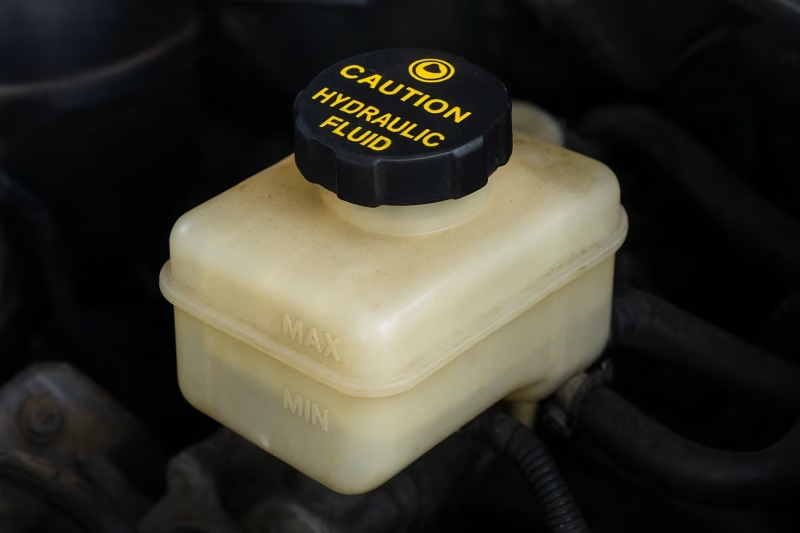
Foaming in hydraulic fluid may seem like a minor issue at first glance, but left unaddressed, it can lead to system failures, increased wear, poor efficiency and costly downtime. If you’re dealing with foam in your vehicle’s hydraulic system, then you should be concerned. Let’s go deeper into why foaming happens, how to spot it early and what steps you can take to resolve and prevent it before it costs you time, money, or worse.
Why Foaming in Hydraulic Fluid Is a Bigger Deal Than You Think
Foaming occurs when air becomes trapped in hydraulic fluid, forming stable bubbles that rise to the surface and create a frothy layer. It’s easy to dismiss this as cosmetic, a little bubble bath won’t hurt, right? Wrong. Foam is one of the most underestimated threats to hydraulic system health.
Here’s why You Should Treat It So Seriously:
Reduced Lubrication: Foam decreases the fluid’s ability to lubricate moving parts, increasing wear and the risk of component failure.
Oxidation Acceleration: Air in the fluid speeds up oxidation, degrading the oil and forming sludge that clogs filters and valves.
Cavitation Risk: Air bubbles compress under pressure, leading to cavitation in pumps, those tiny breakdowns can erode metal surfaces over time.
Heat Buildup: Foam has poor heat transfer properties, which means your system runs hotter, promoting further degradation.
Unreliable Performance: Foam compresses, leading to spongy or inconsistent actuator response. Dangerous in precision applications.
Allowing foaming to persist, is like ignoring smoke from the engine room. The issue might seem small for that moment, but the consequences down the road can be devastating.
Step-by-Step Guide to Spotting Foaming Issues Early
The key to control is detection. By the time foam is visibly spilling from the reservoir, the damage is often already underway. That’s why It is always recommended to be proactive in your monitoring strategy.
Here’s How to Do It:
Visual Inspection: It’s a simple but a powerful tool, your eyes. Check the reservoir sight glass regularly. If you see persistent foam, don’t wait. act.
Fluid Level & Aeration: Low fluid levels increase turbulence and air ingestion. Ensure the system is filled to the correct level and inspect for signs of aeration (a milky appearance in the fluid).
Operational Symptoms: Pay attention to strange noises. Whining pumps or knocking valves, because they often signal air in the system. Slow response times and erratic movement are also red flags.
Routine Fluid Analysis: Trust your senses, but also rely on data. You can schedule a regular oil analysis to detect air retention, oxidation byproducts and additive depletion – early indicators of foaming.
Catching foaming early, before it impacts performance, you can save thousands in repair costs and prevent unplanned downtime.
Getting to the Root Cause: Why Is Your Hydraulic Fluid Foaming?
Foaming isn’t random. It has causes, and treating the symptom without addressing the root cause is a waste of time. Approach troubleshooting systematically.
Common culprits of Hydraulic Fluid Foaming
Contaminated Fluid: Water is a major offender. Even small amounts (as little as 0.1%) can destabilize the fluid and promote foaming. Always check for water entry, especially in outdoor or high-humidity environments.
Incorrect or Degraded Fluid: Not all hydraulic fluids are created equal. If someone used the wrong type or if the fluid has broken down over time (due to heat or age), it can lose its anti-foam additives. Verify the fluid specification and check its service life.
Mechanical Issues: Worn shaft seals, loose fittings, or cracked suction lines can suck air into the system. Inspect pump inlet lines and seals thoroughly. Air ingress often hides in plain sight.
Reservoir Design or Operation: Poor reservoir design, like insufficient dwell time or lack of baffles, can prevent air from separating. Also make sure fluid isn’t being returned too turbulently into the reservoir.
Over-Aggressive Additive Use: Ironically, over-treating with aftermarket additives, including some “miracle” anti-foam agents, can cause more foaming. Stick to OEM-recommended fluids and avoid DIY chemistry.
When you identify the cause, don’t just fix it, document it. Because, prevention starts with knowledge.
Also Read: How Often Do I Need to Change My Brake Fluid
How to Address and Resolve Foaming Issues
Once you know the cause, take swift, decisive action. Proactive approach combines mechanical fixes with fluid management best practices.
Here’s What to Do:
Drain and Replace Contaminated Fluid: If the fluid is old, oxidized, or water-contaminated, drain it completely. Never blend old and new fluids. That’s a shortcut to recurring problems.
Dehydrate the System: If water is found, use vacuum dehydration or coalescing filters to dry the system before refill. This way you can save your hydraulic fluid instead of replacing it, BUT only if contamination is caught early.
Inspect and Repair Leaks: Pressure-test suction lines and inspect pump seals. Any point of air ingress gets repaired—no exceptions.
Use High-Quality, Additive-Enhanced Fluid: Select hydraulic fluids with proven anti-foam and demulsifier additives. Look for ISO 68 or AW-type fluids that meet ASTM D3228 and D892 foam testing standards. Trust me, the extra cost is worth it.
Optimize Reservoir Conditions: Ensure the return line discharges below fluid level and away from the pump intake. Baffles or diffusers can dramatically improve air separation.
Implement a Filtration Upgrade: Often recommend installing offline filtration (kidney loop systems) with air-release capabilities. It continuously cleans and degasses the fluid. Like a quiet guardian working in the background.
And one thing you should never do? Never ignore the warning signs or hope the foam will “go away.” That’s a recipe for disaster.
Also Read: What to Do If You Suspect a Leak in Your Vehicle’s Fluid System
Proven Tips for Preventing Foaming: Before It Even Starts
The best solutions are the ones you never have to use. Prevention is not just smarter—it’s cheaper and safer.
Here’s what to do to keep your systems foam-free:
Adopt a Fluid Life-Cycle Management Plan: Track fluid age, usage hours and contamination levels. Scheduled fluid changes prevent additive depletion, the #1 reason anti-foam performance drops.
Train Operators: Educate your team on the signs of foaming and the importance of proper startup/shutdown procedures. A well-trained operator can catch issues early.
Use Breath Filters: Standard air vents can let moisture and dirt in. Upgrade to desiccant breathers, they keep air dry and clean as the reservoir breathes during operation.
Monitor Temperature: High heat degrades additives and increases foaming risk. Install temperature sensors and ensure cooling systems are functioning.
Stick to OEM Recommendations: I know it’s tempting to switch fluids for cost or availability, but I’ve seen too many failures from mismatched specs. OEM guidance exists for a reason.
Prevention isn’t flashy, it’s effective. And the most reliable systems aren’t the ones with the fanciest tech, they’re the ones with consistent maintenance and attention to detail.
Also Read: How Often Should You Service Your Heavy Trucks Transmission Fluid?
Foam Is Indeed a Threat, Treat It Like One
Foaming issues in hydraulic fluid may seem minor, but they’re among the most insidious problems in fluid power systems. They creep in quietly, degrade performance slowly, and then strike when you least expect it.
But the good news is: foaming is both detectable and preventable. With vigilance, regular maintenance, and the right fluid management practices, you can keep your system running smoothly for years.
Don’t wait for foam to foam over before you act. Start with a reservoir inspection today. Test your fluid. Train your team. The cost of prevention pales in comparison to the price of failure. And choose hydraulic fluids that are engineered to resist foaming from the start.
Read More:
Why Moisture Presence in Brake Fluid is a Concern

