

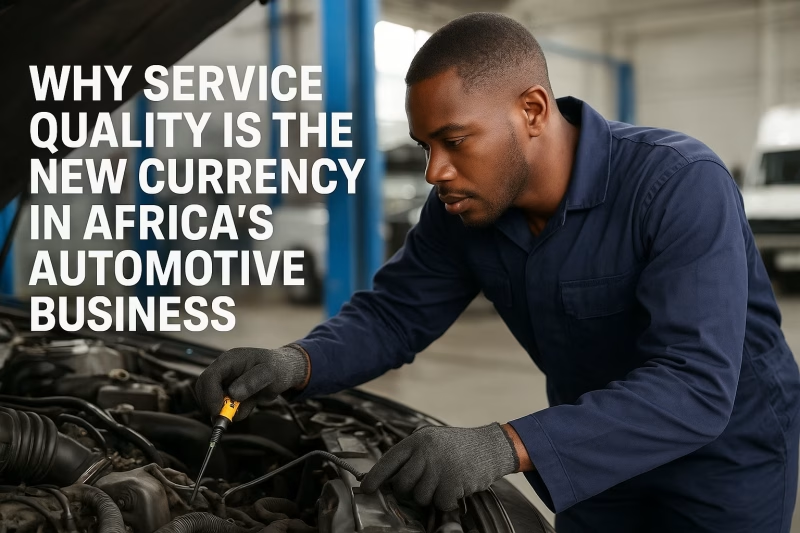
Amid the rising vehicle imports, expanding mobility solutions, stricter regulations and growing customer expectations, one factor is emerging as the most powerful differentiator in Africa’s automotive service quality. Service Quality Is the New Currency in Africa’s Automotive Business, as consumers are no longer loyal simply because a brand is well-known or a car is affordable. They are loyal because of the experience they receive, before, during and especially after the purchase.
Whether it’s more reliable repairs, transparent communication, faster turnaround times or the availability of genuine parts, service quality has become the new currency that determines who leads and who loses in Africa’s rapidly evolving auto landscape.
A Market Where Trust Is Everything
Across the continent, vehicle ownership is rising. This we are all familiar with, from bustling cities like Nairobi and Lagos to emerging towns in Rwanda, Zambia and Côte d’Ivoire. Yet, many consumers remain wary when it comes to auto repair and maintenance. Stories of inflated prices, poor workmanship, substandard parts and long delays are all too common.
Because of this, trust has become the strongest asset in the automotive sector. Businesses that deliver consistent, honest and high-quality service are winning customers faster than those relying only on competitive pricing.
Simply put, in Africa’s automotive ecosystem:
- Trust = Loyalty
- Loyalty = Revenue
- Revenue = Growth
A garage or dealership that prioritizes customer experience doesn’t just fix cars, it builds long-term relationships that drive sustainable business success.
Rising Vehicle Complexity Demands Higher Expertise
Modern vehicles are no longer simple machines. They are advanced systems packed with electronics, sensors, telematics devices, driver-assist features and intricate fuel and engine technologies. Electric vehicles (EVs), hybrids and newer clean-diesel models are adding even more complexity.
This shift means that the old-school trial-and-error approach to repairs is no longer enough.
Today’s customers expect:
- Accurate diagnostics
- Skilled technicians
- Proper tools and equipment
- Certified repairs
- Genuine parts
- Transparent explanations
In many markets, workshops that invest in technician training, computerized diagnostics and quality tools are already outperforming those that rely on outdated methods. The reality is simple: Skill is now a competitive advantage.
The Customer Experience Revolution
Beyond technical skills, Africa’s auto consumers increasingly value how they are treated. They want to feel respected, informed and appreciated. That’s why dealerships and independent garages that embrace customer-centric practices are outperforming competitors.
This includes:
- Clear pricing and estimates
- Regular updates on repair progress
- Shorter waiting times
- Comfortable service lounges
- Follow-up calls after service
- Digital booking and payment options
In markets like Kenya, South Africa, Morocco, and Ghana, workshops that combine professionalism with high convenience are becoming the preferred choice for private car owners, ride-hailing drivers, and corporate fleets.
When quality service is paired with great customer support, the result is loyalty and loyalty is invaluable.
The After-Sales Race: Where Real Competition Lives
Globally, most automotive profits come from after-sales service, not new car sales. The same trend is now clearly visible across Africa.
This is why international manufacturers, local dealers, and independent garages are investing heavily in:
- Spare parts availability
- Preventive maintenance programs
- Extended warranties
- Remote diagnostics
- Mobile service units
- Service subscription models
Consumers no longer choose brands solely on the vehicle’s design or fuel economy. They choose brands that guarantee support, reliability, and peace of mind throughout the ownership journey.
A car is a long-term investment and Africans want long-term service they can count on.
Technology Is Raising the Bar
Digital transformation is reshaping the automotive service landscape across Africa. Tools like telematics, diagnostic software, digital service records, and workshop management systems are improving transparency and efficiency.
These technologies allow workshops to:
- Diagnose faults faster and more accurately
- Predict maintenance needs
- Track performance and repair history
- Provide clear estimates and receipts
- Improve customer communication
- Reduce unnecessary repairs
For consumers, digital integration means convenience, clarity and trust; three pillars that define excellent service quality.
A Competitive Edge for Local Mechanics and SMEs
Independent garages make up the majority of Africa’s automotive service market. With the right investments, they stand to benefit enormously from the rising demand for quality.
Small and medium workshops that modernize their service delivery, even gradually can:
- Attract new customer segments
- Charge premium rates for quality w ork
- Build strong local reputations
- Compete effectively against larger dealerships
This is especially important in rural and peri-urban areas where demand is rising quickly but supply remains inconsistent.
Why Service Quality Will Define the Future
In an industry where margins can be thin and competition is fierce, service quality is no longer optional, it is the foundation of survival and growth.
Africa’s auto industry is moving toward a future driven by:
- Transparency
- Customer empowerment
- Digital tools
- Professional expertise
- Long-term value
Businesses that embrace this shift will enjoy improved profitability, stronger customer loyalty and long-term sustainability. Those that don’t risk being left behind.
Service quality is the new currency of Africa’s automotive business. However, the companies that invest in it today will become the market leaders of tomorrow. Whether you run a dealership, a garage, a parts shop, or a fleet service, there’s no ignoring the truth: Quality is not a cost; it is an investment. And in Africa’s fast-growing automotive landscape, it is the smartest investment you can make.
Read More:
Fake Parts, Real Accidents: How Counterfeit Auto Parts Are Endangering Lives in Africa
Boost Diesel Car Performance with Effective Diesel Additives
Fuel Quality in Africa: The Silent Threat to Modern Engines

