

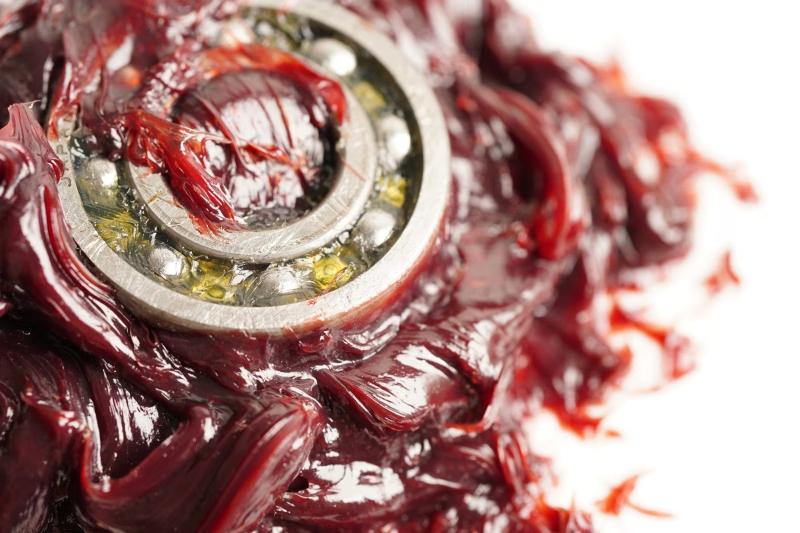
Grease plays a vital role in protecting several moving parts that oil alone cannot adequately lubricate. When mechanics apply grease correctly and at the right intervals, they reduce friction, prevent premature wear, and ensure smoother vehicle operation.
Modern vehicles rely on numerous mechanical components that move under heavy loads and harsh conditions. Without proper lubrication, these components experience increased friction, overheating, and accelerated deterioration. Proper greasing helps create a protective barrier between moving parts, allowing them to function efficiently even under demanding driving conditions.
What Is Automotive Grease?
Automotive grease is a semi-solid lubricant designed to stay in place and provide long-term lubrication to parts that operate under high pressure or slow movement. Unlike engine oil, which circulates continuously through the engine, grease remains where technicians apply it, offering long-lasting protection.
Manufacturers formulate automotive grease using base oil, thickeners, and performance-enhancing additives. This combination allows grease to resist water, withstand high temperatures, and maintain its protective properties even in challenging environments.
You will find grease in components such as:
- Wheel bearings
- Suspension joints
- Steering linkages
- Universal joints
- Chassis components
These parts require durable lubrication that does not easily drip away or evaporate.
Why Proper Greasing Is Important for Vehicle Components
Proper greasing plays a crucial role in maintaining vehicle reliability and safety. When technicians lubricate components correctly, they protect critical systems from unnecessary strain and damage.
-
Reduces Friction Between Moving Parts
Friction is one of the biggest enemies of mechanical systems. When metal parts move against each other without adequate lubrication, they create heat and wear. This friction can lead to component failure. Grease forms a protective film between surfaces, allowing them to move smoothly without direct metal-to-metal contact. This lubrication significantly reduces wear and keeps components functioning efficiently.
-
Prevents Premature Wear and Tear
Vehicle components such as ball joints, bearings, and suspension parts experience constant stress during everyday driving. Potholes, rough roads, and heavy loads can accelerate wear if parts lack sufficient lubrication. Proper greasing protects these components by absorbing pressure and distributing loads more evenly. As a result, parts last longer and maintain optimal performance.
-
Protects Against Corrosion and Contamination
Moisture, dirt, and road debris can quickly damage exposed vehicle components. Grease acts as a protective seal that keeps contaminants away from sensitive mechanical parts. It blocks water and prevents rust formation. Grease also helps maintain the structural integrity of components. This protection is particularly important in areas with heavy rain, dusty roads, or extreme temperatures.
-
Improves Vehicle Performance and Efficiency
Well-lubricated components operate more smoothly and require less energy to function. Reduced friction means the vehicle’s systems do not need to work as hard, which improves overall efficiency. Drivers may notice smoother steering, quieter suspension operation, and improved handling when proper lubrication is maintained throughout the vehicle.
-
Extends the Lifespan of Vehicle Components
Replacing suspension parts, bearings, or steering components can be expensive. Regular greasing significantly extends the life of these components by minimizing wear and protecting them from damage. Preventive maintenance always costs less than major repairs. Consistent lubrication allows drivers to maximize the lifespan of their vehicles while reducing long-term maintenance expenses.
Components That Require Regular Greasing
Not every part of a vehicle requires grease, but several critical components depend on it for proper operation. Such as:
Wheel Bearings
Wheel bearings support the vehicle’s weight while allowing the wheels to rotate smoothly. Proper greasing prevents overheating and reduces friction, ensuring reliable wheel movement.
Suspension System
Suspension components such as control arms and bushings experience constant movement and stress. Greasing these parts helps maintain smooth suspension performance and improves ride comfort.
Universal Joints
Universal joints, often found in driveshaft systems, allow power to transfer smoothly from the engine to the wheels. Greasing these joints prevents vibration and premature wear.
Steering Linkages
Steering components rely on precise movement for safe vehicle control. Proper lubrication ensures smooth steering response and reduces unnecessary strain on the system. For additional guidance on automotive lubrication best practices, resources from organizations such as the Society of Automotive Engineers offer valuable technical insights for professionals and enthusiasts.
Signs Your Vehicle May Need Greasing
Although many modern vehicles require less frequent greasing, certain warning signs indicate that components may need attention.
Common indicators include:
- Squeaking or grinding noises from suspension parts
- Stiff or difficult steering
- Excessive vibration while driving
- Uneven tyre wear
When these symptoms appear, technicians should inspect the relevant components and apply appropriate lubrication if necessary.
Best Practices for Proper Greasing
Effective lubrication requires more than simply applying grease. Mechanics must follow proper procedures to ensure optimal results.
Important best practices include:
- Using the correct type of grease recommended by the manufacturer
- Cleaning grease fittings before applying new lubricant
- Avoiding over-greasing, which can damage seals
- Following regular maintenance intervals
Professional service technicians typically rely on specialized tools such as grease guns to deliver precise lubrication to specific components.
The Long-Term Value of Proper Lubrication
Vehicle maintenance often focuses on engine oil changes, tyre rotations, and brake inspections. While these services are essential, proper greasing remains equally important for maintaining overall vehicle health. Routine lubrication protects vital components, improves driving comfort, and helps drivers avoid costly mechanical failures. When vehicle owners prioritize proper greasing, they invest in long-term reliability and safety. In today’s demanding driving environments, proper greasing ensures that critical parts continue to perform smoothly, allowing vehicles to operate efficiently for many years.
Read More:

