

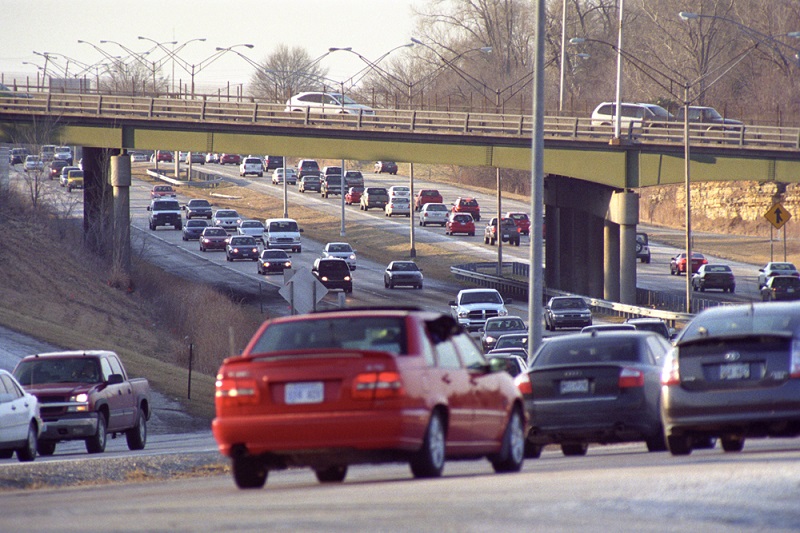
Automakers are constantly coming up with technologies to reduce accidents in daily driving. But if you’re wondering about ways you can stay safe in traffic situations, the reality remains that accidents, road construction and other factors will inevitably tie us up in delays. Moreover, getting through those delays with minimal frustration usually relies more on human behavior than digital innovation. To clarify, knowing the best approaches for how to stay safe in traffic can make a big difference in stressful situations.
Also Read: How Technology is Advancing Road Safety Measures in Africa
You need to understand what you can control and what you cannot control,” says Patrick Barrett, a former president of the North American Professional Driver Education Association. “There are six factors that affect driving: the road, the weather, the traffic, the time of day, the vehicle and the driver. Guess which of these you have the most control over? Yes, it’s you, the driver. For this reason, practicing safe habits while navigating traffic is a core part of learning safety on the roads. It also helps you remain secure when you encounter traffic.
Also Read: Top 10 Innovations in Car Safety Technology
With that in mind, here are some steps you can take to stay safe on the road and explore how to stay safe in traffic:
-
Allow space for merging
Nearly all long delays require vehicles in a blocked lane to move into a free-flowing one. What keeps this from happening? Motorists’ perception that it’s dangerous to merge. “You need to kindly leave enough space to signal that it’s fine to merge into your lane,” says expert Daniel Gray.
-
Avoid excessive “lane jumping”
As bad as a jam can be, drivers who incessantly shift from one line of vehicles to another only increase the length of the backup. “You want to focus on the path of least resistance,” says Barrett, who has authored books on driver safety and markets driver-ed tools for parents at DriverEdinaBox.com. “This is the path that lets you move and lets you see. But this doesn’t mean you constantly lane-jump. Often, choosing the path of least resistance means choosing to stay in your lane. Above all, staying in your lane is one way to follow advice on how to stay safe in traffic conditions.”
-
Chill out
Keep in mind that traffic happens and there’s really very little you can do about it. Cursing, fuming and honking will only elevate your sense of frustration and potentially create unnecessary trouble. “Remember that you’re not the only one who is late for something,” Gray says, “and that you’re no more special than the person in the next vehicle. In summary, practicing calm behavior is also central to learning traffic safety and understanding how to stay safe when you encounter heavy traffic.”

