

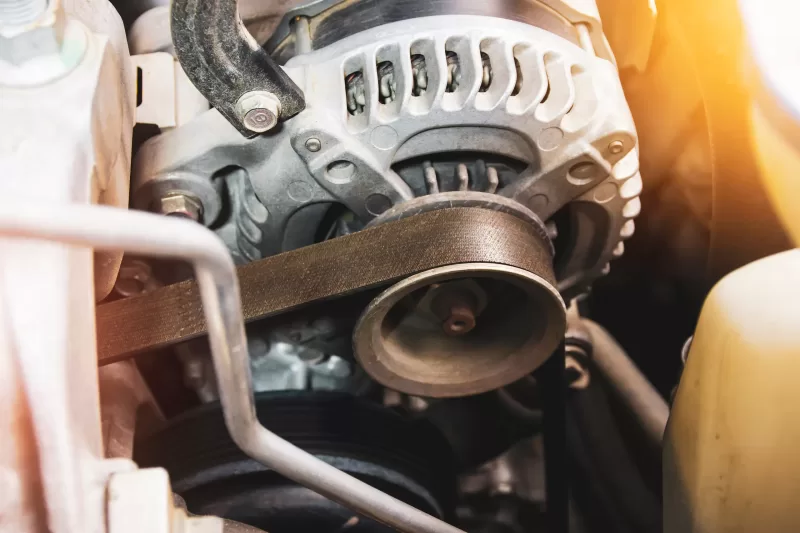
The alternator serves as the power generator that ensures the battery remains charged while the engine is running and ensures all other electrical components are functioning properly. Without a functioning alternator, your car would quickly lose power and come to a halt. For drivers, it is vital to pay attention to signs that indicate a failing alternator to avoid sudden breakdowns.
Alternator grabs energy from the engine and converts it into electricity to power the vehicle’s electric gadgets such as lights, air conditioning, radio, and even charge your phone. It works quietly behind the scenes to ensure everything runs smoothly.
Common Symptoms of a Failing Alternator
Your alternator might be throwing a tantrum. Here are some signs to look out for:
Dimming or Flickering Lights
Have you noticed your car lights dimming or flickering lately? It could be a sign that your alternator is struggling to keep up. Strange noises coming from under the hood can also be a red flag that your alternator is on the fritz. If you hear grinding, whining, or squealing sounds, it’s time to get your alternator checked out before it completely gives out.
Difficulty Starting the Vehicle
Feeling like your car’s hitting the snooze button a bit too often? If you’re having trouble starting your vehicle, it might be a cry for help from your alternator. The alternator is responsible for charging the battery and if it’s not functioning properly, it can lead to a dead battery. Additionally, difficulty starting the vehicle is among the signs that indicate a failing alternator.
Dead Battery
You’re all set to hit the road, turn the key, and… nothing. A dead battery could be a sign that your alternator isn’t pulling its weight in keeping things charged up. When your car’s battery dies, it can be frustrating and inconvenient.
However, it’s important to recognize that a dead battery could be a symptom of a larger issue with your alternator. The alternator is responsible for keeping your battery charged and if it’s not functioning properly, you may experience frequent battery failures.
Dashboard Warning Lights and Indicators
Warning lights on your dashboard are like your car’s way of saying, “Hey, listen up! Something’s not quite right.” When it comes to the alternator, keep an eye out for these signs:
Interpreting Warning Lights Related to the Alternator
If you see a battery light pop up on your dashboard, it’s not your car’s way of telling you to run to the store for new battery. Instead, the battery light is a warning sign that there may be an issue with your alternator.
This could mean that the alternator is failing to charge the battery properly, which can lead to a dead battery and potential breakdown.
Checking for Electrical Issues
Time to play detective and unravel the mystery of your car’s electrical woes. One of the first signs of electrical issues in your car could be dimming headlights or difficulty starting the engine. These symptoms often point to a problem with the alternator, which is responsible for charging the battery and powering the electrical components of your vehicle. Before jumping to conclusions, it’s important to check the alternator for any signs of wear or damage. Furthermore, signs that indicate a failing alternator usually occur in conjunction with these electrical issues.
Testing the Battery Voltage
Testing your battery’s voltage can give you a clue if the alternator is slacking off on the job. Next, it’s important to also inspect the connections to the alternator. Loose or corroded connections can prevent the alternator from functioning properly, leading to issues with the battery.
Make sure all connections are secure and clean to ensure optimal performance. Additionally, listen for any unusual noises coming from the alternator while the engine is running. Strange sounds could indicate a problem that needs to be addressed promptly. Thoroughly checking the alternator and its components, you can ensure that your vehicle’s electrical system is in top condition. In short, signs that indicate a failing alternator can range from battery issues to dashboard warnings.
Inspecting the Alternator Belt
Give that belt a good look. If it’s looking worn out or loose, it could be causing issues for your alternator. Inspecting the alternator belt regularly and listening for unusual sounds, you can catch problems before they escalate and ensure that your vehicle’s power system is functioning properly.
Strange Noises and Smells: Identifying Unusual Sounds from the Alternator
When your alternator is on the fritz, it might start serenading you with some funky tunes. Listen out for squealing, grinding, or whining noises coming from under your hood. These sounds could be a sign that your alternator bearings are failing or that the belt is worn out. It’s like your car’s way of telling you it’s time for a check-up.
Recognizing Burning Smells
If you catch a whiff of something burning while you’re driving, don’t ignore it and blame it on the car in front of you. That distinct burning smell could be a warning sign that your alternator is overheating. It might be struggling to keep up with the demands of charging your battery, which could lead to a smoky situation if left unchecked.
Vehicle Performance Issues: Effects of a Failing Alternator on Engine Performance
When your alternator starts slacking off, you might notice your engine struggling to stay powered up. Dimming headlights, a weak or dead battery, or trouble starting your car can all point to an alternator that’s not pulling its weight. Time to give it a pep talk or a replacement.
Best Practices to Extend the Life of Your Alternator
To keep your alternator happy and humming along, there are a few simple tricks you can try. Regularly check your battery’s condition, make sure all connections are snug and secure, and avoid overloading your car’s electrical system with power-hungry gadgets.
Give your alternator the TLC (Tender Loving Care) it deserves, and it just might return the favor with smooth sailing down the road. Monitor for dimming lights, strange noises, and performance issues, and you can proactively address any issues with your alternator before they escalate. Regular maintenance and timely replacements when needed will help ensure that your vehicle’s electrical system remains in optimal condition, keeping you on the road safely and reliably. Therefore, noticing signs that indicate a failing alternator can help you stay ahead of major car troubles.
Read More:
Signs of a Failing Control Arm
Symptoms of a Clogged or Faulty Engine Oil Filter in a Passenger Car
By Uche Maxwel

