

Across Kenya, the rainy season is underway, with recent heavy rainfall bringing tougher driving conditions in various parts of the country. These conditions can make roads more dangerous for motorists, particularly during periods of intense rainfall.
Heavy rainfall often leads to wet and slippery roads, poor visibility, and, in some areas, flooding and road damage. This is why it is important to prepare early and adjust driving behaviour during this period.
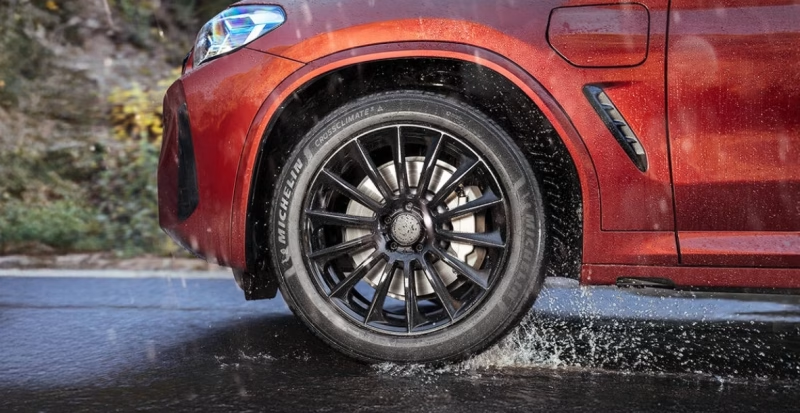
Motorists are encouraged to check weather updates, plan routes carefully, and ensure their vehicles are in good condition before travelling. Tyres in particular play a key role in safety on wet roads, as proper tread depth and correct inflation help maintain grip and reduce the risk of skidding. Such as the Michelin Primacy 5 tyres, which are engineered to support better grip and braking in rainy conditions.
“During the rainy season, roads can become wet very quickly, and conditions can change without warning. Drivers should ensure their tyres are in good condition and adjust their driving style, especially when braking or cornering on wet roads,” said Amaury Vadon, Vice President for Sales in Africa, India & the Middle East and Commercial Director Sub-Saharan Africa at Michelin.
Good visibility is also essential. Headlights, brake lights, and indicators should all be working properly, while windshield wipers must be effective enough to keep the windscreen clear during heavy rain.
Driving tips for wet weather
- Reduce speed and drive slower than usual to maintain control on wet roads.
- Avoid sudden braking, as it can cause skidding.
- Keep headlights on to improve visibility for all road users.
- Increase following distance to allow more time to react.
- Avoid overtaking in rainy conditions due to reduced visibility and grip.
- Avoid flooded roads, as water depth can be difficult to judge.
- Do not use cruise control in wet conditions, as it reduces reaction time.
Basic vehicle care
Wet and damp conditions can affect how reliably a vehicle starts and performs. Moisture can sometimes impact electrical connections or exposed components, especially if they are already worn or not well-protected. This may result in slower or inconsistent starting.
For this reason, it is important to check the battery condition before and during the rainy season. Ensuring terminals are clean and secure, and that the battery is in good working condition, helps maintain reliable starting performance in wet weather.
Rainy weather can change quickly and create challenging driving conditions. With simple preparation, careful driving, and regular vehicle checks, most risks can be reduced. The key is to stay alert, drive with patience, and adjust behaviour to match the conditions on the road.
Also Read:
How Ultra High Performance Tyres Improve Handling and Grip
Faurecia and Michelin aim to create a worldwide leader in hydrogen mobility
KYB Aftermarket Parts: Why Mechanics Prefer Premium Suspension
Michelin begins online sale of tires in China
Automotive Brakes Market: Rapid adoption of advanced braking systems for enhanced safety to create new revenue pockets

