
Knowing how to check engine oil correctly is one of the simplest ways to protect your vehicle, yet many drivers either skip it or check it incorrectly. A low oil level can increase friction, accelerate wear and, in severe cases, lead to serious engine damage. Regular checks can help you identify low oil levels, leaks and changes in oil condition before they become expensive problems.
Engine oil does more than lubricate moving components. It also helps cool, clean and protect internal engine parts. This makes regular oil-level checks particularly important for vehicles operating in heavy traffic, dusty environments, high temperatures or demanding commercial conditions.
The Middle East and Africa passenger car motor oil market generated an estimated US$1.14 billion in revenue in 2024 and is projected to reach US$1.90 billion by 2033, growing at a 5.9% CAGR from 2025 to 2033, according to Grand View Research. The figures highlight the significant role engine lubricants continue to play in the region’s automotive market.
Start With the Right Conditions
Do not check the oil on a steep slope. Park on level ground and switch off the engine. The correct waiting period depends on the vehicle. Many manufacturers recommend checking when the engine is cold, while some specify checking after the engine has been switched off for several minutes. Always follow your owner’s manual for the exact procedure.
Check the Dipstick Properly
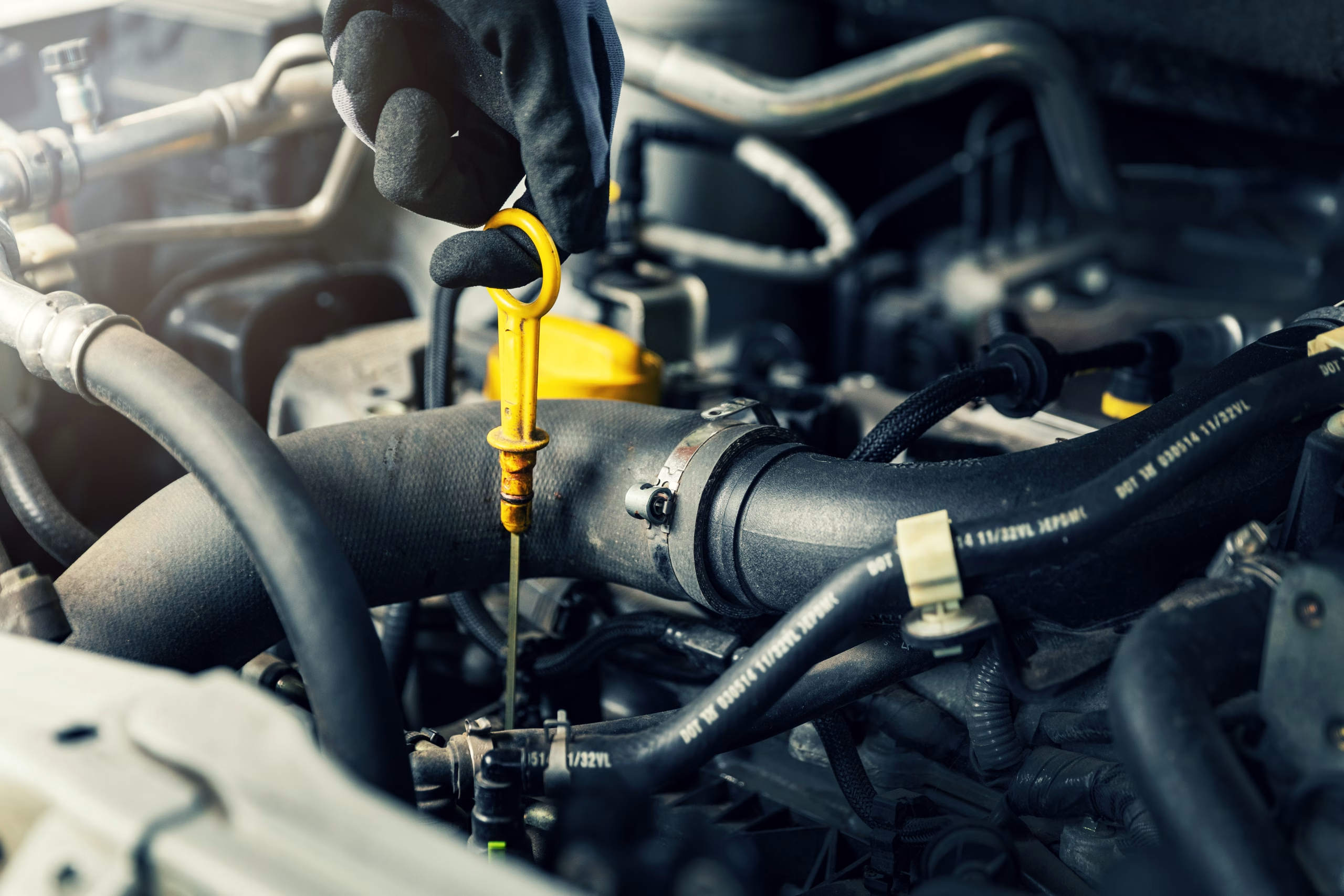
Open the bonnet and locate the oil dipstick. Remove it and wipe it clean with a lint-free cloth. Push it fully back into its tube, then remove it again.
Hold the dipstick horizontally and check the oil against the minimum and maximum markings. The level should remain within the marked safe range. If it is near or below the minimum mark, add the correct oil specified by the vehicle manufacturer. Add small amounts rather than pouring in a large quantity at once. AAA recommends avoiding overfilling because too much oil can be harmful.
Look Beyond the Level
Your dipstick can reveal more than oil quantity. Oil naturally becomes darker as it is used, so colour alone does not necessarily mean it needs changing. However, milky or cloudy oil can indicate coolant contamination, although condensation can sometimes produce a similar appearance. Gritty particles or visible metal debris can signal internal engine problems. These warning signs deserve professional inspection rather than simply topping up the oil.
Also watch how frequently you need to add oil. Repeated top-ups may indicate leakage or excessive oil consumption. Do not treat frequent refilling as normal without finding the cause.
Make Oil Checks a Routine
Checking your engine oil takes only a few minutes, but it can help reduce the risk of oil-related damage and unexpected downtime. AAA recommends regular checks, with monthly checks forming a useful routine for many drivers. Older, heavily used or oil-consuming vehicles may require more frequent attention.
For additional practical guidance on vehicle fluid maintenance, see AAA’s engine-oil maintenance guidance.
The key is simple: check at the right time, read the dipstick correctly, use the right oil and investigate unusual changes. A small maintenance habit today can help protect your engine and your wallet tomorrow.
Read More:
Easy Car Maintenance Tips
Oil Maintenance and Monitoring of Commercial Bus Fleet
The Role of Additives in Motor Oil Performance
Signs and Causes of Brakes Failure
Why Fleet Profitability Starts Where Rubber Meets the Road

