

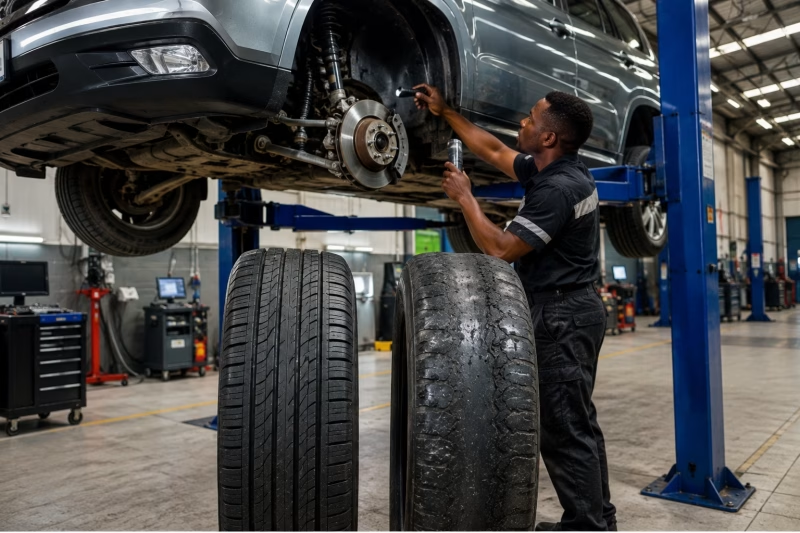
Many drivers replace worn tyres without asking one important question: Why did they wear out so quickly? While poor wheel alignment often receives the blame, worn suspension components are often the hidden cause of premature tyre wear.
Your vehicle’s suspension does far more than provide a comfortable ride. It keeps the tyres firmly in contact with the road, absorbs impacts from uneven surfaces, and helps maintain proper wheel alignment. When suspension components begin to wear, tyres no longer wear evenly. The result is shorter tyre life, reduced fuel efficiency, compromised handling, and higher operating costs.
For motorists and fleet operators across Africa, where road conditions vary widely, understanding the relationship between suspension health and tyre longevity can save significant money while improving vehicle safety.
The Suspension and Tyre Connection
A healthy suspension system allows each tyre to maintain consistent contact with the road surface. Components such as shock absorbers, struts, springs, control arms, ball joints, and bushings work together to stabilize the vehicle during acceleration, braking, and cornering.
When any of these parts wear out, the tyres experience uneven loading and excessive movement. Instead of rolling smoothly, they may bounce, scrub, or drag across the road surface. The resulting friction accelerates tread wear and significantly shortens tyre life.
Worn Shock Absorbers Wear Tyres Faster
Shock absorbers are among the most overlooked suspension components. Their primary job is to control the movement of the springs and keep the tyres firmly planted on the road.
When shock absorbers lose their effectiveness, tyres bounce after hitting bumps instead of maintaining steady contact with the road. This creates irregular tread wear known as cupping or scalloping, where patches of tread wear more quickly than others. Besides shortening tyre life, worn shock absorbers increase stopping distances and reduce steering stability, particularly on wet or uneven roads.
Uneven Tyre Wear Signals Suspension Problems
Tyres often provide the first warning that something is wrong with the suspension. Common wear patterns include:
- Excessive wear on one edge
- Feathered tread blocks
- Cupping or scalloped tread
- Uneven wear between tyres
- Rapid tread loss despite correct tyre pressure
Ignoring these warning signs can lead to costly tyre replacements and additional suspension damage.
Rough African Roads Increase Suspension Stress
Many vehicles across Africa regularly travel on gravel roads, construction routes, pothole-filled streets, and uneven rural roads. These conditions place continuous stress on suspension components. Heavy commercial vehicles, delivery vans, buses, and pickup trucks that frequently carry heavy loads experience even greater suspension wear. Without regular inspections, damaged components gradually affect tyre performance and vehicle stability. For fleet operators, poor suspension often translates into higher tyre replacement costs, increased fuel consumption, and unexpected downtime.
Poor Suspension Increases Fuel Consumption
Uneven tyre wear does more than shorten tyre life. It also increases rolling resistance, forcing the engine to work harder to keep the vehicle moving. When tyres cannot maintain proper road contact, fuel efficiency declines. Even a modest increase in rolling resistance can significantly increase fuel consumption over thousands of kilometres, raising overall operating costs. Maintaining suspension components therefore helps reduce both tyre and fuel expenses.
Preventive Maintenance Saves Money
Replacing worn suspension components before they fail helps protect tyres, improve handling, and reduce long-term maintenance costs.
Routine suspension inspections should include checking:
- Shock absorbers and struts
- Springs
- Ball joints
- Control arm bushings
- Steering linkage
- Wheel alignment
- Tyre pressure and tread wear
Replacing worn suspension parts before they fail helps protect tyres and improves overall driving performance. Fleet operators should also include suspension inspections in preventive maintenance schedules to maximize tyre life and reduce operating costs.
Safety Depends on Suspension Performance
A worn suspension affects more than tyre wear. It reduces braking efficiency, increases body roll during cornering, decreases steering precision, and limits vehicle stability during emergency manoeuvres. Healthy suspension components also help electronic safety systems such as Anti-lock Braking Systems (ABS), Electronic Stability Control (ESC), and Traction Control perform more effectively by maintaining consistent tyre contact with the road.
Protect Your Tyres by Maintaining Your Suspension
Tyres and suspension work as a single system. Investing in high-quality tyres without maintaining the suspension often results in premature tyre failure and unnecessary expenses. Regular suspension inspections, timely replacement of worn components, proper wheel alignment, and routine tyre maintenance help extend tyre life, improve fuel economy, enhance ride comfort, and increase road safety.
As Africa’s vehicle fleet continues to grow and age, preventive suspension maintenance is becoming essential for extending tyre life, improving fuel efficiency, enhancing vehicle safety, and reducing long-term operating costs. For motorists and fleet operators alike, maintaining a healthy suspension system is one of the most cost-effective ways to maximize tyre performance, improve vehicle reliability, and protect long-term investment.
For additional guidance on tyre safety and maintenance best practices, explore the technical resources available from the Tyre Industry Project (TIP), which promotes global tyre safety, sustainability, and responsible tyre lifecycle management.
Read More:
Automotive Suspensions – Understanding the basics of Automotive Suspension
Did You Know Worn Shock Absorbers Can Increase Braking Distance by Up to 20%?
Fuel Quality in Africa: The Silent Threat to Modern Engines
Why Engine Health Directly Impacts Profitability
Signs and Causes of Brakes Failure
Backed by KYB Engineering: Why Suspension Quality Determines Vehicle Safety on Africa’s Tough Roads

