

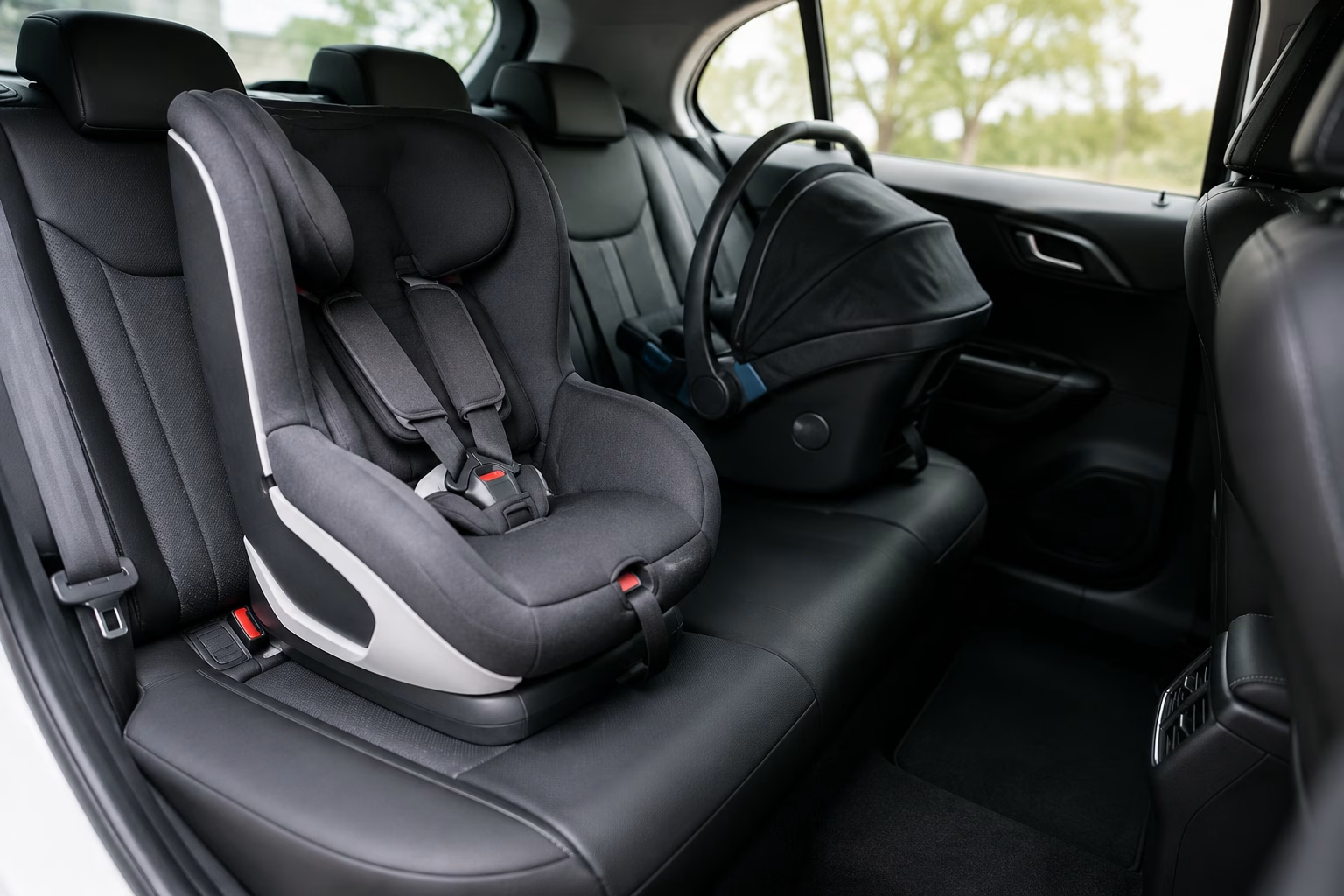
Every parent shares one priority whenever they buckle their child into a vehicle: getting to the destination safely. Today, more than ever, Child Safety Systems play a crucial role in protecting young passengers on the road. Whether it is a quick trip to school, a weekend family outing, or a long-distance holiday, every journey carries responsibilities that extend beyond simply driving carefully. Yet road crashes remain one of the leading causes of injury among children worldwide. Understanding today’s child safety technologies can help parents make informed decisions when buying a vehicle and ensure young passengers travel as safely as possible.
Across Africa, vehicle safety is becoming an increasingly important factor for families purchasing new and used vehicles. Parents are paying closer attention to crash test ratings, child restraint systems, and advanced safety technologies that provide greater protection during everyday journeys and unexpected emergencies. Choosing a vehicle with comprehensive child safety features is no longer a luxury—it is a responsible investment in every family’s wellbeing.
A Child Seat Is Essential
One of the most effective ways to protect young passengers is by using a properly installed child restraint system. Adult seatbelts are designed for fully grown occupants and cannot safely restrain infants or young children.
Child safety seats distribute crash forces across the strongest parts of a child’s body while keeping the head, neck, and spine properly aligned during an impact. Infants should travel in rear-facing child seats for as long as recommended by the seat manufacturer. As children grow, they should transition to forward-facing seats with integrated harnesses before eventually using booster seats until standard seatbelts fit correctly. Parents should always select a child seat that matches the child’s age, height, and weight rather than moving to the next stage too early.
ISOFIX Makes Installation Safer
Many African families purchase imported used vehicles. Before buying, parents should confirm that the vehicle includes original airbags, ISOFIX anchor points, and all factory-installed safety equipment. They should also ensure that previously deployed airbags have been properly replaced and that no safety systems have been removed or disabled during repairs.
Rear Seats Offer Greater Protection
Children should always travel in the rear seats whenever possible. The rear seating area provides greater protection from frontal collisions, which account for a large proportion of serious road accidents. Children should never ride on an adult’s lap because the forces generated during even a moderate-speed collision make it impossible for an adult to hold them securely. Parents should also avoid placing rear-facing child seats in front passenger seats equipped with active airbags. If the airbag deploys, it can cause severe injuries to the child.
Seatbelts Must Fit Properly
As children grow, many parents move them out of child seats too early. A seatbelt only provides effective protection when it fits correctly. The lap belt should rest across the upper thighs rather than the abdomen, while the shoulder belt should cross the centre of the chest without touching the neck or face. Booster seats help position children correctly until they are tall enough for standard seatbelts to function as intended. Proper seatbelt positioning significantly reduces the risk of injury during sudden braking or a collision.
Airbags Work Together with Seatbelts
Airbags are designed to complement seatbelts rather than replace them. Modern vehicles often include front, side, curtain, knee, and centre airbags that provide additional protection during different types of collisions. Side curtain airbags are particularly valuable for families because they help protect children during side-impact crashes by cushioning the head and reducing contact with the vehicle structure. Even with advanced airbag systems, children should always remain properly restrained in age-appropriate child seats or booster seats.
Advanced Driver Assistance Systems Help Prevent Accidents
Modern vehicles increasingly include Advanced Driver Assistance Systems (ADAS) that help drivers avoid collisions before they occur. Technologies such as Autonomous Emergency Braking (AEB), Lane Keeping Assist, Blind Spot Monitoring, Adaptive Cruise Control, Rear Cross-Traffic Alert, Driver Attention Monitoring, and Traffic Sign Recognition improve overall road safety by assisting drivers during potentially dangerous situations. Although these technologies cannot replace attentive driving, they provide an additional layer of protection for families travelling on busy roads.
Crash Test Ratings Include Child Protection
Crash test ratings now evaluate more than adult occupant safety. Independent organizations also assess how well vehicles protect child passengers during different collision scenarios. Many safety programmes evaluate child restraint performance, ISOFIX compatibility, seatbelt design, and overall child occupant protection. Before purchasing a family vehicle, parents should review independent crash test results rather than relying solely on manufacturer claims. A vehicle that performs well in child occupant protection testing provides greater confidence for everyday family travel.
Vehicle Maintenance Supports Child Safety
Even the most advanced safety technologies depend on proper vehicle maintenance. Tyres, brakes, suspension components, steering systems, lighting, and airbags must remain in excellent condition to perform effectively during an emergency. Parents should also ensure child seats remain securely installed and inspect harnesses regularly for wear or damage. Routine vehicle inspections help identify potential faults before they compromise family safety.
Parents Play the Most Important Role
Technology can significantly improve vehicle safety, but it cannot replace responsible parenting and careful driving. Parents should always ensure every child is properly restrained before every journey, regardless of distance. Avoiding distractions, observing speed limits, maintaining safe following distances, and adapting driving to road and weather conditions all contribute to safer travel. Children learn safe road habits by watching the adults around them. When parents consistently wear seatbelts and practise safe driving habits, they encourage lifelong road safety awareness.
Investing in Safety Protects the Future
Modern child safety systems have transformed family travel by reducing the likelihood of serious injuries during road accidents. Child restraint systems, ISOFIX anchor points, advanced airbags, crash-tested vehicle structures, and intelligent driver assistance technologies all work together to create a safer travelling environment for young passengers.
For African families, where vehicle ownership continues to expand and road safety remains a priority, understanding these technologies can make a meaningful difference. When choosing your next vehicle, consider more than comfort, fuel economy, or styling. Prioritise child safety features that protect your most valuable passengers on every journey.
Investing in child safety systems goes far beyond meeting safety regulations. It is about giving every child the highest level of protection possible and giving parents greater confidence and helping ensure every journey begins and ends safely.
For additional guidance on child passenger safety and best practices for child restraints, parents can explore the educational resources available from the Global NCAP, which promotes safer vehicles and improved road safety worldwide.
More Insights:
Child-detection Safety Technology May Get Mandate
Understand Crash Test Ratings Before Buying a Vehicle
Car Safety: Where Do We Stand with the Technology Evolution?
Honda Recalls Vehicles with Dangerous Airbags
Caught Up in a Sinking Car? – What to Do

